Thermopylae and Delphi full day private tour from Athens
Active
10h - 11h
For a full refund, cancel at least 24 hours before the scheduled departure time.
Instant confirmation
Mobile or paper ticket accepted
About this experience
Explore the UNESCO World Heritage Site at Delphi, home of the 4th-century-BC Temple of Apollo on this private, full day excursion from Athens. Travel in private, air-conditioned vehicles and get around all the sites your group is interested in visiting within the extensive mountainside archaeological complex before returning comfortably to Athens.
- Your guides are not official site guides, but can explain all about the sites on the way to and from Delphi
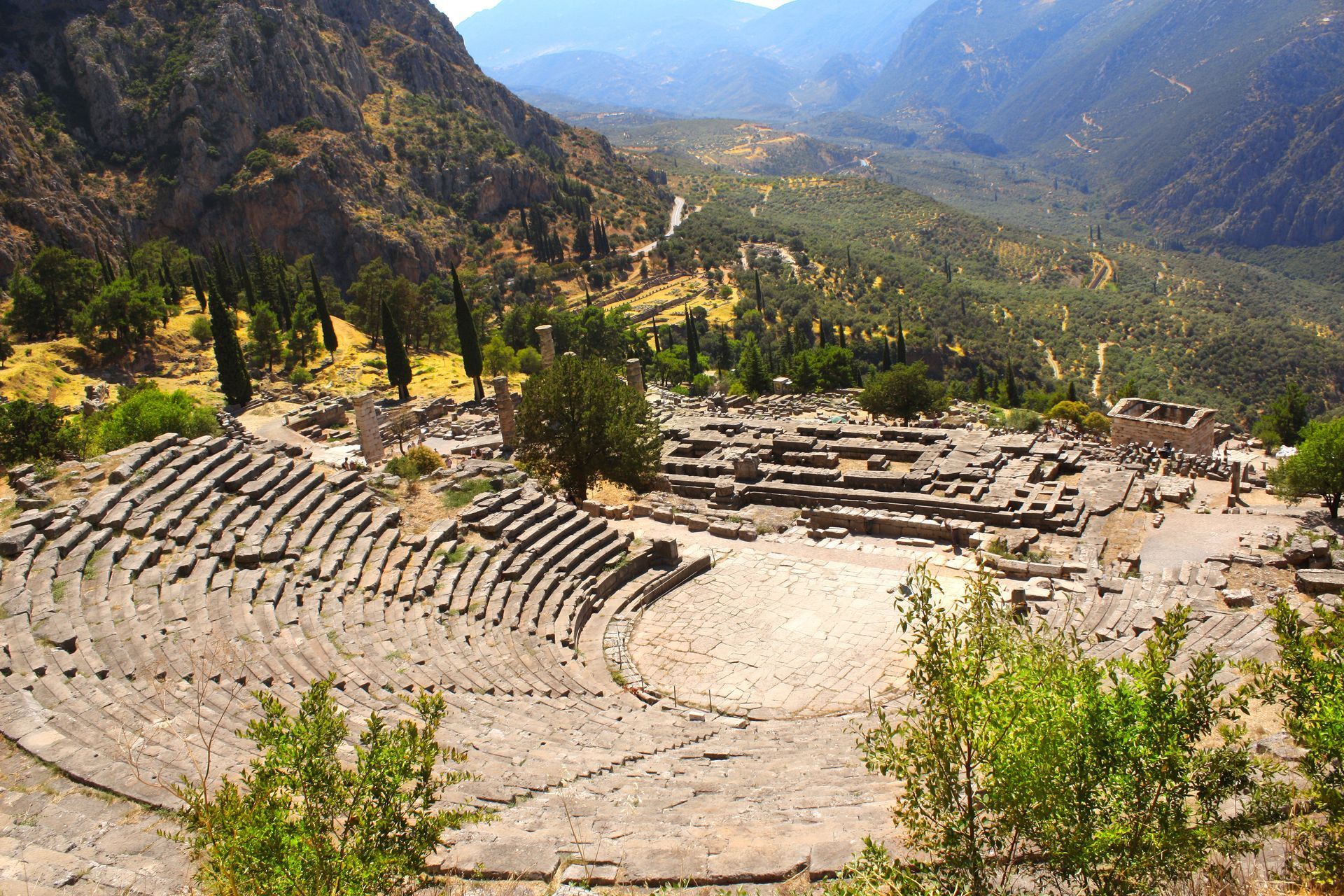
- Stop at the Delphi ruins, the Temple of Apollo, and Delphi Archaeological Museum
- See the sanctuaries of Apollo and Athena Pronaia, ancient stadiums, and theatres
- Visit Thermopylae where the battle took place and the statue of Leonidas
Available options
With Greek Traditional Food
Lunch: Enjoy authentic Greek cuisine and traditional foods.<br/>Pickup included
Without food
Lunch: We will make a stop for lunch anyway, but it is not included in the price.<br/>Pickup included
What's included
Private transportation
Bottled water
WiFi on board
Professional drivers with deep knowledge of history (not licensed to accompany you in any site)
Lunch (With Greek Traditional Food option)
Air-conditioned vehicle
Hotel/ airport/ port pickup and drop-off
Detailed itinerary
1
Thermopylae is a place in Greece where a narrow coastal passage existed in antiquity. It derives its name from its hot sulphur springs. In Greek mythology the Hot Gates is one of the entrances to Hades.
Thermopylae is the site of a battle between the Greek forces and the invading Persian forces, commemorated by Simonides of Ceos in the famous epitaph, "Go tell the Spartans, stranger passing by, That here obedient to their laws we lie." Thermopylae is the only land route large enough to bear any significant traffic between Lokris and Thessaly. To go from north to south along the east coast of the Balkan peninsula requires use of the pass, and so Thermopylae has been the site of several battles.
2
The Battle of Thermopylae was fought between an alliance of Ancient Greek city-states, led by King Leonidas I of Sparta, and the Achaemenid Empire of Xerxes I. It was fought in 480 BC over the course of three days, during the second Persian invasion of Greece.
The battle took place simultaneously with the naval battle at Artemisium. It occurred at the narrow coastal pass of Thermopylae ("The Hot Gates") in August or September 480 BC. The Persian invasion was a delayed response to the defeat of the first Persian invasion of Greece, which had been ended by the Athenian victory at the Battle of Marathon in 490 BC. By 480 BC, Xerxes had amassed a massive army and navy and set out to conquer all of Greece. The Athenian politician and general Themistocles had proposed that the allied Greeks block the advance of the Persian army at the pass of Thermopylae, while simultaneously blocking the Persian navy at the Straits of Artemisium.
3
Leonidas was a king of the Greek city-state of Sparta, and the 17th of the Agiad line, a dynasty which claimed descent from the mythological demigod Heracles and Cadmus. Leonidas was son of King Anaxandridas II. He succeeded his half-brother King Cleomenes I to the throne in c. 489 BC.
Leonidas had a notable participation in the Second Persian War, where he led the allied Greek forces to a last stand at the Battle of Thermopylae (480 BC) while attempting to defend the pass from the invading Persian army; he died at the battle and entered myth as the leader of the 300 Spartans. While the Greeks lost this battle, they were able to expel the Persian invaders in the following year.
4
Next to the monument of Leonidas, in the historic Thermopylae, lies the innovative museum of the Lamia Municipality, dedicated to the 480 BC battle that changed the course of Greek history.
5
Free time for a walk at:
- sanctuaries of Apollo and Athena Pronaia
- ancient stadium and theater
6
An intriguing architectural marvel nestled within the archaeological site of Delphi. Tholos provides us with a window into the ancient world and the rich tapestry of beliefs and traditions.
The Tholos of Athena Pronaia is a circular building with a distinctive architectural design, featuring a ring of Doric columns surrounding a central chamber. Built in the 4th century BCE, this unique structure served as a sanctuary dedicated to Athena Pronaia, a variant of the goddess Athena worshipped in Delphi.
7
Stop 7
Delphi Archaeological Museum is one of the principal museums of Greece and one of the most visited. It is operated by the Greek Ministry of Culture. Founded in 1903, it has been rearranged several times and houses the discoveries made at the Panhellenic sanctuary of Delphi, which dates from the Late Helladic (Mycenean) period to the early Byzantine era.
Organized in fourteen rooms on two levels, the museum mainly displays statues, including the famous Charioteer of Delphi, architectural elements, like the frieze of the Siphnian Treasury, and ex-votos dedicated to the sanctuary of Pythian Apollo, like the Sphinx of Naxos. The exhibition floor space is more than 2270m2, while the storage and conservation rooms (mosaics, ceramics, and metals) take up 558m2.
8
Stop 8
The Temple of Apollo, god of music, harmony, light, healing, and oracles occupied the most important and prominent position in the Delphic Panhellenic Sanctuary. The edifice with the partially restored colonnade visible today dates to the 4th century BC; it is the third temple built at the same place. The famous oracle, the Pythia, operated inside the temple, the location chosen, according to one tradition, due to a sacred chasm beneath the site emitting vapors, which were inhaled by the Pythia. Some ancient writers state that the Pythia then entered a state of delirium and uttering inarticulate cries, which were then turned into equivocal oracles by the priests. This interpretation is controversial, and has been challenged by scholars such as Joseph Fontenrose and Lisa Maurizio, who argue that the ancient sources uniformly represent the Pythia speaking intelligibly, and giving prophecies in her own voice.
9
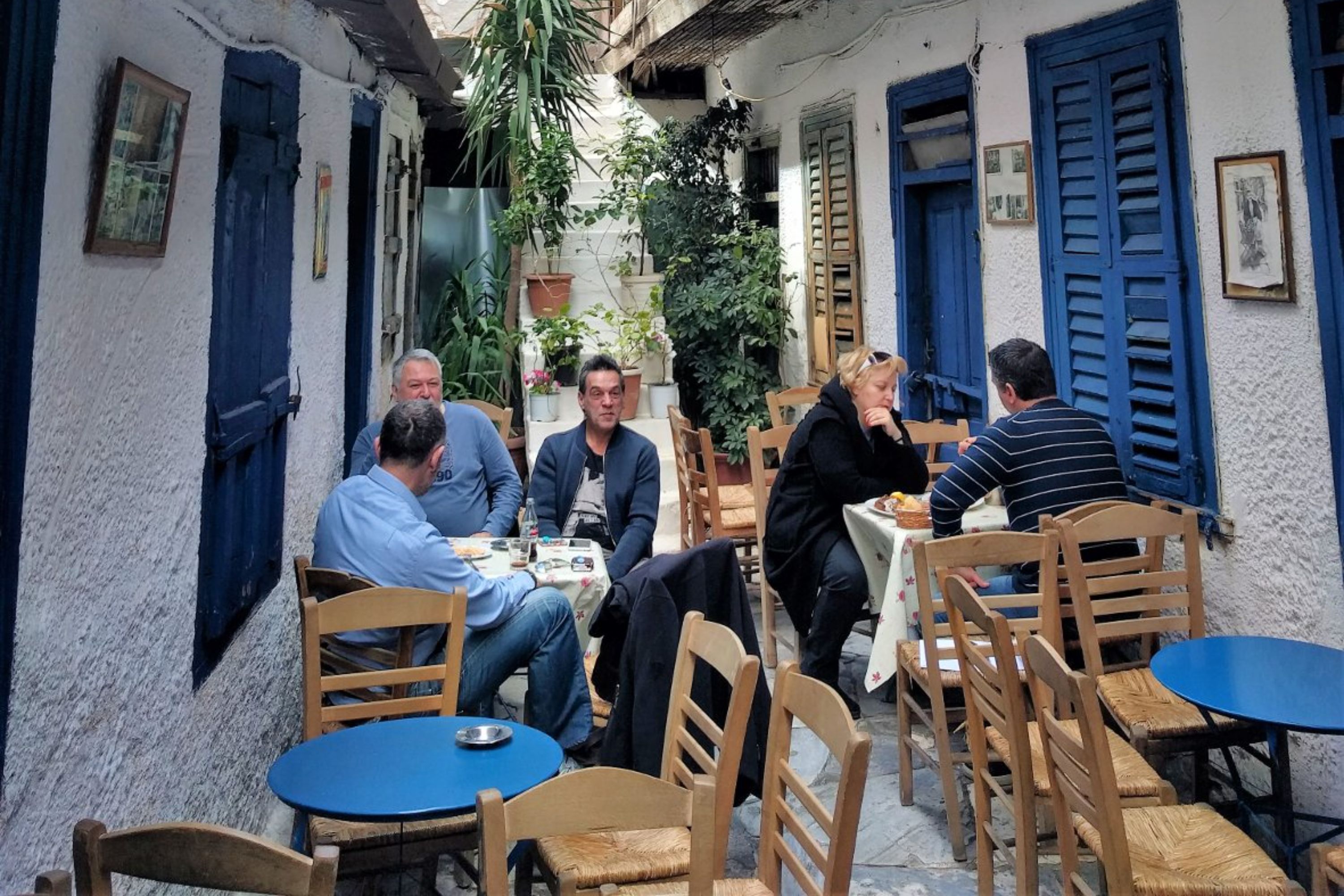
Free time for lunch at a traditional Greek tavern with your friends and family or shopping.
10
Free time for a coffee before we start our trip back to Athens.
What's not included
Licensed tour guide (upon request and depending on availability)
Gratuities
Delphi & Delphi Archaeological Museum (can be purchased on-site)
Thermopylae Museum (can be purchased on-site)
Available languages
Guide guide
EN
Reviews breakdown
Viator
4.7
14 reviews
5★
12
4★
1
3★
0
2★
1
1★
0
Tripadvisor
5.0
45 reviews
5★
44
4★
1
3★
0
2★
0
1★
0
Important information
Public transportation options are available nearby
Infants are required to sit on an adult’s lap
Specialized infant seats are available
Suitable for all physical fitness levels
Our drivers are not official tour guides, but they are knowledgeable and can provide fascinating commentary in fluent English. Although they will not enter the archaeological sites with you, they can answer all of your questions about the places you visit with this tour.
Third party activities and especially extreme sports are not allowed during the tour. This can be a cause for immediate cancellation of the tour.
About Athens
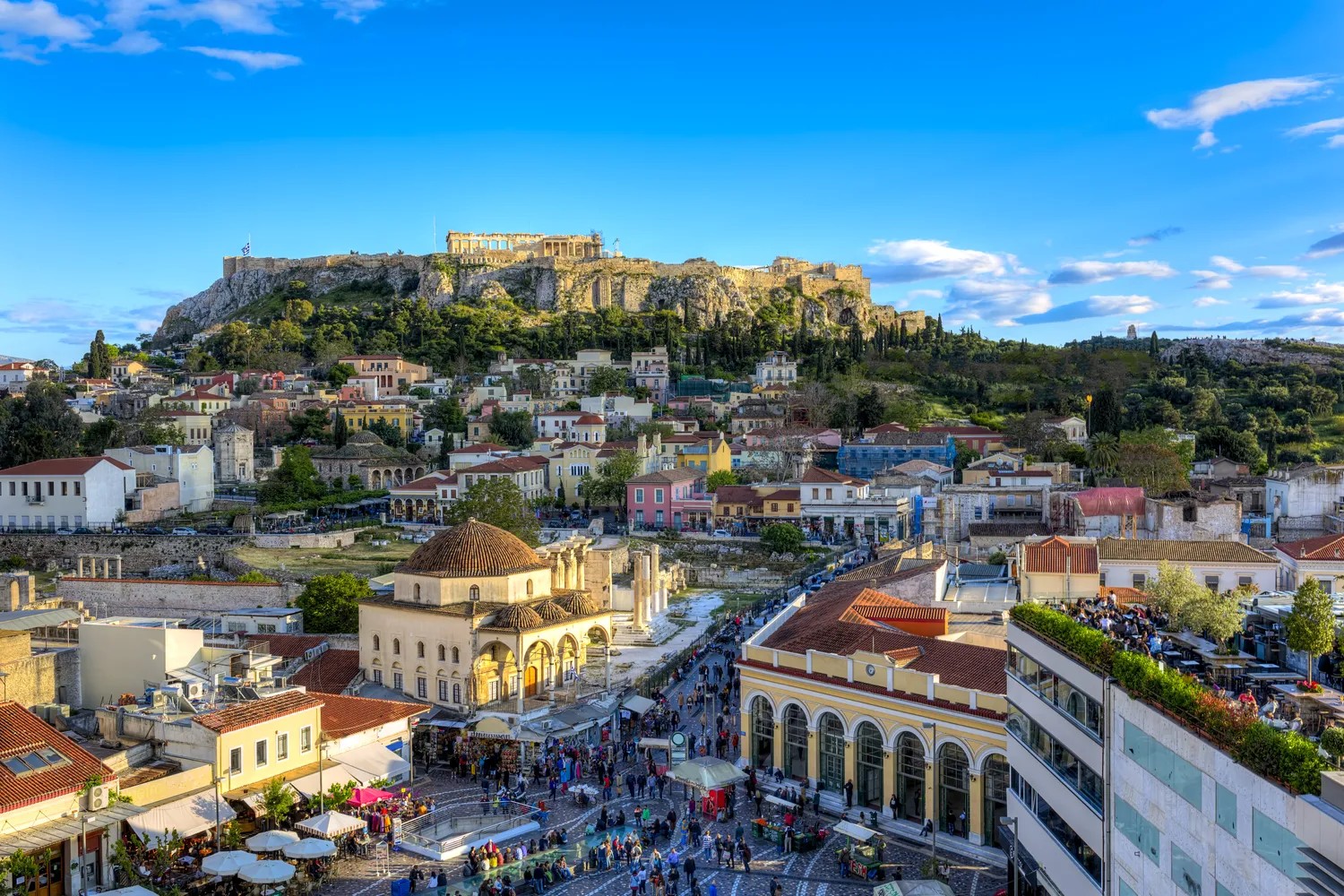
Athens, the capital of Greece, is a city rich in history and culture, often considered the cradle of Western civilization. It is home to iconic ancient landmarks, vibrant neighborhoods, and a thriving modern scene.
Top Attractions
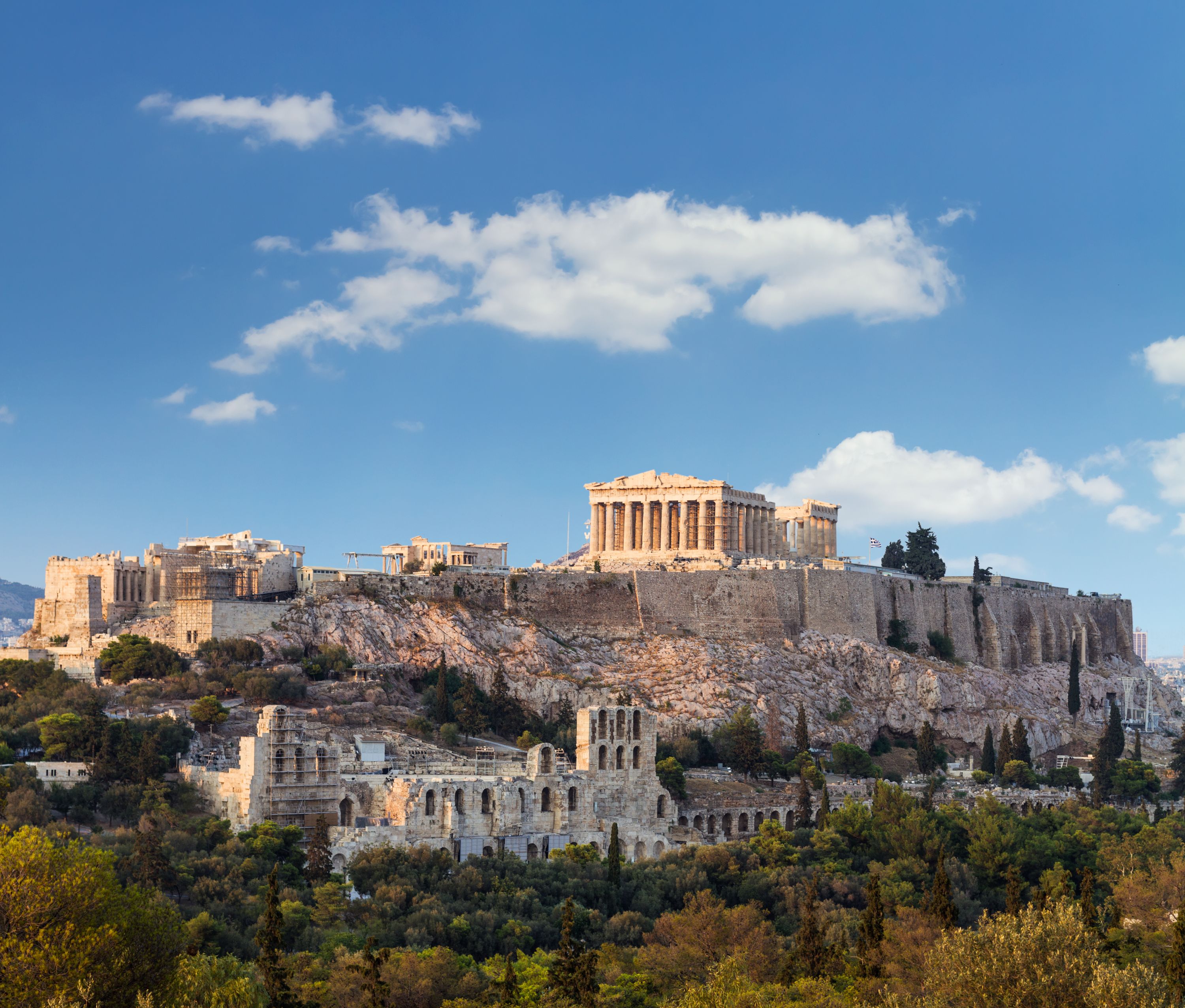
Acropolis of Athens
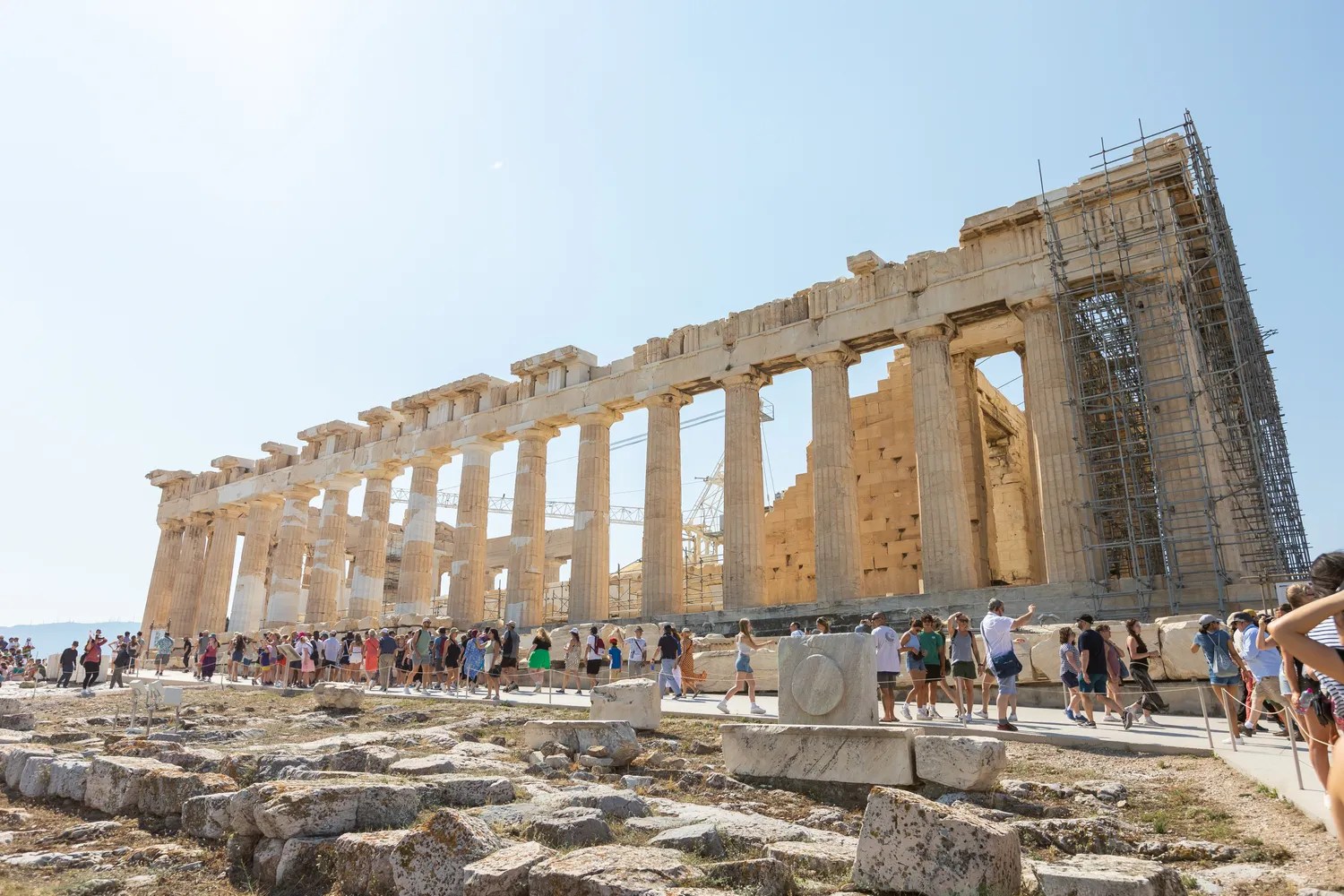
The Acropolis is the most iconic landmark in Athens, featuring ancient ruins and temples, including the Parthenon.
Historical
2-3 hours
€20 (combined ticket for multiple sites)
Ancient Agora of Athens
The heart of ancient Athens, featuring the Temple of Hephaestus and the Stoa of Attalos.
Historical
1-2 hours
€8 (included in the combined ticket)
Plaka
A charming, historic neighborhood with narrow streets, neoclassical houses, and vibrant nightlife.
Cultural
2-3 hours
Free to explore
Acropolis Museum
A modern museum showcasing artifacts from the Acropolis and its surroundings.
Museum
1-2 hours
€10
Temple of Olympian Zeus
An ancient temple dedicated to Zeus, once the largest temple in Greece.
Historical
30 minutes to 1 hour
€6 (included in the combined ticket)
Must-Try Local Dishes
Moussaka
A baked dish with layers of eggplant, minced meat, and béchamel sauce.
Dinner
Vegetarian versions available
Souvlaki
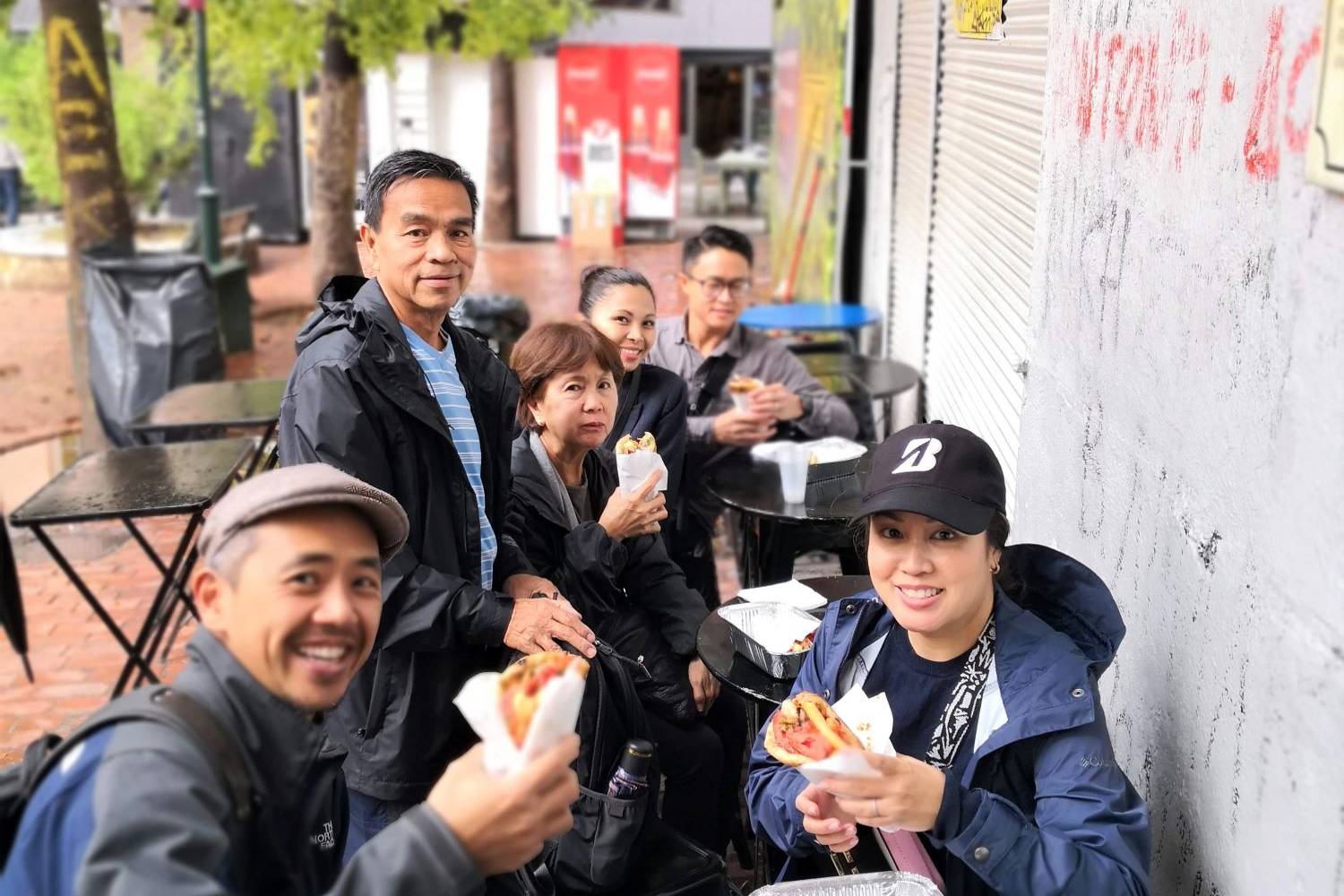
Grilled meat skewers, often served with pita bread and tzatziki.
Snack
Can be made with chicken, pork, or vegetarian options
Tzatziki
A yogurt-based dip with cucumber, garlic, and herbs.
Snack
Vegetarian and vegan options available
Baklava
A sweet pastry made with layers of filo, nuts, and honey syrup.
Dessert
Vegetarian
Popular Activities
Hiking in the mountains
Rock climbing
Scuba diving
Beach visits
Spa treatments
Café hopping
Museum visits
Theater performances
Best Time to Visit
April to June, September to October
The best time to visit Athens is during the spring and autumn months when the weather is pleasant and the tourist crowds are smaller.
18°C to 32°C
64°F to 90°F
Practical Information
Language
- Official: Greek
- Widely spoken: English, French, German
- English: Moderately spoken
Currency
Euro (EUR)
Time Zone
GMT+2 (EET)
Electricity
230VV, 50HzHz
Safety Information
Overall Safety Rating: Generally safe
Athens is generally safe for travelers, but petty crime and pickpocketing can occur in tourist areas. Be cautious with your belongings and avoid poorly lit areas at night.
Important Precautions:
- • Keep valuables secure
- • Use licensed taxis or ride-sharing apps
- • Be cautious with ATMs and credit cards
Getting there
By air
- Eleftherios Venizelos International Airport • 30 km from city center
By train
Athens Central Railway Station
By bus
KTEL Bus Station
Getting around
Public transport
Clean, efficient, and air-conditioned. Easy to navigate with clear signage in English.
Taxis
Available • Apps: Beat, Uber
Rentals
Car, Bike, Scooter
Neighborhoods
Plaka
Monastiraki
Psiri
Koukaki
Kolonaki
Day trips
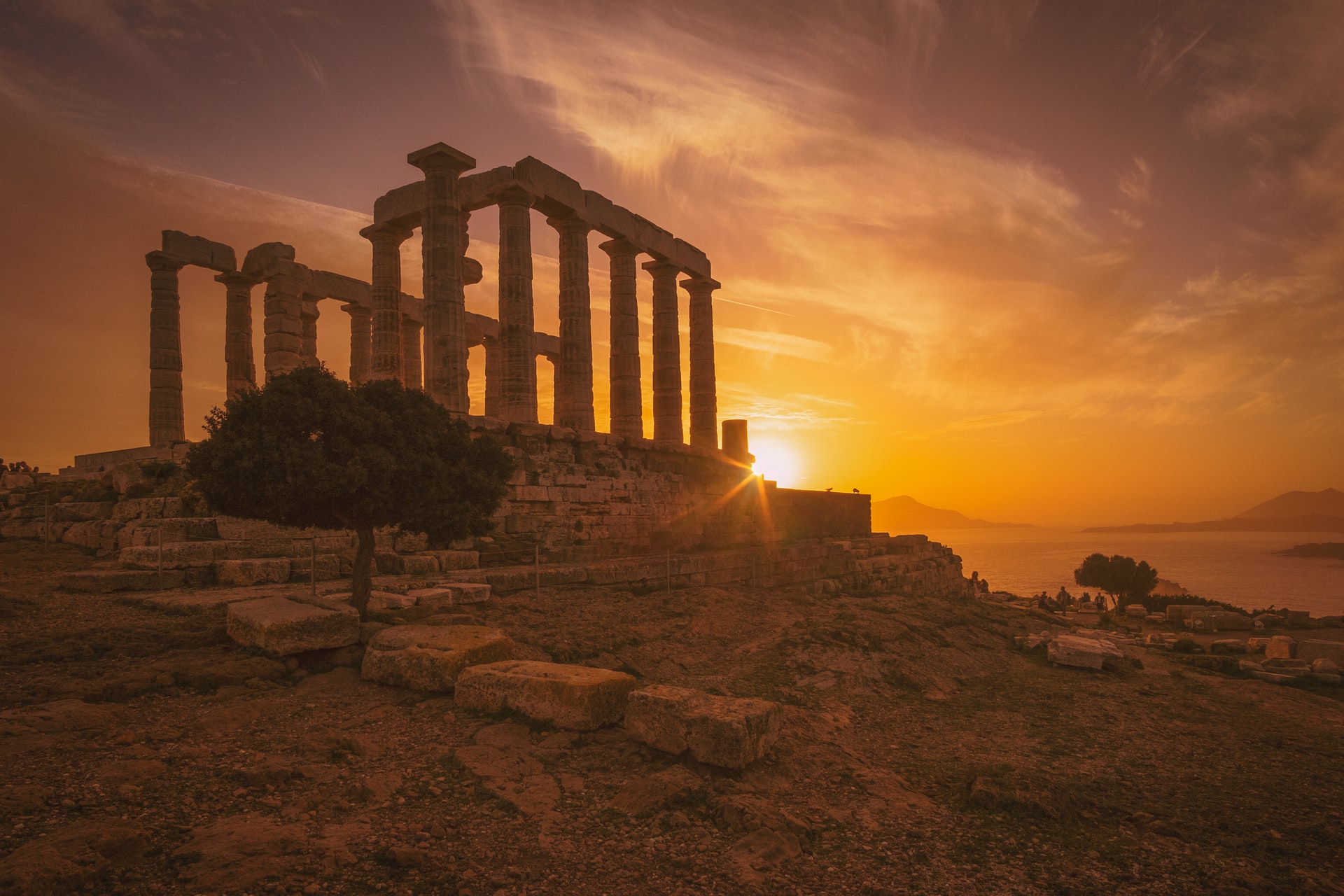
Cape Sounion
65 km from Athens • Half day to full day
A scenic coastal area featuring the Temple of Poseidon with stunning views of the Aegean Sea.
Delphi
180 km from Athens • Full day
An ancient archaeological site and home to the famous Oracle of Delphi.
Meteora
350 km from Athens • Overnight
A unique landscape featuring rock formations and medieval monasteries perched atop cliffs.
Festivals
Athens Festival • May to October
Athens Epidaurus Festival • June to August
Athens International Film Festival • October
Pro tips
- Visit major attractions early in the morning or late in the afternoon to avoid crowds and heat
- Use the metro for easy and efficient travel around the city
- Explore local neighborhoods for an authentic Greek experience
- Try local street food for a quick and delicious meal
- Learn a few basic Greek phrases to enhance your experience and connect with locals
From $25
per person
Price varies by option
Secure booking
Free cancellation available
Instant confirmation