Christian Rome with English Speaking driver
Active
6h
For a full refund, cancel at least 24 hours before the scheduled departure time.
Instant_then_manual confirmation
Mobile or paper ticket accepted
About this experience
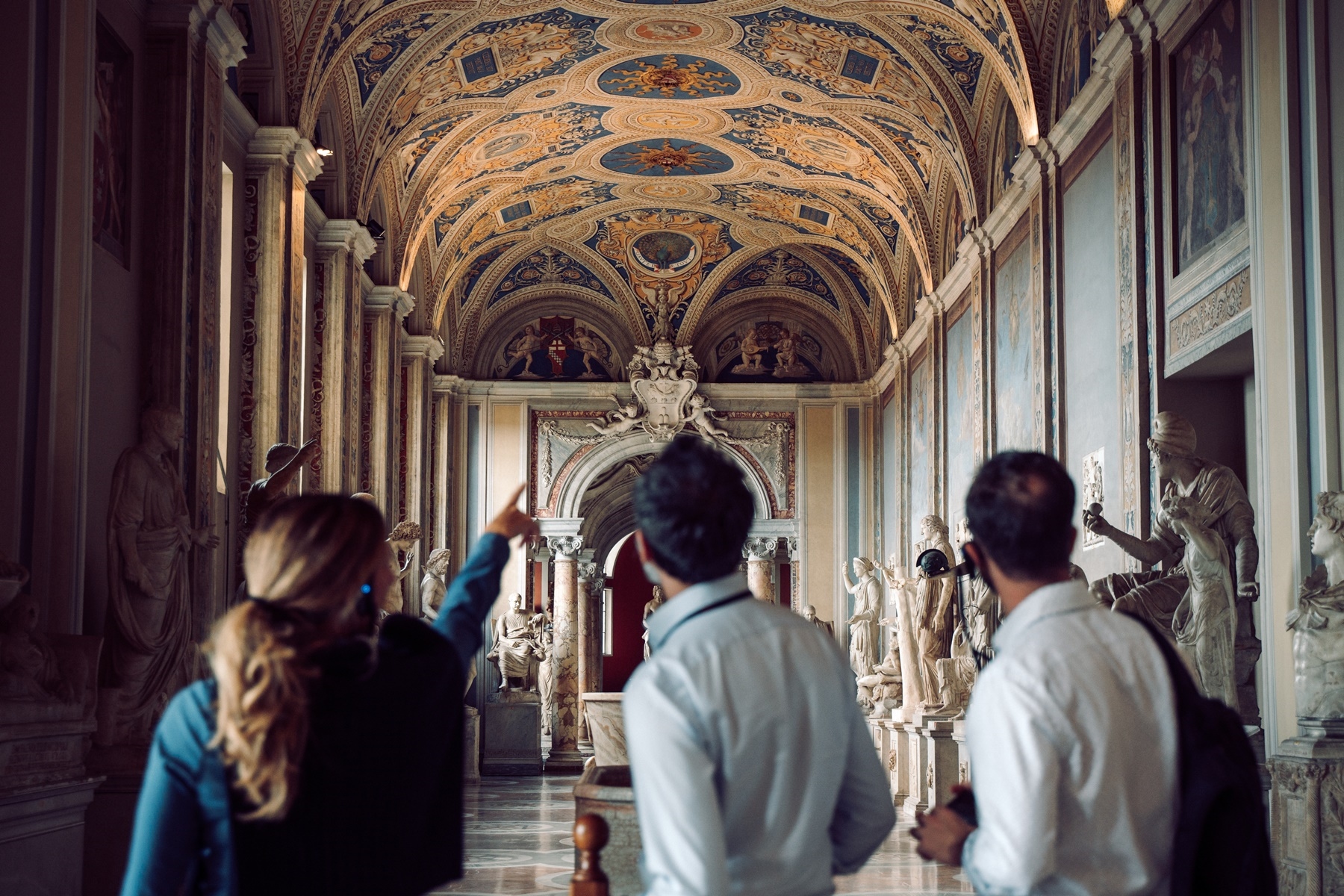
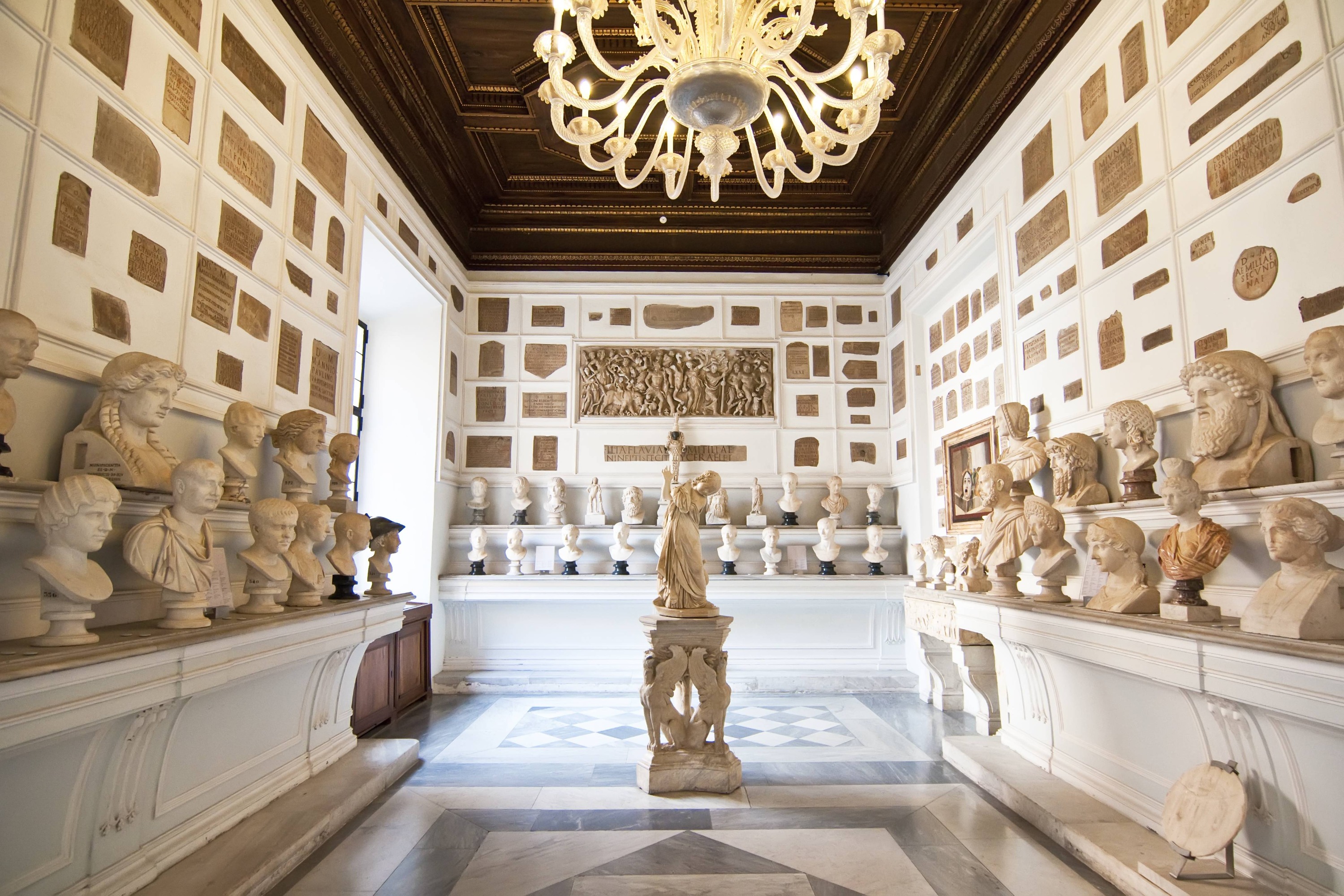
Step into the early days of Christianity, during this private six-hour driven tour (driver does not enter the sites , but gives commentaries from the vehichle )beginning and ending at your hotel. Led by a local knowledgeable English speaking driver, you’ll get an insider's view of the Eternal City and its holy sites, seeing where Constantine, St. Peter, and St. Paul lived and preached. You’ll visit major basilicas St. Mary Major, St. John Lateran, St. Paul Outside the Walls, and Holy Cross in Jerusalem. After learning about the legends of these churches and their relics, you’ll travel to the subterranean Catacombs, an ancient early-Christian burial site.
Available options
Christian Rome 4-6 minivan
Private Christian Rome tour in a minivan with english speaking driver.<br/>Pickup included
Christian Rome 7-8 minivan
Private Christian Rome tour minivan with english speaking driver.<br/>Pickup included
Christian Rome 1-3 sedan/miniv
Private Christian Rome tour in a sedan or minivan with english speaking driver.<br/>Pickup included
What's included
Live commentary on board , you visit on your own
Hotel pickup and drop-off
Transport by air-conditioned sedan/minivan
Private vehicle for the day
Detailed itinerary
1
Stop 1
We will pick you up at your hotel and drive you to the Basilica of St. Mary Major which reigns as an authentic jewel in the crown of Roman churches. Its beautiful treasures are of inestimable value, and represent the Church's role as the cradle of Christian artistic civilization in Rome. Built on the Esquiline hill in 352 A.D., this is the smallest and most precious of the four basilicas, and for centuries has held its position as a Marian shrine par excellence. Among the Patriarchal Basilicas, St. Mary Major is the only one to have kept its original structure, though it has been enhanced over the course of years. Special details within the church render it unique including the 5th century mosaics of the central nave, the Cosmatesque pavement, the 15th century coffered ceiling in gilt wood . The numerous chapels, from the most ornate to the most humble, constructed by popes, cardinals and pious confraternities, the high altar begun by Ferdinando Fuga and later enriched by the genius of Valadier, the Baptistery and finally the relic of the Holy Crib complete the array of splendors contained within these walls.
2
Stop 2
The drive continues with the visit of the Basilica of St. John in Lateran, the oldest and highest ranking of the four major basilicas in Rome. Built by the Emperor Constantine, first residence of the Popes until the year 1307, the Cathedral of the City, with the wonderful 17th century remaking by Borromini, the beautiful gentilitial chapels, the relic of the table of the Last Supper, the lovely 13th-century cloister, the Baptistry, the oldest and tallest among the 13 Egyptian obelisks in Rome, the Holy Stairs of Christ's Passion, is a site not to be missed.
3
Stop 3
The Scala Sancta are a set of 28 white marble steps that are Roman Catholic relics located in an edifice on extraterritorial property of the Holy See in Rome, Italy proximate to the Archbasilica of St. John in Laterano.[1] Officially, the edifice is titled the Pontifical Sanctuary of the Holy Stairs (Pontificio Santuario della Scala Santa). The Holy Stairs, which long ago were encased in a protective framework of wooden steps, are in an edifice that incorporates part of the old, Papal Lateran Palace. The Holy Stairs lead to the Church of St. Lawrence in Palatio ad Sancta Sanctorum (Chiesa di San Lorenzo in Palatio ad Sancta Sanctorum) or simply the "Sancta Sanctorum" (English: Holy of Holies), which was the personal chapel of the early Popes.
4
Stop 4
The Basilica of the Holy Cross in Jerusalem or Basilica di Santa Croce in Gerusalemme, is a Roman Catholic minor basilica and titular church in rione Esquilino, Rome, Italy. It is one of the Seven Pilgrim Churches of Rome.
According to tradition, the basilica was consecrated circa 325 to house the relics of the Passion of Jesus Christ brought to Rome from the Holy Land by Empress St. Helena, mother of Roman Emperor Constantine I. At that time, the Basilica's floor was covered with soil from Jerusalem, thus acquiring the title in Hierusalem; it is not dedicated to the Holy Cross which is in Jerusalem, but the Basilica itself is "in Jerusalem" in the sense that a "piece" of Jerusalem was moved to Rome for its foundation. The most recent Cardinal Priest of the Titulus S. Crucis in Hierusalem was Juan José Omella, since 28 June 2017.
5
Stop 5
From here your driver will take you to the Old Appian Way, passing by Porta San Sebastian and the chapel of "Domine Quo Vadis". This tiny 9th-century church (redone in the 17th century) was built on the spot where Peter, while fleeing the city to escape Nero's persecution, saw a vision of Christ. Peter asked Jesus, "Lord, where are you going?" ("Domine quo vadis?" in Latin), to which Christ replied, "I am going to Rome to be crucified again." This miraculous sign gave Peter faith and courage, causing him to return to Rome and meet his destiny.
6
Stop 6
We finally arrive at the Catacombs of St. Callixtus: the present catacombs are a series of underground galleries and vaults of various sizes. These were holy sites where Christians buried their dead and came to pray and celebrate liturgy. After Constantine, the bodies of many martyrs and saints were moved to churches within the city. Being outside the old city walls, the catacombs were often pillaged and seriously damaged by the invading Goths and Lombards in the 6th and 7th centuries. In time, the catacombs were abandoned and forgotten to be rediscovered only centuries later. By late 19th century, they had once again become an important and romantic place for visitors to learn about their early Christian past. Expect to pay approximately 08.00 euro per person for admission to the Catacombs. Kindly take note that the admission fee includes a guided tour with a local guide. They may not be using a microphone that is why we suggest that you stay as close as possible to the guide to better hear what (s)he will be saying.
7
Stop 7
Visit Rome's second largest church, the Basilica of St. Paul Outside the Walls. Erected on the site which is traditionally believed to be the burial place of the Apostle Paul, the cella memoriae was subsequently turned into a basilica by the Emperor Constantine and consecrated in 394 by Pope Silvester I. Throughout the centuries the Basilica would not cease to be embellished and enhanced by the Popes only to be almost completely destroyed by a terrible fire on the night of July 15, 1823. The Basilica was reconstructed identically to what it had been before, using all the elements which had survived the fire and embellished over time with beautiful mosaics , a magnificent portico with 150 columns while contemporary work has uncovered the tomb of the Apostle so that all pilgrims can pray and visit.
What's not included
Gratuities
Walking tour guide inside the sites
Catacombs of Saint Callixtus
Lunch
Available languages
Guide guide
EN
IT
Reviews breakdown
Viator
4.9
13 reviews
5★
12
4★
1
3★
0
2★
0
1★
0
Tripadvisor
4.9
11 reviews
5★
10
4★
1
3★
0
2★
0
1★
0
Important information
Specialized infant seats are available
Wheelchair accessible
Transportation options are wheelchair accessible
Not recommended for travelers with poor cardiovascular health
Suitable for all physical fitness levels
If you are not ready to depart at the assigned time , we cannot promise to fulfill the mentioned itinerary nor promise to extend the duration of the tour.
Order of stops may vary.
Your driver is not a licensed tour guide. Due to strict Italian laws and regulations in place to protect officially licensed guides, drivers can comment and explain attractions only from inside the vehicle. Drivers cannot elaborate on the attractions when they are outside of the vehicle.
This is a private service no one will join your party
Pleae be aware that on Sundays some Churches have restrictions to the places you may visit.
Important notes
If you have not already specified, you MUST advise supplier as soon as possible your pick up location information so that appropriate arrangements can be made.
About Rome
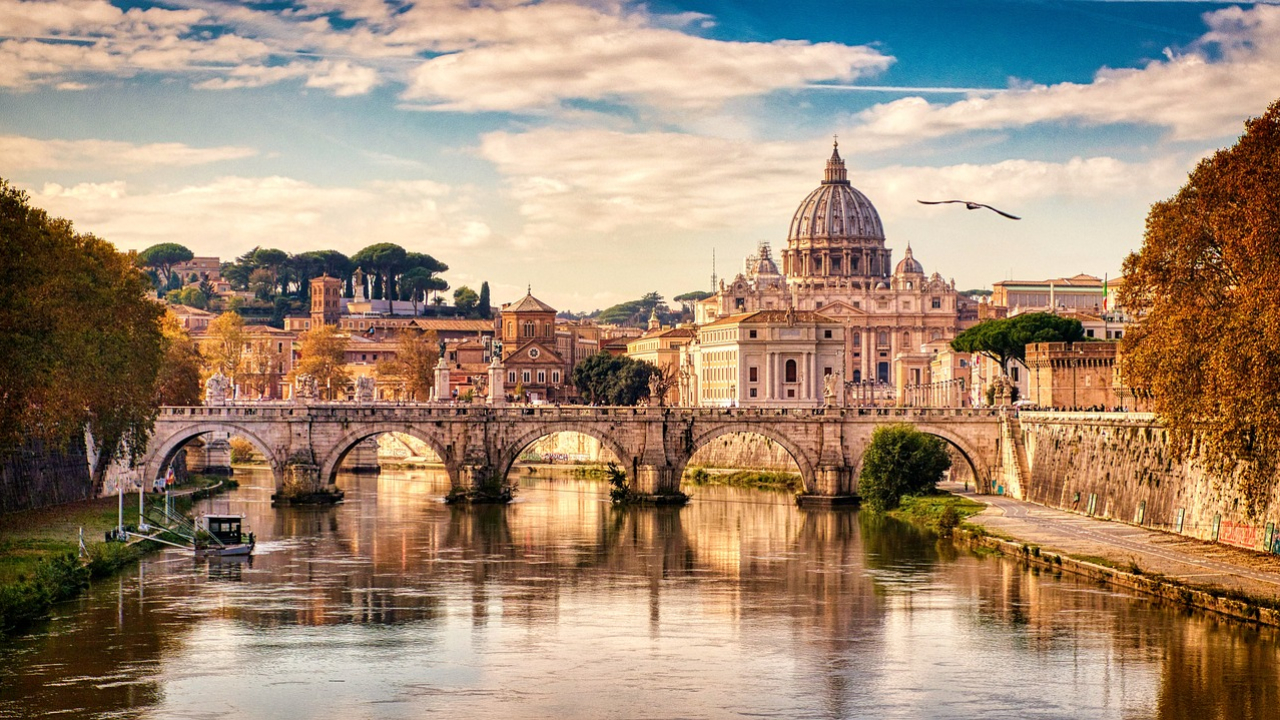
Rome, the capital of Italy, is a city of ancient ruins, artistic masterpieces, and vibrant culture. Known as the Eternal City, it is a living museum where every corner tells a story of its rich history spanning over 2,500 years.
Top Attractions
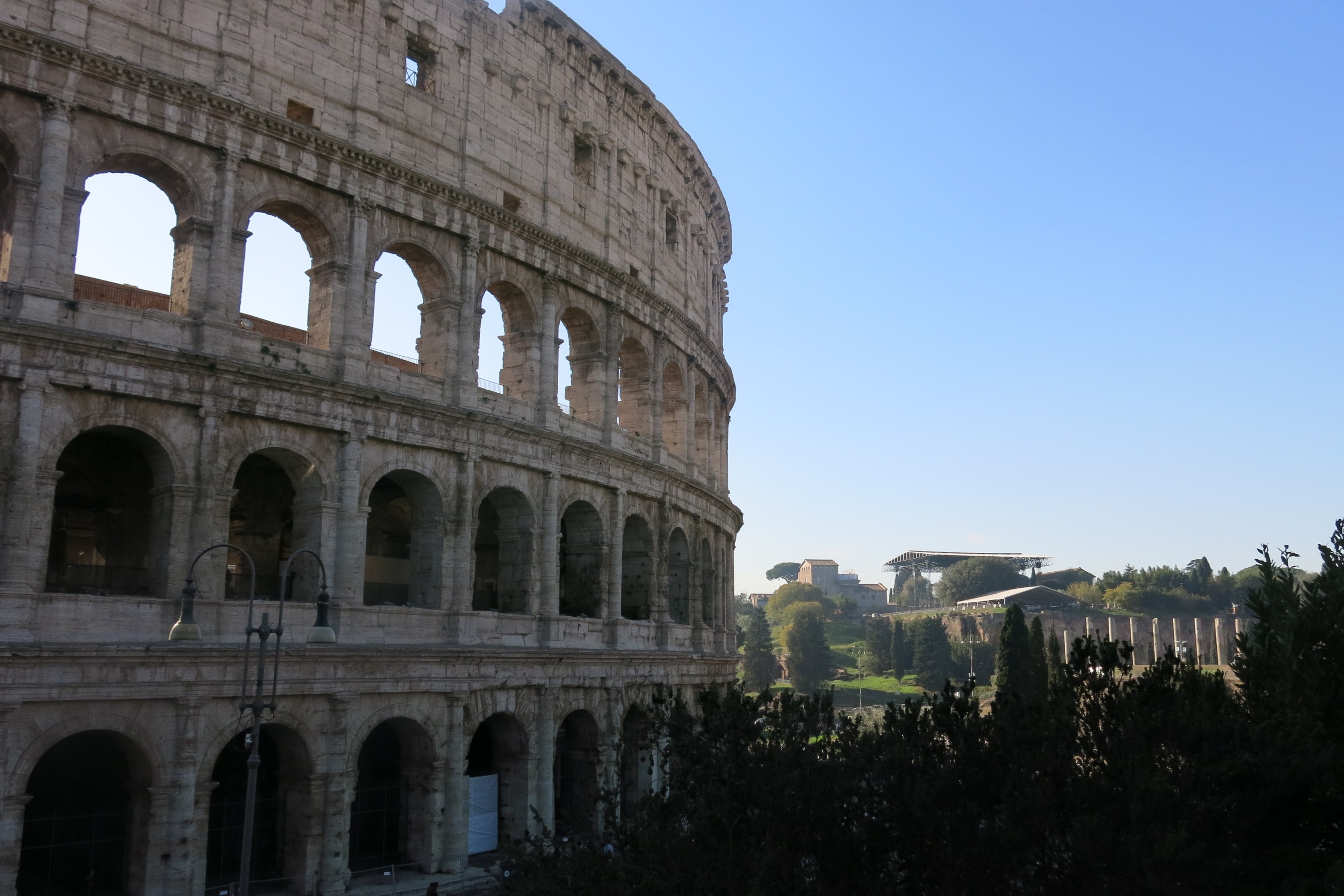
Colosseum
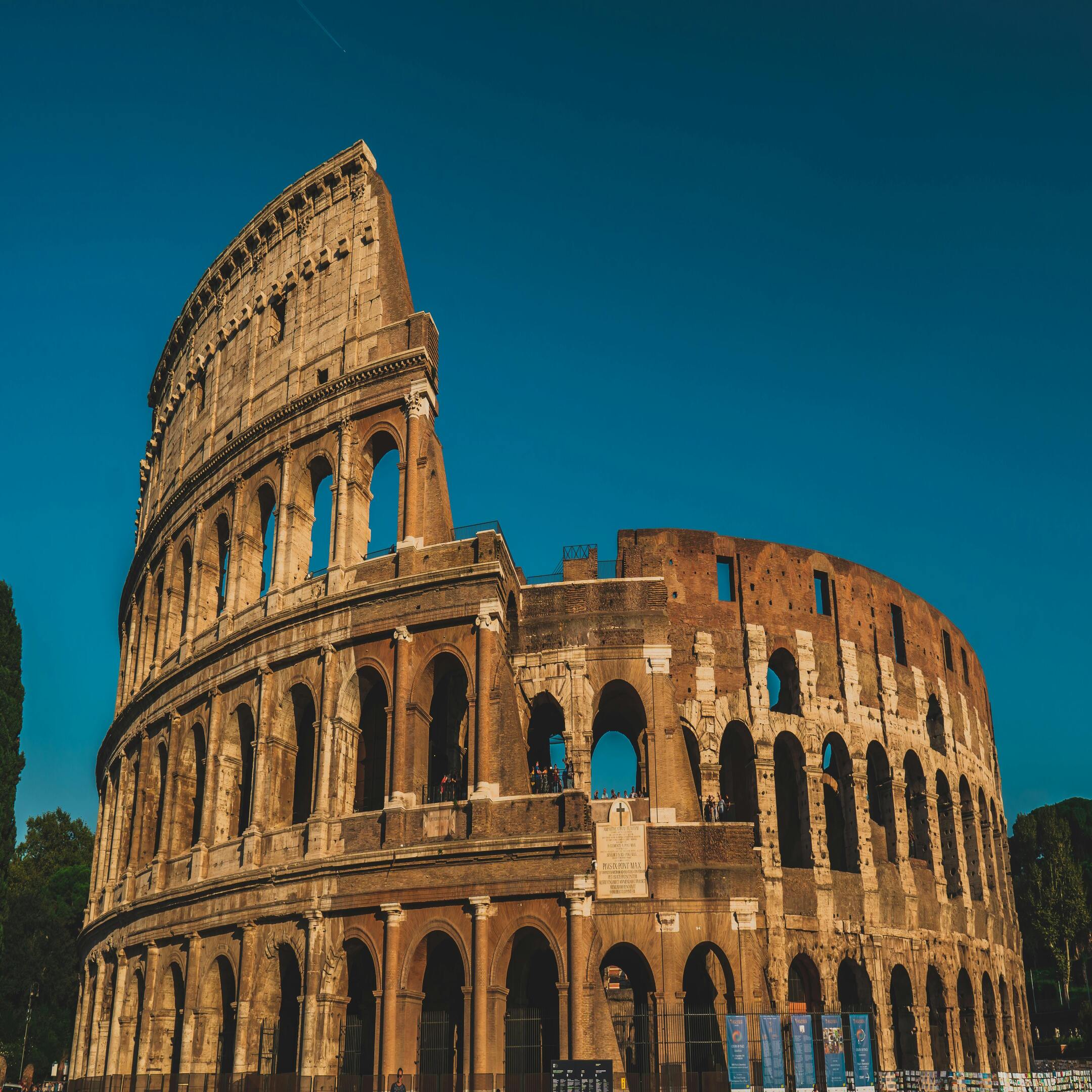
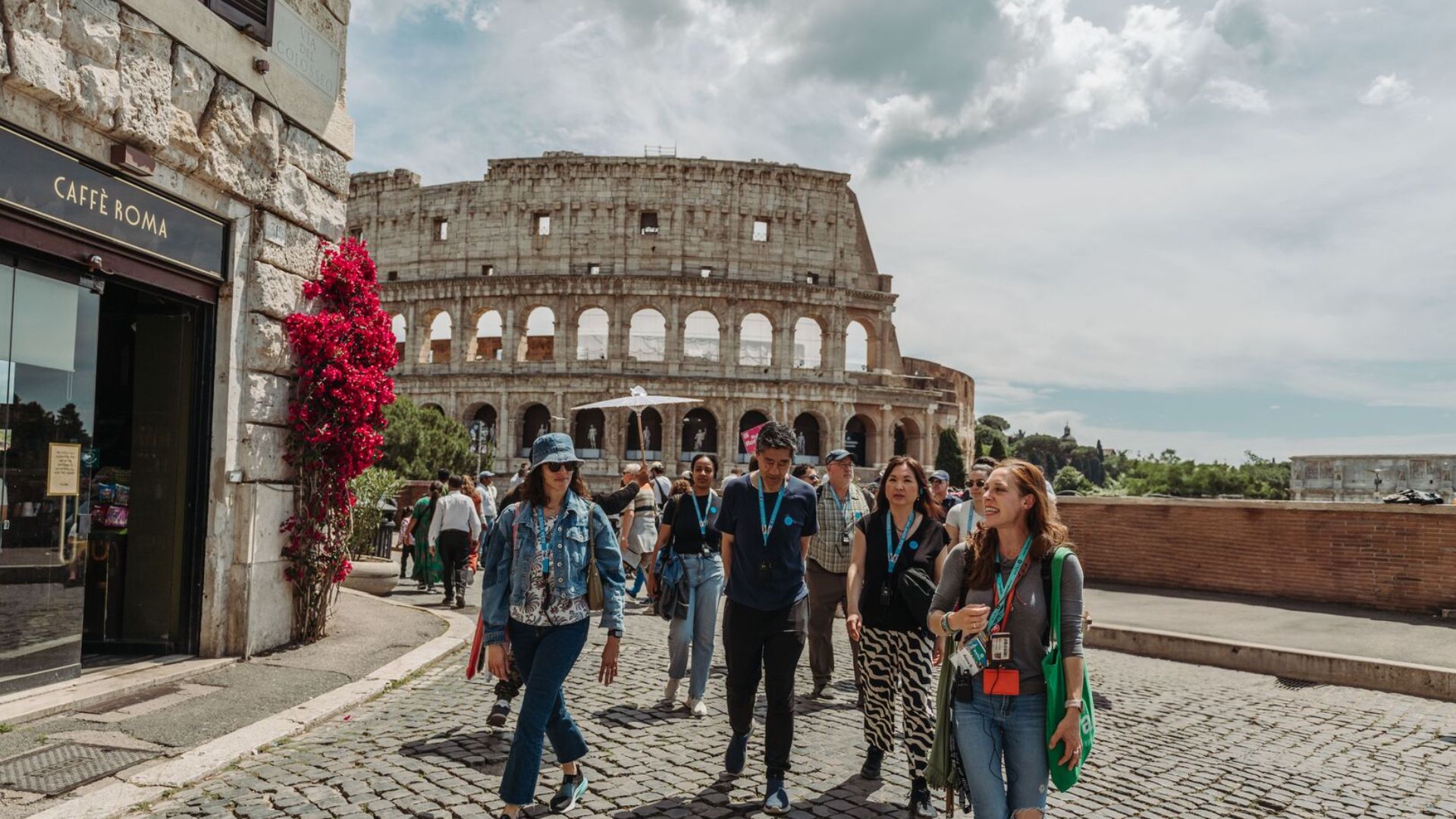
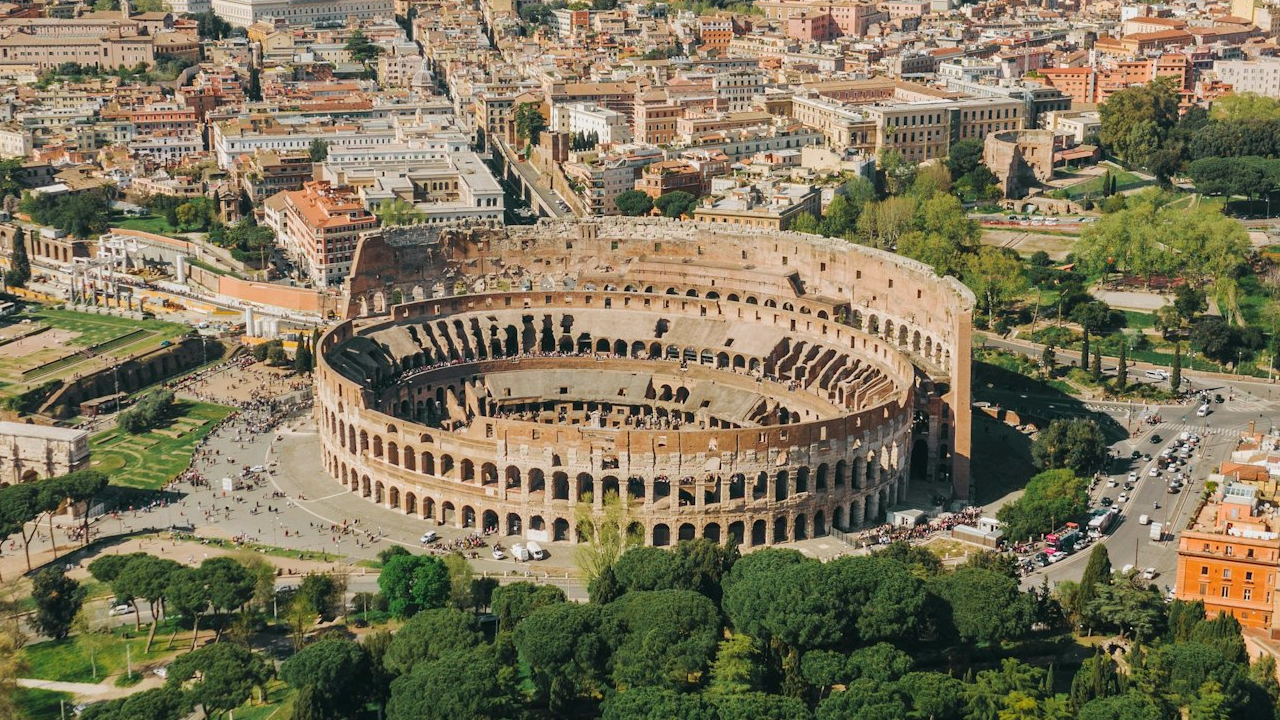
The Colosseum is an iconic symbol of Rome and one of the most famous ancient amphitheaters in the world. It was used for gladiatorial contests and public spectacles.
Historical
1-2 hours
€16 (combined ticket with Roman Forum and Palatine Hill)
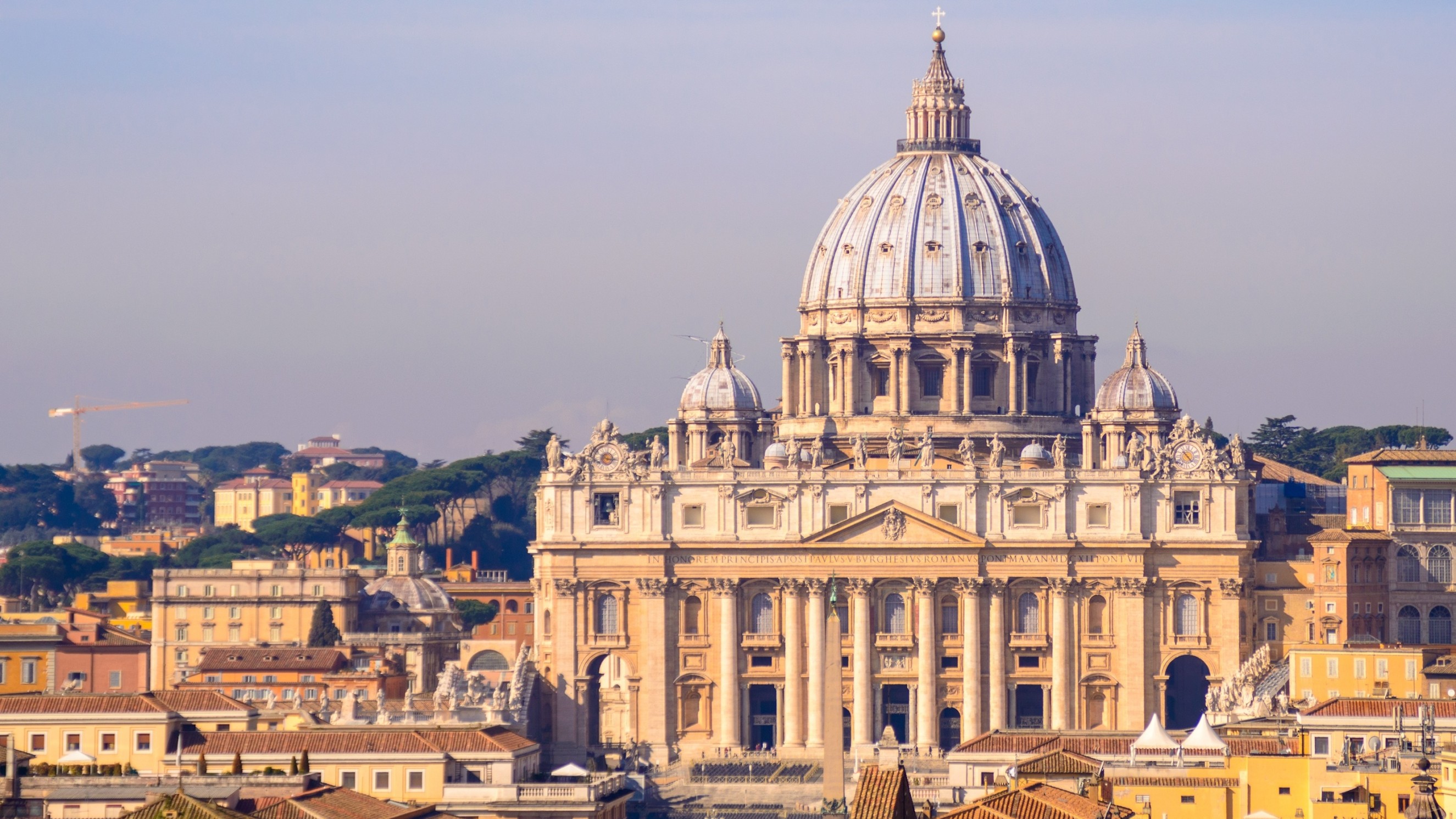
Vatican City
Vatican City is an independent city-state enclaved within Rome. It is the spiritual and administrative center of the Roman Catholic Church.
Religious
Half day
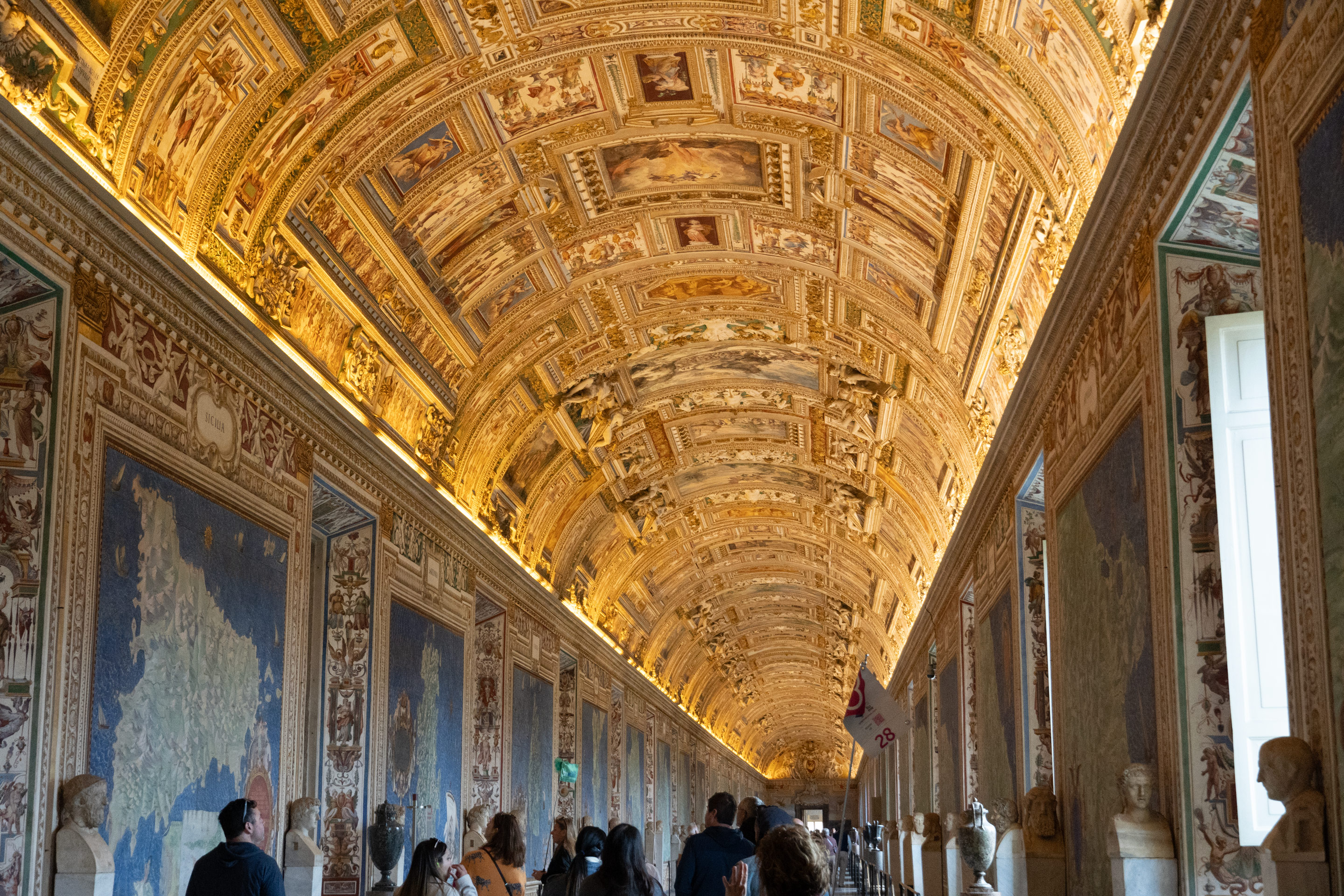
€17 (Vatican Museums and Sistine Chapel), Free (St. Peter's Basilica)
Roman Forum
The Roman Forum was the political, commercial, and legal hub of the Roman Republic and Empire. It is a sprawling ruin of temples, basilicas, and arches.
Historical
1-2 hours
€16 (combined ticket with Colosseum and Palatine Hill)
Pantheon
The Pantheon is a former Roman temple, now a church, known for its large dome and oculus. It is one of the best-preserved ancient buildings in Rome.
Historical
30 minutes to 1 hour
Free
Trevi Fountain
The Trevi Fountain is a Baroque masterpiece and the largest fountain in Rome. It is a popular spot for visitors to throw coins and make wishes.
Architecture
15-30 minutes
Free
Must-Try Local Dishes
Cacio e Pepe
A simple yet delicious pasta dish made with Pecorino Romano cheese and black pepper.
Pasta
Vegetarian
Carbonara
A rich pasta dish made with eggs, Pecorino Romano, guanciale (cured pork cheek), and black pepper.
Pasta
Contains pork and eggs
Supplì
Fried rice balls filled with mozzarella and tomato sauce.
Snack
Vegetarian (some variations may contain meat)
Carciofi alla Romana
Artichokes braised with garlic, mint, and olive oil.
Vegetable
Vegetarian
Popular Activities
Hiking in the Appian Way Regional Park
Biking along the Tiber River
Rock climbing in the nearby mountains
Picnicking in Villa Borghese Gardens
Boating on Lake Albano
Enjoying a spa day at a luxury hotel
Visiting the Vatican Museums
Attending an opera at the Teatro dell'Opera di Roma
Best Time to Visit
April to June, September to October
Spring and fall offer pleasant weather and fewer crowds compared to the summer peak. Ideal for sightseeing and outdoor activities.
15-30°C
59-86°F
Practical Information
Language
- Official: Italian
- Widely spoken: English, Spanish, French
- English: Moderately spoken
Currency
Euro (EUR)
Time Zone
GMT+1 (CET), GMT+2 (CEST during daylight saving time)
Electricity
230VV, 50HzHz
Safety Information
Overall Safety Rating: Generally safe
Rome is generally safe for tourists, but pickpocketing and scams can be a problem in crowded areas. Be aware of your surroundings and take precautions to protect your belongings.
Important Precautions:
- • Keep valuables secure and out of sight
- • Use official taxis or ride-sharing services
- • Be cautious of strangers approaching you with petitions or bracelets
Getting there
By air
- Leonardo da Vinci International Airport • 35 km from city center
- Ciampino Airport • 15 km from city center
By train
Roma Termini, Roma Tiburtina
By bus
Tiburtina Bus Station, Roma Termini
Getting around
Public transport
The metro system is efficient and covers major tourist areas. It operates from 5:30 AM to 11:30 PM.
Taxis
Available • Apps: Uber, FreeNow
Rentals
Car, Bike, Scooter
Neighborhoods
Trastevere
Monti
Prancipio
Testaccio
Day trips
Ostia Antica
30 km from Rome • Half day
An ancient Roman port city with well-preserved ruins, including a theater, baths, and mosaics. It offers a glimpse into daily life in ancient Rome.
Tivoli
30 km from Rome • Full day
A picturesque town known for its stunning villas and gardens, including the famous Villa d'Este with its elaborate fountains and gardens.
Orvieto
120 km from Rome • Full day
A charming hilltop town known for its stunning cathedral, underground caves, and local wine. It offers a mix of history, culture, and scenic views.
Festivals
Natale di Roma • April 21
Festa de' Noantri • July
Rome Film Festival • October
Pro tips
- Visit major attractions early in the morning or late in the afternoon to avoid crowds
- Use public transport or walk instead of taking taxis to save money and experience the city like a local
- Try local specialties and ask for recommendations from locals and restaurant staff
- Dress modestly when visiting religious sites and be respectful of local customs and traditions
- Be aware of pickpockets and scams, especially in crowded areas and tourist hotspots
From $25
per person
Price varies by option
Secure booking
Free cancellation available