Mumbai Night Lights Tour
Active
4h
For a full refund, cancel at least 24 hours before the scheduled departure time.
Instant confirmation
Mobile or paper ticket accepted
About this experience
The City That Never Sleeps.
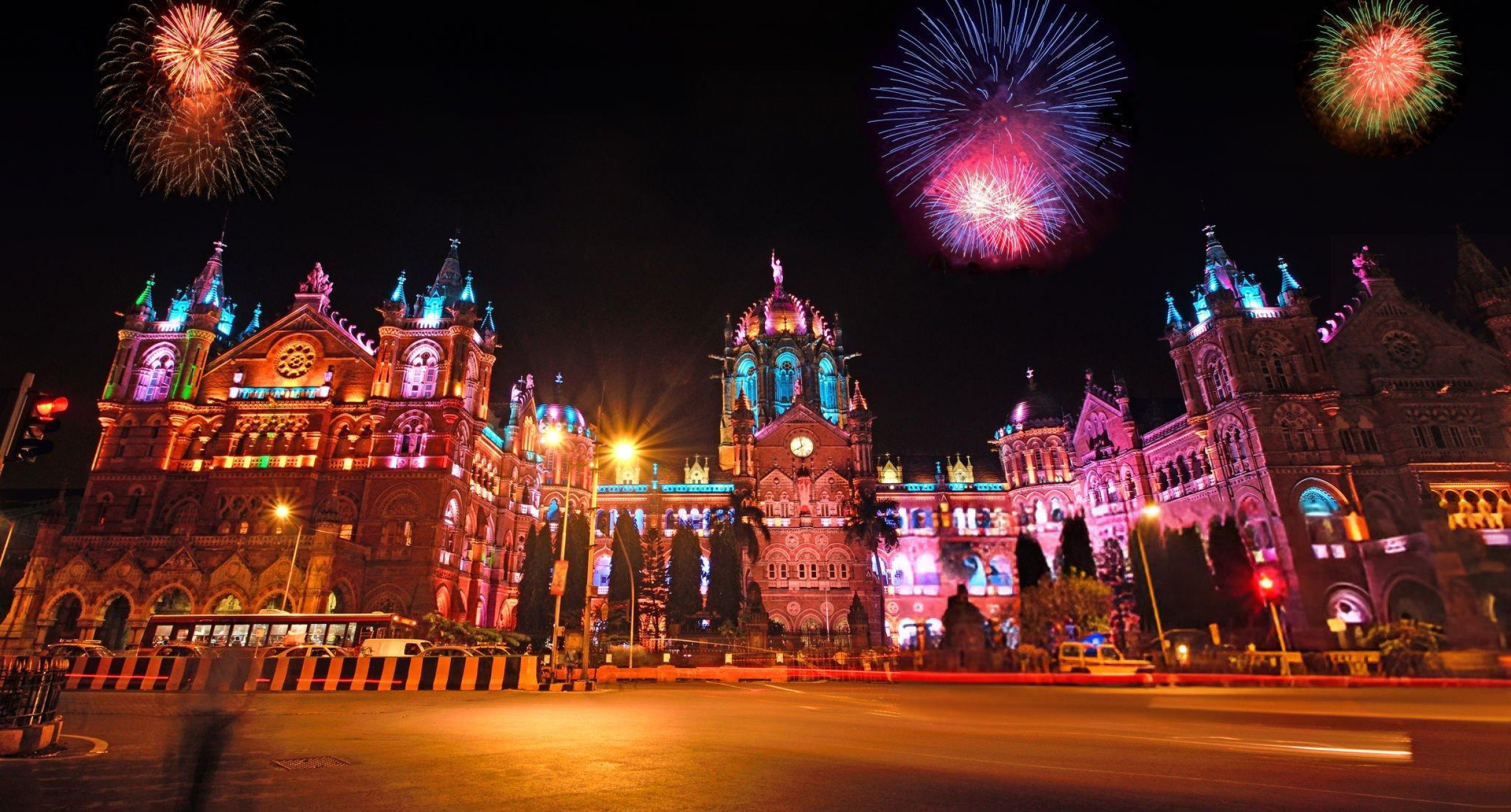
Mumbai is perhaps the only city in India which is truly open 24 hours a day. Mumbai stays awake long after the rest of India has gone to bed, so no matter what time of night you venture out, you are bound to find some fun.
On this tour you can rock on until the wee small hours, and get your very own piece of the action with the help of an experienced guide.
Hordes of middle-class men and women throng towards Victoria Terminus train station to catch a train back to their homes. Hundreds of lovers head towards romantically lit beautiful gardens with musical fountains. Families head towards the beach to experience street food at the beach food courts and kids play in the sand.
In this night tour, you get to the experience the other side of Mumbai. The nightlife out here is never-ending. There is always something fun to do or something serene to experience. The Banganga Tank, Jain Temple, Hanging Garden, Kamala Nehru Park, Antilia Building and many more.
Available options
Private Night Tour with Dinner
Duration: 5 hours<br/>Dinner<br/>Pickup included
Night Life With Slum Tour
Duration: 6 hours<br/>Pickup included
Mumbai Night Tour On Motorbike
Duration: 4 hours<br/>Pickup included
Small Group Mumbai Night Tour
Duration: 3 hours<br/>Pickup included
Night Life with Street Food
Duration: 4 hours<br/>Street Food: bottle of water, Bhel-Puri, Local Chai (Tea), Dhosa, Seekh Kabab And Ice Cream <br/>Air-Condition Car <br/>Pickup included
What's included
Dinner is included only for private booking
Bottled water
Air-conditioned vehicle
Detailed itinerary
1
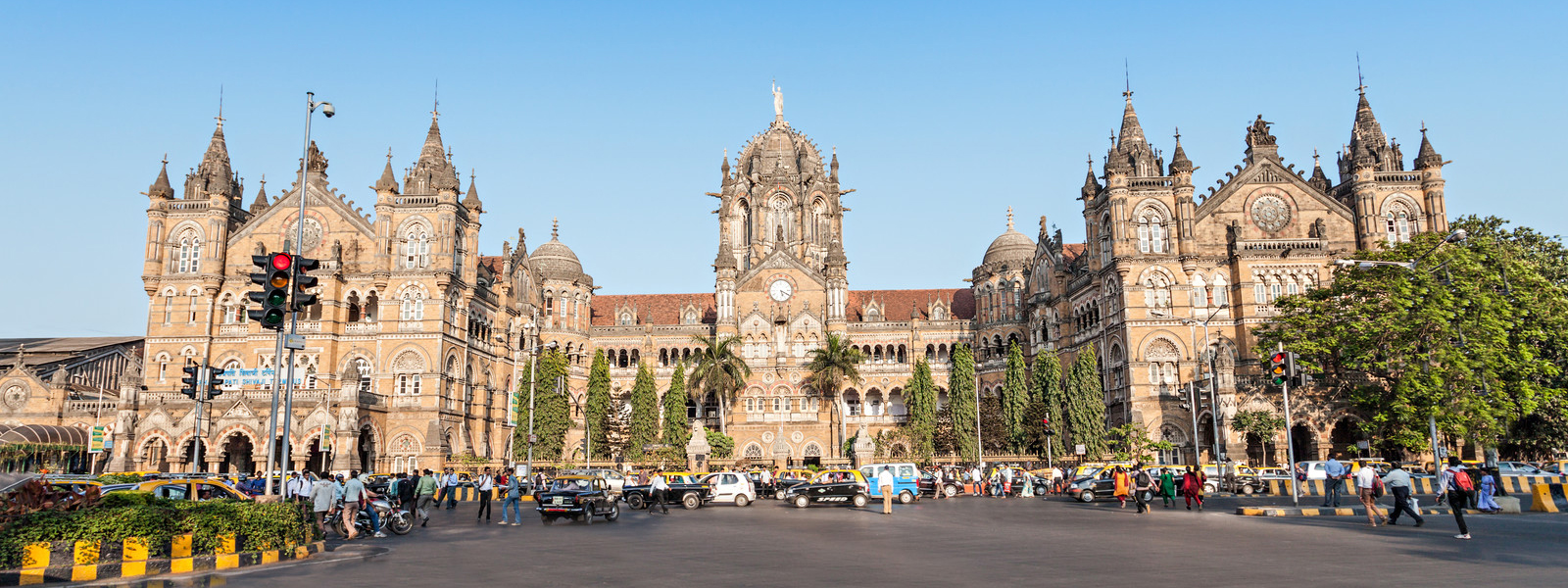
Victoria Terminus Edit
This famous landmark which has become a symbol of the city, was built as the headquarters of the Great Indian Peninsular Railway.
The railway station was built to replace the Bori Bunder railway station, in the Bori Bunder area of Bombay, a prominent port and warehouse area known for its imports and exports. Since Bombay became a major port city at the time, a bigger station was built to meet its demands, and was named Victoria Terminus, after the then reigning Empress of India, Queen Victoria.
2
Marine Drive is a 3.6-kilometre-long Promenade along the Netaji Subhash Chandra Bose Road in South Mumbai in the city of Mumbai, India. Often, the names Marine Drive and Netaji Subhash Chandra Bose Road are used interchangeably to refer to this 3.9km stretch. The road and promenade were constructed by late philanthropist Bhagojisheth Keer and Pallonji Mistry. It is a 'C'-shaped six-lane concrete road along the coast of a natural bay.
3
Stop 3
Kamala Nehru Park is part of the Hanging Gardens complex in Mumbai, Maharashtra, India covering an area of approximate 16,000 sq.mt. (4 acres) Located at the top of Mumbai's Malabar Hill, it is developed and maintained by the Hydraulic Engineer's Department of Municipal Corporation of Greater Mumbai. One of Mumbai's premier gardens it is popular with young children and tourists. The garden has views of the Marine drive below - also known as Queen's necklace.
4
Stop 4
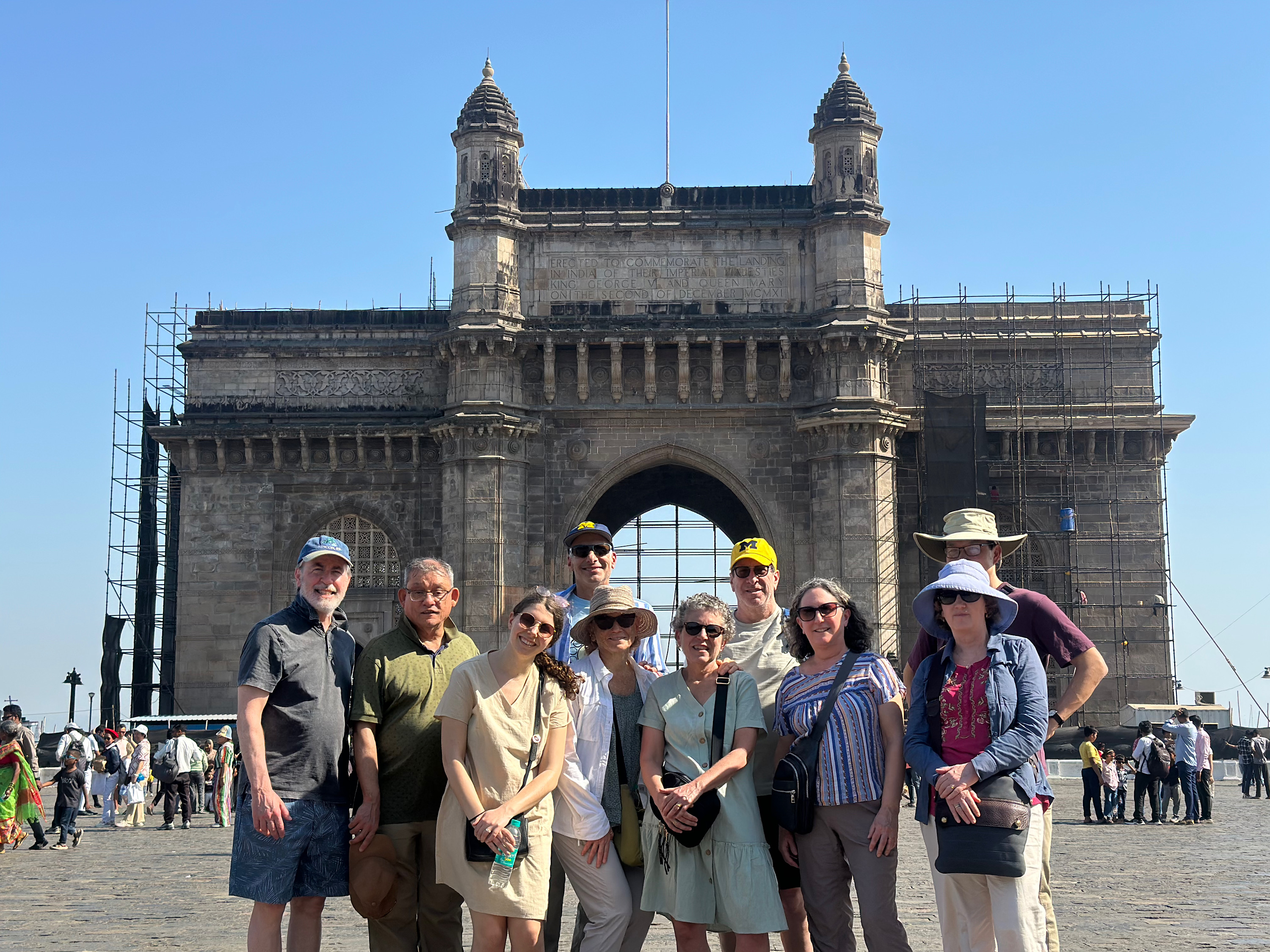
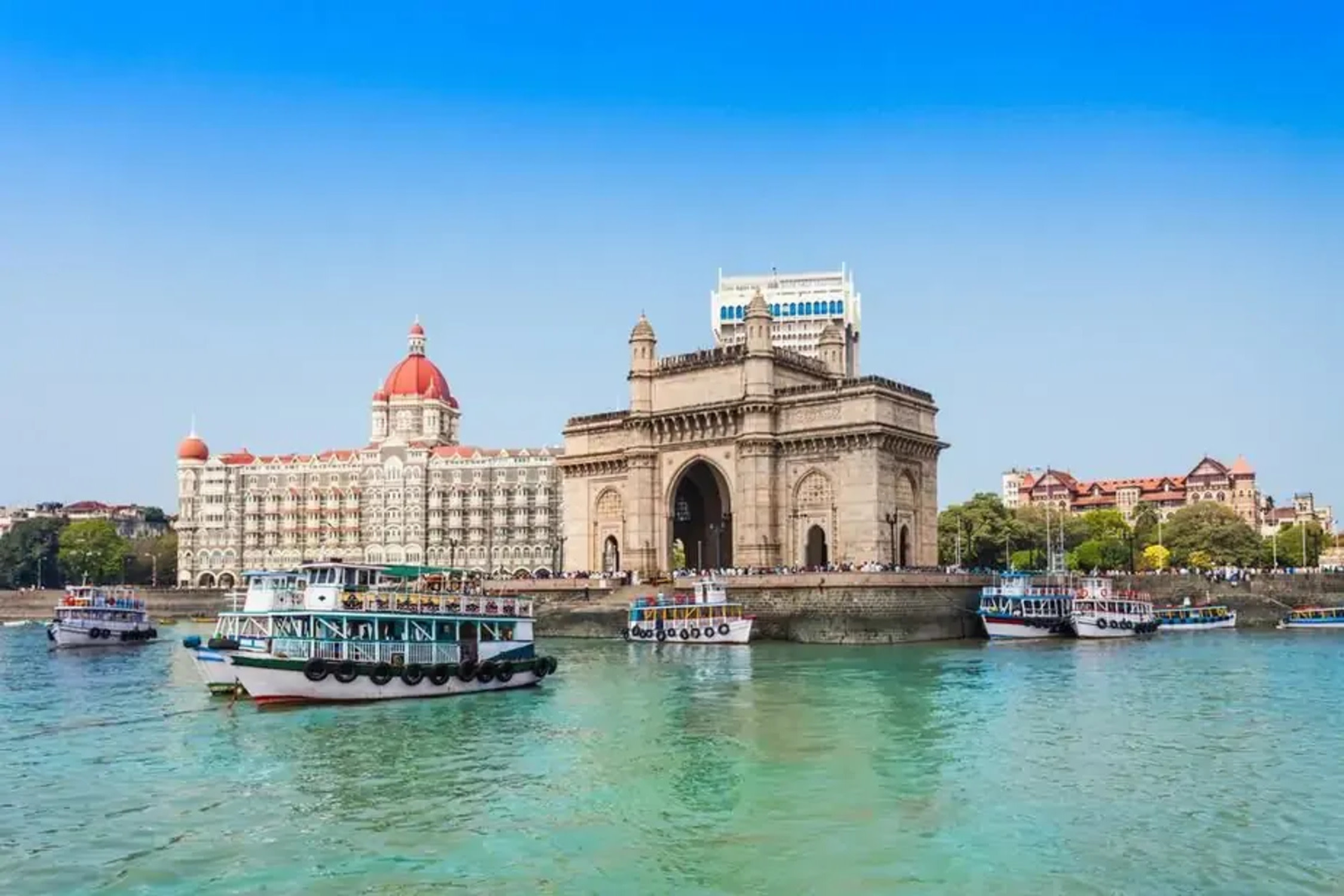
The Gateway of India is an arch-monument built in the early twentieth century in the city of Mumbai, in the Indian state of Maharashtra. It was erected to commemorate the landing in December 1911 at Apollo Bunder, Mumbai (then Bombay) of King-Emperor George V and Queen-Empress Mary, the first British monarch to visit India. At the time of the royal visit, the gateway was not yet built, and a cardboard structure greeted the monarch. The foundation stone was laid in March 1913 for a monument built in the Indo-Saracenic style, incorporating elements of 16th-century Marathi architecture.
5
The name Colaba comes from Kolabhat, a word in the language of Kolis, the indigenous inhabitants of the islands, before the arrival of the Portuguese.[3] The area that is now Colaba was originally a region consisting of two islands: Colaba and Little Colaba (or Old Woman's Island). The island of Colaba was one of the Seven Islands of Bombay ruled by the Portuguese.
6
Stop 6
Banganga, Banganga Talav or Banganga Tank, is an ancient water tank which is part of the Walkeshwar Temple Complex in Malabar Hill area of Mumbai in India.
7
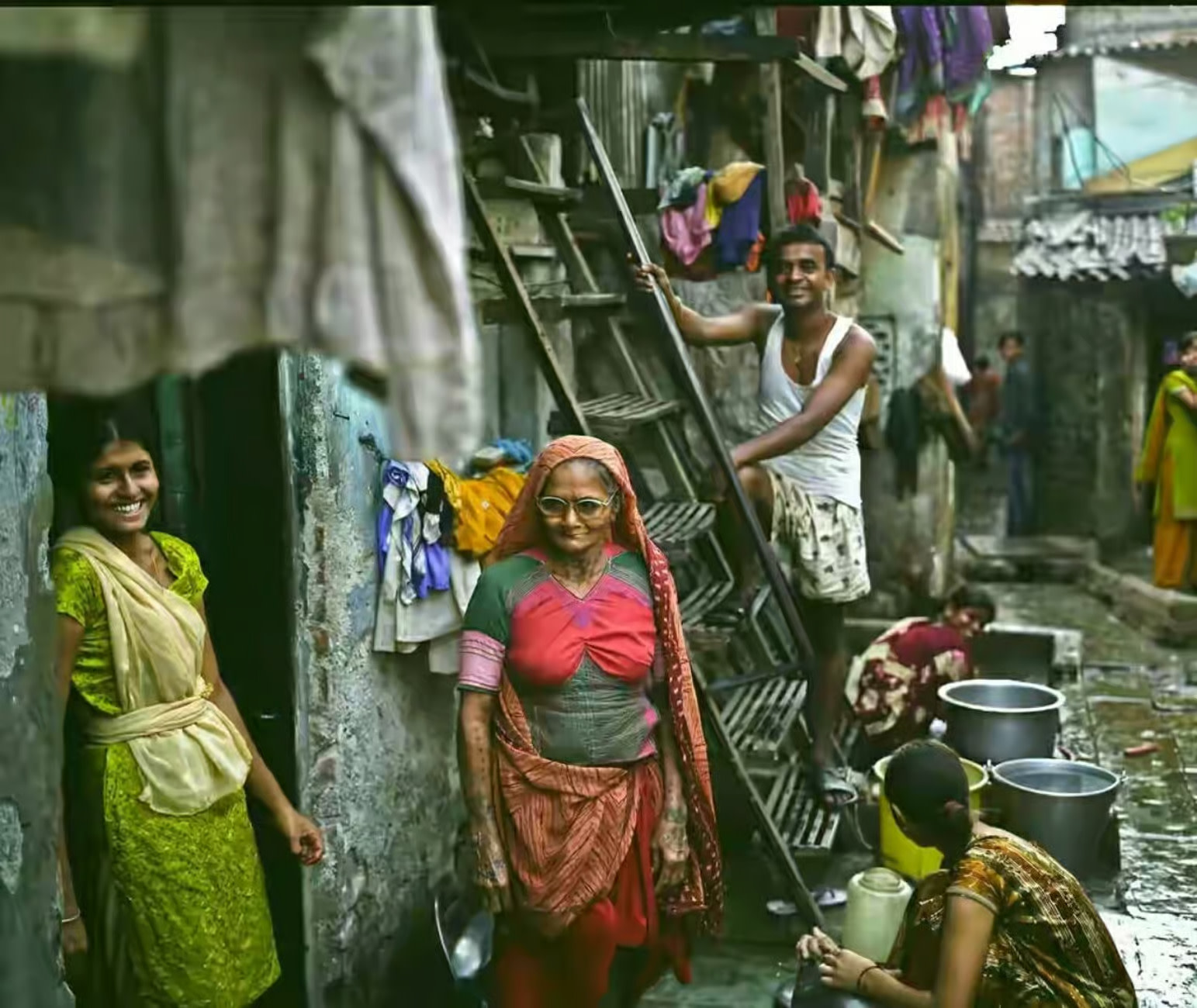
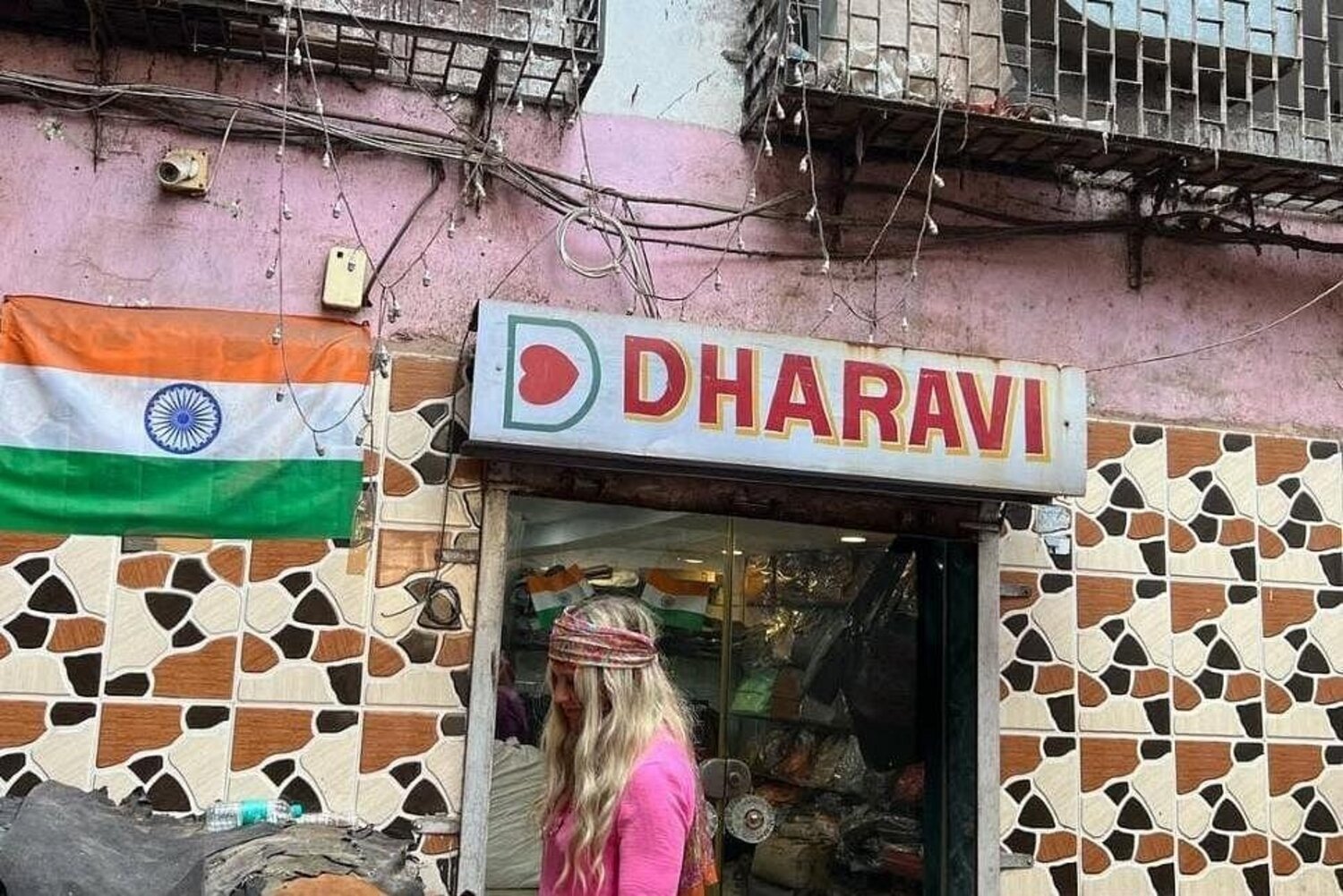
Dharavi in Mumbai is one of Asia's largest slums, known for its vibrant community and bustling economy.
Key Points:
- Founded: Late 19th century.
- Population: Over a million, diverse communities.
- Economy: Pottery, textiles, leather, recycling, and food production; generates up to $1 billion annually.
- Culture: Strong community spirit, rich cultural diversity.
- Tours: Guided tours provide insights into local life.
- Support: NGOs like Young Cares Foundation work to improve living conditions.
- Etiquette: Be respectful, cautious, and mindful of residents' privacy.
Conclusion:
A visit to Dharavi reveals the resilience and diversity of its community.
What's not included
Tip
Available languages
Guide guide
EN
Reviews breakdown
Tripadvisor
5.0
4 reviews
5★
4
4★
0
3★
0
2★
0
1★
0
Important information
Infants and small children can ride in a pram or stroller
Service animals allowed
Public transportation options are available nearby
Specialized infant seats are available
Not recommended for travelers with spinal injuries
Suitable for all physical fitness levels
The travel time is included on the total tour duration.
About Dharavi
Dharavi is one of the largest slums in Asia, located in the heart of Mumbai. It is a vibrant community known for its entrepreneurial spirit, bustling markets, and unique living conditions. Despite its challenges, Dharavi offers a glimpse into the resilience and resourcefulness of its residents.
Top Attractions
Dharavi Tour
A guided tour of Dharavi provides a unique insight into the lives of its residents and the community's entrepreneurial spirit.
Cultural
2-3 hours
500-1000 INR
Kalanagar Industrial Estate
A hub of small-scale industries and workshops, showcasing the resourcefulness of Dharavi's residents.
Industrial
1-2 hours
Free to explore
Must-Try Local Dishes
Vada Pav
A spicy potato fritter sandwiched in a bun, a popular street food in Mumbai.
Snack
Vegetarian
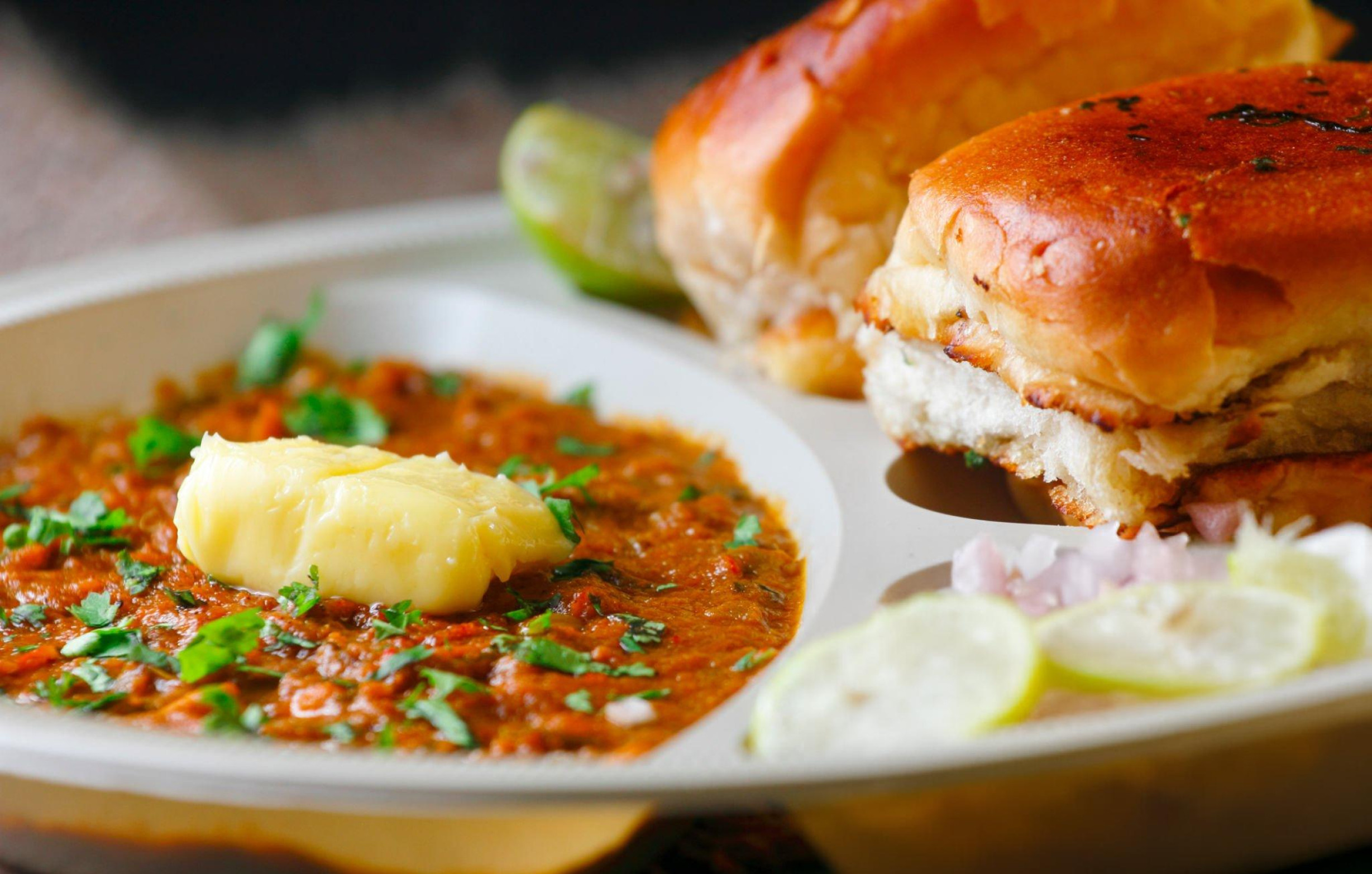
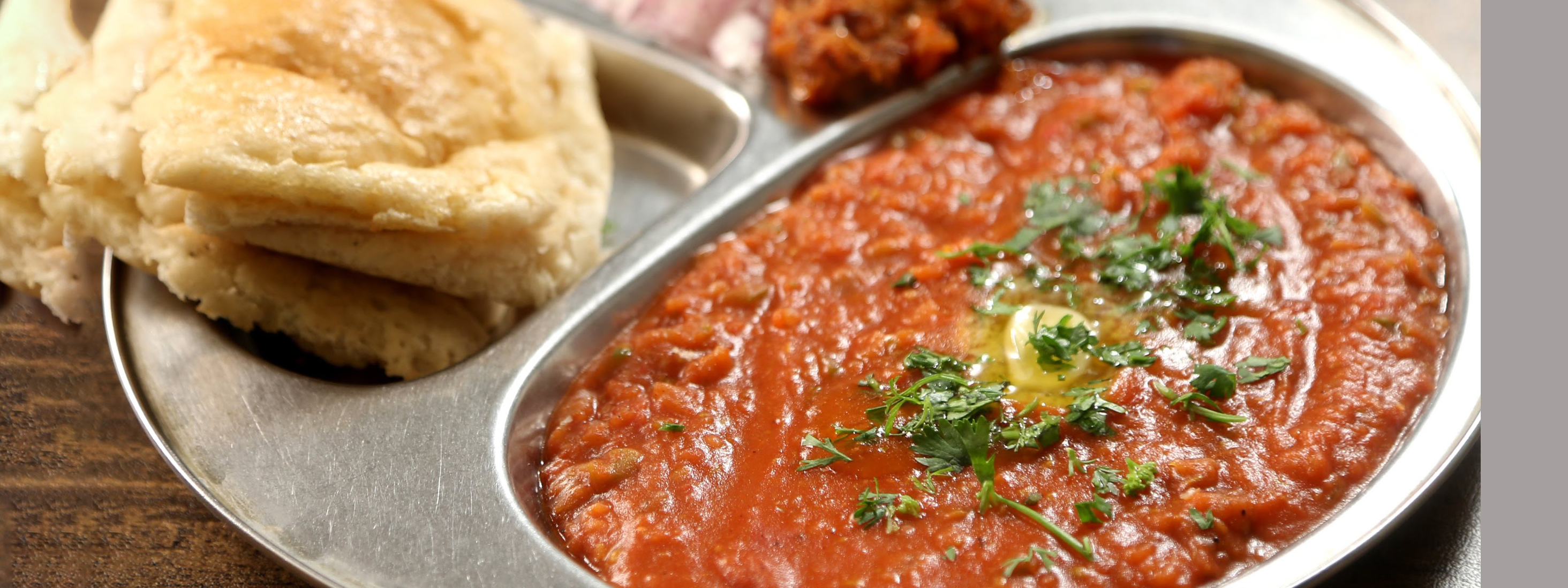
Pav Bhaji
A thick vegetable curry served with a soft bread roll.
Lunch/Dinner
Vegetarian
Popular Activities
Guided tours
Exploring local markets
Visiting local industries
Interacting with the community
Best Time to Visit
November to February
The best time to visit Dharavi is during the winter months when the weather is pleasant and cool. This is the peak tourist season.
20-32°C
68-90°F
Practical Information
Language
- Official: Marathi, Hindi, English
- Widely spoken: English, Hindi
- English: Moderately spoken
Currency
Indian Rupee (INR)
Time Zone
IST (UTC+5:30)
Electricity
230VV, 50HzHz
Safety Information
Overall Safety Rating: Exercise caution
Dharavi is generally safe, but travelers should be cautious of pickpockets and scams.
Important Precautions:
- • Keep your belongings secure.
- • Be cautious of strangers offering unsolicited help.
- • Avoid walking alone at night in isolated areas.
Getting there
By air
- Chhatrapati Shivaji Maharaj International Airport • 10 km
By train
Dadar Station
By bus
Dadar Terminal, Mahim Terminal
Getting around
Public transport
Efficient but crowded, especially during peak hours.
Taxis
Available • Apps: Uber, Ola
Rentals
Car, Bike, Scooter
Neighborhoods
Central Dharavi
Kalanagar
Day trips
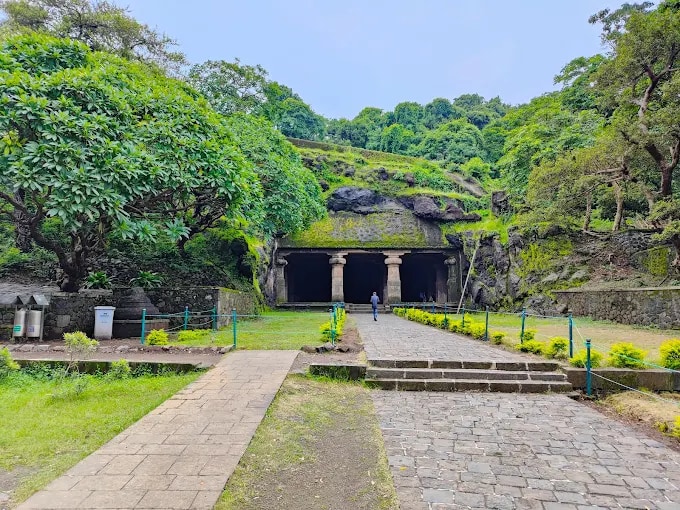
Elephanta Caves
10 km • Half day
A UNESCO World Heritage Site featuring ancient rock-cut temples and caves.
Chhatrapati Shivaji Maharaj Vastu Sangrahalaya
15 km • Half day
A renowned museum showcasing a vast collection of art, artifacts, and historical exhibits.
Festivals
Diwali • October/November (dates vary)
Holi • March (dates vary)
Pro tips
- Respect the residents and their privacy.
- Dress modestly to blend in and show respect.
- Carry small change for street vendors and local markets.
- Use app-based taxi services for transparency and convenience.
- Visit during the winter months for the best weather and fewer crowds.
From $25
per person
Price varies by option
Secure booking
Free cancellation available
Instant confirmation