Luxor Private Day Tour from Cairo by Flight
Active
12h - 14h
For a full refund, cancel at least 24 hours before the scheduled departure time.
Instant confirmation
Mobile or paper ticket accepted
About this experience
Discover the mysteries of the ancient Egyptian Civilization by visiting their fabulous temples and royal tombs in Luxor. Start your tour moving from your hotel in Cairo in the early morning towards Cairo Airport taking the flight to Luxor to visit Valley of the Kings, Temple of Queen Hatshepsut, Colossi of Memnon, Karnak Temple, and finally Luxor Temple,
Available options
Luxor Private Day Tour from Cairo by Flight
Pickup included
What's included
Private tour.
Mineral water on board the vehicle during the tour.
All transfers and Luxor tour by private air-conditioned vehicle.
Hotel/port pickup and drop-off
All service charges and taxes.
Qualified Egyptologist guide
Detailed itinerary
1
We will pick you up from your hotel in Cairo or Giza in the early morning towards Cairo airport taking the flight towards Luxor,
2
Upon arrival at Luxor, you will be met, by our professional tour guide to start your tour by visiting
3
Stop 3
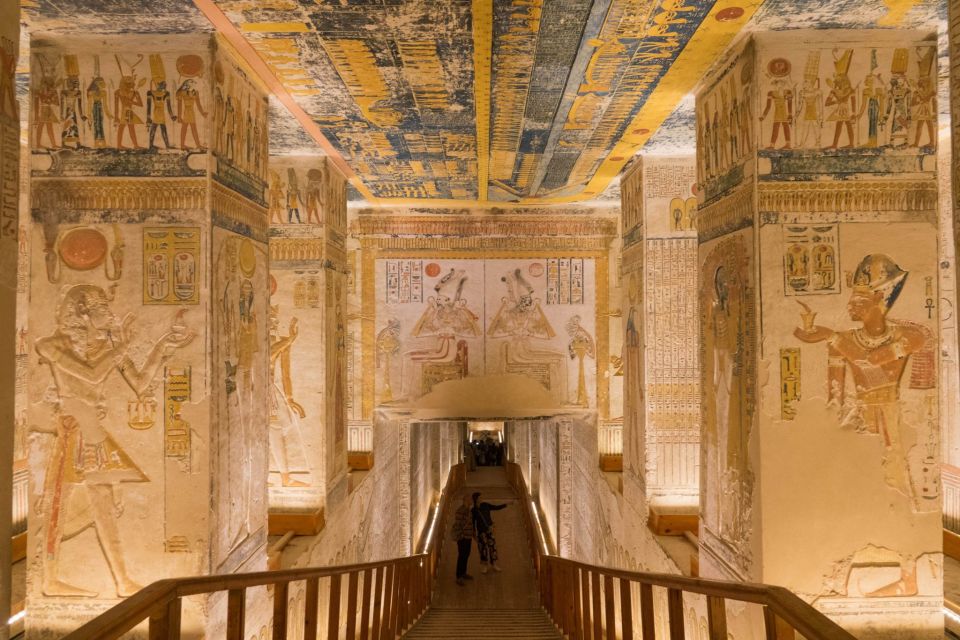
Valley of The Kings, which was the royal cemetery for 62 Pharaohs, and is located on the west bank at Luxor. Then to the Temple of Deir El-Bahri of Queen Hatshpsute which is one of the most characteristic temples in the whole of Egypt, due to its design and decorations. It was built of limestone, not sandstone like most of the other funerary temples of the New Kingdom period.
4
Stop 4
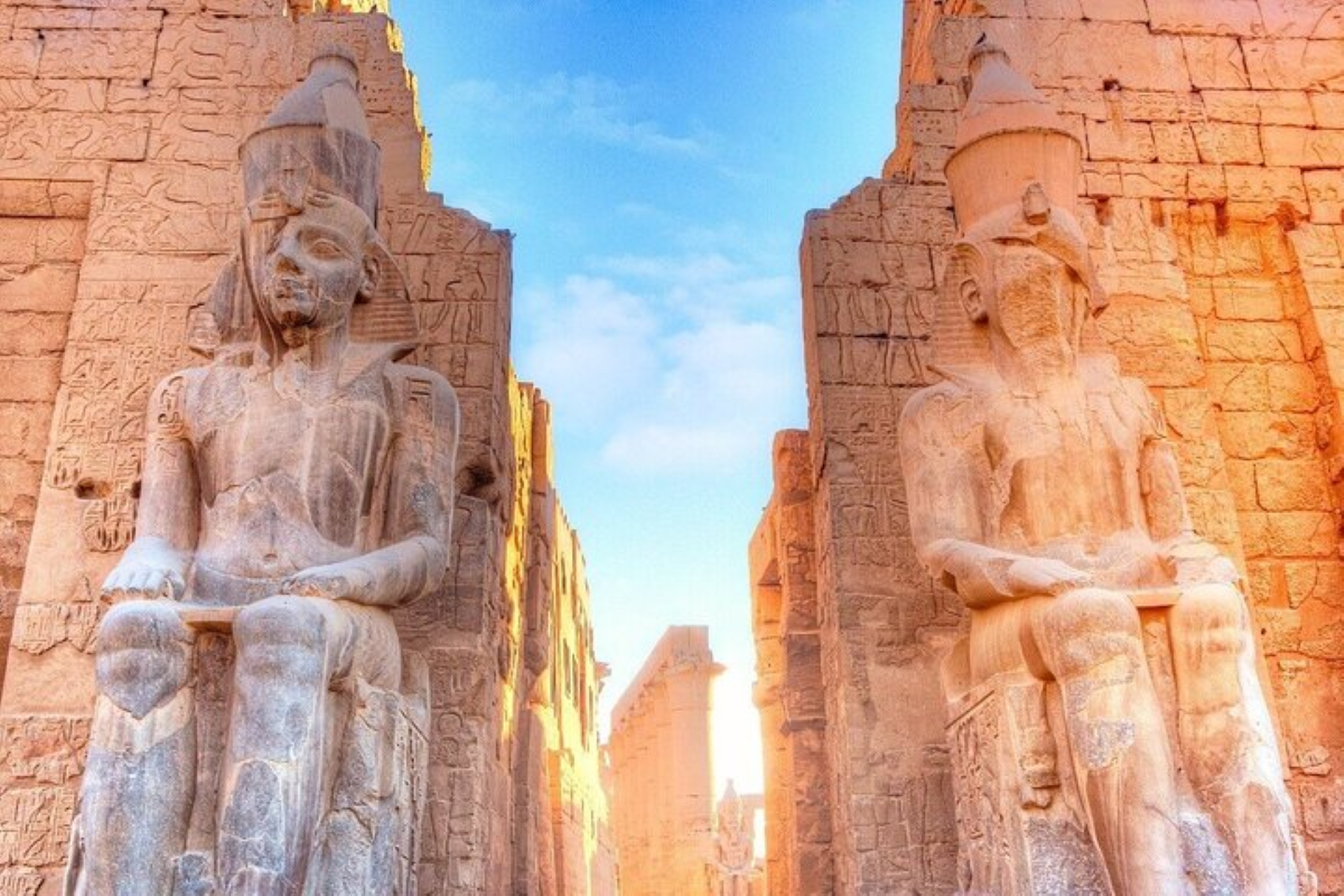
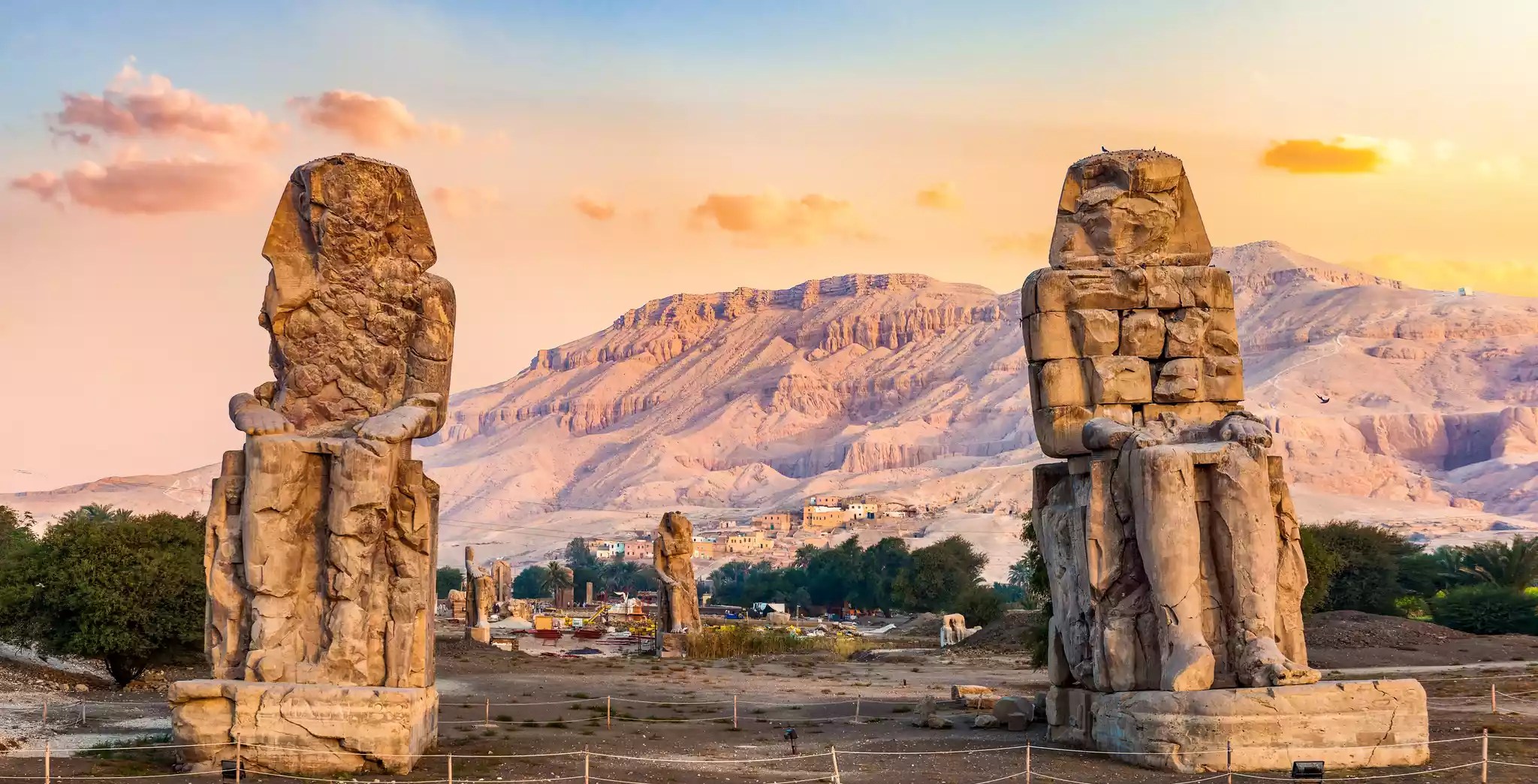
Colossi of Memnon, two colossal statues, was stayed guard at entrance of Amenhotep III temple in ancient times, and only remaining nowadays. Name Colossi of Memnon means 'Ruler of the Dawn' and was probably given, because of 'singing' at dawn one of the statue.
5
Stop 5
One of the most characteristic temples in the whole of Egypt, due to its design and decorations. It was built of limestone, not sandstone like most of the other funerary temples of the New Kingdom period.
6
Stop 6
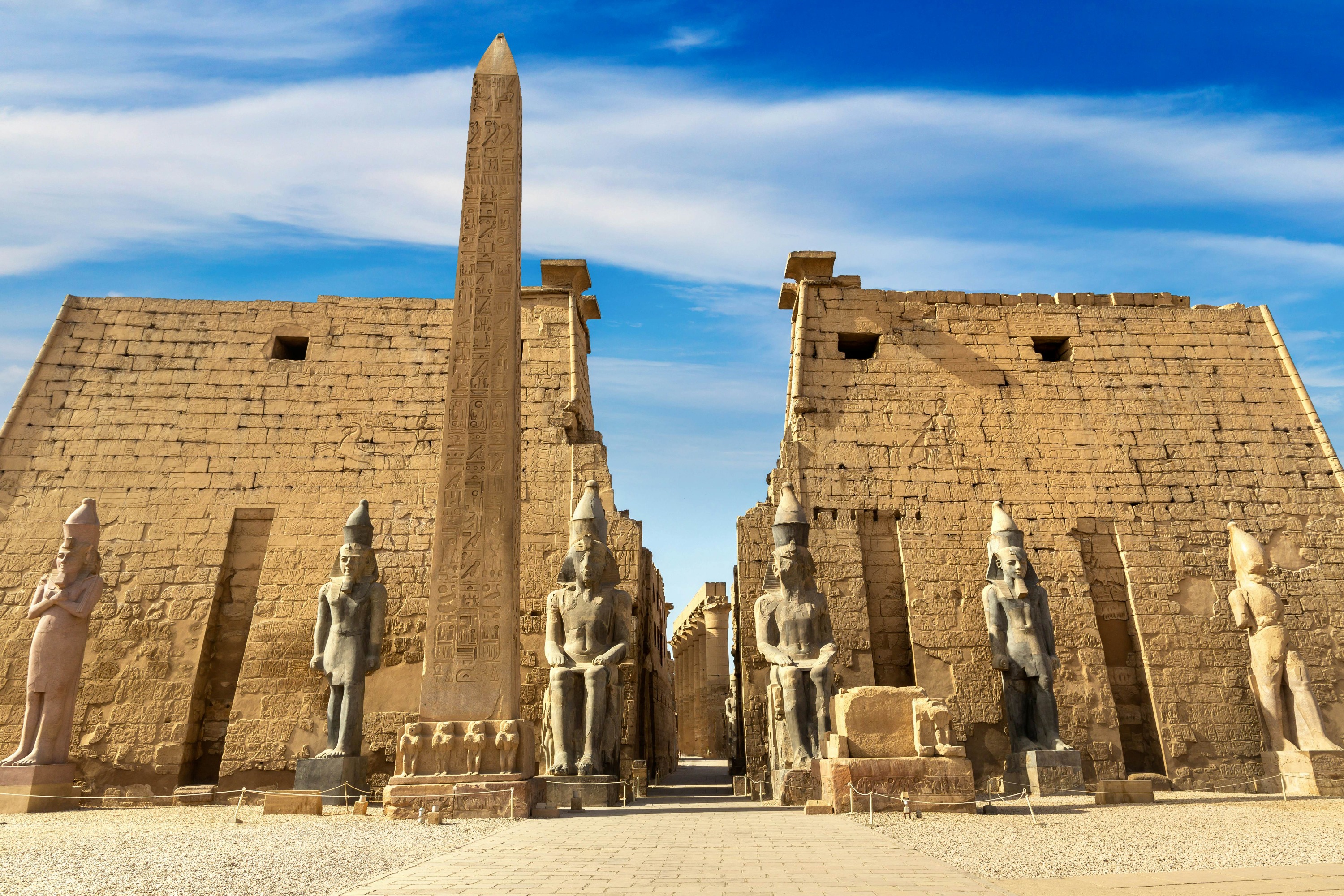
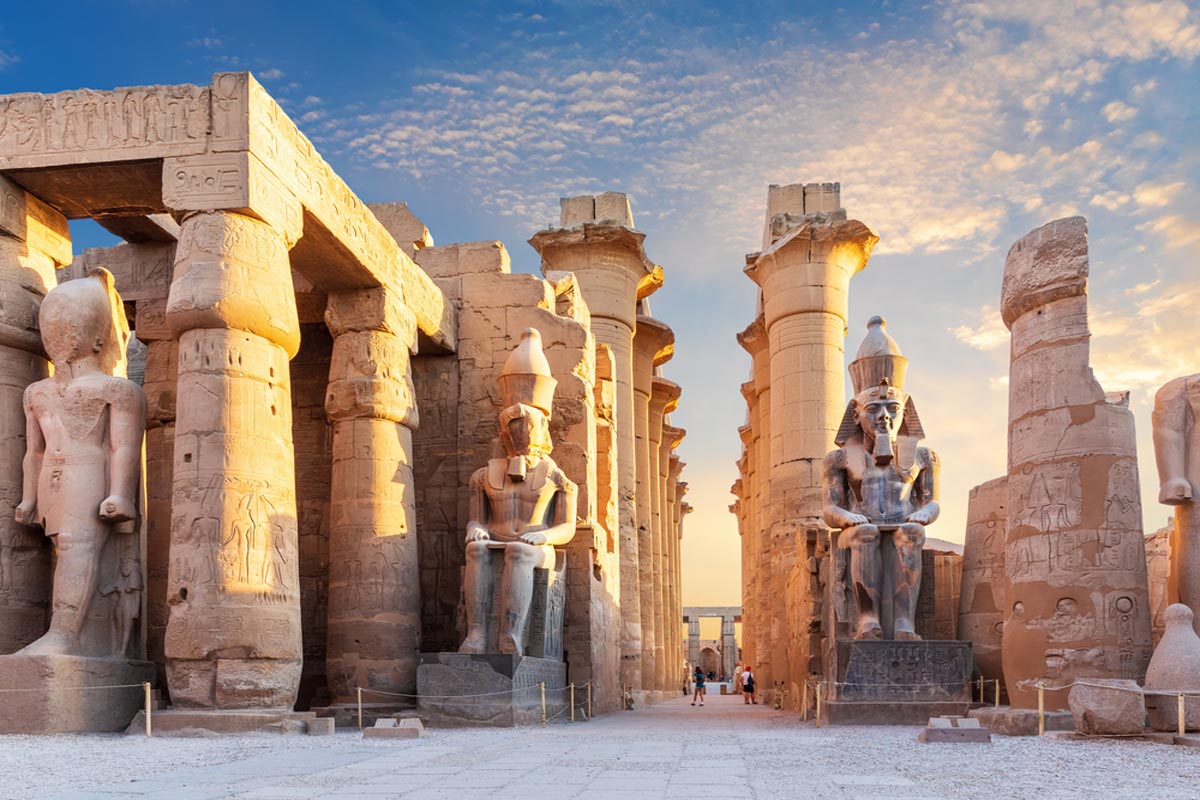
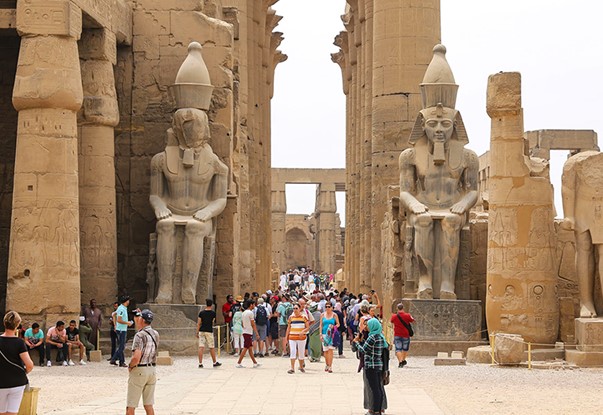
; the largest Temple in the World! The complex contains a group of Temples such as the Great Temple of Amon Ra, The Temple of Khonso, The Ipt Temple, The Temple of Ptah, the Temple of Montho and the Temple of the God Osiris. A 20m high, mud brick enclosure wall, surrounded all of these buildings.
7
Stop 7
It was built by Amunhotep III in 18th Dynasty in the New Kingdom and it was completed by Ramesses II during the 19th Dynasty.
8
transfer from luxor city to Luxor airport
9
transfer from Cairo airport to your hotel in Cairo or Giza.
What's not included
Domestic flights ticket.
Food and drinks
Gratuities
Entrance fees for all Sightseeing mentioned is
Available languages
Guide guide
AR
DE
EN
IT
ES
Reviews breakdown
Tripadvisor
5.0
1 reviews
5★
1
4★
0
3★
0
2★
0
1★
0
Important information
Suitable for all physical fitness levels
Children must be accompanied by an adult
Dress code is smart casual
Important notes
• Dress code is smart casual.
• Comfortable walking shoes are recommended
About Western Desert
The Western Desert of Egypt, also known as the Libyan Desert, is a vast and captivating landscape of sand dunes, oases, and ancient ruins. This arid region offers a unique blend of natural wonders and historical sites, making it a fascinating destination for adventurous travelers.
Top Attractions
Bahariya Oasis
A lush oasis in the heart of the Western Desert, known for its palm groves, hot springs, and ancient ruins.
Nature/Historical
2-3 days
Moderate
White Desert
A surreal landscape of white chalk rock formations shaped by wind erosion, creating a moon-like terrain.
Nature
1-2 days
Moderate
Siwa Oasis
An isolated oasis with a rich history, known for its ancient temples, mud-brick architecture, and unique culture.
Historical/Cultural
2-3 days
Moderate
Must-Try Local Dishes
Kushari
A hearty dish made with rice, lentils, pasta, and topped with spicy tomato sauce and crispy onions.
Main Dish
Vegetarian
Ful Medames
A staple breakfast dish of mashed fava beans, often served with garlic, lemon, and olive oil.
Breakfast
Vegetarian, Vegan
Baklava
A sweet pastry made with layers of filo dough, nuts, and honey syrup.
Dessert
Vegetarian
Popular Activities
Sandboarding
Dune bashing
Camel trekking
Hot springs
Oasis picnics
Stargazing
Visiting ancient ruins
Exploring local markets
Best Time to Visit
October to April
This period offers the most pleasant weather for exploring the desert, with cooler temperatures and clear skies. It's ideal for outdoor activities and sightseeing.
15°C to 30°C
59°F to 86°F
Practical Information
Language
- Official: Arabic
- Widely spoken: English
- English: Moderately spoken in tourist areas
Currency
Egyptian Pound (EGP)
Time Zone
EET (GMT+2)
Electricity
220VV, 50HzHz
Safety Information
Overall Safety Rating: Exercise caution
The Western Desert is generally safe, but travelers should be aware of the harsh environment and limited services in remote areas.
Important Precautions:
- • Carry plenty of water and sun protection
- • Inform someone of your travel plans
- • Have a reliable means of communication
Getting there
By air
- Marsa Matruh International Airport • 250 km north of the Western Desert
By bus
Cairo Bus Station, Alexandria Bus Station
Getting around
Public transport
Buses are available but infrequent. Schedules can be unpredictable.
Taxis
Available • Apps: None widely available
Rentals
Car
Neighborhoods
Bahariya Oasis
Siwa Oasis
Day trips
Farafra Oasis
150 km from Bahariya Oasis • Half day to full day
A smaller oasis with a relaxed atmosphere, known for its hot springs and ancient ruins.
Dakhla Oasis
200 km from Bahariya Oasis • Full day
A large oasis with a rich history, offering a variety of activities and attractions.
Festivals
Siwa Cultural Festival • Annual, dates vary
Eid al-Fitr • Varies based on the Islamic lunar calendar
Pro tips
- Hire a local guide for a more insightful and safe desert experience
- Carry plenty of water and sun protection, as the desert can be extremely hot and dry
- Stay overnight in the desert to experience the magical night sky and tranquility
- Respect local customs and traditions, especially in conservative areas
- Plan your trip during the cooler months for a more comfortable experience
From $25
per person
Price varies by option
Secure booking
Free cancellation available
Instant confirmation

![Siwa Oasis From Cairo&Giza 3 Days 2 Nights all Inclusive[Private]](https://media-cdn.tripadvisor.com/media/attractions-splice-spp-674x446/12/17/35/7d.jpg)