Auschwitz-Birkenau: Entry Ticket with Guided Tour
Active
3h - 4h
All sales are final. No refund is available for cancellations.
Instant confirmation
Mobile or paper ticket accepted
About this experience
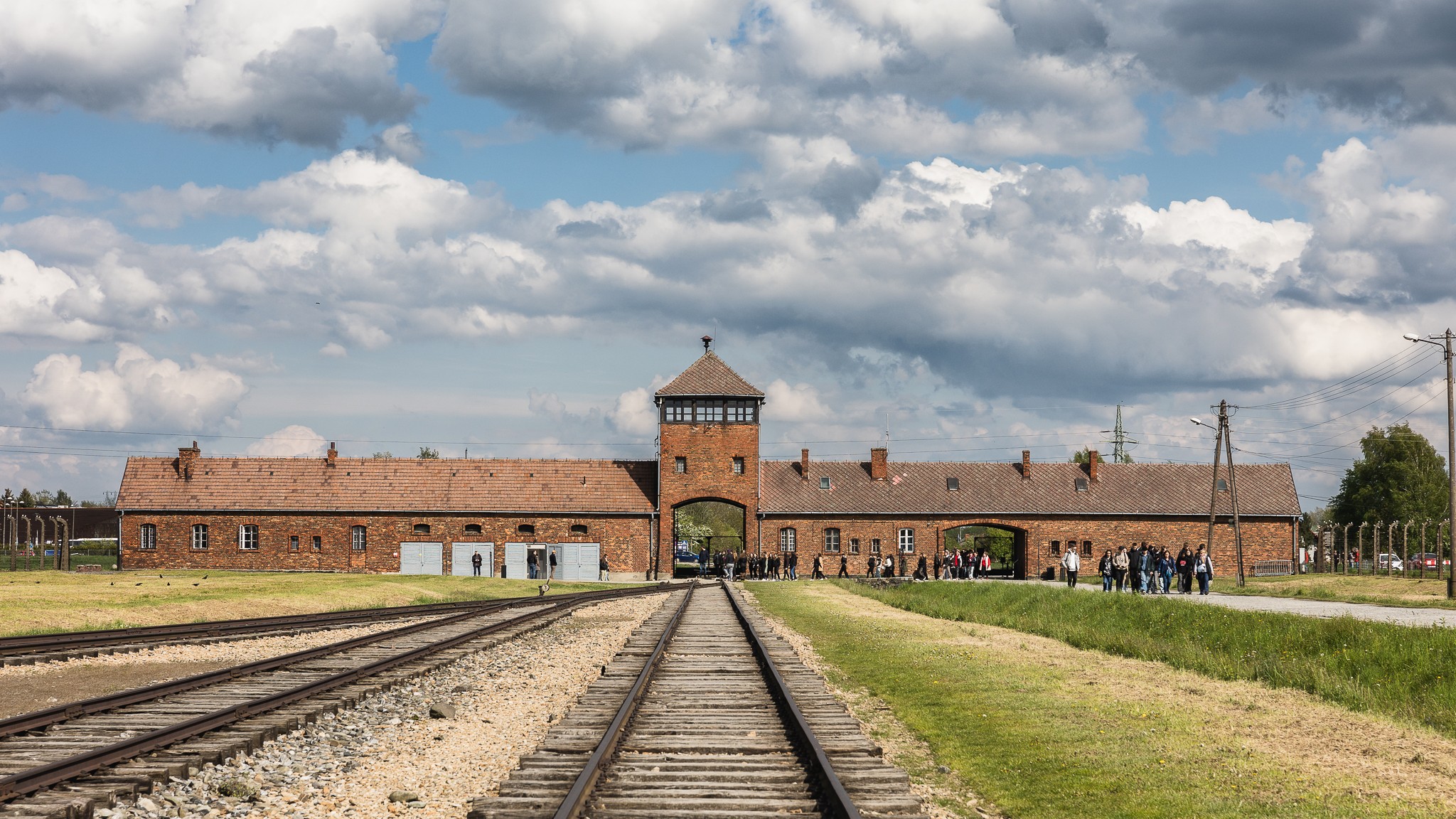
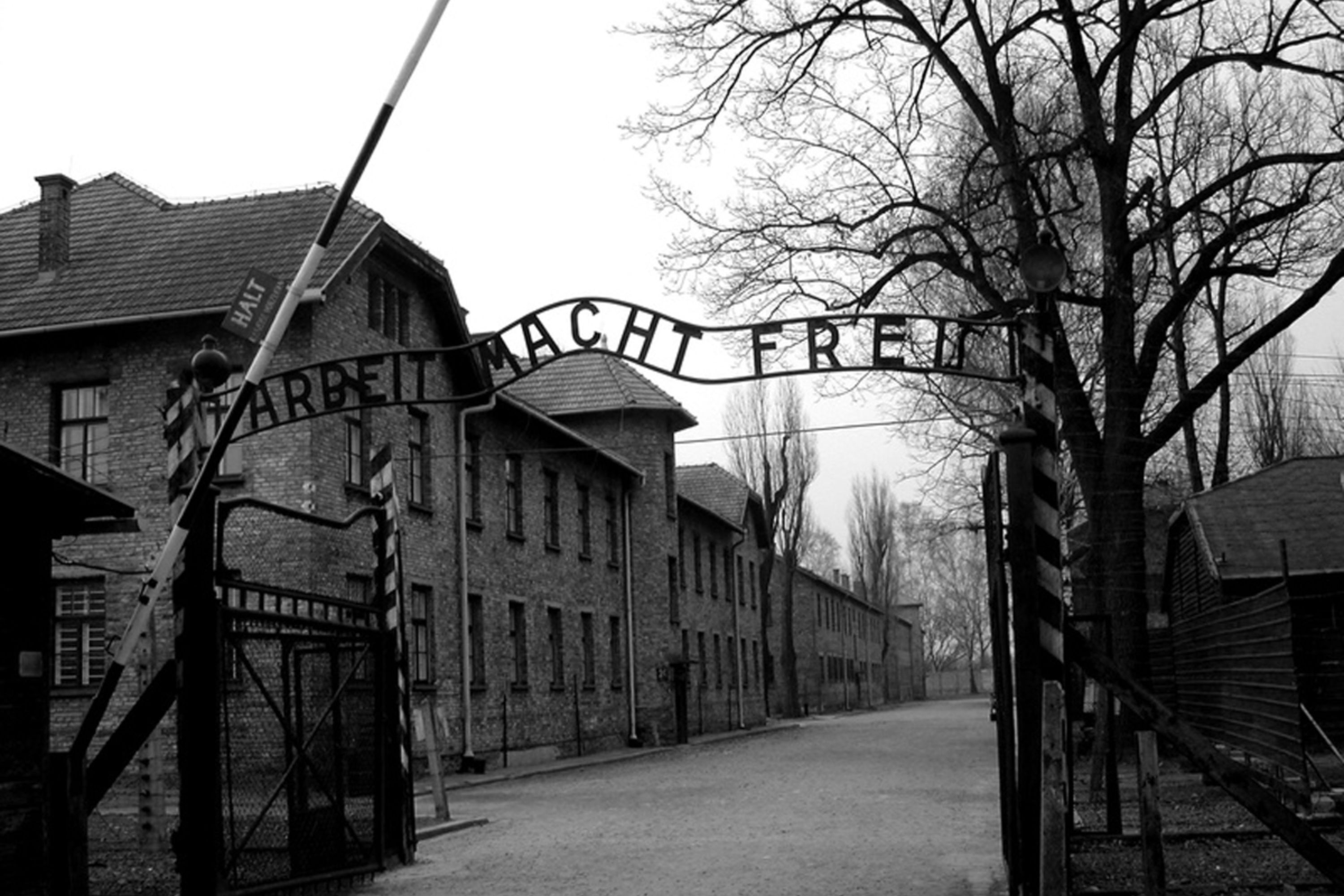
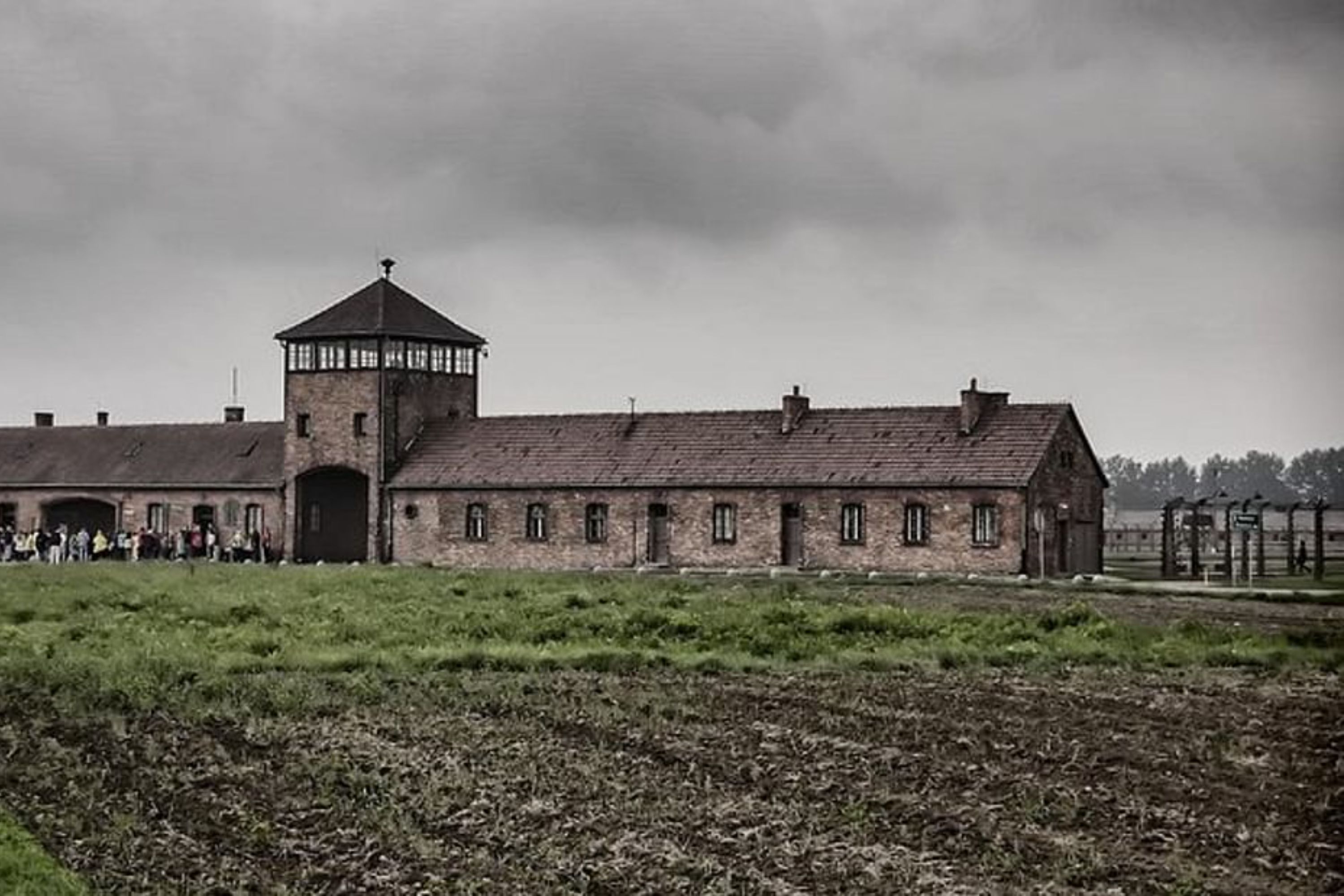
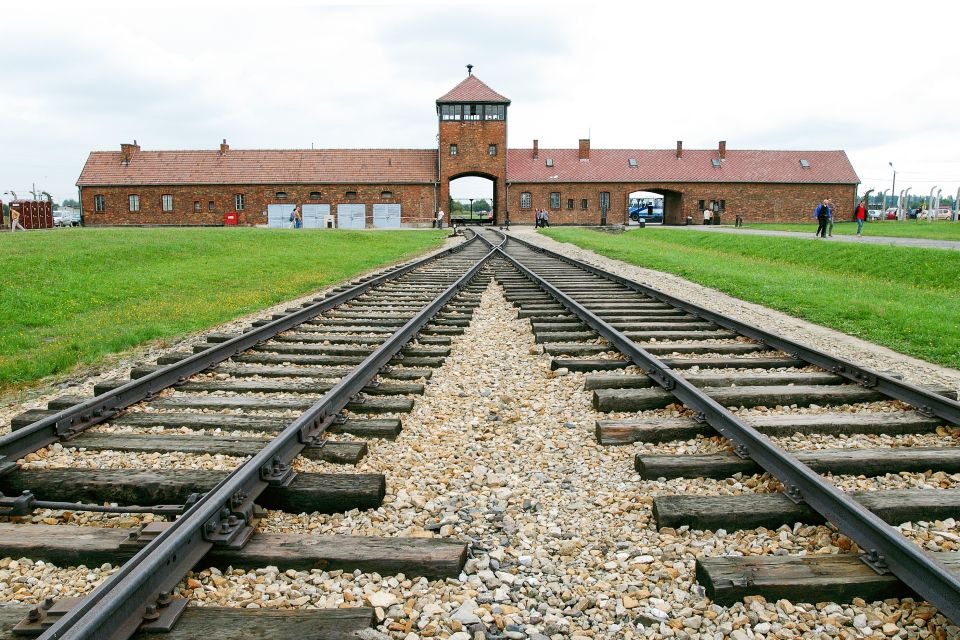
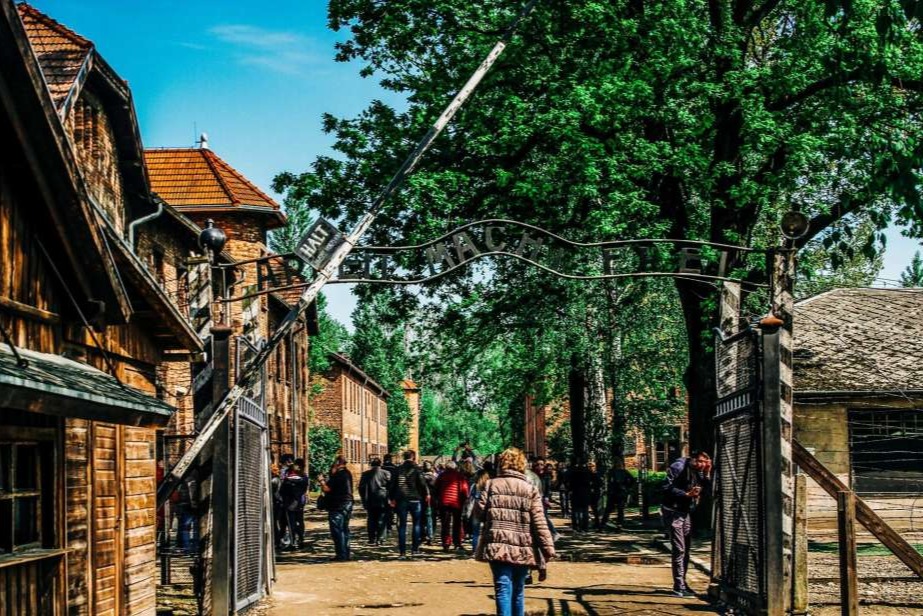
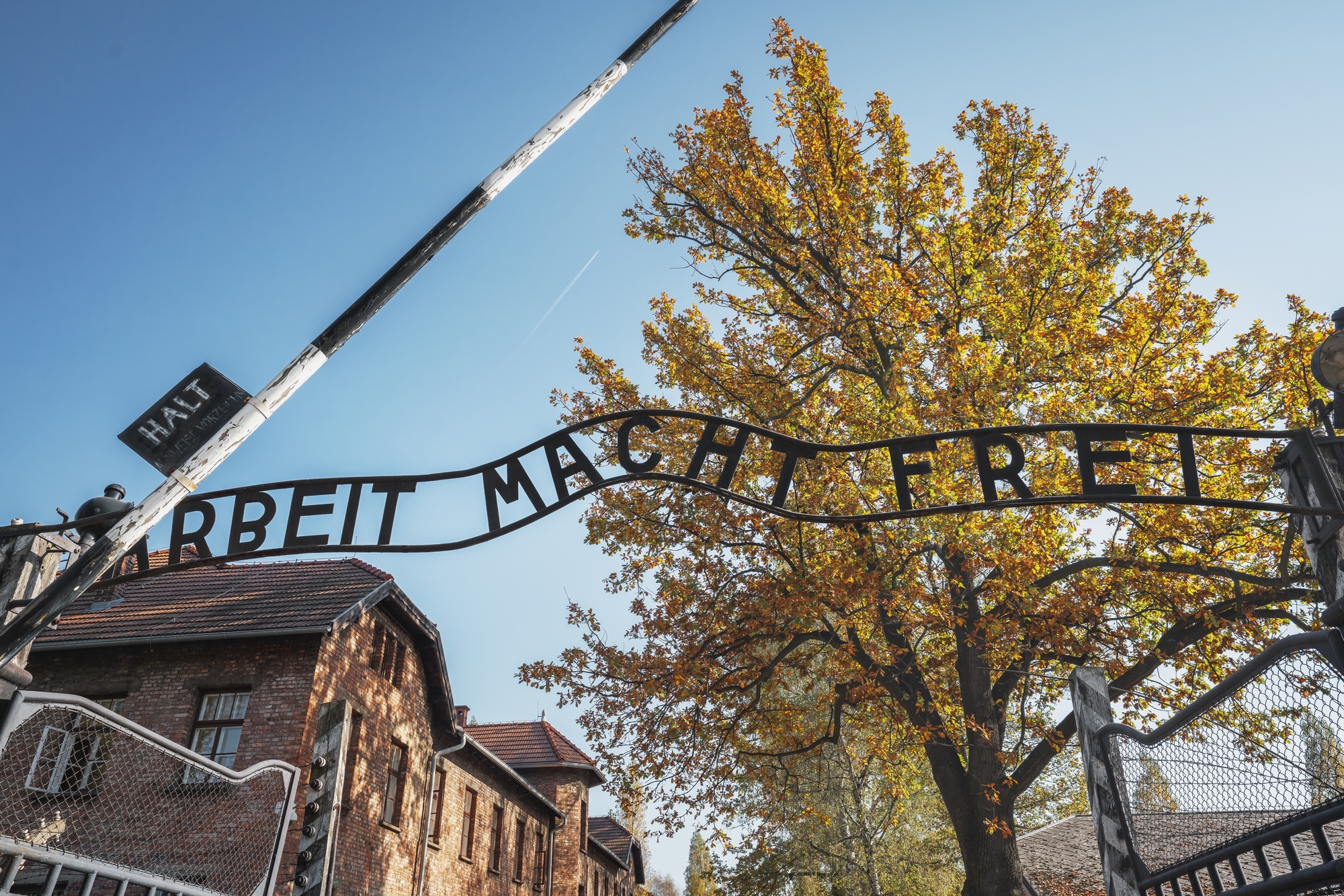
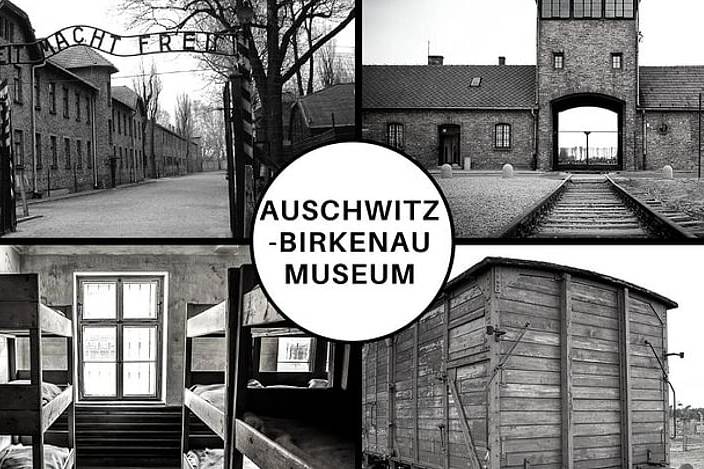
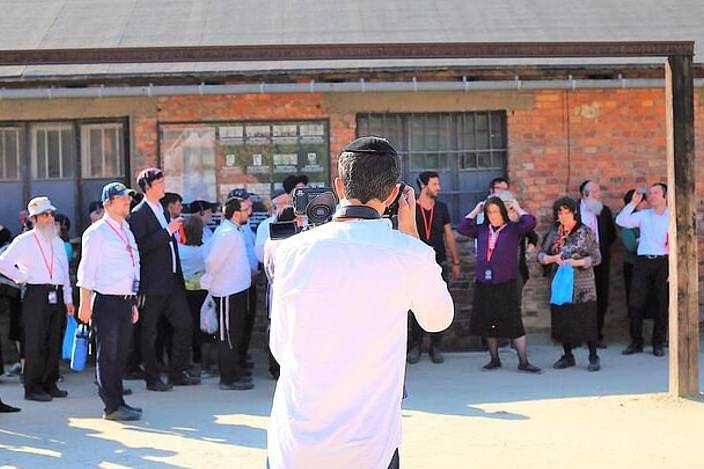
Visit former Nazi concentration camps Auschwitz I and Auschwitz II (Birkenau) where more than milion people were killed during the Second World War.
Dear traveler, from March 2020 there is a new law in Auschwitz-Birkenau and booking with a lot of time in advance is the only way to be sure about going on this tour. Buying the ticket directly there is almost impossible.
The given start time is approximate and can be changed - it will be confirmed 2 or 1 day before the tour.
Private tours include 20 languages: English, Italian, French, Spanish, German, Russian, Czech, Slovak, Croatian, Greek, Hebrew, Japanese, Korean, Dutch, Romanian, Serbian, Swedish, Ukrainian, Hungarian and Polish.
Available options
Regular English Tour
Admission & English Guide<br/>Duration: 3 hours
What's included
Professional guide
Detailed itinerary
1
The first part of the visit in Auschwitz-Birkenau Museum and Memorial - former camp Auschwitz I. Over here the tour is guided in English with a live guide.
What's not included
Food and drinks
Available languages
Written guide
DE
RU
EL
EN
HR
IT
FR
ES
CS
JA
SK
PL
HE
NL
Guide guide
EN
FR
Reviews breakdown
Viator
1.3
3 reviews
5★
0
4★
0
3★
0
2★
1
1★
2
Tripadvisor
4.5
133 reviews
5★
112
4★
3
3★
3
2★
0
1★
15
Important information
Public transportation options are available nearby
Travelers should have at least a moderate level of physical fitness
Tour timings may change last minute due to venue requirements.
Maximum luggage/bag/purse/backpack size is 30x20x10cm (A4 sheet size)
Due to the character of this place it is expected to dress in a modest way.
The exact starting time will be confirmed 1-2 days earlier
Bring Passport or ID card
Important notes
The starting times are not guaranteed. The actual visiting time is set on the day before the visit to maintain a 24-hour flexible cancellation policy. The Auschwitz-Birkenau Museum sets the visiting times and pace.
You must arrange transport to the Auschwitz site and from Auschwitz to Birkenau afterwards.
Maximum luggage/bag/purse/backpack size is 30x20x10cm (A4 sheet size)
About Oswiecim
Oswiecim, known internationally as Auschwitz, is a town in southern Poland with a profound historical significance. It is most famous as the location of the Auschwitz concentration camp, a site of the Holocaust during World War II. Despite its dark history, the town itself offers a mix of historical sites, cultural experiences, and natural beauty.
Top Attractions
Auschwitz-Birkenau Memorial and Museum
This is the most significant and somber attraction in Oswiecim. The Auschwitz-Birkenau Memorial and Museum is a former Nazi concentration camp that serves as a poignant reminder of the Holocaust. It is a UNESCO World Heritage Site and a must-visit for understanding the history of World War II.
Historical
2-3 hours for a guided tour
Free, but guided tours are recommended and may have a fee
Jewish Museum in Oswiecim
This museum provides a deeper understanding of the Jewish community that once thrived in Oswiecim before the Holocaust. It features exhibits on Jewish history, culture, and the impact of the Holocaust on the local Jewish population.
Museum
1-2 hours
Moderate fee
Oswiecim Town Hall
The town hall is a beautiful example of Renaissance architecture and a symbol of Oswiecim's rich history. It houses a small museum and is a great place to learn about the town's past.
Historical
30 minutes to 1 hour
Free or small fee
Oswiecim Synagogue
This synagogue is a testament to the once-thriving Jewish community in Oswiecim. It has been restored and now serves as a cultural center and a place of remembrance.
Religious
30 minutes to 1 hour
Free or small donation
Must-Try Local Dishes
Pierogi
Dumplings filled with various ingredients such as meat, cheese, potatoes, or fruits. They are a staple of Polish cuisine and come in both savory and sweet varieties.
Main Course
Vegetarian options available
Zapiekanka
A popular street food consisting of a half-baguette topped with mushrooms, cheese, and sometimes other ingredients, then toasted.
Snack
Vegetarian options available
Bigos
A traditional Polish stew made with sauerkraut, fresh cabbage, and various types of meat, often served with bread.
Main Course
Contains meat
Popular Activities
Hiking in nearby forests
Biking around the town and surrounding areas
Visiting local cafes and parks
Enjoying traditional Polish cuisine
Exploring historical sites
Visiting museums and cultural centers
Visiting during the Christmas season for festive markets and decorations
Participating in guided tours of the Auschwitz-Birkenau Memorial and Museum
Best Time to Visit
May to September
This is the most popular time to visit due to the pleasant weather and the opportunity to explore outdoor attractions. The town is busiest during this period, especially around major holidays and summer vacations.
15°C to 25°C
59°F to 77°F
Practical Information
Language
- Official: Polish
- Widely spoken: English, German
- English: Moderately spoken
Currency
Polish Zloty (PLN)
Time Zone
CET (UTC +1), CST (UTC +2) during daylight saving time
Electricity
230VV, 50HzHz
Safety Information
Overall Safety Rating: Generally safe
Oswiecim is generally safe for travelers, with low crime rates. However, as with any destination, it's important to stay aware of your surroundings and take basic precautions.
Important Precautions:
- • Keep valuables secure
- • Use licensed taxis or app-based services
- • Be cautious when using ATMs
Getting there
By air
- John Paul II International Airport Krakow • 60 km
By train
Oswiecim Station
By bus
Oswiecim Bus Station
Getting around
Public transport
The local bus service is efficient and affordable, making it easy to get around Oswiecim and visit nearby sites like the Auschwitz-Birkenau Memorial and Museum.
Taxis
Available • Apps: Bolt, FreeNow
Rentals
Car, Bike
Neighborhoods
Town Center
Auschwitz-Birkenau Area
Day trips
Krakow
60 km • Full day
Krakow is one of Poland's most beautiful and historic cities, offering a wealth of cultural attractions, including Wawel Castle, the Main Market Square, and the historic Jewish quarter of Kazimierz.
Katowice
40 km • Half day
Katowice is a vibrant city with a rich industrial history. It offers a mix of modern and historical attractions, including the Silesian Museum and the Cathedral of Christ the King.
Festivals
Christmas Market • December
Pro tips
- Book a guided tour of the Auschwitz-Birkenau Memorial and Museum in advance to ensure availability
- Visit the Jewish Museum in Oswiecim to gain a deeper understanding of the town's history
- Try local Polish dishes like pierogi and zapiekanka for an authentic culinary experience
- Explore the town center on foot to discover its historical sites and cultural attractions
- Consider a day trip to Krakow or Katowice for a mix of historical and urban experiences
From $25
per person
Price varies by option
Secure booking
Free cancellation available
Instant confirmation