Coffee & Chocolate Private Tour in Medellin: Genuine Experience
Active
8h
For a full refund, cancel at least 24 hours before the scheduled departure time.
Instant confirmation
Mobile or paper ticket accepted
About this experience
This is the perfect tour for you if you love off-the-beaten-path destinations, breathtaking sceneries and being surrounded by nature.
Learn about the origin of two of the most consumed drinks in the world: coffee and chocolate.
During this tour you get to visit two different non-touristy farms, one of cacao and one of coffee, only 1 hour away from Medellin and close to each other so you spend most of the time enjoying and learning about the artisanal process of both products.
Taking this tour you learn and participate in all the steps from planting the seeds to packaging. Then you have the chance to customize your chocolate and buying premium quality coffee and chocolate products.
To complement this experience we provide a delicious traditional lunch (included) served in the farm that you eat as you contemplate the stunning views.
But definetly the best of this tour is interacting with the warmest farmers in their houses.
Book this amazing tour, you will never regret!
Available options
Coffee & Chocolate Private Tour in Medellin: Genuine Experience
Pickup included
What's included
Private transportation
Coffee and cacao farms Entrance fees included
Lunch
Air-conditioned vehicle
Private Bilingual Guide
Pick up and drop off at your place in El Poblado or Laureles
Detailed itinerary
1
Your day begins right at your doorstep as we pick you up and head north of Medellín—just an hour away—through breathtaking landscapes.
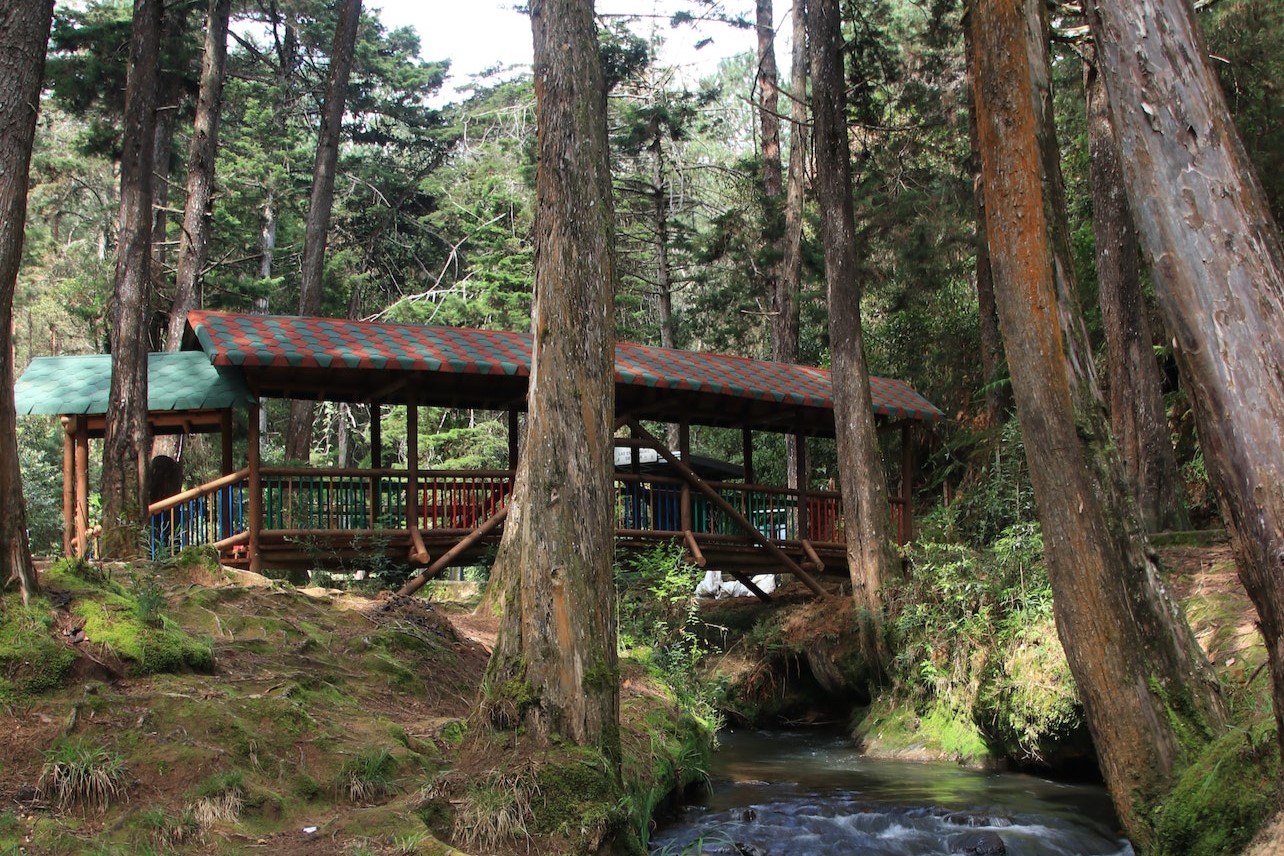
Upon arrival, we're greeted by cacao farmers. We leave our vehicle at the cacao farm and begin a scenic 800-foot (approx. 250 meters) uphill hike to the coffee farm. Since there’s no road access, the trail can be steep, but we’ll take our time to enjoy the spectacular views.
The hike takes about 10–15 minutes ascending and 8–10 minutes descending.
As the trail is natural terrain, we recommend wearing trekking boots or shoes with good grip, especially if the ground is wet.
At the coffee farm, the hosts welcome us with a cup of premium Colombian coffee. A coffee expert then provides a detailed introduction to Colombia’s rich coffee culture.
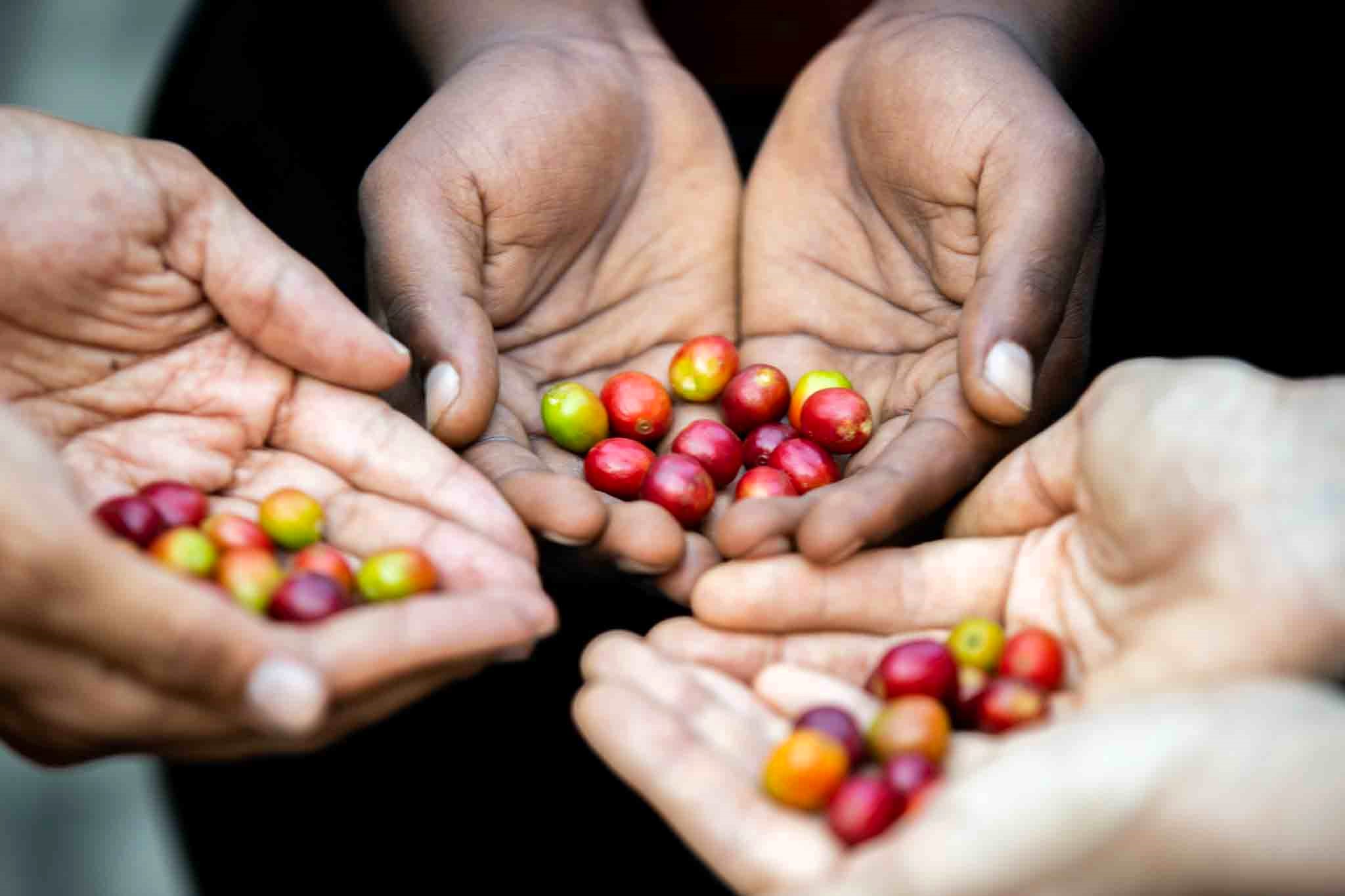
We’ll then head to the plantation, where you’ll pick beans by hand and learn how to depulp, ferment, and dry them using traditional artisanal methods.
2
After brewing coffee using two traditional methods, we enjoy a delicious regional lunch with a stunning view and fresh farm-made lemonade.
This is one of the most authentic and traditional meals of our region—rarely found in restaurants and truly exceptional.
After lunch, there’s an opportunity to purchase freshly roasted coffee, if you’d like to take some home.
With full hearts and full stomachs, we say goodbye to our coffee farmer hosts and begin our short walk to the next experience: the cacao farm.
We begin with a deep dive into the world of chocolate, covering essential topics such as:
- The global history and production of chocolate.
- How to maintain a healthy cacao plantation
- Common cacao pests and sustainable control methods.
By the end of this introduction, you'll have enough knowledge to consider starting your own cacao farm!
Step 1: Harvesting Cacao
Stroll through the plantation and explore cacao plants in their natural environment, alongside other local crops.
3
Stop 3
Step 2: Fermenting & Drying
Back at the farm, we open the cacao pods to extract the sweet, raw seeds—which you can taste. These are placed in wooden boxes to ferment for six days, then dried in a solar greenhouse ("marquesina") Drying takes 5–10 days.
Step 3: Roasting & Grinding
We roast the beans over a wood fire giving the chocolate a subtle smoky flavor. After cooling, we remove the husks with our own nails and grind the beans until they melt from the heat of friction.
Step 4: Crafting Your Chocolate
Now for the fun part: you’ll mix your freshly ground chocolate with ingredients we provide like powdered milk, vanilla, green pepper, salt, lemon zest, or ginger—whatever inspires you. Once your chocolate creation is ready, we mold it and place it in the fridge to set.
This is a unique farming tour where you experience real non-touristy farms where we grow and process the chocolate and coffee beans to produce premium quality products.
What's not included
Breakfast
Available languages
Guide guide
EN
ES
Reviews breakdown
Viator
5.0
11 reviews
5★
11
4★
0
3★
0
2★
0
1★
0
Tripadvisor
5.0
87 reviews
5★
87
4★
0
3★
0
2★
0
1★
0
Important information
Not recommended for pregnant travelers
Not recommended for travelers with poor cardiovascular health
Suitable for all physical fitness levels
There is a 800 ft steep hike in the nature, we can stop as much as you want/need to catch the breath and appreciate the stunning views but please be aware of this hike before you book.
About Medellín
Medellín, nestled in a valley and surrounded by mountains, is renowned for its pleasant climate, vibrant culture, and remarkable transformation from its past. Known as the 'City of Eternal Spring,' it offers a unique blend of urban sophistication and natural beauty, making it a captivating destination for travelers.
Top Attractions
Comuna 13
A vibrant and historic neighborhood known for its street art, community spirit, and the famous outdoor escalators that connect the hillside community to the city.
Cultural
2-3 hours
Free (tours may have a small fee)
Botero Plaza and Museo de Antioquia
Home to a collection of Fernando Botero's famous works, including his distinctive 'fat' style paintings and sculptures, as well as other notable artists.
Art/Museum
1-2 hours
Free (donations appreciated)
Parque Arví
A vast nature reserve accessible via cable car, offering hiking trails, wildlife spotting, and a peaceful escape from the city.
Nature
Half day
Cable car: $6,000 COP (approx. $1.60 USD) one way
Must-Try Local Dishes
Bandeja Paisa
A hearty platter featuring rice, beans, ground beef, chorizo, plantain, avocado, arepa, and fried egg.
Lunch/Dinner
Vegetarian versions available
Arepas
Cornmeal patties grilled or fried, often stuffed with various fillings like cheese, meat, or avocado.
Snack
Vegetarian and vegan options available
Sancocho
A traditional soup made with chicken, beef, or fish, along with plantains, yuca, and other vegetables.
Lunch/Dinner
Can be made vegetarian or vegan
Popular Activities
Hiking in Parque Arví
El Peñol rock climb
Paragliding in San Antonio de Pereira
Coffee tours
Spa day in El Poblado
Strolling through Parque Lleras
Street art tours in Comuna 13
Visiting museums in El Centro
Best Time to Visit
December to March (dry season)
This is the best time to visit Medellín due to the lower rainfall and pleasant temperatures. It's ideal for outdoor activities and exploring the city.
18-26°C (64-79°F)
64-79°F
Practical Information
Language
- Official: Spanish
- Widely spoken: English (in tourist areas and among younger people)
- English: Moderately spoken in tourist areas, limited elsewhere
Currency
Colombian Peso (COP)
Time Zone
GMT-5
Electricity
110VV, 60HzHz
Safety Information
Overall Safety Rating: Exercise caution
Medellín has undergone a significant transformation and is generally safe for tourists, but petty crime and scams can occur. Staying in tourist areas and taking basic precautions can help ensure a safe visit.
Important Precautions:
- • Use official taxis or app-based services.
- • Avoid walking alone at night in less populated areas.
- • Keep valuables secure and out of sight.
Getting there
By air
- José María Córdova International Airport • 30 km (18.6 miles) from city center
By bus
Terminal del Norte, Terminal del Sur
Getting around
Public transport
The metro is efficient, clean, and affordable, with two lines covering key areas. It's the best way to get around the city.
Taxis
Available • Apps: Tappx, Cabify
Rentals
Car, Bike, Scooter
Neighborhoods
El Poblado
Laureles
El Centro
Day trips
Guatapé
80 km (50 miles) from Medellín • Full day
A colorful colonial town known for its vibrant houses, the famous El Peñol rock, and the nearby Lake Guatapé.
Jardín
250 km (155 miles) from Medellín • Overnight
A picturesque town in the Antioquia region, known for its coffee plantations, waterfalls, and traditional architecture.
Santa Fe de Antioquia
80 km (50 miles) from Medellín • Full day
A charming colonial town with cobblestone streets, historic churches, and a relaxed atmosphere.
Festivals
Feria de las Flores (Flower Festival) • August
Festival de la Música del Pacífico Petronio Álvarez • Late August to early September
Medellín International Poetry Festival • June
Pro tips
- Use the SITV card for seamless transfers between metro, Metroplús, and cable cars.
- Learn a few basic Spanish phrases to enhance your experience and interact with locals.
- Visit Comuna 13 for a unique and authentic cultural experience, but be respectful of the community.
- Take the Metrocable for stunning views of the city and to explore the hillside neighborhoods.
- Explore the city's street art scene, which is a vibrant and important part of Medellín's cultural identity.
From $25
per person
Price varies by option
Secure booking
Free cancellation available
Instant confirmation