Skip the Line Admission Ticket to Cathedral of Segovia
Active
1h - 2h
For a full refund, cancel at least 24 hours before the scheduled departure time.
Instant confirmation
Mobile or paper ticket accepted
About this experience
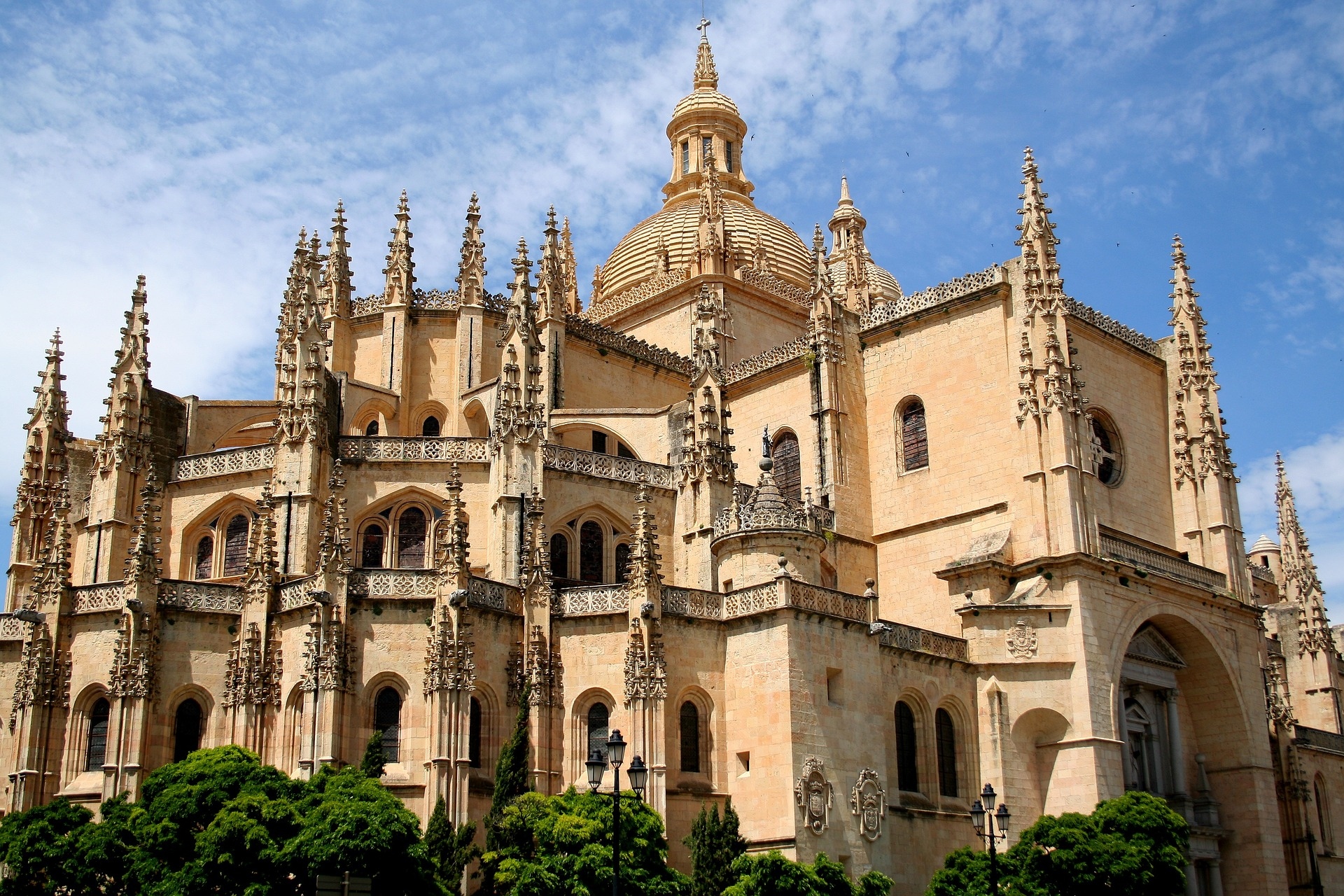
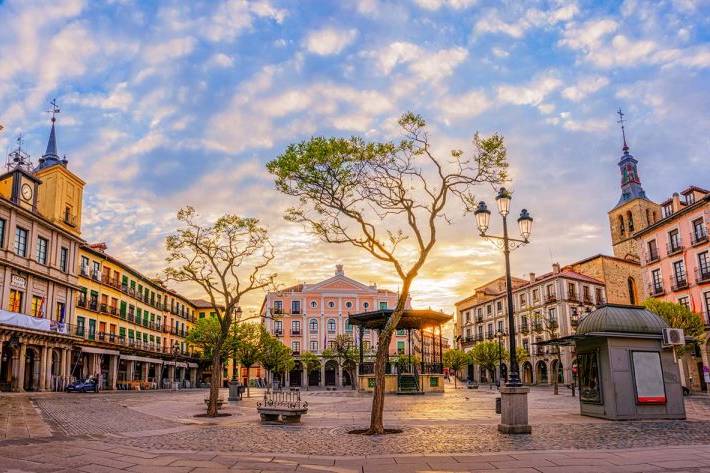
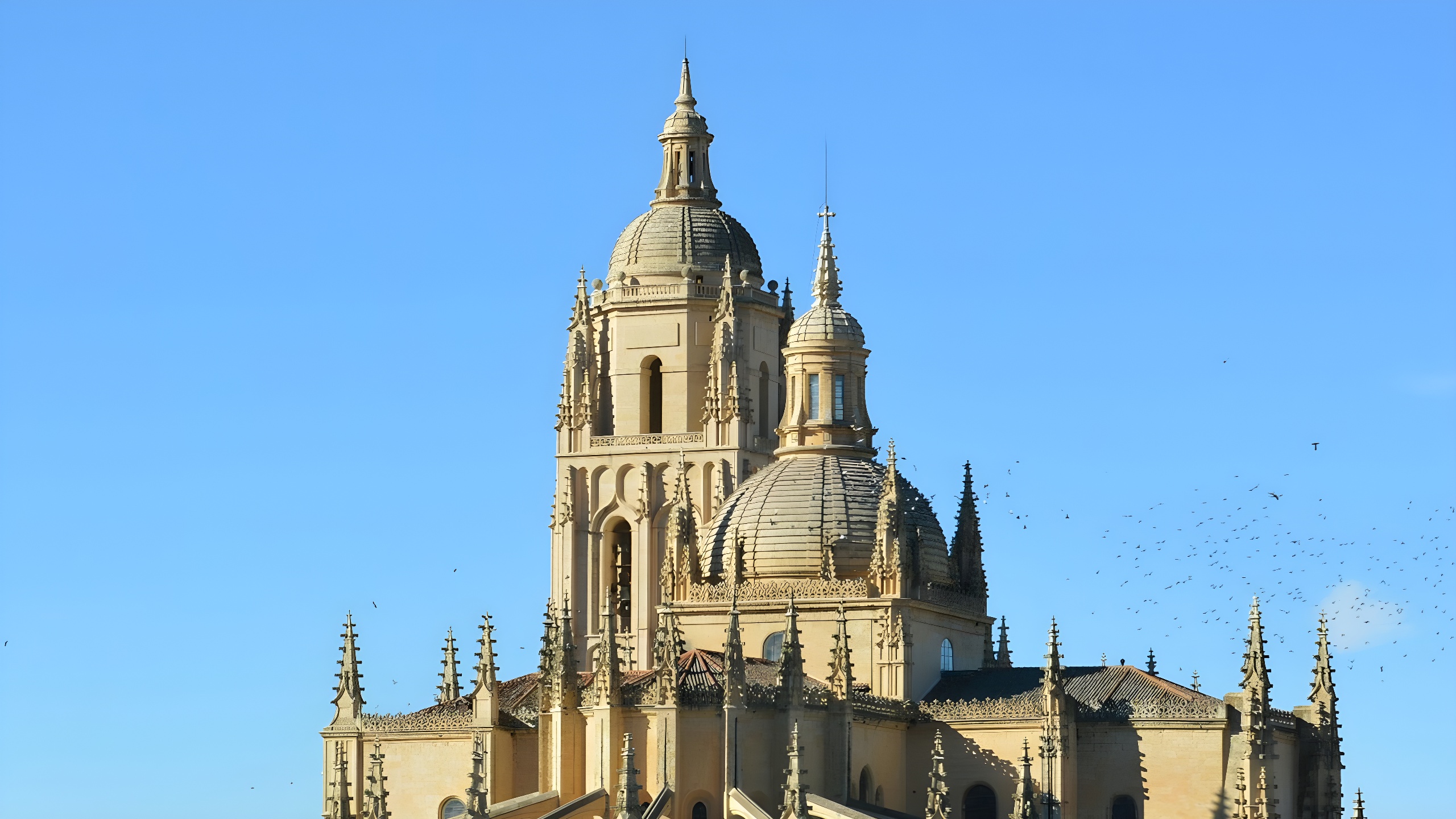
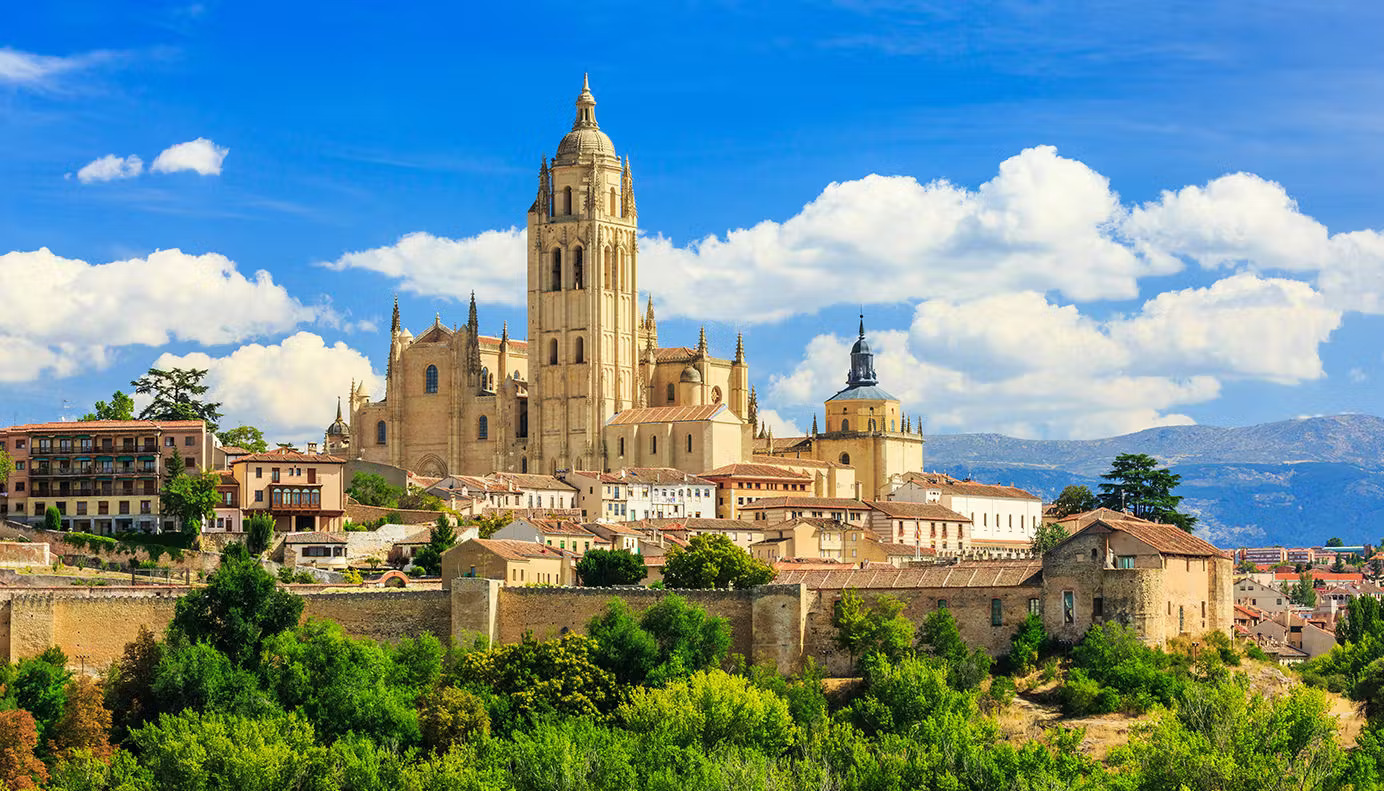
Segovia Cathedral is the last Gothic cathedral to be built in Spain. Fronting the historic Plaza Mayor in Segovia, it stands on the spot where Isabella I was proclaimed Queen of Castile. Affectionately called la dama de las catedrales, Segovia Cathedral has a supremely Gothic exterior combined with a surprisingly bare interior, but contains numerous treasures.
Available options
Skip the Line Admission Ticket to Cathedral of Segovia
What's included
Admission Ticket
Free visit to the Episcopal Palace of Segovia
Detailed itinerary
1
Discover the last Gothic cathedral with this admission ticket. Entrance is through the north transept. The interior, illuminated by 16th-century Flemish windows, is light, bare and uncluttered, with a large Gothic choir (15th-century, predating the cathedral) placed in the center. Across from the choir in the east end is the high altar, with an 18th-century altarpiece by Sabatini.
The walls and apse are lined with more than 20 chapels. The third chapel on your right from the entrance (Capilla de San Cosme y San Damian) has a lamentation group in wood by the 17th-century Baroque sculptor Gregorio Fernández.
The Blessed Sacrament Chapel (created by the flamboyant Churriguera) features stained-glass windows, elaborately carved choir stalls, and 16th- and 17th-century paintings, including a reredos portraying the deposition of Christ from the cross by Juan de Juni.
Across from the entrance, on the southern transept, is a door opening into the late-Gothic cloister, which is older than the cathedral — it and the elaborate door leading into it were transported from the old cathedral and are the work of architect Juan Guas.
Under the pavement immediately inside the cloisters are the tombs of Juan and Rodrigo Gil de Hontañón; that these two lie in a space designed by Guas is appropriate, for the three men together dominated the last phase of the Gothic style in Spain.
Off the cloister, a small museum of religious art, installed partly in the first-floor chapter house, has a white-and-gold 17th-century ceiling, a late example of Mudéjar artesonado work. The museum contains jewelry, paintings, and a collection of rare antique manuscripts.
What's not included
Gratuities
Transportation to/from attractions
Reviews breakdown
Viator
3.9
14 reviews
5★
6
4★
5
3★
1
2★
0
1★
2
Tripadvisor
4.4
141 reviews
5★
95
4★
26
3★
13
2★
1
1★
6
Important information
Infants and small children can ride in a pram or stroller
Public transportation options are available nearby
Suitable for all physical fitness levels
Children must be accompanied by an adult
About Segovia
Segovia is a historic city in Spain known for its exceptionally well-preserved Roman aqueduct, medieval architecture, and the stunning Alcázar of Segovia, which is said to have inspired Walt Disney's Cinderella Castle. This UNESCO World Heritage site offers a blend of Roman, medieval, and Renaissance influences, making it a unique and captivating destination.
Top Attractions
Roman Aqueduct of Segovia
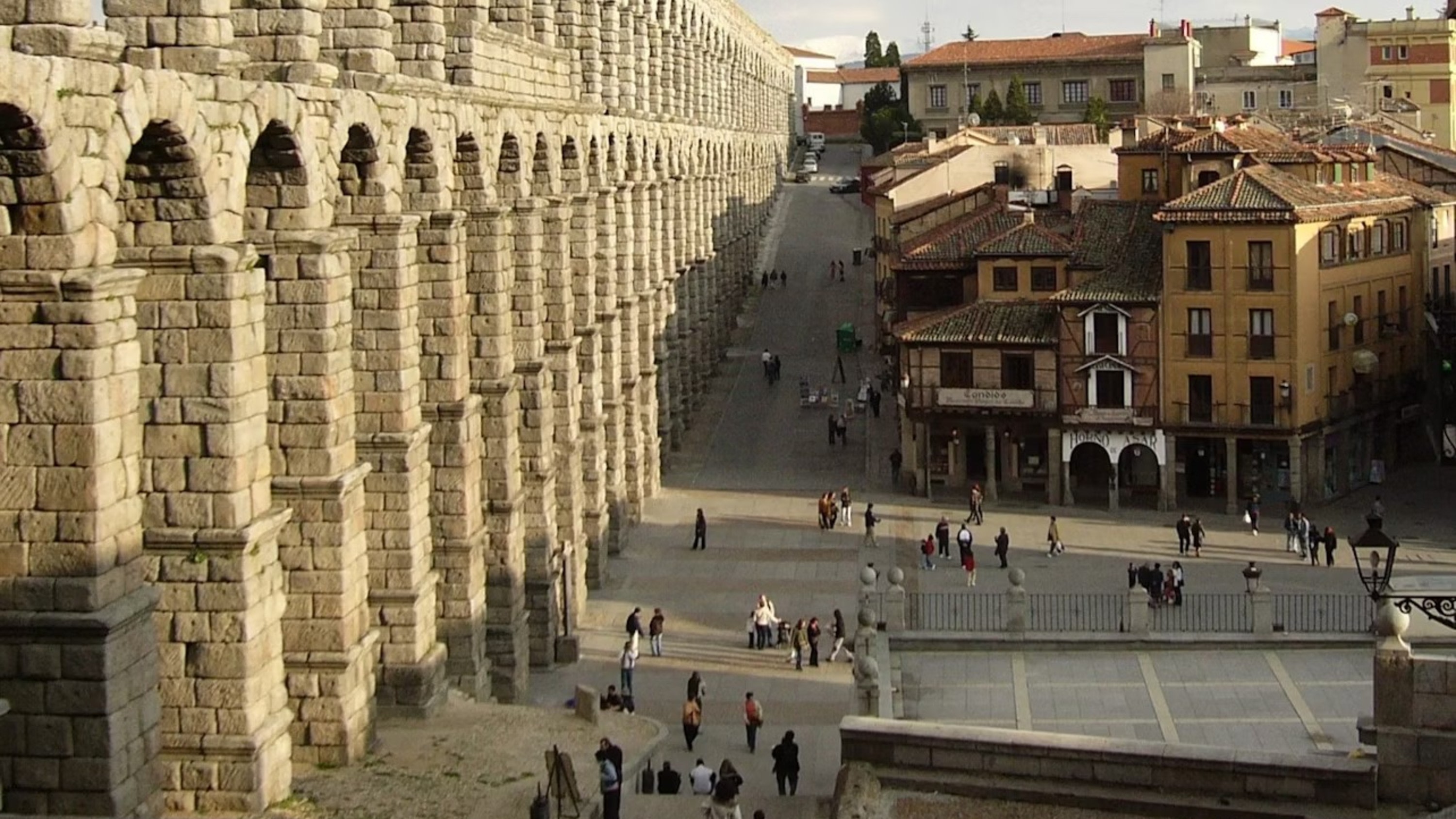
This impressive aqueduct, built by the Romans in the 1st century AD, is one of the best-preserved elevated Roman aqueducts in the world. It spans over 29 kilometers and features 167 arches.
Historical/Architecture
30-60 minutes
Free
Alcázar of Segovia
This fairytale-like castle is one of the most distinctive castles in Spain. It is said to have inspired Walt Disney's Cinderella Castle and offers stunning views of the city and surrounding countryside.
Historical/Architecture
1-2 hours
€5.50 (general admission)
Segovia Cathedral
Known as 'the Lady of Cathedrals,' this Gothic cathedral is the last to be built in Spain and features stunning stained glass windows, intricate carvings, and a beautiful cloister.
Religious/Architecture
1 hour
€3 (general admission)
Royal Palace of La Granja de San Ildefonso
This stunning palace and gardens were once a royal residence and hunting lodge. The palace features opulent interiors, while the gardens are home to numerous fountains and sculptures.
Historical/Architecture
2-3 hours
€9 (palace and gardens admission)
Must-Try Local Dishes
Cochinillo Asado
A traditional dish of roasted suckling pig, known for its crispy skin and tender meat.
Main Course
Not suitable for vegetarians or vegans.
Judiones de La Granja
A hearty stew made with large white beans, pork, and other meats, originating from the nearby town of La Granja de San Ildefonso.
Main Course
Not suitable for vegetarians or vegans.
Ponche Segoviano
A traditional dessert made with layers of sponge cake, custard, and meringue, topped with almonds.
Dessert
Contains eggs and nuts.
Popular Activities
Hiking in the nearby Sierra de Guadarrama mountains
Mountain biking
Strolling through the historic center
Enjoying a wine tasting
Visiting museums and historic sites
Attending local festivals and events
Skiing and snowboarding in the nearby Sierra de Guadarrama mountains
Watching the fountain shows at the Royal Palace of La Granja de San Ildefonso
Best Time to Visit
Spring (April to June) and Fall (September to October)
These seasons offer pleasant weather, fewer crowds, and ideal conditions for sightseeing and outdoor activities.
15-25°C
59-77°F
Practical Information
Language
- Official: Spanish
- Widely spoken: English (in tourist areas)
- English: Moderately spoken in tourist areas, limited elsewhere
Currency
Euro (EUR)
Time Zone
GMT+1 (Central European Time)
Electricity
230VV, 50HzHz
Safety Information
Overall Safety Rating: Generally safe
Segovia is a generally safe destination for travelers, with low crime rates and a welcoming atmosphere. However, as with any destination, it is important to take basic precautions to ensure a safe and enjoyable trip.
Important Precautions:
- • Keep valuables secure and out of sight.
- • Be cautious of pickpockets in crowded areas.
- • Use licensed taxis or ride-sharing services.
Getting there
By air
- Adolfo Suárez Madrid–Barajas Airport • 90 km
By train
Segovia Station
By bus
Segovia Bus Station
Getting around
Public transport
The bus network covers most of the city and is an affordable way to get around.
Taxis
Available • Apps:
Rentals
Car, Bike, Scooter
Neighborhoods
Historic Center
San Lorenzo
La Alameda
Day trips
La Granja de San Ildefonso
12 km • Half day to full day
This charming town is home to the Royal Palace of La Granja de San Ildefonso and its stunning gardens, featuring numerous fountains and sculptures.
Pedraza
35 km • Half day to full day
This medieval town is known for its well-preserved walls, historic buildings, and charming streets. It is also home to a famous bullring.
Coca
30 km • Half day
This small town is home to the stunning Castle of Coca, a well-preserved example of Mudéjar architecture.
Festivals
Festival of San Juan and San Pedro • June 23-24
Segovia Christmas Market • December
Medieval Festival of Segovia • August
Pro tips
- Visit the Roman Aqueduct early in the morning or late in the afternoon for the best photos and fewer crowds.
- Try the local specialties, such as Cochinillo Asado and Judiones de La Granja, at traditional restaurants like Mesón de Cándido or Casa Zancas.
- Explore the historic center on foot to fully appreciate its charm and beauty.
- Visit the Alcázar of Segovia for stunning views of the city and surrounding countryside, and to learn about its fascinating history.
- Take a day trip to La Granja de San Ildefonso to see the Royal Palace and its beautiful gardens, featuring numerous fountains and sculptures.
From $25
per person
Price varies by option
Secure booking
Free cancellation available
Instant confirmation