Mémorial de Caen Museum Admission and Guided Tour of D-Day Sites
Active
7h
If you cancel at least 6 full day(s) before the scheduled departure time, you will receive a full refund.<br>If you cancel between 2 and 6 day(s) before the scheduled departure time, you will receive a 50% refund.<br>If you cancel within 2 day(s) of the scheduled departure, you will receive a 0% refund.
Manual confirmation
Mobile or paper ticket accepted
About this experience
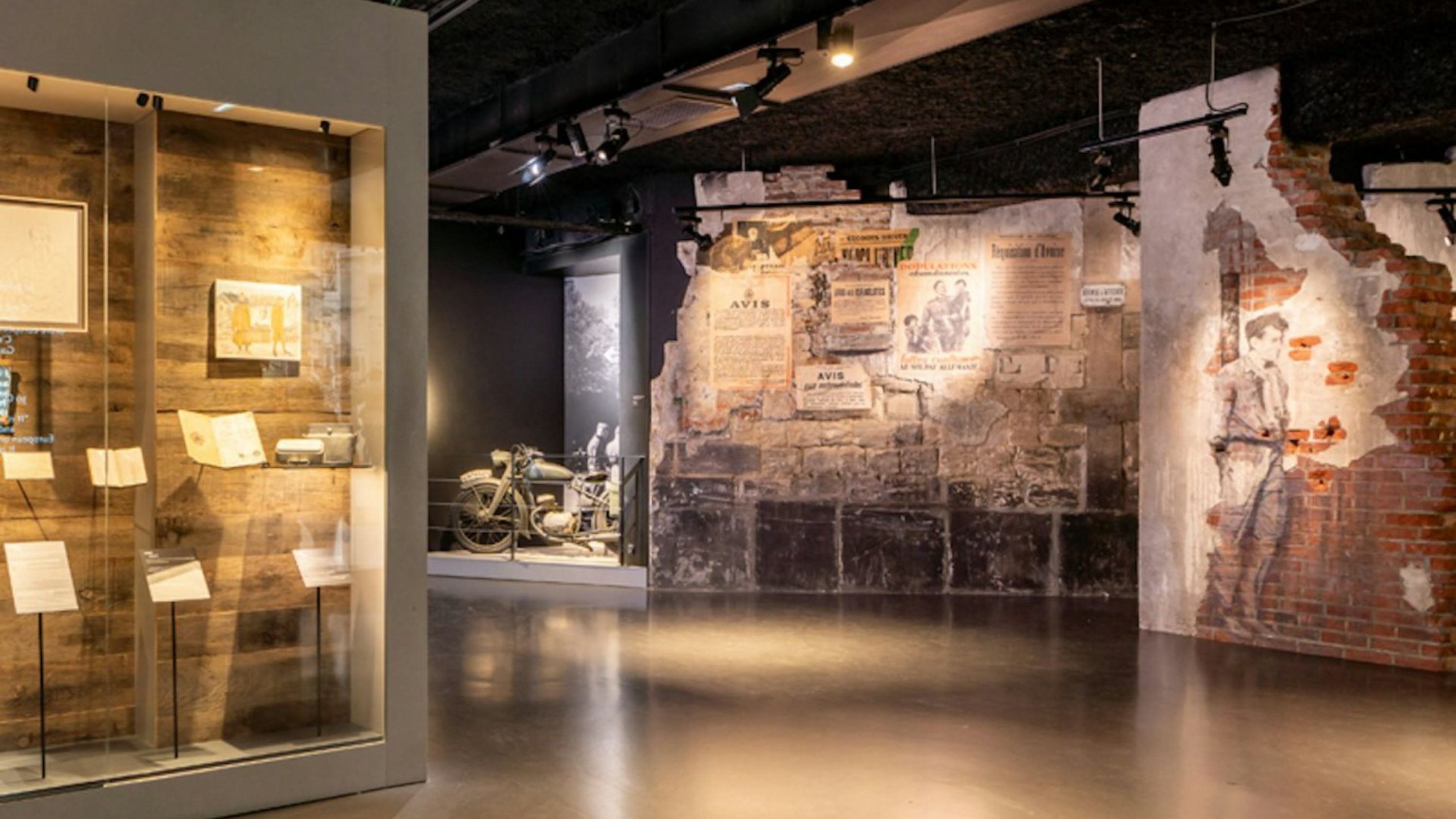
This tour includes a self-guided visit of the Mémorial de Caen and a guided tour of key D-Day sites. Visitors can spend as much time as they wish discovering the Mémorial de Caen (entrance tickets to the museum are valid for 24 hours from first entry).
The Mémorial de Caen offers visitors the opportunity to take a historical journey through the 20th century, discovering major events from the end of the First World War to the fall of the Berlin Wall. It has a whole section covering D-Day and is the only museum in Normandy to relate the intensity of the Invasion that followed and explain its preparation in both enemy camps.
The Landing Beaches guided tour gives visitors the chance to learn the story of a day that changed the course of history. It's is a complete 5 hours round trip with a guide from Mémorial de Caen in an air-conditioned mini-van, and it includes the visit of the following sites: Pointe du Hoc, Omaha Beach, and the American Military Cemetery at Colleville-sur-Mer.
Available options
D-Day Pass 2023
What's included
Entrance to the Memorial de Caen Museum valid for 24 hours
Transport by air-conditioned minivan
5-hour guided tour of D-Day sites (in English and French)
Detailed itinerary
1
Stop 1
The visit of the Memorial is self-guided and you can do it before the guided tour of the D-Day sites departs at 13h00, or the day after as the ticket is valid for 24 hours.
The Mémorial de Caen offers its visitors the opportunity to take an unforgettable historical journey through the 20th century, discovering major events from the end of the First World War to the fall of the Berlin Wall. It has a whole section covering D-Day and is the only museum in Normandy to relate the intensity of the Invasion that followed and explain its preparation in both enemy camps.
2
Stop 2
In World War II, Pointe du Hoc was the location of a series of German bunkers and machine gun posts. Prior to the invasion of Normandy, the German army fortified the area with concrete casemates and gun pits. On D-Day, the United States Army Provisional Ranger Group attacked and captured Pointe du Hoc after scaling the cliffs. United States generals including Dwight D. Eisenhower had determined that the place housed artillery that could slow down nearby beach attacks.
(Wikipedia)
3
Stop 3
Omaha Beach was one of five beach landing sectors designated for the amphibious assault component of Operation Overlord during the Second World War. On June 6, 1944, the Allies invaded German-occupied France with the Normandy landings. "Omaha" refers to an 8-kilometer (5 mi) section of the coast of Normandy, France, facing the English Channel, from east of Sainte-Honorine-des-Pertes to west of Vierville-sur-Mer on the right bank of the Douve River estuary. Landings here were necessary to link the British landings to the east at Gold with the American landing to the west at Utah, thus providing a continuous lodgement on the Normandy coast of the Bay of the Seine. Taking Omaha was to be the responsibility of United States Army troops, with sea transport, mine sweeping, and a naval bombardment force provided predominantly by the United States Navy and Coast Guard, with contributions from the British, Canadian and Free French navies.
(Wikipedia)
4
Stop 4
The Normandy American Cemetery and Memorial is a World War II cemetery and memorial that honors American troops who died in Europe during World War II.
A memorial in the cemetery includes maps and details of the Normandy landings and military operations that followed. At the memorial's center is Spirit of American Youth Rising from the Waves, a bronze statue. The cemetery also includes two flag poles where, at different times, people gather to watch the American flags being lowered and folded.
The cemetery, which was dedicated in 1956, is the most visited cemetery of those maintained by the American Battle Monuments Commission (ABMC), with one million visitors a year. In 2007, the ABMC opened a visitor center at the cemetery, relating the global significance and meaning of Operation Overlord.
(Wikipedia)
What's not included
Guided tour of the museum
Audio guide
Food and drinks
Gratuities
Hotel pickup and drop-off
Available languages
Audio guide
EN
FR
Guide guide
EN
FR
Written guide
EN
FR
Reviews breakdown
Viator
4.8
130 reviews
5★
114
4★
11
3★
2
2★
1
1★
2
Tripadvisor
4.7
145 reviews
5★
122
4★
9
3★
5
2★
5
1★
4
Important information
Suitable for all physical fitness levels
The tour is not suitable for children under 3 years old
You may use your museum ticket on the same day as your guided tour or on another occasion. Your museum ticket is valid for 24 hours from the first time of entry
Prior to making your booking, please check Memorial de Caen opening times
Meeting point
Directions: The museum can easily be accessed by car or by taking bus number 2 from the town center
Important notes
Please note:
• The guided tour of the D-Day sites is bilingual in French and English.
• The D-Day sites tour leaves at 1PM / 13.00 hours. Please be ready at least 15 minutes prior to departure time in the Memorial de Caen main hall.
About Caen
Caen, a historic city in Normandy, is known for its rich heritage and significant role in World War II. It offers a blend of medieval architecture, war museums, and charming parks, making it a compelling destination for history buffs and culture seekers alike.
Top Attractions
Caen Castle
Built by William the Conqueror, this medieval castle houses the Normandy Museum and fine arts museum.
Historical
2-3 hours
€7.50
Memorial Museum for Peace
Dedicated to the history of the Battle of Normandy and the consequences of war.
Historical
2-3 hours
€9.50
Abbaye aux Hommes
A Benedictine abbey founded by William the Conqueror, featuring beautiful Romanesque architecture.
Historical
1-2 hours
Free (church), €5 (museum)
Botanical Garden of Caen
A beautiful 12-hectare garden featuring a variety of plants, a greenhouse, and a rose garden.
Nature
1-2 hours
Free
Must-Try Local Dishes
Tripes à la mode de Caen
A traditional dish made with tripe cooked in cider and Calvados.
Main course
Contains beef and pork
Moules-Frites
Mussels steamed in white wine, served with French fries.
Main course
Seafood
Tarte Normande
A Norman apple tart made with caramelized apples and cream.
Dessert
Contains dairy and gluten
Popular Activities
Hiking in the surrounding countryside
Cycling along the Caen Canal
Picnicking in the Botanical Garden
Sunbathing at Deauville Beach
Visiting museums and historical sites
Attending local festivals and events
Swimming at the beach
Boating on the Caen Canal
Best Time to Visit
June to August
This is the warmest and most popular time to visit, with long daylight hours and numerous outdoor events.
15°C to 25°C
59°F to 77°F
Practical Information
Language
- Official: French
- Widely spoken: English
- English: Moderately spoken
Currency
Euro (EUR)
Time Zone
GMT+1 (CET), GMT+2 (CEST during daylight saving time)
Electricity
230VV, 50HzHz
Safety Information
Overall Safety Rating: Generally safe
Caen is generally safe, with low crime rates. However, petty theft and pickpocketing can occur in tourist areas.
Important Precautions:
- • Keep valuables secure and out of sight
- • Be cautious of your surroundings, especially at night
- • Use licensed taxis or rideshare services
Getting there
By air
- Carpiquet Airport • 5 km from city center
By train
Caen Station
By bus
Caen Bus Station
Getting around
Public transport
Affordable and efficient, with frequent services. Single tickets cost €1.50.
Taxis
Available • Apps: G7, Uber
Rentals
Car, Bike, Scooter
Neighborhoods
Vaugueux
Saint-Pierre
Thaon
Day trips
Bayeux
30 km from Caen • Half day
A charming town known for its Bayeux Tapestry and medieval cathedral.
Mont Saint-Michel
120 km from Caen • Full day
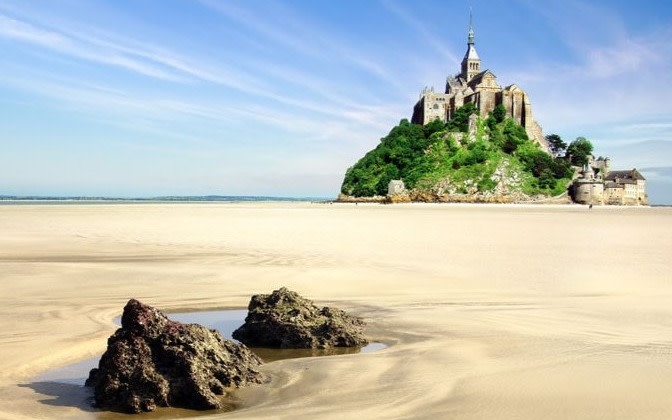
A UNESCO World Heritage site featuring a stunning abbey and tidal island.
Deauville
40 km from Caen • Half day
A popular seaside resort known for its beach, casino, and film festival.
Festivals
Normandy Festival • Early September
Deauville American Film Festival • Early September
Christmas Markets • Late November to late December
Pro tips
- Visit the Caen Castle and Abbaye aux Hommes early in the morning to avoid crowds
- Combine a visit to the Memorial Museum for Peace with a walk through the Peace Gardens
- Explore the Vaugueux neighborhood for a glimpse into Caen's medieval past
- Try local specialties like Tripes à la mode de Caen and Camembert cheese
- Consider purchasing a Caen Pass for discounted entry to attractions and unlimited public transportation
From $25
per person
Price varies by option
Secure booking
Free cancellation available