Landmannalaugar, Hekla, Sigoldugljufur 4x4 tour with Hiking
Active
11h
For a full refund, cancel at least 24 hours before the scheduled departure time.
Instant confirmation
Mobile or paper ticket accepted
About this experience
Discover one of Iceland's natural gems, the Landmannalaugar geothermal area, on this luxurious jeep tour. See stunning waterfalls and otherworldly crater lakes before taking a dip in a naturally heated pool. This tour shouldn’t be missed by anyone wanting to experience the best of Icelandic nature.
Available options
Landmannalaugar, Hekla, Sigoldugljufur 4x4 tour with Hiking
Pickup included
What's included
Hotel drop-off
National Park fees
Driver/guide
Hotel pickup
Pick up on South Coast
Detailed itinerary
1
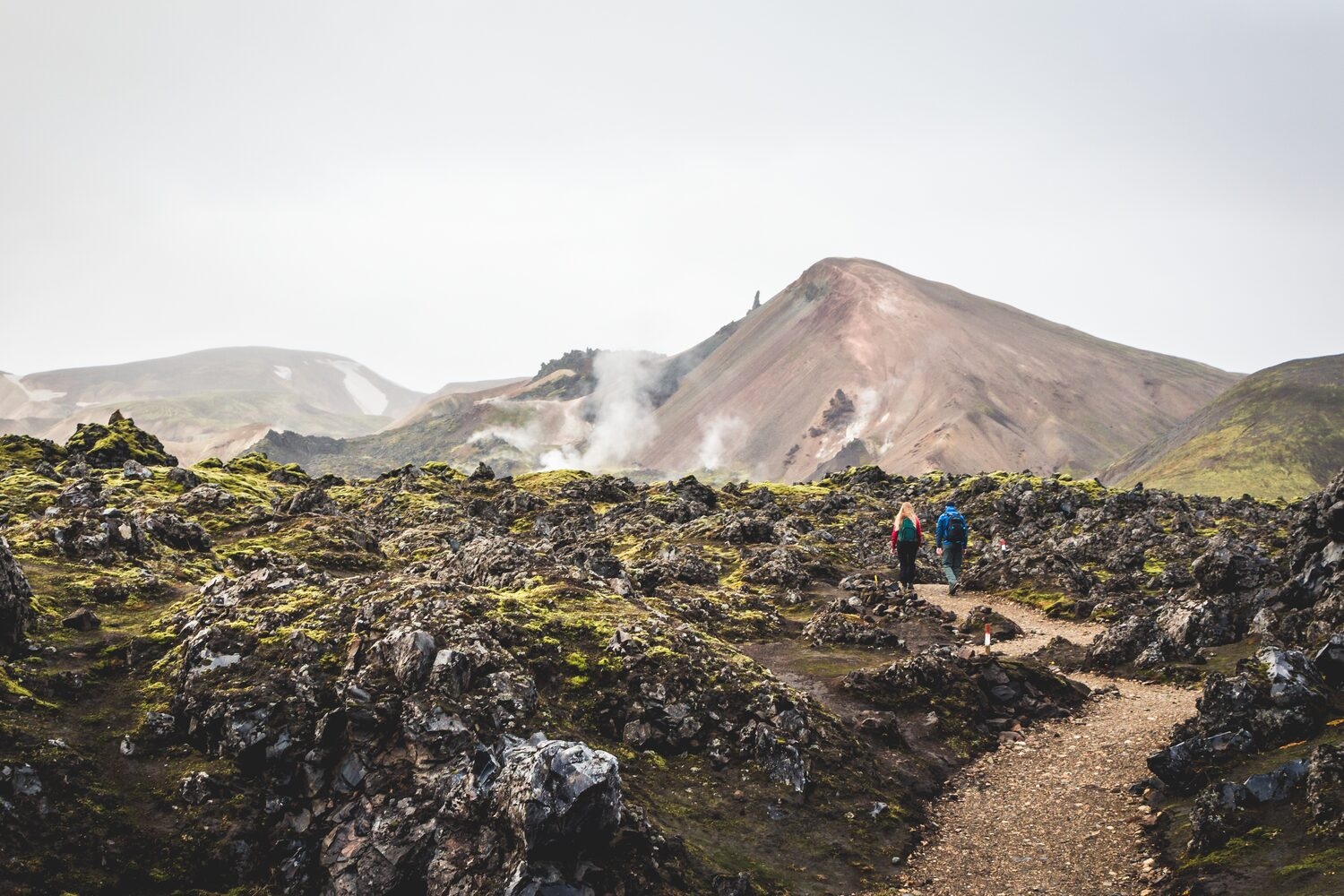
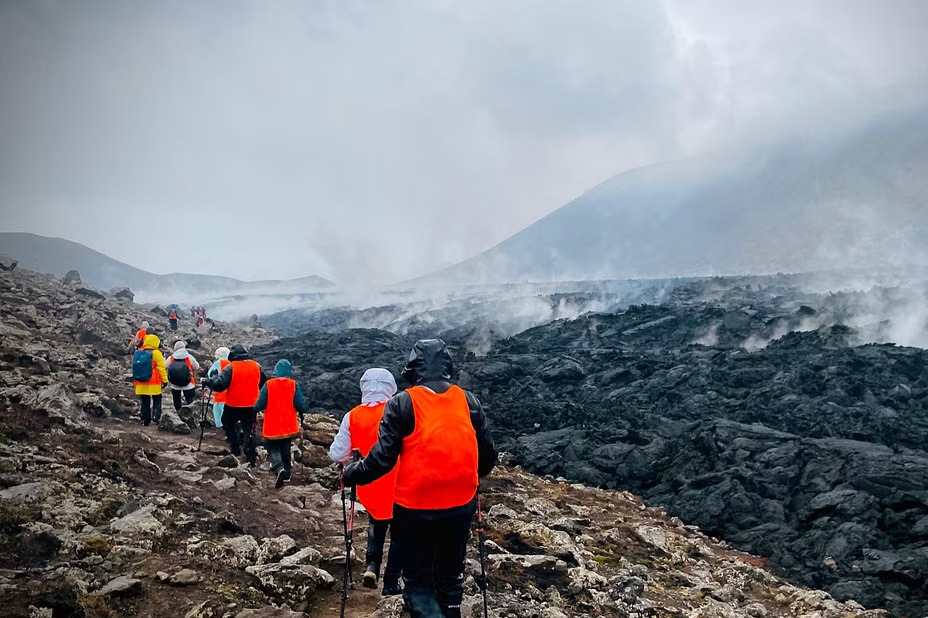
We will Pick up in Reykjavik and the South coast, drive to the roots of Hekla Iceland,s most active volcano where we drive in the most recent lava field before landing in Landmannalaugar.
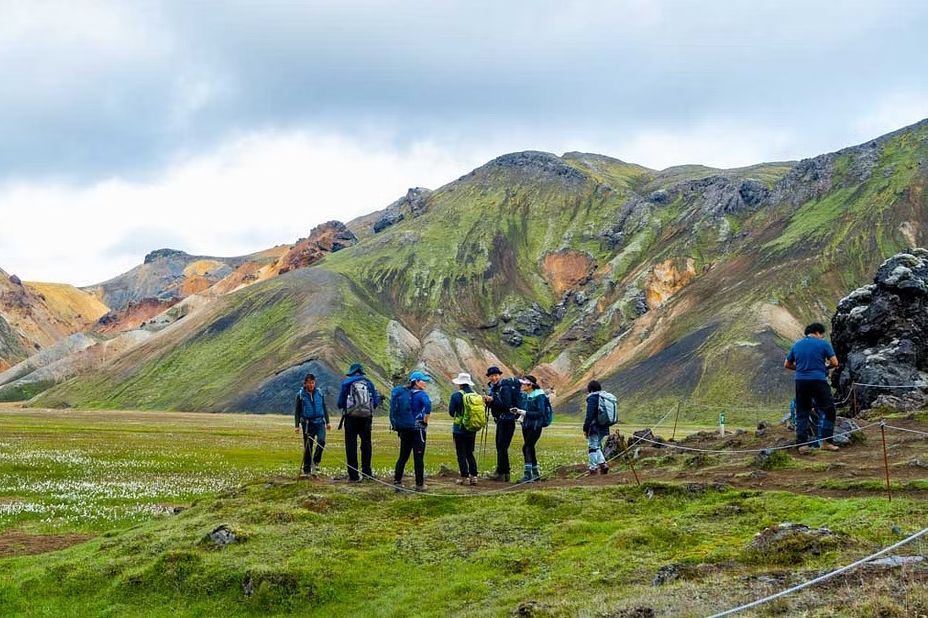
in Landmannalaugar we stop for three hours it gives plenty of time for a hike, (there are various options available depending on form )
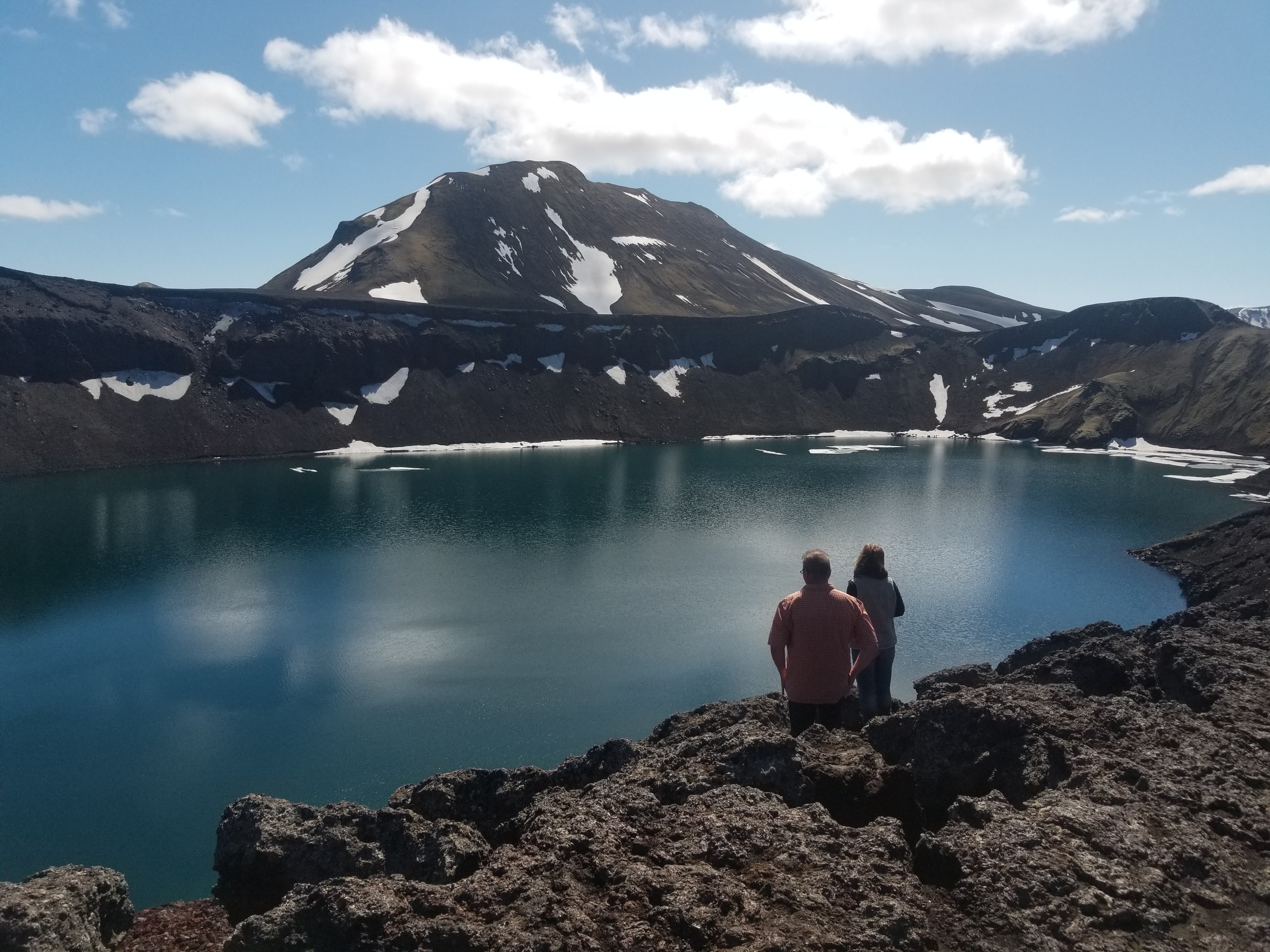
and time to take a dip in the natural pool there before heading back, on the way back we drive on top of a crater with a cobalt blue water inside, stop at a canyon (Most say this is a highlight of the tour ) and a waterfall before driving the countryside back to the capital.
The colors of the mountains and the beautiful nature you will see on this day are some you will remember the rest of your life
2
Fjallabak nature reserve is nemed from the numerous wild and rugged rhyolite mountains with deeply incised valleys in Fjallabak. The topography of the Torfajökull, volcano found in the southern part of the Fjallabak Nature Reserve, a result of the region being the largest rhyolite area in Iceland and the second largest geothermal area, Torfajökul volcano is an active volcanic system, but is now in a declining fumarolic stage as exemplified by numerous fumaroles and hot springs. The hot pools at Landmannalaugar are one of many manifestations of geothermal activity in the area, which also tends to alter the minerals in the rocks, causing the beautiful colour variations from red and yellow to blue and green, a good example being the pink color in Brennisteinsalda and the blue color of Blánhúkur. Geologists believe that the Torfajökull volcano is a caldera, the rim being Háalda, Suđurnámur, Norđur Barmur, Torfajökull, Kaldaklofsfjöll and Ljósártungur.
The bedrock of the Fjallabak Nature Reserve dates back 8-10 million years. The volcano has been most productive during the last 2 million years, that is during the last Ice Age Interglacial rhyolite lava and sub-glacial rhyolites, examples being Bláhnúkur and Brennisteinsalda are characteristic formations in the area. To the north of the Torfajökull region sub-glacial volcanic activity produced the hyaloclastite (móberg) mountains, such as Lođmundur and Mógilshöfđar.
The most recent volcanic activity,s where at Veiđivötn fissure from 1480, Ljótipollur, Hnausapollur and other craters which extend 30 km, further to the north
The average temperature in the Fjallabak Nature Reserve is probably 0-1 °C. Temperatures between 5-14 °C may be expected in July and August, and in the winter the average temperature is about –6 °C. Mountain areas have a tendency to alter the general weather situation, and the Torfajökull Mountains are no exception. The most important local weather variations being; lowering of temperatures, increases in wind speed, local changes in wind direction, production of fog and mist, increased likelihood of rain and snow. As a rough guide, winds from the south to southeast rend to bring rain and bad weather whereas north to northeast winds usually bring cold but finer weather. Always be prepared for sudden and unexpected variations – they are frequent.
Because of the cold climate in the Nature Reserve the vegetation’s growing period is only about two moths every year and the formation of soil very slow. The soil is deficient in fully rotted and weathered minerals and is therefore rough and incoherent, furthermore wind and water transport is easily. Sandstorms, common in large parts of the area, as well as volcanic eruptions cover the Nature Reserve with lava and ash. If all these conditions are born in mind, together with the region being heavily grazed through the years it does not come as a surprise that vegetation is scarce in the Nature Reserve. Continuous vegetation cover is rather small and the largest and greenest vegetated areas are close to rivers and lakes in the Kýlingar area which is a continuous fenland with pools and ponds and various marsh plants. The acidic rhyolite bedrock is
3
Stop 3
Hekla is located in the highly active volcanic zone it is the most active volcano in Iceland with more than 20 eruptions since 874. The volcano is part of a volcanic ridge, 40 km long. The most active part of this ridge is a fissure about 5.5 km long named Heklugja. being under the volcano itself. There are many craters at the peak, two of which are known to erupt more than the others.
The area around Hekla was once forested. Forest and some grasses are much more resilient to ash and pumice fall than low vegetation. However the combined effect of human habitation and the volcanic activity has left an unstable surface very susceptible to erosion. Hekluskógar reforestation project is working to restore the previously present birch and willow woodland to the slopes of the mountain. This would stabilize the large areas of volcanic ash and help to reduce erosion. It is the largest reforestation of its type in Europe.
Hekla has had at least twenty eruptions since the settlement of Iceland in 874 AD. The biggest eruption was in 1104 AD when it erupted without warning, ejecting millions of tonnes of tephra. It erupted four times in the 20th century 29 March 1947 and ended on 21 April 1948, 5 May 1970 and lasted until 5 July. 17 August 1980 and lasted until 20 August 1980. 17 January 1991 to 11 March 1991, the last time Hekla erupted was 26 February 2000 and lasted until 8 March.
Hekla has once produced one of the greatest lava flows of this millenium of any volcano in the world, at eight cubic kilometres. Approximately 10 percent of Iceland’s landmass was brought up by lava from Hekla.
Hekla is believed to be overdue and geologists in Iceland keep a close eye on the volcano. There are many monitors placed on the mountain, which measure any geological changes. Last time Hekla volcanoe erupted they could see it beforehand and give people in the area an half-an-hour notice before the eruption started. one of the most notorious things about Hekla is its unpredictability, sometimes exploding within a decade of its last eruption, sometimes laying dormant for nearly a century.
Hekla is a word for a short hooded cloak in Icelandic which may relate to the frequent cloud cover on the summit. After the eruption of 1104, stories, probably spread deliberately through Europe by Cistercian monks, told that the mountain was the gateway to Hell. It has also been called the prison of Judas and there is still a legend that witches gather on the volcano for Easter.
4
Stop 4
Ljótipollur is a beautiful maar. In fact, a maar is a geological term in English, which oddly translates to “explosion crater” in Icelandic. The name Ljótipollur translates on the other hand to Ugly Pond in English. Although this is not at all deserved, this is the name it was given a long time ago. Maars are usually quite deep as the water originates below the ground, and no surface streams are leaking into or out of the lake but this one is only around 14 meters deep. Often, craters with small lakes have this beautiful turquoise blue lake, giving the crater an enhanced value, especially for photographers. Moreover, Ljótipollur also attracts people interested in fishing, so don't be surprised if you see someone fishing there.
What's not included
Food and Drink
Available languages
Guide guide
EN
Reviews breakdown
Viator
4.6
9 reviews
5★
8
4★
0
3★
0
2★
0
1★
1
Tripadvisor
4.8
28 reviews
5★
26
4★
0
3★
0
2★
2
1★
0
Important information
Suitable for all physical fitness levels
Children must be accompanied by an adult
Operates in all weather conditions, please dress appropriately
Important notes
• Comfortable walking shoes are recommended
Hotel pickups commence prior to this time
About Reykjavik
Reykjavik is the world's northernmost capital city, known for its vibrant cultural scene, stunning natural surroundings, and unique Icelandic charm. It offers a blend of modern amenities and ancient geothermal wonders, making it a must-visit destination for travelers seeking both adventure and relaxation.
Top Attractions
Hallgrímskirkja
This iconic church is a landmark of Reykjavik, known for its distinctive architecture and towering spire. It offers panoramic views of the city from its tower.
Architecture/Religious
1-2 hours
Moderate (ISK 1000 for the tower)
Harpa Concert Hall
A stunning modern concert hall with a glass facade that reflects the surrounding landscape. It hosts a variety of performances and events.
Architecture/Entertainment
1-2 hours
Free to enter, performance tickets vary
Blue Lagoon
A geothermal spa known for its milky-blue waters rich in minerals. It's a popular spot for relaxation and rejuvenation.
Nature/Relaxation
Half a day
Expensive (ISK 49,900 and up)
Reykjavik Art Museum
A museum showcasing contemporary Icelandic and international art. It's housed in a striking building with a glass facade.
Museum
1-2 hours
Moderate (ISK 1400)
Perlan Museum
A unique museum located in a glass dome that offers a variety of exhibits, including a glacier exhibit and a planetarium.
Museum
2-3 hours
Moderate to Expensive (ISK 3,990 and up)
Must-Try Local Dishes
Plokkfiskur
A traditional Icelandic fish stew made with mashed potatoes, white fish, onions, and béchamel sauce.
Main Course
Contains fish and dairy
Hákarl
Fermented shark, a traditional Icelandic delicacy known for its strong smell and taste.
Snack
Contains fish
Skyr
A thick, creamy Icelandic yogurt-like dairy product, often served with berries or cream.
Dessert
Contains dairy
Rúgbrauð
A dense, dark rye bread traditionally baked underground using geothermal heat.
Bread
Vegan
Popular Activities
Glacier hiking and ice climbing
Whale watching
Snowmobiling on a glacier
Caving and lava tunnel exploration
Visiting geothermal spas like the Blue Lagoon or Sky Lagoon
Enjoying a traditional Icelandic massage or spa treatment
Taking a leisurely walk around Tjörnin Lake in Reykjavik
Visiting museums and galleries
Best Time to Visit
June to August
This is the warmest time of the year with long daylight hours, making it ideal for outdoor activities and sightseeing. The city is lively with numerous festivals and events.
8°C to 13°C (46°F to 55°F)
46°F to 55°F
Practical Information
Language
- Official: Icelandic
- Widely spoken: English, Danish, German
- English: Widely spoken
Currency
Icelandic Króna (ISK)
Time Zone
GMT+0
Electricity
230VV, 50HzHz
Safety Information
Overall Safety Rating: Generally safe
Iceland is a very safe country with low crime rates. However, it's always important to be aware of your surroundings and take precautions to ensure your safety.
Important Precautions:
- • Keep your valuables secure and be aware of your surroundings, especially in crowded areas
- • Be cautious when using ATMs, and only use ATMs located in secure, well-lit areas
- • Research tour operators and rental companies before booking to ensure they are reputable and legitimate
Getting there
By air
- Keflavík International Airport • 50 km (31 miles) from Reykjavik
By bus
BSÍ Bus Terminal
Getting around
Public transport
The bus system is efficient and affordable, with frequent services and easy-to-use ticketing.
Taxis
Available • Apps: Bustravel, Uber (limited availability)
Rentals
Car, Bike, Scooter
Neighborhoods
Downtown Reykjavik
Hlemmur
Vesturbær
Day trips
Golden Circle
230 km (143 miles) from Reykjavik • Full day
A popular day trip route that includes three of Iceland's most famous attractions: Þingvellir National Park, Geysir Geothermal Area, and Gullfoss Waterfall.
South Coast
150-200 km (93-124 miles) from Reykjavik • Full day or overnight
A scenic drive along Iceland's south coast, offering a variety of attractions, including waterfalls, black sand beaches, and glaciers.
Snæfellsnes Peninsula
240 km (149 miles) from Reykjavik • Full day or overnight
A scenic peninsula known as 'Iceland in Miniature' due to its diverse landscapes, including mountains, glaciers, lava fields, and beaches.
Festivals
Reykjavik Arts Festival • Late May to early June
Iceland Airwaves • Early November
Reykjavik Winter Lights Festival • Late January to early February
Pro tips
- Visit the Blue Lagoon or another geothermal spa for a relaxing and rejuvenating experience
- Explore Reykjavik's street art and murals, which can be found throughout the city
- Take a day trip to the Golden Circle or another nearby attraction for a taste of Iceland's natural wonders
- Try traditional Icelandic food, such as lamb soup, fish stew, and fermented shark
- Visit a local brewery or distillery and sample Icelandic craft beer or spirits
From $25
per person
Price varies by option
Secure booking
Free cancellation available
Instant confirmation