Hawa Mahal and Pink City Private Flower Tour in Jaipur
Active
4h
For a full refund, cancel at least 24 hours before the scheduled departure time.
Instant confirmation
Mobile or paper ticket accepted
About this experience
Step into the heart of Jaipur, where every petal tells a tale of culture, history, and tradition.
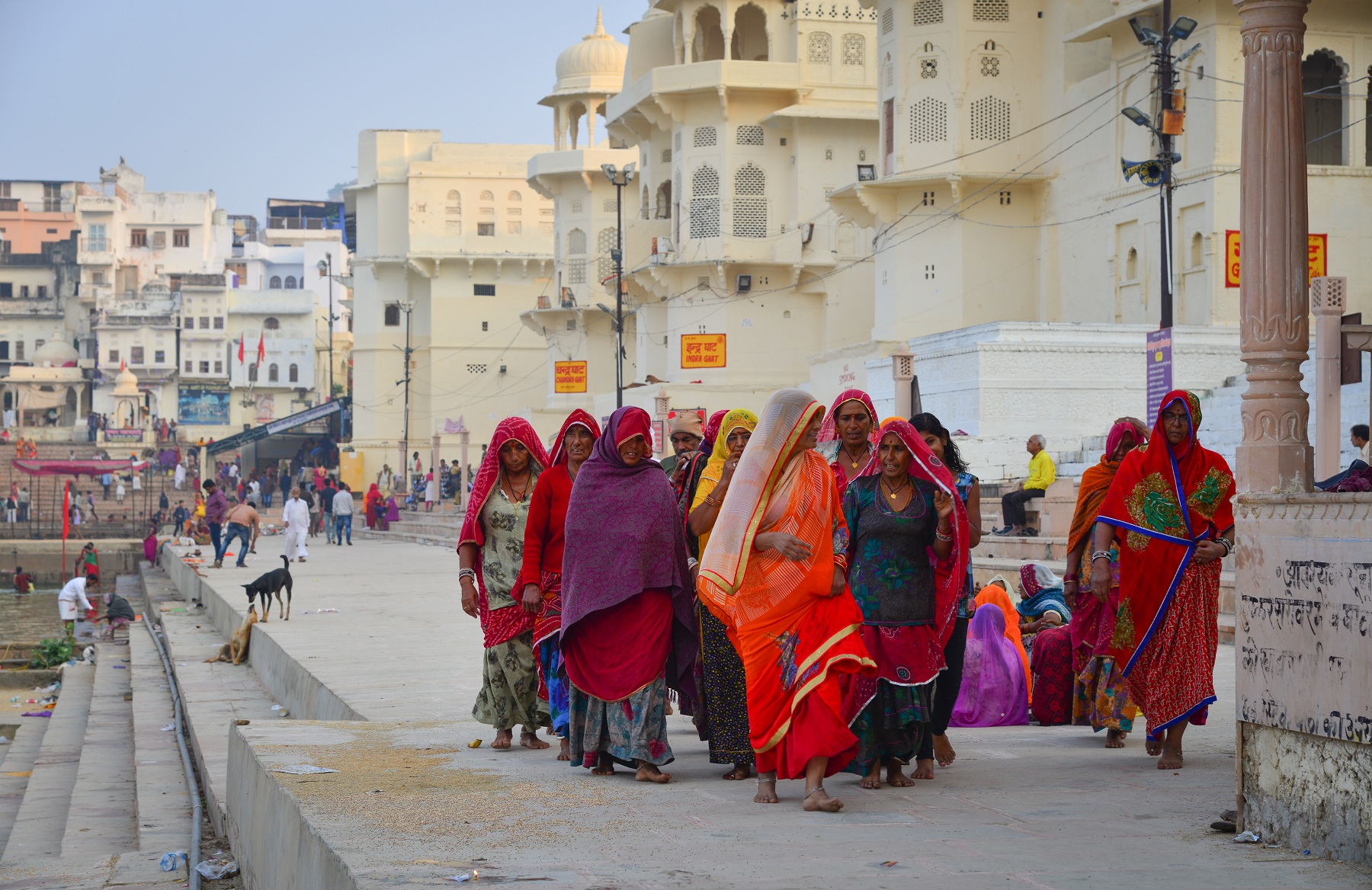
This isn’t just a flower tour—it’s a journey through the soul of the city. Ever wandered through a place and felt like everything bloomed around you? Many poets and journalists have likened Jaipur to a flower, and why not! Every layer of this city unfolds like a petal, each revealing a new story, a hidden history, or a vibrant tradition. Flowers aren’t just decoration here; they are woven into Jaipur’s very essence.
From the bustling flower markets, where marigolds and roses create a riot of colors, to the sacred temples where blooms are offerings of devotion, Jaipur breathes through its flowers. Through hands-on workshops and cultural insights, you’ll uncover the deep connection between these fragrant wonders and the city’s rich heritage. A trip to Jaipur is truly incomplete without experiencing this floral, fragrant, and deeply symbolic adventure.
Available options
Hawa Mahal and Pink City Private Flower Tour in Jaipur
What's included
Bottled water
Snacks
Professional Guide
Coffee and/or Tea
Detailed itinerary
1
Stop 1
Pass by
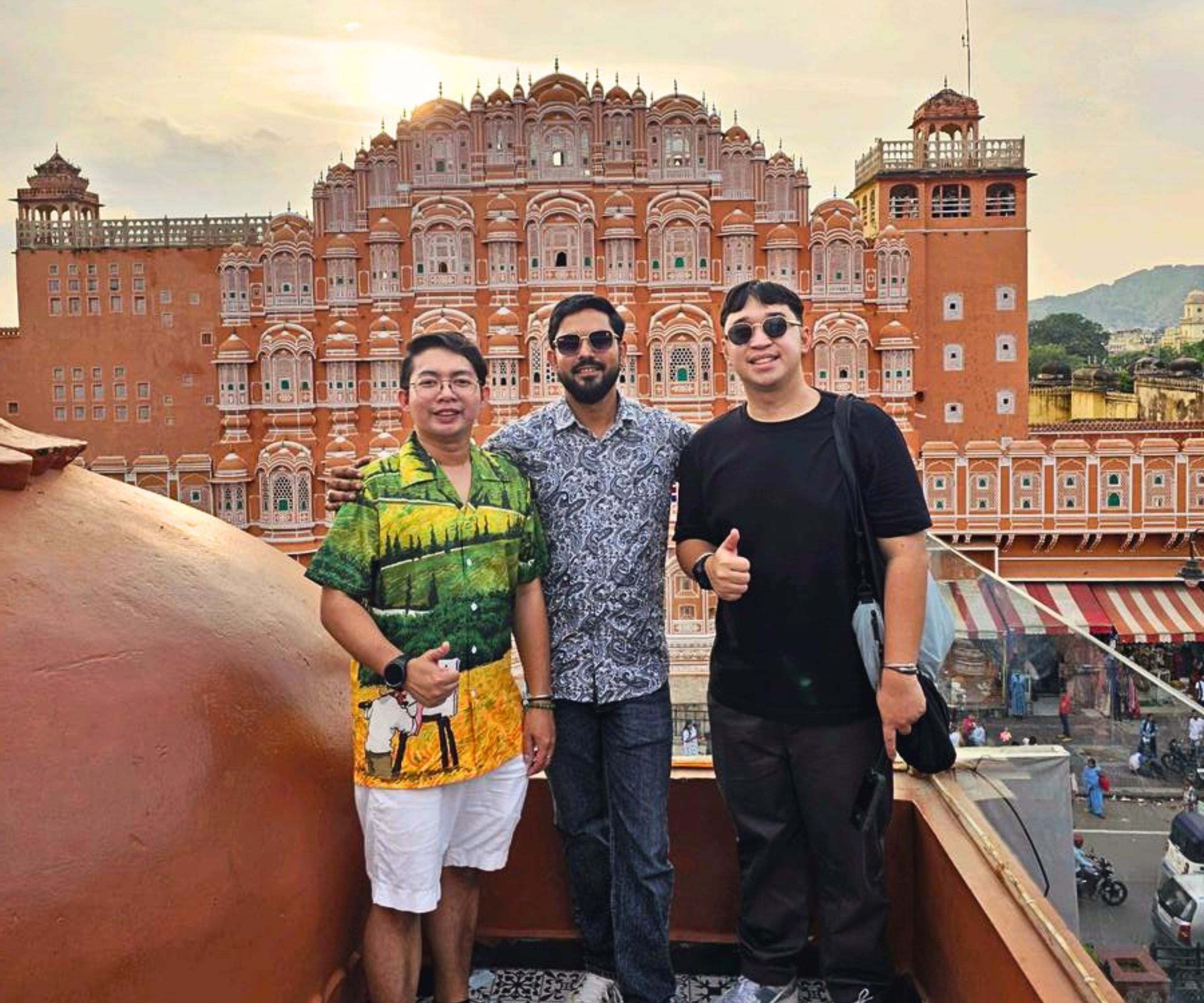
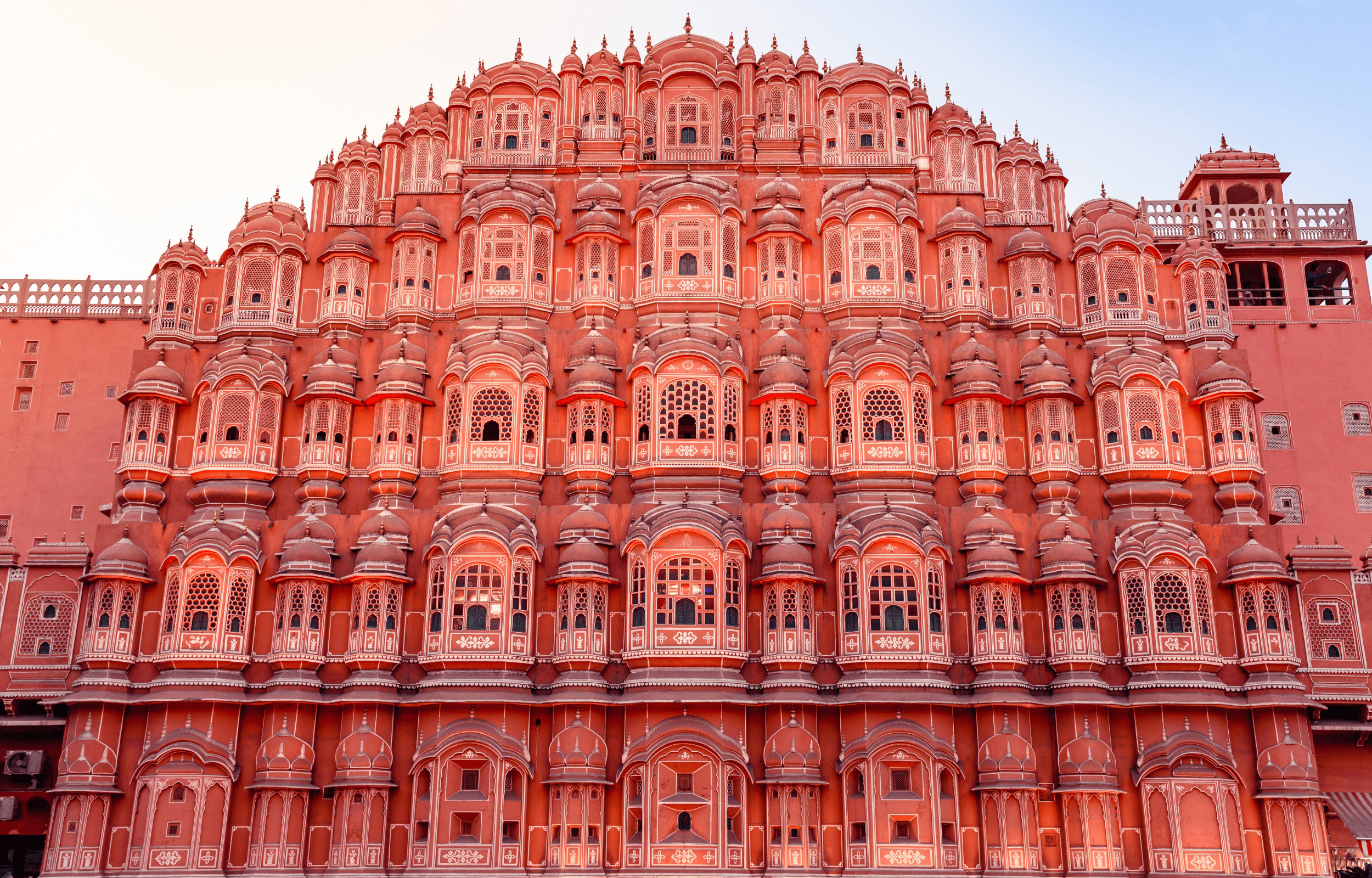
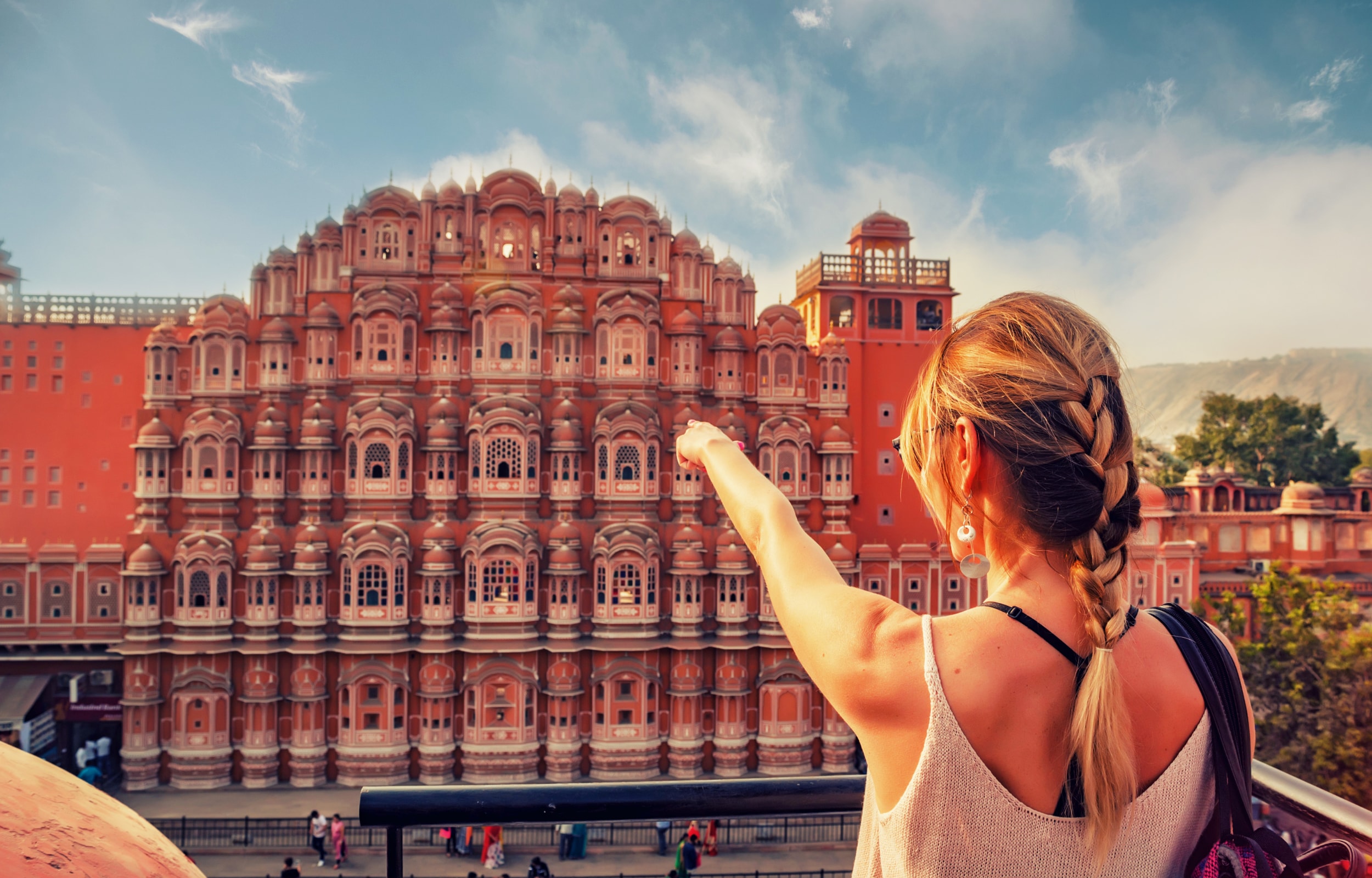
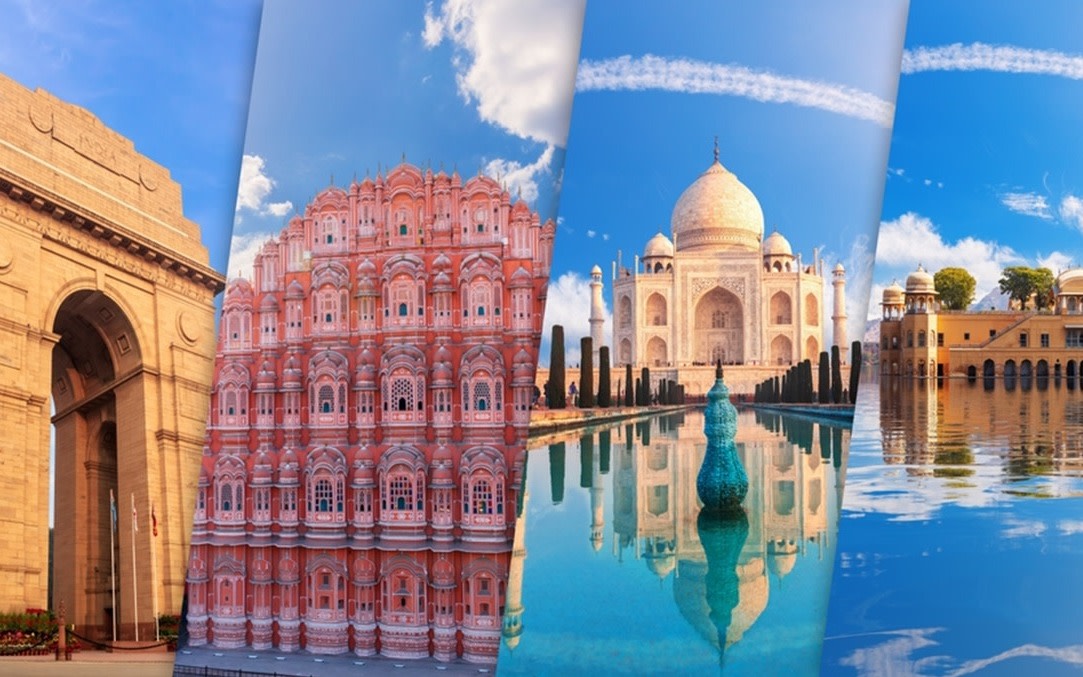
The Hawa Mahal is a palace in the city of Jaipur, Rajasthan, India. Built from red and pink sandstone, it is on the edge of the City Palace, Jaipur, and extends to the Zenana, or women's chambers.
What's not included
Gratuities
Available languages
Guide guide
EN
Reviews breakdown
Tripadvisor
5.0
2 reviews
5★
2
4★
0
3★
0
2★
0
1★
0
Important information
Public transportation options are available nearby
Specialized infant seats are available
Not recommended for pregnant travelers
Suitable for all physical fitness levels
Meeting point
The location is easily accessible and know by locals so you can come though Car or Taxi and our guide will be waiting near the main entrance of Govind Dev Ji Mandir and for more details you can contact on the provided Number.
About Jaipur
Jaipur, the capital of Rajasthan, is a vibrant city known for its rich history, stunning architecture, and colorful culture. As the first planned city of India, it offers a unique blend of traditional Rajasthani heritage and modern amenities, making it a must-visit destination for travelers.
Top Attractions
Amber Fort
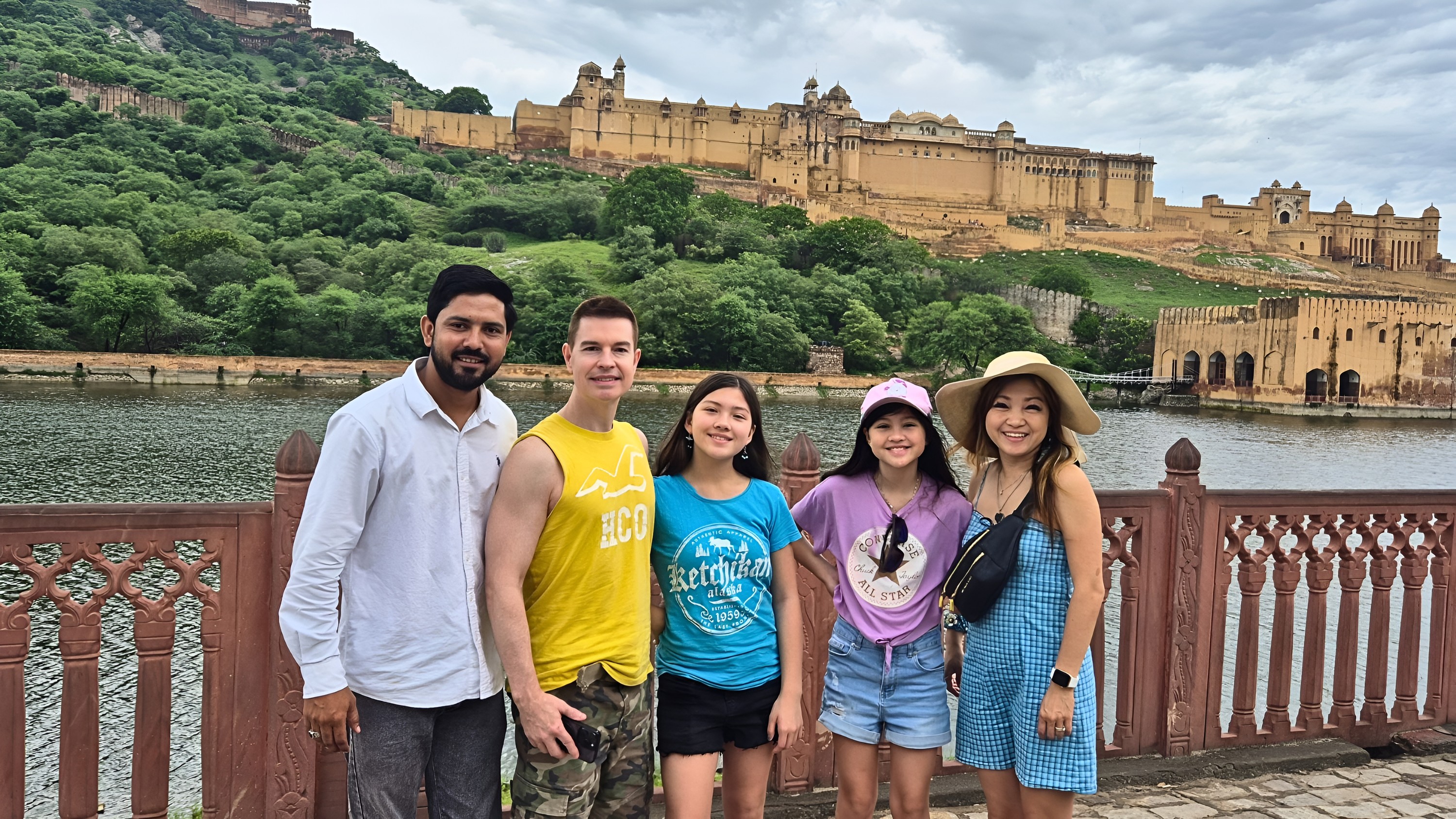
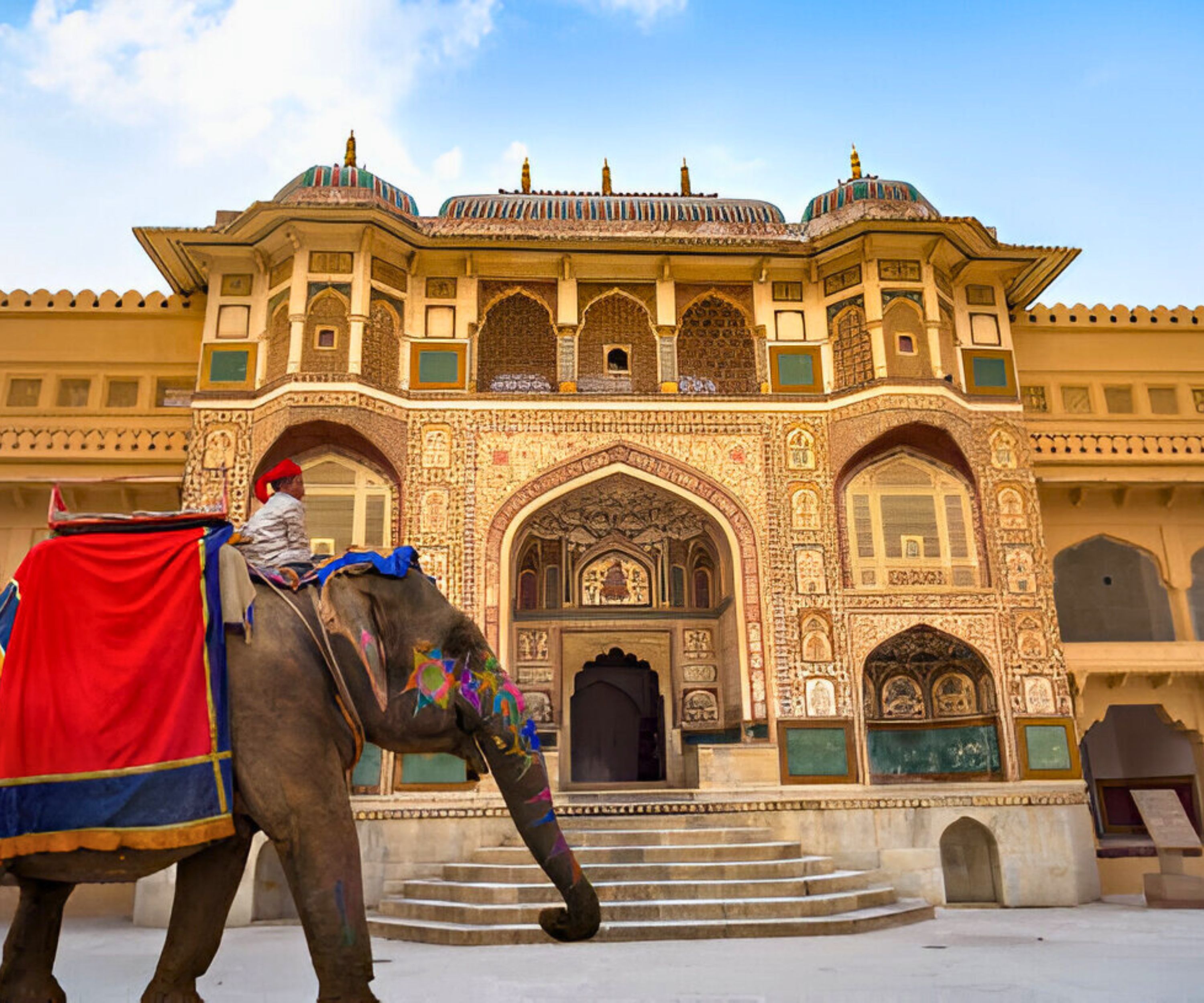
Amber Fort is a majestic fort located on a hilltop overlooking Maota Lake. It is known for its stunning architecture, intricate carvings, and historical significance.
Historical
2-3 hours
INR 250 (foreigners), INR 50 (Indians)
Hawa Mahal
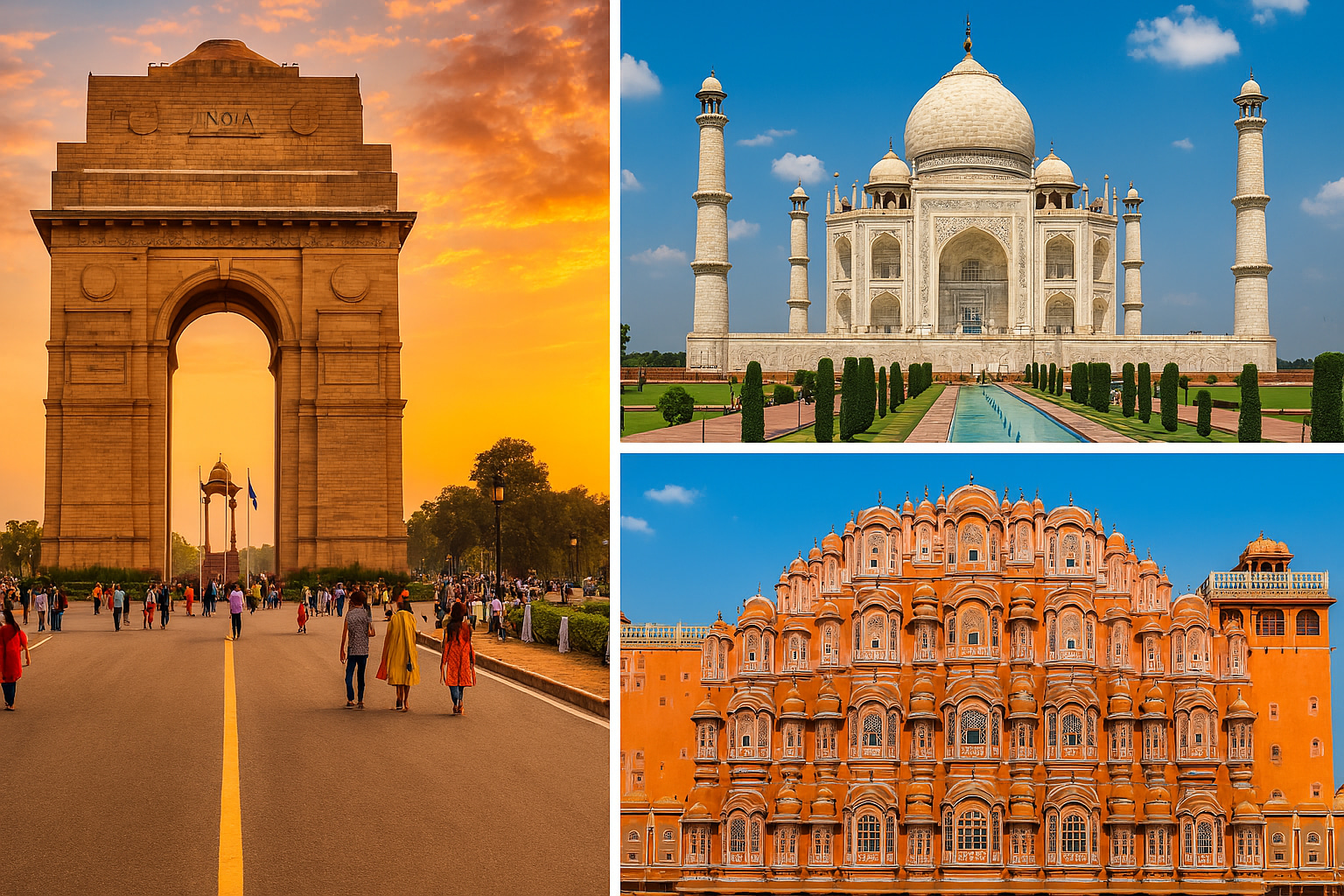
Hawa Mahal, or the Palace of Winds, is a five-story pyramidal structure made of red and pink sandstone. It is famous for its intricate latticework and unique architecture.
Architectural
1 hour
INR 50 (foreigners), INR 10 (Indians)
City Palace
City Palace is a complex of courtyards, gardens, and buildings that served as the seat of the Maharaja of Jaipur. It is known for its stunning architecture and rich history.
Historical
2-3 hours
INR 700 (foreigners), INR 70 (Indians)
Jantar Mantar
Jantar Mantar is a collection of architectural astronomical instruments built by Maharaja Sawai Jai Singh II. It is a UNESCO World Heritage Site and a testament to India's rich scientific heritage.
Historical
1-2 hours
INR 50 (foreigners), INR 10 (Indians)
Nahargarh Fort
Nahargarh Fort is a majestic fort located on the edge of the Aravalli Hills. It offers panoramic views of the city and is known for its historical significance and architectural beauty.
Historical
1-2 hours
INR 50 (foreigners), INR 10 (Indians)
Must-Try Local Dishes
Dal Baati Churma
A traditional Rajasthani dish made of lentils (dal), baked wheat balls (baati), and sweet crumbled wheat (churma).
Main Course
Vegetarian
Laal Maas
A spicy meat curry made with mutton or goat, cooked in a rich gravy made with red chilies and spices.
Main Course
Non-vegetarian
Ghewar
A traditional Rajasthani sweet made of flour, ghee, and sugar, deep-fried to a golden brown color and soaked in sugar syrup.
Dessert
Vegetarian
Popular Activities
Hot air ballooning
Trekking in the Aravalli Mountains
Wildlife safaris in Ranthambore National Park
Spa and wellness treatments
Yoga and meditation retreats
Leisurely walks in the Pink City
Visiting historic forts and palaces
Exploring local markets and bazaars
Best Time to Visit
October to March
This is the best time to visit Jaipur as the weather is pleasant and ideal for sightseeing. The cool temperatures make it comfortable to explore the city's attractions.
15°C to 30°C
59°F to 86°F
Practical Information
Language
- Official: Hindi
- Widely spoken: English, Rajasthani
- English: Moderately spoken
Currency
Indian Rupee (INR)
Time Zone
IST (GMT+5:30)
Electricity
230VV, 50HzHz
Safety Information
Overall Safety Rating: Generally safe
Jaipur is generally safe for travelers, with a low crime rate and friendly locals. However, as with any destination, it is important to take precautions and be aware of your surroundings.
Important Precautions:
- • Use trusted transportation options
- • Be cautious of your belongings in crowded areas
- • Avoid drawing unnecessary attention to yourself
Getting there
By air
- Jaipur International Airport • 13 km from city center
By train
Jaipur Junction
By bus
Sindhi Camp Bus Stand, Narayan Singh Circle Bus Stand
Getting around
Public transport
Buses are the most common mode of public transport in Jaipur. They are affordable but can be crowded.
Taxis
Available • Apps: Ola, Uber
Rentals
Car, Bike, Scooter
Neighborhoods
Pink City
Civil Lines
Bani Park
Day trips
Abu Road
270 km from Jaipur • Full day
Abu Road is a picturesque town nestled in the Aravalli Mountains. It is known for its scenic beauty, lush greenery, and the famous Dilwara Temples.
Ranthambore National Park
180 km from Jaipur • Full day
Ranthambore National Park is a renowned wildlife sanctuary known for its tiger population and diverse flora and fauna. It is a popular destination for wildlife enthusiasts and nature lovers.
Pushkar
150 km from Jaipur • Full day
Pushkar is a sacred town known for its ancient temples, holy lake, and vibrant markets. It is a popular pilgrimage site and a hub for spiritual seekers and travelers.
Festivals
Jaipur Literature Festival • January
Elephant Festival • March
Gangaur Festival • March/April
Pro tips
- Hire a local guide for a more enriching and personalized experience
- Visit major attractions early in the morning or late in the afternoon to avoid crowds and the heat
- Bargain when shopping at local markets and bazaars, but do so respectfully and politely
- Carry small denominations of cash for local shopping and transportation
- Use app-based transportation services for transparency and convenience
From $25
per person
Price varies by option
Secure booking
Free cancellation available
Instant confirmation