Private Custom Tour: Jaisalmer Sightseeing with Guide
Active
7h
For a full refund, cancel at least 24 hours before the scheduled departure time.
Instant confirmation
Mobile or paper ticket accepted
About this experience
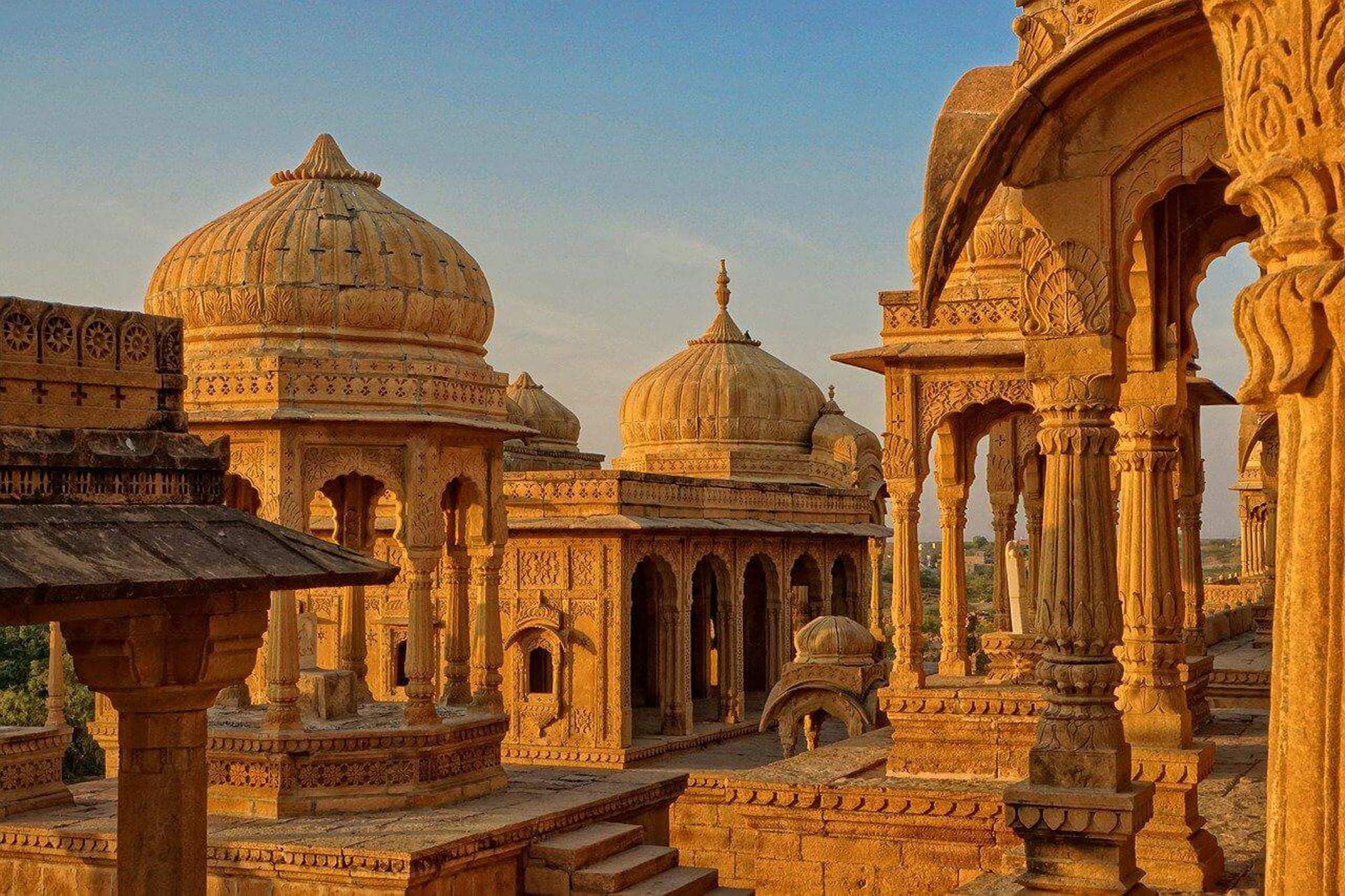
Jaisalmer is also known as the "Golden city of India". Situated in the heart of the Thar desert, Jaisalmer used to be a medieval trading center. It is a former princely state and is distinguished by its yellow sandstone architecture. It has vast cultural and structural heritage-- passed on from various generations of great rulers. Explore this royal heritage filled with the great palatial abodes of kings, museums and other breathtaking architectural marvels.
Available options
Private Custom Tour: Jaisalmer Sightseeing with Guide
Pickup included
What's included
Local guide
Bottled water
Private tour
Hotel pickup and drop-off in an air-conditioned vehicle
Transport by private vehicle
Detailed itinerary
1
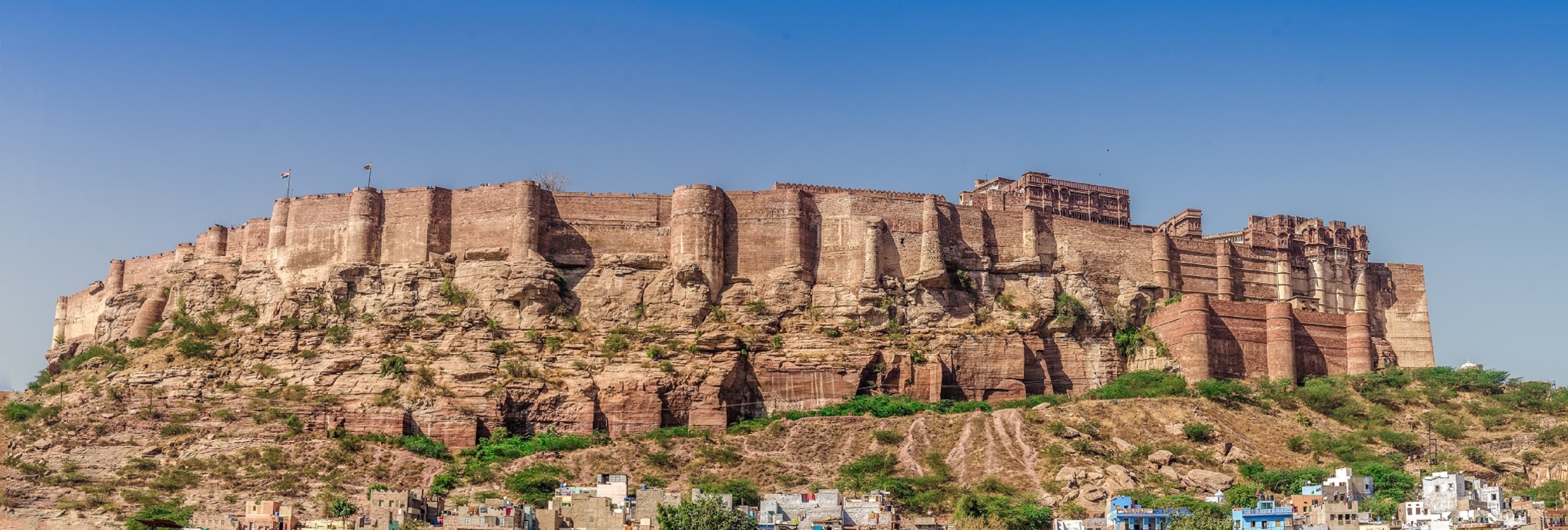
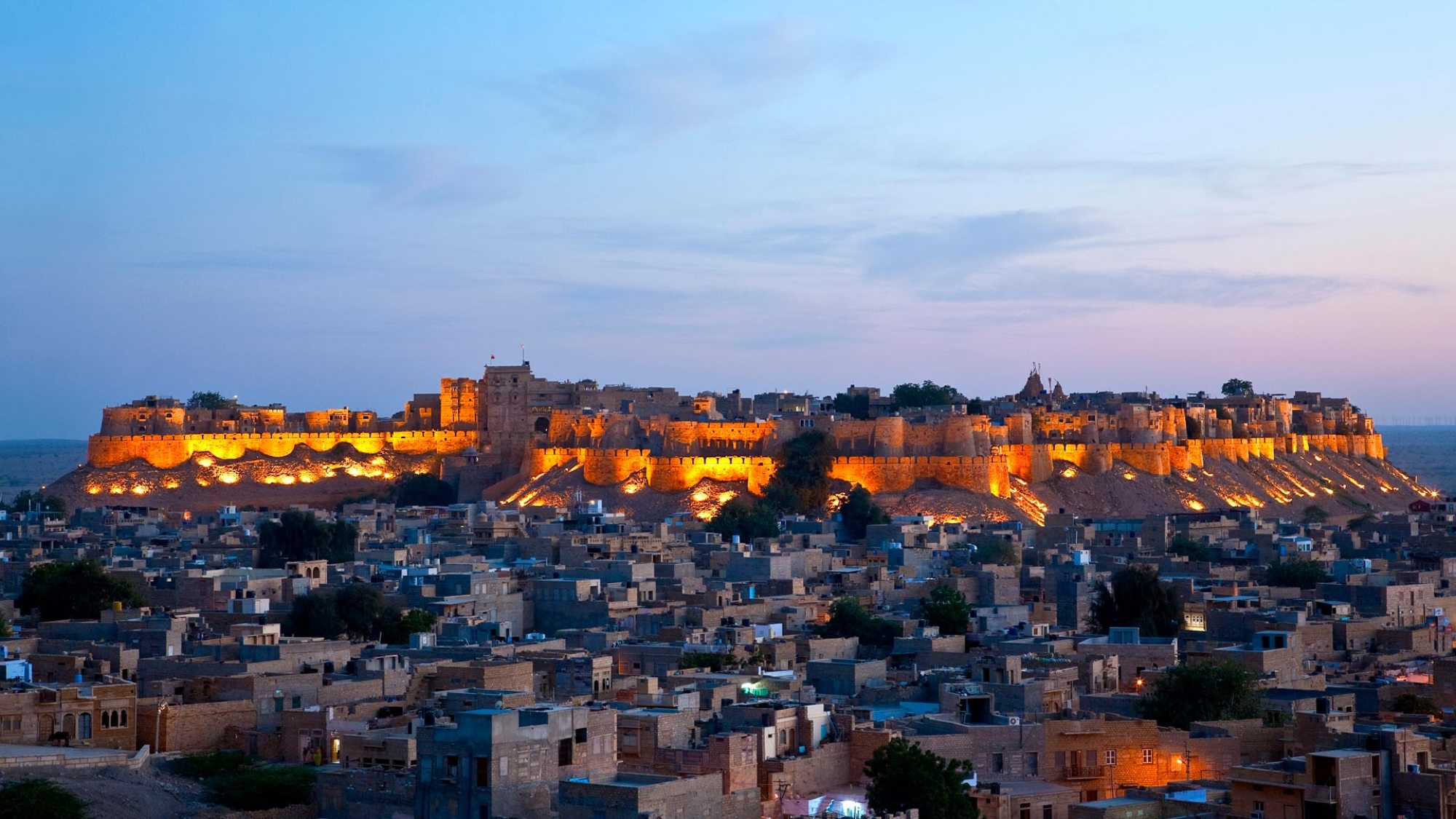
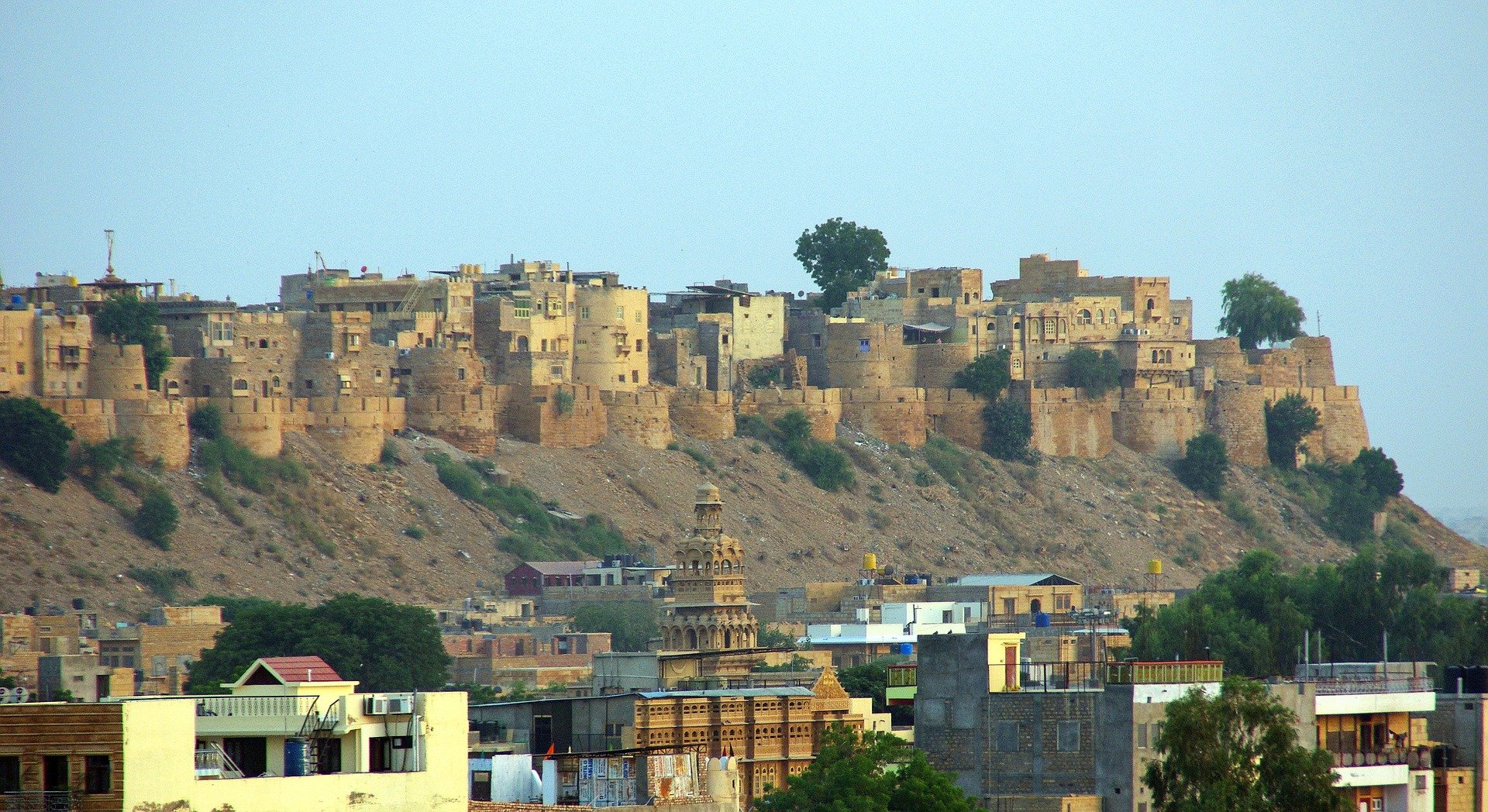
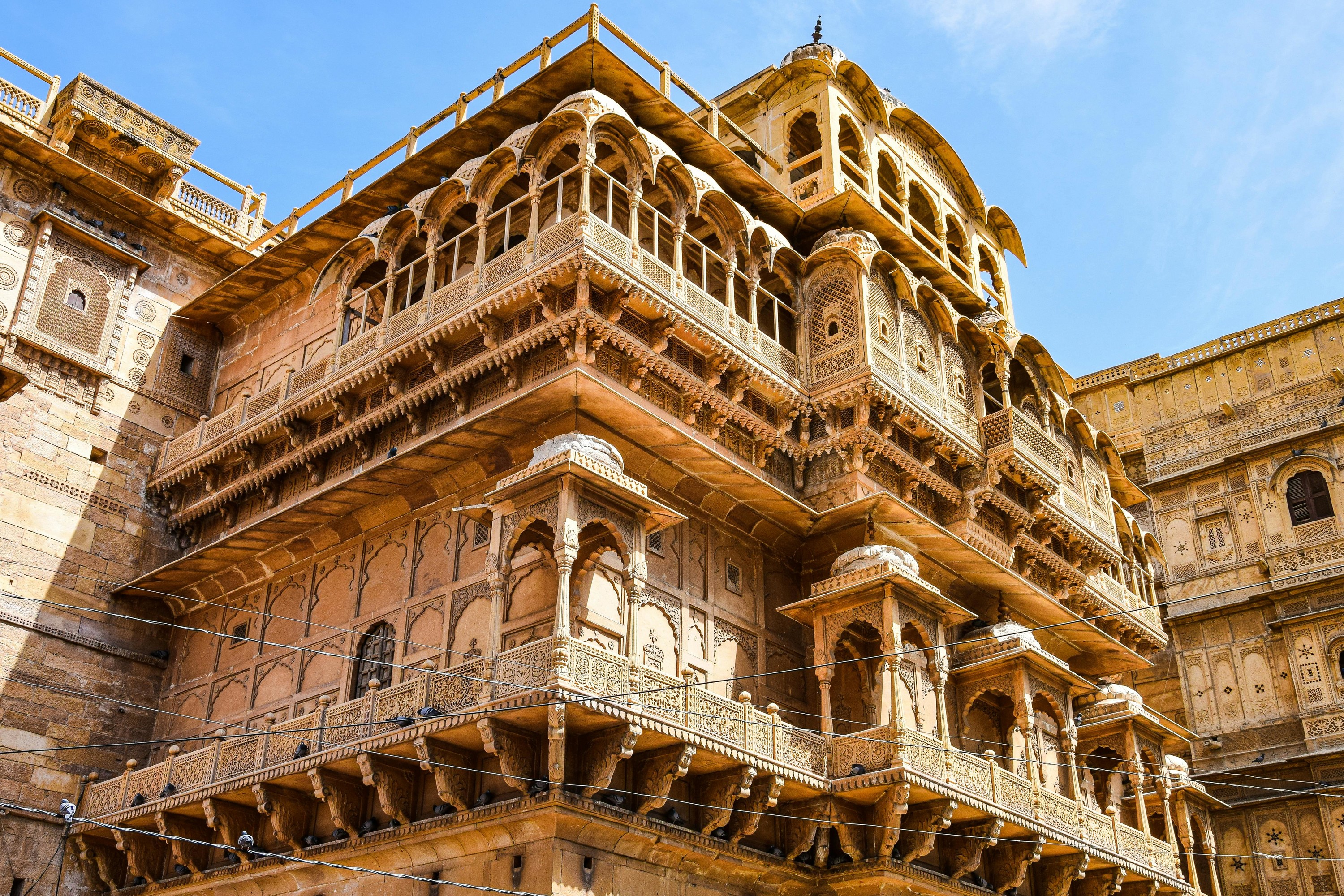
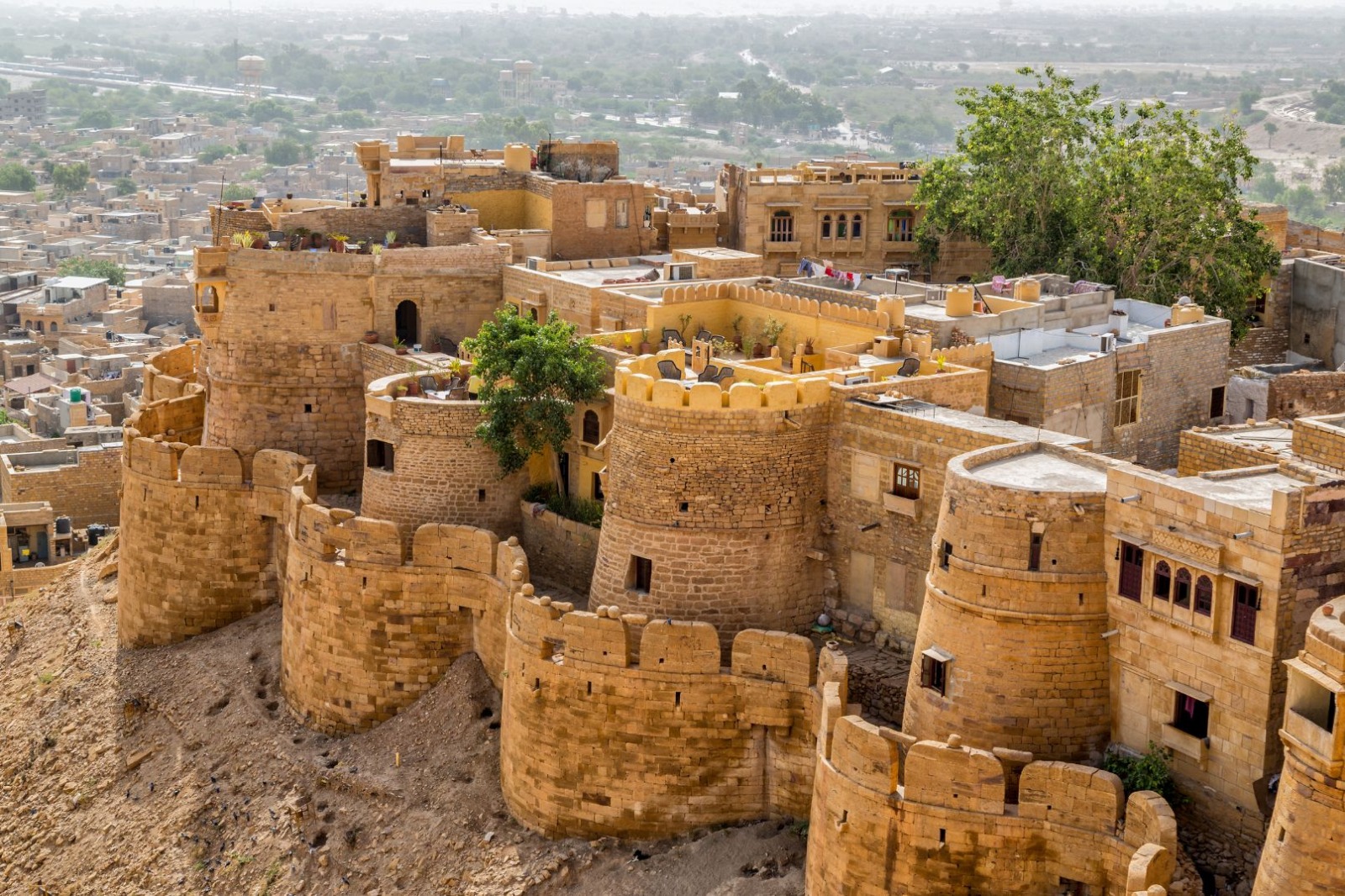
Nestled amid the golden sands of Thar Desert, Jaisalmer Fort is one of the most renowned forts in the world exhibiting brilliant craftsmanship and aesthetic beauty steeped with rich past and heritage. Built in 1156 by Raja Jaiswal, the fort is 250 foot tall which is protected by 30 feet long walls and constitutes 99 bastions. Perched atop Tirkuta hills, the fort houses prominent structures like the Raj Mahal, which had been the royal palace of the fort, aesthetic Jain temples, Laxminath temple and four massive gateways. Apart from these, Jaisalmer fort is also famed for its carved yellow sandstone merchant havelis which are still in possession of the original builders. A UNESCO World Heritage site merging brilliantly with the golden hues of the desert, Jaisalmer Fort boasts of various attractions that reflect the majestic life of which the fort was once a part of.
2
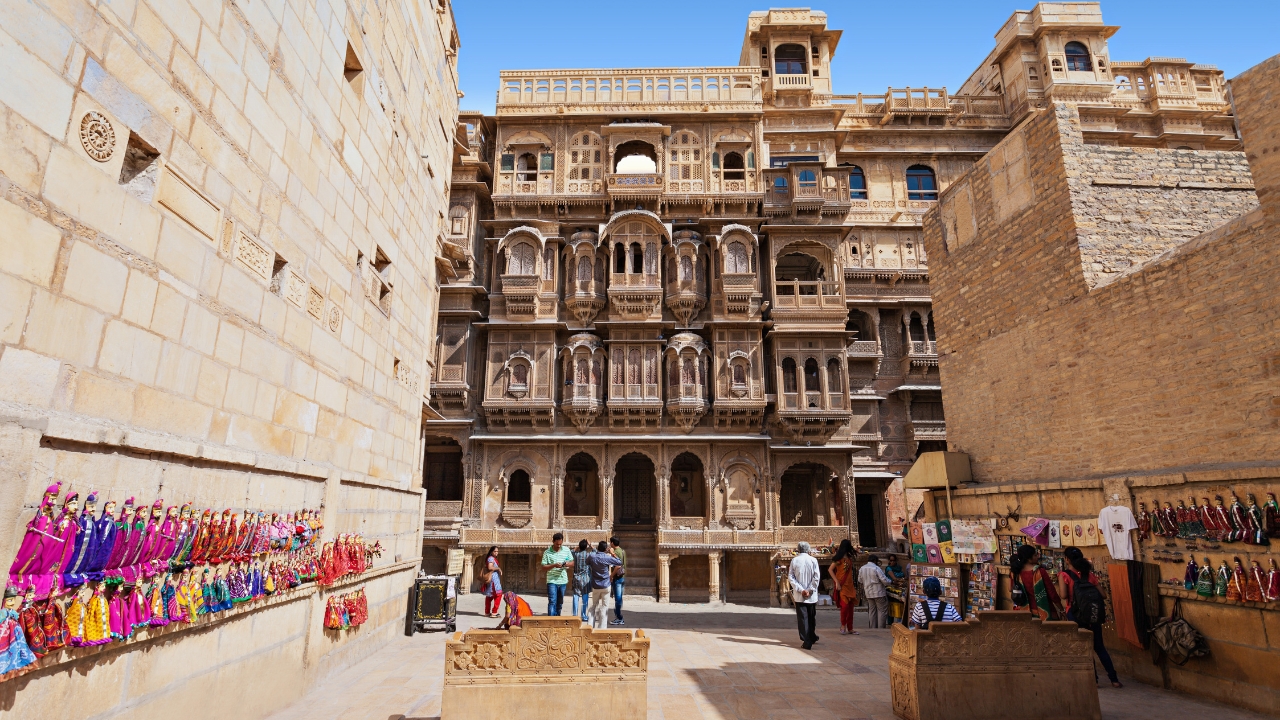
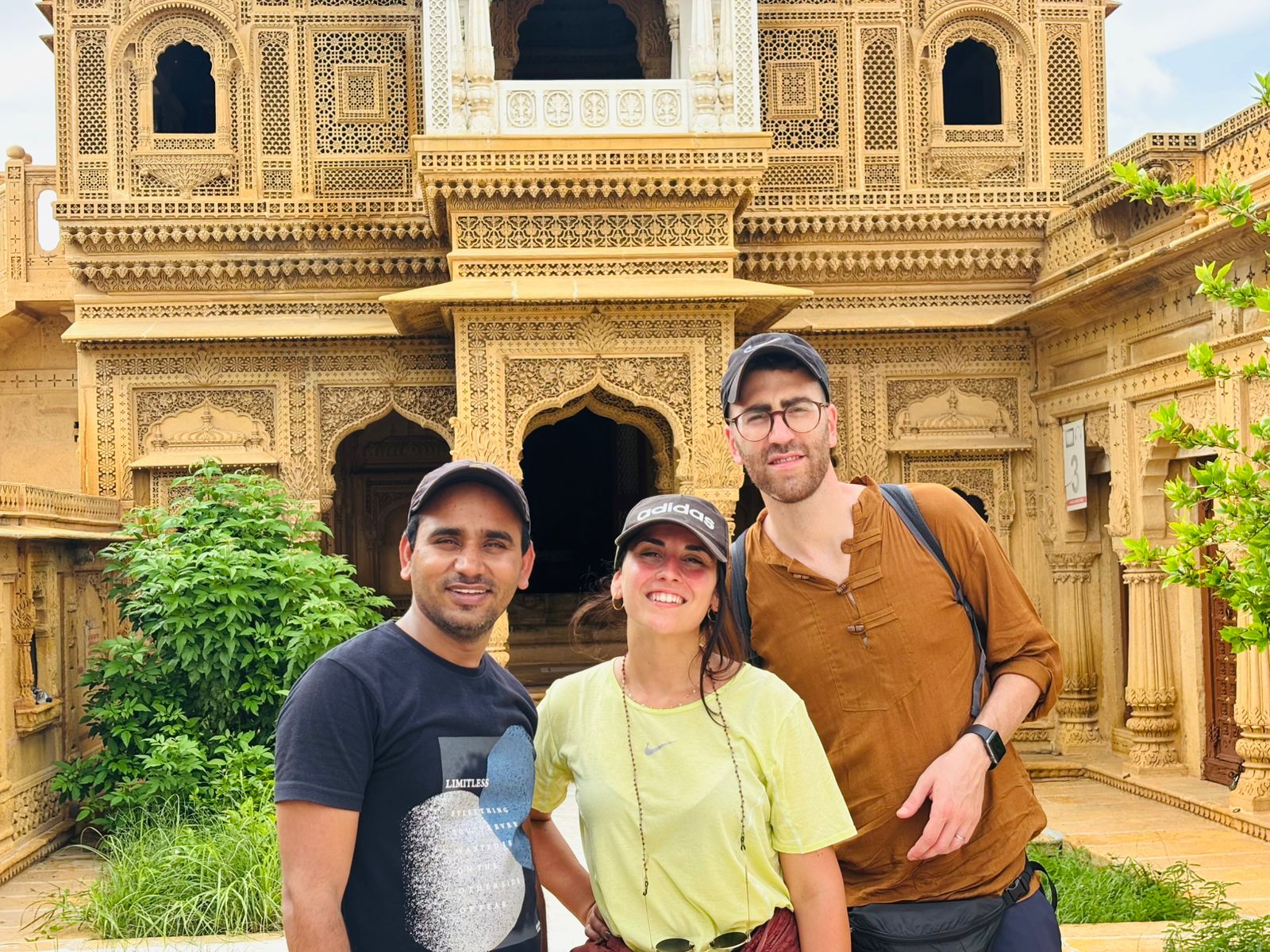
Patwon-Ki-Haveli is located in the main city and was built by a famous trader named Guman Chand and his sons. This massive five-storied construction has five intricately decorated huge suites. The large corridors and the decorated walls are excellent representations of the art form that prevailed. The entire construction is made of yellow sandstone. The grandeur and the architecture of the monument add immense value to the cultural heritage of the city. Out of the five havelis, one is converted into a museum. The third haveli houses the works of local craftsmen of the past.
3
Nathmal Ki Haveli was built by two Muslim jeweler brothers and not stone carvers on the order of the then prime minister. The brothers started working on the opposite sides of the building which lead to a similar but non identical left and right side. Apart from its extraordinary outer carvings, this haveli is known for its beautiful interiors filled with paintings and equipped with modern facilities. An amalgamation of Islamic and Rajputana architecture, Nathmal Ki Haveli is well justified as being one of the most beautiful havelis in Jaisalmer.
What's not included
Camera fees
Boat ride in lake
Food and drinks
Gratuities
Available languages
Guide guide
EN
Important information
Infants and small children can ride in a pram or stroller
Public transportation options are available nearby
Specialized infant seats are available
Suitable for all physical fitness levels
Important notes
• If you will not be arriving at your destination within the specified reconfirmation period, please reconfirm with the local service provider prior to travel, or upon arrival at your destination. Please note that departure times and locations may vary slightly.
• Comfortable walking shoes are recommended
• Contact info: Mobile +91-9810311292 or email tours@delapt.com
Hotel pickups commence prior to this time
About Jaisalmer
Jaisalmer, known as the Golden City, is a vibrant desert fortress in the heart of the Thar Desert. Its majestic sandstone architecture, rich history, and unique cultural heritage make it a captivating destination for travelers seeking adventure and tradition.
Top Attractions
Jaisalmer Fort
Jaisalmer Fort, also known as Sonar Quila, is a majestic fortress that dominates the skyline of the city. Built in 1156 AD, it is one of the largest and best-preserved forts in India.
Historical
2-3 hours
₹50 for Indians, ₹250 for foreigners
Patwon Ki Haveli
Patwon Ki Haveli is a cluster of five large havelis (mansions) built by wealthy merchants in the 19th century. These intricately carved havelis showcase the opulence and architectural prowess of the past.
Historical
1-2 hours
₹100 for foreigners
Sam Sand Dunes
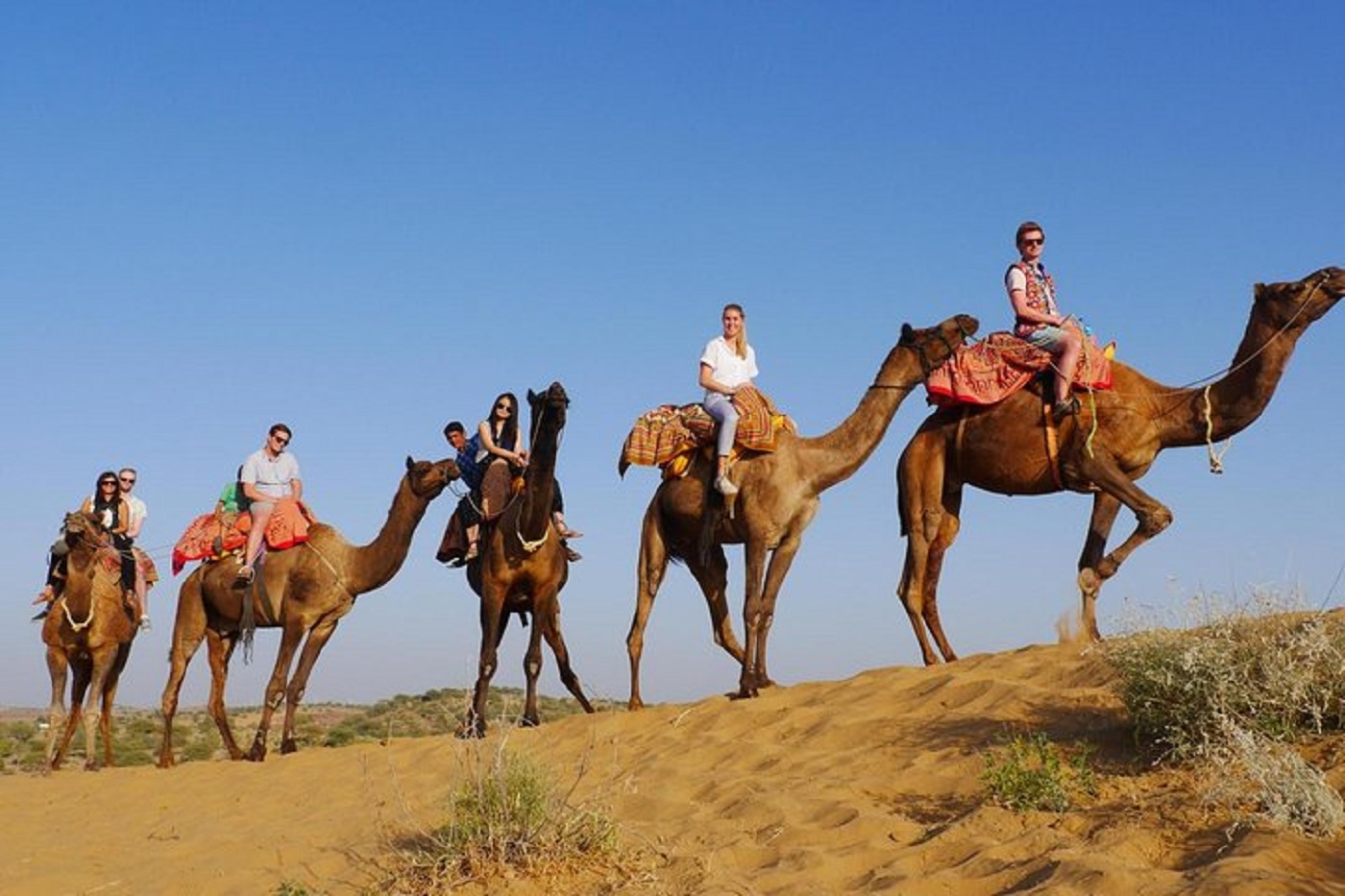
Sam Sand Dunes are a popular destination for experiencing the beauty of the Thar Desert. Located about 40 km from Jaisalmer, these golden sand dunes offer a unique and surreal landscape.
Nature
Half day to overnight
₹500-₹2000 depending on the tour package
Gadisar Lake
Gadisar Lake is a beautiful artificial lake that was once a major water source for the city. The lake is surrounded by temples, shrines, and ghats, making it a serene and picturesque spot.
Nature
1-2 hours
₹20-₹50 for boat rides
Jain Temples
The Jain Temples in Jaisalmer Fort are a collection of seven temples dedicated to various Jain Tirthankaras. These temples are known for their intricate carvings and beautiful architecture.
Religious
1-2 hours
Included in the fort entry fee
Must-Try Local Dishes
Dal Baati Churma
A traditional Rajasthani dish consisting of lentils (dal), baked wheat balls (baati), and sweet crumbled wheat (churma).
Dinner
Vegetarian
Gatte Ki Sabzi
A spicy curry made with gram flour dumplings (gatte) in a gravy made from yogurt, spices, and herbs.
Lunch/Dinner
Vegetarian
Ker Sangri
A unique dish made from desert vegetables (ker) and beans (sangri), cooked with spices and served with bread.
Lunch/Dinner
Vegetarian
Laal Maas
A spicy meat curry made with red chilies and a blend of aromatic spices.
Lunch/Dinner
Non-vegetarian
Popular Activities
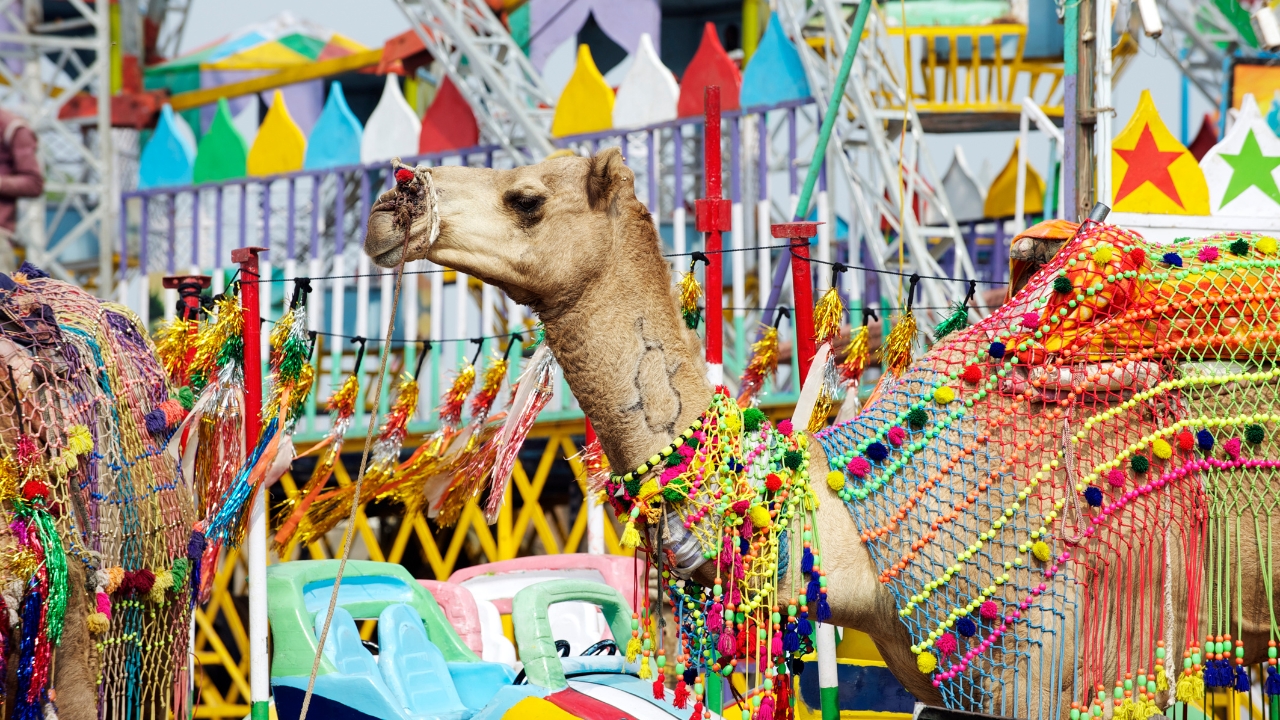
Camel safaris
Desert camping
Jeep safaris
Boat rides on Gadisar Lake
Tea at local cafes
Shopping in local markets
Visiting havelis and forts
Attending local festivals
Best Time to Visit
October to March
The best time to visit Jaisalmer is from October to March when the weather is pleasant and ideal for exploring the city and its attractions. The cooler temperatures make it comfortable to engage in outdoor activities and festivals.
15°C to 35°C
59°F to 95°F
Practical Information
Language
- Official: Hindi
- Widely spoken: English, Rajasthani
- English: Moderately spoken in tourist areas
Currency
Indian Rupee (INR)
Time Zone
GMT+5:30
Electricity
230VV, 50HzHz
Safety Information
Overall Safety Rating: Generally safe, but exercise caution in crowded areas and when traveling alone at night.
Jaisalmer is generally safe for travelers, but petty crime and scams can occur, especially in crowded areas and tourist hotspots. Be cautious of your belongings and avoid walking alone at night in poorly lit areas.
Important Precautions:
- • Be cautious of your belongings in crowded areas.
- • Avoid accepting rides or invitations from strangers.
- • Bargain for prices in markets and with vendors.
Getting there
By air
- Jaisalmer Airport • 10 km from city center
By train
Jaisalmer Railway Station
By bus
Jaisalmer Bus Stand
Getting around
Public transport
City buses are the most common form of public transportation in Jaisalmer. They are affordable and cover most areas of the city.
Taxis
Available • Apps: Uber, Ola
Rentals
Car, Bike, Scooter
Neighborhoods
Old City
New City
Day trips
Sam Sand Dunes
40 km • Half day to overnight
Experience the beauty of the Thar Desert with camel safaris, sunset views, and desert camping.
Kuldhara Village
25 km • Half day
Explore the abandoned village of Kuldhara, which was mysteriously deserted over 400 years ago.
Lodurai Village
16 km • Half day
Visit the beautiful Jain temples and enjoy the serene atmosphere of this historic village.
Festivals
Jaisalmer Desert Festival • February
Diwali • October/November (dates vary each year)
Teej • July/August (dates vary each year)
Pro tips
- Visit the Jaisalmer Fort early in the morning or late in the afternoon to avoid the midday heat and crowds.
- Hire a local guide to explore the city's historic sites and learn about its rich history and culture.
- Try the local street food, but be cautious and choose vendors with high turnover to ensure freshness.
- Book a camel safari or desert camp experience to enjoy the beauty of the Thar Desert and immerse yourself in the local culture.
- Attend the Jaisalmer Desert Festival if you are visiting in February for a vibrant and unforgettable experience.
From $25
per person
Price varies by option
Secure booking
Free cancellation available
Instant confirmation