Acropolis monuments, Parthenon and Plaka, Monastiraki walking tour
Active
3h
For a full refund, cancel at least 24 hours before the scheduled departure time.
Instant confirmation
Mobile or paper ticket accepted
About this experience
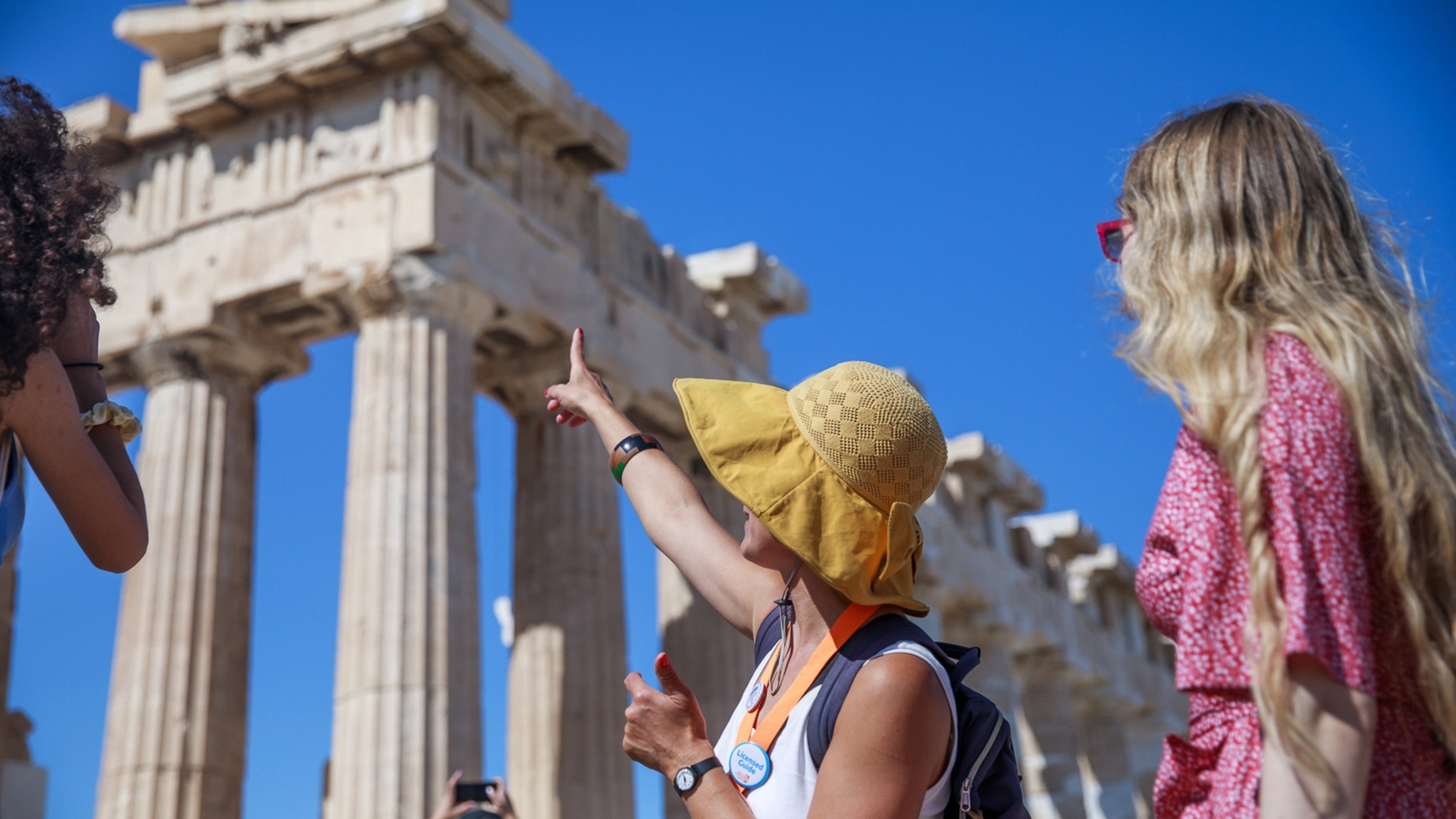
Escape the buzz of downtown Athens and head to Acropolis peaceful hill for a 3.5-hour leisurely-paced walking tour, finishing with a walk to picturesque Plaka! Your expert local guide will introduce you to the gentle hills around Athens’ Acropolis, chatting about the area’s ancient history as you go. Discover the charms of Plaka (Athens’ Old Town), Roman Agora with its archaeological remains, and experience the thousand years old history of Monastiraki square.
A leisurely made walking tour when you combine the glorious Acropolis monuments and Parthenon temple with Athens's most picturesque and beautiful neighborhood, the majestic Plaka.
Available options
9:00am
What's included
Stop for Greek pastry snacks (semolina custard cream, traditional Spanakopita)
Licensed expert tour guide
Acropolis skip the line entrance tickets
Detailed itinerary
1
Stop 1
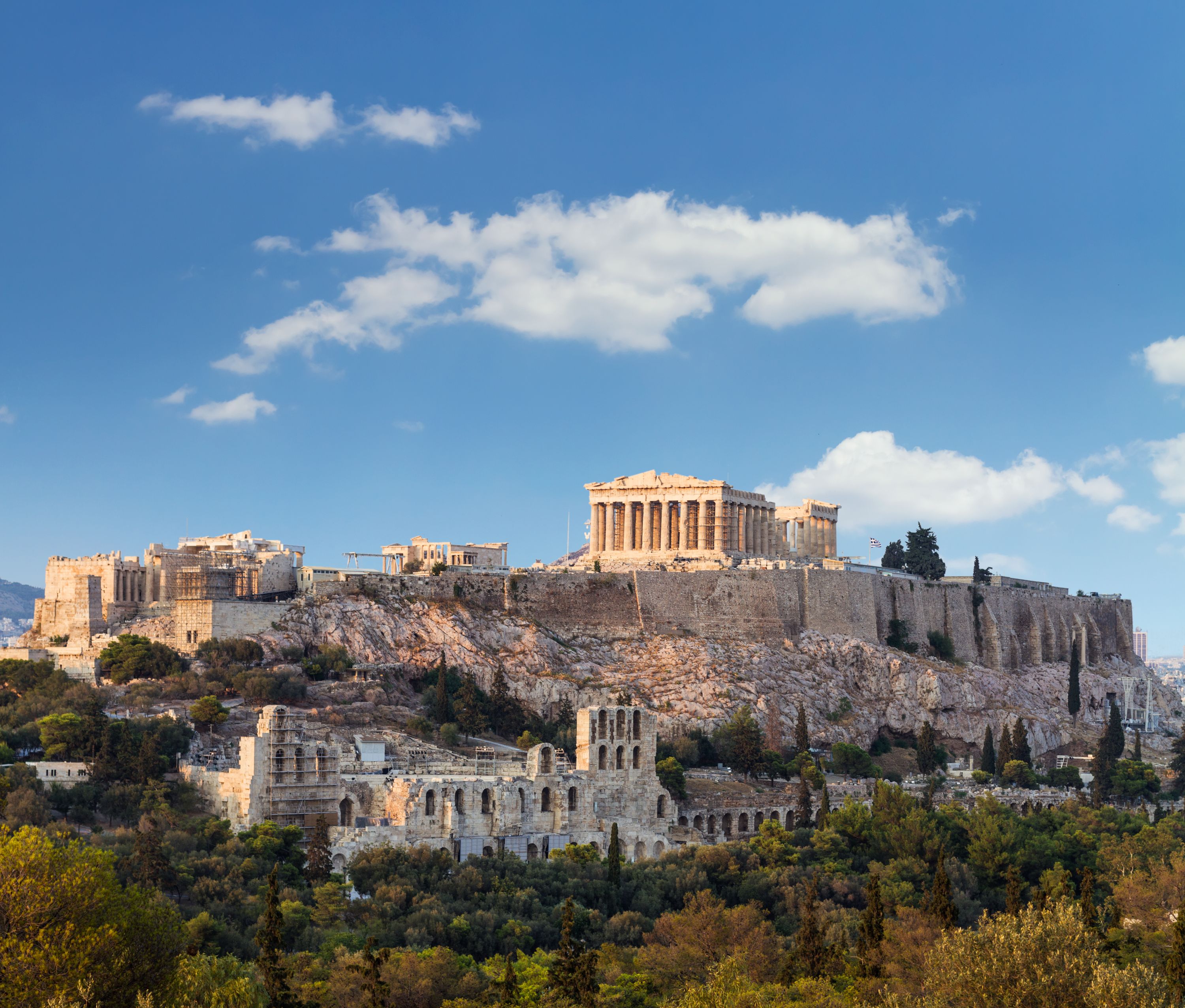
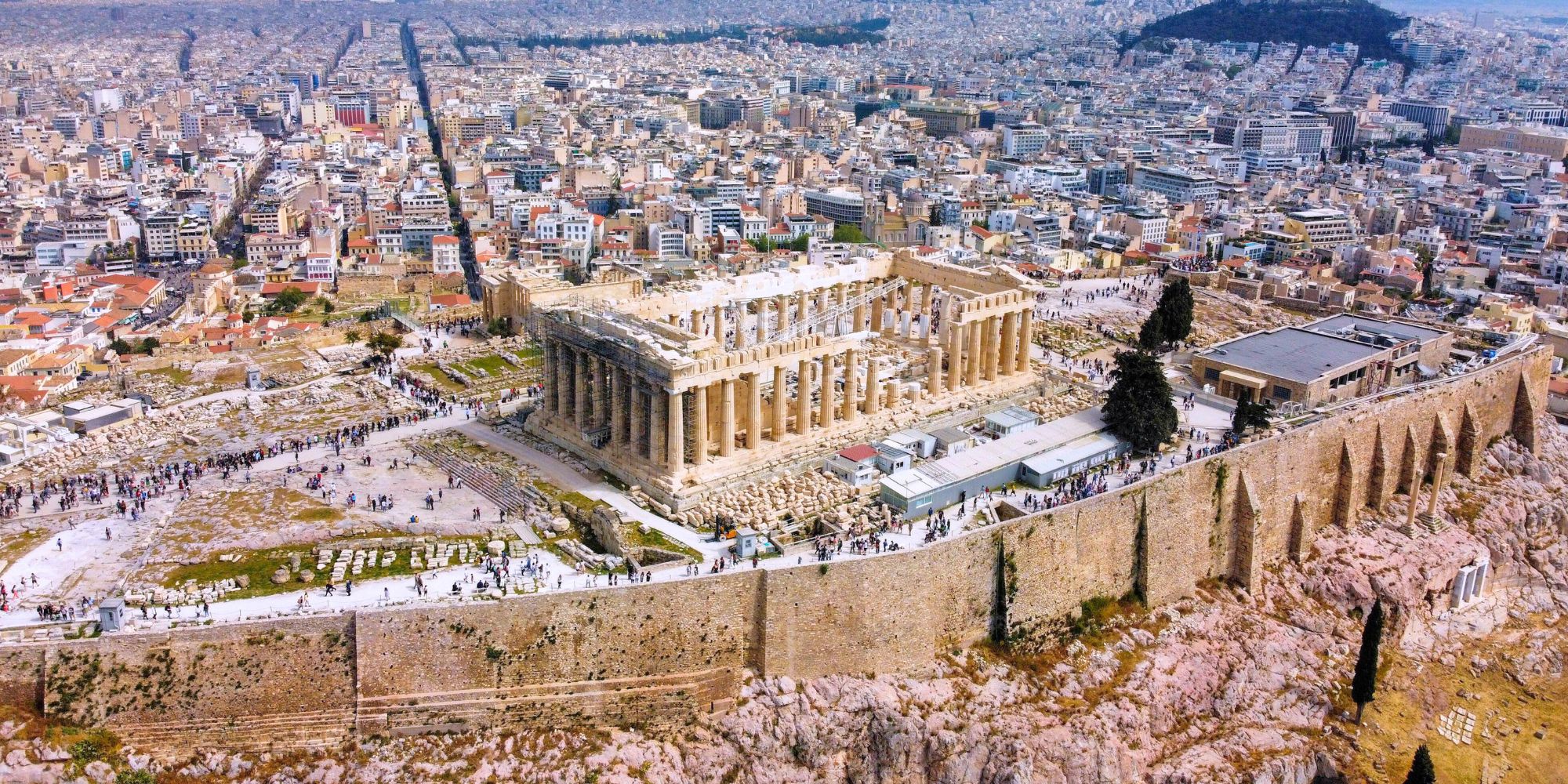
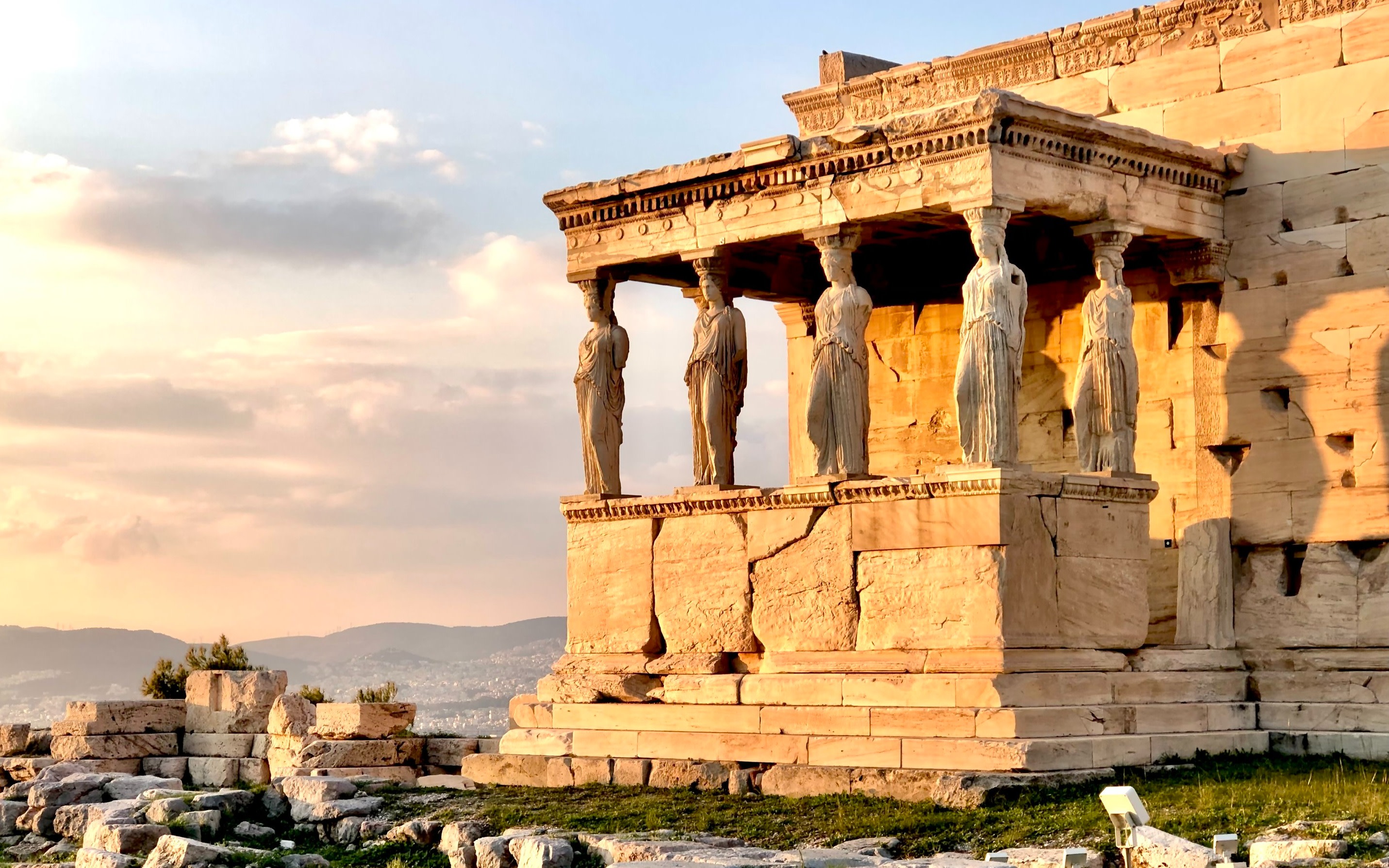
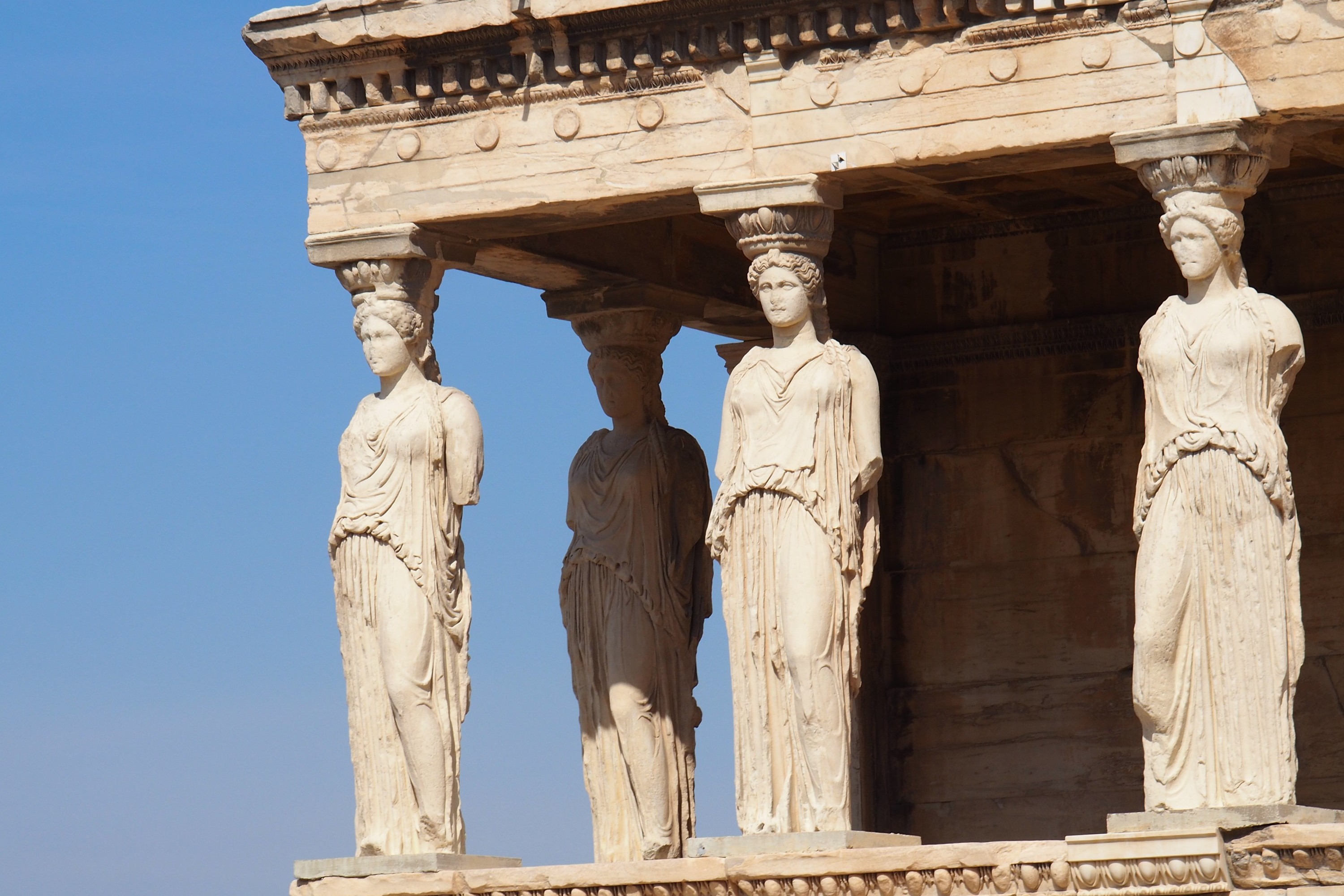
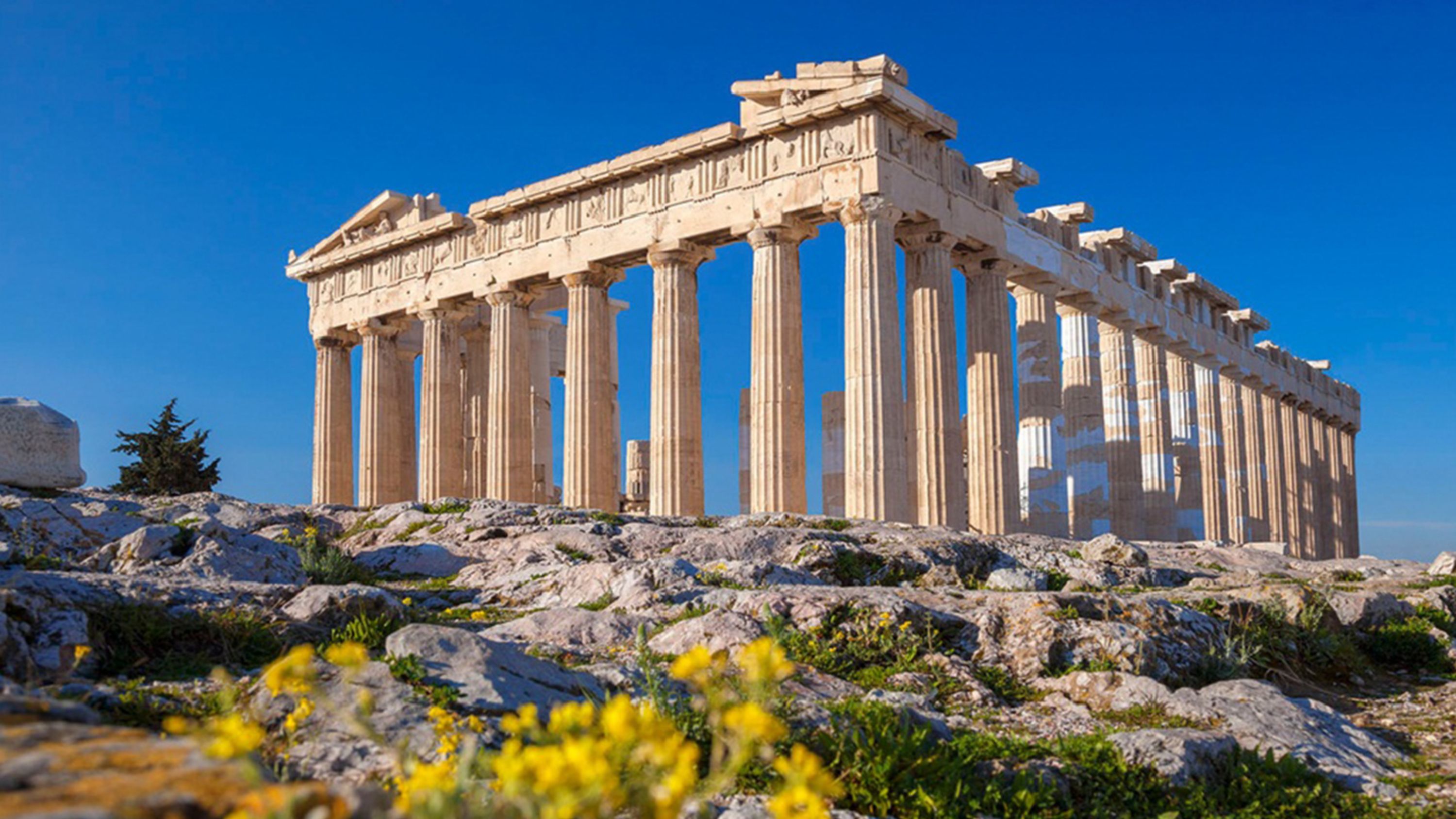
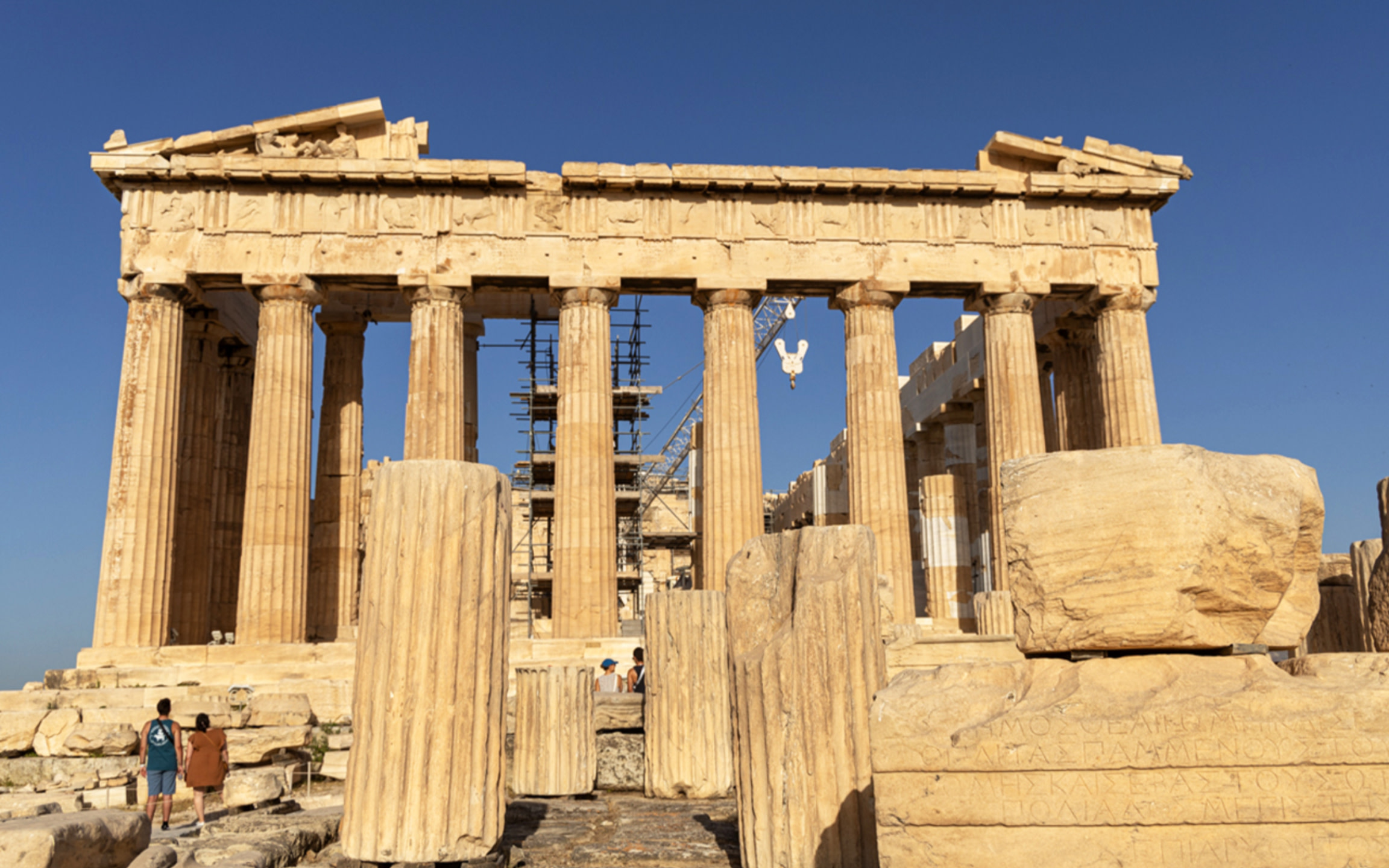
The Acropolis of Athens is an ancient citadel located on a rocky outcrop above the city of Athens and contains the remains of several ancient buildings of great architectural and historic significance, the most famous being the Parthenon. The word acropolis is from the Greek words ἄκρον and πόλις
2
Stop 2
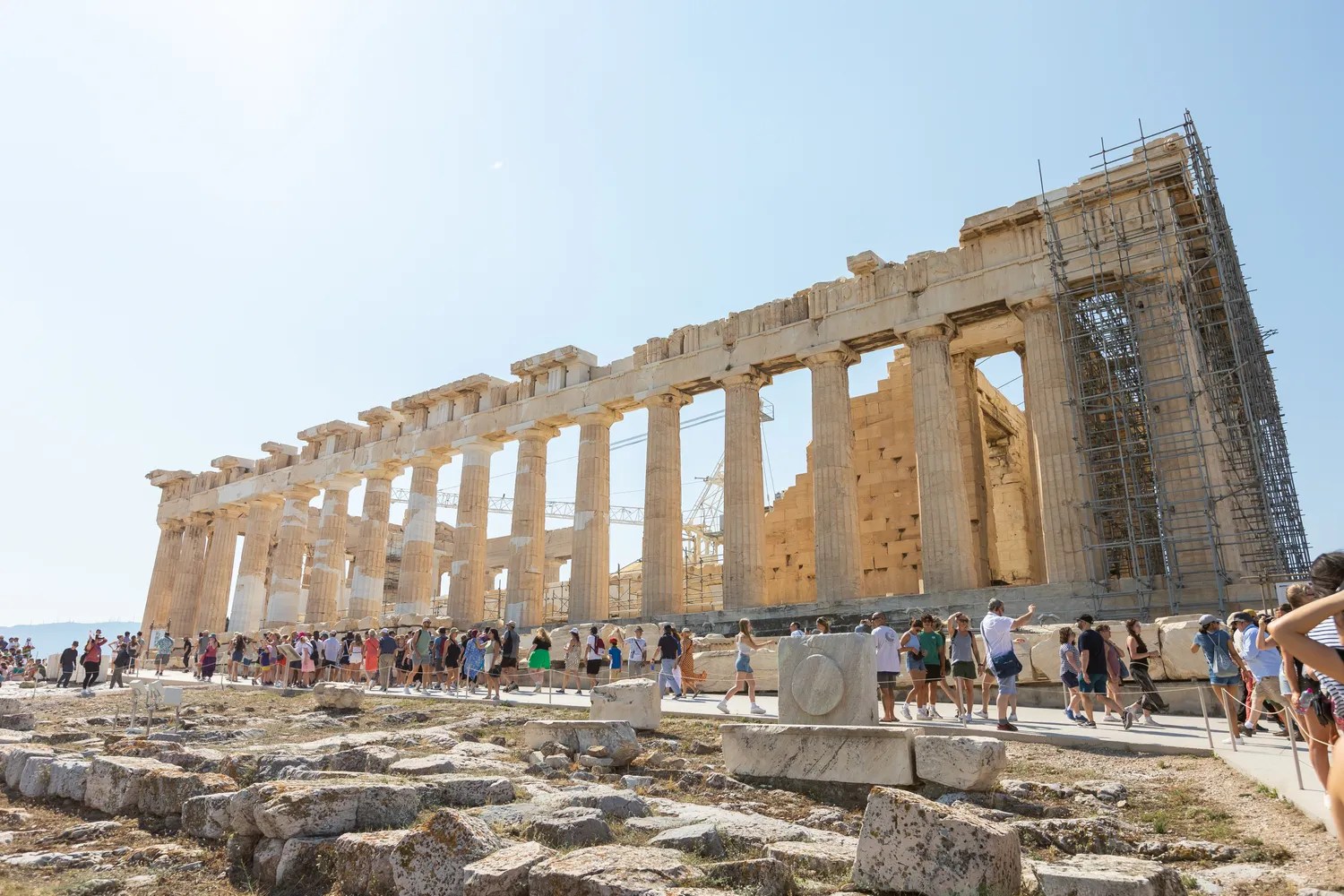
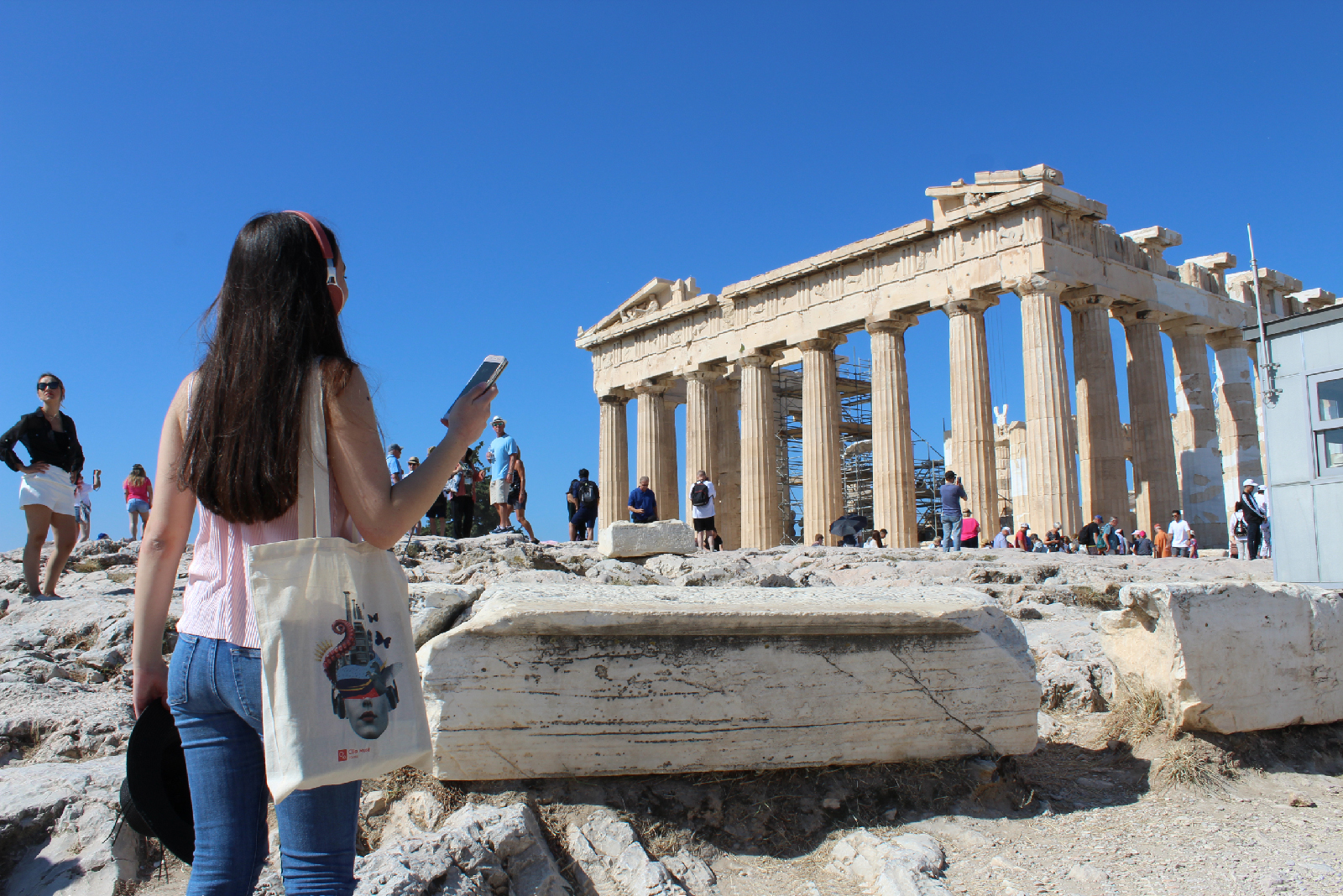
The Parthenon is a former temple on the Athenian Acropolis, Greece, dedicated to the goddess Athena, whom the people of Athens considered their patroness. Construction started in 447 BC when the Delian League was at the peak of its power.
3
Stop 3
The Temple of Athena Nike is a temple on the Acropolis of Athens, dedicated to the goddesses Athena and Nike. Built around 420 BC, the temple is the earliest fully Ionic temple on the Acropolis.
4
Stop 4
The Tower of the Winds or the Horologion of Andronikos Kyrrhestes is an octagonal Pentelic marble clocktower in the Roman Agora in Athens that functioned as a horologion or "timepiece". It is considered the world's first meteorological station. Unofficially, the monument is also called Aerides (Greek: Αέρηδες), which means Winds. The structure features a combination of sundials, a water clock, and a wind vane.[1] It was designed by Andronicus of Cyrrhus around 50 BC, but according to other sources, might have been constructed in the 2nd century BC before the rest of the forum. The Athens Ephorate of Antiquities performed restoration work, cleaning and conserving the structure, between 2014 and 2016.
5
Stop 5
The heart of Athens city, this square reminds its vivid atmospere and its significant historic importance.
6
Stop 6
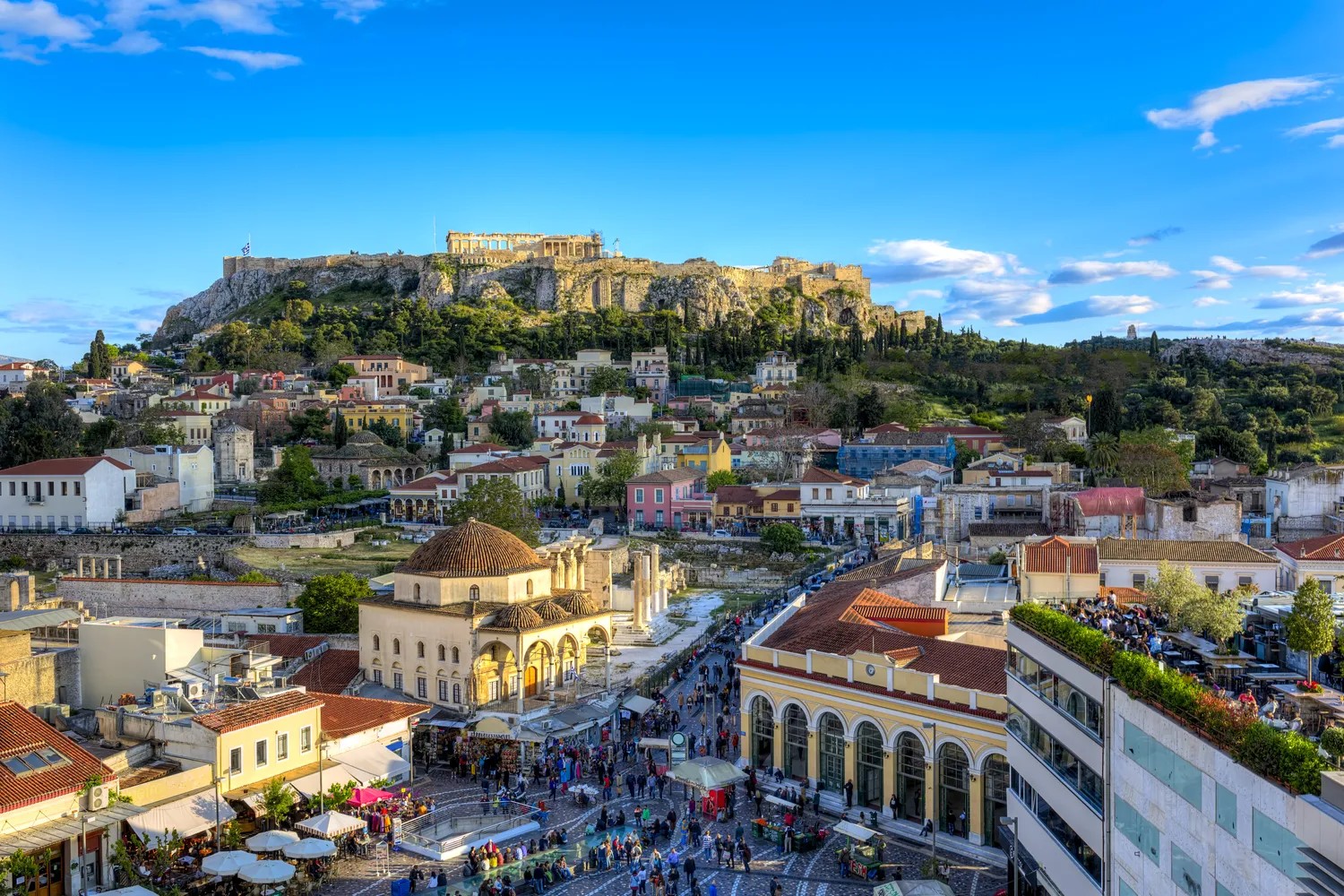
In the shadow of the Acropolis and its ancient temples, hillside Plaka has a village feel, with narrow cobblestone streets lined with tiny shops selling jewelry, clothes and local ceramics. Sidewalk cafes and family-run tavernas stay open until late, and Cine Paris shows classic movies al fresco. Nearby, the whitewashed homes of the Anafiotika neighborhood give the small enclave a Greek-island vibe
7
Stop 7
The Roman Agora was built around 100 metres east of the original agora by Eucles of Marathon between 27 BC and 17 BC (or possibly in 10 BC), using funds donated by Augustus, in fulfilment of a promise originally made by Julius Caesar in 51 BC.[1] The Roman Agora has not today been fully excavated, but is known to have been a open space surrounded by a peristyle. To its south was a fountain. To its east, behind a marble colonnade, were shops and an Ionic propylaeum (entrance), the Gate of Athena Archegetis. To its west was a Doric gate, the East Propylon,[2] next to the Tower of the Winds and a set of "vespasianae" (public toilets). An inscription records the existence of an Agoranomion (an office for market officials). The Fethiye Mosque was built to the north during the Ottoman period.
What's not included
Gratuities (optional),Hotel pickup and drop-off
Available languages
Guide guide
EN
Reviews breakdown
Viator
4.9
150 reviews
5★
137
4★
12
3★
0
2★
0
1★
1
Tripadvisor
4.8
32 reviews
5★
30
4★
0
3★
1
2★
1
1★
0
Important information
Service animals allowed
Public transportation options are available nearby
Infants are required to sit on an adult’s lap
Specialized infant seats are available
Not recommended for travelers with spinal injuries
Not recommended for pregnant travelers
Not recommended for travelers with poor cardiovascular health
Travelers should have at least a moderate level of physical fitness
Comfortable shoes are advised
Confirmation will be received at time of booking
Minimum age is 10 years
You can present either a paper or an electronic voucher for this activity.
Meeting point
The meeting point is located few steps away from the metro station "Acropolis" at:5 , Porinou str., 11742, Athens.
If you use google maps, make sure to add the postal code to the address.
Important notes
MEETING POINT INFORMATION
The meeting point is Porinou 5, 11742 (please remember to add the postal code) inside the tour office of Athens Walks. Please be there 15-30 minutes in advance.
About Athens
Athens, the capital of Greece, is a city rich in history and culture, often considered the cradle of Western civilization. It is home to iconic ancient landmarks, vibrant neighborhoods, and a thriving modern scene.
Top Attractions
Acropolis of Athens
The Acropolis is the most iconic landmark in Athens, featuring ancient ruins and temples, including the Parthenon.
Historical
2-3 hours
€20 (combined ticket for multiple sites)
Ancient Agora of Athens
The heart of ancient Athens, featuring the Temple of Hephaestus and the Stoa of Attalos.
Historical
1-2 hours
€8 (included in the combined ticket)
Plaka
A charming, historic neighborhood with narrow streets, neoclassical houses, and vibrant nightlife.
Cultural
2-3 hours
Free to explore
Acropolis Museum
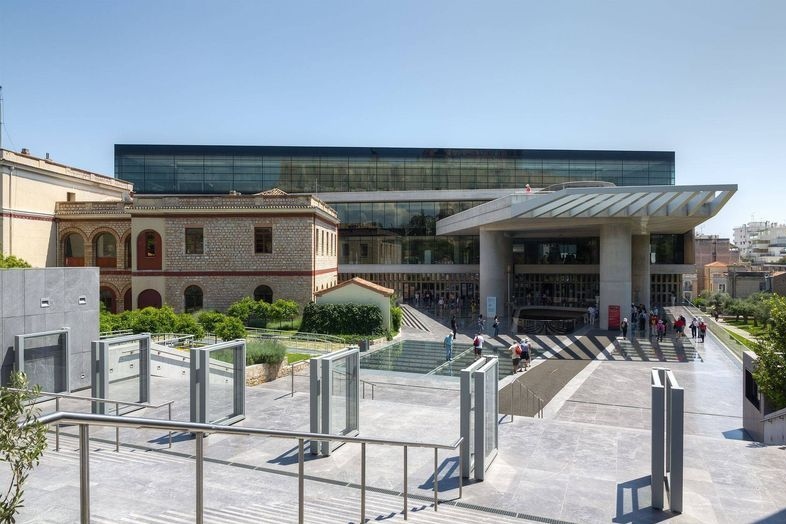
A modern museum showcasing artifacts from the Acropolis and its surroundings.
Museum
1-2 hours
€10
Temple of Olympian Zeus
An ancient temple dedicated to Zeus, once the largest temple in Greece.
Historical
30 minutes to 1 hour
€6 (included in the combined ticket)
Must-Try Local Dishes
Moussaka
A baked dish with layers of eggplant, minced meat, and béchamel sauce.
Dinner
Vegetarian versions available
Souvlaki
Grilled meat skewers, often served with pita bread and tzatziki.
Snack
Can be made with chicken, pork, or vegetarian options
Tzatziki
A yogurt-based dip with cucumber, garlic, and herbs.
Snack
Vegetarian and vegan options available
Baklava
A sweet pastry made with layers of filo, nuts, and honey syrup.
Dessert
Vegetarian
Popular Activities
Hiking in the mountains
Rock climbing
Scuba diving
Beach visits
Spa treatments
Café hopping
Museum visits
Theater performances
Best Time to Visit
April to June, September to October
The best time to visit Athens is during the spring and autumn months when the weather is pleasant and the tourist crowds are smaller.
18°C to 32°C
64°F to 90°F
Practical Information
Language
- Official: Greek
- Widely spoken: English, French, German
- English: Moderately spoken
Currency
Euro (EUR)
Time Zone
GMT+2 (EET)
Electricity
230VV, 50HzHz
Safety Information
Overall Safety Rating: Generally safe
Athens is generally safe for travelers, but petty crime and pickpocketing can occur in tourist areas. Be cautious with your belongings and avoid poorly lit areas at night.
Important Precautions:
- • Keep valuables secure
- • Use licensed taxis or ride-sharing apps
- • Be cautious with ATMs and credit cards
Getting there
By air
- Eleftherios Venizelos International Airport • 30 km from city center
By train
Athens Central Railway Station
By bus
KTEL Bus Station
Getting around
Public transport
Clean, efficient, and air-conditioned. Easy to navigate with clear signage in English.
Taxis
Available • Apps: Beat, Uber
Rentals
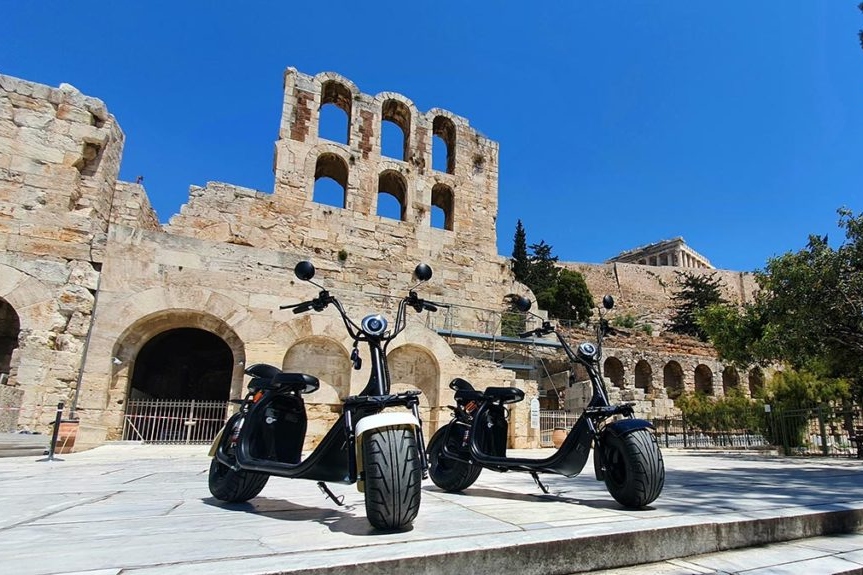
Car, Bike, Scooter
Neighborhoods
Plaka
Monastiraki
Psiri
Koukaki
Kolonaki
Day trips
Cape Sounion
65 km from Athens • Half day to full day
A scenic coastal area featuring the Temple of Poseidon with stunning views of the Aegean Sea.
Delphi
180 km from Athens • Full day
An ancient archaeological site and home to the famous Oracle of Delphi.
Meteora
350 km from Athens • Overnight
A unique landscape featuring rock formations and medieval monasteries perched atop cliffs.
Festivals
Athens Festival • May to October
Athens Epidaurus Festival • June to August
Athens International Film Festival • October
Pro tips
- Visit major attractions early in the morning or late in the afternoon to avoid crowds and heat
- Use the metro for easy and efficient travel around the city
- Explore local neighborhoods for an authentic Greek experience
- Try local street food for a quick and delicious meal
- Learn a few basic Greek phrases to enhance your experience and connect with locals
From $25
per person
Price varies by option
Secure booking
Free cancellation available
Instant confirmation