Gwalior Heritage City Tour
Active
7h - 8h
For a full refund, cancel at least 24 hours before the scheduled departure time.
Instant confirmation
Mobile or paper ticket accepted
About this experience
Gwalior, a historic city in Madhya Pradesh, is famed for its majestic Gwalior Fort, intricate palaces, and temples, offering a blend of rich heritage and architectural splendor for travelers.
Available options
Car + Guide
Guide<br/>Pickup included
Car + Lunch
Lunch<br/>Pickup included
Car + Lunch + Guide
Lunch<br/>Guide<br/>Pickup included
Car
Pickup included
What's included
Private Ac vehicle throughout the tour.
2 Mineral Water bottles (500 ml) per person.
English Speaking Guide throughout the tour.
Pick up & drop: Gwalior City Hotels only.
All Applicable Taxes.
Detailed itinerary
1
Stop 1
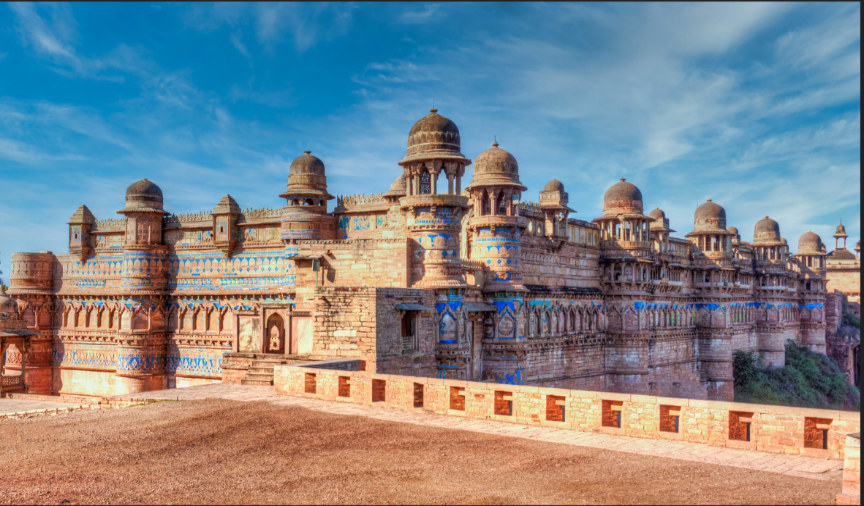
Gwalior Fort, established by the Tomars, is considered to be one of the most formidable forts in India. Being built on a solid stone outcrop, it provides an eagle's eye. The Fort, popularly called “the Gibraltar of India”, overlooks the city. The Emperor Babur reputedly described it as “the pearl in the necklace of the forts of Hind”. This fort’s architecture is unique. It displays a Chinese influence on Indian architecture, as Chinese dragons have been crafted at the hilt of the pillars. This influence was due to trade between China and India at the time of the fort’s construction.
2
Gujari Mahal was built by Raja Maan Singh in the 15th century, on request of his wife, Rani Mrignayani, a Gujar Princess, considered by many as his mistress, not his rightful wife. It was constructed near the Rai River. The palace was converted into a museum in 1922 and is known by the name of the Central Archaeological Museum. Housing 28 galleries and around 6,000 artifacts, the museum is known for its collection of sculptures, coins, pottery, terracotta, paintings, inscriptions, and weapons. The museum possesses antiques from the 2nd century to at least 300 years ago. The collection provides evidence that fifteen of the thirty-one great singers of the country, including Tansen, learned classical singing in this mahal. The museum is also popular for its huge collection of photographs, including Bagh Cave paintings and monuments to India.
3
A structure of about 100 feet Teli Ka Mandir in Gwalior Fort distinguishes itself from the other compositions of its time because of its unique architecture. Though the roof of the temple has a Dravidian look, the sculptures are typically North Indian. The temple bears a close resemblance to the temple of Prathihara Vishnu and is filled with images of coiled serpents, passionate couples, river goddesses, and a flying Garuda. Having literally translated its name to "Oilman's Temple," The temple boasts of being the loftiest structure in Fort, with a height of 30m. The temple consists of many inscriptions of Mother Goddess but lacks any type of clear description as to when and for which deity it was created.
4
Stop 4
Jai Vilas Palace, the presidential palace of Scindias (one of the five pillars of Maratha power from the eighteenth century), has been turned into a luxurious museum of 35 rooms, displaying all sorts of awe-inspiring things from days bygone and some of the glorious objects from the glorious days of Gwalior and its rulers.
The museum is one of the largest in Madhya Pradesh and has the world’s largest chandelier. The complex is a mixture of British and Hindu architecture. The palace was built in 1874 as an attempt to bring the Palace of Versailles to Gwalior. Treasures to please the eyes like candy include: a silver train with cut-glass wagons, which served guests as it chugged around on miniature rails on the tables; a glass cradle from Italy used for the baby Krishna each Janamashtami; silver dinner services; and swords that were once worn by Aurangzeb and Shah Jahan.
Note: Jai Vilas Palace is closed on Monday.
5
Stop 5
Sas Bahu Temple, one of the historical and religious monuments, is a tourist attraction in Gwalior. Sas-Bahu Temple, a set of two temples, is an architectural gem located to the south of Man Mandir Palace. Originally known as Shahastra Bahu Temple, it is a temple dedicated to Lord Vishnu, built by the Kachhwaha king Mahipal in the early 11th century.
What's not included
Tips and gratuities are optional, based on guest discretion and service satisfaction
Entrance fee for the monuments is charged directly at the site
Available languages
Guide guide
EN
Reviews breakdown
Viator
5.0
1 reviews
5★
1
4★
0
3★
0
2★
0
1★
0
Important information
Public transportation options are available nearby
Infants are required to sit on an adult’s lap
Suitable for all physical fitness levels
Car Type : for one to two people, four seater sedan
Car Type : for three to four people, five seater Innova
Car Type : for five to eight people, twelve seater Tempo Traveler
If pickup from outside city hotels / airport / railway station then it will be an additional charges and payable directly.
The entrance fees mentioned are approximate, as per government norms, and are subject to change in the future.
About Gwalior
Gwalior is a historic city in central India, known for its impressive hilltop fort, grand palaces, and rich cultural heritage. The city's unique blend of history, architecture, and natural beauty makes it a captivating destination for travelers.
Top Attractions
Gwalior Fort
Gwalior Fort is a majestic hilltop fortress that offers panoramic views of the city. It is one of the most impressive forts in India and has a rich history dating back to the 8th century.
Historical/Architecture
2-3 hours
INR 100 (Foreigners: INR 250)
Jai Vilas Palace
Jai Vilas Palace is a grand royal residence that showcases the opulence of the Scindia dynasty. It is now a museum that houses a collection of artifacts, paintings, and antiques.
Historical/Architecture
1-2 hours
INR 75 (Foreigners: INR 200)
Sas Bahu Temples
Sas Bahu Temples are two 10th-century Hindu temples dedicated to Lord Vishnu. The temples are known for their intricate carvings and architectural beauty.
Historical/Religious
1 hour
Free
Tansen's Tomb
Tansen's Tomb is the mausoleum of the famous Mughal court musician, Tansen. It is a peaceful and serene place, especially during the Tansen Music Festival.
Historical/Religious
30 minutes
Free
Sun Temple
The Sun Temple in Gwalior is a unique temple dedicated to the Sun God. It is known for its unique architecture and historical significance.
Historical/Religious
1 hour
Free
Must-Try Local Dishes
Pohay
A local breakfast dish made with flattened rice, yogurt, and various spices and toppings.
Breakfast
Vegetarian
Makhani
A creamy curry made with paneer (cottage cheese) and a blend of spices, served with bread or rice.
Main Course
Vegetarian
Bhutte ka Kees
A sweet dish made with grated corn, milk, sugar, and various spices.
Snack
Vegetarian
Popular Activities
Hiking in Gwalior Fort
Safari in Shivpuri National Park
Visiting parks and gardens
Spa and wellness treatments
Exploring historical sites
Attending local festivals
Attending the Tansen Music Festival
Exploring the underground cellars of Gwalior Fort
Best Time to Visit
October to March
This is the best time to visit Gwalior as the weather is pleasant, making it ideal for sightseeing and outdoor activities. The temperature is moderate, and the city hosts several festivals during this period.
15°C to 35°C
59°F to 95°F
Practical Information
Language
- Official: Hindi
- Widely spoken: English
- English: Moderately spoken
Currency
Indian Rupee (INR)
Time Zone
IST (GMT+5:30)
Electricity
230VV, 50HzHz
Safety Information
Overall Safety Rating: Generally safe
Gwalior is generally safe for travelers, but it's important to be aware of your surroundings and take necessary precautions.
Important Precautions:
- • Be cautious of your belongings in crowded areas.
- • Use licensed taxis or ride-hailing apps for transportation.
- • Avoid accepting food or drinks from strangers.
Getting there
By air
- Gwalior Airport • 10 km from city center
By train
Gwalior Junction
By bus
Gwalior Bus Stand
Getting around
Public transport
The city bus service is affordable and covers most parts of the city. However, the buses can be crowded during peak hours.
Taxis
Available • Apps: Uber, Ola
Rentals
Car, Bike, Scooter
Neighborhoods
Lashkar
Morar Cantonment
Thatipur
Day trips
Orchha
120 km • Full day
Orchha is a historic town known for its stunning palaces, temples, and forts. It is a UNESCO World Heritage Site and offers a glimpse into the rich history and culture of the region.
Datia
75 km • Half day
Datia is a small town known for its impressive palaces and temples. The town is home to the famous Birla Temple and the Seven Story Palace.
Shivpuri National Park
110 km • Full day
Shivpuri National Park is a beautiful wildlife sanctuary known for its diverse flora and fauna. It is a great place for nature lovers and adventure enthusiasts.
Festivals
Tansen Music Festival • November-December
Gwalior Trade Fair • October-November
Pro tips
- Visit Gwalior Fort early in the morning to avoid the heat and crowds.
- Hire a local guide to explore the fort and its many hidden treasures.
- Try the local street food, but be cautious and choose busy stalls with good hygiene practices.
- Attend the Tansen Music Festival if you're a fan of classical music.
- Explore the underground cellars of Gwalior Fort for a unique and fascinating experience.
From $25
per person
Price varies by option
Secure booking
Free cancellation available
Instant confirmation