Taal Heritage Tour from Manila
Active
12h
For a full refund, cancel at least 24 hours before the scheduled departure time.
Instant confirmation
Mobile or paper ticket accepted
About this experience
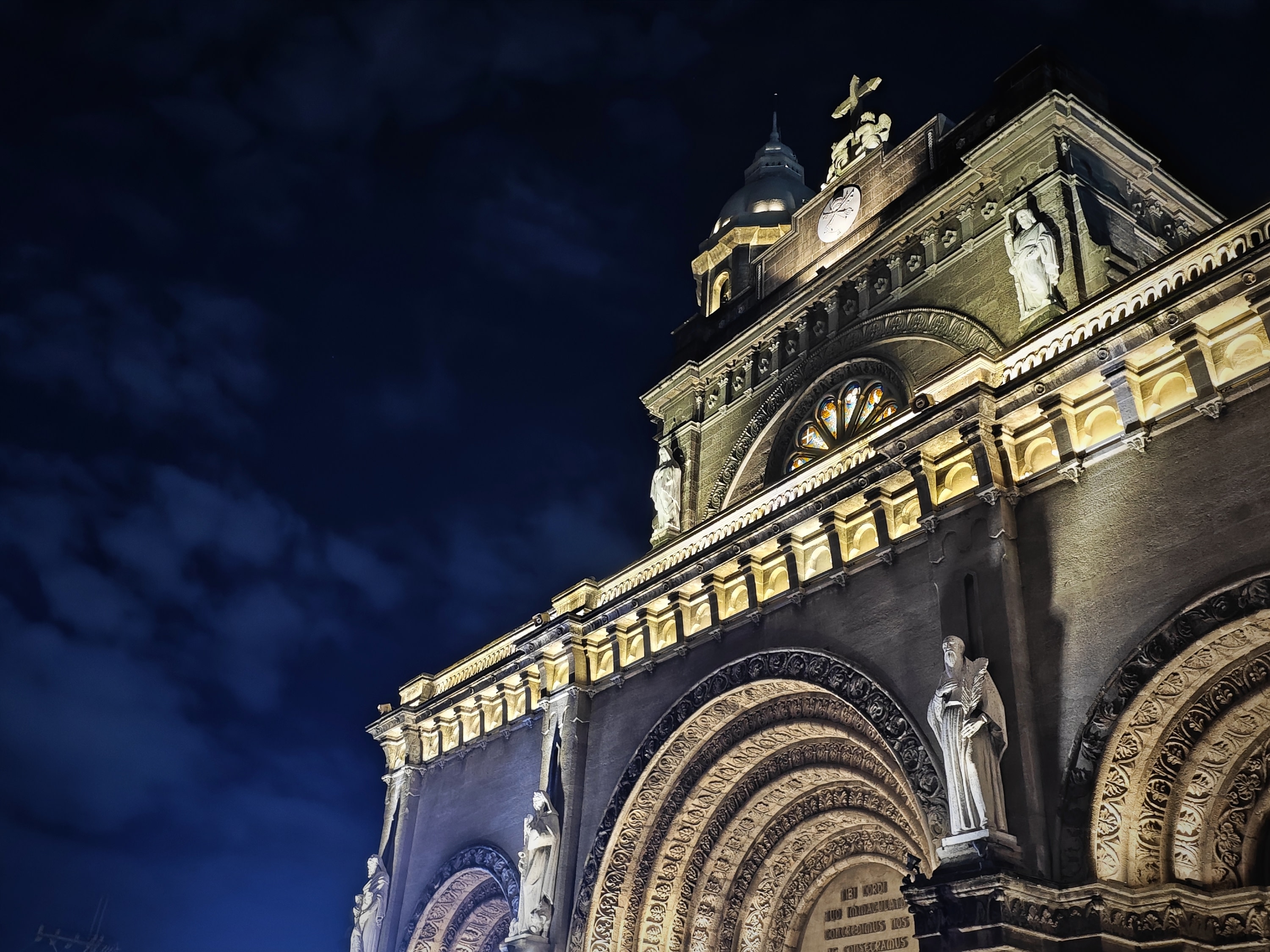
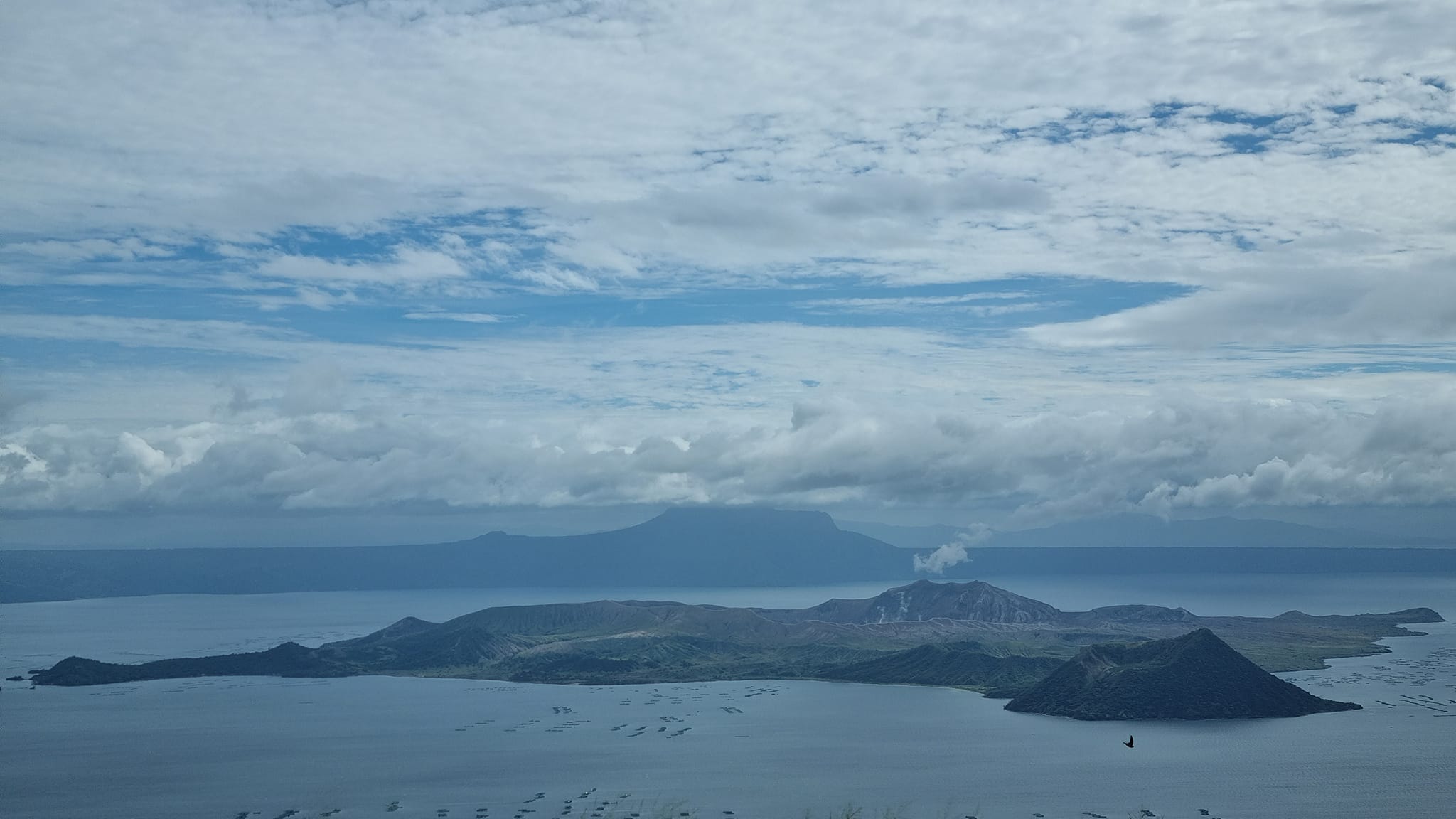
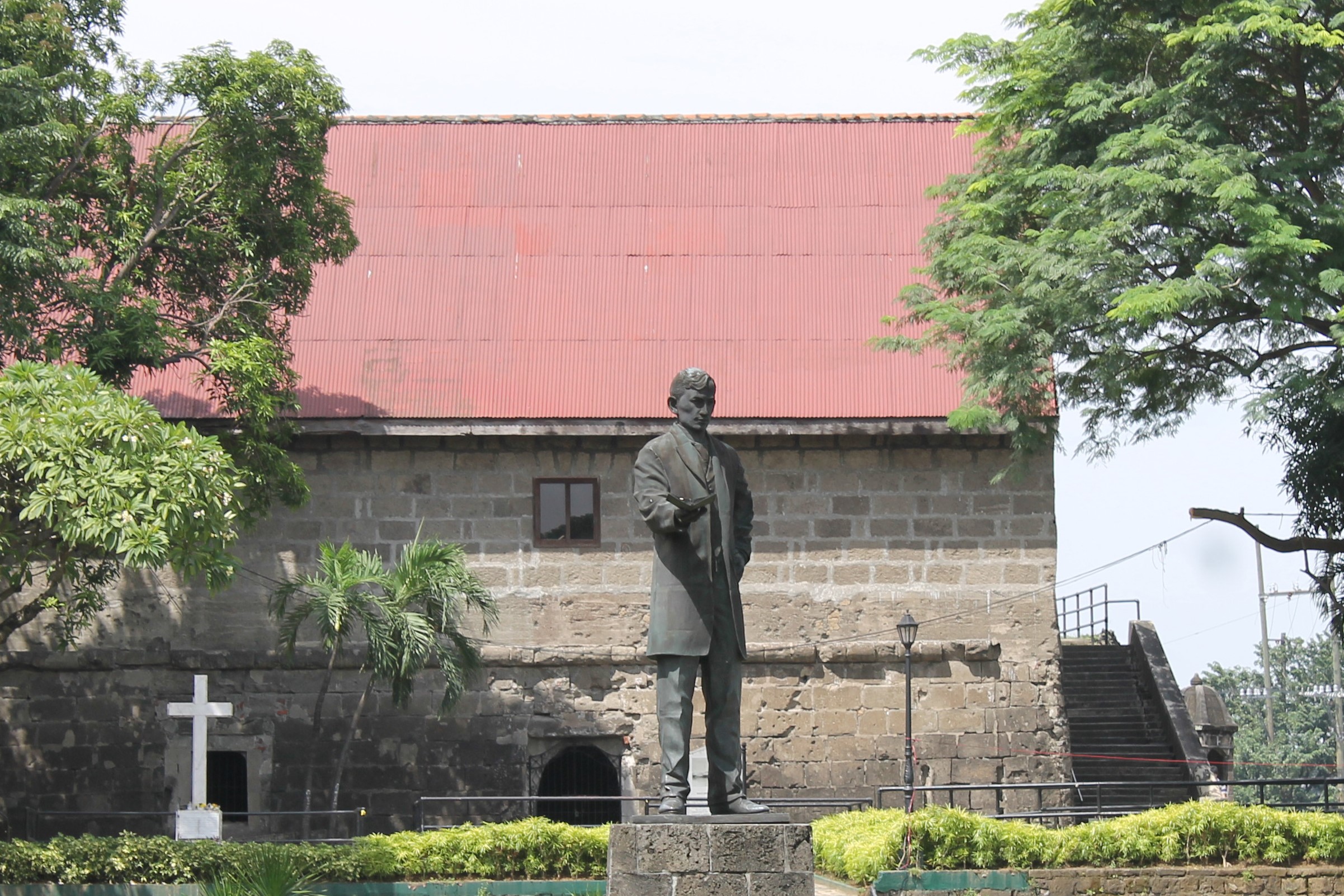
Branded as the “Little Vigan of the South”, Taal Heritage Town is overflowing with rich history, culture and beauty. It used to be located in present day San Nicolas, but after the 200-day 1754 eruption, the biggest eruption of this small volcano recorded in history, the entire town was forced to move to a safer elevated location, farther from the Taal Volcano. During the Spanish era, the town continued to prosper and produced some of the country’s bravest national heroes such as Marcela Marino Agoncillo, best known as the mother of Philippine Flag; Don Felipe Agoncillo, a diplomat and a revolutionary hero and Gliceria Marella de Villavicencio, known as the Godmother of the Revolution. Their ancestral houses are well-preserved and remain standing up to this date.
Available options
Taal Heritage Tour from Manila
Pickup included
What's included
Roundtrip transfers via air-conditioned van
Snacks
Lunch
Local Guide
5 – hour Walking/Heritage Tour
Hotel pickup and drop-off on selected hotels only
Services of an English speaking / DOT Accredited Tour Guide
Detailed itinerary
1
Tour starts at his family’s ancestral house. Built in 1876 by his grandparents Juan Cabrera Goco and Lorenza Deomampo, it was restored in 1999 in line with Taal being declared a National Heritage Town. Lunch will be served here.
2
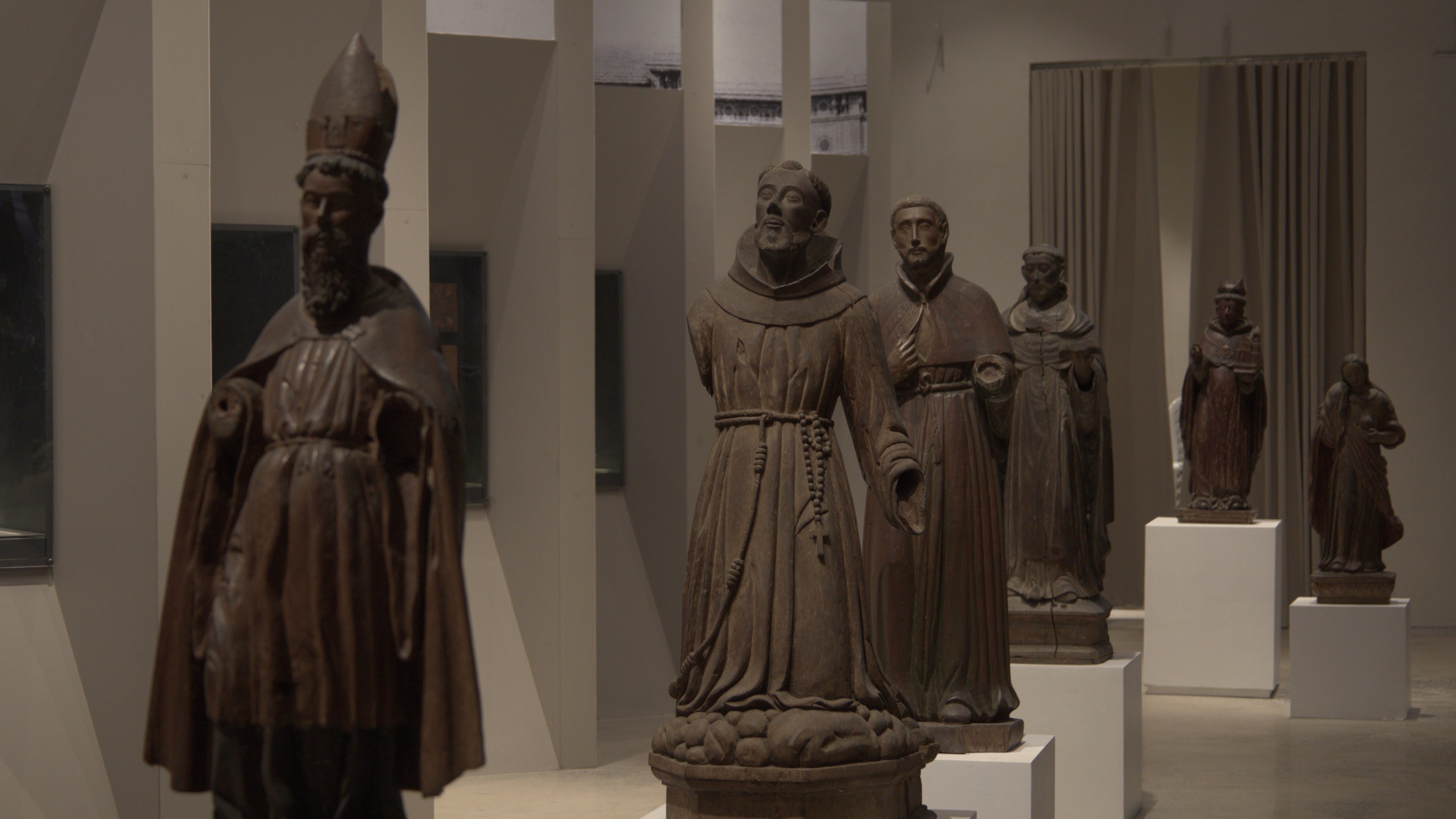
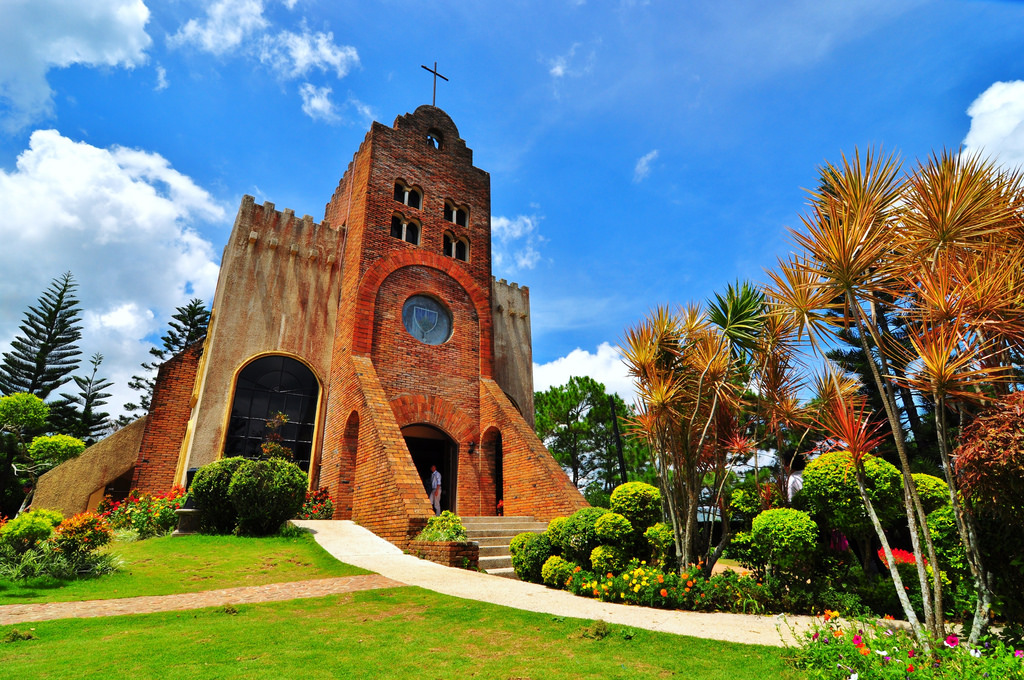
Known at the time as the poor man’s church. The rich heard mass higher up at Taal Basilica. Take a view of Caysasay Church altar and painted ceilings. Encased high up behind the altar is the image of the Virgin of Our Lady of Caysasay. Believed to be one of the oldest in the country, it was fished out of the Pansipit River in 1603 by a fisherman named Juan Maningcad.
3
Camera Museum, photography enthusiasts will love this place. A camera museum set in the Ilagan ancestral house, on display here is an extensive collection of rare vintage cameras dating back to the late 1800s.
4
Stop 4
This stately white colonial American house was once the home of Gregorio Agoncillo. It’s one of the first mansions you’ll see when you drive into Taal Heritage Town. Gregorio’s sister, Maria Agoncillo, became the second wife of Gen. Emilio Aguinaldo.
What's not included
Gratuities
Additional food and drinks
Available languages
Guide guide
EN
Important information
Travelers should have at least a moderate level of physical fitness
Child rate applies only when sharing with 2 paying adults
Children must be accompanied by an adult
A minimum of 02 people per booking is required
Important notes
* You must call at least 24 hours prior departure to confirm your tour time and location.
* Contact info: email - philippines@grayline.com; +632 8817-0204 during office hours; mobile number +63 918-9444-899, reachable thru VIBER or WHATSAPP.
About Luzon
Luzon, the largest and most populous island in the Philippines, is a vibrant mix of bustling cities, serene landscapes, and rich cultural heritage. From the capital city of Manila to the stunning rice terraces of Banaue, Luzon offers a diverse travel experience that caters to all types of travelers.
Top Attractions
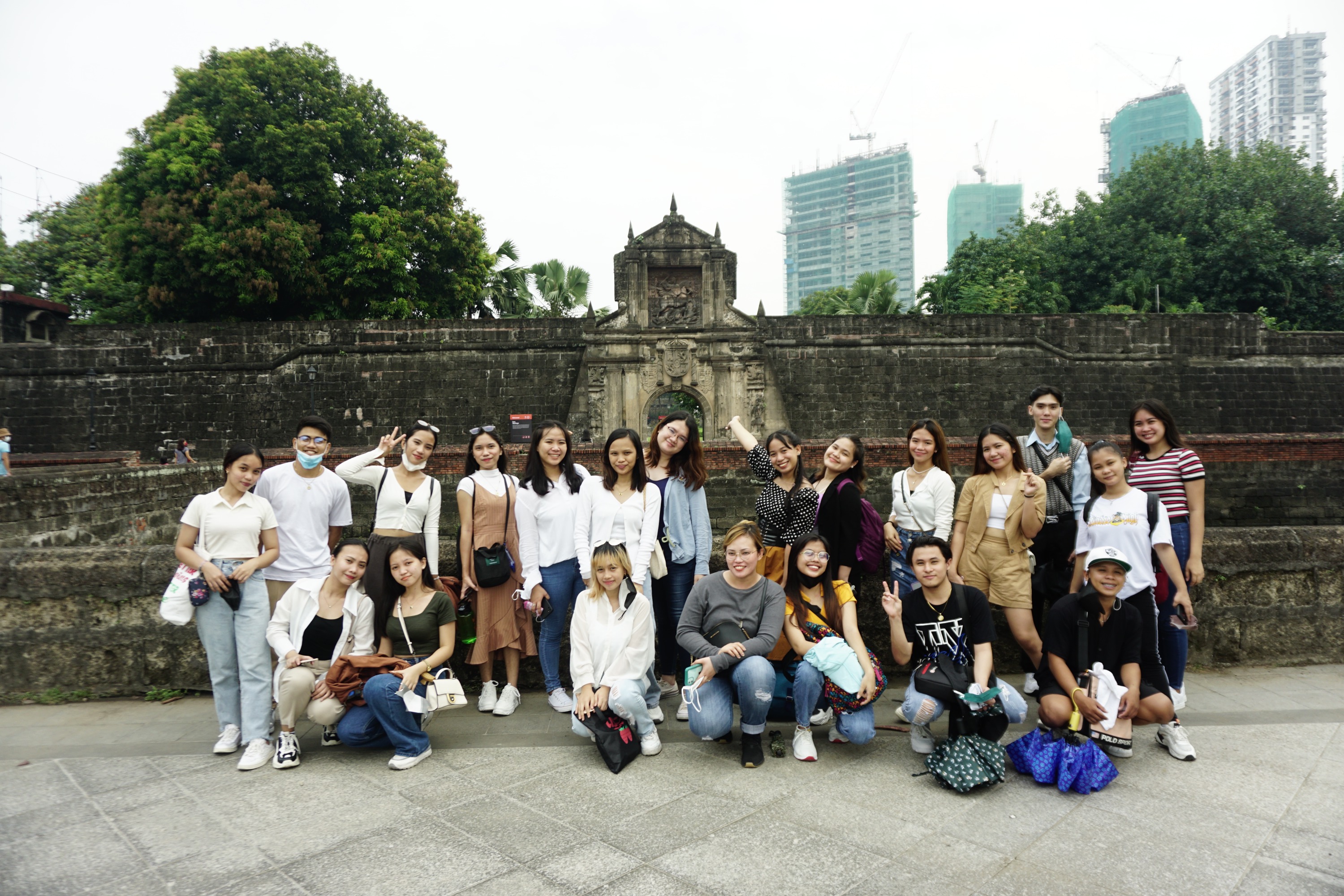
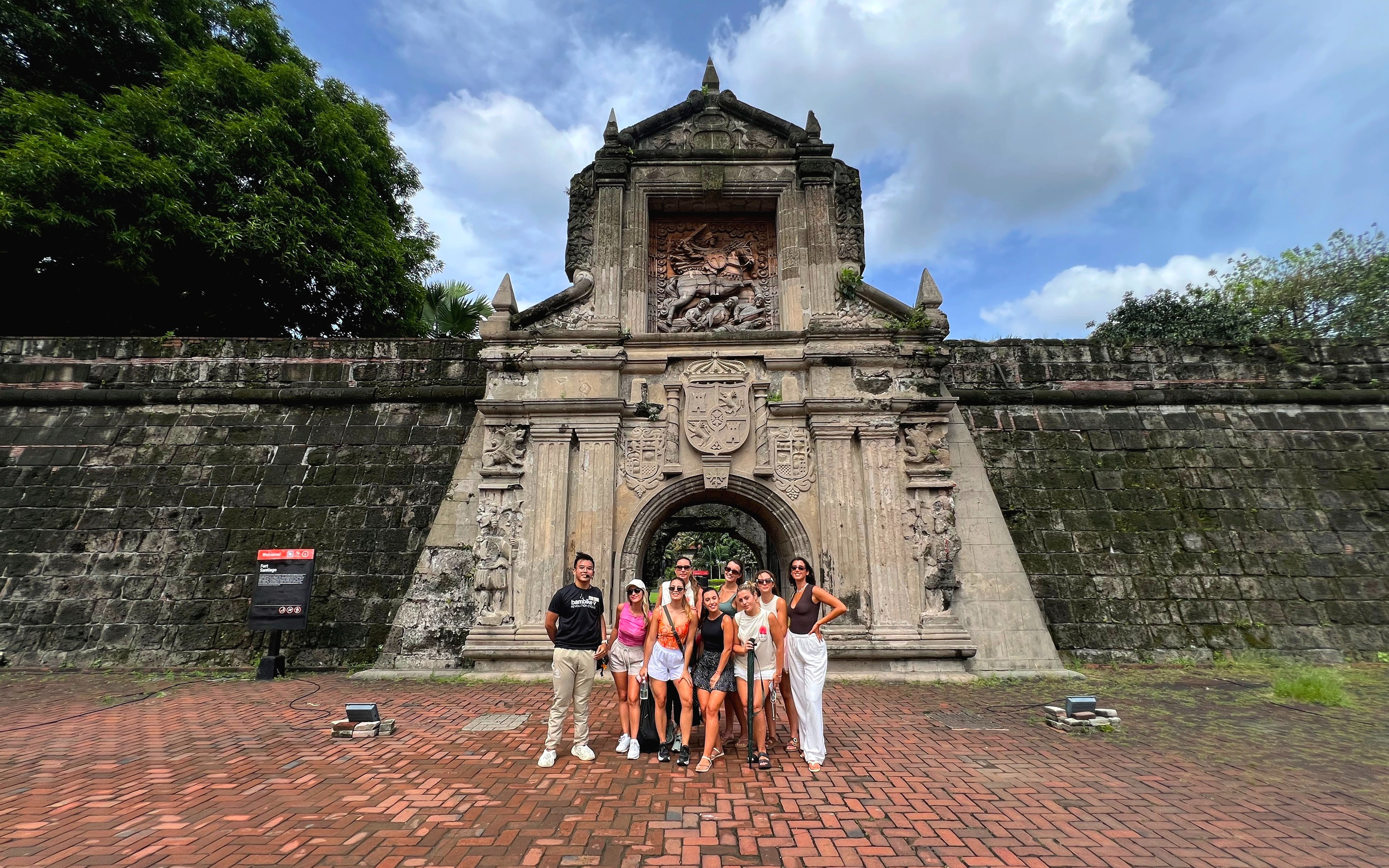
Intramuros
Intramuros is the historic walled city in Manila, built during the Spanish colonial period. It is a UNESCO World Heritage Site and offers a glimpse into the Philippines' rich history.
Historical
Half day to full day
Moderate
Banaue Rice Terraces
The Banaue Rice Terraces, also known as the 'Eighth Wonder of the World,' are ancient terraces carved into the mountains by the Ifugao people. They are a UNESCO World Heritage Site and offer breathtaking views.
Nature
Full day to overnight
Moderate
Pagudpud Beaches
Pagudpud is known for its pristine beaches and clear waters. It's a popular destination for those looking to relax and enjoy the natural beauty of Luzon.
Beach
Full day to overnight
Budget to Moderate
Must-Try Local Dishes
Adobo
A savory dish of meat (usually chicken or pork) marinated in soy sauce, vinegar, garlic, and spices, then braised.
Main Course
Can be made vegetarian with tofu or vegetables.
Sinigang
A sour tamarind-based soup with meat (pork, shrimp, or fish) and vegetables.
Soup
Vegetarian versions are available.
Halo-Halo
A popular shaved ice dessert with a mix of sweet beans, fruits, jellies, and evaporated milk.
Dessert
Vegetarian and vegan options are available.
Popular Activities
Hiking in the Banaue Rice Terraces
Exploring Taal Volcano
Beach hopping in Pagudpud
Spa treatments in Manila
Visiting Intramuros in Manila
Exploring the museums in Makati
Snorkeling and diving in Pagudpud
None
Best Time to Visit
December to April
This period offers pleasant weather with lower humidity and minimal rainfall, making it ideal for outdoor activities and beach trips.
24°C to 32°C
75°F to 90°F
Practical Information
Language
- Official: Filipino, English
- Widely spoken: English, Tagalog
- English: Widely spoken
Currency
Philippine Peso (PHP)
Time Zone
GMT+8
Electricity
220VV, 60HzHz
Safety Information
Overall Safety Rating: Exercise caution
Luzon is generally safe for travelers, but it's important to be aware of your surroundings and take precautions to avoid petty crime and scams.
Important Precautions:
- • Avoid walking alone at night, especially in unfamiliar areas.
- • Keep valuables secure and out of sight.
- • Use reputable taxi services or ride-hailing apps like Grab.
Getting there
By air
- Ninoy Aquino International Airport • 7 km from Manila city center
By train
Tutuban Station
By bus
EDSA Cubao, Pasay
Getting around
Public transport
Jeepneys are a popular and affordable mode of transport, especially in urban areas.
Taxis
Available • Apps: Grab
Rentals
Car, Bike, Scooter
Neighborhoods
Makati
Intramuros
Banaue
Day trips
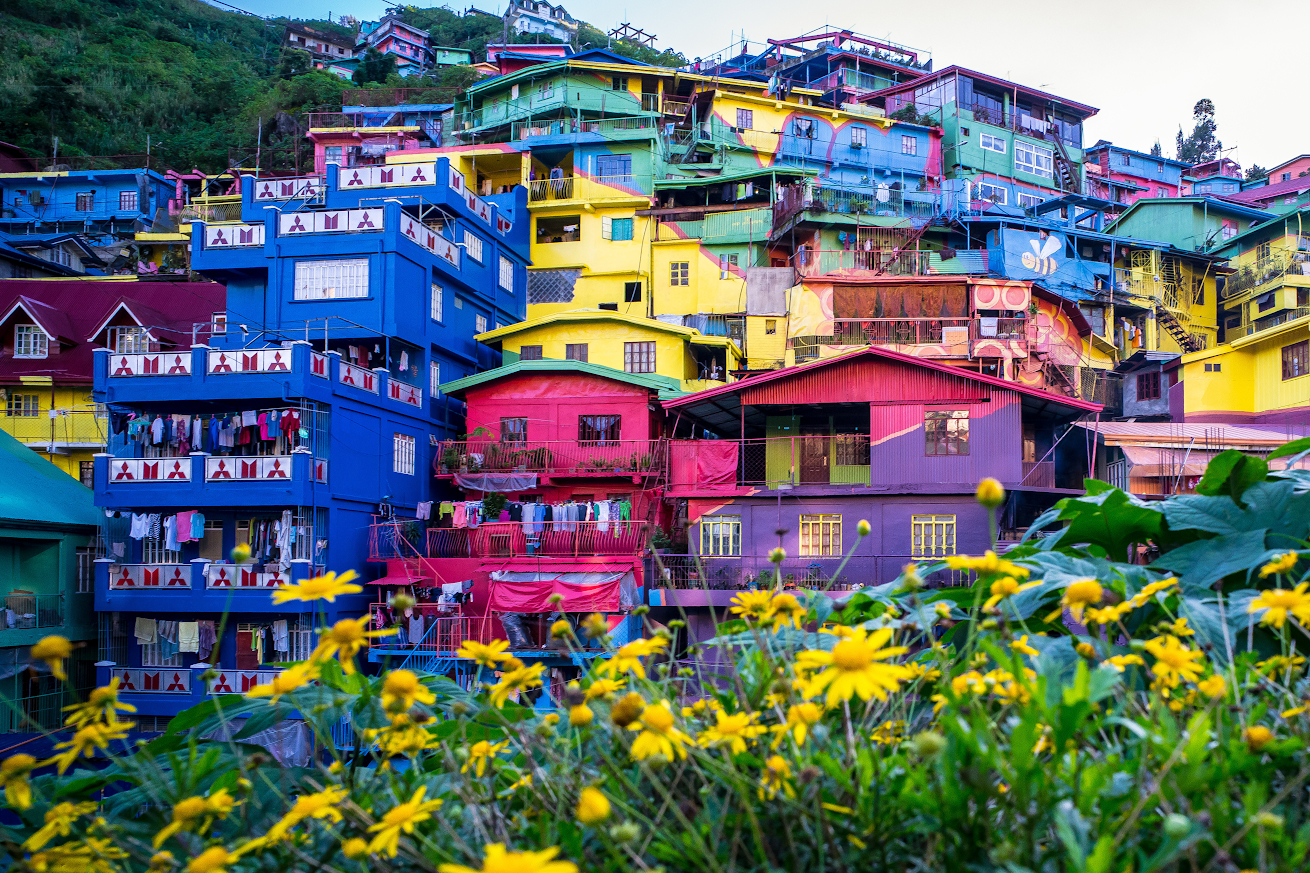
Baguio
250 km from Manila • Full day to overnight
Baguio, known as the 'Summer Capital of the Philippines,' offers cool weather, beautiful landscapes, and a rich cultural heritage.
Taal Volcano
80 km from Manila • Half day to full day
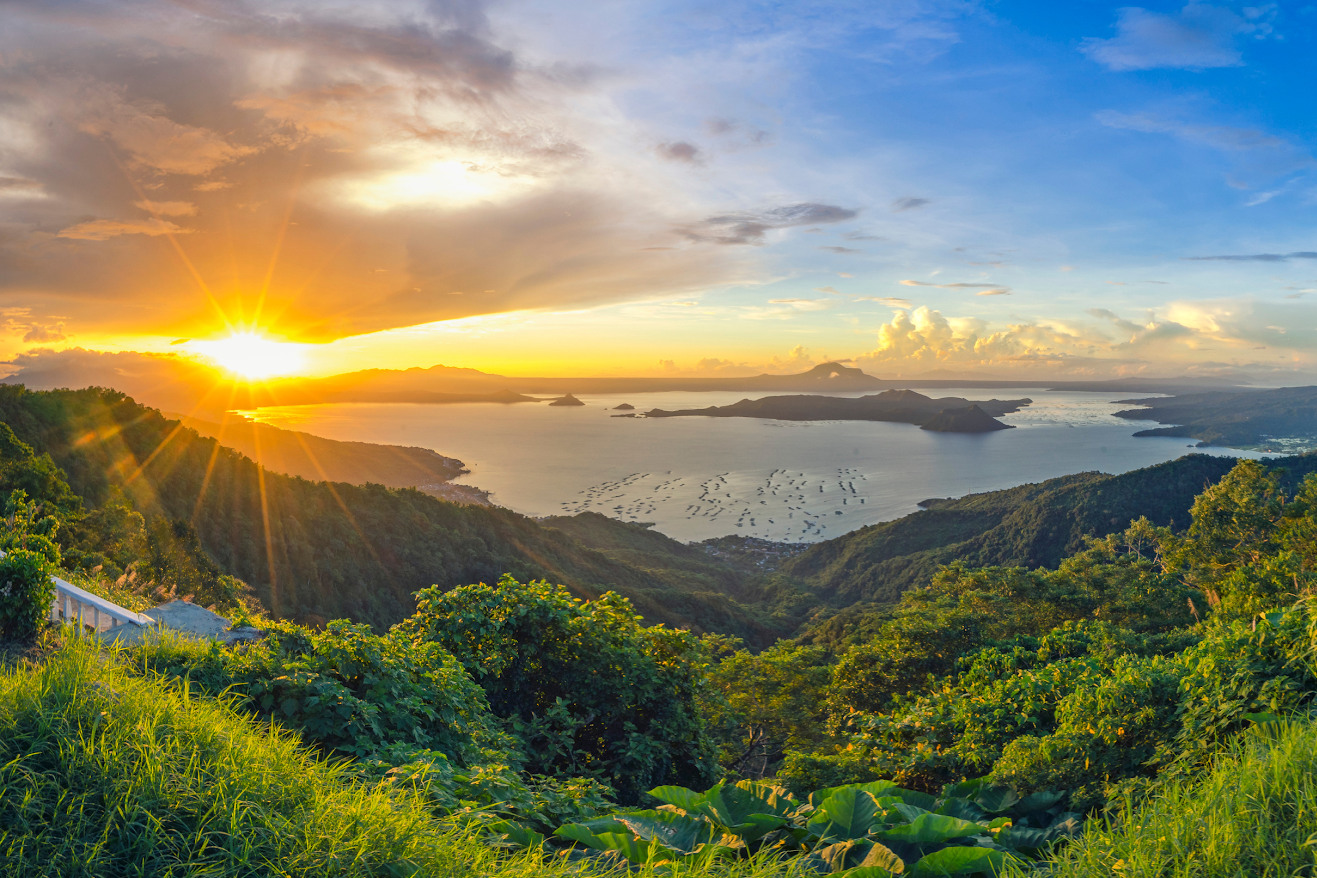
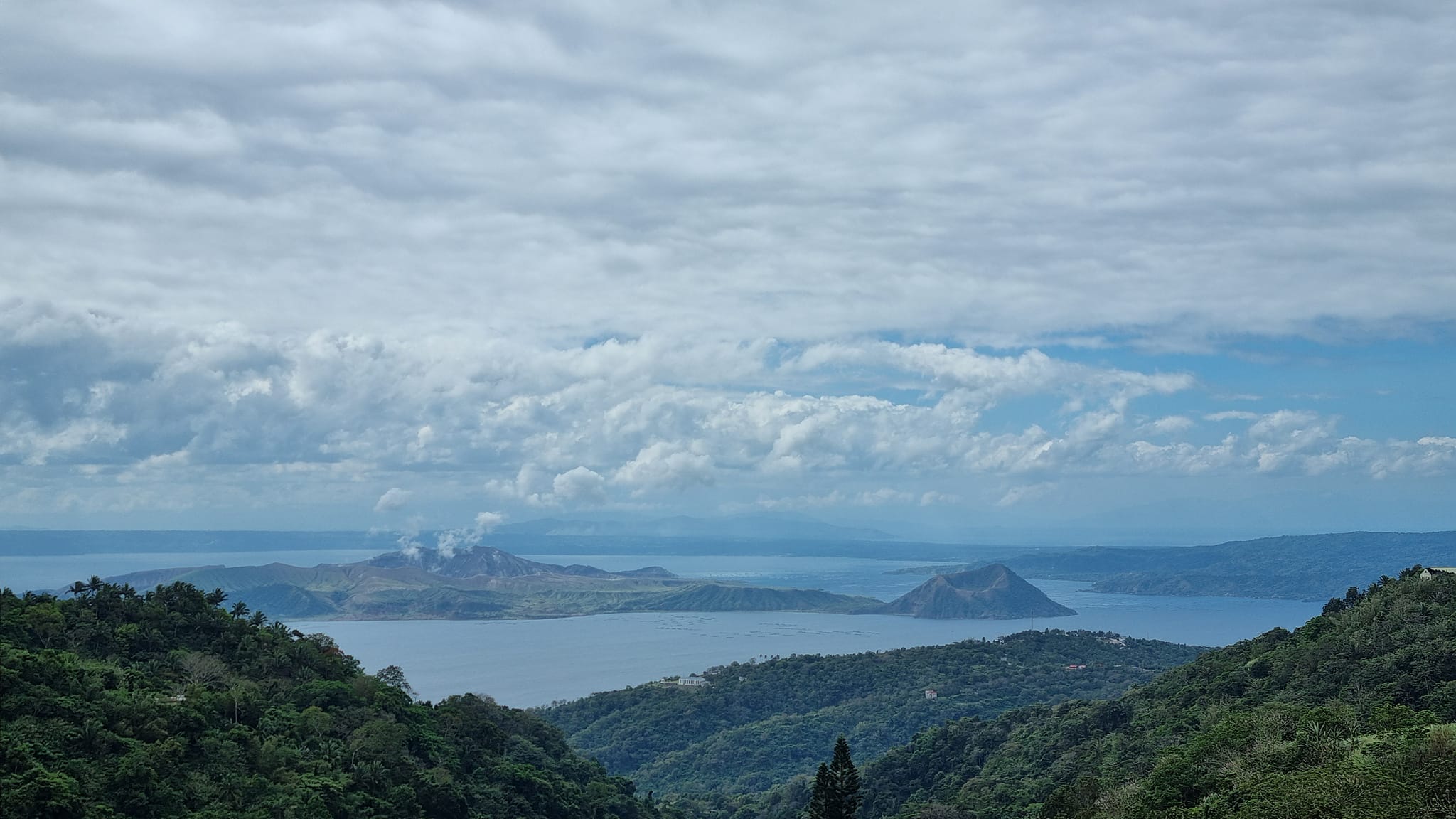
Taal Volcano is an active volcano with a stunning crater lake. It offers a unique adventure experience with a horseback ride and a short hike to the crater.
Festivals
Sinulog Festival • Third Sunday of January
Pahiyas Festival • May 15
Pro tips
- Learn a few basic phrases in the local language to enhance your travel experience and connect with locals.
- Use ride-hailing apps like Grab for convenient and safe transportation.
- Carry cash, as not all establishments accept credit cards, especially in rural areas.
- Dress appropriately for the occasion and respect local customs and traditions.
- Be cautious of your belongings, especially in crowded areas and on public transportation.
From $25
per person
Price varies by option
Secure booking
Free cancellation available
Instant confirmation