Paklenica National Park Admission Ticket
Active
1d
All sales are final. No refund is available for cancellations.
Instant confirmation
Paper ticket only accepted
About this experience
The name Paklenica probably derives from black pine sap called “paklina”, which the locals used in traditional medicine, for wound treatment, for light and for coating of wooden boats.
Available options
Paklenica National Park Admission Ticket
What's included
Booking fee per person
Detailed itinerary
1
Stop 1
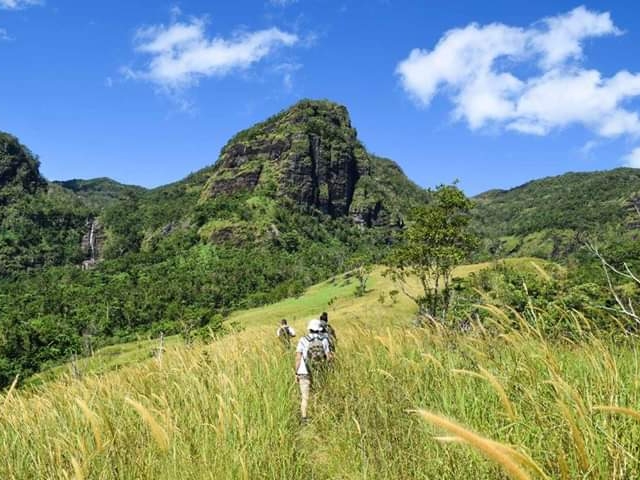
Due to its unique natural features, magnificent forests and extraordinary geomorphologic structures, the area of Velika and Mala Paklenica was proclaimed a national park in 1949. The main reason for proclaiming this area a national park was the protection of the largest and best preserved forest complex in the territory of Dalmatia, which was threatened by overexploitation. The Paklenica National Park stretches on the area of 95 km2 , on the littoral slope of South Velebit under the zone of highest mountain peaks Vaganski vrh (1752) and Sveto brdo (1753).
It covers the area of torrent flows of Velika Paklenica and Mala Paklenica, and their distinctive canyons carved vertically into the south slopes of Velebit and the broader surrounding area. The relatively small area has an abundance of geomorphological phenomena and forms, diverse flora and fauna, attractive landscapes and intact nature. Diverse habitats in the area of Paklenica, along with elevation stratification, provide a home for diverse fauna.
Distinctive features of Paklenica National Park are autochthonous forests of black pine, several types of beech forests and deep canyons with torrent flows of Velika and Mala Paklenica. Wider area of Paklenica National Park prides itself with rich and diverse cultural heritage.
What's not included
Food and drinks
Transportation
Reviews breakdown
Viator
2.5
2 reviews
5★
0
4★
0
3★
1
2★
1
1★
0
Tripadvisor
4.8
5 reviews
5★
4
4★
1
3★
0
2★
0
1★
0
Important information
Infants are required to sit on an adult’s lap
Travelers should have at least a moderate level of physical fitness
Children must be accompanied by an adult
IMPORTANT: You must print your voucher and present it at the ticket office to exchange it for your tickets.
Contact the tour supplier's bookings department (calls only no text messages)
Important notes
• Comfortable walking shoes are recommended
• IMPORTANT: You must print this voucher and present it at the ticket office to exchange it for your tickets.
Contact the tour supplier's bookings department by calling +385 091 603 5168 (calls only no text messages)
About Zadar
Zadar is a historic city on the Dalmatian coast of Croatia, known for its rich Roman and Venetian heritage, stunning sunsets, and unique Sea Organ. The city blends ancient history with modern attractions, offering visitors a unique cultural experience by the Adriatic Sea.
Top Attractions
Sea Organ (Morske Orgulje)
A unique architectural marvel where the waves create musical tones through underwater pipes.
Architecture
30 minutes to 1 hour
Free
Roman Forum
Ancient Roman ruins in the heart of Zadar, showcasing the city's rich history.
Historical
1 hour
Free
St. Donatus Church
A well-preserved 9th-century circular church with a rich history.
Historical
30 minutes
Free
Zadar Archaeological Museum
A museum housing a vast collection of archaeological artifacts from the region.
Museum
1-2 hours
Moderate (around 30 HRK)
Greeting to the Sun
A solar-powered installation that creates light shows and musical tones based on solar activity.
Architecture
30 minutes to 1 hour
Free
Must-Try Local Dishes
Black Risotto (Crni Rižot)
A traditional Dalmatian dish made with cuttlefish, giving it a distinctive black color.
Main Course
Contains seafood, gluten (rice)
Peka
A slow-cooked dish of meat or octopus with vegetables, cooked under a bell-like lid.
Main Course
Can be vegetarian or with meat/seafood
Brodet
A rich seafood stew made with various types of fish and shellfish.
Main Course
Contains seafood, gluten (often served with polenta)
Rožata
A creamy, caramel-flavored custard dessert similar to crème brûlée.
Dessert
Contains dairy, eggs, sugar
Popular Activities
Hiking in national parks
Kayaking
Cycling
Beach lounging
Sunset watching at the Sea Organ
Spa treatments
Visiting museums and historical sites
Attending local festivals
Best Time to Visit
June to August
This is the busiest time of year with warm weather, clear skies, and vibrant festivals. The sea is warm, and all tourist facilities are open.
22°C to 35°C
72°F to 95°F
Practical Information
Language
- Official: Croatian
- Widely spoken: English, German, Italian
- English: Moderately spoken
Currency
Croatian Kuna (HRK)
Time Zone
GMT+1 (Central European Time)
Electricity
230VV, 50HzHz
Safety Information
Overall Safety Rating: Generally safe
Zadar is generally safe for tourists, with low crime rates. However, as with any tourist destination, it's important to be aware of your surroundings and take basic precautions.
Important Precautions:
- • Keep valuables secure
- • Use licensed taxis
- • Be cautious of strangers approaching you with unsolicited offers
Getting there
By air
- Zadar Airport • 8 km from city center
By train
Zadar Railway Station
By bus
Zadar Bus Station
Getting around
Public transport
Affordable and reliable, with frequent services.
Taxis
Available • Apps: Bolt, Camme
Rentals
Car, Bike, Scooter
Neighborhoods
Old Town
Borojevic Square
Ulica Matoševa
Day trips
Plitvice Lakes National Park
150 km • Full day
A stunning national park with cascading lakes and waterfalls, perfect for hiking and nature lovers.
Krka National Park
70 km • Full day
A beautiful national park with waterfalls, swimming areas, and hiking trails.
Šibenik
60 km • Half day
A historic coastal city with a well-preserved old town, cathedrals, and fortresses.
Festivals
Zadar International Donat Festival • August
Zadar Film Forum • November
Festiva Dalmatina • July
Pro tips
- Visit the Sea Organ and Greeting to the Sun at sunset for a magical experience.
- Explore the Old Town on foot to discover hidden gems and historic sites.
- Try local specialties like black risotto and peka for an authentic Dalmatian dining experience.
- Take a day trip to nearby national parks like Plitvice Lakes or Krka for stunning natural beauty.
- Learn a few basic Croatian phrases to enhance your interaction with locals.
From $25
per person
Price varies by option
Secure booking
Free cancellation available
Instant confirmation