Discover Tafí del Valle and Quilmes Ruins in a Day Tour
Active
10h
For a full refund, cancel at least 24 hours before the scheduled departure time.
Instant confirmation
Mobile or paper ticket accepted
About this experience
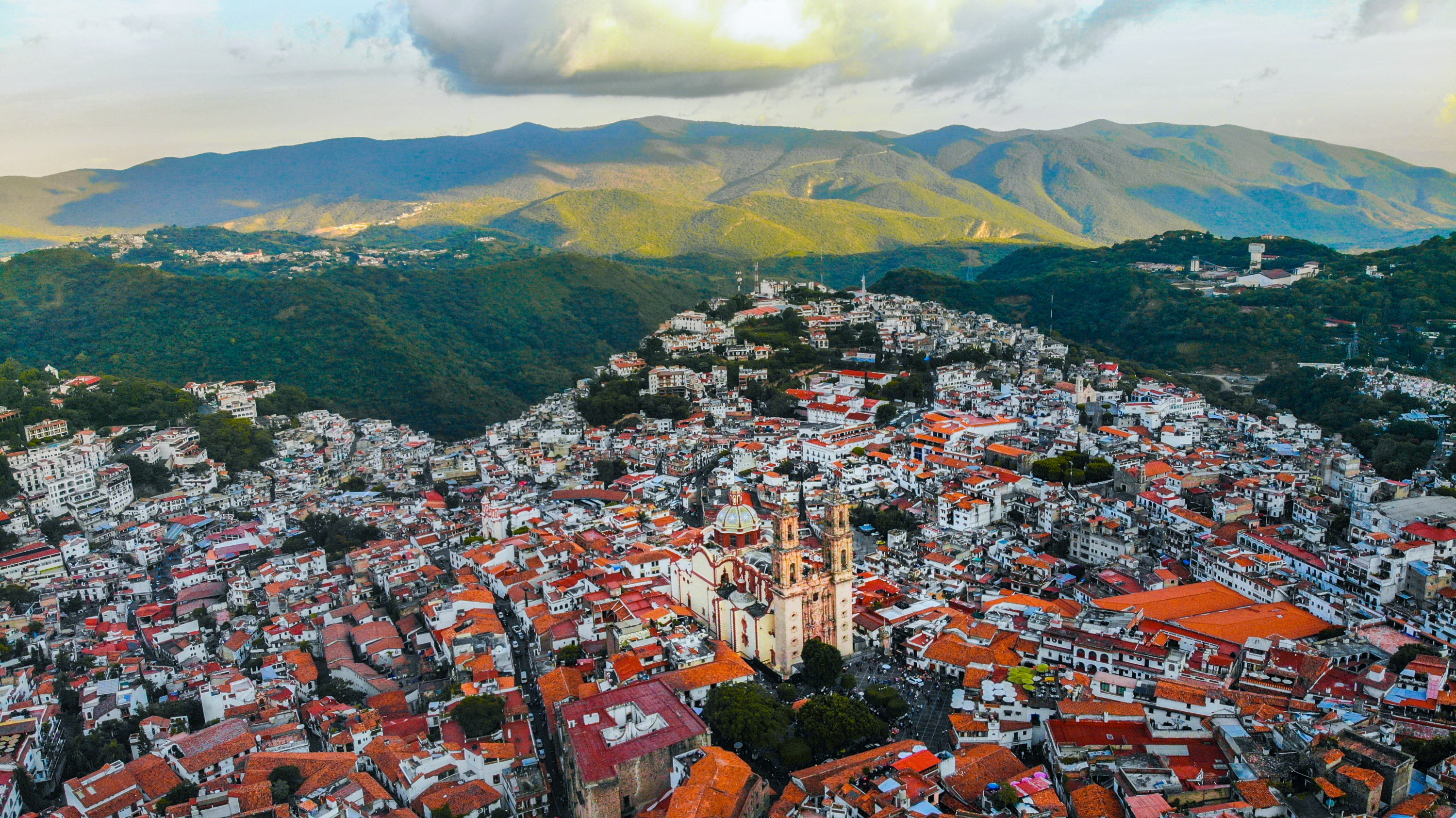
The Diaguita Indians called Tafí del Valle “the town of the magnificent entrance” and they were right: Tafí del Valle is one of the most heavenly destinations in Tucumán. Once people get to this summertime villa, the valleys welcome their visitors with their green and brown colors that contrast with the blue sky, with a dike over which the sun reflects and with unpaved roads that are a testimony of years of history. A must do when visiting San Miguel de Tucumán.
Available options
Tafi & Quilmes - Spanish Tour
Guide in spanish<br/>Pickup included
Tafi & Quilmes - English Tour
Guide in english<br/>Pickup included
What's included
Professional guide
Hotel pickup (selected hotels only)
Detailed itinerary
1
Hotel pick up from Tucuman (selected hotels only).
2
Leave Tucumán behind as you embark on a scenic journey up the valley via Route 307. This route takes you through the breathtaking Los Sosa River Gorge, a part of the Natural Reserve of the same name. Along the way, you'll catch sight of the iconic monument "El Indio".
3
Higher, the entrance to the Valley of Tafi is simply shocking. Surrounding La Angostura Dam you will arrive at The Mollar to visit The Menhires. It only takes a walk along the Archaeological Reserve Los Menhires and a look at the 50 types of rocks dating from more than 2000 years (from the beginning of the Christian era)- that rise up to 3 meters high- to be amazed by the archaeological legacy of the primitive races.
The word menhir has a Celtic origin and it means “long stone”. The shapes represented in the mehnirs are surprising: sometimes they show human faces and other times animal faces, mainly felines. Others are geometric and there also are combinations of different types.
4
Following that, we'll explore the charming city of Tafi del Valle. Here, you'll encounter well-preserved Jesuit architecture, with the oldest section dating back to the first half of the eighteenth century. You'll also have some free time to explore the valley at your own pace.
5
Stop 5
In Amaicha del Valle you will visit the square and its surroundings. After connecting with the 40 National Route, the Sacred City of Quilmes breaks left. You will be able to tour the complex with the company of a guide and you are gonna be amazed to know every detail of the last bastion on aboriginal resistance against the Spanish advance, that finished in 1667, when 1700 survivors were sent, walking, to the proximity of Buenos Aires (currently the city of Quilmes), where only 400 of them made it there. The Museo del Sitio (currently out of service for restoration) showcases pieces obtained in the excavations and invites you to dive into an unprecedented legacy.
6
The return trip concludes with drop-off service at your hotel in Tucumán
What's not included
Food and drinks
Gratuities
Available languages
Guide guide
ES
Reviews breakdown
Viator
5.0
1 reviews
5★
1
4★
0
3★
0
2★
0
1★
0
Tripadvisor
4.9
8 reviews
5★
7
4★
1
3★
0
2★
0
1★
0
Important information
Suitable for all physical fitness levels
Meeting point
Centrally located Tucuman hotels.
Important notes
The pick up transfer is only from centrally located hotels. If your hotel is outside the geographic area, we will confirm the closest meeting point. Indicate the name and address of your hotel.
We suggest you confirm booking details with the local service provider prior to travel, or upon arrival at your destination. Please note that departure times and locations may vary slightly.
OFFICE NUMBER: (+54 11) 11 3221 8400 (Mon to Fri from 9 to 18 Hs)
EMERGENCY MOBILE: (+54 911) 4991-4035 (After office hours)
About San Miguel de Tucumán
San Miguel de Tucumán, known as the 'Garden of the Republic,' is a vibrant city in northwest Argentina. It's renowned for its rich history, colonial architecture, and as the birthplace of Argentine independence. The city offers a blend of cultural heritage, natural beauty, and warm hospitality.
Top Attractions
Casa Histórica de la Independencia
This is the house where the Argentine Declaration of Independence was signed in 1816. It's now a museum showcasing the history of the independence movement.
Historical
1-2 hours
Moderate (around $5 USD)
Plaza Independencia
The main square of Tucumán, surrounded by historic buildings and monuments. It's a popular gathering spot for locals and tourists alike.
Historical
30 minutes to a few hours
Free
Museo Provincial de Bellas Artes Timoteo Navarro
A fine arts museum showcasing works by Argentine and international artists. The museum is housed in a beautiful historic building.
Museum
1-2 hours
Moderate (around $3 USD)
Parque 9 de Julio
A large urban park with beautiful gardens, walking paths, and a lake. It's a popular spot for picnics, jogging, and relaxing.
Nature
1-2 hours
Free
Basílica de San Francisco
A historic church with beautiful architecture and a rich history dating back to the 16th century.
Religious
30 minutes to 1 hour
Free (donations welcome)
Must-Try Local Dishes
Empanadas Tucumanas
A type of empanada filled with various ingredients, often including beef, chicken, or cheese. The dough is made with lard, giving it a unique texture.
Snack
Contains gluten and often meat (vegetarian options may be available)
Locro
A traditional stew made with corn, beans, squash, and various meats. It's a hearty and flavorful dish that's popular throughout Argentina.
Lunch/Dinner
Contains meat (vegetarian options may be available)
Humita
A dish made from fresh corn kernels, sometimes mixed with cheese, onions, and spices. It can be served as a savory snack or a sweet dessert.
Snack/Dessert
Vegetarian (may contain cheese or dairy)
Asado
A traditional Argentine barbecue featuring various cuts of beef, pork, and other meats, cooked over an open fire.
Lunch/Dinner
Contains meat (vegetarian options may be available)
Popular Activities
Hiking in Tafí del Valle
Mountain biking in the surrounding areas
Horseback riding in the countryside
Strolling through Parque 9 de Julio
Visiting local cafes and enjoying a cup of coffee
Relaxing in the city's parks and gardens
Visiting the Casa Histórica de la Independencia
Exploring the local markets and shops
Best Time to Visit
March to May, September to November
These are the spring and autumn seasons, offering pleasant weather with mild temperatures and lower humidity. It's ideal for sightseeing and outdoor activities.
15-25°C
59-77°F
Practical Information
Language
- Official: Spanish
- Widely spoken: English (limited)
- English: Limited
Currency
Argentine Peso (ARS)
Time Zone
GMT-3
Electricity
220VV, 50HzHz
Safety Information
Overall Safety Rating: Generally safe, but exercise caution
Tucumán is generally a safe destination for travelers, but petty crime and scams can occur, especially in crowded areas and tourist hotspots. It's important to be aware of your surroundings and take precautions to protect your belongings.
Important Precautions:
- • Be aware of your surroundings and keep valuables secure
- • Avoid carrying large amounts of cash or wearing expensive jewelry
- • Use licensed taxis or ride-sharing apps for safe and reliable transportation
Getting there
By air
- Teniente Benjamin Matienzo International Airport • 12 km from city center
By bus
Terminal de Ómnibus de Tucumán
Getting around
Public transport
The bus system is the primary mode of public transportation in Tucumán. It's affordable and covers most parts of the city.
Taxis
Available • Apps: No widely used apps, radio taxis can be called by phone
Rentals
Car, Bike, Scooter
Neighborhoods
Centro
Yerba Buena
San Miguel
Day trips
Tafí del Valle
120 km from Tucumán • Full day
A picturesque valley surrounded by mountains, offering stunning landscapes, hiking trails, and adventure activities. Tafí del Valle is known for its beautiful scenery and outdoor recreation opportunities.
Amaicha del Valle
130 km from Tucumán • Full day
A small town with a rich indigenous heritage, known for its archaeological sites, cultural festivals, and traditional crafts. Amaicha del Valle offers a unique glimpse into the region's indigenous culture and history.
El Siambón
30 km from Tucumán • Half day
An archaeological site featuring the remains of an ancient indigenous settlement. The site offers a fascinating glimpse into the region's pre-Columbian history and is a popular destination for history and archaeology enthusiasts.
Festivals
Fiesta Nacional de la Empanada • May (specific dates vary each year)
Festival de la Chicha • June (specific dates vary each year)
Fiesta de la Independencia • July 9 (annual)
Pro tips
- Learn a few basic Spanish phrases to enhance your experience and connect with locals
- Try the local cuisine, including empanadas, locro, and humita, for an authentic taste of Tucumán
- Visit during the shoulder seasons (March-May or September-November) for pleasant weather and fewer crowds
- Explore the surrounding areas and day trips, such as Tafí del Valle and Amaicha del Valle, for a more immersive experience
- Be cautious with your belongings, especially in crowded areas and on public transportation, to avoid petty crime
From $25
per person
Price varies by option
Secure booking
Free cancellation available
Instant confirmation