Full Day Kolkata to Taki Life Along Indian River Border
Active
15h
For a full refund, cancel at least 24 hours before the scheduled departure time.
Instant confirmation
Mobile or paper ticket accepted
About this experience
This experience is not built around landmarks or highlights, but around movement, context, and everyday life. The journey begins and ends the way locals travel—by train, tuktuk, boat—allowing guests to understand Bengal through its rhythms rather than through explanations alone. The day moves fluidly between border geography, river culture, food, faith, forests, and leisure, without separating “attractions” from real life. Sitting by a river that divides two countries, sharing tea on a local boat at sunset, eating regionally rooted food, and observing daily worship and work offers a rare, unfiltered perspective. What sets this tour apart is its honesty: moments are not staged, comfort is balanced with authenticity, and the experience values curiosity over consumption. Guests don’t just visit Taki—they move through it, slowly and thoughtfully, gaining insight into how place, history, and daily life quietly shape one another.
Available options
Full Day Kolkata to Taki Life Along Indian River Border
What's included
All daytime meals including bottled water , sodas and daytime snacks.
Veg and Non Veg Meals
Detailed itinerary
1
Stop 1
We begin the day early at Sealdah Railway Station, one of Kolkata’s oldest and busiest transport hubs. Even at dawn, the station is alive—tea sellers setting up, newspapers arriving, and commuters preparing for their daily journeys. This is more than a meeting point; it’s a gentle introduction to how the city wakes up. From here, we board a local train like everyday commuters and travel toward Taki, with the journey taking approximately 2.5 hours as the city slowly gives way to open countryside.
2
We arrive at Taki Road Railway Station around 7:30 AM and take a short local tuktuk ride through quiet, waking neighbourhoods toward Rajbari Ghat. The river opens up suddenly—wide, calm, and forming a natural border between India and Bangladesh, with daily life unfolding on both banks. Breakfast is enjoyed at a well-known local spot by the river, where the morning feels slow and unhurried. Eating by the water, watching boats move and conversations drift across the river, sets the tone for the day—simple, local, and quietly unforgettable.
3
After breakfast, we leave Rajbari Ghat by local tuktuk for a short ride into rural Bengal, moving away from the riverfront and into quieter landscapes. We arrive at Golpata Forest, a calm riverside mangrove area shaped by seasonal flooding and local livelihoods. The visit is an easy, unhurried walk focused on observing river ecology, golpata (Nipa) palms, and how communities coexist with this fragile environment. This is not an adventure or wildlife safari, but a gentle pause to understand the landscape and its connection to everyday life along the river.
4
After our time in Golpata Forest, we take a very short local ride to Maldives Resort, a beautifully designed private park set away from the town. This stop is purely about relaxation and light fun—a break from cultural exploration. Inside the park, you can enjoy paddle boating on calm water, cycle through the landscaped grounds, or try a short zip-lining experience. The time here is easy and flexible, allowing everyone to choose how active or relaxed they wish to be before moving on. All activity Fee Covered.
5
Leaving Maldives Resort, we take a short local tuktuk ride through town to Jora Shiv Mandir (Twin Shiv Mandir), a modest twin temple dedicated to Lord Shiva. Unlike grand or ornate temples, this is an intimate, everyday place of worship where locals stop briefly as part of their daily routine. The paired shrines reflect a simple temple tradition found across Bengal, where faith is woven quietly into ordinary life. This stop is less about religious instruction and more about observing how belief, habit, and community come together in a small river town.
6
After visiting Jora Shiv Mandir, we take a short local ride and stop at a trusted neighborhood eatery for lunch. Food in Taki reflects its riverine and coastal surroundings, but the menu is not limited to fish or crab alone. Alongside fresh river and coastal seafood, there are a variety of well-prepared non-vegetarian options as well as thoughtfully cooked vegetarian dishes.
There is no fixed menu—lunch is planned according to guest preferences, allowing flexibility in what is served. Dishes are cooked fresh using traditional Bengali techniques that focus on balance and natural flavour rather than heavy spice. The emphasis is on quality, care, and authenticity, offering a satisfying meal that locals genuinely enjoy rather than a tourist-style spread.
7
After lunch, we take a short local tuktuk ride to Kuleswari Kalibari Mandir, one of Taki’s most ancient and respected temples. Dating back around 400 years, the temple is dedicated to Goddess Kali, locally known as Maa Kuleswari, whose presence and worship have been central to the community for generations. According to local history, the shrine began after a decorated pot was found by fishermen near the river, and a devotee’s dream inspired the temple’s establishment by the local zamindar family centuries ago.
Today, the temple remains an active place of devotion where many visitors come to offer prayers and participate in traditional worship.
8
After visiting Kuleswari Kalibari Mandir, we take a short local tuktuk ride to Ramakrishna Mandir, part of the historic Ramakrishna Mission Ashrama in Taki. Founded in the early 20th century and later became a centre of the Ramakrishna Order in 1938, this site reflects the mission’s long standing emphasis on spiritual life, education, and community service in the region.
The atmosphere here is calm and contemplative, with daily devotional activities and peaceful grounds where you can observe local spiritual practices and life in quiet reflection. The ashrama also hosts a library, community activities, and occasional religious discourses, offering insight into how faith and service are woven into everyday life here.
9
After visiting Ramakrishna Mandir, we return by a short local ride to Rajbari Ghat. As the afternoon softens, we board a small local boat and drift along the river that forms a natural border between India and Bangladesh. While the boat moves gently, we sip hot local tea and watch the sun set between two countries, with everyday life unfolding quietly on both banks.
After the boat ride, we spend time at the ghat itself, enjoying popular local evening snacks and fritters, freshly prepared and enjoyed by locals along the river. It’s a relaxed, unhurried close to the day—sitting by the water, munching, and watching the river settle into evening.
10
Stop 10
As evening settles in, we leave Rajbari Ghat and take a short local tuktuk ride back to Taki Road Railway Station. From here, we board a local train once again, travelling the same way everyday commuters do, as the border town slowly fades into the night. The journey back offers a different rhythm—quieter, familiar, and reflective—as countryside gives way to suburbs and then city lights.
We arrive back at Sealdah Railway Station around 8:00 PM, where the tour comes to an end. The day closes not just with photographs, but with a deeper understanding of river borders, border-town life, and the everyday rhythms that shape this part of Bengal.
What's not included
Dinner
Available languages
Guide guide
EN
Important information
Public transportation options are available nearby
Infants are required to sit on an adult’s lap
Suitable for all physical fitness levels
Meeting point
This is very easy to find on Google maps and easy to reach there by a cab.
About Kolkata
Kolkata, the capital of West Bengal, is a vibrant city known for its rich cultural heritage, colonial architecture, and intellectual legacy. It is a city that beautifully blends tradition with modernity, offering a unique experience to its visitors.
Top Attractions
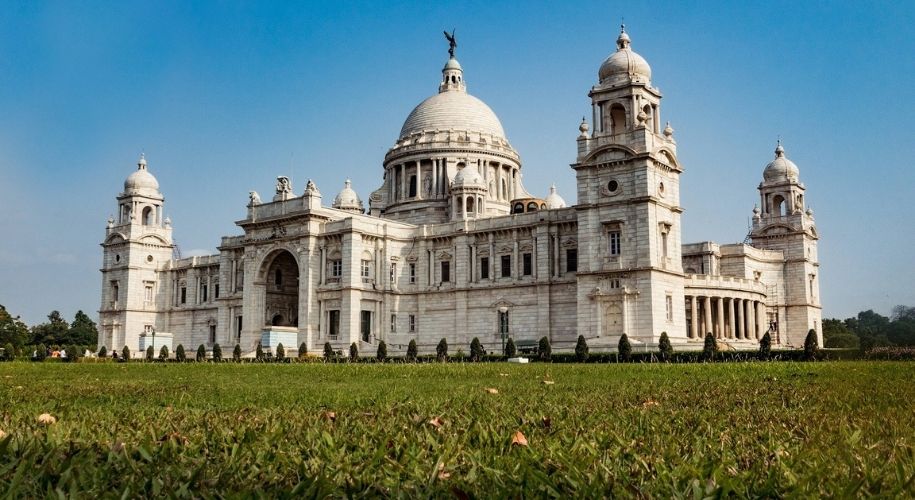
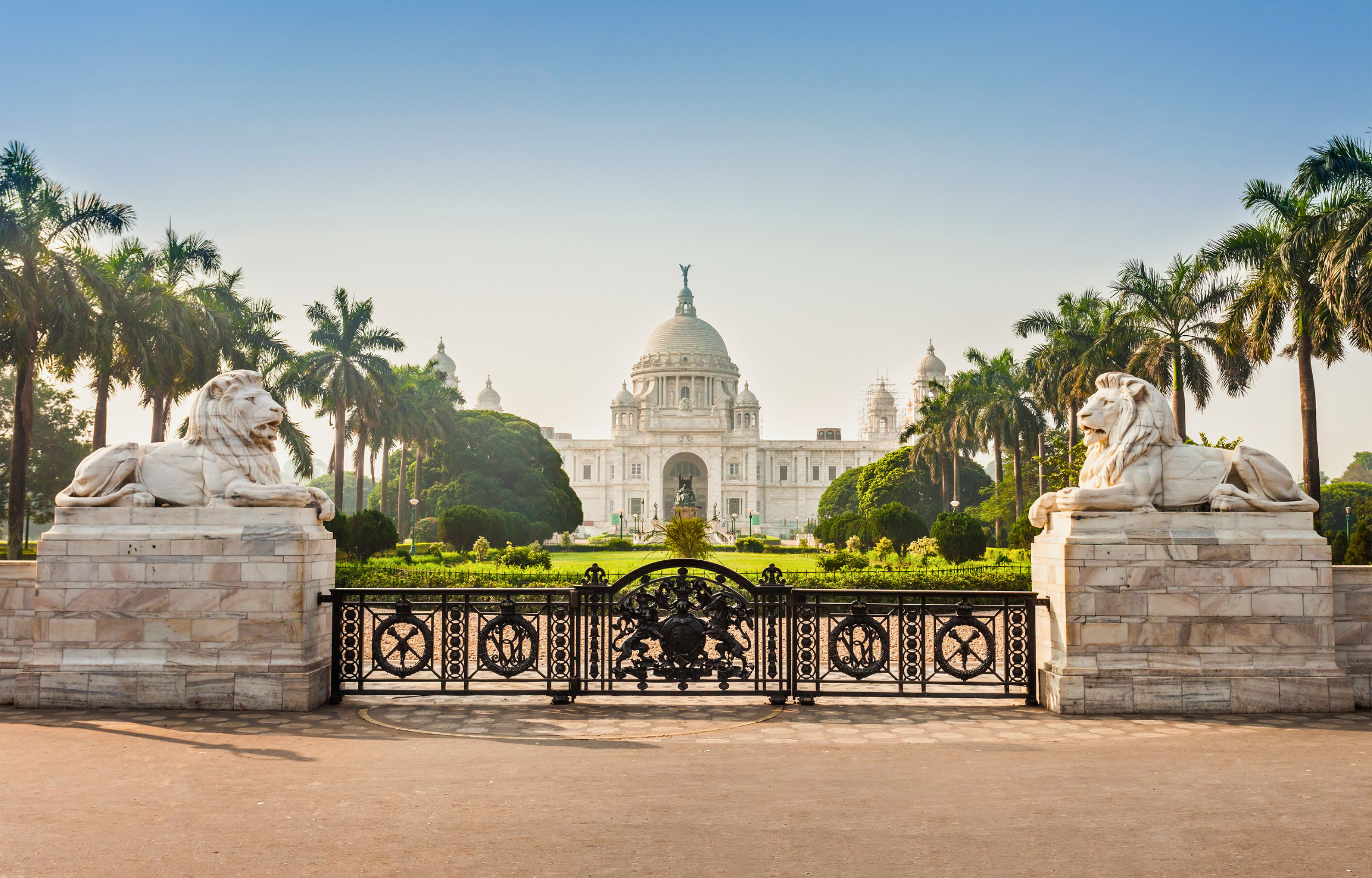
Victoria Memorial
A stunning white marble monument dedicated to Queen Victoria, the Victoria Memorial is a symbol of Kolkata's colonial past. It houses a museum with a rich collection of artifacts.
Historical/Architecture
2-3 hours
INR 20-100
Howrah Bridge
One of the busiest cantilever bridges in the world, the Howrah Bridge offers stunning views of the Hooghly River and the city skyline.
Architecture/Historical
1-2 hours
Free
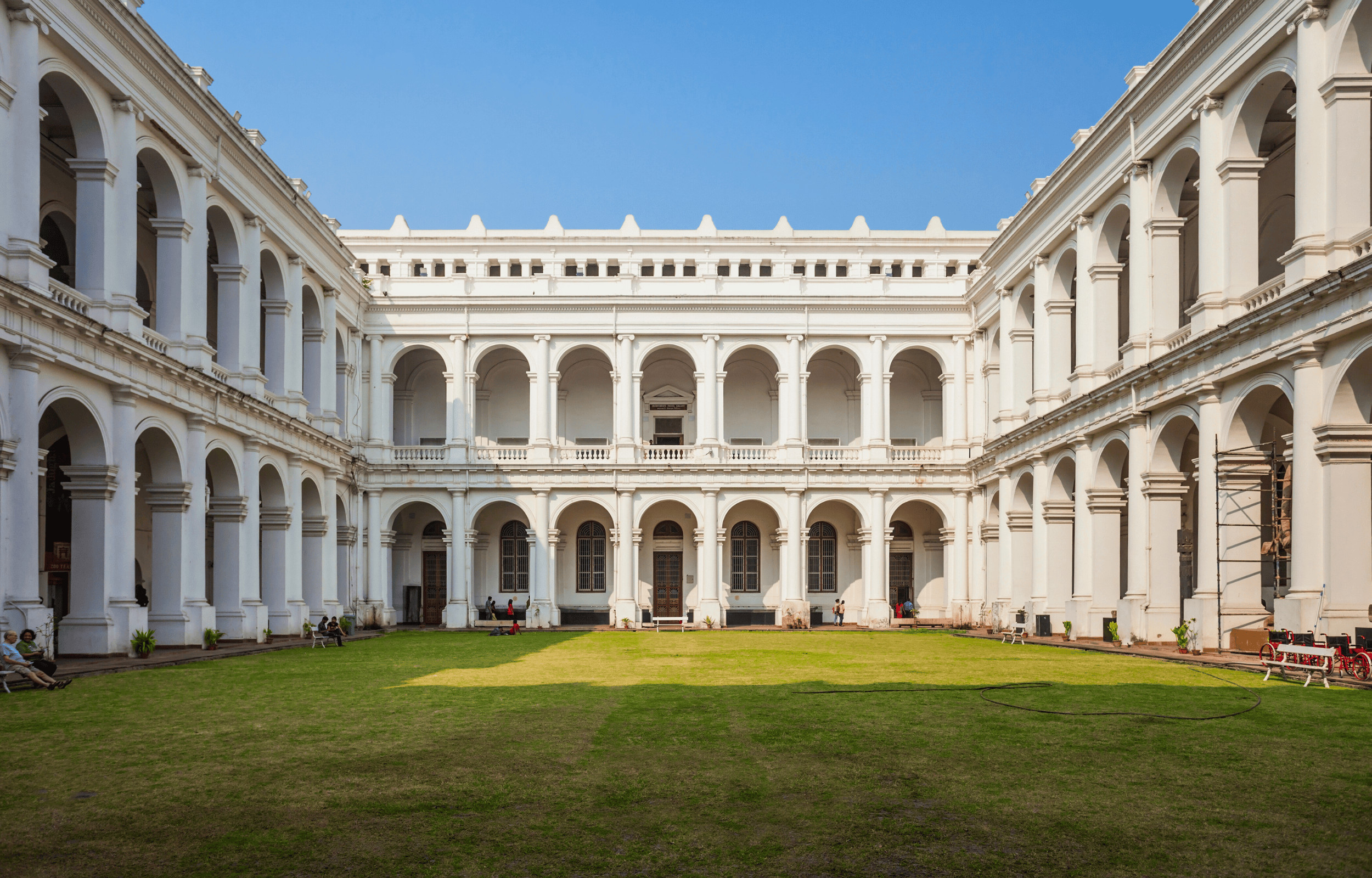
Indian Museum
The largest and oldest museum in India, the Indian Museum houses a vast collection of artifacts, including ancient sculptures, fossils, and rare coins.
Museum
2-3 hours
INR 20-50
Belur Math
A serene and spiritual destination, Belur Math is the headquarters of the Ramakrishna Mission. It is known for its beautiful architecture and tranquil atmosphere.
Religious/Architecture
2-3 hours
Free
Eden Gardens
One of the largest and oldest cricket stadiums in India, Eden Gardens is a must-visit for cricket enthusiasts. It is also a beautiful park with lush greenery and a peaceful ambiance.
Nature
1-2 hours
INR 10-100 (depending on the event)
Must-Try Local Dishes
Rasgulla
A popular Bengali sweet made from chenna (fresh cheese curds) and soaked in sugar syrup. It is soft, spongy, and has a distinct flavor.
Dessert
Vegetarian
Rolla
A sweet roll made from chenna, similar to rasgulla but rolled into a cylindrical shape and coated with coconut shavings. It is a popular sweet during festivals.
Dessert
Vegetarian
Sandesh
A sweet made from chenna and flavored with various ingredients like pistachios, coconut, or rose water. It is a popular sweet in Bengal and comes in various shapes and sizes.
Dessert
Vegetarian
Machher Jhol
A traditional Bengali fish curry made with fresh fish, potatoes, and a variety of spices. It is usually served with rice and is a staple in Bengali cuisine.
Main Course
Contains fish
Popular Activities
Boat safaris in the Sundarbans
Trekking in the Eastern Himalayas
Parasailing at the Ganges River
Spa treatments at luxury hotels
Yoga and meditation classes
Strolling through the gardens of Belur Math
Visiting the museums and art galleries
Attending classical music and dance performances
Best Time to Visit
October to February
This is the best time to visit Kolkata as the weather is pleasant and ideal for sightseeing. The city hosts several festivals during this period, including the famous Durga Puja.
15°C to 30°C
59°F to 86°F
Practical Information
Language
- Official: Bengali
- Widely spoken: English, Hindi
- English: Widely spoken in tourist areas and among the educated population
Currency
Indian Rupee (INR)
Time Zone
GMT+5:30
Electricity
230VV, 50HzHz
Safety Information
Overall Safety Rating: Exercise caution
Kolkata is generally safe for travelers, but it is advisable to exercise caution, especially in crowded areas and at night. Petty crime, such as pickpocketing and scams, can occur, so it is important to stay vigilant and take necessary precautions.
Important Precautions:
- • Use reputable transportation services
- • Avoid walking alone at night
- • Be cautious of your belongings in crowded areas
Getting there
By air
- Netaji Subhas Chandra Bose International Airport • 17 km from city center
By train
Howrah Junction, Sealdah Station
By bus
Esplanade Bus Terminus, Karunamoyee Bus Terminus
Getting around
Public transport
The Kolkata Metro is the oldest underground metro system in India. It is efficient and covers most parts of the city.
Taxis
Available • Apps: Uber, Ola
Rentals
Car, Bike, Scooter
Neighborhoods
Park Street
New Market
Ballygunge
Chowringhee
Day trips
Sundarbans National Park
100 km from Kolkata • Full day to overnight
A UNESCO World Heritage Site, the Sundarbans National Park is the largest mangrove forest in the world and is home to a wide variety of wildlife, including the Bengal tiger.
Dakshineswar Temple
20 km from Kolkata • Half day
A famous Hindu temple dedicated to the goddess Kali, the Dakshineswar Temple is known for its beautiful architecture and spiritual significance.
Shantiniketan
160 km from Kolkata • Full day
A small town known for its rich cultural heritage and as the former home of the famous poet Rabindranath Tagore. It is a UNESCO World Heritage Site and is known for its unique architecture, art, and music.
Festivals
Durga Puja • September/October (dates vary each year)
Kolkata International Film Festival • November/December (dates vary each year)
Christmas • December 25
Pro tips
- Visit the Victoria Memorial early in the morning to avoid crowds and enjoy the beautiful gardens
- Try the local street food, such as puchka (pani puri) and jhalmuri (spicy puffed rice), for an authentic culinary experience
- Explore the city's vibrant nightlife in areas like Park Street and New Market, but be cautious of your surroundings and belongings
- Use the metro for efficient and affordable transportation, especially during peak hours
- Book accommodations and transportation in advance, especially during peak seasons and festivals, such as Durga Puja
From $25
per person
Price varies by option
Secure booking
Free cancellation available
Instant confirmation