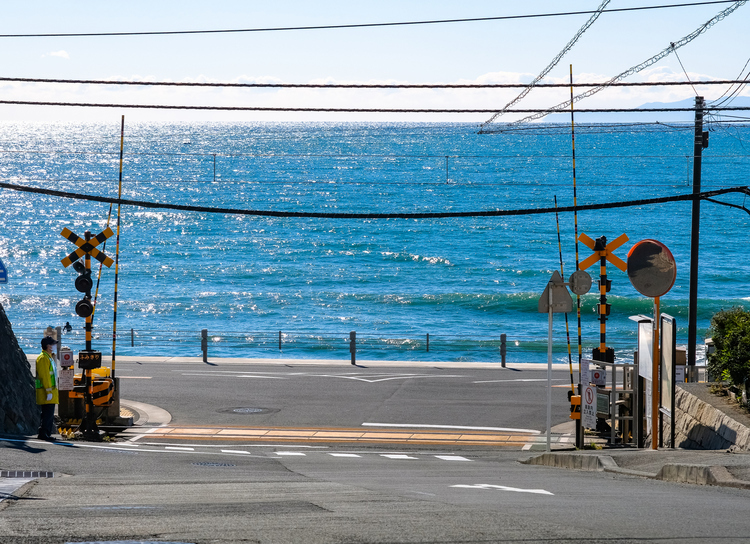
Tour in Tsurugaoka Hachimangū, Hasedera Temple and Great Buddha
Active
3h
For a full refund, cancel at least 24 hours before the scheduled departure time.
Instant confirmation
Mobile or paper ticket accepted
About this experience
Explore the serene beauty of Kamakura, starting at the vibrant Kamakura Station, where the scent of roasted sweet potatoes and senbei crackers fills the air. Visit the majestic Tsurugaoka Hachimangū Shrine, with its impressive stone pathway and serene Genpei Ponds. Stroll along the historic Wakamiya Ōji avenue, experiencing seasonal changes in its landscape, and discover local crafts and treats. The tour includes a visit to Hasedera Temple with its stunning views and the iconic Great Buddha of Kamakura, a symbol of enduring tranquility. Your guide provides insights into the rich history and culture of this historic city, ensuring a memorable experience.
- Visit Tsurugaoka Hachimangū Shrine and its scenic surroundings
- Walk along the historic Wakamiya Ōji avenue, lined with charming shops
- Explore Hasedera Temple and enjoy panoramic views of Kamakura
- Witness the Great Buddha of Kamakura, a timeless icon of peace
Available options
Tour in Tsurugaoka Hachimangū, Hasedera Temple and Great Buddha
What's included
Expert local guide sharing Kamakura’s history and stories Guided walking route.
Detailed itinerary
1
Tsurugaoka Hachimangū is the beating heart of Kamakura’s samurai history, a shrine first founded in 1063 and later transformed by Minamoto no Yoritomo, the warrior who established Japan’s first shogunate. Rising at the end of a long, regal approach, the shrine was designed as both a place of worship and a symbol of power—its vermilion halls standing boldly above the city like a declaration of authority. The Genpei Ponds whisper of ancient battles, their shapes said to honor victory and defeat in the Genpei War. The steep staircase leading to the main hall once carried armored warriors, noble families, and messengers racing through the dawn. Even today, the clang of a bronze bell or the crack of an archer’s arrow during a festival can make the past feel startlingly alive. Within these grounds, surrounded by towering pines and sweeping views, you can still feel the presence of the samurai and the beginnings of medieval Japan taking shape.
2
Toshimaya is a long‑established confectionery shop in Kamakura, widely loved for its signature Hato Sablé — a buttery, dove‑shaped cookie that has become an iconic souvenir.
3
Stop 3
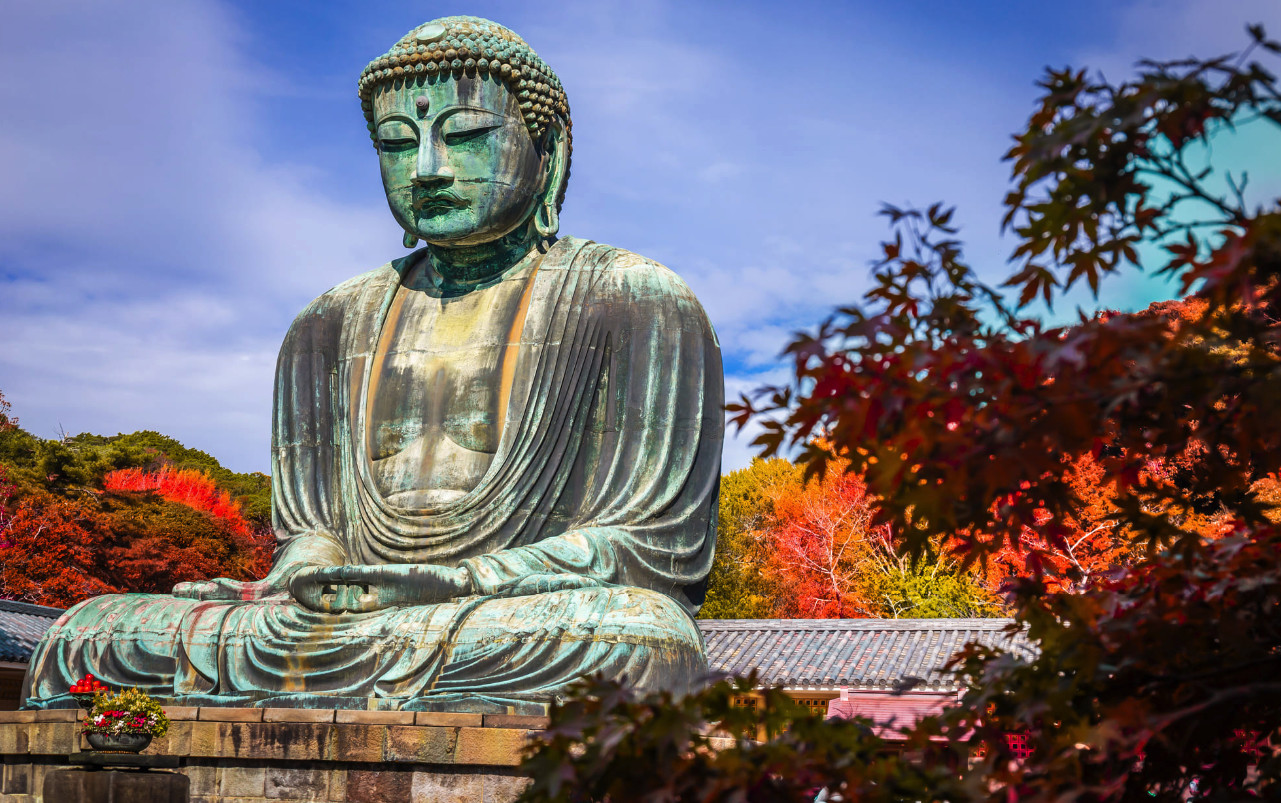
The Great Buddha of Kamakura, or Kōtoku-in, is an enduring symbol of Japan’s spiritual and artistic heritage. Cast in bronze in 1252, this monumental statue stands over 13 meters tall and has weathered centuries of typhoons, earthquakes, and fires that destroyed its original wooden hall. Seated in serene meditation beneath the open sky, the Daibutsu exudes a calm presence that draws visitors into quiet reflection. Its hands, carefully positioned in the gesture of enlightenment, and the gentle, contemplative expression on its face embody the peaceful resolve of Buddhism. Walking around the statue, you can see intricate details—folded robes, delicate curls of hair, and the subtle weight of centuries etched into bronze. The Great Buddha invites travelers to experience a sense of scale, stillness, and history all at once, a place where the past is tangible and the human spirit feels both humbled and inspired.
4
Hasedera Temple in Kamakura is a serene sanctuary perched on a hillside overlooking the city and the Pacific Ocean. Famous for its Eleven-Headed Kannon, the goddess of mercy, the temple is a pilgrimage site that has inspired visitors for centuries. As you wander its moss-covered paths and tranquil gardens, countless stone Jizō statues line the walkways, each quietly watching over travelers with compassionate presence. Seasonal flowers—vivid hydrangeas in summer, cherry blossoms in spring—add fleeting bursts of color, while the gentle rustle of trees and distant sea breeze create a meditative soundtrack. From the main hall’s elevated veranda, sweeping panoramic views reveal Kamakura’s rooftops, mountains, and the glimmering coastline. Every step through Hasedera invites reflection, connecting the natural beauty, spiritual devotion, and centuries of history that make this temple one of Kamakura’s most treasured site
What's not included
Kamakura Daibutsu and Hasedera Temple
Enoden Line to Hase Sation from Kamakura
Available languages
Guide guide
EN
Important information
Service animals allowed
Public transportation options are available nearby
Not recommended for travelers with poor cardiovascular health
Suitable for all physical fitness levels
Meeting point
Kamakura East Exit
About Kamakura
Kamakura is a historic city known as the ancient capital of Japan, rich in Buddhist temples, Shinto shrines, and traditional architecture. Its coastal location and scenic beauty make it a popular destination for both cultural and nature lovers.
Top Attractions
Tsuruoka Hachimangu Shrine
A significant Shinto shrine dedicated to the deity Hachiman, known for its beautiful architecture and cultural significance.
Religious
1-2 hours
Free (donations appreciated)
Kotoku-in (Great Buddha of Kamakura)
Home to a massive bronze statue of Amida Buddha, one of Kamakura's most iconic landmarks.
Historical
1-2 hours
Free (donations appreciated)
Komachi-dori
A bustling street filled with traditional shops, restaurants, and souvenir stalls.
Cultural
1-2 hours
Free to explore
Hasedera Temple
A beautiful temple complex with stunning ocean views and a history dating back to the 8th century.
Religious
1-2 hours
Free (donations appreciated)
Zeniarai Benten Shrine
A unique shrine where visitors can wash money for good fortune, located in a serene forested area.
Religious
30-60 minutes
Free (donations appreciated)
Kamakura Beach
A popular beach for swimming, sunbathing, and water sports, offering beautiful ocean views.
Nature
2-3 hours
Free (rentals available)
Must-Try Local Dishes
Shirasu Don
A bowl of rice topped with fresh whitebait, a local delicacy.
Lunch/Dinner
Contains fish
Kamaboko
Fish cakes with various shapes and flavors, often served as a snack or part of a larger meal.
Snack
Contains fish
Houtou
A hearty vegetable and noodle soup, often made with local produce.
Dinner
Vegetarian options available
Matcha Sweets
Traditional sweets made with matcha (green tea), a specialty of the region.
Dessert
Vegetarian
Popular Activities
Hiking in the surrounding hills
Beach activities
Onsen (hot spring) visits
Scenic walks
Temple and shrine visits
Traditional crafts workshops
Swimming
Surfing
Best Time to Visit
April (cherry blossom season), November (autumn foliage)
These periods offer the most pleasant weather and stunning natural scenery, attracting large crowds of tourists.
15-25°C (April), 10-20°C (November)
59-77°F (April), 50-68°F (November)
Practical Information
Language
- Official: Japanese
- Widely spoken: English (limited)
- English: Limited
Currency
Japanese Yen (JPY)
Time Zone
JST (GMT+9)
Electricity
100VV, 50/60HzHz
Safety Information
Overall Safety Rating: Very safe
Kamakura is a very safe destination with low crime rates. However, standard precautions should be taken to ensure a safe and enjoyable trip.
Important Precautions:
- • Keep valuables secure in crowded areas.
- • Use licensed taxis or ride-sharing services.
- • Be cautious of your surroundings at night, especially in less touristy areas.
Getting there
By air
- Haneda Airport • 50 km from Kamakura
- Narita Airport • 100 km from Kamakura
By train
Kamakura Station
By bus
Kamakura Station Bus Terminal
Getting around
Public transport
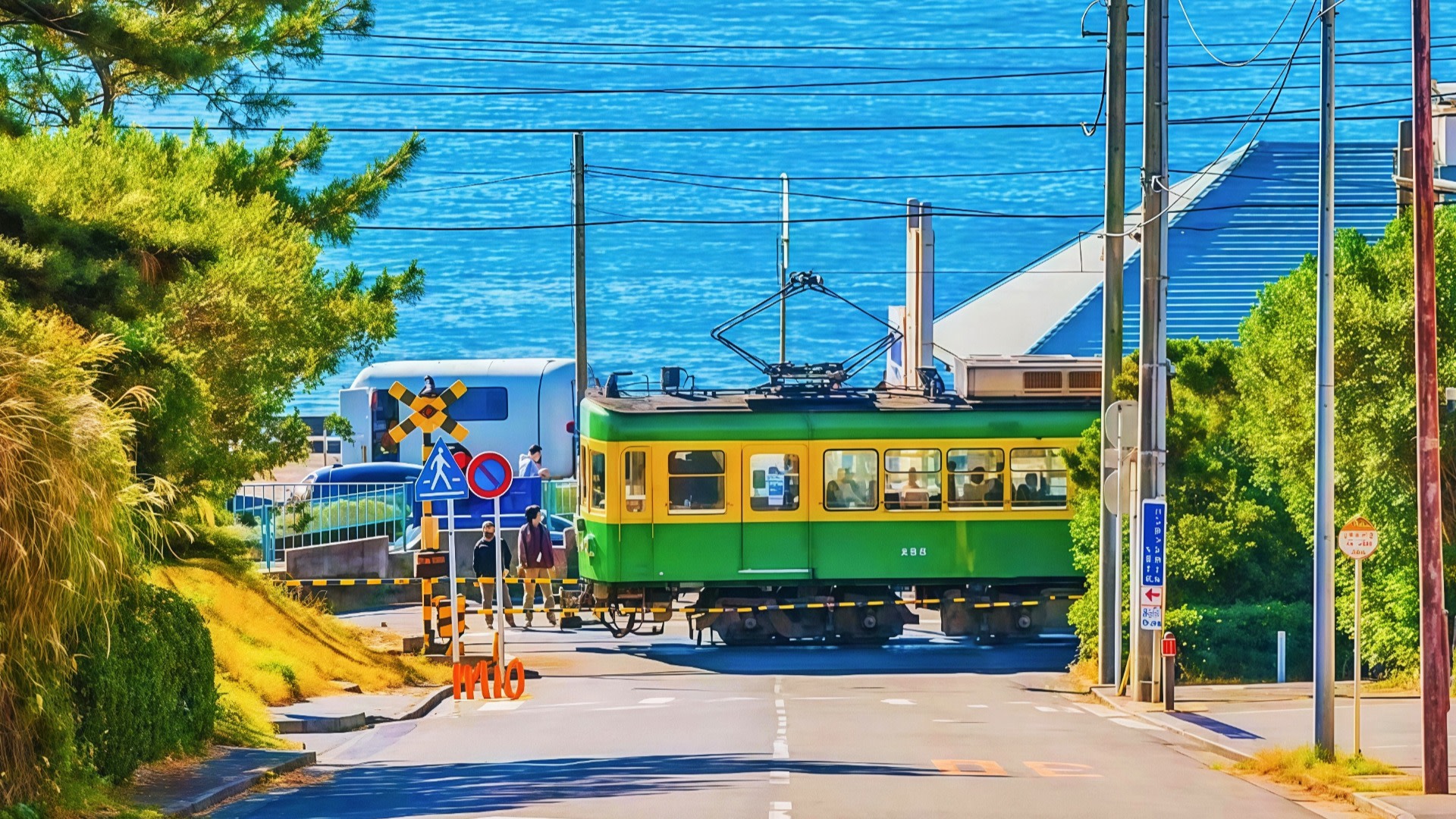
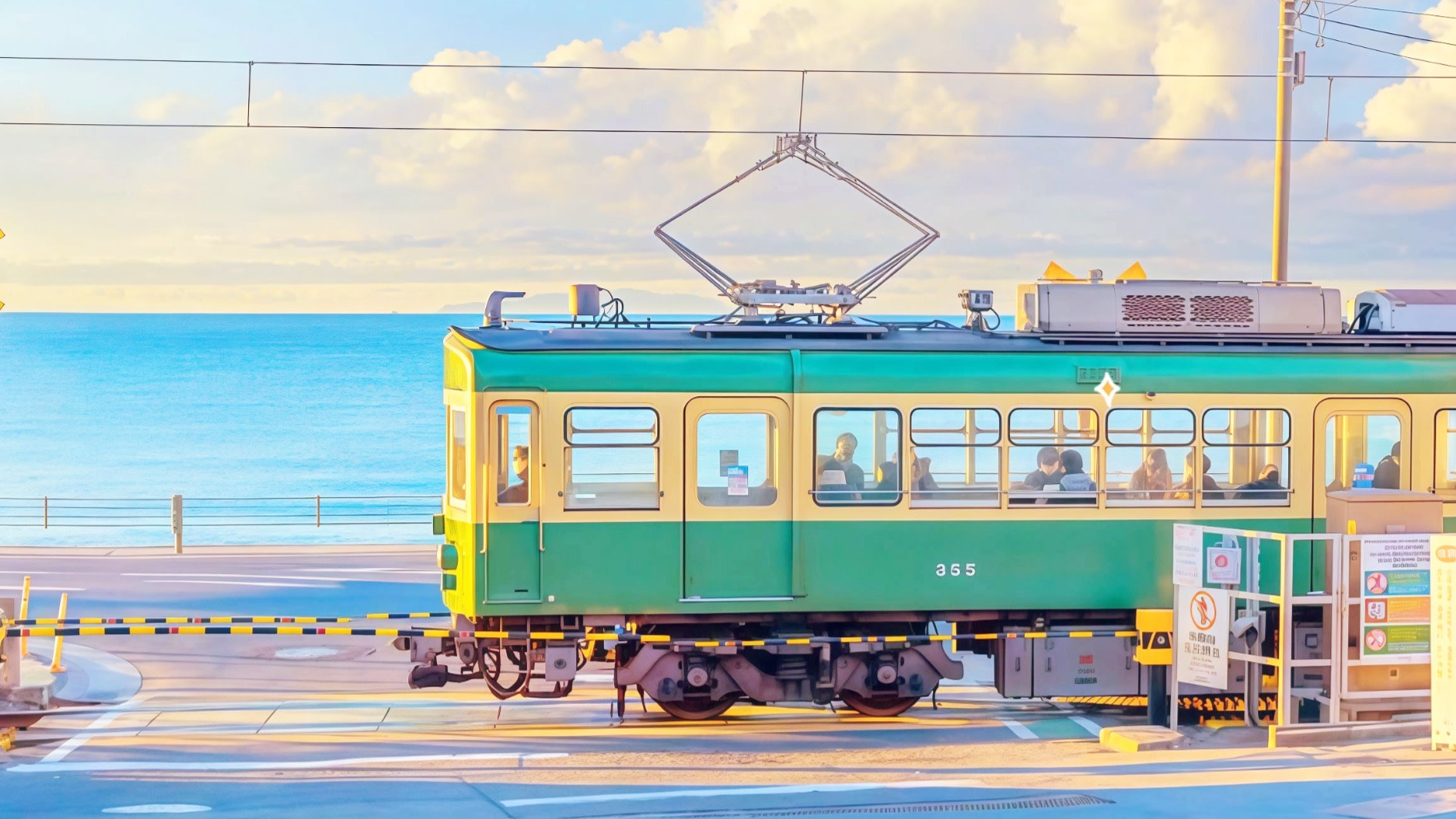
The JR Yokosuka Line connects Kamakura to Tokyo and Yokohama, while the Enoden Line offers a scenic route along the coast.
Taxis
Available • Apps: JapanTaxi, Uber
Rentals
Car, Bike, Scooter
Neighborhoods
Komachi-dori
Hase
Yuigahama
Zaimokuza
Day trips
Enoshima Island
10 km from Kamakura • Half day
A small island known for its scenic views, shrines, and caves, offering a mix of nature and culture.
Yokohama
30 km from Kamakura • Full day
A major city with a rich history, known for its Chinatown, museums, and waterfront attractions.
Hakone
50 km from Kamakura • Full day or overnight
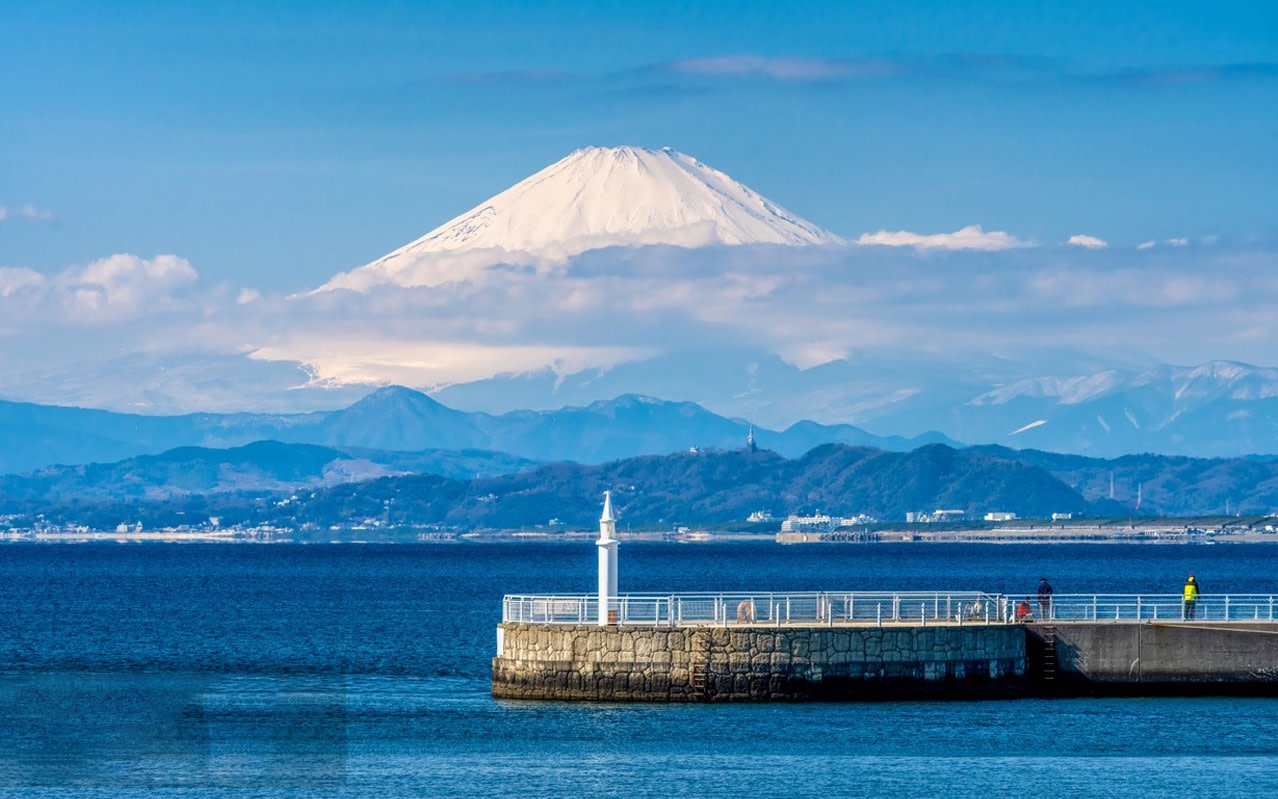
A scenic onsen (hot spring) town known for its views of Mount Fuji, traditional ryokan (inns), and hot springs.
Festivals
Kamakura Festival • April (specific dates vary)
Tsurugaoka Hachimangu Reitaisai • September 14-15
Great Buddha Festival • December (specific dates vary)
Pro tips
- Visit the Great Buddha early in the morning to avoid crowds.
- Explore the Enoden Line for a scenic and historic tram ride along the coast.
- Try local specialties like shirasu (whitebait) and kamaboko (fish cakes).
- Combine a visit to Kamakura with a day trip to nearby Enoshima or Hakone.
- Carry cash for small purchases and local markets, as not all places accept cards.
From $25
per person
Price varies by option
Secure booking
Free cancellation available
Instant confirmation


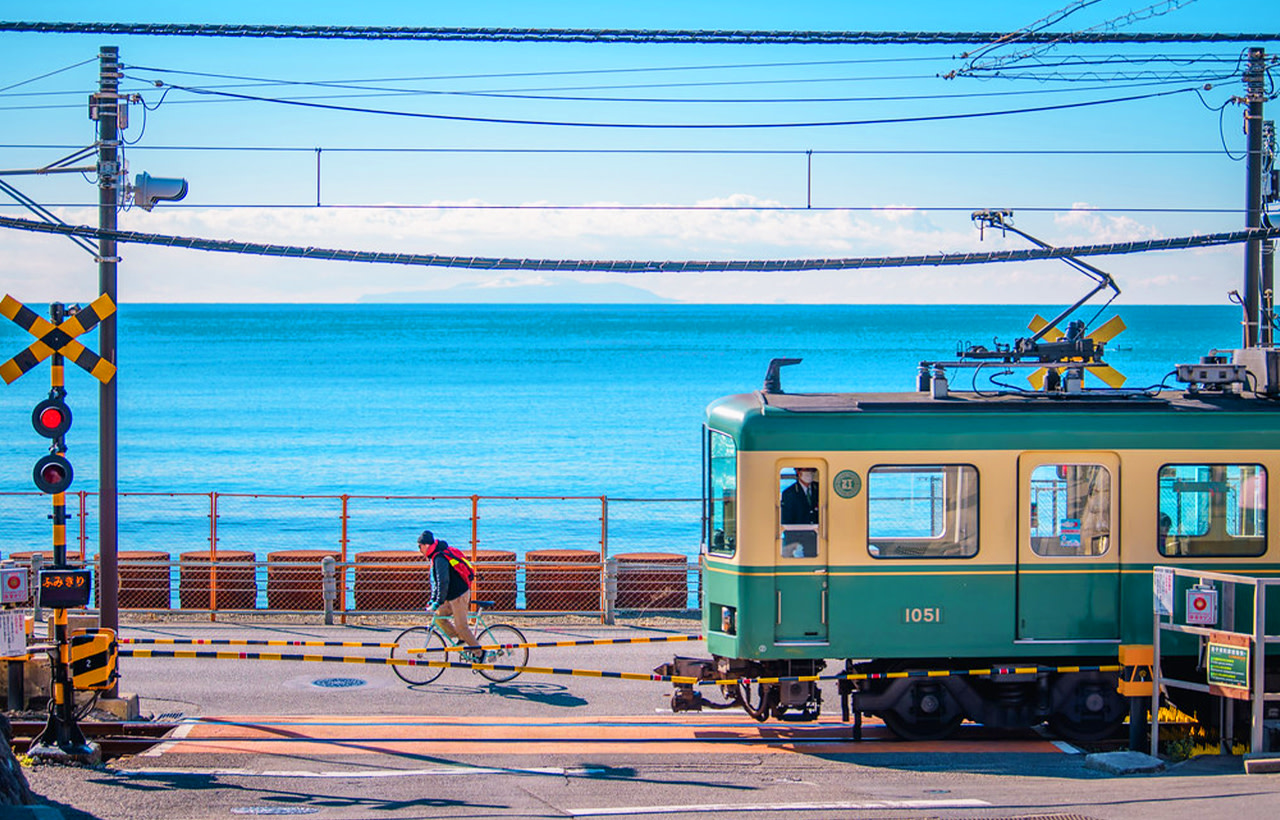
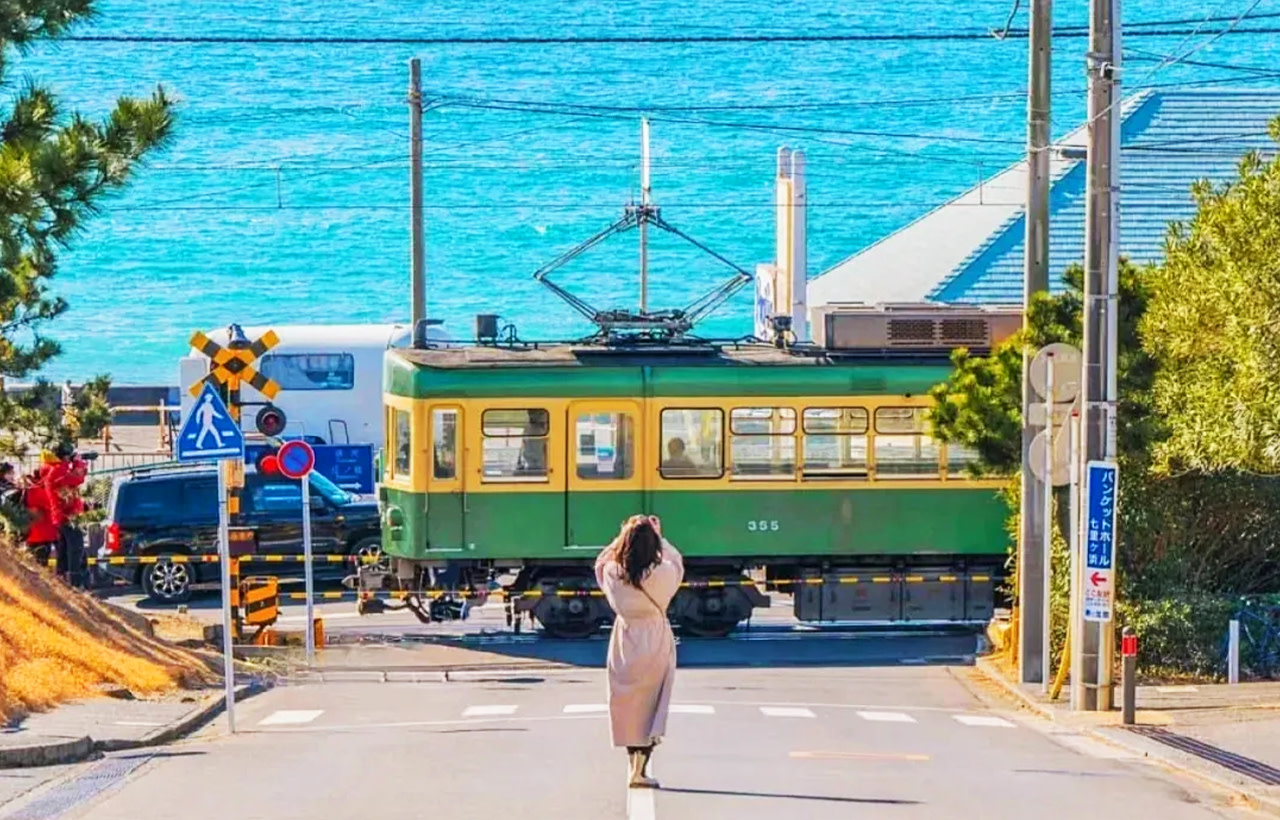
![[Kamakura | Tram Experience] Kamakura Great Buddha & Kamakura Tram Experience & Kamakura High School & Enoshima & Tsurugaoka Hachimangu Shrine & Komachi Street Tokyo-Kamakura Day Trip (From Tokyo)](https://res.klook.com/image/upload/activities/zkjn1owdsbswo6geschc.jpg)
![[Kamakura & Yokohama | Includes Train Experience] Enoshima & Kamakura High School & Tsurugaoka Hachimangu Shrine & Yokohama Night View Day Trip (From Tokyo)](https://res.klook.com/image/upload/activities/idam2nxflai8avgtrrcz.jpg)
![[World Heritage] Shirakawa-go Day Trip | Hida Takayama, Shirakawa-go Gassho Village in the World of Ghibli (Observation Deck Available) | Departure from Nagoya](https://res.klook.com/image/upload/activities/baoasd0a6w12tsktdre6.jpg)