Private Night Walk in Matsue Legends and Ghost Stories
Active
1h - 2h
For a full refund, cancel at least 24 hours before the scheduled departure time.
Manual confirmation
Mobile or paper ticket accepted
About this experience
Matsue is a peaceful waterfront castle town where lakes, rivers, and bridges create a gentle, dreamlike landscape. Once the sun sets, the streets grow calm, lanterns glow softly on the water, and the town’s long-told stories begin to feel alive.
Guided by locals who were born and raised here, you’ll wander through atmospheric alleys, historical shrines, and old bridges—each connected to myths, legends, or ghost tales passed down for generations. For us, folklore has always been part of daily life, and we are excited to share these stories in the places where they were born.
This experience is not a staged show or a haunted attraction. It is a slow, intimate walk through the real night scenery of a town untouched by overtourism, guided by people who deeply love their hometown.
Join us for a quiet, story-filled walk—where landscape and folklore blend gently into the night.
Available options
Private Night Walk in Matsue Legends and Ghost Stories
What's included
There are no admission fees for the places we visit during the tour.
Detailed itinerary
1
This shrine is the guardian of Matsue’s castle town and has protected the area since the 8th century, standing at its current location since the 13th century. Situated on the brackish shores of Lake Shinji, it has long been a place of worship for people who gave thanks for the blessings of water and fertile land. The shrine enshrines a deity of purification, and visitors can purchase salt—used in Japan as a symbol of purification—which can also be enjoyed in cooking or as bath salt.
2
You can listen to local legends and folktales from your guide while enjoying the beautiful twilight view of the lake, where small myth-shrouded islands float quietly on the water.
3
Free from overtourism, this town becomes quiet and atmospheric after dusk. As we stroll through the old shopping streets and cross historic bridges, your local guide will share the ghost stories and legends connected to each place.
4
You can stop by a beloved local sake shop, enjoy tastings while chatting with the owner, and even pick up some souvenirs. Non-alcoholic options like Amazake are also available, so everyone can enjoy the experience.
Please note: any stops at local bars or restaurants at the end of the tour may vary depending on guest preferences and the establishment’s schedule.
What's not included
Your guide can take you to local restaurants based on your preferences, but the cost of any food or drinks you order is not included in the tour price.
If we stop at any restaurants, cafés, or bars during the tour, the cost of food and drinks is not included in the tour price.
If we stop at any restaurants, cafés, or bars during the tour, the cost of food and drinks is not included in the tour price.
Available languages
Guide guide
JA
EN
Important information
Wheelchair accessible
Infants and small children can ride in a pram or stroller
Public transportation options are available nearby
Infants are required to sit on an adult’s lap
Transportation options are wheelchair accessible
All areas and surfaces are wheelchair accessible
Not recommended for travelers with poor cardiovascular health
Suitable for all physical fitness levels
Meeting point
We begin the tour briefing in the community space on the 3rd floor of Hotel SEN.
If you are staying at a hotel in the Matsue Castle Town area, we can meet you in your lobby and do the briefing there as well.
About Matsue
Matsue is a historic city in Shimane Prefecture, known for its beautifully preserved samurai-era castle, picturesque waterways, and rich cultural heritage. Often referred to as the 'Water City,' it offers a serene and charming atmosphere with numerous canals and lakes, making it a perfect destination for those seeking a blend of history, nature, and culture.
Top Attractions
Matsue Castle
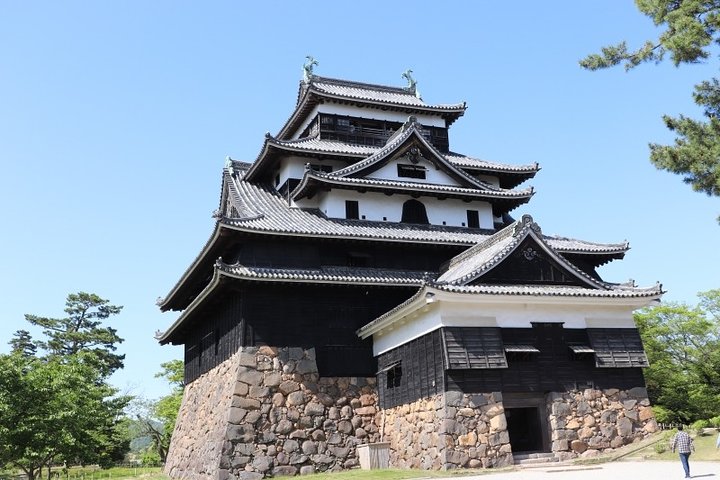
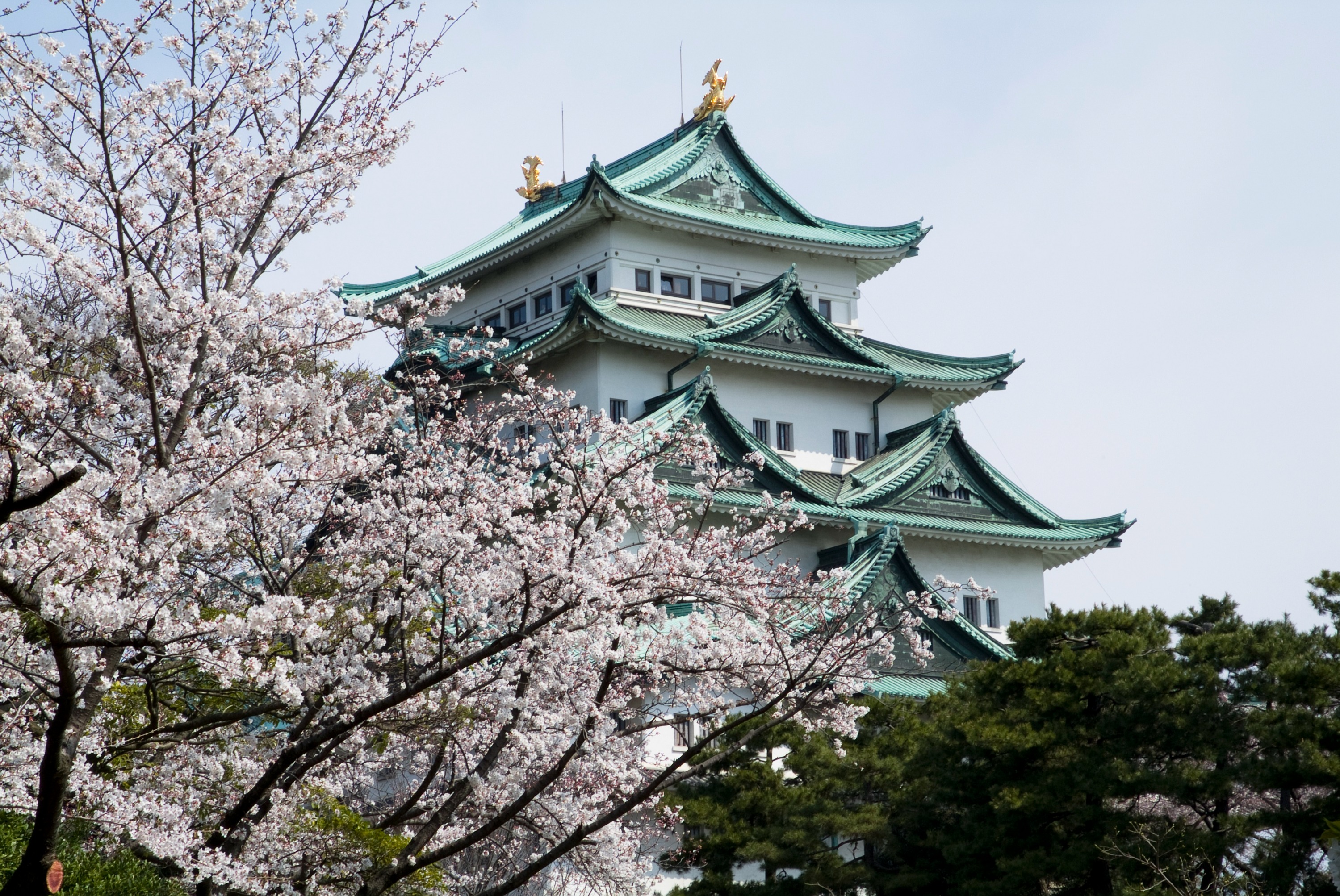
Matsue Castle, also known as the 'Plovers Castle,' is one of Japan's few remaining original castles. Built in the early 17th century, it offers stunning views of the city and surrounding landscapes, as well as a glimpse into Japan's samurai history.
Historical/Architecture
1-2 hours
¥550 (adults), ¥300 (children)
Adachi Museum of Art
The Adachi Museum of Art is renowned for its exceptional collection of Japanese paintings and its breathtaking gardens, which are considered among the best in Japan. The museum offers a serene and culturally rich experience.
Museum
2-3 hours
¥1,400 (adults), ¥800 (children)
Matsue Viscount Residence Garden
This beautiful garden was once part of the residence of the Matsudaira family, who ruled the Matsue domain during the Edo period. The garden features a traditional tea house, a pond, and a variety of seasonal flowers and plants.
Nature/Cultural
1 hour
¥300 (adults), ¥150 (children)
Lafcadio Hearn Memorial Museum
This museum is dedicated to Lafcadio Hearn, a 19th-century writer and journalist who wrote extensively about Japanese culture and folklore. The museum is located in his former residence and features exhibits on his life and work.
Historical/Cultural
30-45 minutes
Free
Matsue Canal Cruise
A canal cruise is a must-do activity in Matsue, offering a unique perspective on the city's waterways and historic sites. The cruises typically last about 30 minutes and provide insightful commentary on the city's history and culture.
Nature/Entertainment
30 minutes
¥1,000-¥1,500 (adults), ¥500-¥800 (children)
Must-Try Local Dishes
Iwagaki (Oyster) Dishes
Iwagaki, or rock oysters, are a specialty of Matsue and are often grilled, steamed, or served in hot pots. They are known for their rich and briny flavor.
Main course
Contains shellfish
Sake (Japanese Rice Wine)
Matsue is famous for its sake, with several local breweries producing high-quality rice wine. The city's water and climate are ideal for sake production, resulting in a variety of flavors and styles.
Drink
Contains alcohol
Matsuba Crab
Matsuba crab, also known as snow crab, is a delicacy in Matsue and is often served steamed or in hot pots. The crab is known for its sweet and delicate flavor.
Main course
Contains shellfish
Samurai Cuisine (Bushoku)
Samurai cuisine, or bushoku, is a traditional style of cooking that emphasizes simplicity, health, and nutrition. Dishes often feature seasonal vegetables, fish, and tofu, and are prepared in a way that preserves their natural flavors.
Main course
Can be adapted to various dietary restrictions
Popular Activities
Hiking in the Oki Islands
Kayaking in the canals
Cycling along the scenic routes
Canal cruises
Visiting gardens and parks
Enjoying traditional tea ceremonies
Visiting historic sites and museums
Participating in traditional crafts workshops
Best Time to Visit
April to May, October to November
Spring and autumn offer comfortable temperatures and beautiful scenery, with cherry blossoms in spring and vibrant foliage in autumn. These seasons are ideal for outdoor activities and sightseeing.
15-25°C (59-77°F)
59-77°F
Practical Information
Language
- Official: Japanese
- Widely spoken: English (limited)
- English: Limited
Currency
Japanese Yen (JPY)
Time Zone
Japan Standard Time (JST, GMT+9)
Electricity
100VV, 50/60HzHz
Safety Information
Overall Safety Rating: Very safe
Matsue is a very safe city with a low crime rate. Violent crime is rare, and petty crime, such as pickpocketing or theft, is uncommon. However, it is always important to take basic precautions to protect yourself and your belongings.
Important Precautions:
- • Use licensed taxis or ride-sharing apps
- • Keep valuables secure and out of sight
- • Be cautious when using ATMs, especially at night
Getting there
By air
- Izumo Airport • 20 km (12 miles) from Matsue
By train
Matsue Station
By bus
Matsue Bus Center
Getting around
Public transport
The bus system is the primary mode of public transportation in Matsue. Buses are punctual and cover most tourist attractions. Day passes are available for convenience.
Taxis
Available • Apps: JapanTaxi, Uber (limited availability)
Rentals
Car, Bike, Scooter
Neighborhoods
Central Matsue
Shinjincho
Yakushi
Day trips
Izumo Taisha
30 km (18 miles) from Matsue • Half day to full day
Izumo Taisha is one of Japan's most important and ancient Shinto shrines, dedicated to the god of nationhood and the patron of Izumo Province. The shrine is known for its massive wooden structure and beautiful surroundings.
Oki Islands
80 km (50 miles) from Matsue • Full day to overnight
The Oki Islands are a group of remote and scenic islands located in the Sea of Japan. The islands are known for their rugged landscapes, beautiful beaches, and unique cultural heritage. They offer a variety of outdoor activities, including hiking, diving, and kayaking.
Yasugi
20 km (12 miles) from Matsue • Half day to full day
Yasugi is a small town near Matsue known for its beautiful gardens, historic sites, and traditional crafts. The town is home to the Adachi Museum of Art and several other cultural attractions.
Festivals
Matsue Aji Festival • October (annual, specific dates vary)
Matsue Lantern Festival • August (annual, specific dates vary)
Matsue Castle Festival • April (annual, specific dates vary)
Pro tips
- Visit Matsue Castle early in the morning or late in the afternoon to avoid crowds and enjoy the best lighting for photos
- Explore the city's canals by renting a bicycle or taking a canal cruise for a unique perspective on Matsue's historic sites and waterways
- Try local specialties, such as Iwagaki (rock oysters) and Matsuba crab, at specialized restaurants or the Matsue Morning Market
- Participate in a traditional tea ceremony or samurai experience workshop for a deeper understanding of Matsue's cultural heritage
- Visit nearby attractions, such as Izumo Taisha or the Oki Islands, for a more comprehensive and immersive experience in the region
From $25
per person
Price varies by option
Secure booking
Free cancellation available