Grand Tour With Banteay Srei by Tuk Tuk with English Driver
Active
4h - 6h
For a full refund, cancel at least 24 hours before the scheduled departure time.
Instant confirmation
Mobile or paper ticket accepted
About this experience
Explore the wonders of Angkor’s outer temples on a private Grand Tour with Banteay Srei by tuk-tuk, guided by an experienced English-speaking driver. This full-day journey takes you deeper into Cambodia’s ancient heritage as you visit remarkable temples such as Preah Khan, Neak Pean, Ta Som, East Mebon, and the intricately carved Banteay Srei, known as the “Citadel of the Women.”
Enjoy a comfortable and personalized experience with hotel pickup and drop-off, plus cold bottled water and refreshing cool towels to keep you comfortable throughout the day. Ideal for couples, friends, and small groups, this tour offers an unforgettable look at the artistry, mythology, and history of the Khmer Empire, all at your own pace in a classic local tuk-tuk.
- Private tuk-tuk tour with an English-speaking driver
- Visit Preah Khan, Neak Pean, Ta Som, East Mebon, Banteay Srei
- Includes hotel pickup and drop-off, bottled water & cool towels
- Duration: 4 to 6 hours, tailored to your group's pace
Available options
Grand Tour and Banteay Srei
Tuk Tuk<br/>Pickup included
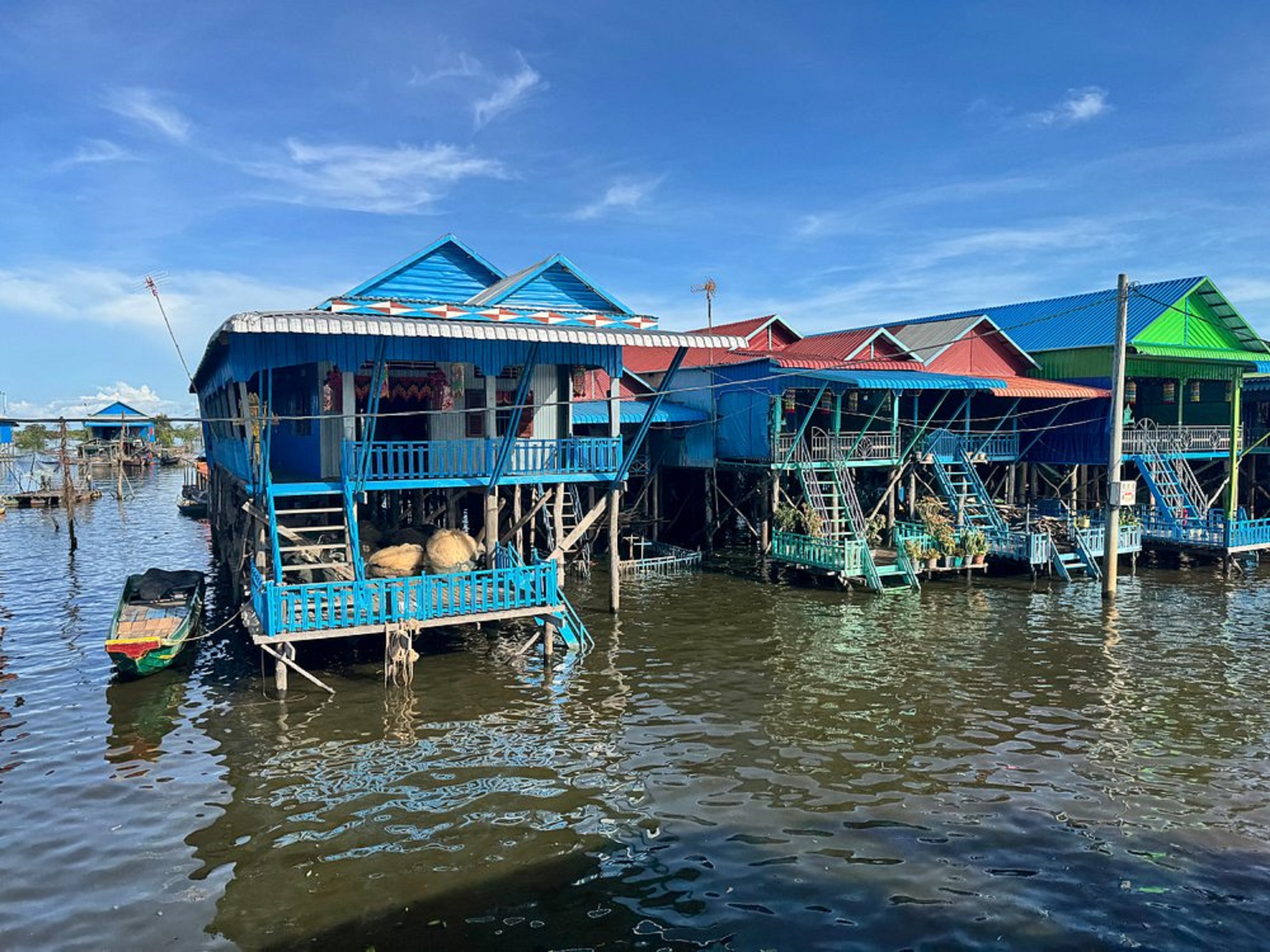
FullDayTour With Kampong Phluk
Sunset at Kampong Phluk<br/>Tuk Tuk<br/>Boat Trip to See Sunset<br/>Pickup included
What's included
Tuk Tuk with English Speaking Driver
Pick-up and Drop off from Hotels or Guest House
Bottles of Mineral Water & Cool Towel
Detailed itinerary
1
Stop 1
Preah Khan, meaning “Sacred Sword,” is one of Angkor’s most atmospheric and expansive temples. Built by King Jayavarman VII in the 12th century, it once served as a Buddhist monastery, university, and royal residence. Today, visitors can explore its long, maze-like corridors, impressive carved lintels, and towering trees growing through ancient walls. Unlike more restored temples, Preah Khan retains a mysterious, untouched feeling, offering guests a true glimpse into the grandeur and spiritual depth of the Khmer Empire.
2
Stop 2
Neak Pean is a unique and peaceful island temple built in the late 12th century by King Jayavarman VII. Designed as an ancient healing sanctuary, it features a central pond surrounded by four smaller pools, each representing the life-giving elements—earth, water, fire, and wind. Visitors walk along a long wooden bridge over a serene reservoir to reach the temple, making the approach just as memorable as the site itself. With its iconic statue of the horse Balaha and its tranquil setting, Neak Pean offers a glimpse into the Khmer belief in spiritual and physical healing.
3
Stop 3
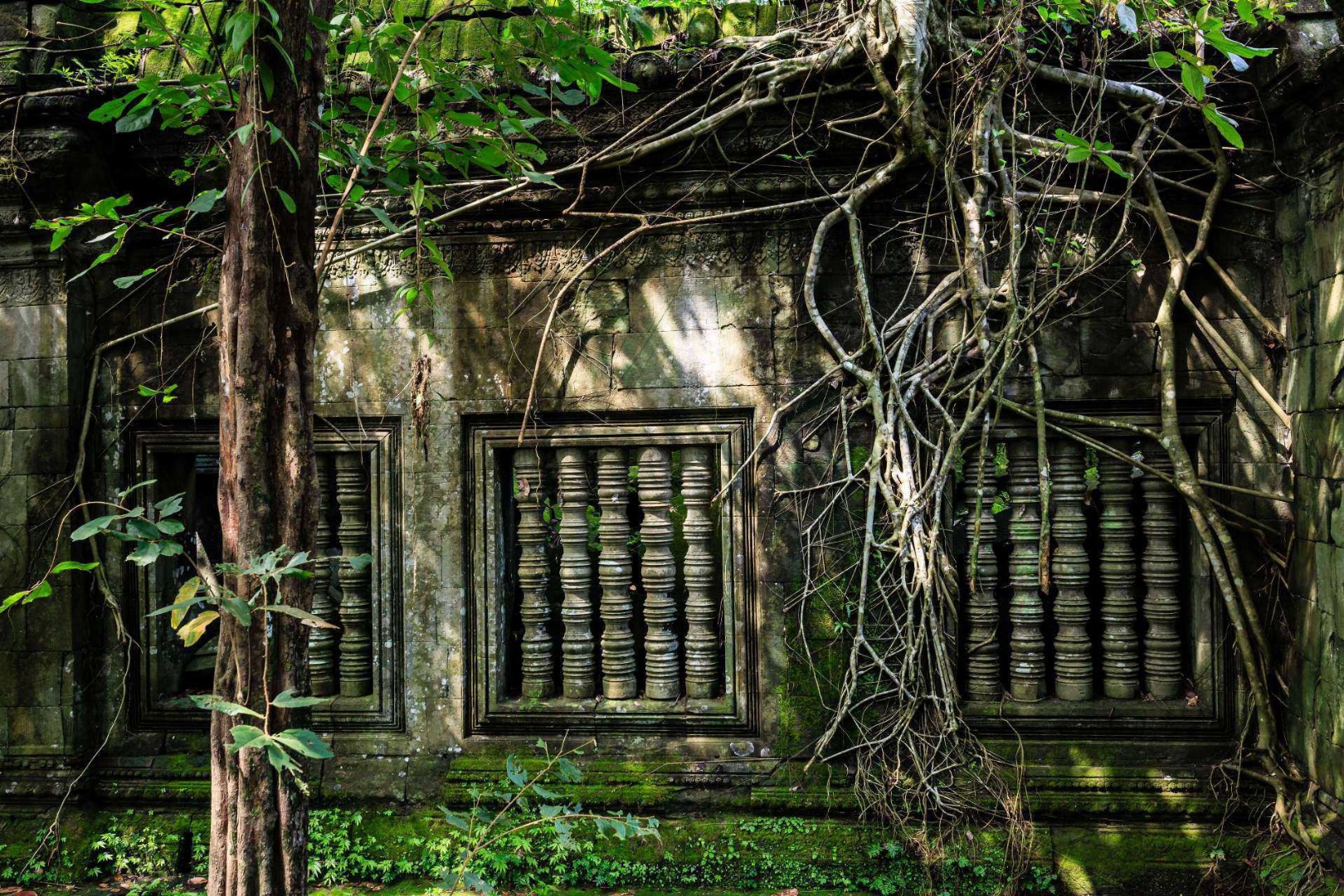
Ta Som is a charming 12th-century temple built by King Jayavarman VII and known for its peaceful atmosphere and beautiful tree-covered structures. Smaller than many other Angkor temples, it features classic Bayon-style towers, intricate carvings, and quiet courtyards ideal for exploration. The highlight of Ta Som is its stunning eastern gate, where a giant sacred tree dramatically wraps its roots around the ancient stone—creating one of the most photogenic spots in the Angkor complex. This serene temple offers visitors a relaxed and intimate look into the artistry of the Khmer Empire.
4
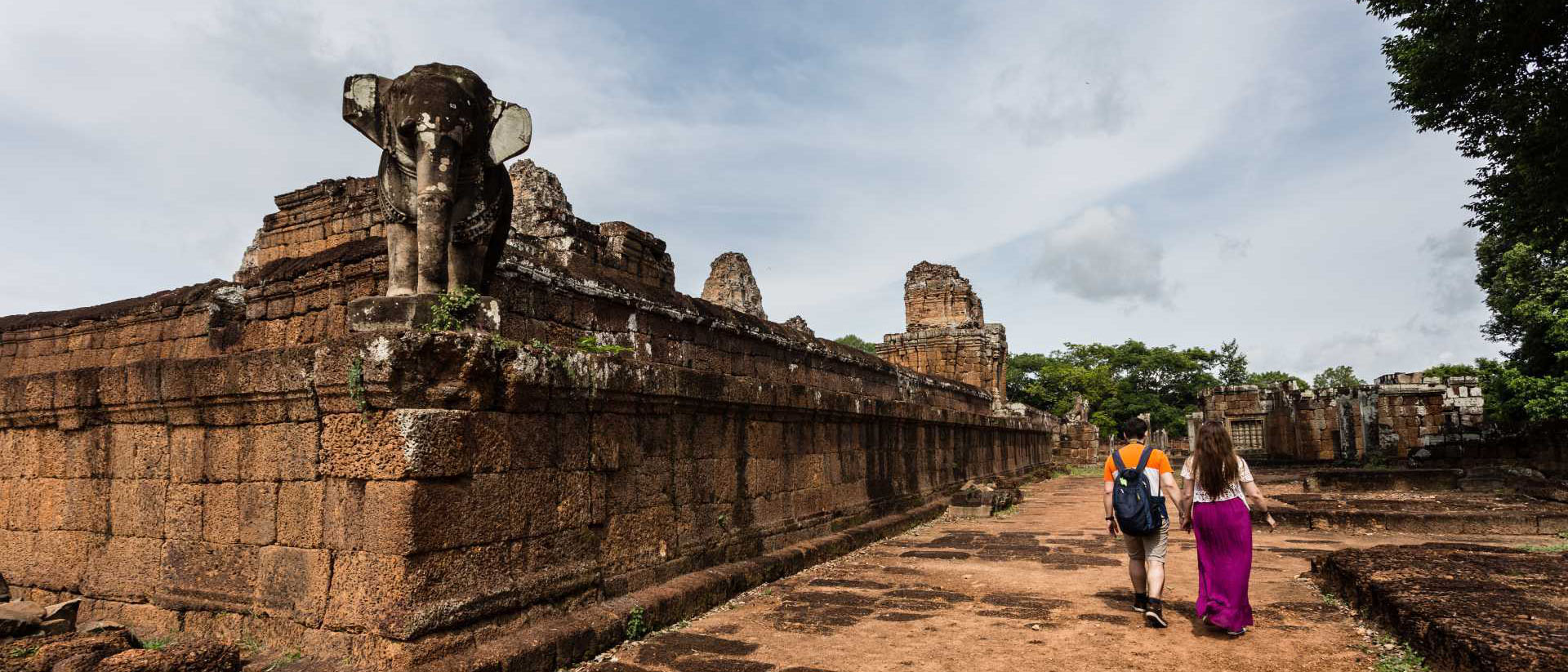
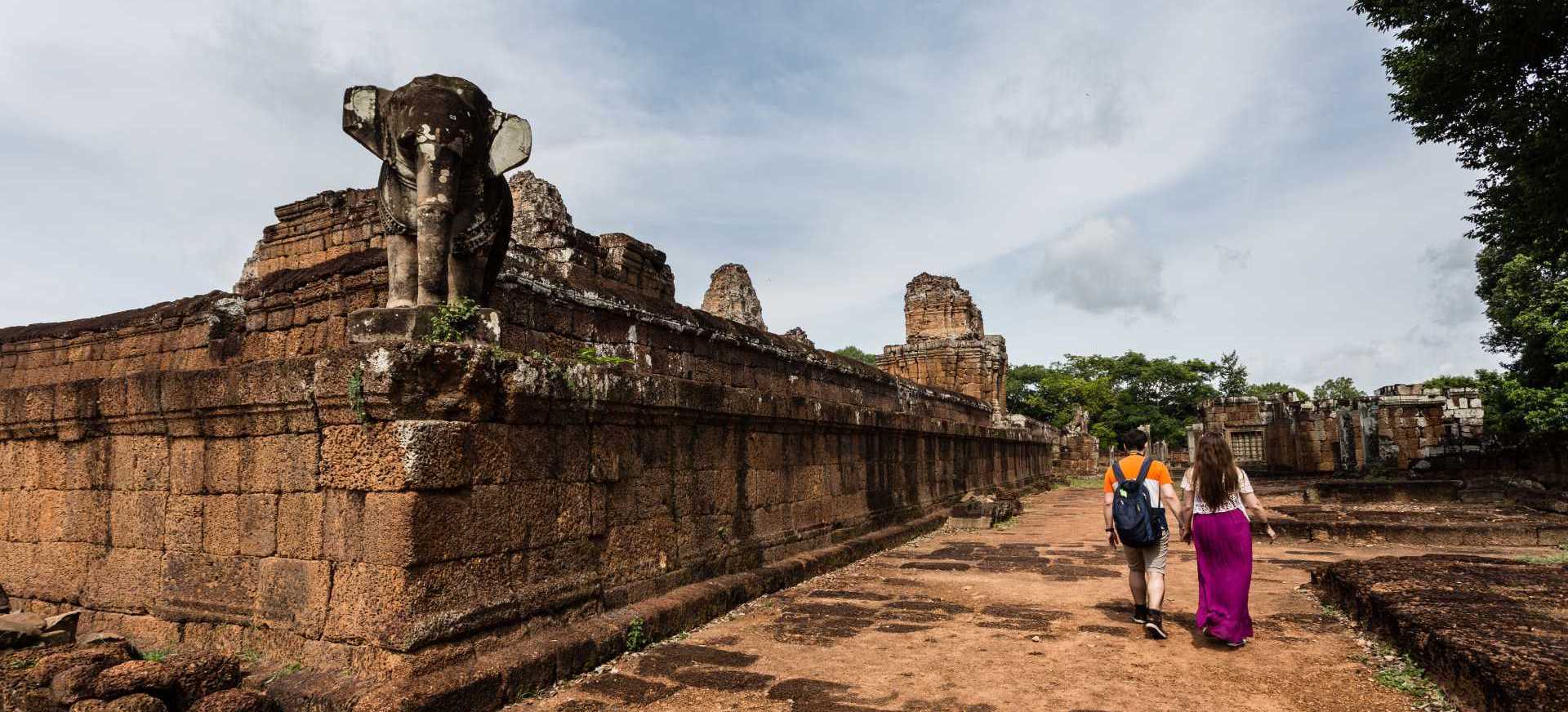
East Mebon is a striking 10th-century temple built during the reign of King Rajendravarman II. Originally constructed on an island in the middle of the now-dry East Baray reservoir, it once symbolized the king’s divine power rising above the sacred waters. The temple features three impressive tiers, elegant brick towers, and beautifully detailed carvings of animals, guardians, and celestial beings. Highlights include its famous stone elephant statues that stand majestically on the corners of the platforms. With its open layout and elevated views, East Mebon offers visitors a wonderful blend of history, architecture, and sweeping Angkor landscapes.
5
Stop 5
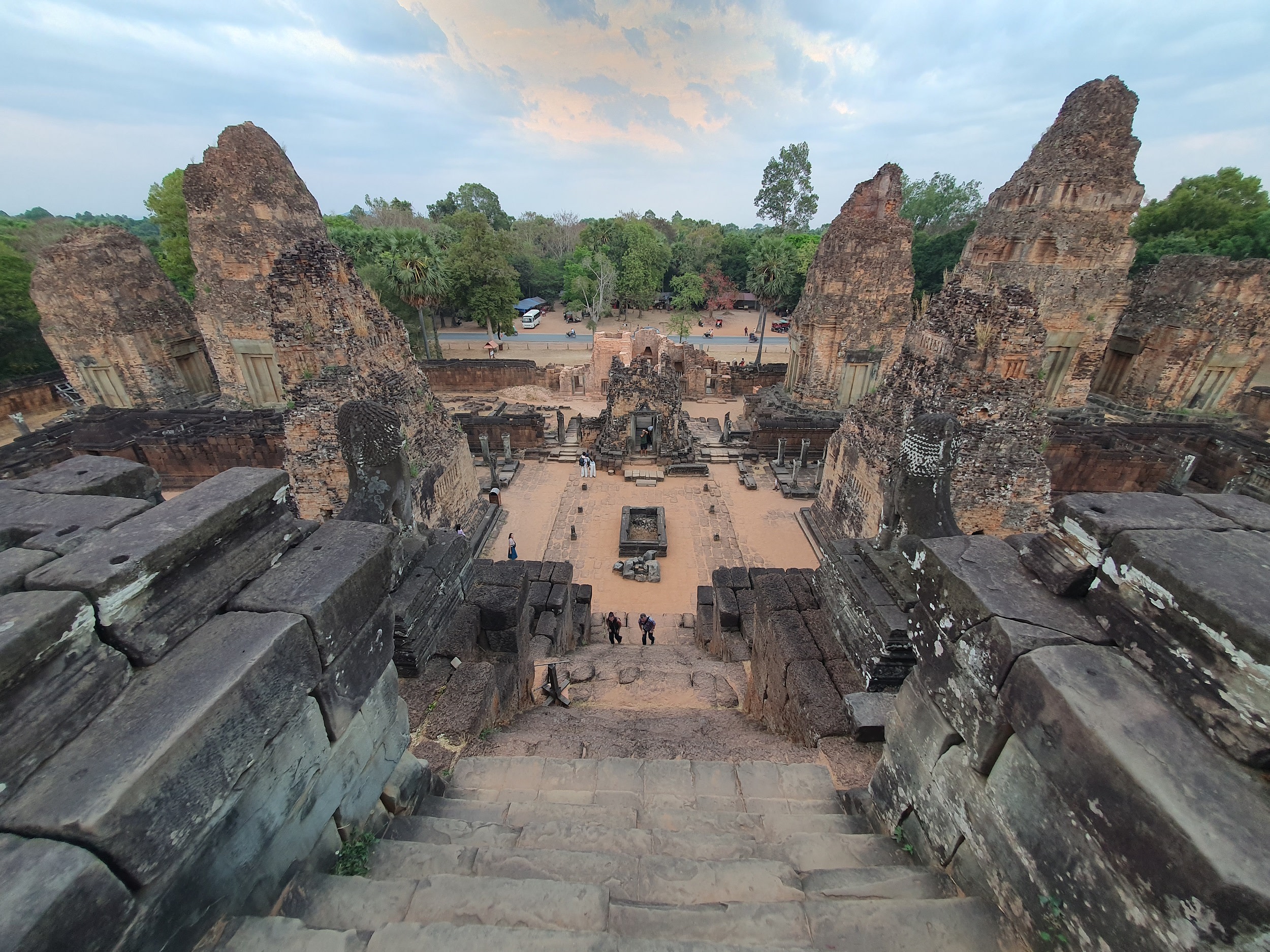
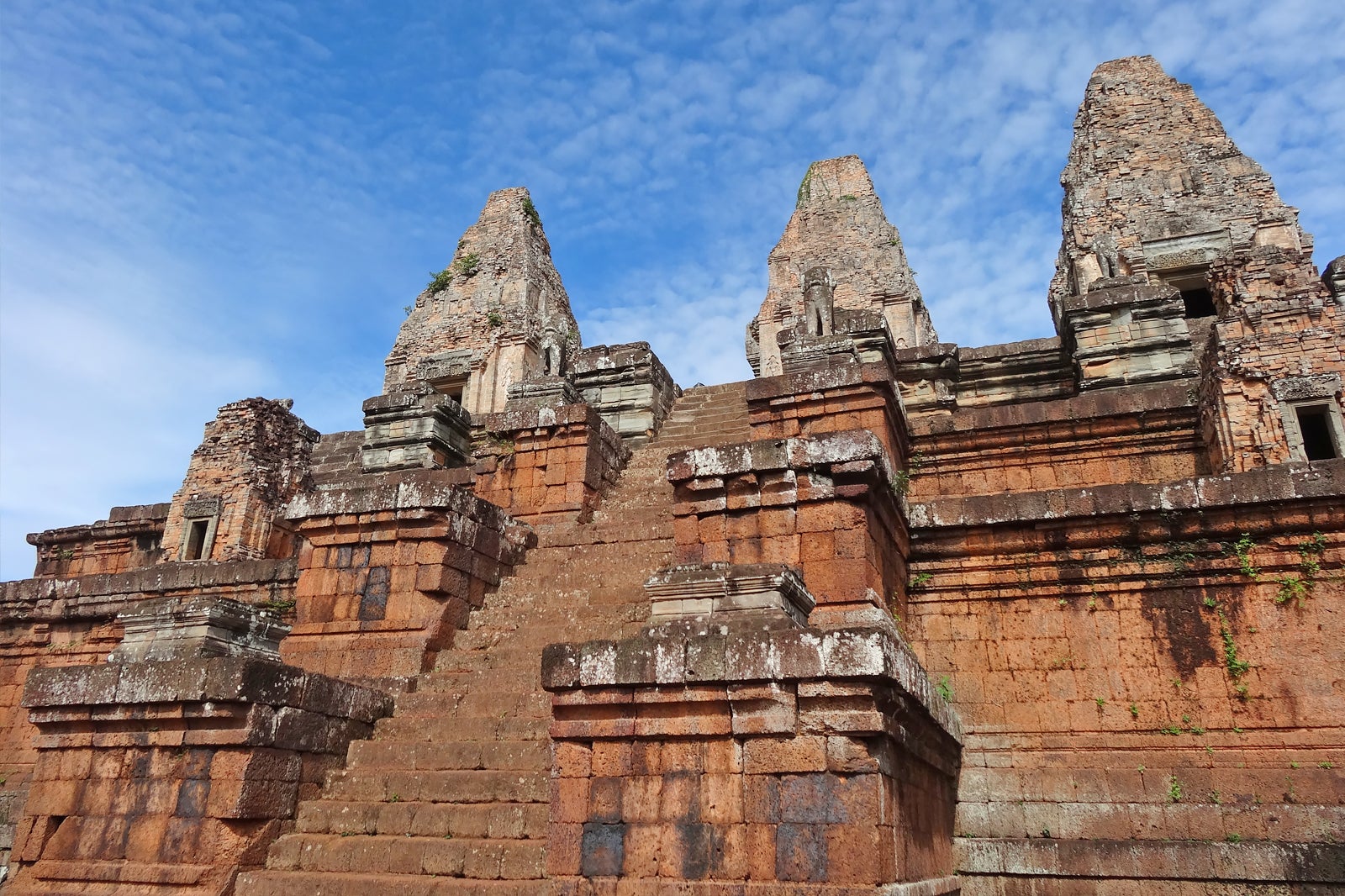
Pre Rup is a grand 10th-century temple mountain built by King Rajendravarman II and is believed to have served both religious and royal ceremonial purposes. Constructed from warm-hued laterite and sandstone, the temple features steep stairways leading up to a high central platform, symbolizing Mount Meru—the sacred center of the universe in Hindu mythology. Visitors will find beautifully carved lintels, elegant towers, and panoramic views of the surrounding jungle from the top. Known for its fiery colors at sunset, Pre Rup offers a majestic and historic stop on the Grand Tour circuit.
6
Stop 6
Banteay Srei, often called the “Citadel of the Women,” is one of Angkor’s most celebrated temples, renowned for its incredibly detailed and delicate carvings. Built in the 10th century from pink sandstone, the temple glows beautifully in the sunlight and showcases some of the finest classical Khmer art ever created. Every corner reveals exquisite depictions of gods, legends, and floral patterns, carved with unmatched precision. Smaller in scale but rich in beauty, Banteay Srei offers visitors an intimate and unforgettable experience—making it a true highlight of the Grand Tour and a must-see masterpiece of the Angkor kingdom.
7
Stop 7
Kravan Temple is a charming early 10th-century brick temple dedicated to the Hindu god Vishnu. Known for its five distinctive brick towers standing in a row, Kravan is especially admired for its remarkable interior bas-reliefs—rare and finely detailed carvings directly engraved into the brick walls. These depict beautiful images of Vishnu and his avatars, offering a unique insight into early Khmer artistry. Simple yet elegant, Kravan Temple provides a peaceful and interesting stop, showcasing a different architectural style from the later Angkor temples.
What's not included
Entrance Fee
Lunch
Available languages
Guide guide
EN
Important information
Not recommended for travelers with poor cardiovascular health
Service animals allowed
Public transportation options are available nearby
Suitable for all physical fitness levels
Important notes
Guest need to purchase ticked before start the temple tours
About Siem Reap
Siem Reap is the vibrant gateway to the ancient Angkor temples, a UNESCO World Heritage site. This charming city offers a blend of rich history, vibrant markets, and lush landscapes, making it a must-visit destination in Cambodia.
Top Attractions
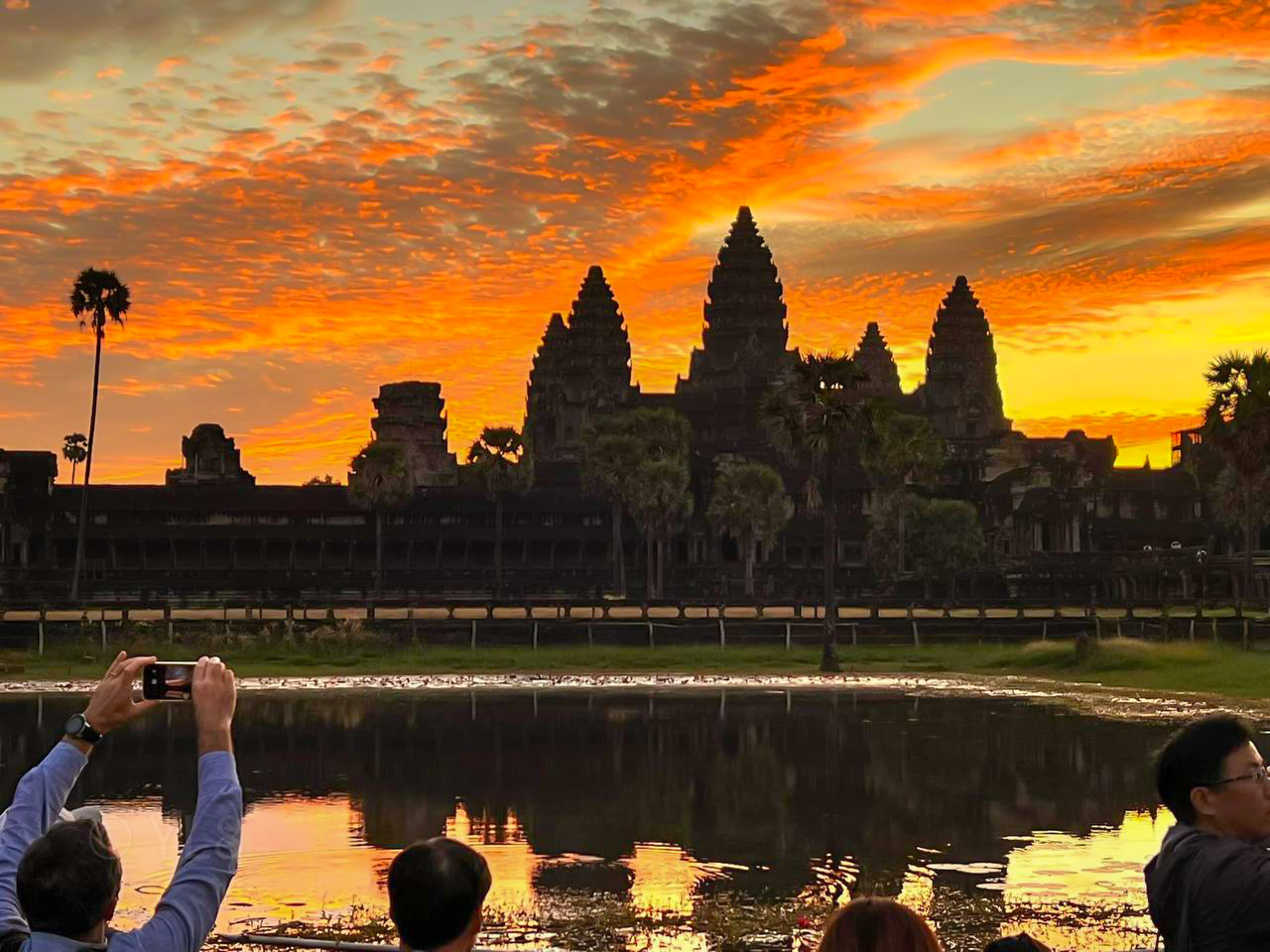
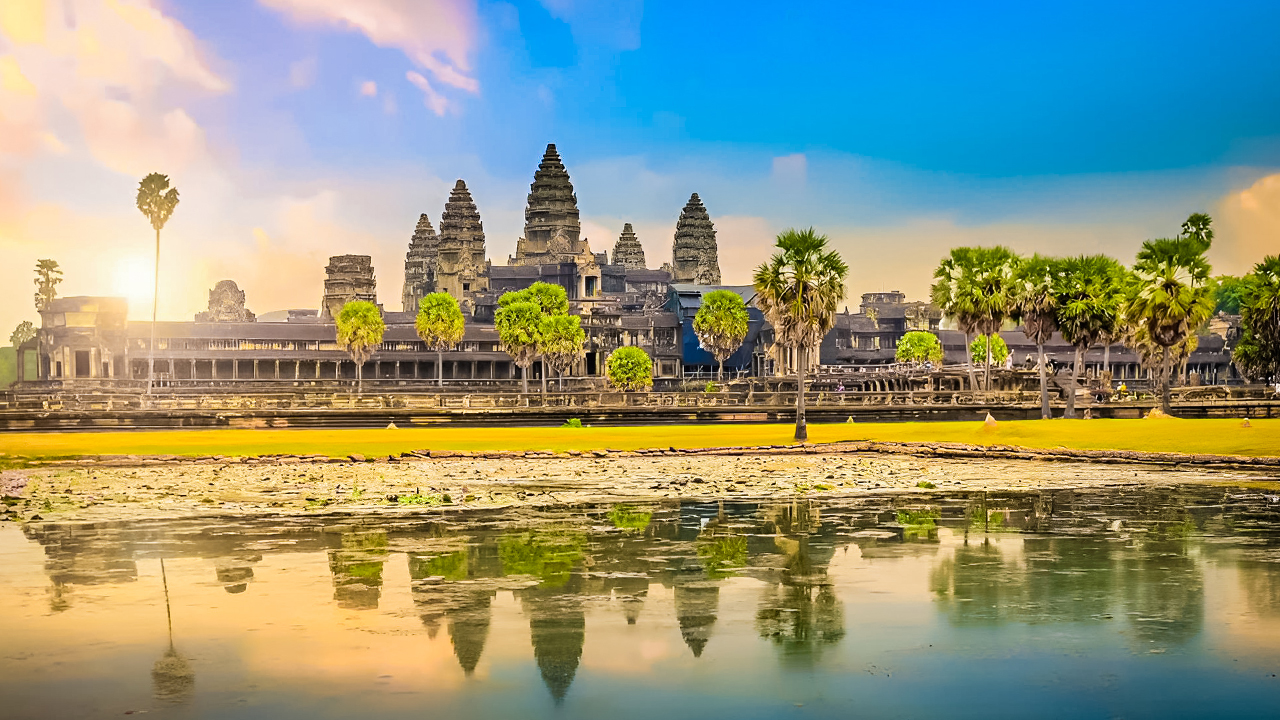
Angkor Wat
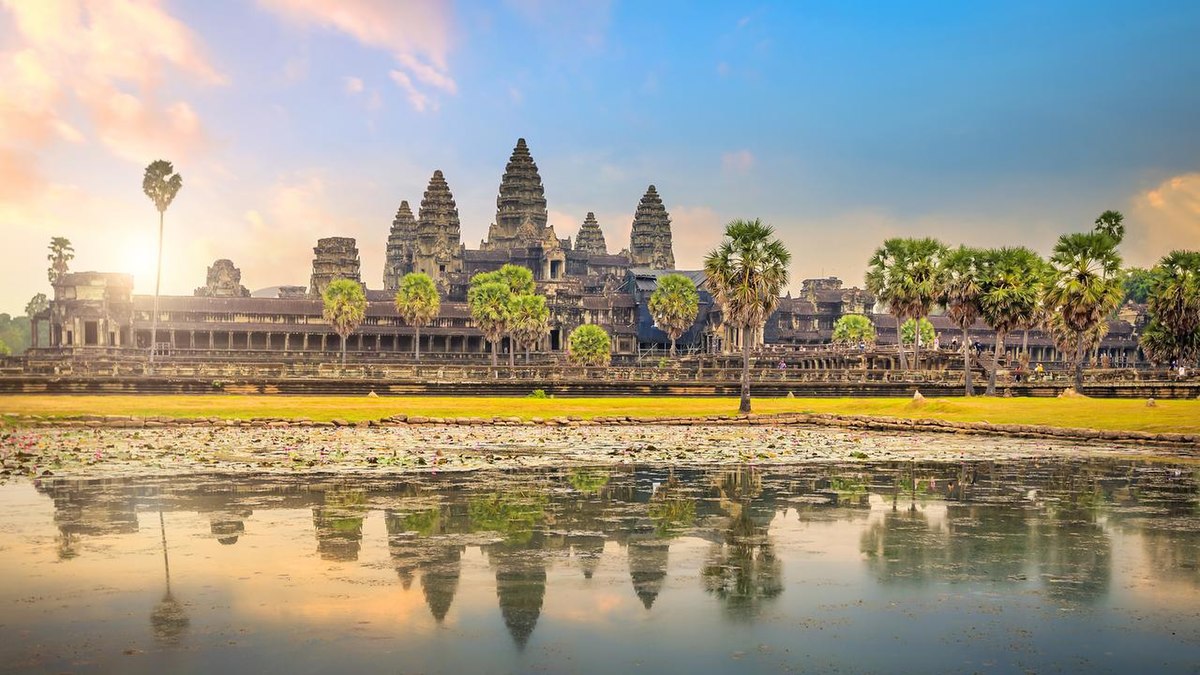
Angkor Wat is the largest religious monument in the world and a UNESCO World Heritage site. This iconic temple complex is a masterpiece of Khmer architecture and a symbol of Cambodia.
Historical
Half to full day
USD 37 for 3-day pass
Angkor Thom
Angkor Thom is a walled city and the last capital of the Khmer Empire. It features several impressive temples, including the Bayon Temple with its famous smiling faces.
Historical
Half to full day
USD 37 for 3-day pass
Ta Prohm
Ta Prohm is a temple complex overgrown by jungle, featuring a unique blend of nature and architecture. It was famously used as a filming location for the movie 'Tomb Raider'.
Historical
1-2 hours
USD 37 for 3-day pass
Pub Street
Pub Street is the heart of Siem Reap's nightlife, offering a vibrant mix of bars, restaurants, and street food vendors. It's a great place to experience the city's lively atmosphere.
Entertainment
Evening
Free to explore, budget for food and drinks
Siem Reap Night Market
The Siem Reap Night Market is a bustling market offering a variety of local crafts, souvenirs, and street food. It's a great place to shop for unique gifts and experience local culture.
Shopping
1-2 hours
Budget to moderate
Must-Try Local Dishes
Amok
A creamy, coconut-based curry with fish, chicken, or tofu, steamed in banana leaves. It's a traditional Khmer dish with a unique flavor.
Main dish
Vegetarian options available
Nom Banh Chok
A popular breakfast dish consisting of rice noodles topped with a fish-based green curry gravy and fresh vegetables.
Breakfast
Vegetarian options available
Bai Sach Chrouk
Grilled pork served with broken rice and pickled vegetables. It's a popular breakfast dish in Cambodia.
Breakfast
Contains meat
Lok Lak
A stir-fried beef dish with a tangy lime and pepper sauce, served with rice and fresh vegetables.
Main dish
Contains meat
Popular Activities
Hiking in the Angkor Archaeological Park
Exploring the bamboo train in Battambang
Visiting spas and wellness centers
Enjoying a traditional Khmer massage
Exploring temples and historical sites
Attending traditional dance performances
Boat tours on Tonlé Sap Lake
Swimming in waterfalls
Best Time to Visit
November to February
The best time to visit Siem Reap is during the dry season when the weather is pleasant and ideal for exploring the temples. The cooler temperatures make it comfortable for long days of sightseeing.
20-30°C
68-86°F
Practical Information
Language
- Official: Khmer
- Widely spoken: English
- English: Moderately spoken in tourist areas
Currency
Cambodian Riel (KHR)
Time Zone
Indochina Time (ICT), GMT+7
Electricity
230VV, 50HzHz
Safety Information
Overall Safety Rating: Generally safe
Siem Reap is generally safe for tourists, but petty crime and scams can occur. Exercise caution and be aware of your surroundings.
Important Precautions:
- • Be cautious of scams and overcharging.
- • Avoid walking alone at night in isolated areas.
- • Use reputable tour operators and transportation services.
Getting there
By air
- Siem Reap International Airport • 5 km from city center
By bus
Siem Reap Virak Buntham Express Terminal, Siem Reap Giant Ibis Bus Terminal
Getting around
Public transport
Tuk-tuks are the most popular and affordable mode of transport in Siem Reap. They are widely available and can be negotiated for short or long trips.
Taxis
Available • Apps: PassApp, Grab
Rentals
Car, Bike, Scooter
Neighborhoods
Wat Bo
Wat Damnak
Sivatha
Day trips
Battambang
150 km from Siem Reap • Full day
Battambang is a charming colonial town known for its well-preserved French architecture, bamboo train, and nearby temples. It's a great destination for a day trip from Siem Reap.
Kampong Phluk
16 km from Siem Reap • Half day
Kampong Phluk is a floating village on the edge of the Tonlé Sap Lake. It offers a unique glimpse into the lives of the local community and the stunning natural beauty of the area.
Kbal Spean
25 km from Siem Reap • Half day
Kbal Spean is a remote archaeological site featuring ancient carvings and a beautiful river setting. It's a great destination for those looking to explore off-the-beaten-path attractions.
Festivals
Khmer New Year (Choul Chnam Thmey) • April 13-15 (dates vary)
Bon Om Touk (Water Festival) • November (dates vary)
Angkor Photo Festival • December (dates vary)
Pro tips
- Hire a local guide for the Angkor Archaeological Park to gain a deeper understanding of the temples' history and significance.
- Visit the temples early in the morning or late in the afternoon to avoid crowds and the heat.
- Try local street food like nom banh chok and bai sach chrouk for an authentic culinary experience.
- Bargain for better prices at markets and street stalls, but do so respectfully and with a smile.
- Use a map app like Google Maps for navigation, as street signs can be limited and confusing.
From $25
per person
Price varies by option
Secure booking
Free cancellation available
Instant confirmation