Theatrical Walking Tour of Coyoacan: Day of the Dead Legends
Active
2h - 3h
For a full refund, cancel at least 24 hours before the scheduled departure time.
Manual confirmation
Mobile or paper ticket accepted
About this experience
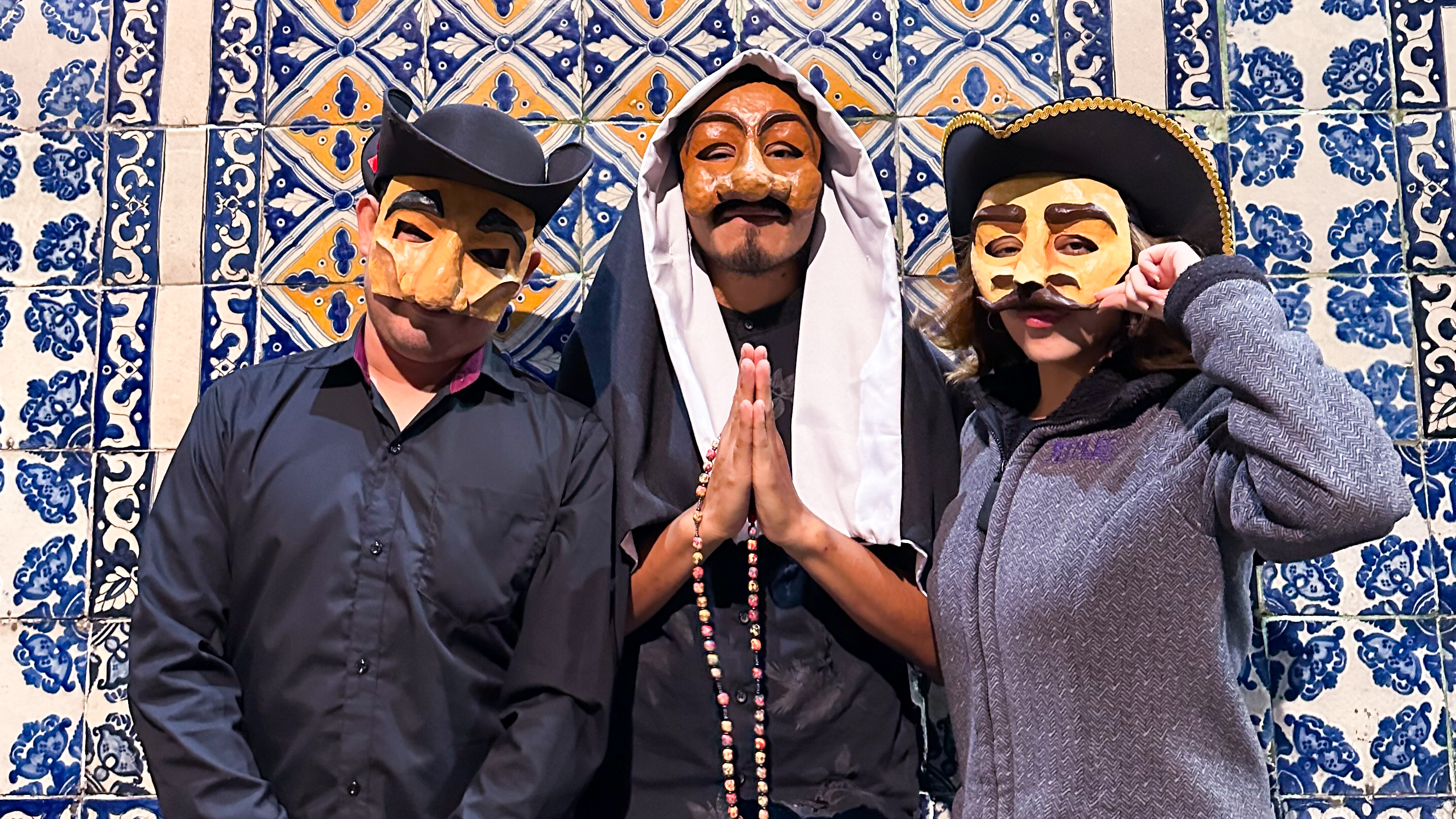
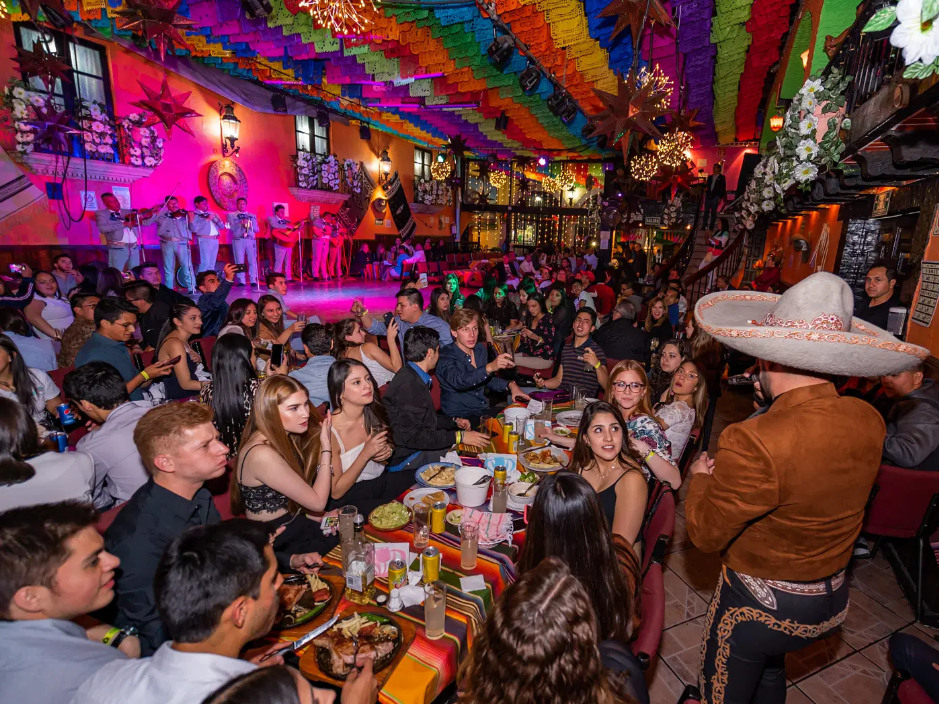
( French/ English) Discover the vibrant history and legends of Dia de Muertos on this theatrical walking tour through Coyoacan, led by a professional actor. Stroll through the charming streets while delving into this rich cultural Mexican celebration.
Listen to captivating stories and rumours that bring the traditions of the Day of the Dead to life, all while exploring the heart of Coyoacan's historic district.
This unique experience offers a blend of entertainment and history learning. perfect for those seeking a deeper understanding of Mexico's cultural heritage.
- Led by a professional actor for an engaging experience
- Explore the culturally rich area of Coyoacan in Mexico City
- Learn about the legends and history of Dia de Muertos
- Ideal for culture enthusiasts and travelers interested in local traditions
Available options
Theatrical Walking Tour of Coyoacan: Day of the Dead Legends
What's included
Local and unique Mexican Spicy Candy
Detailed itinerary
1
Begin where the heart of Coyoacán still beats. The coyotes in the fountain once guarded the edges of a city surrounded by water.
Here, under the trees and the church bells, introduce the idea of Coyoacán as a place built on layers — indigenous, colonial, and bohemian — all coexisting like restless ghosts.
2
Standing opposite the church, this house (more myth than fact) is said to have been Cortés’ residence.
Its walls have absorbed centuries of rumor — betrayal, love, and empire.
A perfect stop to reflect on how conquest still breathes through architecture and story.
3
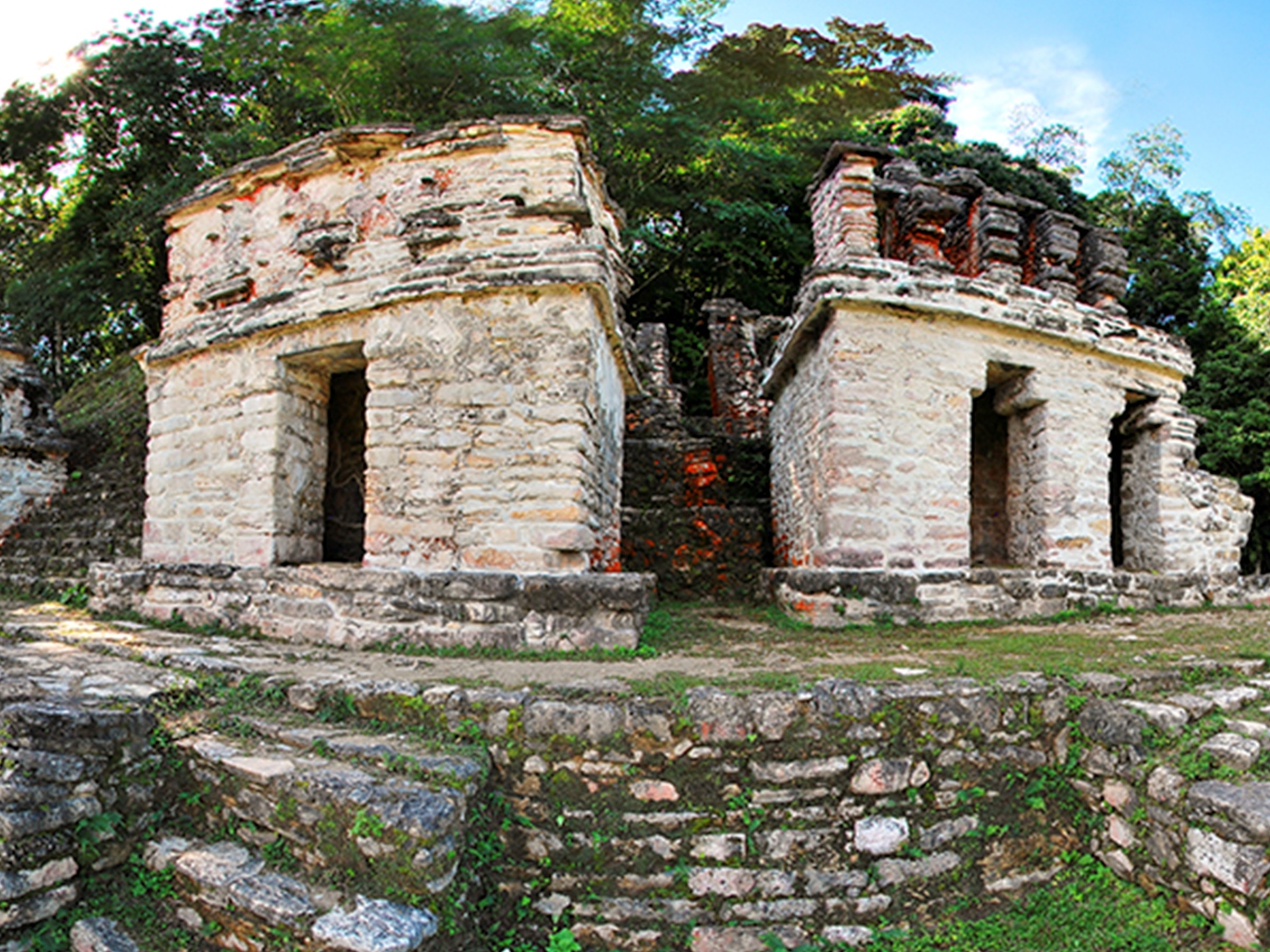
A quiet square at the edge of the old town — said to stand on a pre-Hispanic temple.
This small chapel vibrates with the idea of syncretism, where pagan and Christian symbols blur into one.
A perfect spot for a soft, reflective monologue on the persistence of belief.
4
Plaza Hidalgo & the Market (exterior)
End among the cafés, noise, and smells of daily life.
This is where the living reclaim the night — eating, laughing, gossiping.
5
The narrowest, quietest street in the neighborhood — and one of Mexico City’s most haunted.
Local legend says a ghostly child appears beneath the trees, or that shadows follow anyone who mocks the dead.
Where the walls talk about guilt, imagination, and how communities invent fear to explain sorrow.
6
Stop 6
(Exterior)
Frida’s house is more than a museum — it’s a symbol of art born from pain, and a reminder that ghosts don’t always come from the distant past.
The house of a legend and national myth.
What's not included
We’re thankful for your generosity
Available languages
Guide guide
EN
FR
ES
Reviews breakdown
Viator
5.0
1 reviews
5★
1
4★
0
3★
0
2★
0
1★
0
Important information
Wheelchair accessible
Infants and small children can ride in a pram or stroller
Service animals allowed
Public transportation options are available nearby
All areas and surfaces are wheelchair accessible
Suitable for all physical fitness levels
Meeting point
We’ll meet in front of the fountain facing Felipe Carrillo Puerto street
About Mexico City
Mexico City, the vibrant capital of Mexico, is a sprawling metropolis where ancient Aztec ruins coexist with modern skyscrapers. This cultural and historical hub offers a rich tapestry of experiences, from world-class museums and colonial architecture to bustling markets and delicious cuisine. The city's high-altitude location and diverse neighborhoods make it a unique destination for travelers.
Top Attractions
Zócalo
The main square of Mexico City, surrounded by historic buildings including the Metropolitan Cathedral and the National Palace. It's the heart of the city and a must-visit for its cultural and historical significance.
Historical
2-3 hours
Free (some attractions have entry fees)
Chapultepec Park
One of the largest urban parks in the world, featuring a lake, museums, and the famous Chapultepec Castle. It's a great place for outdoor activities and cultural experiences.
Nature
Half day to full day
Free (some attractions have entry fees)
Palacio de Bellas Artes
An iconic cultural landmark featuring stunning murals by famous Mexican artists like Diego Rivera and David Alfaro Siqueiros. The building itself is a masterpiece of art nouveau and neoclassical architecture.
Architecture
1-2 hours
MXN 75 (USD 3.75) for the museum
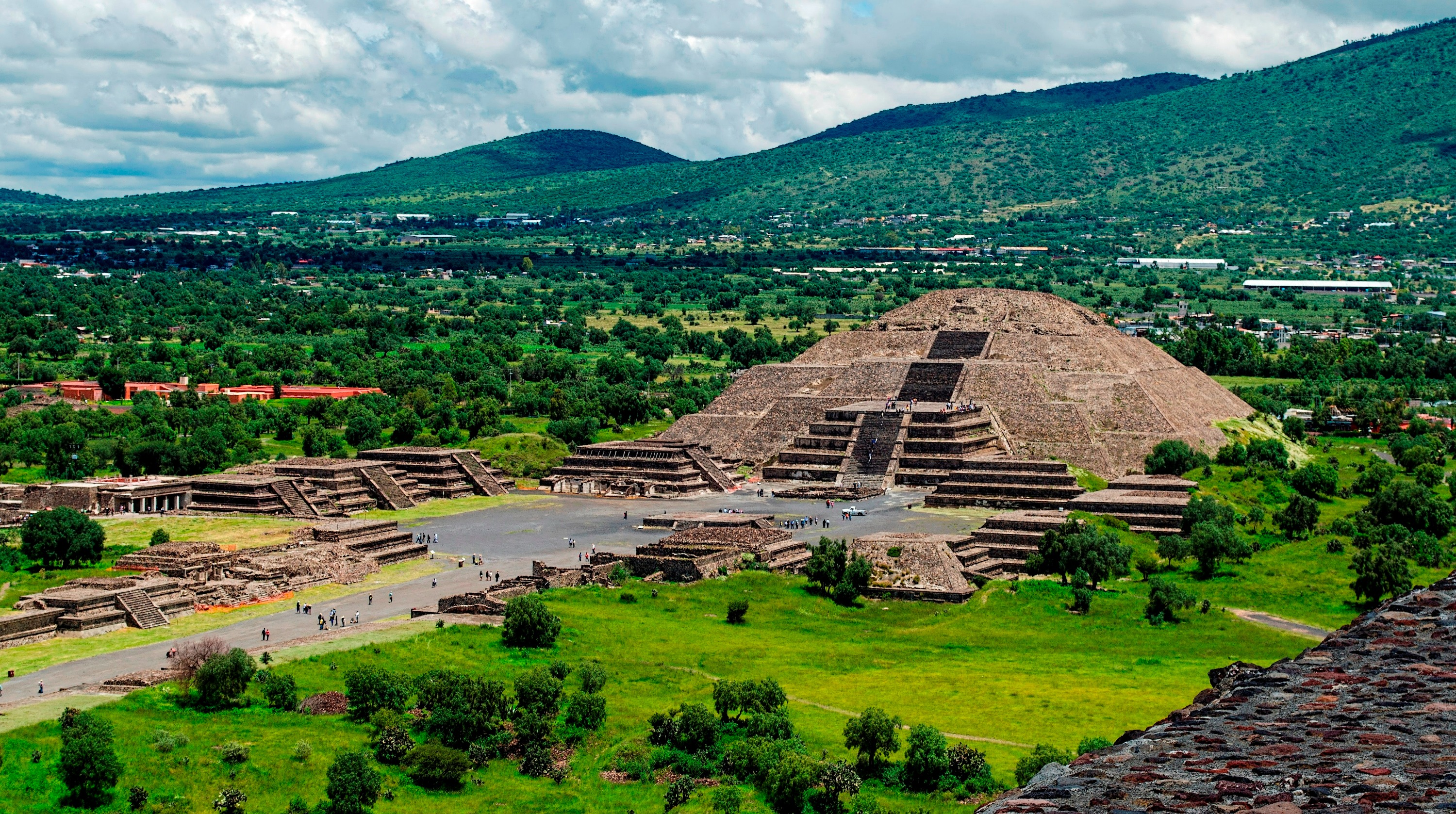
Teotihuacan
An ancient Mesoamerican city with the famous Pyramid of the Sun and Pyramid of the Moon. This UNESCO World Heritage site offers a fascinating glimpse into pre-Aztec civilizations.
Historical
Half day to full day
MXN 80 (USD 4) for the site, plus guide fees if applicable
Frida Kahlo Museum
The former home of Frida Kahlo, known as the Blue House, now a museum dedicated to her life and work. It offers a deep dive into the life of one of Mexico's most famous artists.
Museum
1-2 hours
MXN 250 (USD 12.50) for foreigners
Must-Try Local Dishes
Tacos al Pastor
Marinated pork cooked on a vertical spit and served on corn tortillas with pineapple and onions.
Street food
Contains meat, can be spicy
Mole
A rich, complex sauce made with chocolate, chili peppers, and spices, typically served with chicken or turkey.
Main course
Contains chocolate, can be spicy
Chiles en Nogada
Poblano chili peppers stuffed with picadillo (a mixture of meat, fruits, and spices) and topped with walnut sauce and pomegranate seeds, representing the colors of the Mexican flag.
Main course
Contains meat, nuts, and dairy
Tlayudas
A large, crispy tortilla topped with beans, cheese, meat, and salsa, often referred to as the 'Mexican pizza'.
Street food
Contains cheese and meat, can be spicy
Popular Activities
Hiking in the Sierra de Guadalupe
Climbing Nevado de Toluca
Paragliding in Valle de Bravo
Visiting Chapultepec Park
Relaxing in Jardín Borda
Enjoying a spa day in Polanco
Exploring the Historic Center
Visiting museums and galleries
Best Time to Visit
November to April
This is the dry season with pleasant weather, making it ideal for outdoor activities and sightseeing. The city hosts numerous festivals and events during this period.
15°C to 28°C (59°F to 82°F)
59°F to 82°F
Practical Information
Language
- Official: Spanish
- Widely spoken: English (in tourist areas)
- English: Moderately spoken in tourist areas, limited elsewhere
Currency
Mexican Peso (MXN)
Time Zone
GMT-6 (Central Standard Time)
Electricity
127VV, 60HzHz
Safety Information
Overall Safety Rating: Exercise caution
Mexico City is generally safe for tourists, but petty crime and scams can occur. Be aware of your surroundings, keep valuables secure, and avoid walking alone at night in unfamiliar areas.
Important Precautions:
- • Use official taxis or ride-sharing apps
- • Keep valuables secure and out of sight
- • Be cautious when using ATMs
Getting there
By air
- Mexico City International Airport • 8 km (5 miles) from city center
By train
Buenavista Station, Toluca Airport Station
By bus
Terminal de Autobuses de Paso de la Reforma, Terminal de Autobuses del Norte
Getting around
Public transport
The metro system is the most efficient way to get around the city, with 12 lines covering most neighborhoods. It can get crowded during peak hours.
Taxis
Available • Apps: Uber, Didi
Rentals
Car, Bike, Scooter
Neighborhoods
Historic Center
Roma
Condesa
Coyoacán
Polanco
Day trips
Puebla
130 km (81 miles) • Full day
A colonial city known for its well-preserved architecture, vibrant culture, and delicious cuisine. Puebla is a UNESCO World Heritage site and offers a rich history and unique charm.
Texcoco
50 km (31 miles) • Half day to full day
A town near Mexico City known for its beautiful gardens and historical sites. Texcoco is home to the ancient Aztec city of Texcoco and the beautiful Jardín Botánico de Texcoco.
Xochimilco
20 km (12 miles) • Half day
A unique neighborhood in Mexico City known for its canals and traditional trajinera boats. Xochimilco is a UNESCO World Heritage site and offers a unique and colorful experience.
Festivals
Día de los Muertos (Day of the Dead) • November 1-2
Festival Internacional de Cine de Morelia (Morelia International Film Festival) • October
Feria de las Flores (Flower Festival) • September
Pro tips
- Learn a few basic phrases in Spanish to enhance your experience and connect with locals
- Use the metro system to get around the city quickly and affordably
- Try street food from busy stalls with high turnover to ensure freshness and safety
- Visit museums and attractions on weekdays to avoid crowds and long lines
- Explore the city's neighborhoods on foot to discover hidden gems and local culture
From $25
per person
Price varies by option
Secure booking
Free cancellation available