Private Tour in India's Iconic Cities
Active
11h
For a full refund, cancel at least 24 hours before the scheduled departure time.
Instant confirmation
Mobile or paper ticket accepted
About this experience
Offers an immersive journey through India's iconic cities Delhi, Agra, and Jaipur. This two five day adventure encapsulates the essence of Indian culture and heritage, featuring the majestic Taj Mahal. City unfolds its unique historical narrative, from the Mughal marvels in Agra to the royal architecture of Jaipur. Travelers will enjoy guided sightseeing, local cuisine, and the rich traditions echoing through the ages.
- Explore Delhi's diverse landscapes, from Old Delhi's bazaars to New Delhi's grand avenues.
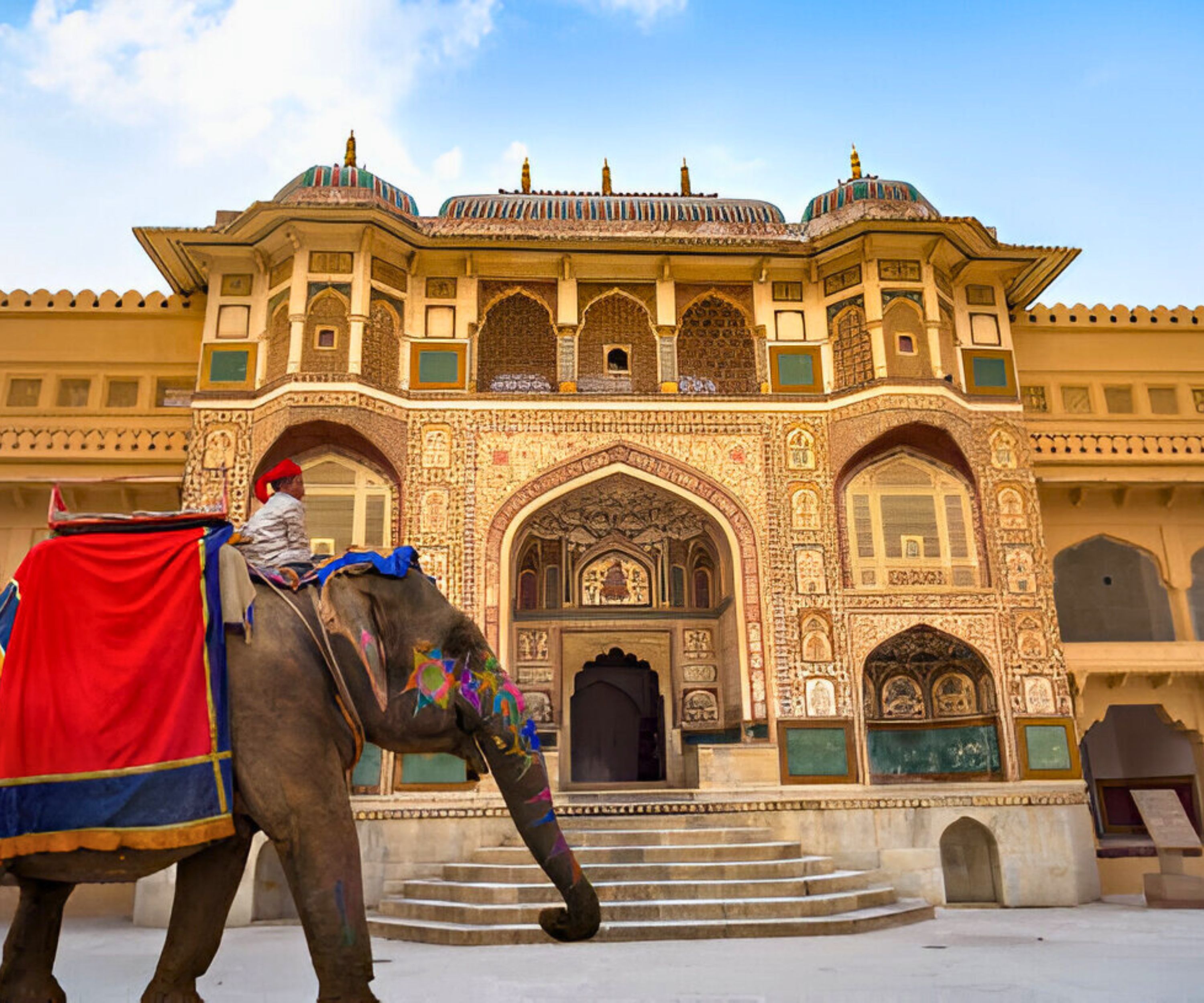
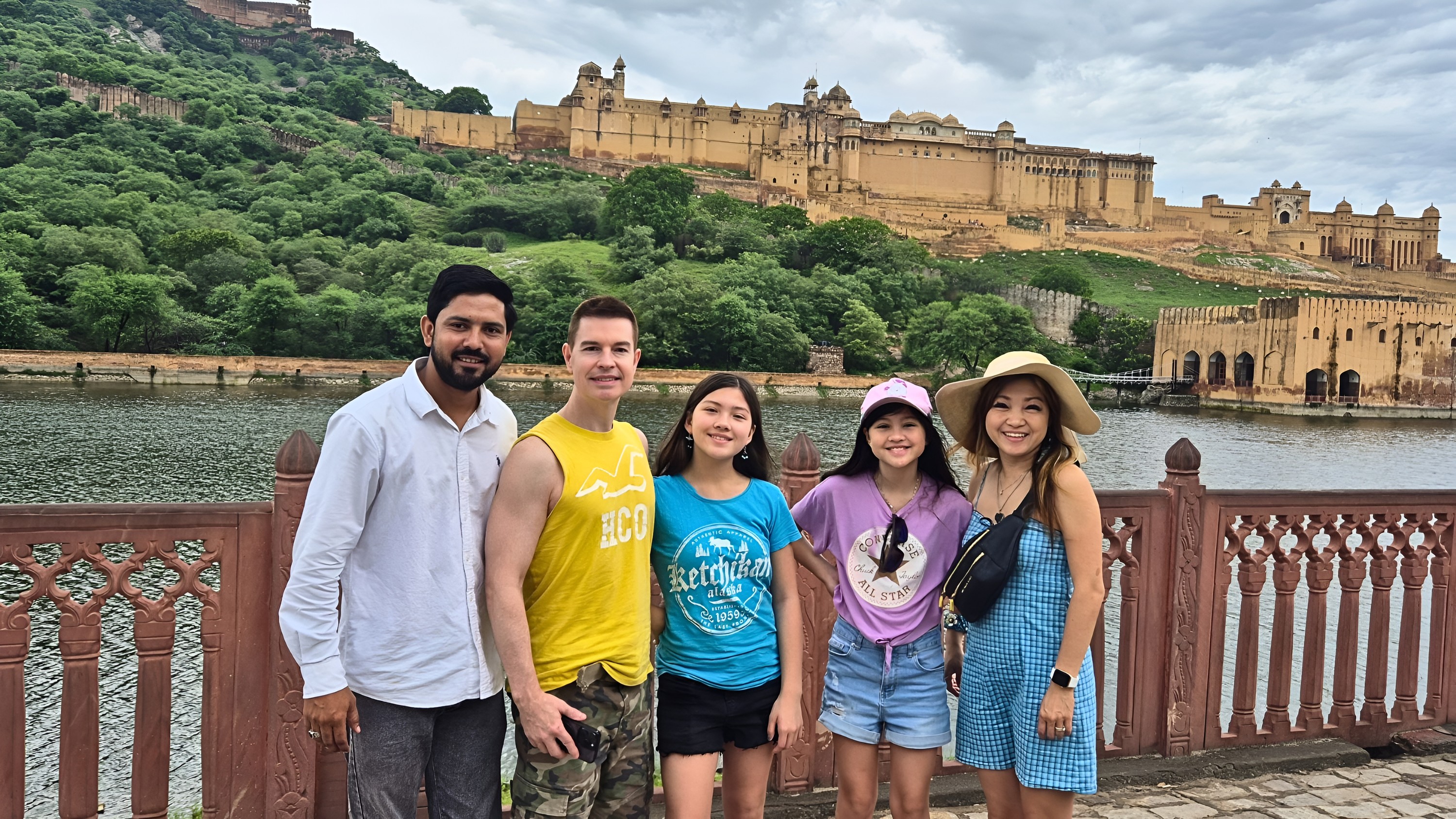
- Experience Jaipur's architectural splendor, including Amer Fort and Hawa Mahal.
- Enjoy a well paced itinerary with guided tours and comfortable transport included.
Available options
India's Golden Triangle Tour
Air Conditioned Private Car<br/>Pickup included
Golden Triangle Tour: Delhi, Agra & Jaipur
Pickup included
What's included
Bottled water
Air-conditioned vehicle
Detailed itinerary
1
Stop 1
Travelers visit the iconic Red Fort (Lal Qila), a UNESCO World Heritage Site and one of India’s most important Mughal monuments, built in the 17th century by Emperor Shah Jahan.
2
Stop 2
Jama Masjid is one of the largest and most beautiful mosques in India, built in 1656 by Mughal Emperor Shah Jahan. It is an important religious site and a masterpiece of Mughal architecture.
3
Stop 3
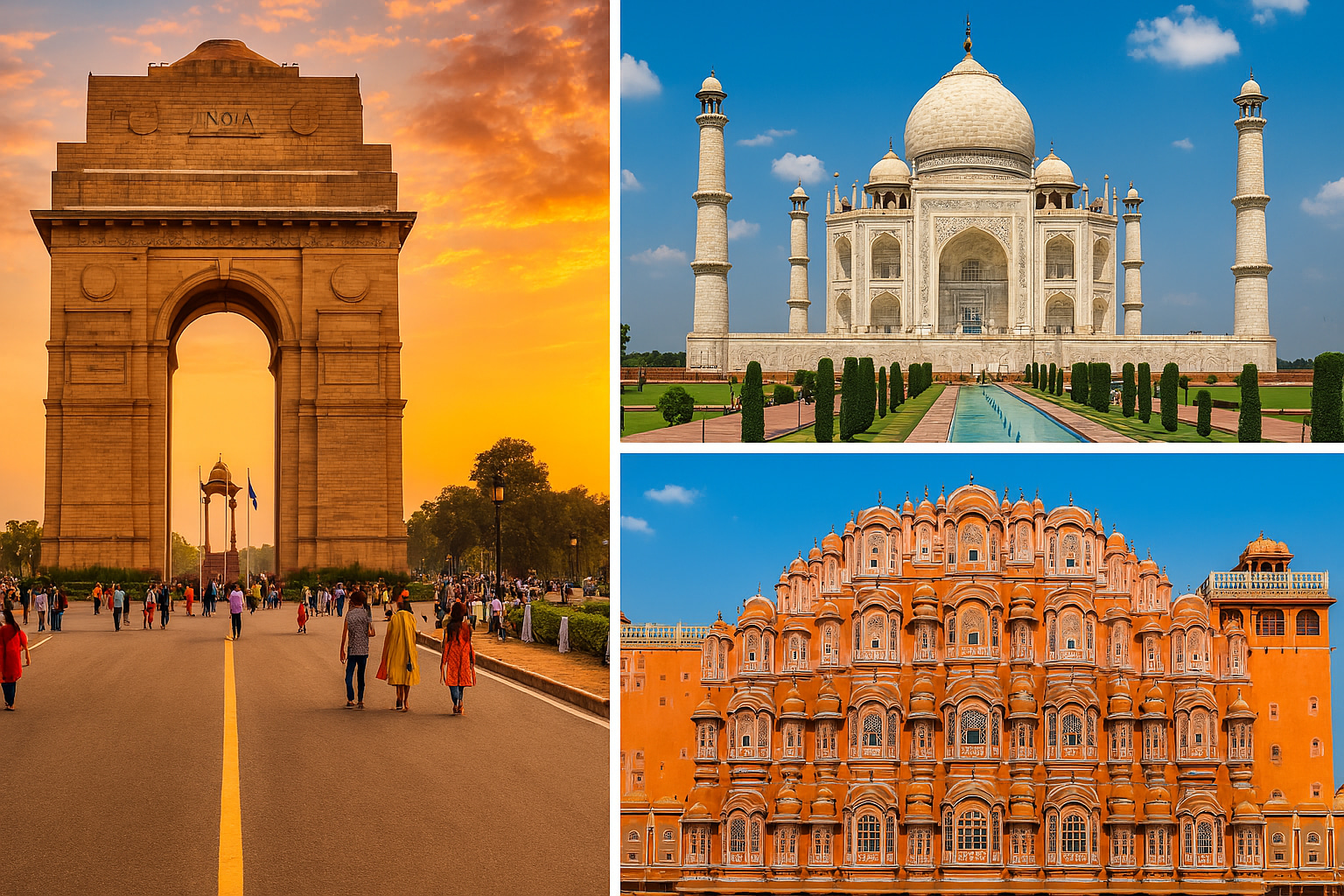
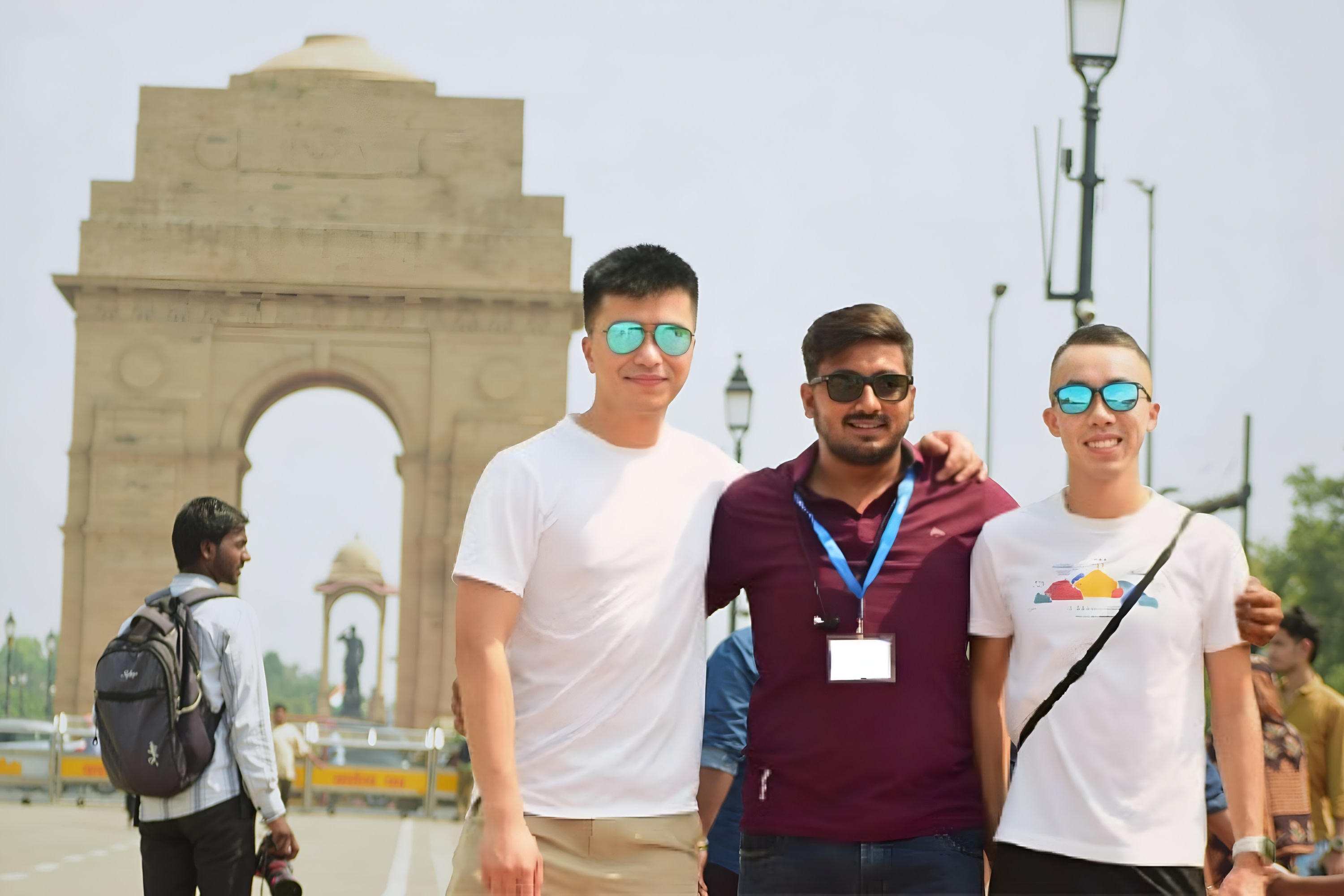
India Gate is a 42-meter-high war memorial built in memory of Indian soldiers who lost their lives during World War I and the Third Anglo-Afghan War. It is one of the most iconic landmarks of New Delhi
4
Stop 4
Pass by
Chandni Chowk is one of the oldest and busiest markets in Delhi, built in the 17th century during the Mughal era. It offers a true Old Delhi experience with narrow lanes, historic buildings, local bazaars, and famous street food.
5
Stop 5
UNESCO World Heritage Site and one of the most important Mughal forts in India. Built mainly by Emperor Akbar in the 16th century and later enhanced by Shah Jahan, the fort served as the main residence of Mughal emperors before the capital moved to Delhi.
6
Stop 6
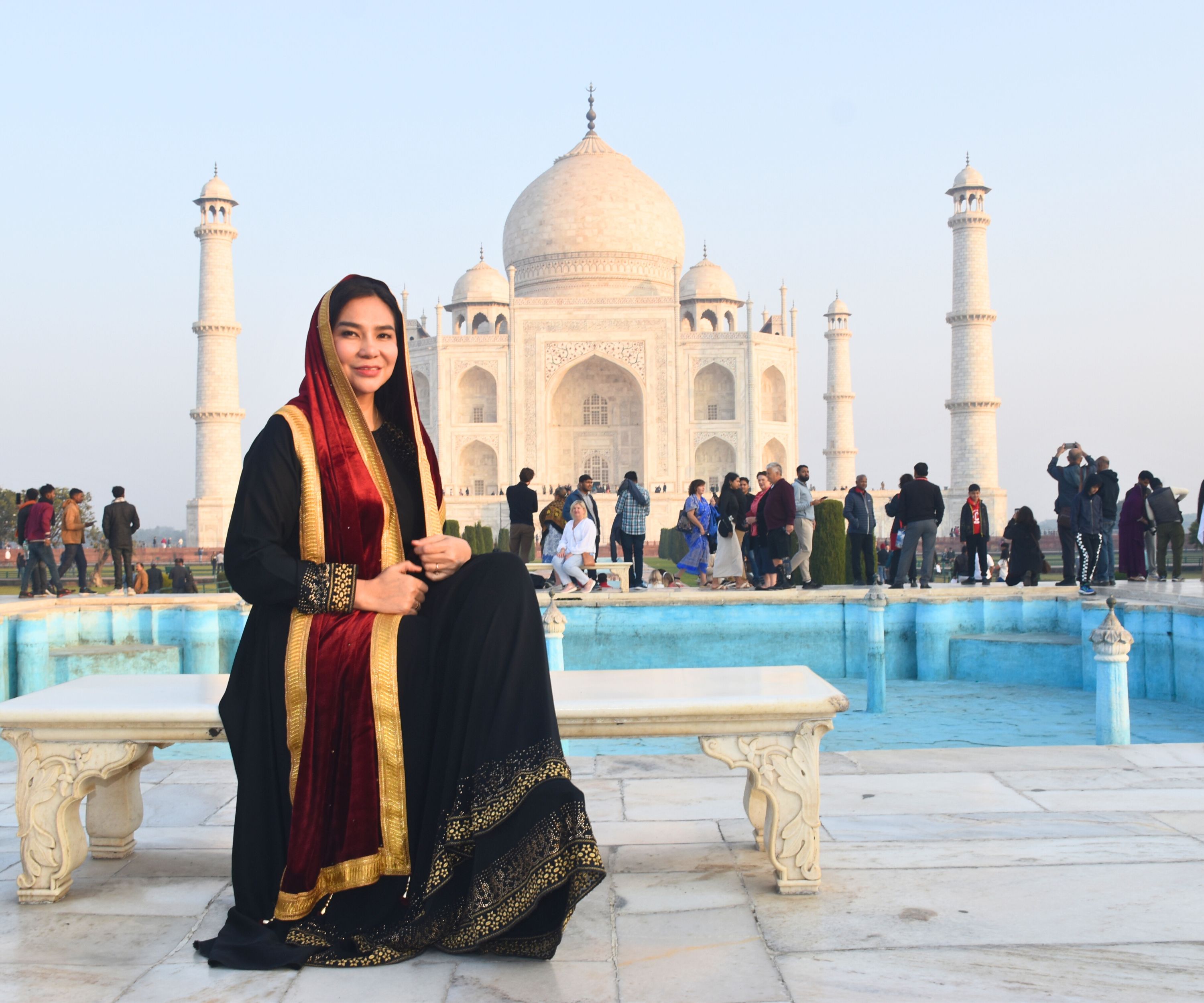
Taj Mahal is one of the Seven Wonders of the World and a UNESCO World Heritage Site. Built in the 17th century by Mughal Emperor Shah Jahan in memory of his beloved wife Mumtaz Mahal, it is a global symbol of love and one of India’s most visited monuments.
7
Stop 7
Mehtab Bagh (Moonlight Garden) is a beautiful Mughal garden complex located across the Yamuna River, directly opposite the Taj Mahal. It was originally built by Emperor Babur and later planned as part of a series of Mughal gardens aligned with the Taj Mahal.
8
Fatehpur Sikri is a UNESCO World Heritage Site located near Agra. It was built in the 16th century by Emperor Akbar and served as the Mughal capital for a short period. The city is famous for its well-preserved palaces, courtyards, and Indo-Islamic architecture.
9
Stop 9
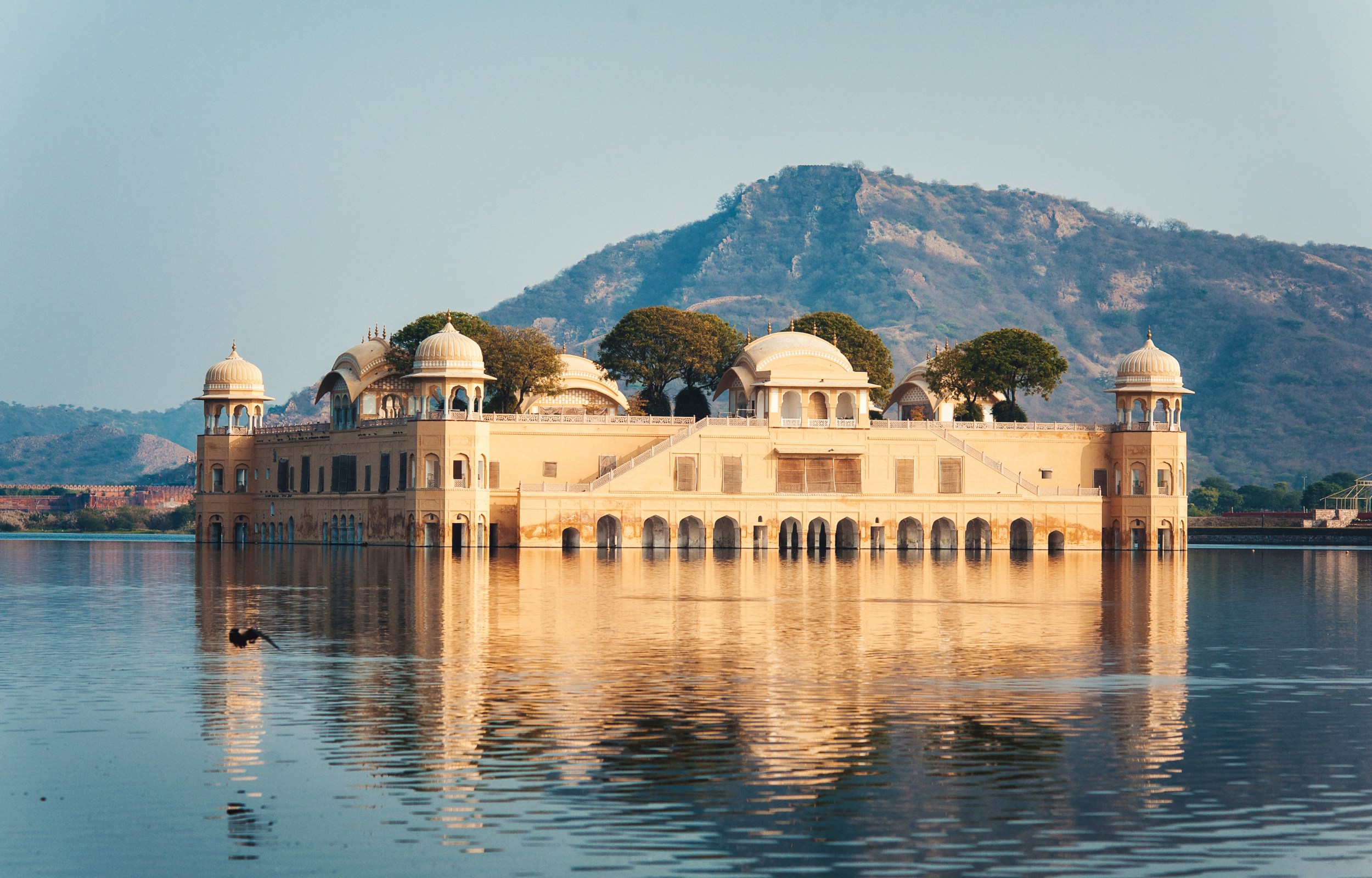
Jal Mahal (Water Palace) is one of Jaipur’s most photographed landmarks, located in the middle of Man Sagar Lake. Built in the 18th century by Maharaja Madho Singh I, the palace is a beautiful blend of Rajput and Mughal architecture and appears to float.
10
Stop 10
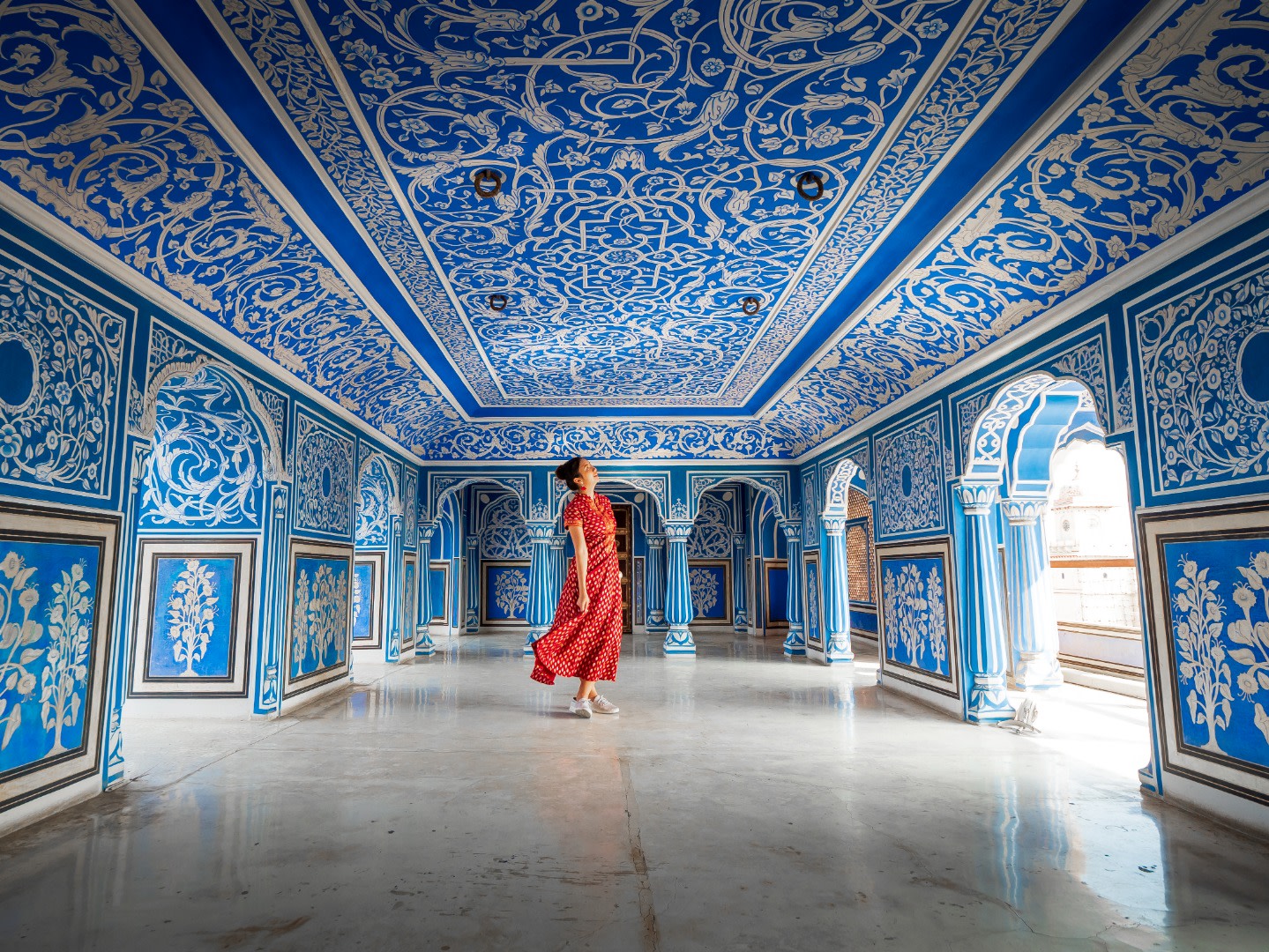
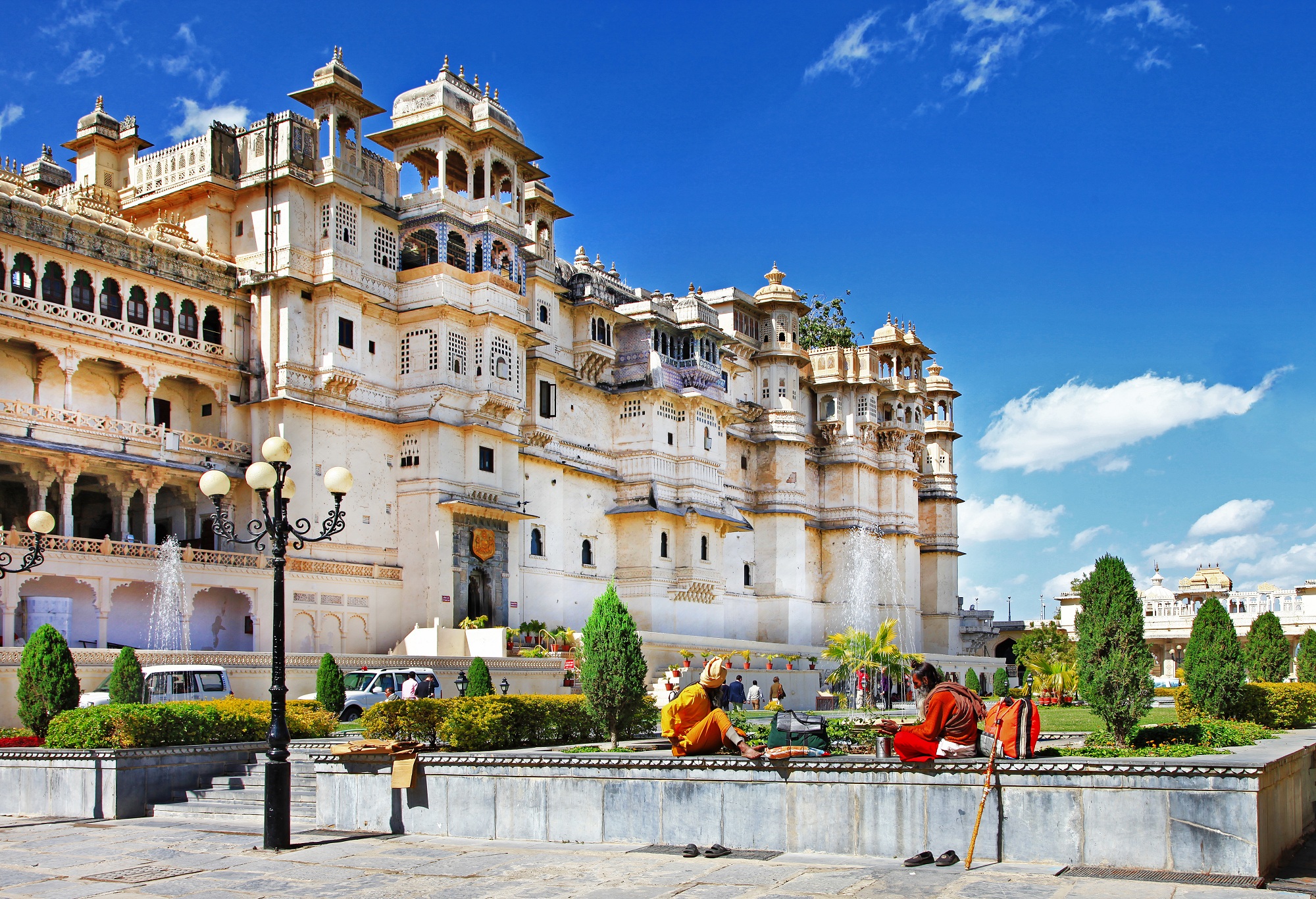
City Palace is a magnificent royal complex located in the heart of Jaipur. Built in the 18th century by Maharaja Sawai Jai Singh II, it showcases a beautiful blend of Rajput, Mughal, and European architecture and is still home to the former royal family of Jaipur.
What Travelers Will See
Chandra Mahal – royal residence (partial access)
Mubarak Mahal – houses the Textile Museum
Diwan-i-Aam (Hall of Public Audience)
Diwan-i-Khas with large silver urns
Pritam Niwas Chowk – famous colorful Peacock, Lotus, Rose & Leheriya gates
Royal courtyards, galleries, and museums
11
Stop 11
Jantar Mantar is a UNESCO World Heritage Site and one of the world’s largest and best-preserved astronomical observatories. It was built in the early 18th century by Maharaja Sawai Jai Singh II, a scholar-king with a deep interest in astronomy and science.
What Travelers Will See
Samrat Yantra – the world’s largest stone sundial
Jai Prakash Yantra – bowl-shaped instruments used to measure celestial positions
Ram Yantra – instruments for measuring altitude and azimuth
Massive stone instruments used to track time, eclipses, and planetary movements.
12
Stop 12
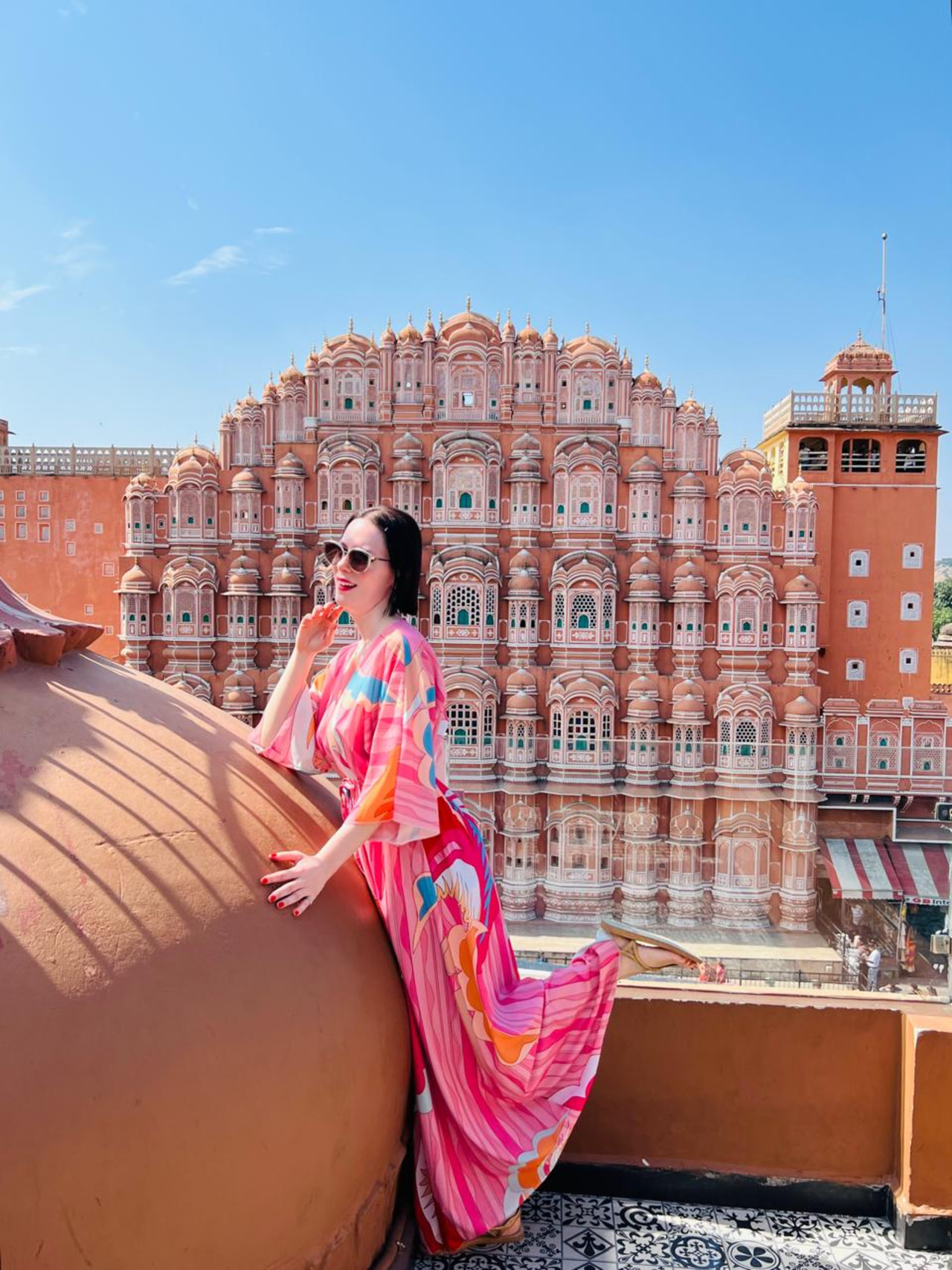
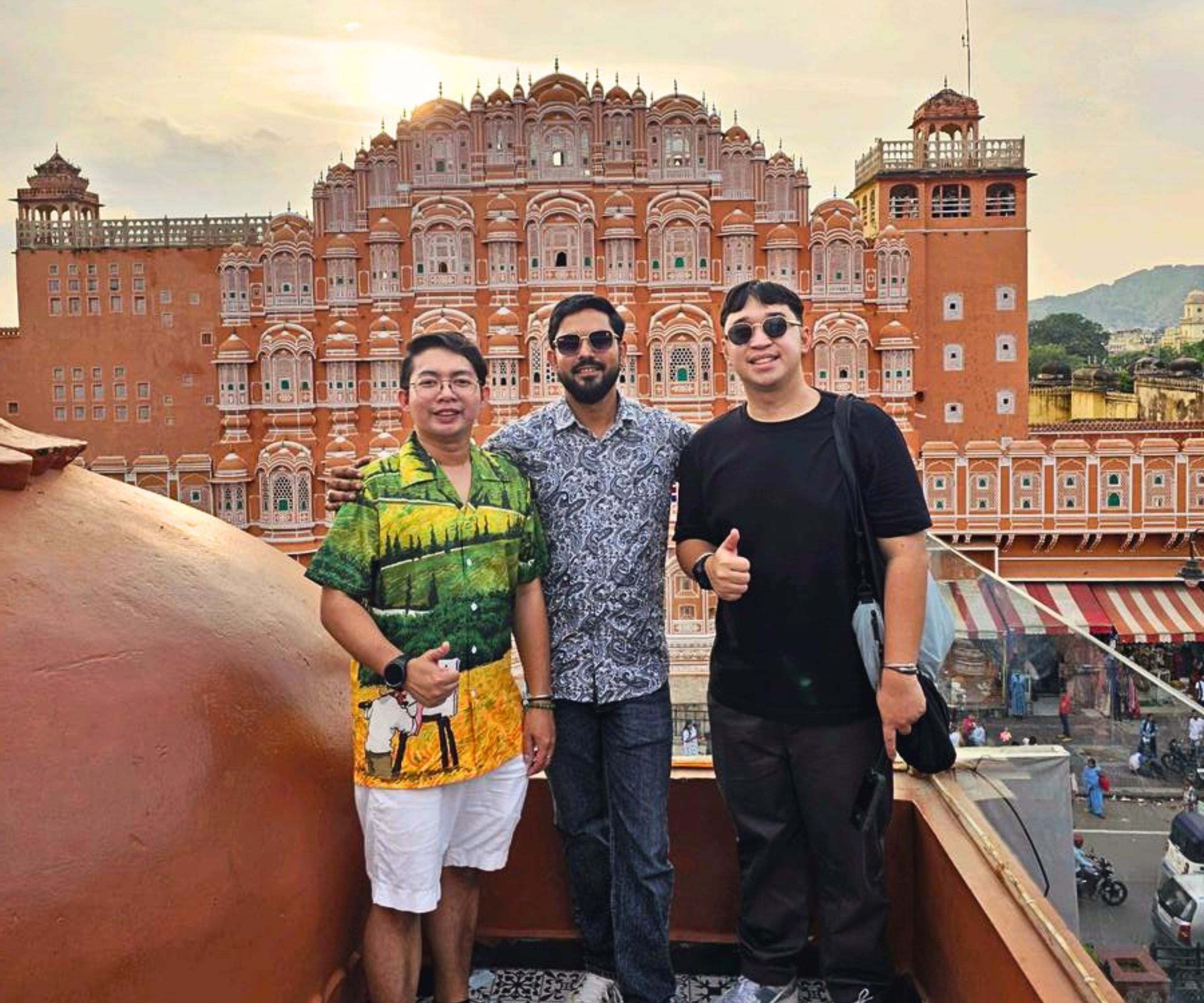
Hawa Mahal (Palace of Winds) is one of Jaipur’s most iconic landmarks. Built in 1799 by Maharaja Sawai Pratap Singh, it features Rajput architecture with 953 small windows (jharokhas), designed to allow royal women to observe street life without being seen.
️ What Travelers Will See
Front façade with pink sandstone lattice windows
Small internal corridors and balconies
Views of Jaipur streets from upper floors
Interior exhibits with historical artifacts and royal history panels
Photography Experience
Excellent for front façade photography (especially morning light)
Street views from the upper windows offer authentic Jaipur vibes
Popular for wide-angle shots and cultural photography
Available languages
Guide guide
DE
EN
IT
FR
ES
Important information
Infants and small children can ride in a pram or stroller
Public transportation options are available nearby
Specialized infant seats are available
Suitable for all physical fitness levels
About Jaipur
Jaipur, the capital of Rajasthan, is a vibrant city known for its rich history, stunning architecture, and colorful culture. As the first planned city of India, it offers a unique blend of traditional Rajasthani heritage and modern amenities, making it a must-visit destination for travelers.
Top Attractions
Amber Fort
Amber Fort is a majestic fort located on a hilltop overlooking Maota Lake. It is known for its stunning architecture, intricate carvings, and historical significance.
Historical
2-3 hours
INR 250 (foreigners), INR 50 (Indians)
Hawa Mahal
Hawa Mahal, or the Palace of Winds, is a five-story pyramidal structure made of red and pink sandstone. It is famous for its intricate latticework and unique architecture.
Architectural
1 hour
INR 50 (foreigners), INR 10 (Indians)
City Palace
City Palace is a complex of courtyards, gardens, and buildings that served as the seat of the Maharaja of Jaipur. It is known for its stunning architecture and rich history.
Historical
2-3 hours
INR 700 (foreigners), INR 70 (Indians)
Jantar Mantar
Jantar Mantar is a collection of architectural astronomical instruments built by Maharaja Sawai Jai Singh II. It is a UNESCO World Heritage Site and a testament to India's rich scientific heritage.
Historical
1-2 hours
INR 50 (foreigners), INR 10 (Indians)
Nahargarh Fort
Nahargarh Fort is a majestic fort located on the edge of the Aravalli Hills. It offers panoramic views of the city and is known for its historical significance and architectural beauty.
Historical
1-2 hours
INR 50 (foreigners), INR 10 (Indians)
Must-Try Local Dishes
Dal Baati Churma
A traditional Rajasthani dish made of lentils (dal), baked wheat balls (baati), and sweet crumbled wheat (churma).
Main Course
Vegetarian
Laal Maas
A spicy meat curry made with mutton or goat, cooked in a rich gravy made with red chilies and spices.
Main Course
Non-vegetarian
Ghewar
A traditional Rajasthani sweet made of flour, ghee, and sugar, deep-fried to a golden brown color and soaked in sugar syrup.
Dessert
Vegetarian
Popular Activities
Hot air ballooning
Trekking in the Aravalli Mountains
Wildlife safaris in Ranthambore National Park
Spa and wellness treatments
Yoga and meditation retreats
Leisurely walks in the Pink City
Visiting historic forts and palaces
Exploring local markets and bazaars
Best Time to Visit
October to March
This is the best time to visit Jaipur as the weather is pleasant and ideal for sightseeing. The cool temperatures make it comfortable to explore the city's attractions.
15°C to 30°C
59°F to 86°F
Practical Information
Language
- Official: Hindi
- Widely spoken: English, Rajasthani
- English: Moderately spoken
Currency
Indian Rupee (INR)
Time Zone
IST (GMT+5:30)
Electricity
230VV, 50HzHz
Safety Information
Overall Safety Rating: Generally safe
Jaipur is generally safe for travelers, with a low crime rate and friendly locals. However, as with any destination, it is important to take precautions and be aware of your surroundings.
Important Precautions:
- • Use trusted transportation options
- • Be cautious of your belongings in crowded areas
- • Avoid drawing unnecessary attention to yourself
Getting there
By air
- Jaipur International Airport • 13 km from city center
By train
Jaipur Junction
By bus
Sindhi Camp Bus Stand, Narayan Singh Circle Bus Stand
Getting around
Public transport
Buses are the most common mode of public transport in Jaipur. They are affordable but can be crowded.
Taxis
Available • Apps: Ola, Uber
Rentals
Car, Bike, Scooter
Neighborhoods
Pink City
Civil Lines
Bani Park
Day trips
Abu Road
270 km from Jaipur • Full day
Abu Road is a picturesque town nestled in the Aravalli Mountains. It is known for its scenic beauty, lush greenery, and the famous Dilwara Temples.
Ranthambore National Park
180 km from Jaipur • Full day
Ranthambore National Park is a renowned wildlife sanctuary known for its tiger population and diverse flora and fauna. It is a popular destination for wildlife enthusiasts and nature lovers.
Pushkar
150 km from Jaipur • Full day
Pushkar is a sacred town known for its ancient temples, holy lake, and vibrant markets. It is a popular pilgrimage site and a hub for spiritual seekers and travelers.
Festivals
Jaipur Literature Festival • January
Elephant Festival • March
Gangaur Festival • March/April
Pro tips
- Hire a local guide for a more enriching and personalized experience
- Visit major attractions early in the morning or late in the afternoon to avoid crowds and the heat
- Bargain when shopping at local markets and bazaars, but do so respectfully and politely
- Carry small denominations of cash for local shopping and transportation
- Use app-based transportation services for transparency and convenience
From $25
per person
Price varies by option
Secure booking
Free cancellation available
Instant confirmation