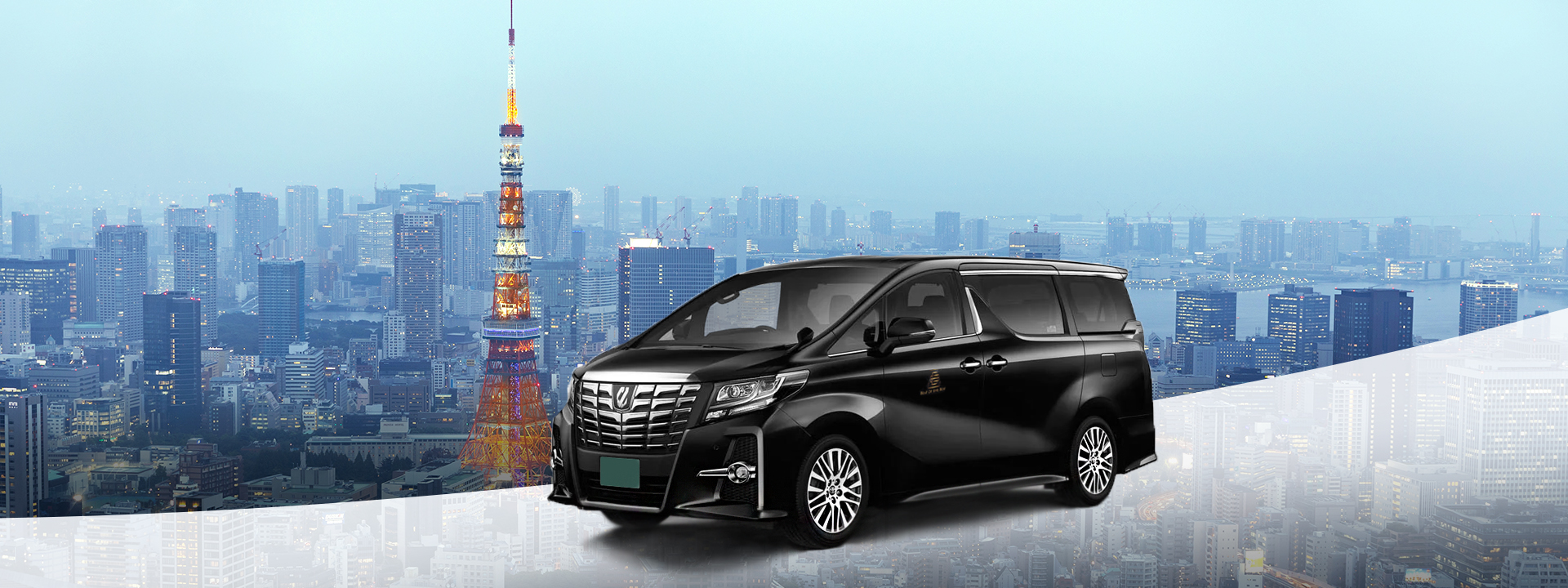
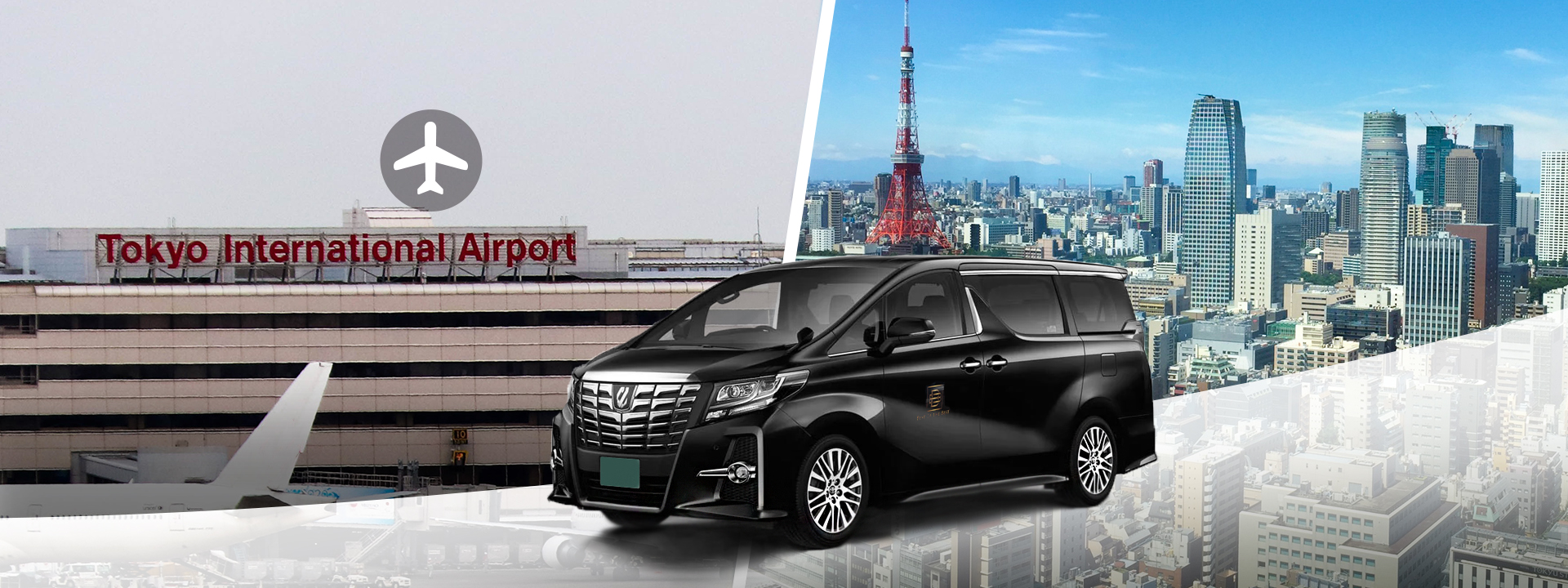
Private Tokyo Tour with English Speaking Driver
Active
9h
For a full refund, cancel at least 24 hours before the scheduled departure time.
Instant confirmation
Mobile or paper ticket accepted
About this experience
Traveling the vibrant city of Tokyo on a fully customizable private sightseeing tour. Discover must-see landmarks such as Sensoji Temple, the towering Tokyo Skytree, and the tranquil Meiji Shrine with an English-speaking driver. Savor delicious street food at the bustling Tsukiji Outer Market and experience the hustle and bustle of Shibuya Crossing. This full-day tour allows you to discover the fusion of traditional and modern at your own pace, making it ideal for couples, families, or small groups.
-Duration: Approximately 9 hours of guided sightseeing
-Private vehicle with hotel pickup and drop-off within Tokyo
-Flexible itinerary tailored to your interests and pace
-English-speaking driver
Available options
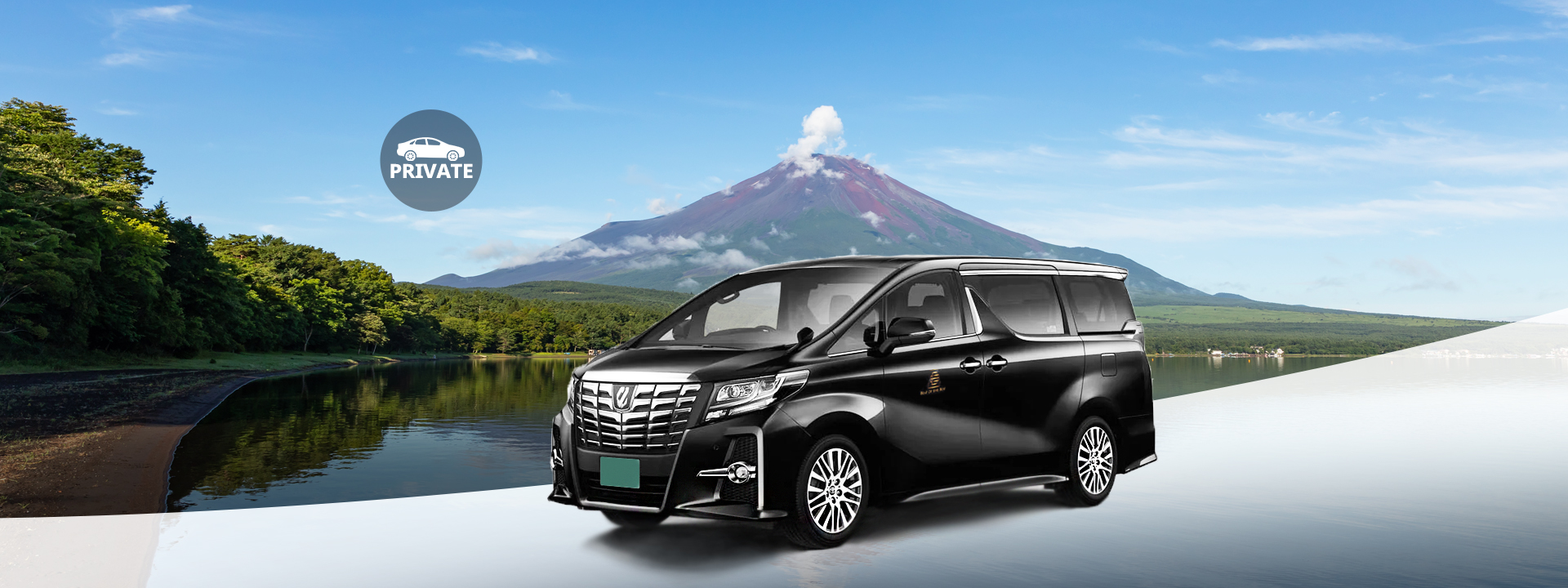
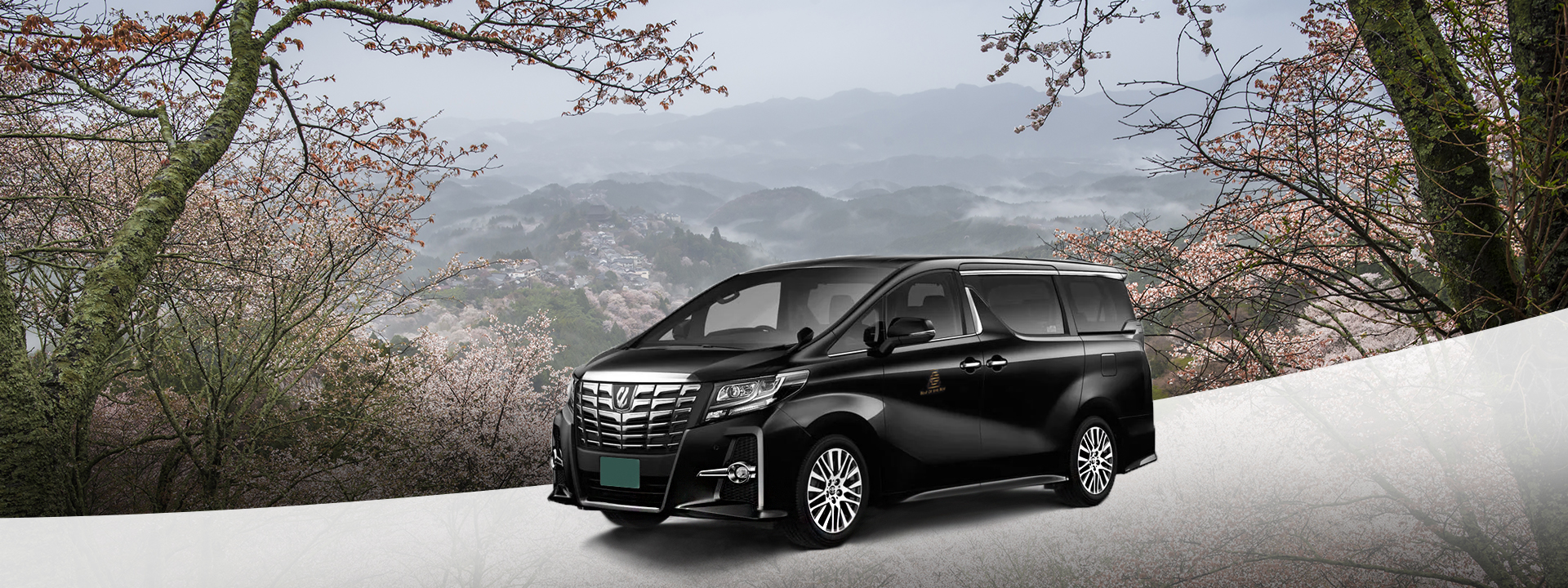
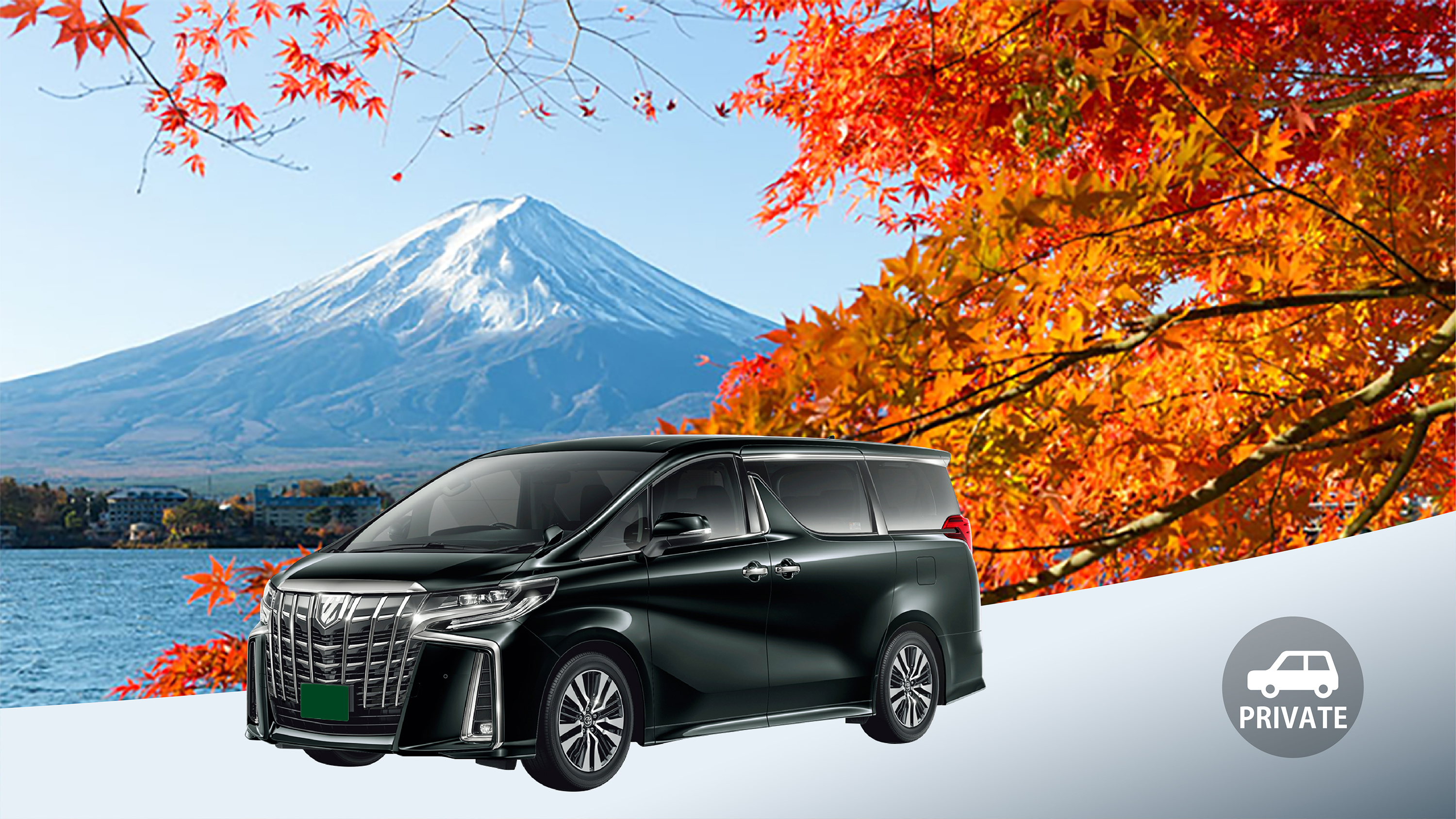
STANDARD CAR MAX 3 PAX
STANDARD CAR<br/>Pickup included
PREMIUM MINI VAN MAX 6 PAX
PREMIUM MAX 6 PAX<br/>Pickup included
PREMIUM MINI VAN MAX 9 PAX
PREMIUM MAX 9 PAX<br/>Pickup included
What's included
air-conditional vehicle
WiFi on board
Booster seat
Parking Fees
Detailed itinerary
1
Stop 1
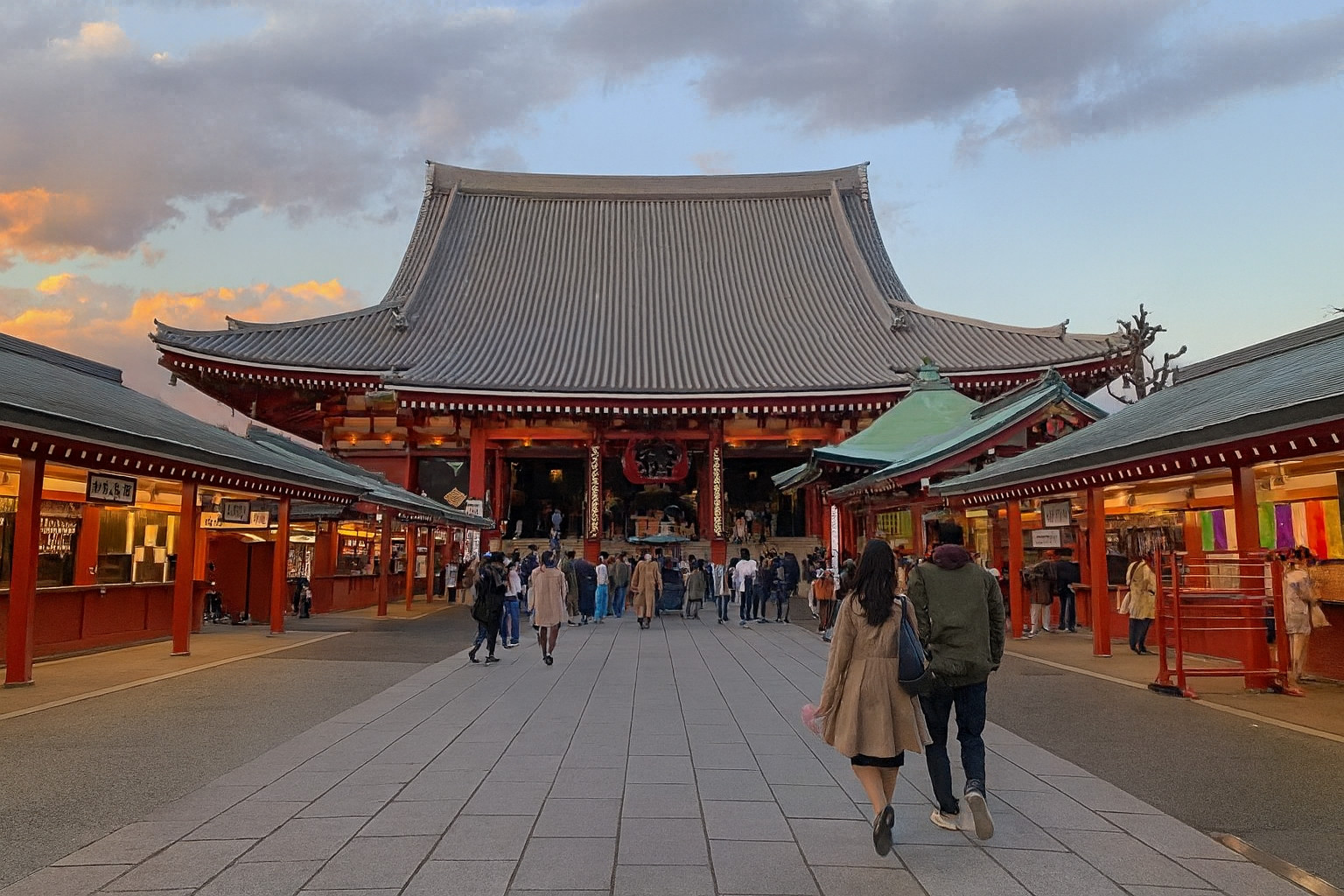
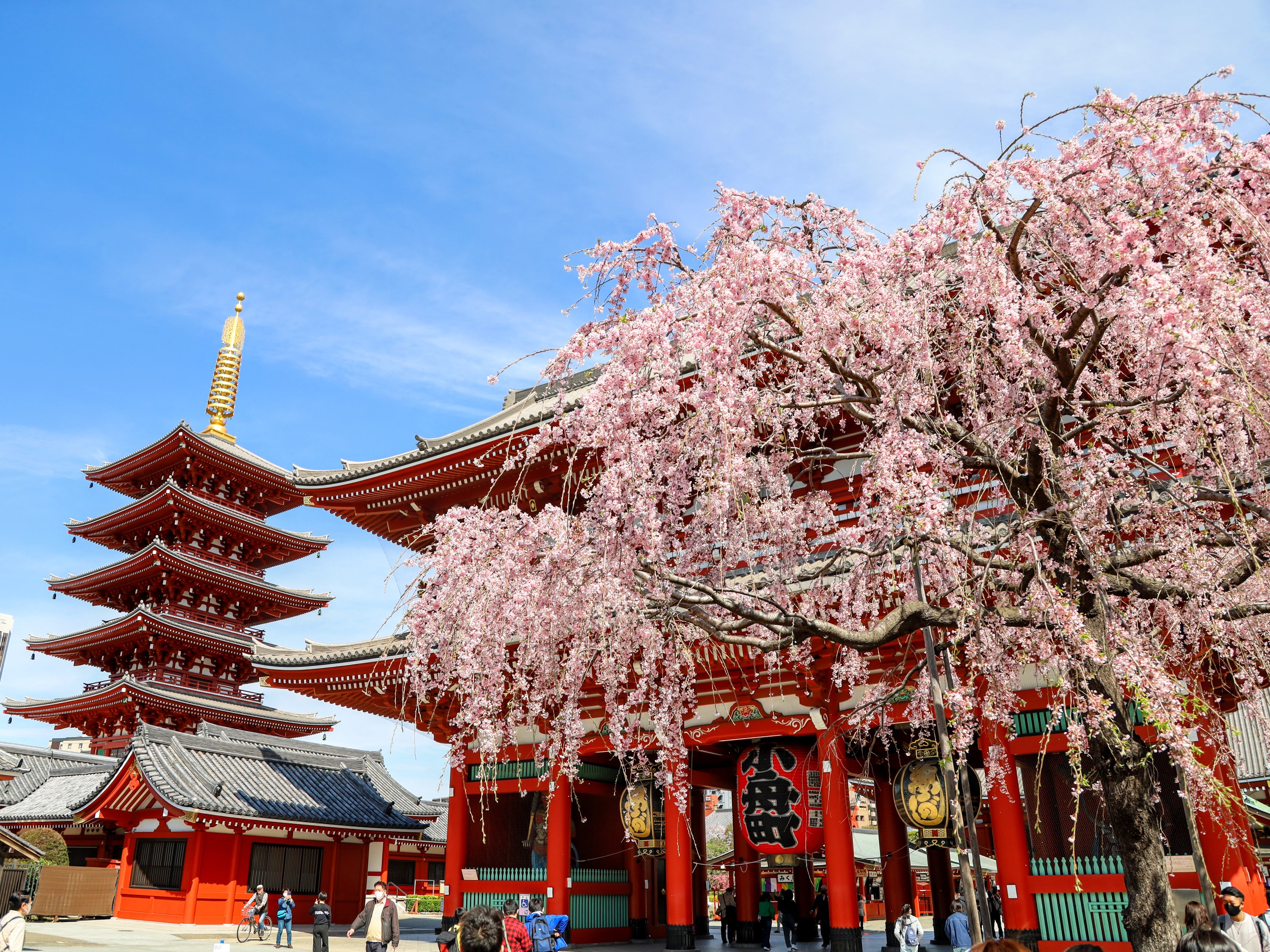
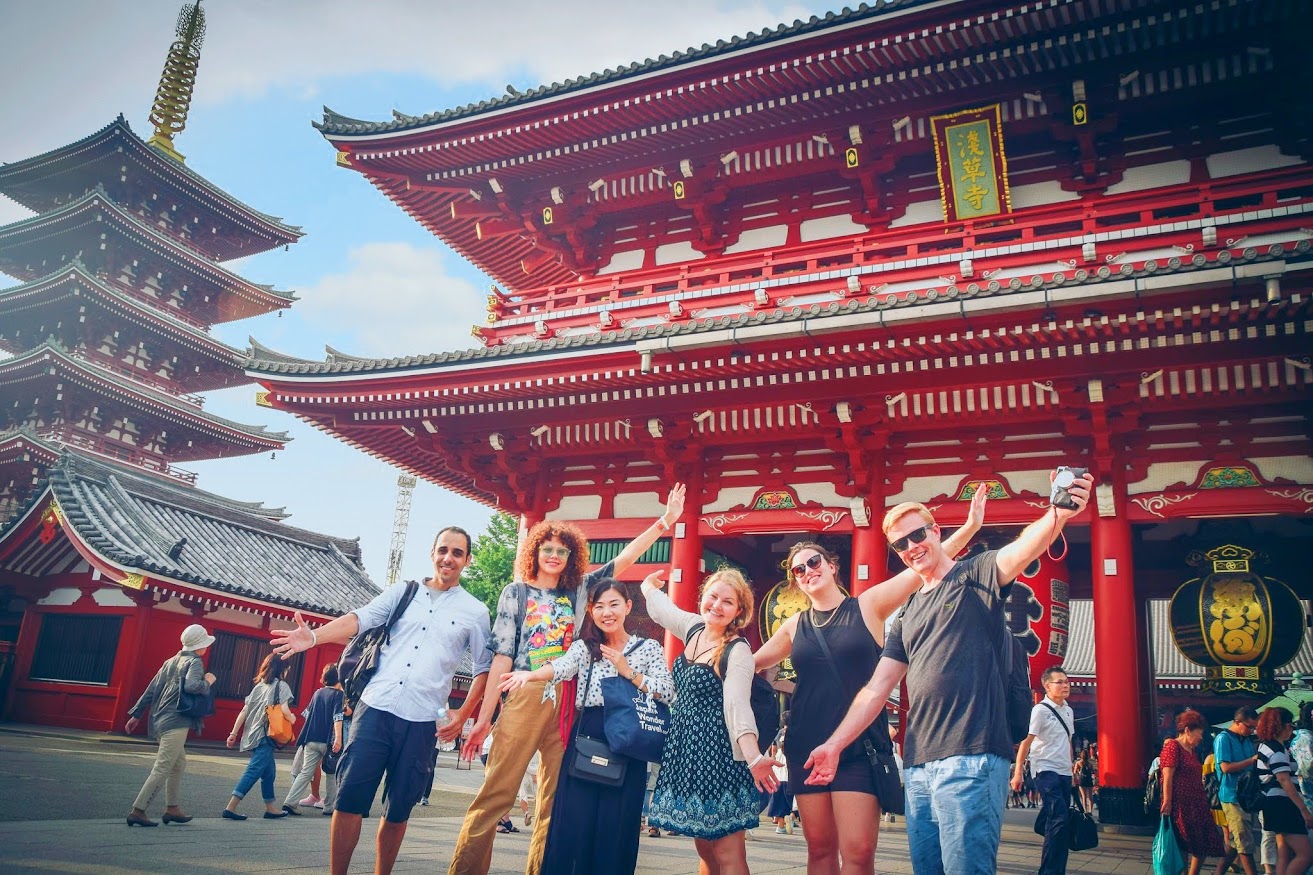
More than 30 million people visit Sensoji Temple every year from both Japan and abroad.
Built in 628, it is the oldest temple in Tokyo.
The most representative gate of Asakusa is the Kaminarimon Gate.
In Asakusa, it is common to ride a rickshaw around the famous places, so you can see rickshaws all over the town.
At Nakamise-dori, the approach to the main road, you can buy souvenirs filled with Japanese culture, such as Japanese sweets and tea.
2
Stop 2
Tokyo Skytree opened on May 22, 2012 and is the tallest tower in Japan, standing 634 meters tall.
The name comes from the idea that a city that is friendly to both people and the environment will be born under a tower that resembles a large tree reaching into the sky.
The exterior was created with traditional Japanese architectural design in mind, and uses the traditional Japanese color indigo (a white with a slight bluish tint).
3
Fukagawa Fudodo is a temple that has survived the Great Kanto Earthquake and World War II.
The former main hall is the oldest wooden building in Tokyo and is a designated registered cultural property of Koto Ward.
Prayers are held in the new main hall five times a day, every two hours from 9:00 to 17:00, and anyone is welcome to attend.
4
Tsukiji is a historic district in central Tokyo, best known for its vibrant market culture and culinary heritage. While the inner wholesale market moved to Toyosu in 2018, the outer market remains a bustling hub of activity, filled with small shops, street food stalls, and traditional restaurants. Visitors can sample fresh sushi, grilled seafood, tamagoyaki (Japanese omelet), and other local specialties as they explore the narrow alleyways. The area also offers a glimpse into Tokyo’s food culture and the daily lives of local vendors. With its lively atmosphere and authentic charm, Tsukiji is a must-visit for food lovers and cultural explorers alike.
5
Stop 5
The Imperial Palace is the official residence of the Emperor and serves as the stage for national ceremonies.
In 1868, Emperor Meiji traveled from Kyoto to Tokyo, and successive emperors have lived in the Imperial Palace ever since.
The gardens and buildings surrounding the Imperial Palace reflect the beauty of Japanese tradition and nature, attracting many visitors throughout the year.
6
Stop 6
Meiji Shrine is a shrine dedicated to Emperor Meiji and Empress Shoken.
Located in the heart of Tokyo, this shrine is surrounded by lush nature and is known as one of the largest shrines in Japan.
The 12-meter-tall torii gate is the largest in Japan and is an important landmark that leaves a special impression on visitors.
Meiji Shrine is also known as the shrine for matchmaking, and many visitors come to pray for success in love and good relationships.
7
Stop 7
Harajuku is the epicenter of kawaii culture, and Takeshita Street is the place where you can feel it most strongly.
There are plenty of pop and colorful Kawaii shops selling trendy sweets, fashion, cosmetics, and more that are perfect for Instagram.
Even if you don't find anything you want, the charm of the street is that it's fun just to look around.
8
Stop 8
Shibuya Scramble Crossing is often said to be the busiest crosswalk in the world, with over 2,000 people crossing at once.
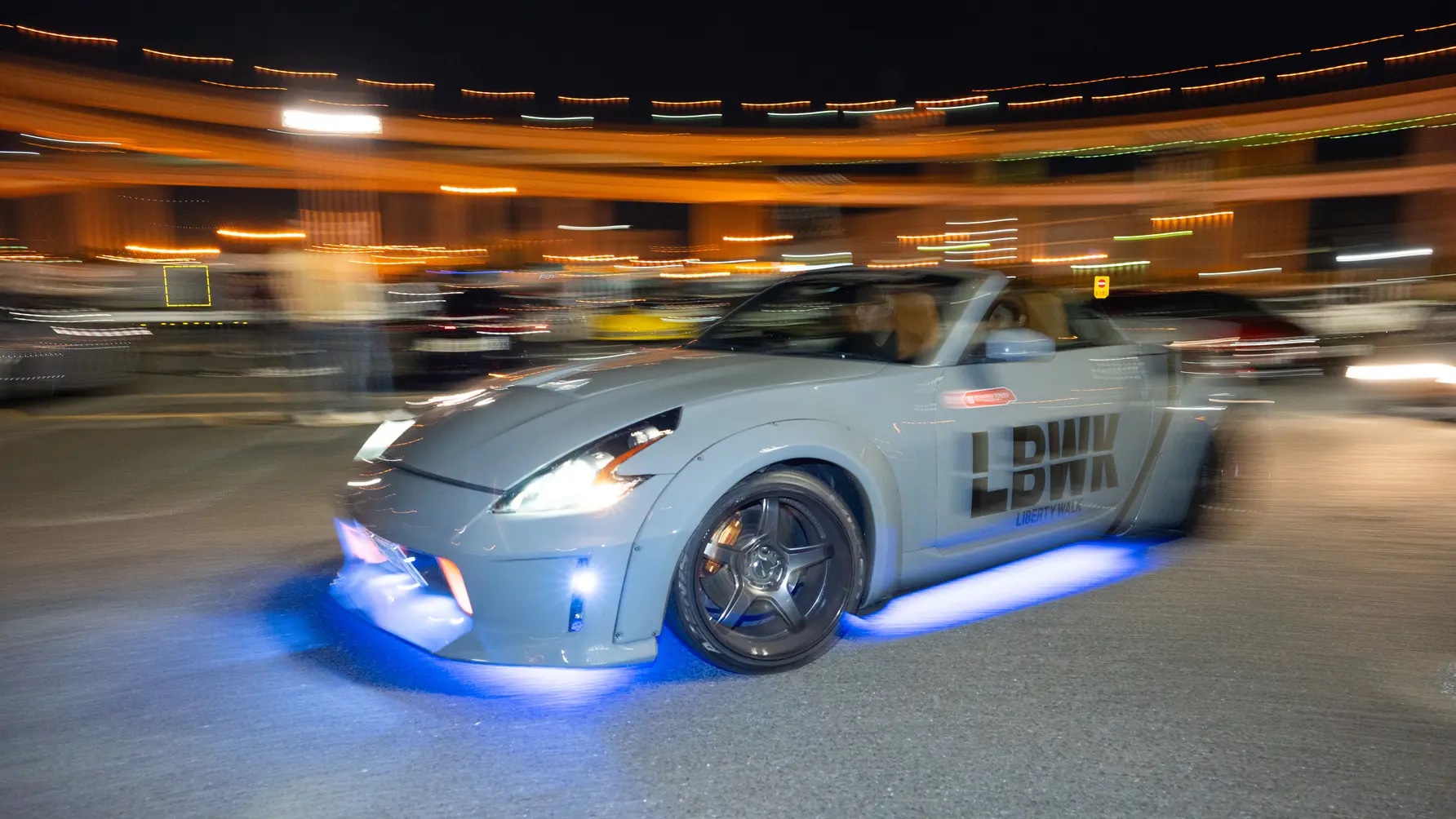
This intersection is also famous as the filming location for the car chase in Fast & Furious X3.
There are many cafes in the area that offer views of the scramble crossing.
Hachiko statue is a well-known landmark that is one of the most popular meeting places in Shibuya.
Hachiko was a dog that waited for his owner at Shibuya Station every day even after his owner’s death.
Hachiko Statue is located in front of Hachiko Exit at Shibuya station.
9
Stop 9
At 333 meters tall, it is the second tallest building in Japan after Tokyo Skytree.
This iconic red-and-white structure is inspired by the Eiffel Tower and has been a beloved landmark since its completion in 1958. Visitors can enjoy panoramic views from the Main Deck and the higher Top Deck, especially during sunset or at night when the city lights sparkle. The tower also features FootTown, a multi-story building at its base with shops, restaurants, and museums. Blending retro charm with modern appeal, Tokyo Tower remains one of the city’s most recognizable and nostalgic attractions.
10
Odaiba is an artificial island built in Tokyo Bay, and is a seaside subcenter with various facilities.Rainbow Bridge was opened in 1993 and is a bridge connecting Shibaura, Minato-ku and Daiba district. You can take a leisurely walk, rest or play while gazing at the sea and the Rainbow Bridge. A replica of the Statue of Liberty stands at Odaiba Seaside Park.
What's not included
Admission Fee for Tokyo Sky Tree/Tokyo Tower
Admission Fee for Fukagawa Fudodo (Naritasan Tokyo Betsuin)
Walking guide (insights are given mostly while in car between destinations)
Available languages
Guide guide
RU
JA
EN
Important information
Wheelchair accessible
Infants and small children can ride in a pram or stroller
Public transportation options are available nearby
Infants are required to sit on an adult’s lap
Specialized infant seats are available
Suitable for all physical fitness levels
About Tokyo
Tokyo, the capital of Japan, is a bustling metropolis that beautifully blends traditional culture with cutting-edge technology. Known for its neon-lit streets, historic temples, and world-class cuisine, Tokyo offers a unique experience that caters to every type of traveler.
Top Attractions
Senso-ji Temple
Senso-ji is Tokyo's oldest temple and one of its most significant. The temple's massive lantern and five-story pagoda are iconic landmarks.
Historical/Religious
1-2 hours
Free (small fee for some areas)
Meiji Shrine
Meiji Shrine is a Shinto shrine dedicated to the deified spirits of Emperor Meiji and his wife, Empress Shoken. It is surrounded by a beautiful forest.
Historical/Religious
1-2 hours
Free
Shibuya Crossing
Shibuya Crossing is the world's busiest pedestrian crossing and a symbol of Tokyo's bustling urban life. It's a must-see for its chaotic yet orderly nature.
Cultural
30 minutes to 1 hour
Free (¥2,200 for Shibuya Sky)
Tokyo Skytree
Tokyo Skytree is the tallest tower in Japan and the second tallest freestanding structure in the world. It offers breathtaking views of the city.
Architecture
2-3 hours
¥2,100 to ¥3,100 (USD $15 to $22)
Odaiba
Odaiba is a man-made island in Tokyo Bay known for its shopping, dining, and entertainment options. It's a great place for families and tech enthusiasts.
Entertainment
Half day to full day
Varies by attraction
Must-Try Local Dishes
Sushi
Fresh raw fish served on vinegared rice, a staple of Japanese cuisine.
Dinner
Contains fish, can be vegetarian with substitutes.
Ramen
Noodle soup with various broths and toppings, a popular comfort food.
Lunch/Dinner
Vegan and vegetarian options available.
Tempura
Deep-fried seafood and vegetables, known for its crispy texture.
Lunch/Dinner
Contains seafood and deep-fried ingredients.
Okonomiyaki
Savory pancake with various ingredients, often topped with sauce and bonito flakes.
Lunch/Dinner
Contains seafood and can be made vegetarian.
Popular Activities
Hiking in the nearby mountains
Parasailing at Odaiba
Onsen (hot spring) visits
Tea ceremonies
Traditional tea ceremonies
Kimono rentals and photo shoots
Boat tours on the Sumida River
Beach activities at Odaiba
Best Time to Visit
March to May (Spring) and September to November (Autumn)
These seasons offer comfortable temperatures and beautiful scenery, with cherry blossoms in spring and vibrant foliage in autumn. However, these are also the busiest times for tourism.
10°C to 25°C (50°F to 77°F)
50°F to 77°F
Practical Information
Language
- Official: Japanese
- Widely spoken: English, Chinese, Korean
- English: Moderately spoken in tourist areas, limited elsewhere
Currency
Japanese Yen (JPY)
Time Zone
GMT+9
Electricity
100VV, 50/60HzHz
Safety Information
Overall Safety Rating: Very safe
Tokyo is generally very safe, with low crime rates and a strong emphasis on public order. However, petty crimes like pickpocketing can occur in crowded areas.
Important Precautions:
- • Be cautious of your belongings in crowded areas.
- • Use licensed taxis and check fares before getting in.
- • Be aware of your surroundings, especially at night.
Getting there
By air
- Narita International Airport • 60 km (37 miles) from city center
- Haneda Airport • 15 km (9 miles) from city center
By train
Tokyo Station, Shinjuku Station
By bus
Tokyo Station Bus Terminal, Shinjuku Expressway Bus Terminal
Getting around
Public transport
Tokyo's subway system is efficient, clean, and punctual. It consists of multiple lines operated by Tokyo Metro and Toei Subway.
Taxis
Available • Apps: JapanTaxi, DiDi
Rentals
Car, Bike, Scooter
Neighborhoods
Shibuya
Shinjuku
Asakusa
Ginza
Akihabara
Day trips
Nikko
120 km (75 miles) from Tokyo • Full day
Nikko is a city known for its beautiful shrines, temples, and natural scenery. It's a UNESCO World Heritage site and offers a peaceful retreat from the bustling city.
Kamakura
50 km (31 miles) from Tokyo • Half day to full day
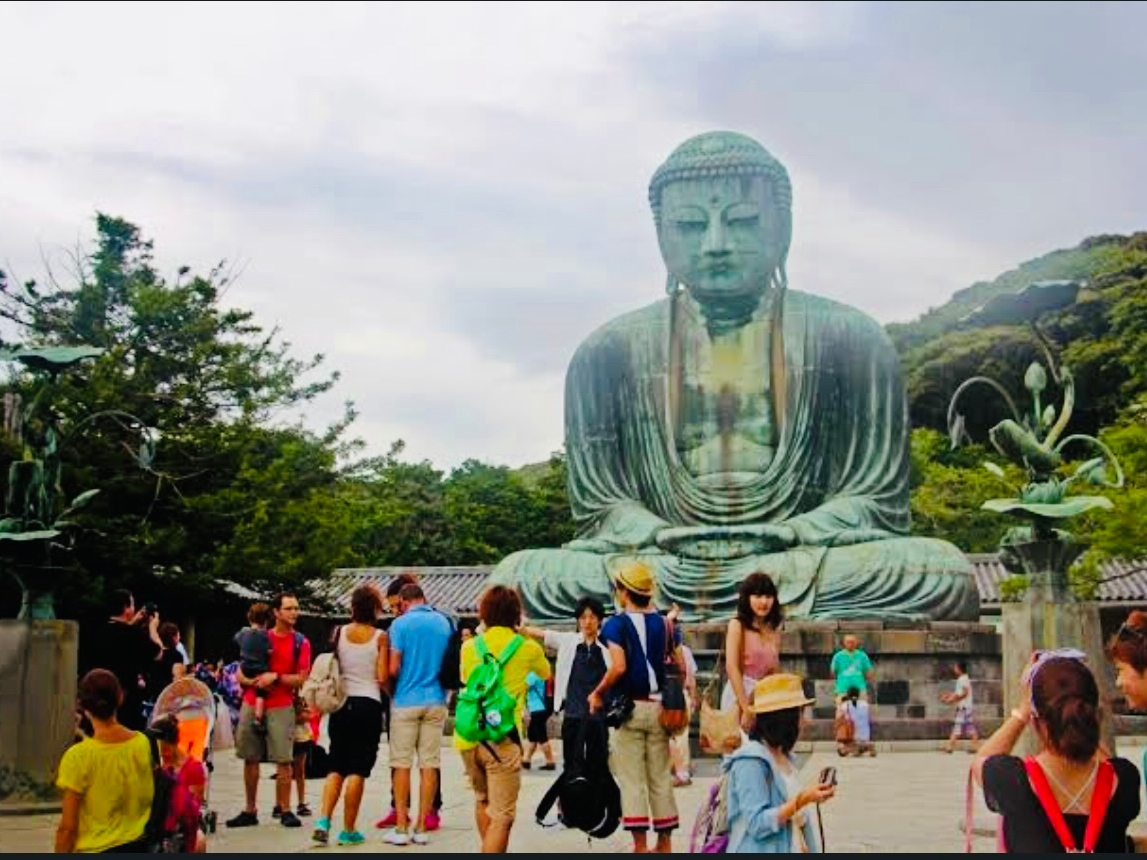
Kamakura is a coastal town known for its historic temples, shrines, and the Great Buddha statue. It's a great place to experience traditional Japanese culture.
Hakone
90 km (56 miles) from Tokyo • Full day or overnight
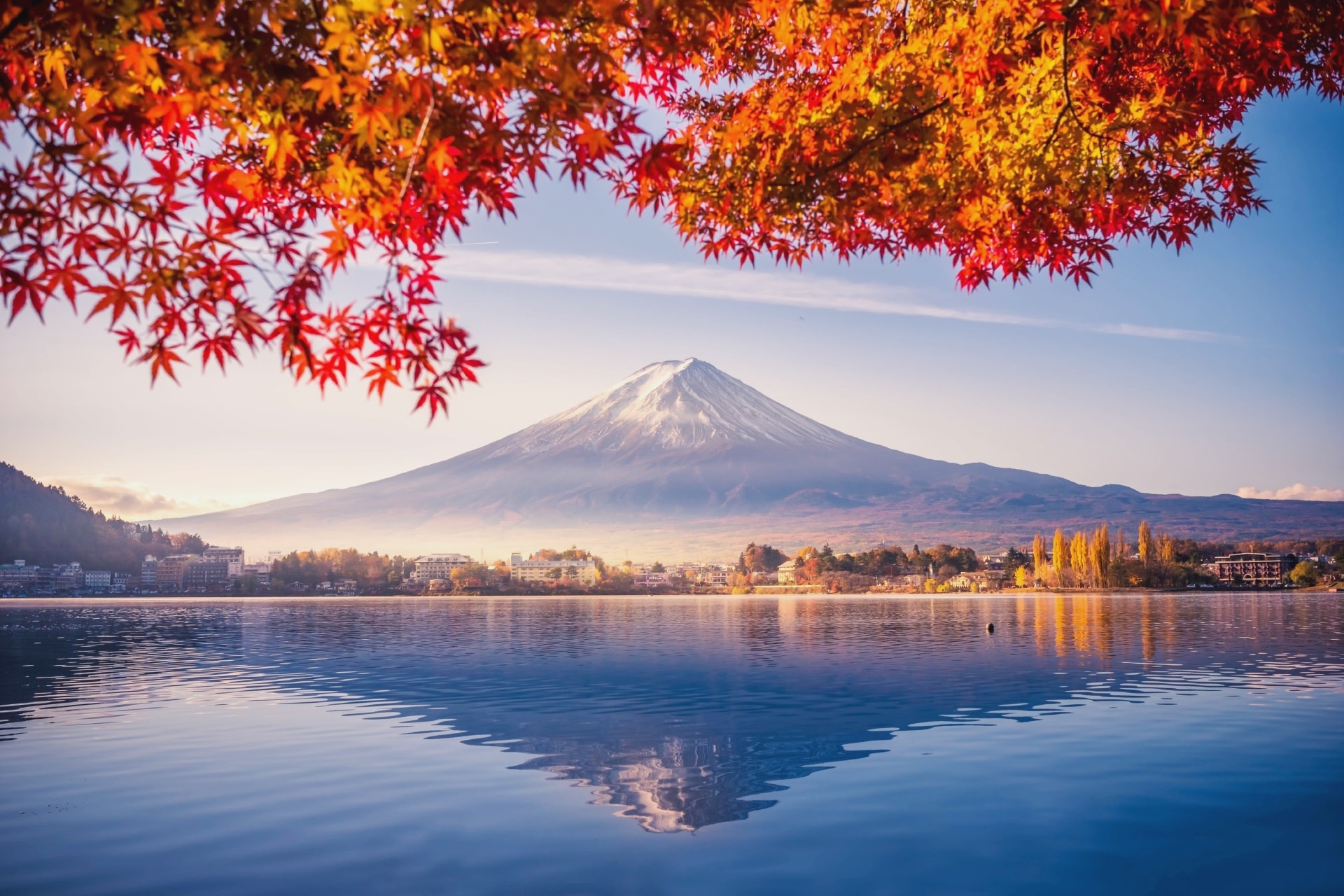
Hakone is a hot spring resort town known for its onsen (hot springs), scenic views of Mount Fuji, and the Open-Air Museum. It's a popular destination for relaxation and nature.
Festivals
Sannō Matsuri • Mid-June (every 2 years)
Kanda Matsuri • Mid-May (every 2 years)
Sumida River Fireworks Festival • Last Saturday of July
Pro tips
- Use IC cards like Suica or Pasmo for convenient and discounted public transport.
- Download useful apps like Google Maps, Japan Transit Planner, and Japan Travel by Navitime.
- Learn a few basic Japanese phrases to enhance your experience and show respect for the local culture.
- Carry cash, as some smaller shops and restaurants may not accept credit cards.
- Visit popular attractions early in the morning or late in the afternoon to avoid crowds.
From $25
per person
Price varies by option
Secure booking
Free cancellation available
Instant confirmation