Travel back in time and discover the Soviet past of Georgia
Active
4h
For a full refund, cancel at least 24 hours before the scheduled departure time.
Instant confirmation
Mobile or paper ticket accepted
About this experience
Since 1921, Georgia has been part of the Soviet Union until 1991. These 70 years have had a profound impact on the country, affecting its architecture, lifestyle, mindset and more. Today, we’re lifting the Iron Curtain and letting you travel back in time to fully experience what it was like to live in Soviet Georgia.
On the tour, you will see Soviet architecture and hear urban legends from the 20th century.
Tbilisi is a great example of brutalist architecture; therefore, take a unique chance to explore the Soviet past, hear the untold stories and get a local perspective.
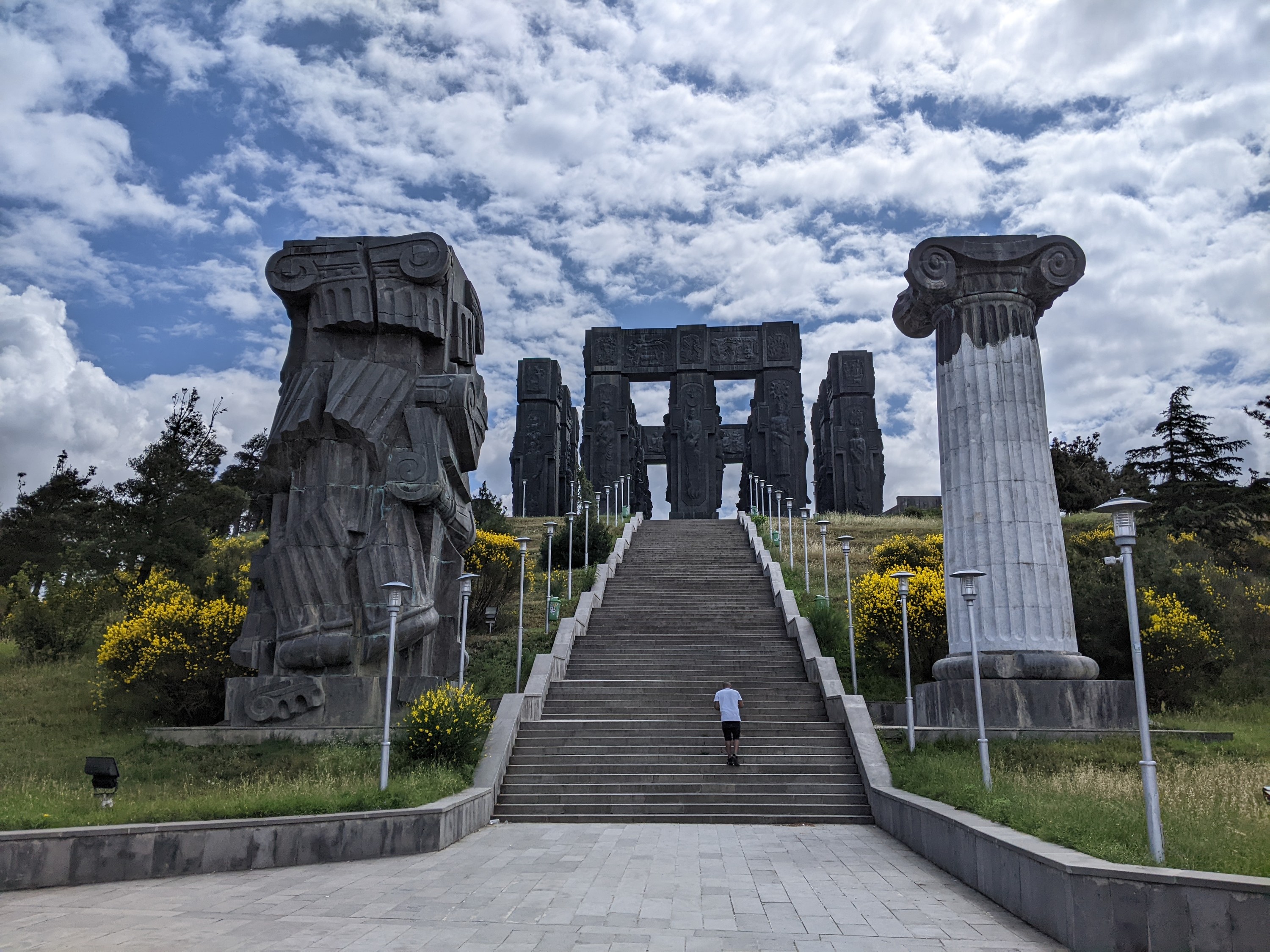
We explore some of the city’s most striking landmarks, showcasing bold examples of modernist and Soviet-era architecture. From monumental government and educational complexes to innovative residential designs and expressive public art, the tour highlights the creativity, ambition, and ideological vision that shaped the urban landscape of the time.
Available options
Travel back in time and discover the Soviet past of Georgia
What's included
Stories and urban legends from the Soviet era
Tour of Soviet architecture in Tbilisi
Transportation
Metro Ride
A certified guide service
Local perspective on Soviet life
Detailed itinerary
1
The Parliament building stands as a monumental symbol of Soviet authority and architectural ambition. Built in the 1930s on the site of the demolished Cathedral, it embodies the regime’s desire to reshape both history and identity. Its massive colonnades, heavy stone facade and symmetrical design are prime examples of Stalinist architecture — meant to impress and intimidate. Today, it represents Georgia’s complex journey from Soviet rule to independence.
2
Stop 2
Opened in 1966, the Tbilisi Metro was one of the first subway systems in the Soviet Union outside Russia and Ukraine — a mark of prestige and modern progress. Its stations were built deep underground, serving not only as public transport but also as potential bomb shelters. Each station reflects Soviet ideals through mosaics, marble and geometric design, blending propaganda with local artistry. Riding the metro today feels like stepping into a living time capsule — a glimpse into daily life and design under the Soviet regime.
3
Stop 3
Located high above the city, the “Maghlivi” campus of Tbilisi State University is a striking example of late Soviet brutalism. Constructed in the 1970s, its monumental concrete forms were designed for function and endurance rather than beauty, reflecting the Soviet ideal of education as a collective pursuit.
4
Suspended high above Tbilisi’s Nutsubidze Plateau, this residential complex is a masterpiece of Soviet brutalism. Designed in the 1970s by Otar Kalandarishvili, it consists of three towering blocks connected by a dramatic sky bridge — a bold solution to the city’s mountainous landscape. Once a model of futuristic urban living, it’s now one of Tbilisi’s most photographed Soviet structures, capturing both the creativity and the isolation of life in the late socialist era.
5
Originally built in 1975 as the Ministry of Highway Construction, this building is one of the boldest examples of Soviet modernism in the Caucasus. Designed by Giorgi Chakhava and Zurab Jalaghania, it follows the “space city” concept — where architecture seems to float above the ground. Its interlocking horizontal blocks symbolize the connection of Georgia’s roads, an elegant metaphor for unity and progress. Today, it houses the Bank of Georgia, standing as a rare Soviet icon that’s been reimagined for the modern era.
6
Stop 6
Built in the late 1970s, it was designed to merge with the landscape — a concrete structure that seems both futuristic and ancient. The building’s rough geometry and massive bas-reliefs reflect the Soviet fascination with science, history, and monumentality. Though abandoned, it remains one of Tbilisi’s most atmospheric sites — a symbol of forgotten ambition and fading utopias.
What's not included
Meals
Tips
Available languages
Guide guide
EN
Important information
Public transportation options are available nearby
Suitable for all physical fitness levels
Minimum age of a traveler on the group tour is 7 years
Wear comfortable shoes
Dress accordingly to the weather
Unaccompanied minors not allowed
Pets are not allowed
Meeting point
At 9:45, our team member will meet you at the meeting point with the "Authentic Georgia" sign, 4a P. Ingorokva Street (350 meters away from Liberty Square).
About Tbilisi
Tbilisi, the capital of Georgia, is a vibrant city where ancient history meets modern culture. Known for its unique architecture, thermal baths, and rich culinary scene, it offers a blend of European and Asian influences that make it a captivating destination for travelers.
Top Attractions
Narikala Fortress
This ancient fortress offers panoramic views of Tbilisi and is a symbol of the city's rich history.
Historical
1-2 hours
Free
Sulfur Baths
A unique historical landmark where people have been bathing in sulfur-rich waters for centuries.
Religious
1-2 hours
10-20 GEL (3-6 USD)
Sameba Cathedral
One of the largest religious buildings in the Caucasus, this cathedral is an architectural masterpiece.
Religious
1 hour
Free
Mtatsminda Park
A beautiful park with panoramic views of the city, perfect for a relaxing stroll or picnic.
Nature
2-3 hours
Free
Dry Bridge Market
A popular flea market where you can find antiques, souvenirs, and local crafts.
Shopping
1-2 hours
Varies
Must-Try Local Dishes
Khachapuri
A cheesy bread filled with melted cheese, often with an egg in the center.
Main Dish
Vegetarian
Khinkali
Dumplings filled with spiced meat or mushrooms, typically served with a side of soup.
Main Dish
Vegetarian options available
Badrijani Nigvzit
Fried eggplant rolls filled with a walnut paste.
Appetizer
Vegetarian
Lobio
A rich, spicy bean stew often served in clay pots.
Side Dish
Vegetarian
Popular Activities
Hiking in the mountains
Paragliding
Rafting
Spa treatments
Thermal baths
Picnics in parks
Visiting museums
Attending festivals
Best Time to Visit
May to October
This is the best time to visit Tbilisi as the weather is warm and pleasant, ideal for exploring the city's outdoor attractions and festivals.
20°C to 35°C
68°F to 95°F
Practical Information
Language
- Official: Georgian
- Widely spoken: Russian, English
- English: Moderately spoken
Currency
Georgian Lari (GEL)
Time Zone
GMT+4
Electricity
220VV, 50HzHz
Safety Information
Overall Safety Rating: Generally safe
Tbilisi is generally safe for travelers, but petty crime and pickpocketing can occur in crowded areas.
Important Precautions:
- • Be cautious of pickpockets in crowded areas
- • Use official taxis or ride-hailing apps
- • Avoid walking alone late at night
Getting there
By air
- Shota Rustaveli Tbilisi International Airport • 17 km from city center
By train
Tbilisi Central Railway Station
By bus
Ortachala Bus Station, Didube Bus Station
Getting around
Public transport
The metro is efficient and affordable, with stations well-connected to major attractions.
Taxis
Available • Apps: Bolt, Yandex.Taxi
Rentals
Car, Bike, Scooter
Neighborhoods
Old Town
Vake
Avlabari
Day trips
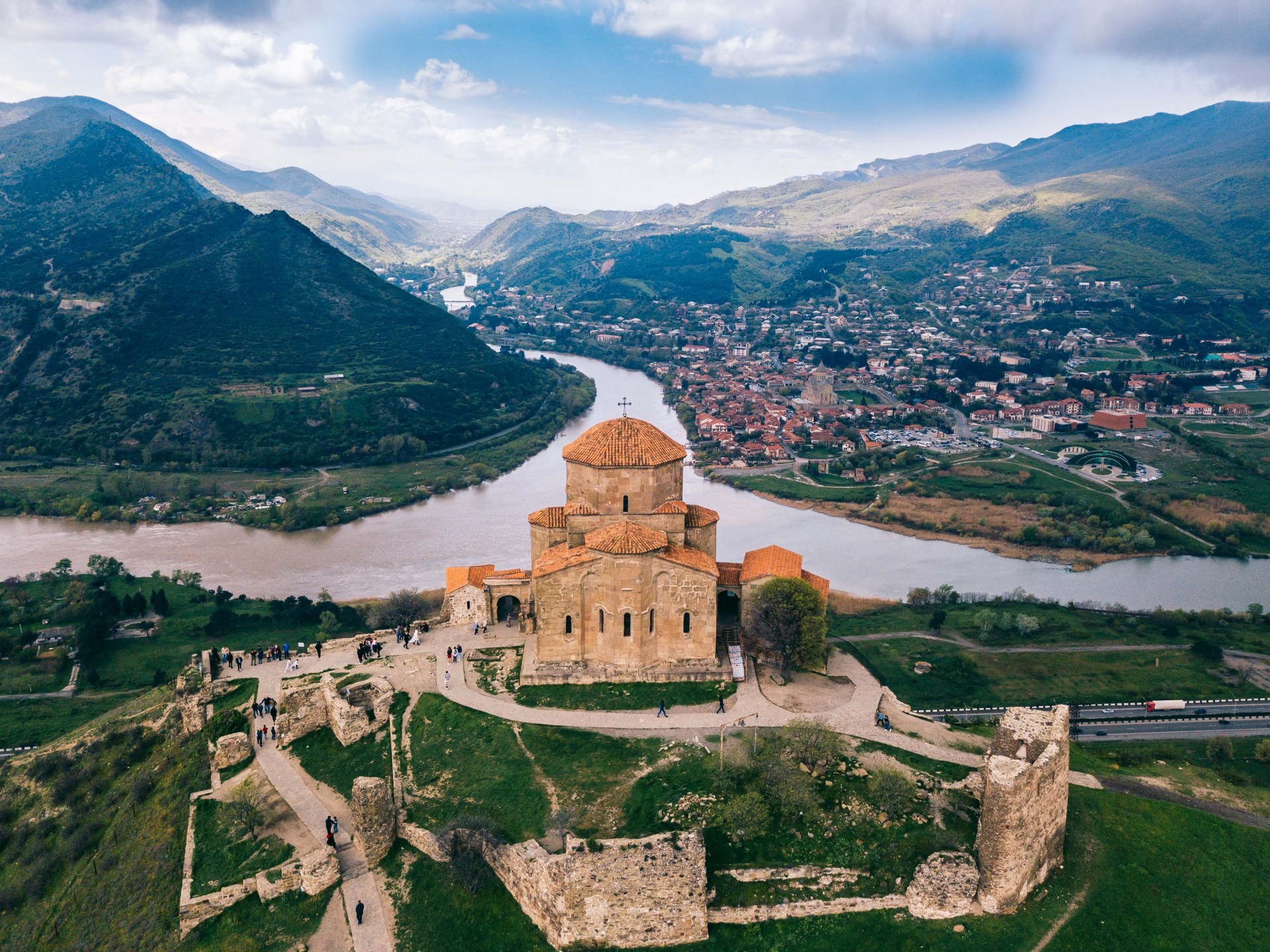
Mtskheta
20 km from Tbilisi • Half day
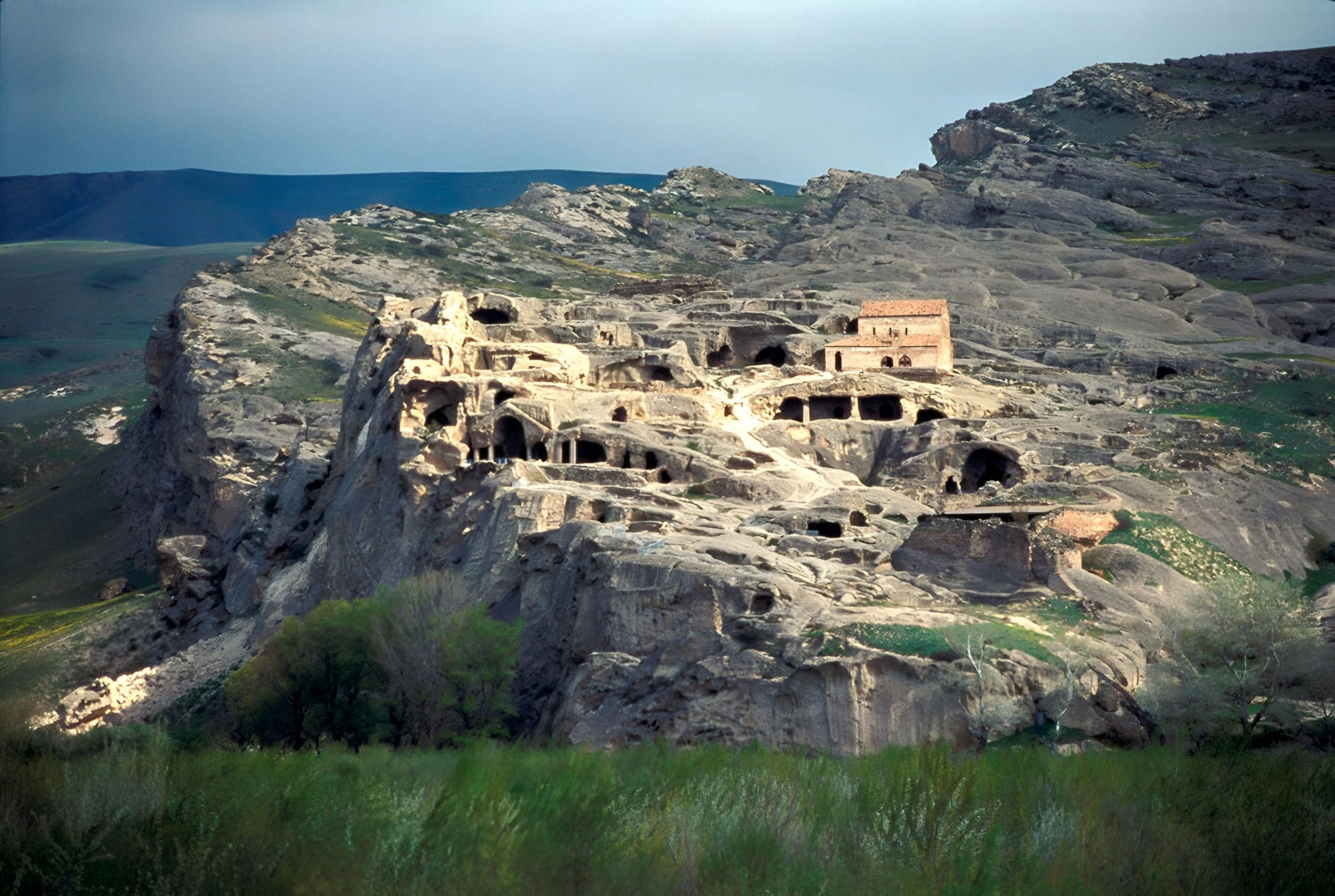
Mtskheta is an ancient city and the former capital of Georgia, known for its historic churches and monasteries.
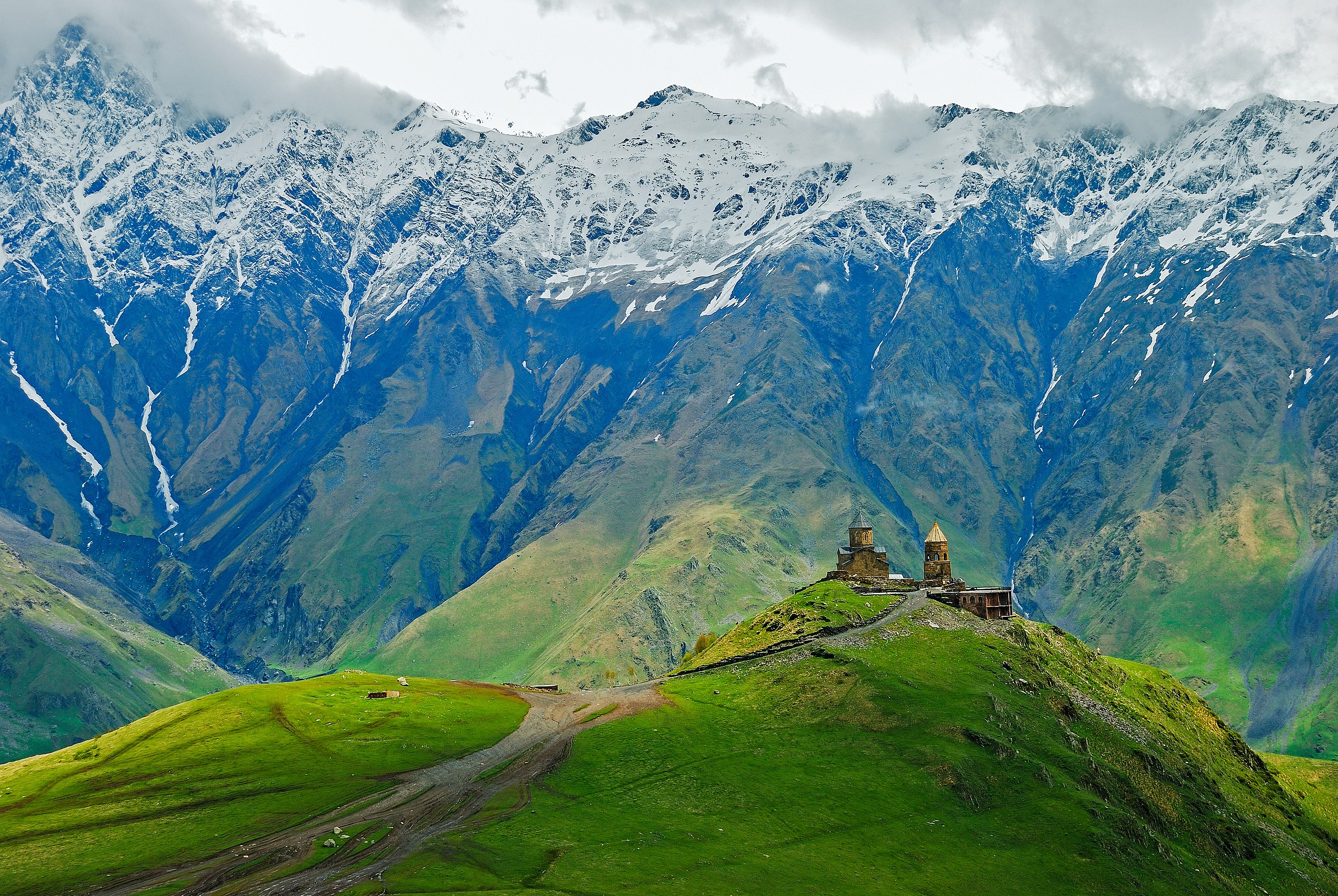
Kazbegi
160 km from Tbilisi • Full day
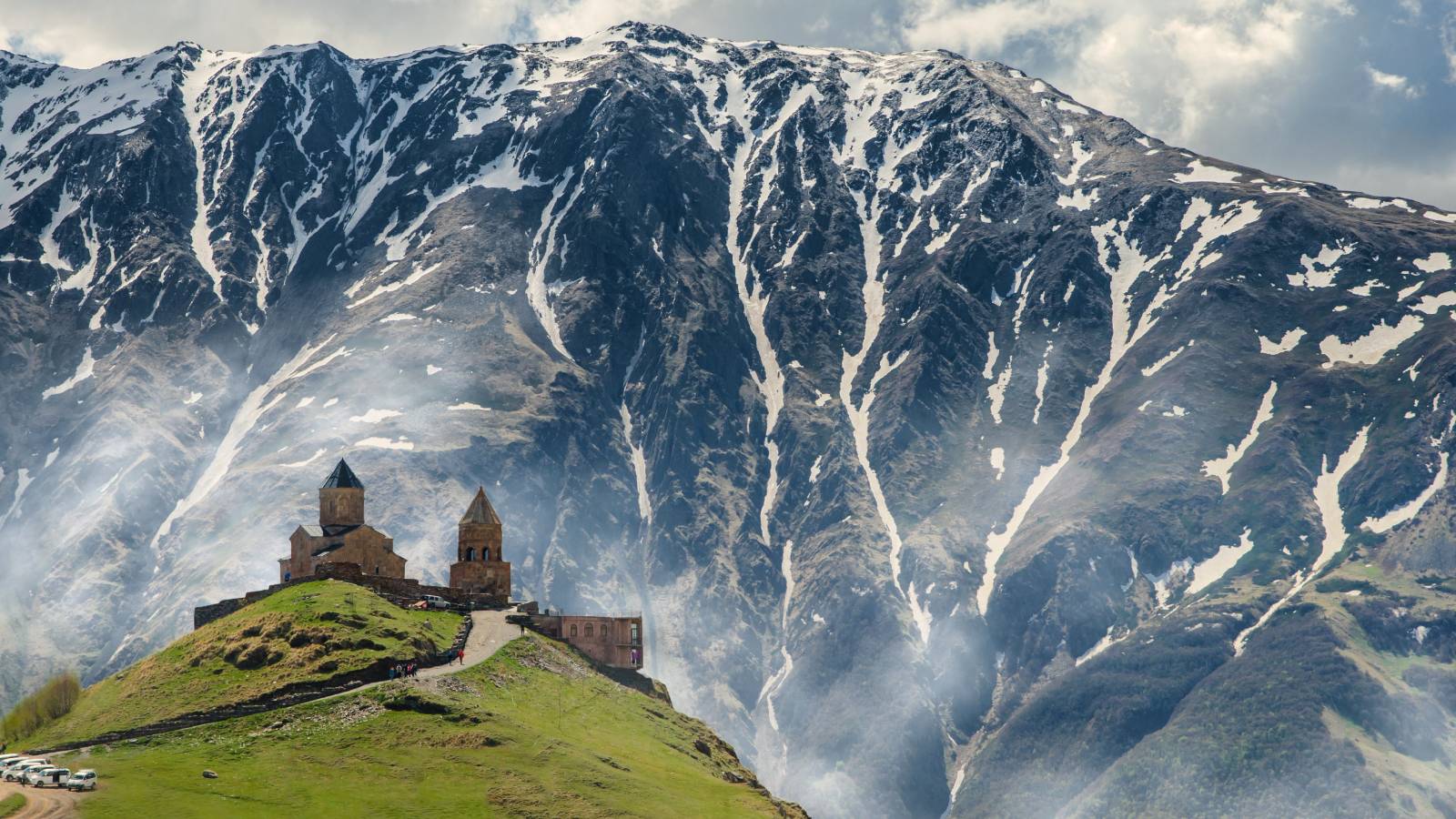
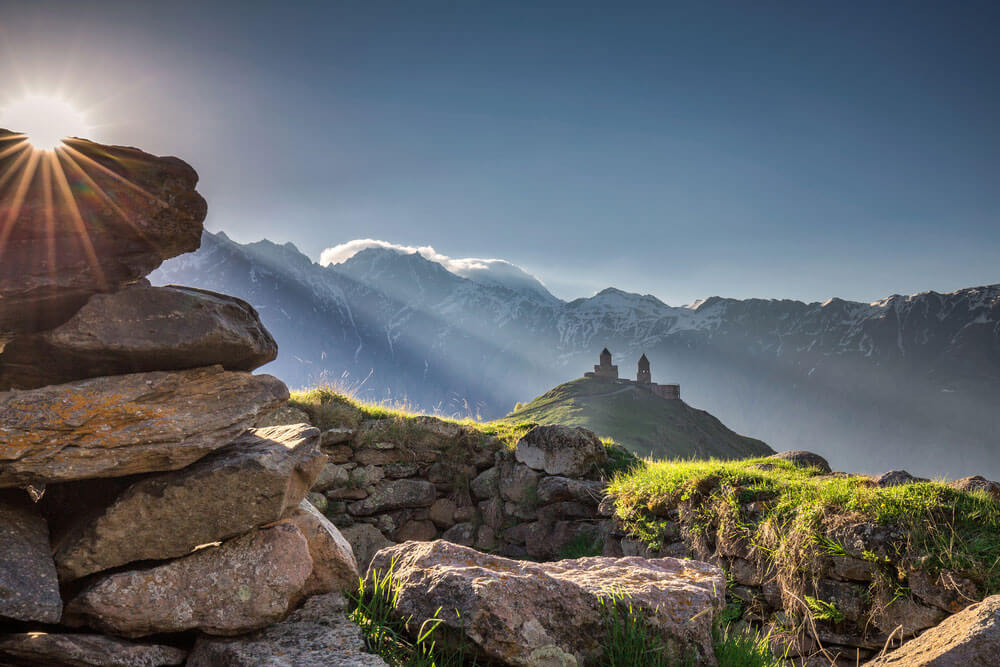
Kazbegi is a stunning mountain region with breathtaking views and outdoor activities.
Gori
80 km from Tbilisi • Half day
Gori is a city known for its historic sites, including the birthplace of Joseph Stalin.
Festivals
Tbilisi International Film Festival • March
Tbilisi Open Air • July
Tbilisi Wine Festival • October
Pro tips
- Visit the Dry Bridge Market early in the morning for the best selection of antiques and souvenirs
- Try traditional Georgian dishes at local restaurants and street food vendors
- Explore the Old Town on foot to discover hidden gems and historic sites
- Take a day trip to Mtskheta to experience Georgia's ancient history and culture
- Attend a traditional Georgian supper club for an authentic dining experience
From $25
per person
Price varies by option
Secure booking
Free cancellation available
Instant confirmation