Temple of Heaven and Forbidden City Tickets
Active
2h - 4h
For a full refund, cancel at least 24 hours before the scheduled departure time.
Instant confirmation
Mobile or paper ticket accepted
About this experience
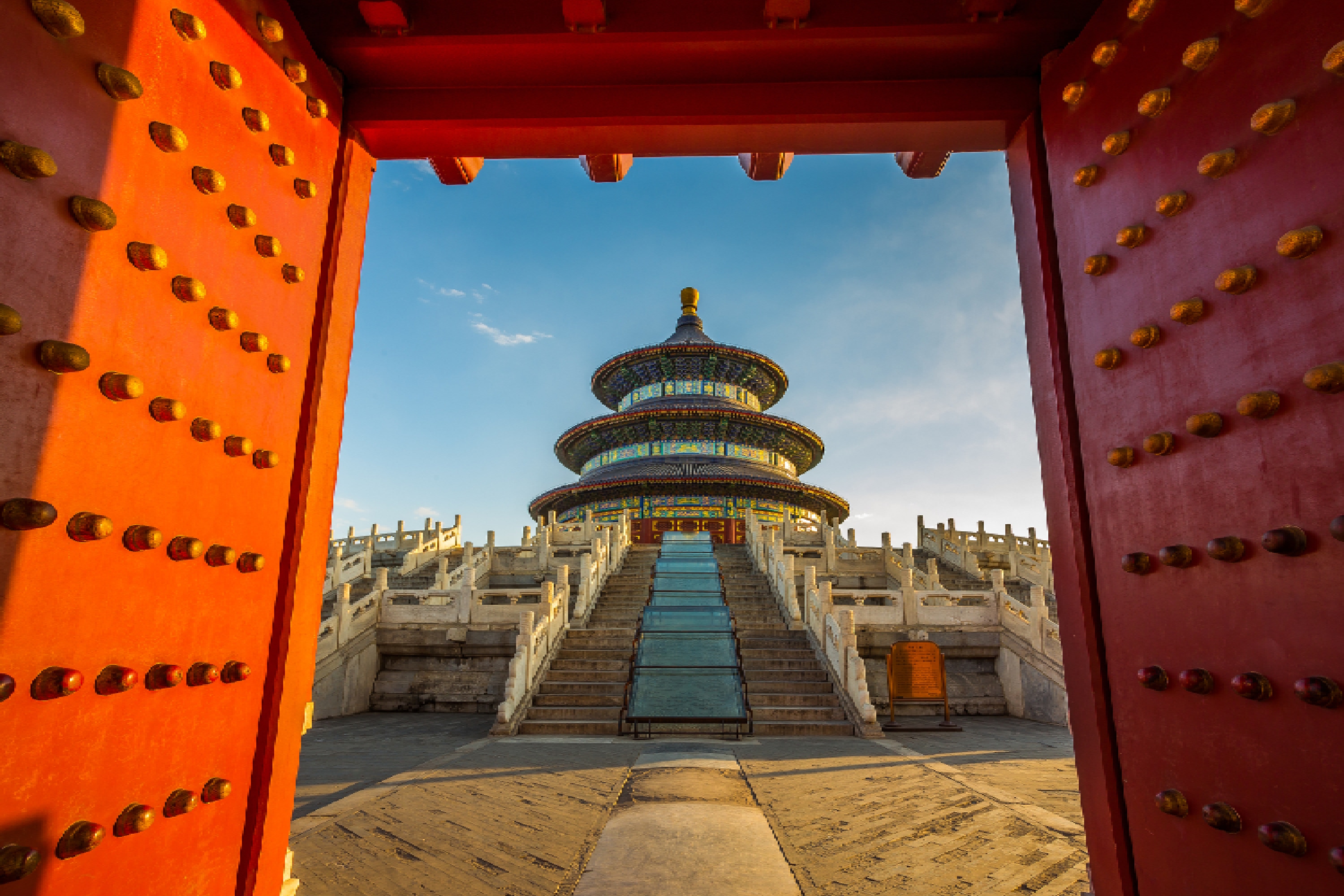
The Temple of Heaven is a UNESCO World Heritage Site since 1998 and is China's most sacred imperial sacrificial complex. Here is an introduction to its main attractions:
General Information
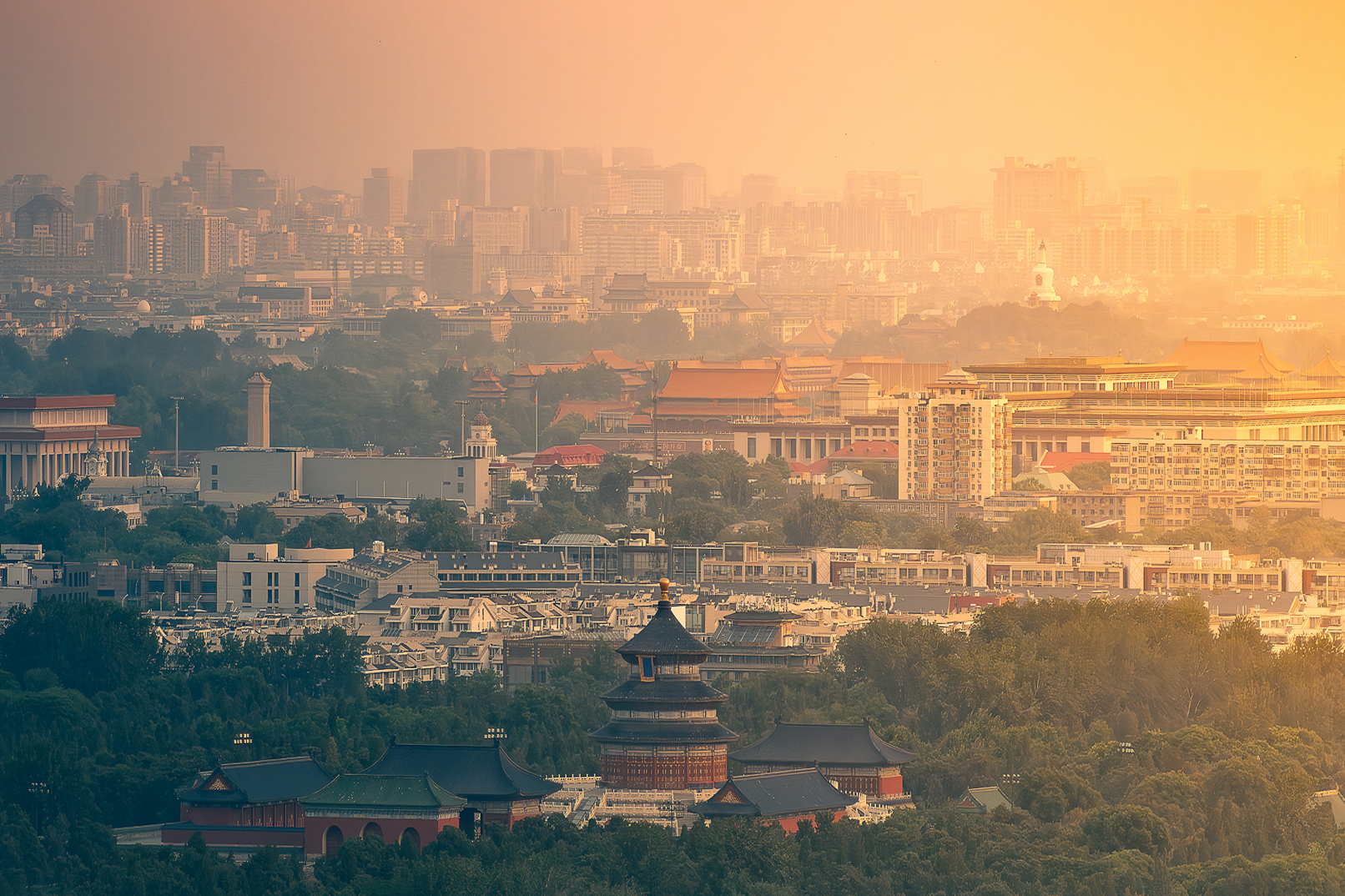
The Temple of Heaven was built in 1420 under Emperor Yongle of the Ming Dynasty. It served as the ritual ground for emperors to pray for good harvests and communicate with heaven for 500 years. Covering 2.73 million square meters, it is four times larger than the Forbidden City.
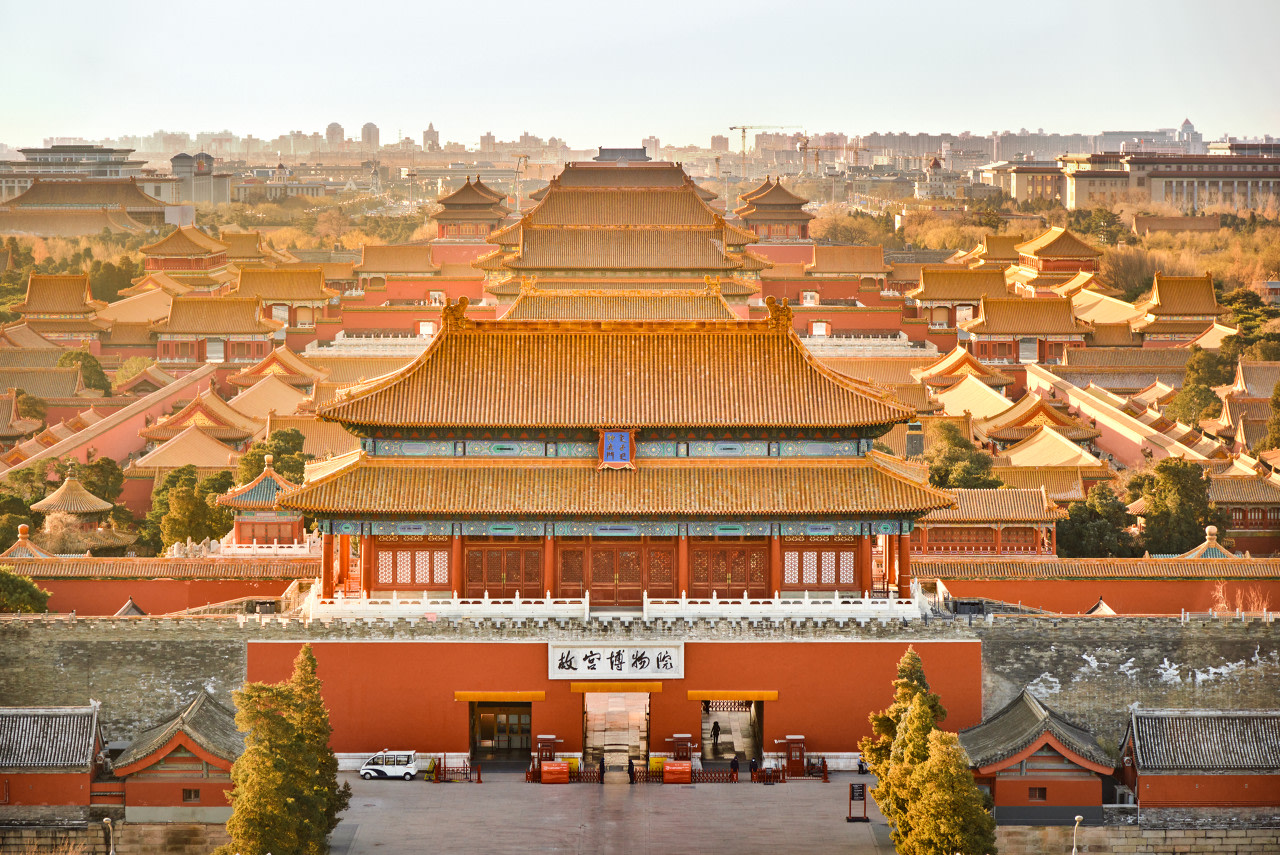
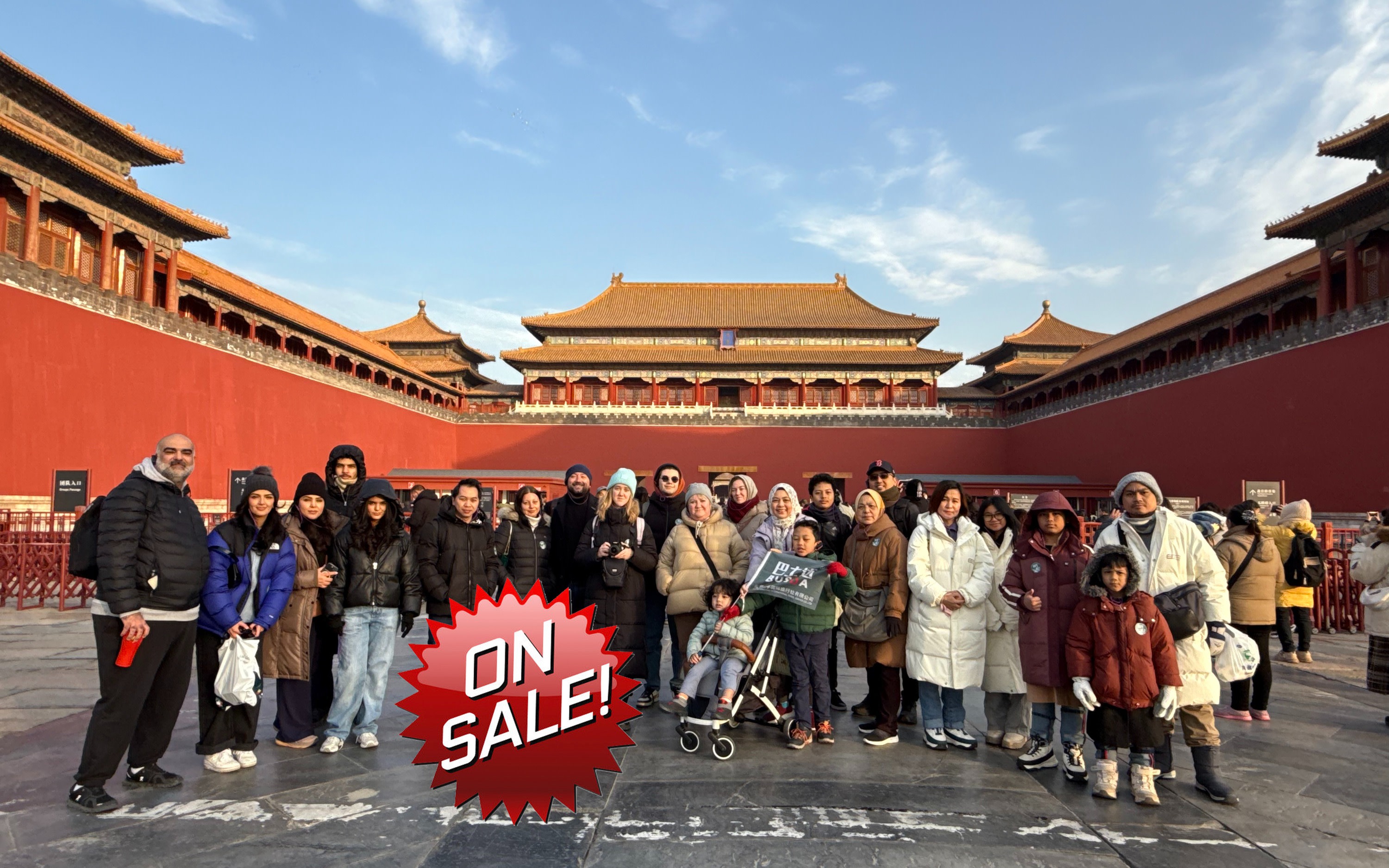
We offer a one-stop service, providing you with the tickets for the Forbidden City and the Temple of Heaven at once, saving you both time and effort. When entering the Temple of Heaven and the Forbidden City, remember to bring your original passport with you. Foucus one adding more joy to your trip in Beijing
Available options
Ticket package
admission tickets: Temple of Heaven + Forbidden City admission tickets
Temple of Heaven Tickets ( opt : Free English guide book)
What's included
The entrance ticket to the Temple of Heaven Park
Tickets for the Hall of Prayer for Good Harvests, the Echo Wall and the Round Hill
Detailed itinerary
1
Stop 1
An Overview of the Temple of Heaven Park Built in 1420, the 18th year of Emperor Yongle' s reign of the Ming Dynasty, the Temple of Heaven was the venue for emperors of the Ming and Qing Dynasties to offer sacrifices to the heaven and pray for good harvest. It is located on the east of Zhengyang Gate. The northern part of the Temple is semi-circular, while the southern part is square, a pattern representing the ancient belief that “the heaven is round and the earth square." With a total area of 273 hectares, it is divided into the Inner Temple and the Outer Temple by a double wall. Principal buildings are concentrated in the Inner Temple.
2
Stop 2
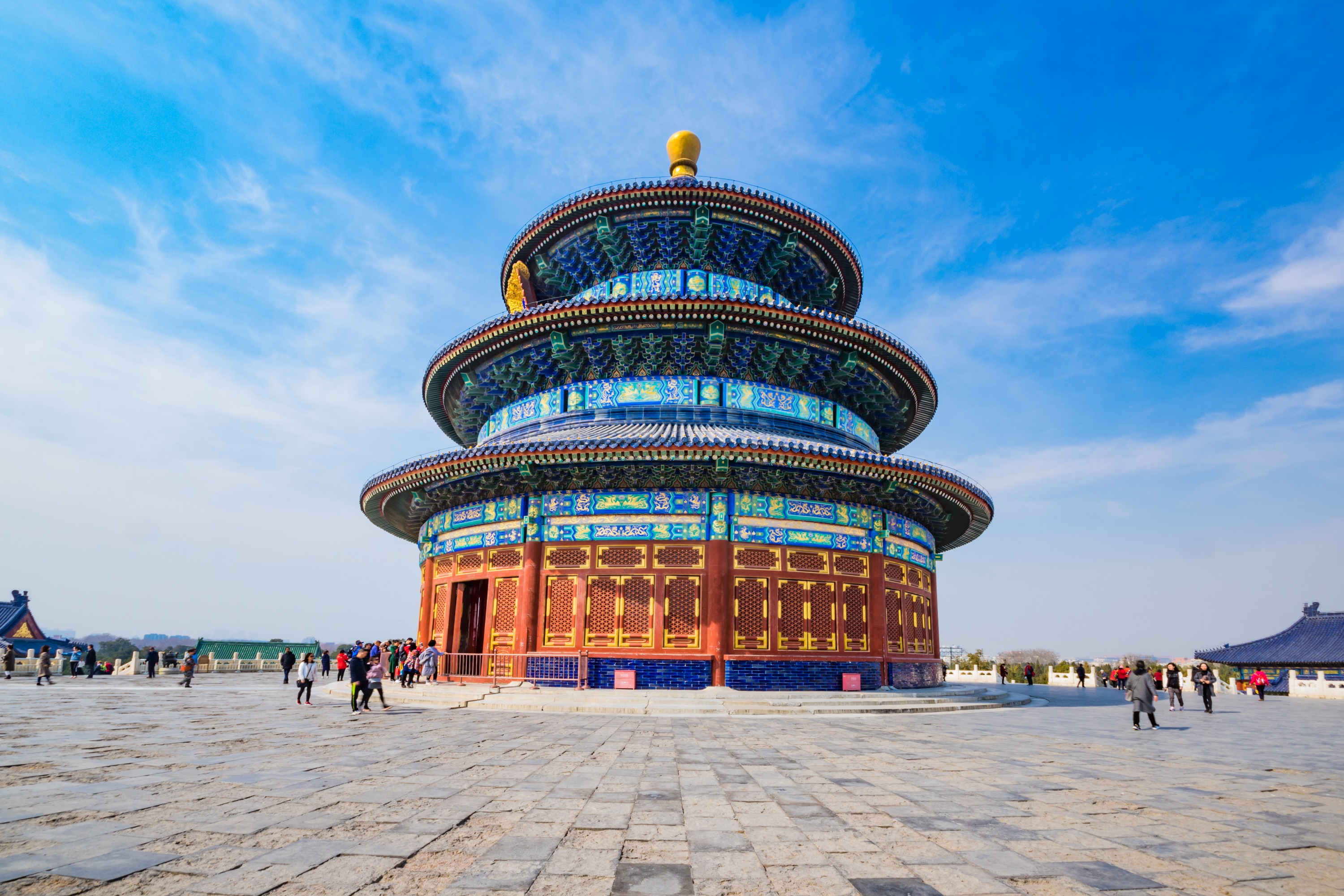
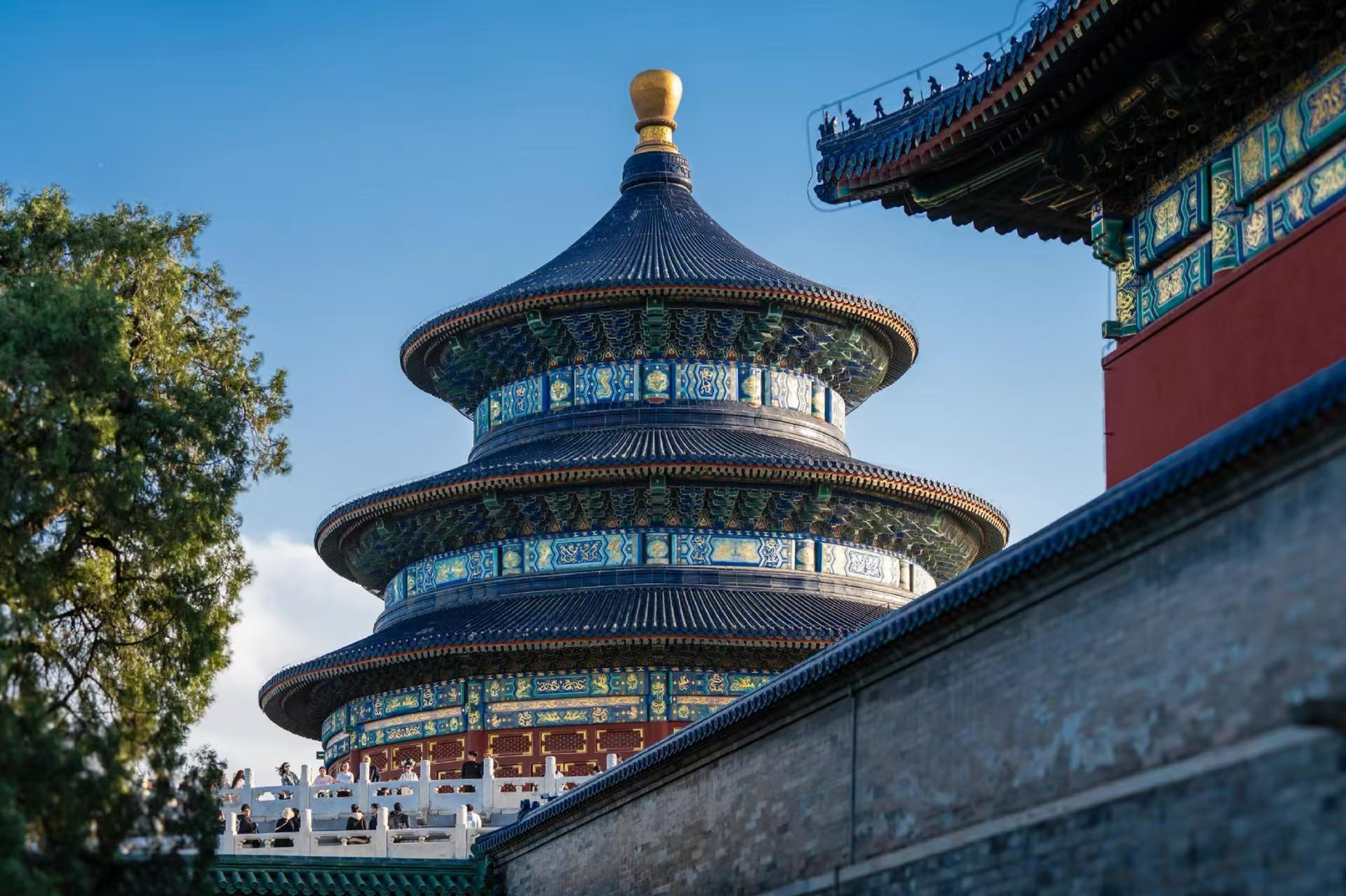
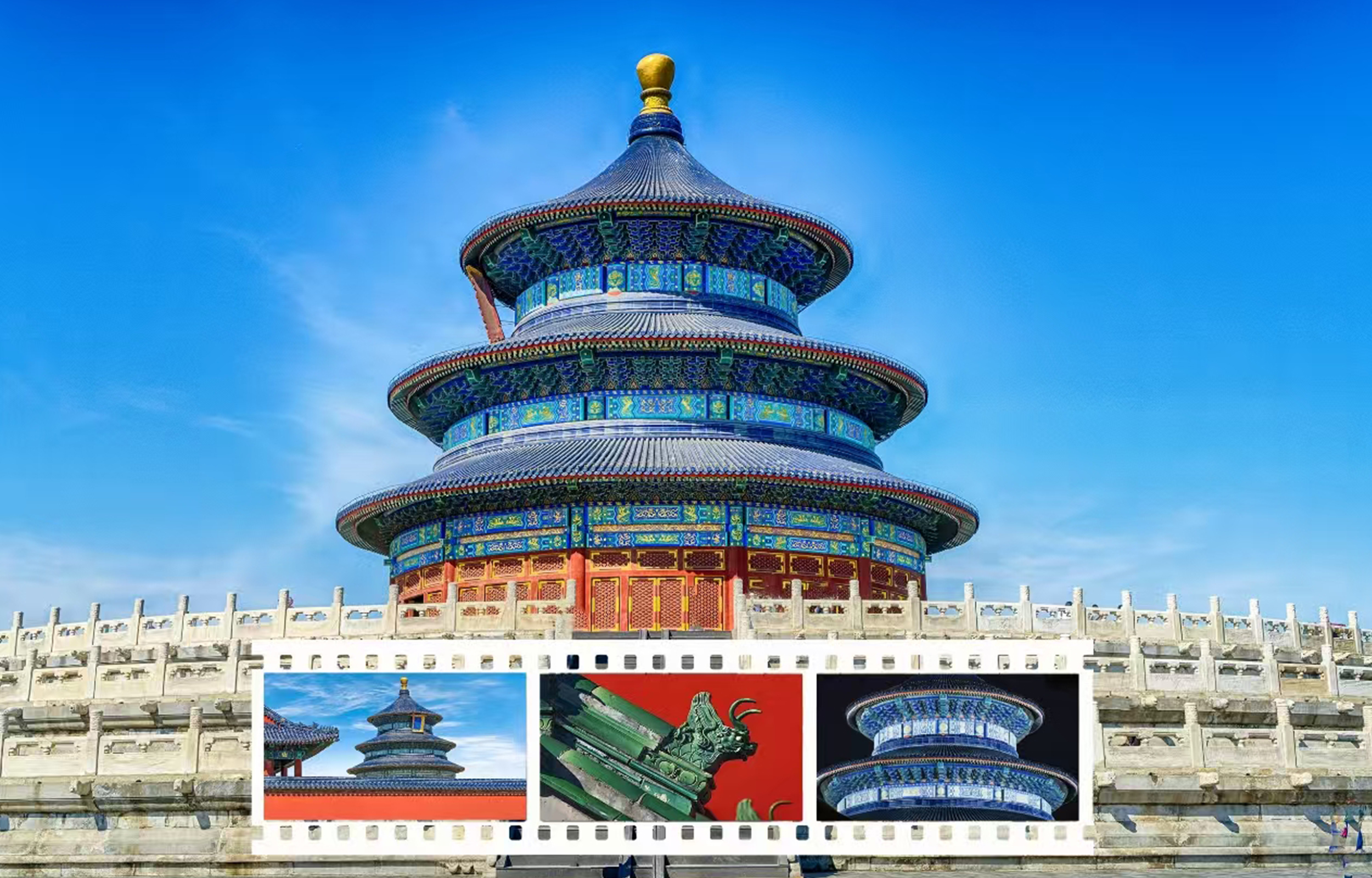
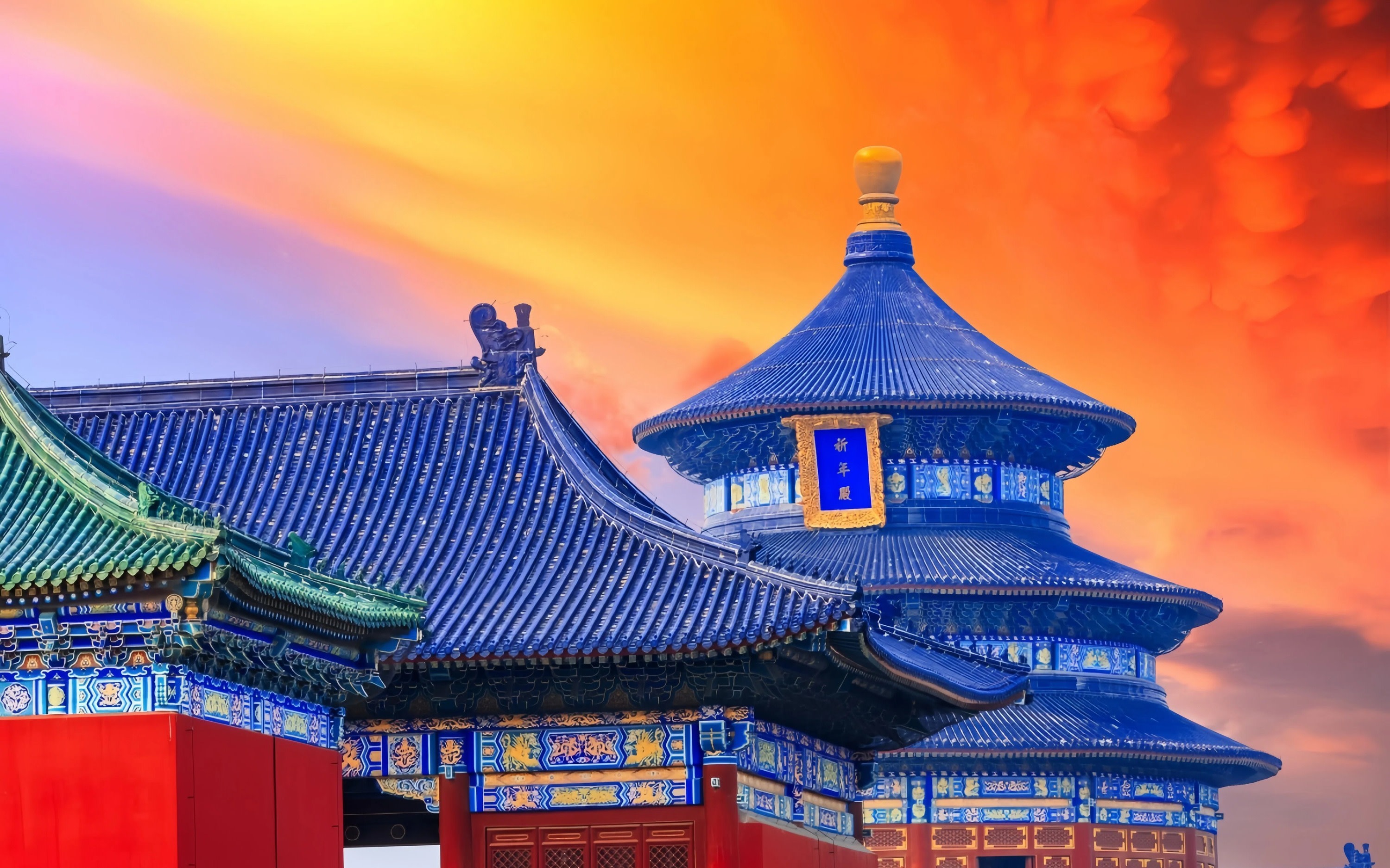
The Hall of Prayer for Good Harvests was built in the 18th year of Yongle and was originally named the "Great Sacrificial Hall". It is a large rectangular hall used for the combined worship of heaven and earth. In the 24th year of the Jiajing reign , it was changed to a three-eaved round hall. The roof of the hall was covered with three colors of glazed tiles: upper blue, middle yellow and lower green, symbolizing heaven, earth and all things. It was renamed the "Great Hall of Enjoyment".
In the 16th year of the Qianlong reign (1751), the three-color tiles were changed to a uniform blue tile and golden roof, and it was named the "Hall of Prayer for Good Harvests", which was a dedicated building for praying for good harvests in early spring (the first lunar month).
The Hall of Prayer for Good Harvests is 38.2 meters high and 24.2 meters in diameter. Inside, the bays respectively symbolize the four seasons, the twelve months, the twelve hours of the day and the stars of the week.
3
Stop 3
The echo wall is the circular wall of the Tianku. Because the wall is hard and smooth, it is a good reflector of sound waves. Moreover, due to its precise circular curvature, sound waves can be continuously reflected along the inner surface of the wall and propagate forward. If two people stand under the echo wall behind the east and west side halls, facing north and whispering to each other, both can clearly hear each other. Their calls and responses, questions and answers, are full of wit and charm.
Opening hours of Quanqiu Echo Wall Scenic Area
Peak season (April 1st - October 31st):8:00-18:00(Entry stops at 17:30.
"Obvious
Off-season (November 1st - March 31st):8:00-17:00(Entry stops at 16:30.
product
To enter the Circular Mound Echo Wall Scenic Area, you need to purchase a combined ticket or a scenic spot ticket (be sure to buy the ticket before the closing time of entry)!
4
Stop 4
The Round Hill was built in the ninth year of the Jiajing reign (1530). Every Winter Solstice, a "Grand Ceremony of Worshipping Heaven" is held on the platform, commonly known as the Heaven Worship Platform. It was originally a blue glazed round platform.
The number of stone steps, the number of stones on each level of the Altar of Heaven and the number of stone balustrades are all in the form of "nine" and multiples of "nine" to correspond to the "Nine Heavens". By repeatedly using the number "nine", the supreme position of the sky is emphasized.
Opening hours of the Circular Mound Echo Wall Scenic Area
Peak season (April 1st - October 31st):8:00-18:00(Entry stops at 17:30.
"Garden
Off-season (November 1st - March 31st):8:00-17:00(Entry stops at 16:30)
To enter the Circular Mound Echo Wall Scenic Area, you need to purchase a combined ticket or a scenic spot ticket (be sure to buy the ticket before the closing time of entry)!
What's not included
Official study tours/explanations (only by the Mandarin)
Available languages
Written guide
CMN
EN
ES
Important information
Wheelchair accessible
Infants and small children can ride in a pram or stroller
Service animals allowed
Public transportation options are available nearby
Specialized infant seats are available
Suitable for all physical fitness levels
Important notes
You need to bring and show your original passport to use the admission ticket.
About Beijing
Beijing, the capital of China, is a city of immense historical significance and modern dynamism. It's home to iconic landmarks, ancient palaces, and a vibrant contemporary culture that blends tradition with modernity. The city offers a unique mix of ancient history, cultural treasures, and modern advancements.
Top Attractions
The Great Wall of China
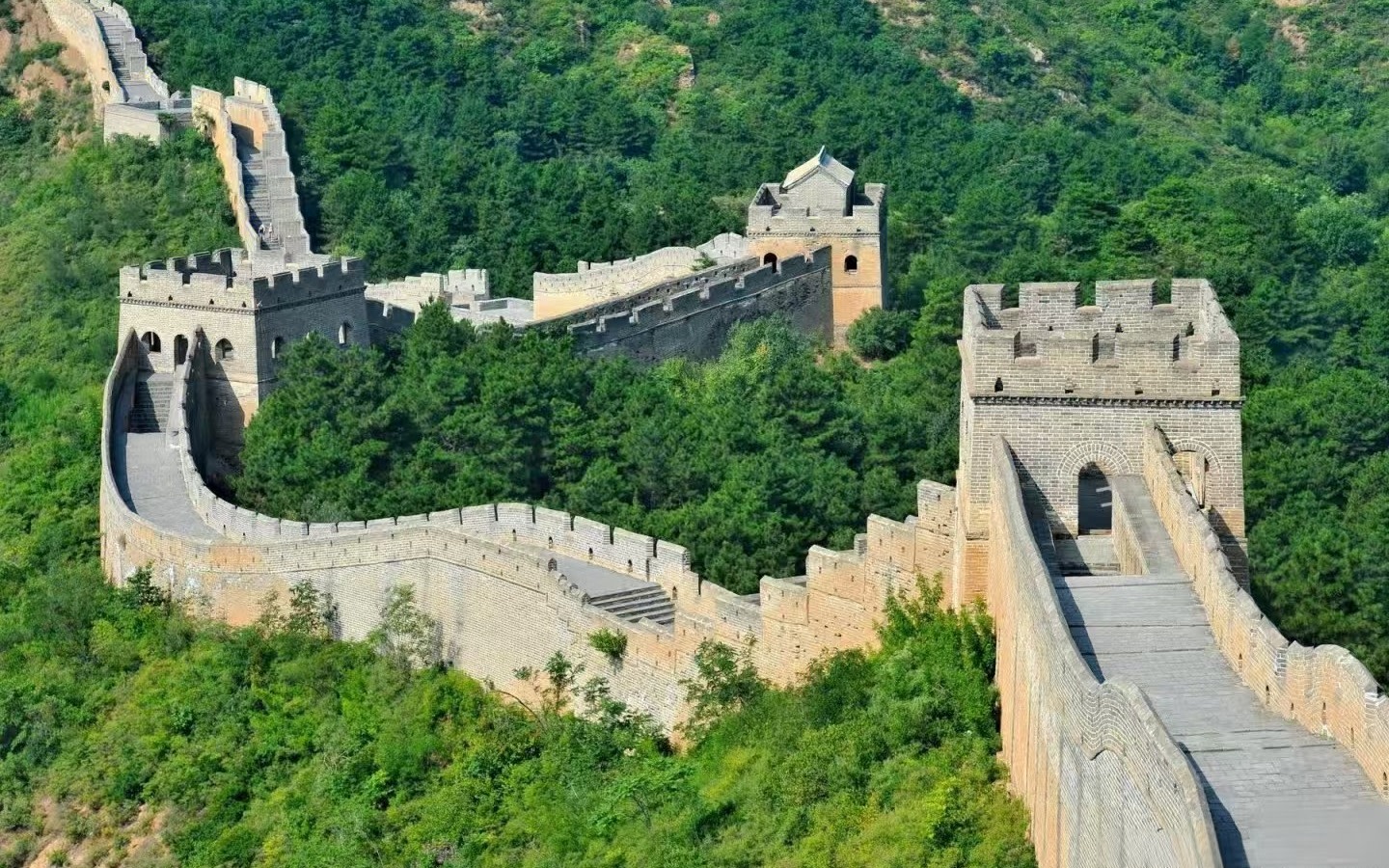
One of the most iconic landmarks in the world, the Great Wall of China stretches over 21,000 kilometers. The most accessible sections near Beijing are Badaling and Mutianyu.
Historical
Half day to full day
¥40-80 (depending on the section)
Forbidden City
The Forbidden City, also known as the Palace Museum, was the imperial palace during the Ming and Qing dynasties. It houses an extensive collection of artifacts and offers a glimpse into China's imperial past.
Historical
2-3 hours
¥60 (March-October), ¥40 (November-February)
Temple of Heaven
The Temple of Heaven is a complex of religious buildings where emperors of the Ming and Qing dynasties performed annual ceremonies of prayer to heaven for good harvests.
Historical
1-2 hours
¥15 (Temple area), ¥35 (Temple and park)
Summer Palace
The Summer Palace is a vast ensemble of lakes, gardens, and palaces. It served as a retreat for emperors to escape the summer heat and is known for its beautiful landscapes and architecture.
Historical
3-4 hours
¥30 (Park and palace area), ¥60 (Boat ride included)
Hutongs
Hutongs are traditional narrow alleys and residential neighborhoods that offer a glimpse into old Beijing's way of life. Exploring hutongs provides an authentic experience of local culture and history.
Cultural
Half day to full day
Free to explore, but consider paying for guided tours or Rickshaw rides
798 Art Zone
The 798 Art Zone is a contemporary art district located in a former military factory. It's home to numerous art galleries, studios, and cultural events, making it a hub for Beijing's art scene.
Cultural
1-2 hours
Free to explore, but some galleries may charge admission
Must-Try Local Dishes
Peking Duck
A iconic dish of Beijing, Peking Duck is roasted to perfection and served with thin pancakes, hoisin sauce, and scallions. The crispy skin and tender meat make it a must-try for any visitor.
Main Course
Contains meat (duck), gluten (pancakes and sauce)
Zhajiangmian (Fried Sauce Noodles)
A popular Beijing street food, Zhajiangmian consists of hand-pulled noodles topped with a rich, savory sauce made from fermented soybean paste and minced pork. It's often served with cucumber and bean sprouts.
Main Course
Contains meat (pork), gluten (noodles and sauce)
Jianbing (Savory Crepes)
A popular Beijing street food, Jianbing is a savory crepe made with a batter of wheat and mung bean flour, filled with egg, scallions, and hoisin sauce. It's crispy, delicious, and perfect for a quick breakfast on the go.
Breakfast
Contains eggs, gluten (batter and sauce)
Baozi (Steamed Buns)
Baozi are steamed buns filled with various ingredients, such as pork, beef, or vegetables. They are a popular street food and can be found in many markets and food stalls throughout Beijing.
Snack
Can be vegetarian or contain meat, depending on the filling; contains gluten (bun)
Popular Activities
Hiking the Great Wall
Rock climbing in the Huairou District
Mountain biking in the outskirts of Beijing
Boat rides on Kunming Lake at the Summer Palace
Tea ceremonies at traditional teahouses
Gardens and parks at the Temple of Heaven and Beihai Park
Exploring the Forbidden City and other imperial palaces
Visiting temples and religious sites
Best Time to Visit
September to October, April to May
These months offer the most pleasant weather with clear skies and comfortable temperatures, making it ideal for sightseeing. The city is vibrant with cultural festivals and outdoor activities.
15-25°C (59-77°F)
59-77°F
Practical Information
Language
- Official: Mandarin Chinese
- Widely spoken: English (in tourist areas and by younger generations)
- English: Moderately spoken in tourist areas, limited elsewhere
Currency
Chinese Yuan (CNY)
Time Zone
GMT+8 (China Standard Time)
Electricity
220VV, 50HzHz
Safety Information
Overall Safety Rating: Generally safe, but exercise caution in crowded areas and tourist spots
Beijing is generally a safe city for travelers, with low crime rates and a strong police presence. However, petty crimes such as pickpocketing and scams can occur, especially in crowded areas and tourist spots. Exercise caution and be aware of your surroundings, particularly at night and in less touristy areas.
Important Precautions:
- • Be cautious when using taxis, and insist on using the meter or agreeing on a price before starting the journey
- • Keep valuables secure and be aware of your surroundings in crowded areas and tourist spots
- • Be wary of strangers offering services or attractions at inflated prices, and only use licensed and reputable tour guides and operators
Getting there
By air
- Beijing Capital International Airport • 32 km (20 miles) northeast of city center
- Beijing Daxing International Airport • 46 km (29 miles) south of city center
By train
Beijing Railway Station, Beijing West Railway Station
By bus
Beijing Sihui Bus Station, Beijing Liuliqiao Bus Station
Getting around
Public transport
The Beijing Subway is efficient, affordable, and widely used. It's the best way to navigate the city, especially during peak hours.
Taxis
Available • Apps: Didi Chuxing, Tencent Taxi
Rentals
Car, Bike, Scooter
Neighborhoods
Dongcheng
Xicheng
Chaoyang
Haidian
Shijingshan
Day trips
The Great Wall at Mutianyu
70 km (43 miles) northeast of Beijing • Full day
The Great Wall at Mutianyu is a less crowded and more scenic section of the Great Wall, offering stunning views of the surrounding mountains and valleys. It's a popular day trip from Beijing for those looking to experience the Great Wall without the large crowds.
The Great Wall at Jinshanling
130 km (81 miles) northeast of Beijing • Full day
The Great Wall at Jinshanling is a remote and less restored section of the Great Wall, offering a more authentic and adventurous experience. It's a popular day trip for those looking to explore the Great Wall's wild and rugged beauty.
The Great Wall at Simatai
120 km (75 miles) northeast of Beijing • Full day
The Great Wall at Simatai is a unique and well-preserved section of the Great Wall, known for its dramatic and picturesque landscape. It's a popular day trip for those looking to experience the Great Wall's beauty and history in a more intimate setting.
Festivals
Chinese New Year (Spring Festival) • January or February (varies by lunar calendar)
Lantern Festival • 15th day of the first lunar month (varies by year)
Qingming Festival (Tomb-Sweeping Day) • April 4th or 5th (varies by solar calendar)
Pro tips
- Use the official Beijing Subway app for route planning and real-time updates
- Carry a VPN to access restricted apps and websites, such as Google, Facebook, and Instagram
- Learn a few basic Mandarin phrases to enhance your experience and interact with locals
- Wear comfortable shoes for exploring the city's many attractions and neighborhoods
- Try local snacks and street food for an authentic and delicious culinary experience
From $25
per person
Price varies by option
Secure booking
Free cancellation available
Instant confirmation