Historical Sites and Temples City Tour in Cusco
Active
6h
For a full refund, cancel at least 24 hours before the scheduled departure time.
Instant confirmation
Mobile or paper ticket accepted
About this experience
Explore the rich history and culture of Cusco on this 5-hour city tour, traversing key archaeological and colonial sites. Visit the majestic Cathedral of Cusco, a blend of Renaissance and Andean Baroque style, and the Qoricancha, the former Temple of the Sun. Marvel at the engineering prowess of Sacsayhuamán, and uncover the mysteries of Qenqo and Puca Pucara before refreshing at the serene Tambomachay, known as the Temple of Water.
- Half-day tour of Cusco's top 6 historical landmarks
- Bilingual guide (Spanish/English) to enhance your experience
- Includes round-trip transportation from your hotel in the historic center
- Suitable for all ages (minimum age 5), with a maximum group size of 20
Available options
City Tour Cusco: Discover Historical Sites and Temples
Pickup included
city tour privado
Pickup included
What's included
Professional bilingual guide (English/Spanish
One bottle of water per person.
Hotel pickup and drop-off (historic center).
Tourist transportation in a comfortable vehicle.
Detailed itinerary
1
Stop 1
Qoricancha, whose name in Quechua means “Golden Enclosure,” was the most important temple of the Inca Empire. Dedicated to the god Inti (the Sun), it was once covered with gold sheets that reflected sunlight, showcasing the grandeur and spirituality of the Incas.
Inside, the Incas carried out religious ceremonies and astronomical observations. After the conquest, the Convent of Santo Domingo was built on top of its Inca walls, creating a unique fusion of colonial architecture and Inca engineering.
Today, Qoricancha is one of the highlights of the Cusco City Tour, where visitors can admire the perfectly fitted stone walls and discover the profound spiritual connection the Incas had with the cosmos.
2
Stop 2
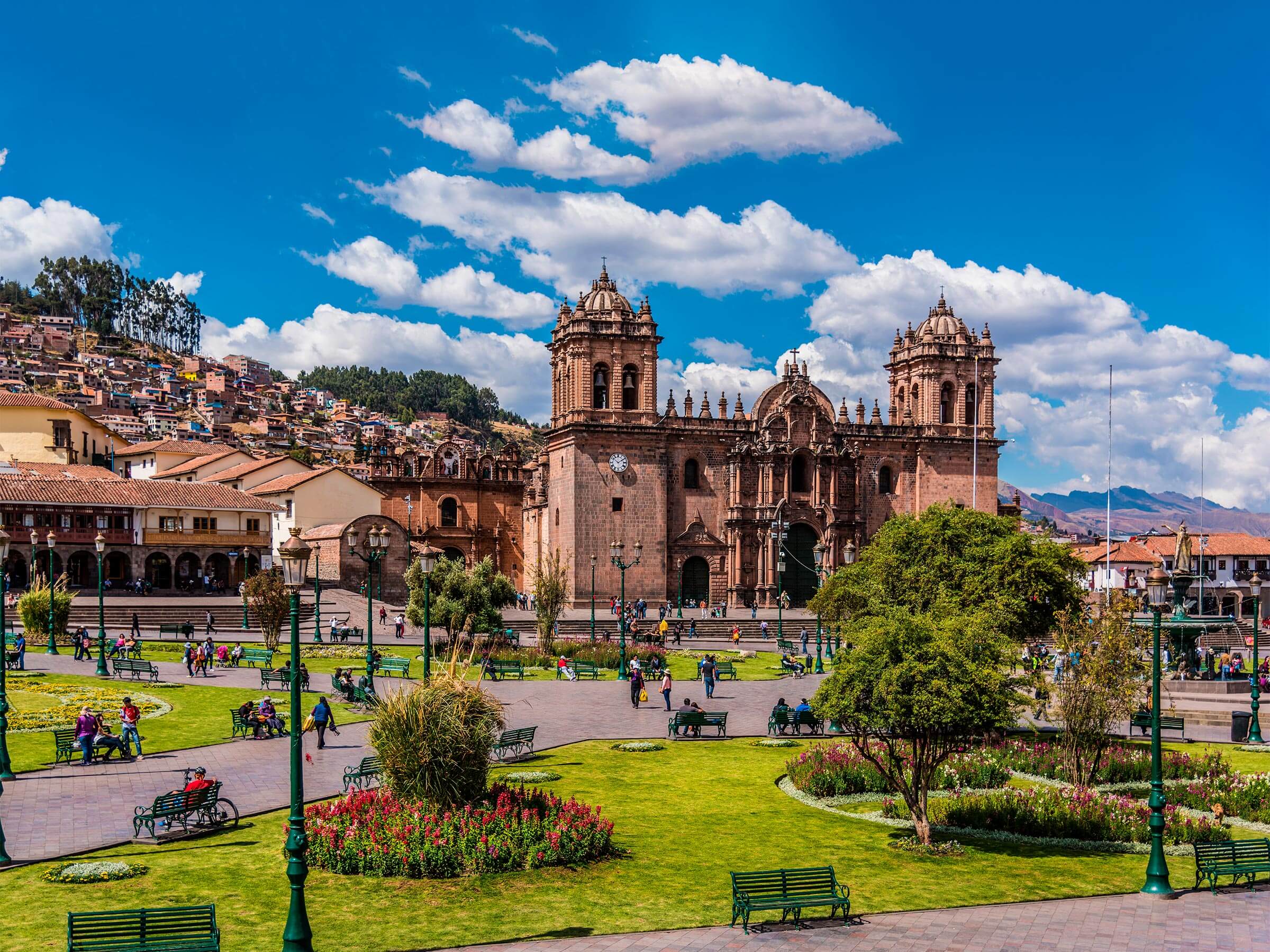
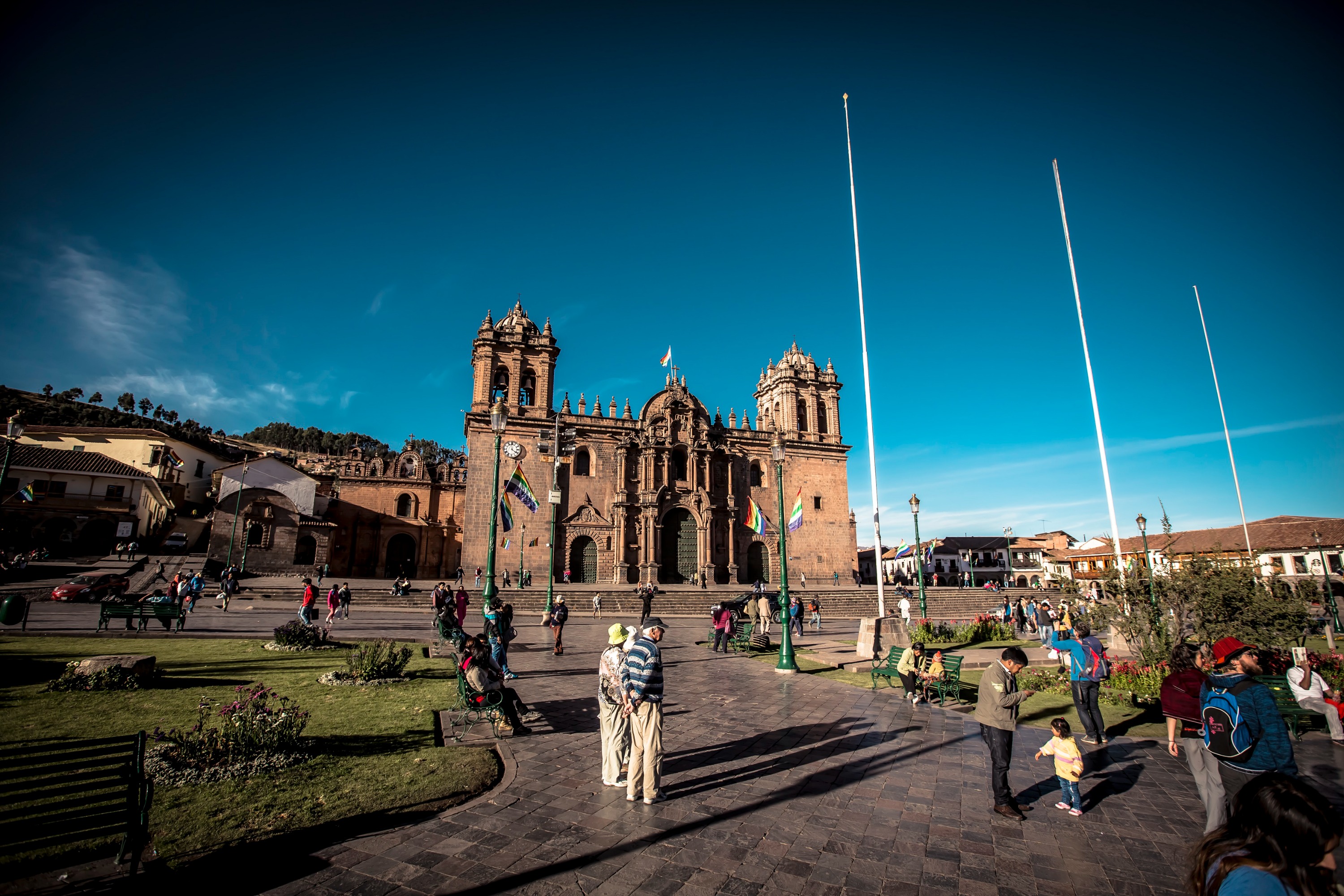
The Basilica Cathedral of the Virgin of the Assumption, located in the Plaza de Armas, is one of the most important colonial monuments in Peru and a highlight of the Cusco City Tour. Built in the 16th century over the former Inca palace of Viracocha, it symbolizes the fusion of Andean culture with Spanish influence.
Its architecture blends Renaissance and Andean Baroque styles, housing intricately carved wooden altars, gilded altarpieces, and a valuable collection of more than 300 paintings from the Cusco School. Among its treasures are the image of the Lord of the Earthquakes, patron saint of Cusco, and the famous Last Supper painting featuring Andean elements such as guinea pig.
Visiting the Cathedral is an immersion into Cusco’s history, art, and spirituality, uniting colonial tradition with Inca heritage.
3
Stop 3
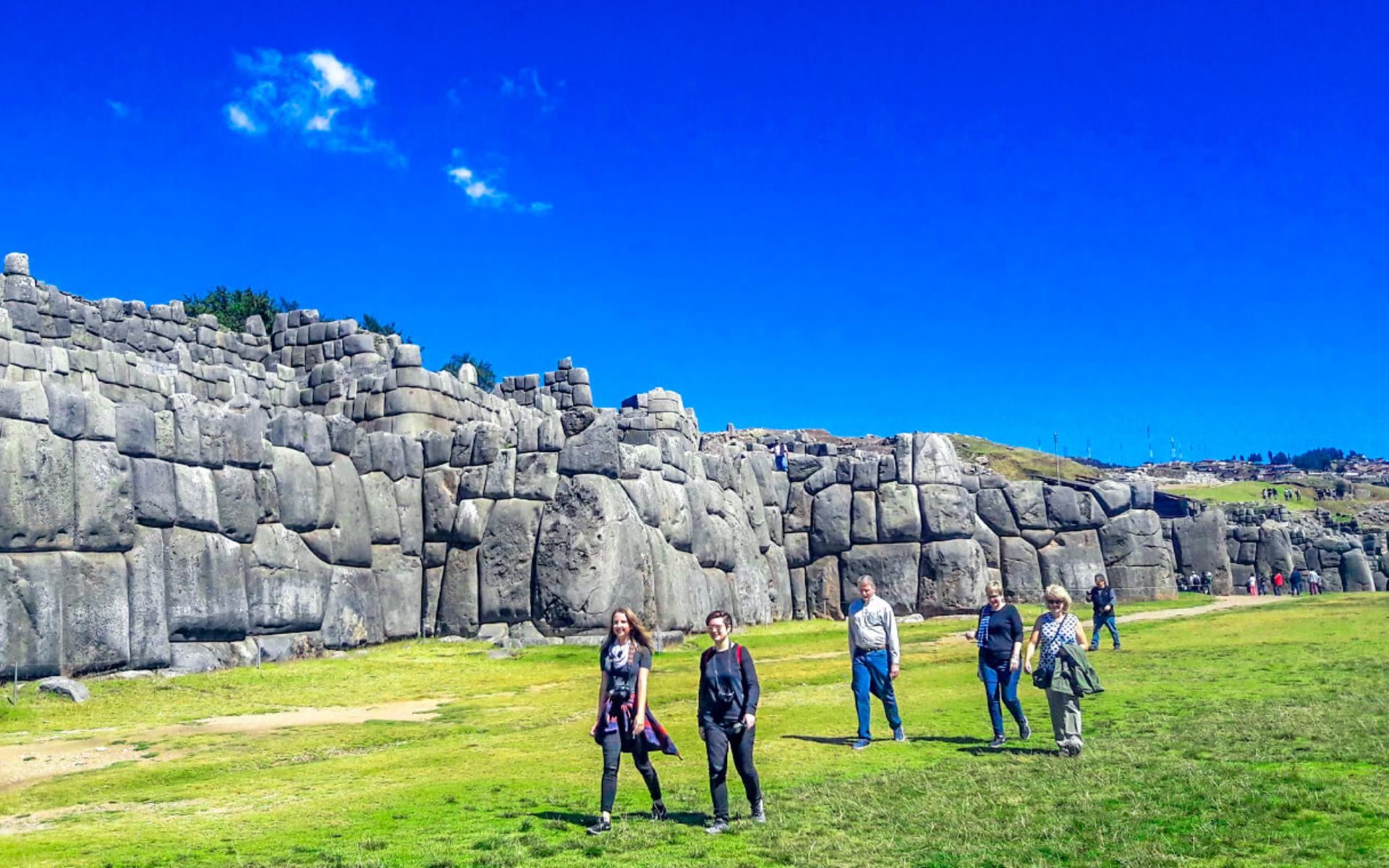
Sacsayhuamán, located just 2 km from Cusco, is one of the most impressive masterpieces of Inca architecture. Its massive stone walls, some reaching up to 9 meters high and weighing over 100 tons, fit together with astonishing precision without the use of mortar, showcasing the Incas’ advanced engineering skills.
This archaeological site was the stage for important religious ceremonies and also served defensive purposes during the Inca era. From its terraces, visitors can enjoy breathtaking panoramic views of the city of Cusco.
What makes Sacsayhuamán truly special is its blend of history, mystery, and grandeur. Today, it is one of the highlights of the Cusco City Tour and the main stage of the Inti Raymi festival, celebrated every June 24th.
4
Stop 4
Qenqo, which in Quechua means “labyrinth,” was an important Inca ceremonial and religious center. It is notable for its underground passages, stone-carved altars, and a semicircular amphitheater that is believed to have been used for rituals in honor of Pachamama (Mother Earth) and the stars.
The most striking feature is the large carved rock with channels, where liquid offerings (such as chicha or animal blood) are thought to have been made as part of religious ceremonies.
5
The name Puca Pucara means “red fortress” in Quechua, due to the reddish hue of its stones at sunset. It was a strategic point of control and surveillance on the road to the Sacred Valley and the jungle.
It is believed to have functioned as a military outpost and administrative center, where the access and movement of people were monitored. It also served as a resting place for travelers and royal entourages. Its walls, terraces, and stairways highlight the military and logistical importance it held during the Inca era.
6
Stop 6
Tambomachay, known as the “Bath of the Inca” or “Temple of Water,” was a ceremonial center dedicated to the worship of water and the fertility of the land. Its stone fountains, aqueducts, and channels still function today, showcasing the Incas’ advanced knowledge of hydraulics.
This site is also believed to have served as a place of rest and retreat for the Inca nobility, surrounded by nature and tranquility. Its design harmonizes with the Andean landscape, making it a spiritual space of great beauty.
What's not included
Personal expenses.
Tuition fees.
Available languages
Guide guide
EN
ES
Important information
Infants are required to sit on an adult’s lap
Suitable for all physical fitness levels
Meeting point
At the meeting point, our transfer will be waiting for you and will identify you by calling your name. If they are unable to locate you, please do not forget to contact us at +51 972 384 265 or by email at sayariqtravel@gmail.com
Important notes
The Tourist Ticket is required to enter several archaeological sites and museums in Cusco and the Sacred Valley.
It can be purchased at the following official points:
COSITUC Central Office: Av. El Sol 185, Cusco (Monday to Sunday, from 08:00 to 18:00).
At the archaeological sites themselves: such as Sacsayhuamán, Puca Pucara, Qenqo, and Tambomachay (cash payment only).
Authorized agencies: such as Sayariq Travel, which can help you manage the purchase.
Important:
The ticket is personal and non-transferable.
You must bring your ID or passport at the time of purchase.
There is a general ticket (all sites: approx. S/. 130) and a partial ticket (only certain circuits: approx. S/. 70).
About Cusco
Cusco, the historic capital of the Inca Empire, is a captivating blend of Indigenous and colonial influences. Known for its well-preserved archaeological sites, vibrant culture, and stunning Andean landscapes, it's a gateway to Machu Picchu and the Sacred Valley. The city's rich history, combined with its lively arts scene and delicious cuisine, makes it a must-visit destination in South America.
Top Attractions
Sacred Valley
The Sacred Valley is a stunning region filled with Inca ruins, traditional villages, and breathtaking landscapes. It's a must-visit for history and nature lovers.
Historical/Nature
Full day
PEN 10-50 (USD 2.50-12.50) depending on the site
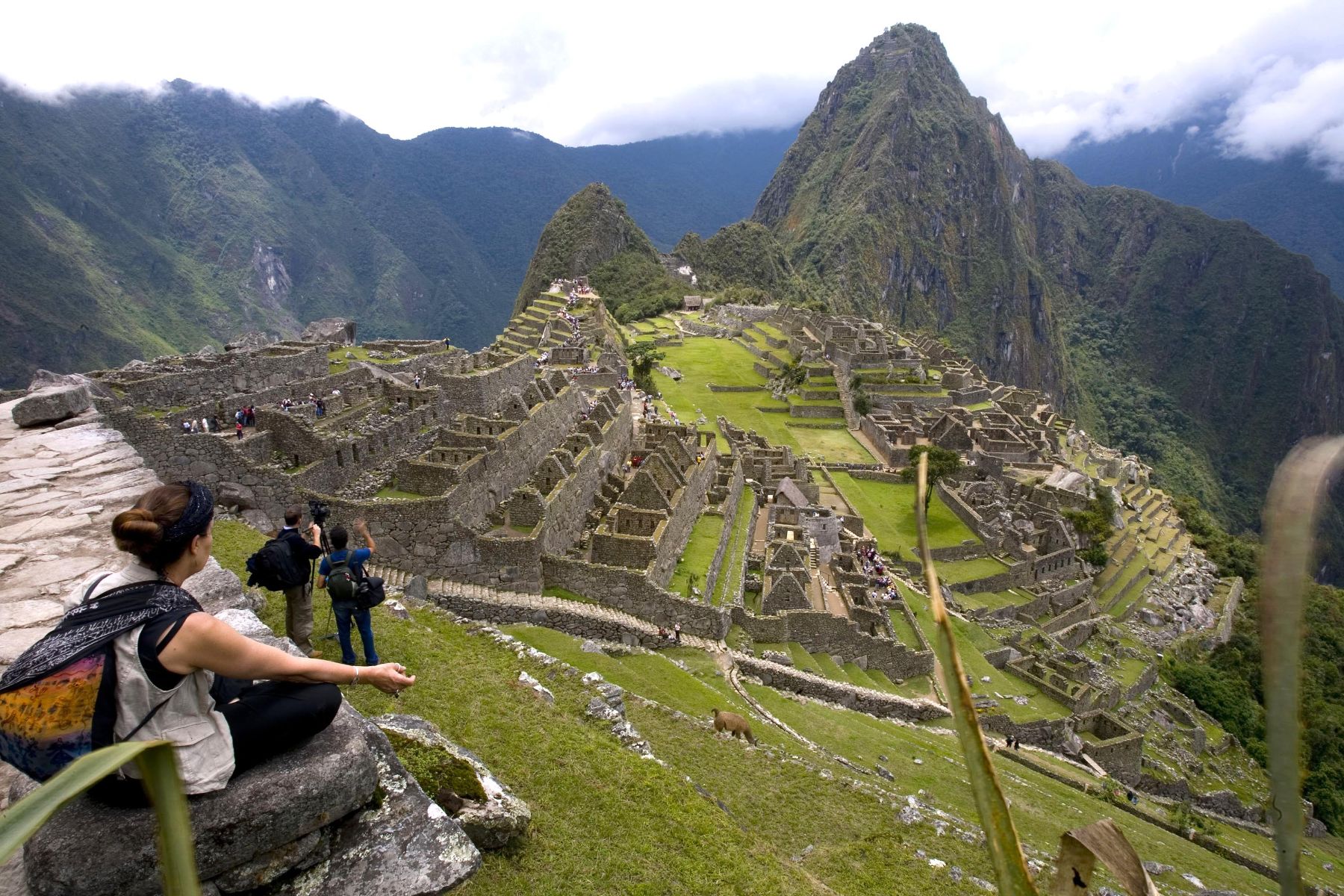
Machu Picchu
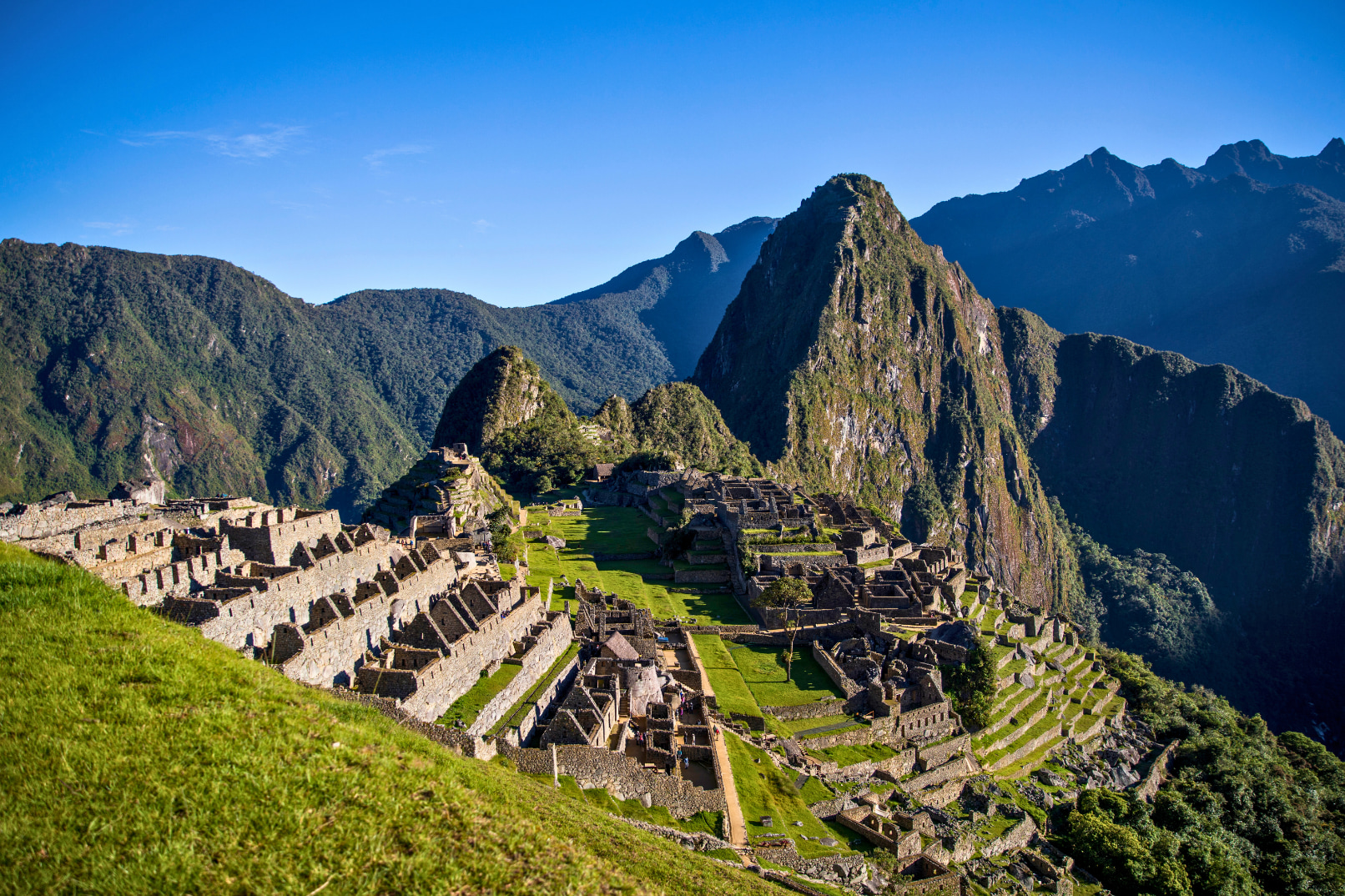
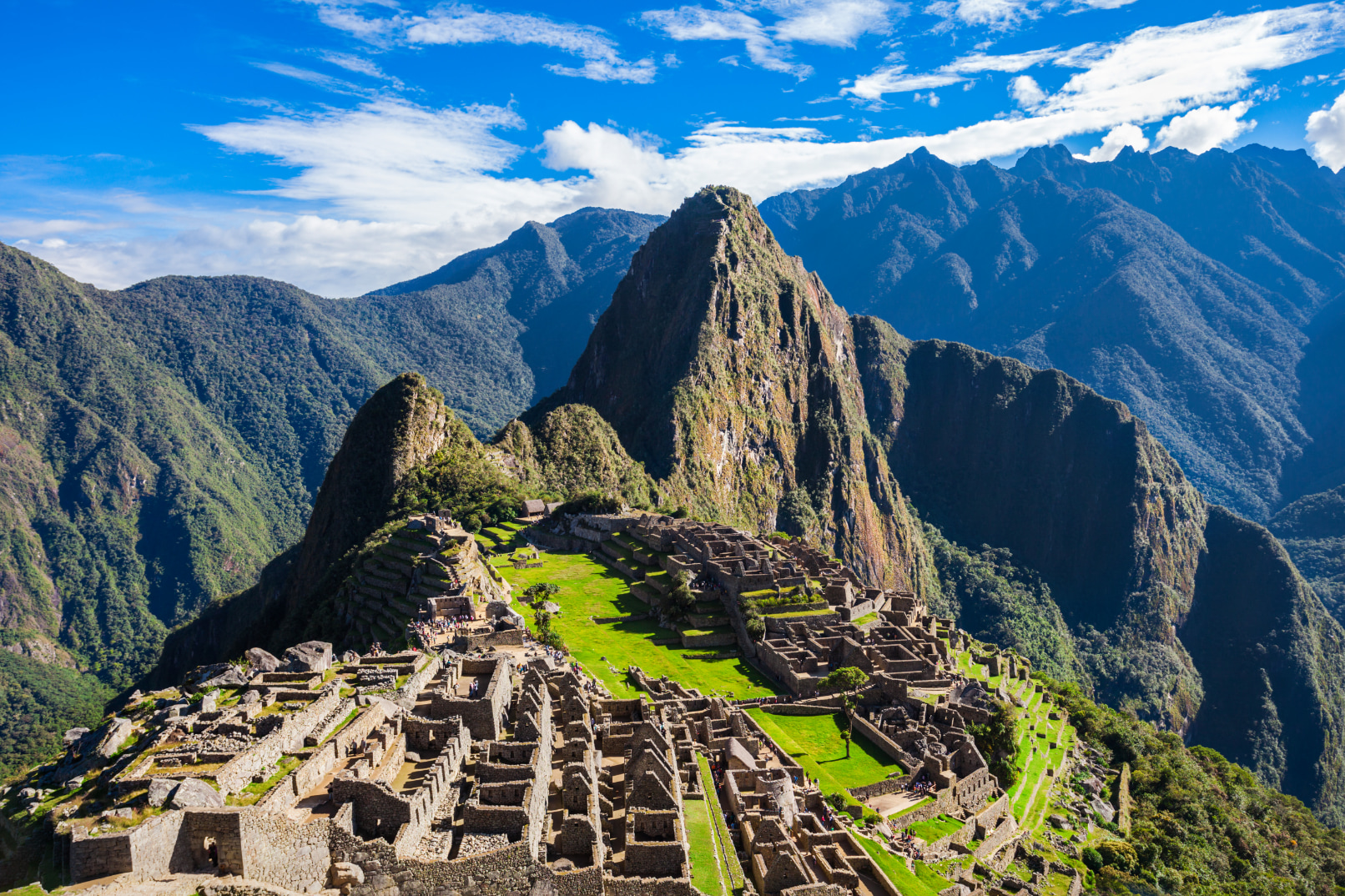
Machu Picchu is the iconic Inca citadel and one of the most famous archaeological sites in the world. Its breathtaking views and rich history make it a must-see.
Historical/Adventure
Full day or overnight
PEN 152 (USD 38) for entrance, train tickets vary
Qorikancha
Qorikancha, or the Temple of the Sun, was the most important temple in the Inca Empire. It's a fascinating blend of Inca and colonial architecture.
Historical/Religious
1-2 hours
PEN 10 (USD 2.50)
Sacsayhuaman
Sacsayhuaman is a massive Inca fortress with impressive stone walls and panoramic views of Cusco. It's a testament to Inca engineering and military might.
Historical
1-2 hours
PEN 10 (USD 2.50)
San Pedro Market
San Pedro Market is a bustling market offering a variety of fresh produce, local crafts, and traditional foods. It's a great place to experience local life.
Cultural/Food
1-2 hours
Free to enter, prices vary for purchases
Must-Try Local Dishes
Cuy al Horno
Roasted guinea pig, a traditional Andean dish.
Main Course
Not vegetarian
Lomo Saltado
Stir-fried beef with onions, tomatoes, and fries.
Main Course
Can be made vegetarian
Aji de Gallina
Shredded chicken in a creamy, spicy sauce.
Main Course
Not vegetarian
Sopa de Quinoa
Quinoa soup, a nutritious and traditional dish.
Soup
Can be made vegetarian
Popular Activities
Hiking
Trekking
Mountain biking
Whitewater rafting
Visiting spas
Exploring parks
Enjoying local cafes
Visiting museums
Best Time to Visit
May to September
This is the dry season, offering the best weather for exploring the city and its archaeological sites. The skies are clear, and temperatures are mild.
5°C to 20°C (41°F to 68°F)
41°F to 68°F
Practical Information
Language
- Official: Spanish
- Widely spoken: Quechua, English (in tourist areas)
- English: Moderately spoken in tourist areas, limited elsewhere
Currency
Peruvian Sol (PEN)
Time Zone
GMT-5
Electricity
220VV, 50HzHz
Safety Information
Overall Safety Rating: Generally safe with common-sense precautions
Cusco is generally safe for tourists, but petty crime can occur, especially in crowded areas. Be cautious with your belongings and avoid walking alone at night in poorly lit areas.
Important Precautions:
- • Keep valuables secure
- • Use reputable tour operators
- • Be cautious with street food
Getting there
By air
- Alejandro Velasco Astete International Airport • 5 km (3 miles) from city center
By train
San Pedro Station
By bus
Cusco Bus Terminal
Getting around
Public transport
Shared taxis (colectivos) are a common and affordable way to get around Cusco. They follow specific routes and can be flagged down.
Taxis
Available • Apps: InDriver, Easy Taxi
Rentals
Car, Bike, Scooter
Neighborhoods
Historic Center
San Blas
San Cristobal
Day trips
Pisac
35 km (22 miles) from Cusco • Full day
Pisac is a charming town known for its vibrant market and impressive Inca ruins. It's a great day trip from Cusco.
Ollantaytambo
60 km (37 miles) from Cusco • Full day or overnight
Ollantaytambo is a picturesque town with well-preserved Inca ruins and a gateway to Machu Picchu. It's a must-visit for history and adventure lovers.
Tipon
25 km (16 miles) from Cusco • Half day
Tipon is a beautiful archaeological site with well-preserved Inca terraces and water channels. It's a peaceful and less crowded alternative to other Inca sites.
Festivals
Inti Raymi • June 24
Cusco Festival of Music and Dance • August
Pro tips
- Acclimatize to the altitude before engaging in strenuous activities
- Dress in layers to accommodate changing temperatures
- Learn a few basic phrases in Spanish or Quechua to enhance your experience
- Visit the San Pedro Market early in the morning for the best selection and prices
- Book tickets and train tickets in advance for Machu Picchu and other popular attractions
From $25
per person
Price varies by option
Secure booking
Free cancellation available
Instant confirmation