Nikko Private Trip from Tokyo with a Local English Guide
Active
10h
For a full refund, cancel at least 24 hours before the scheduled departure time.
Instant confirmation
Mobile or paper ticket accepted
About this experience
With an experienced local guide fluent in both English and Japanese with previous experience guiding Hollywood actors, Lance Gross!
You can choose the car you want!
All of the members were born and raised in Japan, so we have an in-depth understanding of the country. This allows us to share the hidden charms of Japan that only locals know. In addition, we offer free Japanese language support in case of emergencies. We only assign highly experienced professional drivers.
In recent years, there has been a sharp increase in accidents and incidents involving unlicensed or inexperienced drivers who are not from Japan at other companies. The strength lies in providing the highest level of safety and reliability through our Japanese drivers and Japanese guides.
Available options
Guide fee (Up to 4 Pax)
Pickup included
Guide fee (Up to 7 Pax)
Van<br/>Pickup included
What's included
Private transportation
Complimentary support for Shinkansen and restaurant reservations
Air-conditioned vehicle
Experienced Local Professional Driver (Green Number)
Wi-Fi on Board
Experienced Local English and Japanese Speaking Guide
Fully customizable tours based on your preferences or our recommended highlights in 10 hours
Hotel pick-up and drop-off
Detailed itinerary
1
Stop 1
Experience the charm and excitement of Japan’s samurai and ninja era at Edo Wonderland Nikko Edomura, a unique theme park that transports you back over 400 years to the Edo period. Located in the beautiful countryside of Nikko, this living historical village offers a perfect blend of culture, entertainment, and adventure.
Wander through streets lined with traditional wooden houses, meet townspeople dressed as samurai, merchants, and geisha, and immerse yourself in the daily life of old Japan. Enjoy thrilling ninja and samurai shows, join hands-on experiences like shuriken (throwing star) practice or kimono dressing, and taste authentic Edo-style cuisine at charming local eateries.
Whether you want to take unforgettable photos, learn about Japanese history, or simply enjoy a day full of fun and discovery, Edo Wonderland is the perfect destination for travelers of all ages.
2
Before or after visiting Nikko’s famous shrines and temples, take a relaxing stroll around Nikko Station and enjoy the city’s charming food culture. The streets around the station are lined with cozy cafés, traditional sweet shops, and local eateries offering everything from classic Japanese snacks to creative fusion treats.
Try yuba (tofu skin) — a local specialty loved for its delicate texture and rich flavor — served in various forms such as yuba sushi, yuba soba, and even yuba ice cream! You can also enjoy freshly baked buns, matcha desserts, or warm street snacks perfect for walking around.
Nikko’s food scene beautifully combines tradition and creativity, making it a perfect destination not just for history lovers, but for anyone who enjoys exploring through taste.
3
The Shinkyo Bridge, or “Sacred Bridge,” is one of Japan’s most beautiful and iconic landmarks. Spanning gracefully over the Daiya River at the entrance to Nikko’s shrines and temples, this vivid red-lacquered bridge marks the gateway to the sacred world of Nikko — a UNESCO World Heritage site.
According to legend, the bridge was built where two guardian deities helped monks cross the raging river on sacred snakes, symbolizing divine protection and the connection between the human and spiritual realms.
Today, the Shinkyo Bridge remains an elegant symbol of harmony between nature, faith, and beauty. With its striking contrast of red against the emerald-green river and surrounding forest, it’s one of the most photographed spots in Japan — especially stunning during autumn leaves or snowy winter days.
4
Stop 4
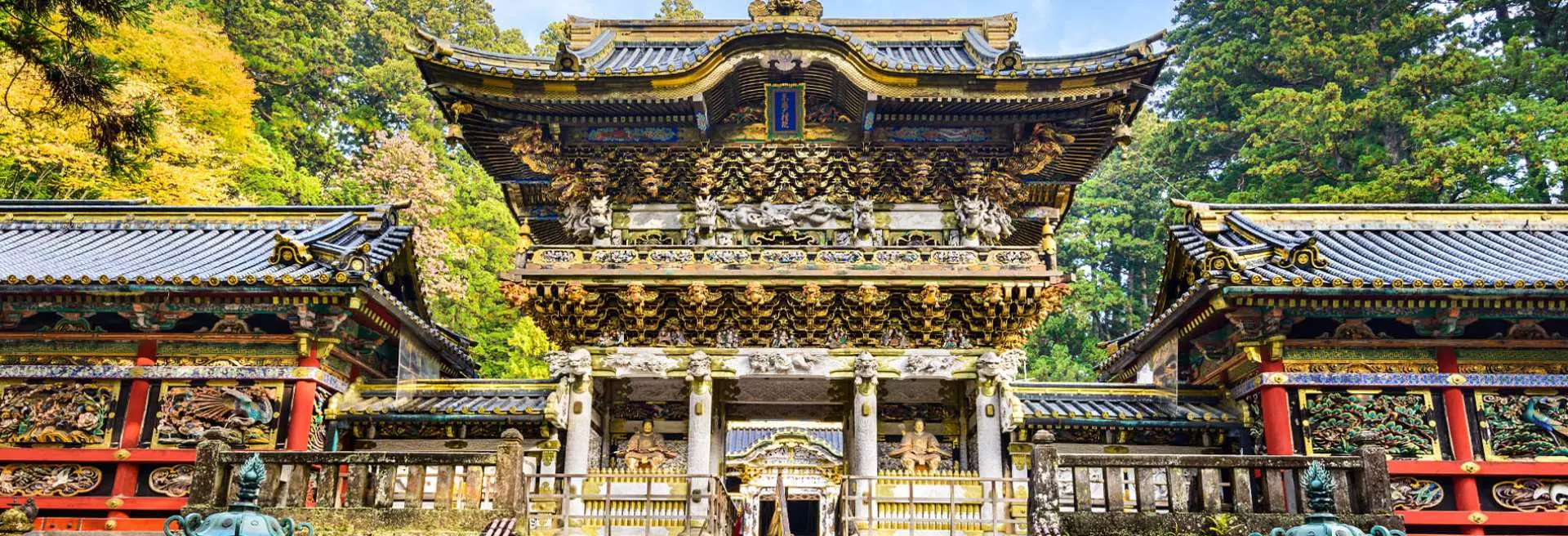
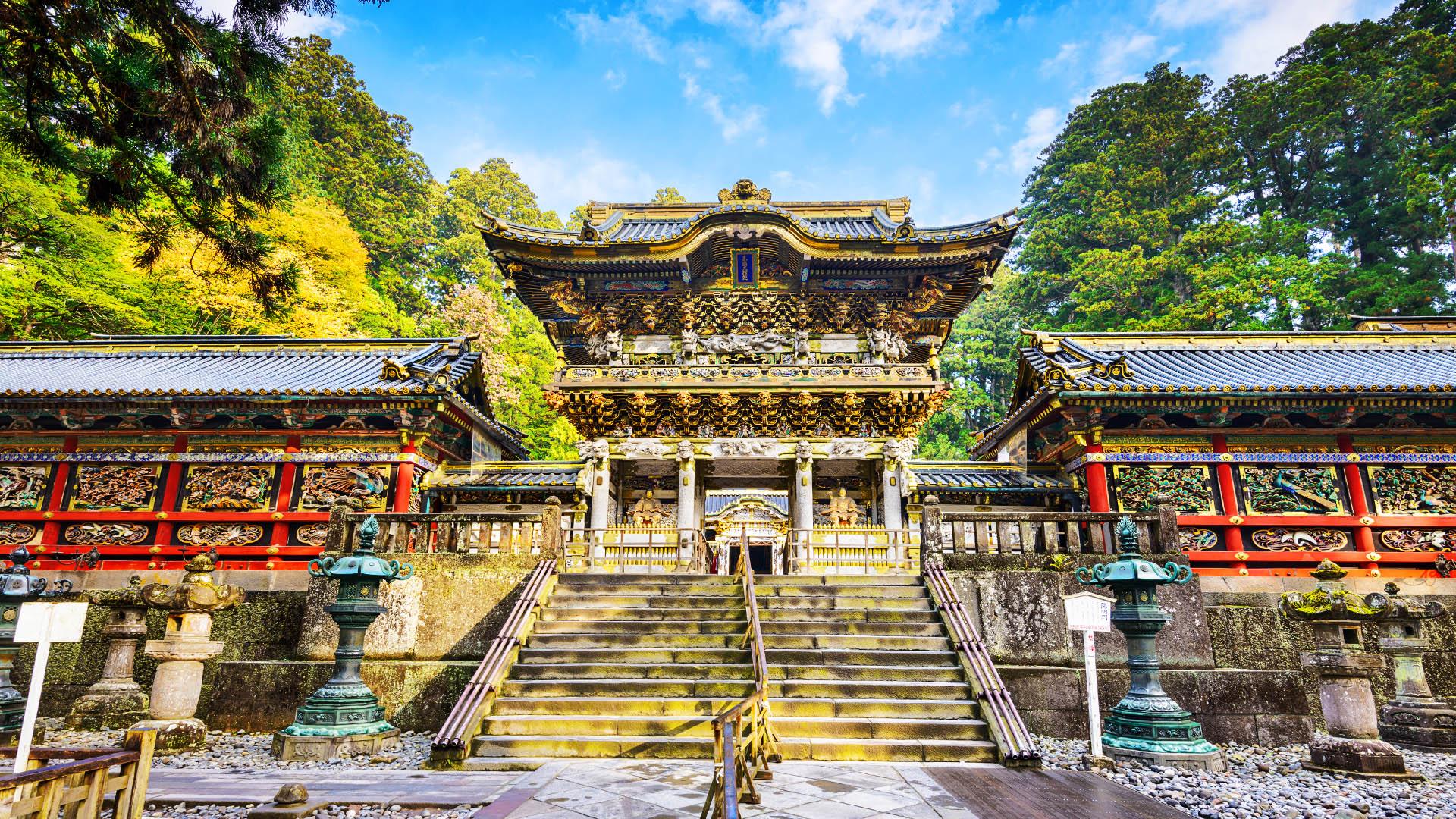
Nikko Toshogu Shrine is one of Japan’s most magnificent and historically significant sites — a UNESCO World Heritage treasure dedicated to Tokugawa Ieyasu, the founder of the Tokugawa shogunate. Nestled in the lush forests of Nikko, this sacred complex is famous for its breathtaking architecture, intricate wood carvings, and rich symbolism.
Marvel at the elaborate Yomeimon Gate, often called the “Gate of the Sun,” decorated with over 500 ornate carvings. Don’t miss the famous “Three Wise Monkeys” (“See no evil, speak no evil, hear no evil”) and the sleeping cat “Nemuri-neko,” both iconic symbols of Japanese culture and craftsmanship.
As you wander through the shrine grounds, you’ll be surrounded by the serene beauty of ancient cedar trees and the deep spiritual atmosphere that has drawn visitors for centuries.
Nikko Toshogu is not just a shrine — it’s a masterpiece of Japanese artistry and a window into the country’s fascinating samurai history.
5
Nestled in the lush forests of Nikko, Futarasan Shrine is one of the city’s most sacred and ancient sites. Founded in the 8th century, this UNESCO World Heritage Site is dedicated to the deities of Nikko’s three sacred mountains — Mount Nantai, Mount Nyoho, and Mount Taro.
As you walk through the serene shrine grounds surrounded by towering cedar trees, you’ll feel a deep sense of peace and connection with nature. The shrine is known as a power spot that brings blessings for relationships, happiness, and harmony.
6
The Taiyuin Mausoleum (Taiyuinbyo) is a magnificent and deeply spiritual site dedicated to Tokugawa Iemitsu, the third shogun of the Tokugawa dynasty and grandson of Tokugawa Ieyasu. Located within the Rinnoji Temple complex in Nikko, this UNESCO World Heritage Site beautifully reflects Iemitsu’s respect for his grandfather — it was built slightly smaller and less extravagant than Toshogu Shrine, symbolizing humility and reverence.
As you pass through its gates, you’ll encounter breathtaking architecture, intricate carvings, and gold-leaf decorations set against a serene forest backdrop. The peaceful atmosphere, combined with the rich artistic details, makes Taiyuin one of Nikko’s most captivating spiritual destinations.
Visitors can experience both the power of the Tokugawa legacy and the quiet beauty of Japan’s spiritual tradition in one unforgettable setting.
7
Stop 7
The Rinno-ji Temple is the most important Buddhist temple in Nikko and a central part of the UNESCO World Heritage “Shrines and Temples of Nikko.” Founded in the 8th century by the Buddhist monk Shodo Shonin, who also founded Nikko’s Futarasan Shrine, Rinno-ji has been a sacred place for over 1,200 years.
Inside the Sanbutsudo Hall, you can admire three giant golden statues — of Amida Buddha, Senju Kannon (the Thousand-Armed Kannon), and Bato Kannon (the Horse-Headed Kannon) — which represent the deities of Nikko’s three sacred mountains. The temple complex also features tranquil gardens, traditional halls, and seasonal beauty, from cherry blossoms in spring to brilliant autumn leaves.
With its deep spiritual atmosphere and rich history, Rinno-ji offers a peaceful escape where visitors can feel the harmony between Buddhism, nature, and Japanese tradition.
8
Discover the origins of Japan’s oldest Western-style resort hotel at the Kanaya Hotel History House in Nikko. This beautifully preserved wooden house was once the home of Zenichiro Kanaya, the founder of the legendary Nikko Kanaya Hotel, which opened in 1873 and welcomed travelers from around the world — including famous figures such as Thomas Edison and Helen Keller.
The History House offers a fascinating glimpse into Japan’s early encounters with Western culture. Visitors can explore the rooms where the first foreign guests stayed, admire period furnishings, and see exhibits that tell the story of how Japanese hospitality evolved during the Meiji era.
Located along the Daiya River near Shinkyo Bridge, the Kanaya Hotel History House combines heritage, architecture, and the spirit of omotenashi (Japanese hospitality) — making it a must-visit for anyone interested in history and culture.
9
Stop 9
Step into a world of quiet beauty and history at the Nikko Tamozawa Imperial Villa Memorial Park, one of Japan’s largest surviving wooden residences. Originally built in 1899 as a retreat for the Imperial Family, this villa beautifully blends Edo, Meiji, and Taisho-era architecture, offering a rare glimpse into the refined lifestyle of Japan’s royalty.
Surrounded by peaceful gardens and cedar forests, the villa features over 100 rooms, all showcasing exquisite craftsmanship — from elegant tatami rooms to delicate wood carvings and shoji screens. The harmony between traditional Japanese design and early modern influences makes this site a masterpiece of cultural preservation.
Visitors can stroll through the serene gardens, admire the seasonal beauty of cherry blossoms and autumn leaves, and experience the timeless grace of Japan’s imperial history.
10
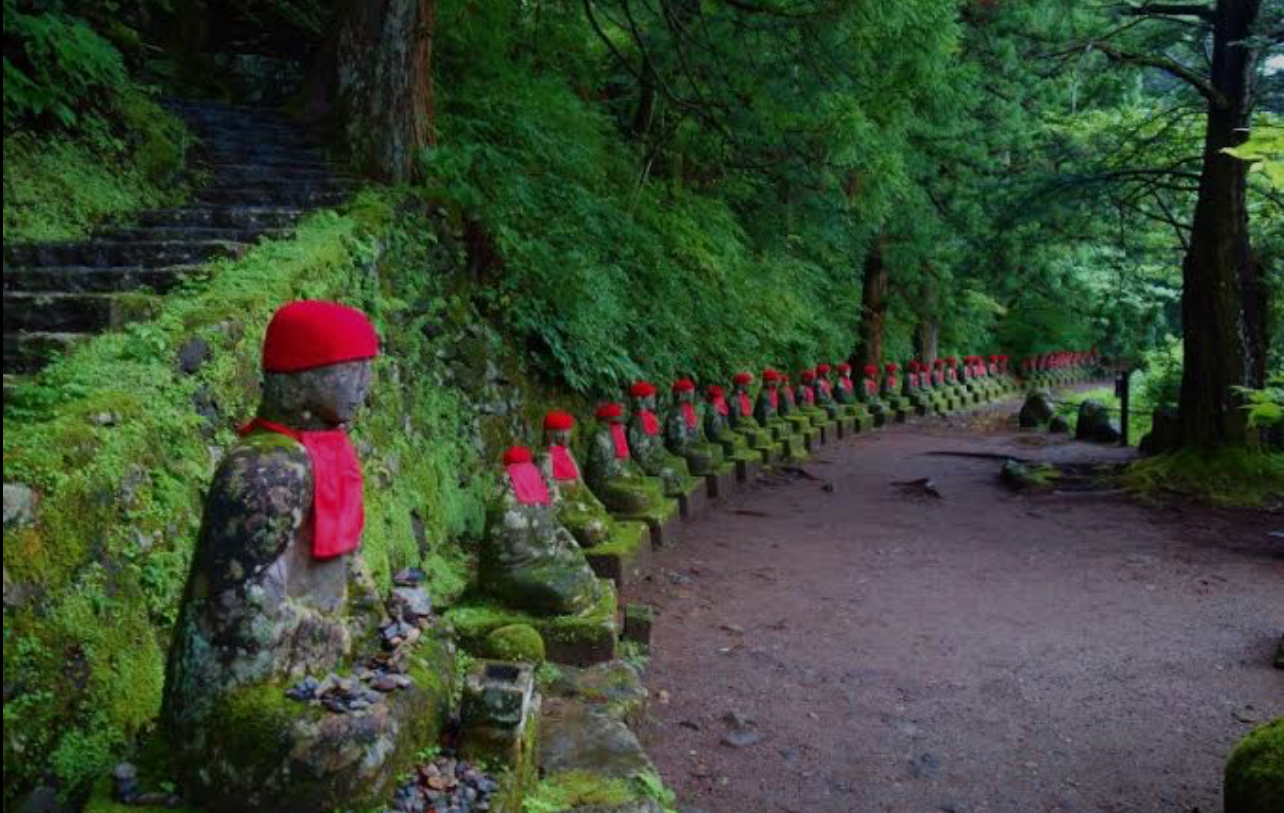
Located along the peaceful Daiya River, Narabi Jizo — also known as “Bake Jizo” or “The Rows of Jizo” — is one of Nikko’s most spiritual and photogenic spots. More than 70 stone statues of Jizo, the guardian deity of travelers and children, stand quietly in a long line, each covered in soft moss and dressed in red bibs and hats lovingly placed by locals.
The serene expressions of the Jizo and the gentle sound of the flowing river create a deeply calming atmosphere. According to legend, no matter how many times you count them, you’ll never get the same number twice — a mysterious tale that adds to the site’s charm.
Narabi Jizo offers a moment of reflection and peace, surrounded by Nikko’s natural beauty and sacred spirit — a perfect stop for those seeking to experience Japan’s quiet and spiritual side.
11
Located along the scenic banks of the Daiya River in Nikko, Kanman-ga-fuchi is a serene and mystical gorge renowned for its natural beauty and spiritual atmosphere. The area is famous for its row of Jizo statues, each one carved to honor the souls of the deceased, quietly standing along the riverbank.
Walking along the stone-paved path, visitors are surrounded by lush cedar trees, moss-covered rocks, and the gentle flow of the river, creating a peaceful environment perfect for reflection and meditation. The quiet charm of Kanman-ga-fuchi has made it a popular spot for photography, nature walks, and spiritual exploration alike.
12
Stop 12
Escape into the lush greenery of Nikko Botanical Garden, a serene and expansive garden. Nestled at the foot of the mountains, the garden is home to thousands of plant species, including native alpine plants, seasonal flowers, and rare trees from around Japan.
Visitors can enjoy leisurely walks along scenic paths, discover vibrant blooms in every season, and learn about Japan’s diverse flora through informative displays. The garden is especially beautiful during spring cherry blossoms, summer greenery, and autumn foliage, offering a peaceful retreat from the bustling city.
Whether you’re a botany enthusiast, a nature lover, or simply seeking tranquility, Nikko Botanical Garden provides a perfect combination of education, beauty, and relaxation.
13
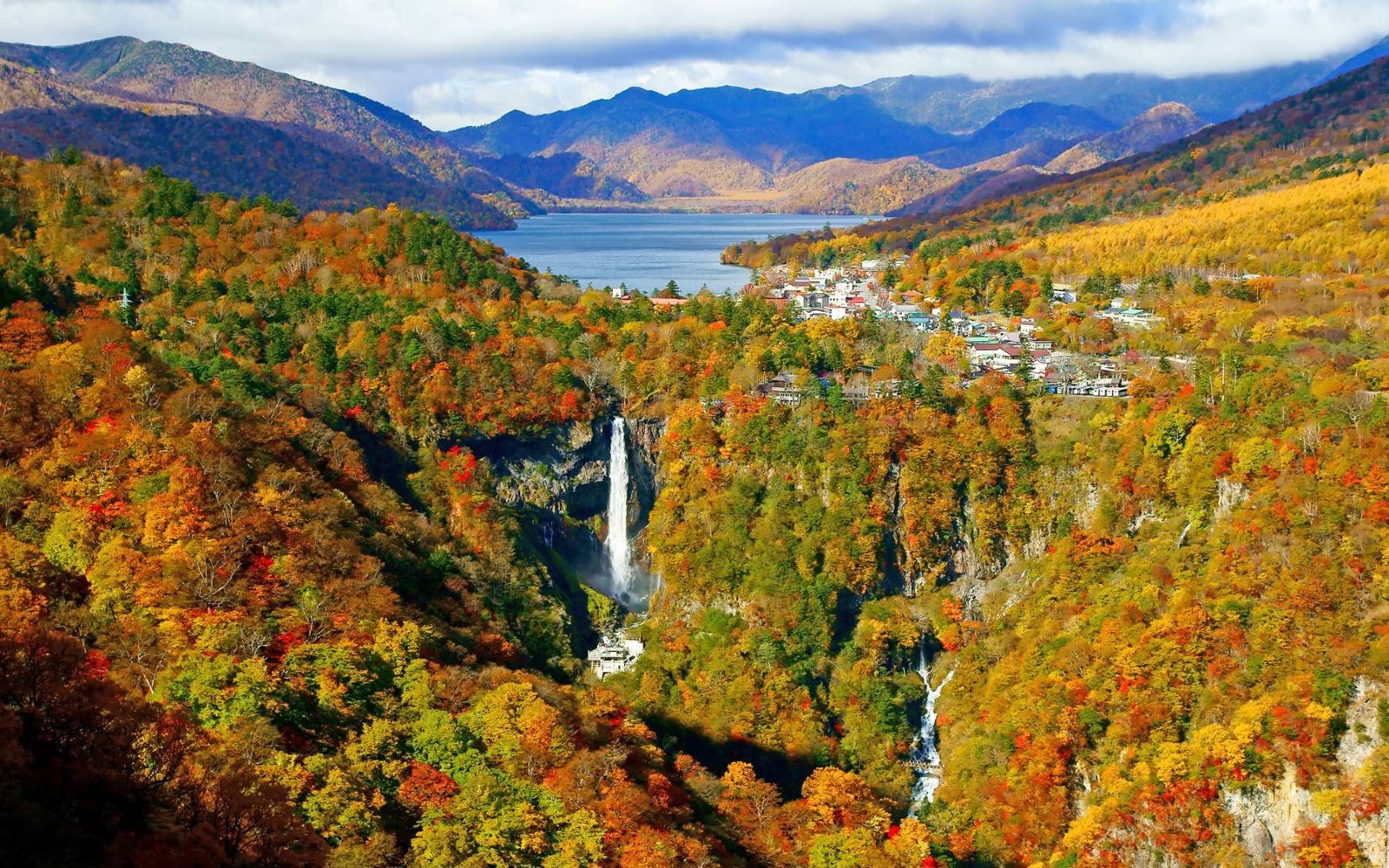
Experience one of Japan’s most scenic drives along Iroha Slope, a winding road connecting central Nikko to the mountainous region of Lake Chuzenji. Famous for its 48 hairpin curves, Iroha Slope offers breathtaking views of forests, valleys, and waterfalls throughout the year.
During autumn, the slope is especially spectacular as the vibrant red, orange, and yellow leaves create a natural kaleidoscope along the road. In winter, the snow-covered landscape offers a serene, picturesque experience.
Whether you’re driving, cycling, or simply stopping at viewpoints along the way, Iroha Slope provides unforgettable panoramas and a sense of adventure, making it a must-see for nature lovers and photographers alike.
14
Perched high above the mountains along Iroha Slope, the Akechidaira Observation Deck offers one of the most spectacular panoramic views in Nikko. From here, visitors can admire the winding road of Iroha Slope, the sparkling waters of Lake Chuzenji, and the majestic Kegon Falls cascading down the cliffs below.
Akechidaira can be reached by a short ropeway ride from the base, making it easily accessible for travelers of all ages. Whether you’re visiting in spring, summer, autumn, or winter, the changing seasons transform the scenery into a breathtaking natural masterpiece.
This observation deck is perfect for photography, sightseeing, or simply taking a moment to soak in the grandeur of Nikko’s mountains and lakes.
15
Stop 15
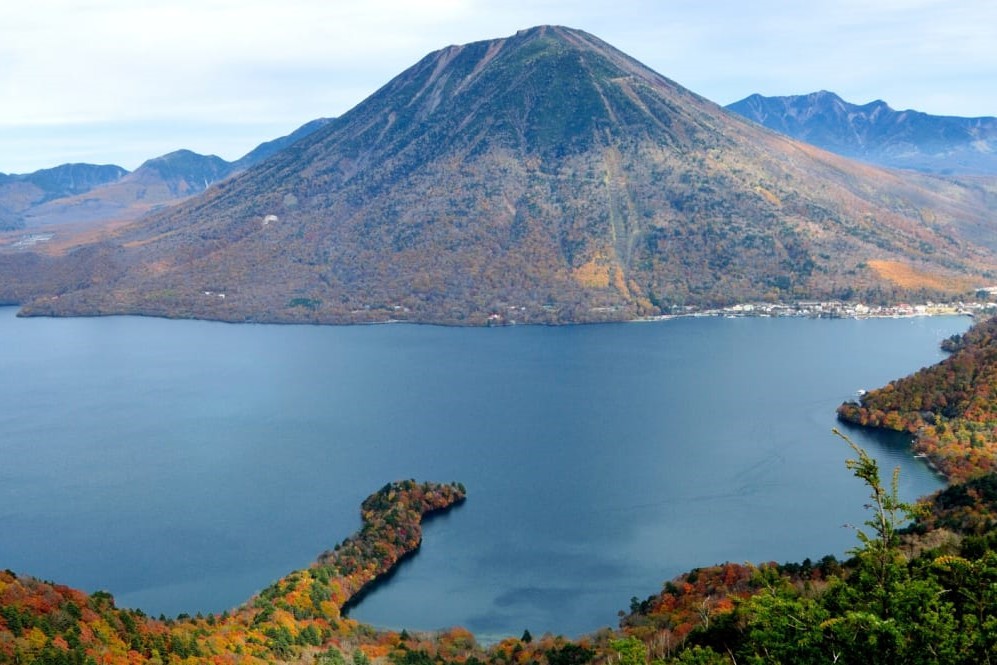
Nestled at the foot of Mount Nantai in Nikko, Lake Chuzenji is a serene mountain lake formed over 20,000 years ago by volcanic activity. It's clear, calm waters are surrounded by lush forests and scenic mountains, making it one of the most picturesque spots in the region.
Visitors can enjoy a variety of activities, including leisurely lakeside walks, boat rides, and cycling along scenic routes. The lake is also famous for its seasonal beauty — vibrant autumn leaves, cherry blossoms in spring, and a peaceful snow-covered landscape in winter.
Lake Chuzenji is not only a natural retreat but also a gateway to nearby attractions such as Kegon Falls and the Akechidaira Observation Deck, offering unforgettable views and a chance to connect with Nikko’s stunning landscapes.
16
Stretching over 400 hectares in the heart of Nikko National Park, Senjogahara Marsh is a breathtaking highland wetland surrounded by mountains, offering a peaceful escape into nature. Known for its rich biodiversity, the marsh is home to numerous plant species, migratory birds, and small wildlife, making it a paradise for nature lovers and photographers.
Visitors can explore well-maintained walking trails and boardwalks that wind through the marsh, providing scenic views of Mt. Nantai, Mt. Nyoho, and Mt. Akagi in the distance. Seasonal changes bring spectacular landscapes: vibrant flowers in summer, autumn foliage, and serene snow-covered vistas in winter.
Senjogahara is not only ideal for hiking and photography but also for experiencing the quiet, untouched beauty of Nikko’s natural environment.
17
Stop 17
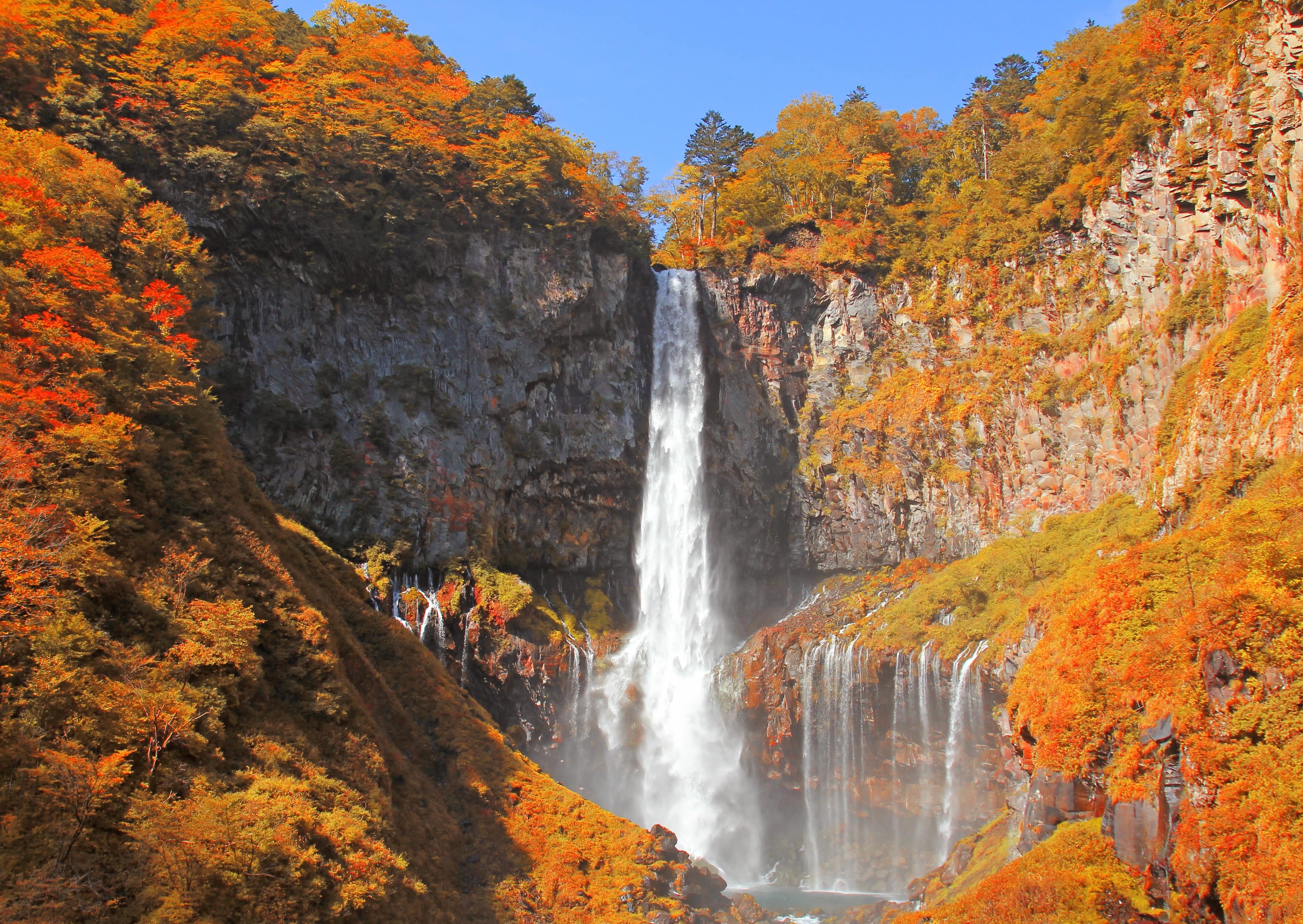
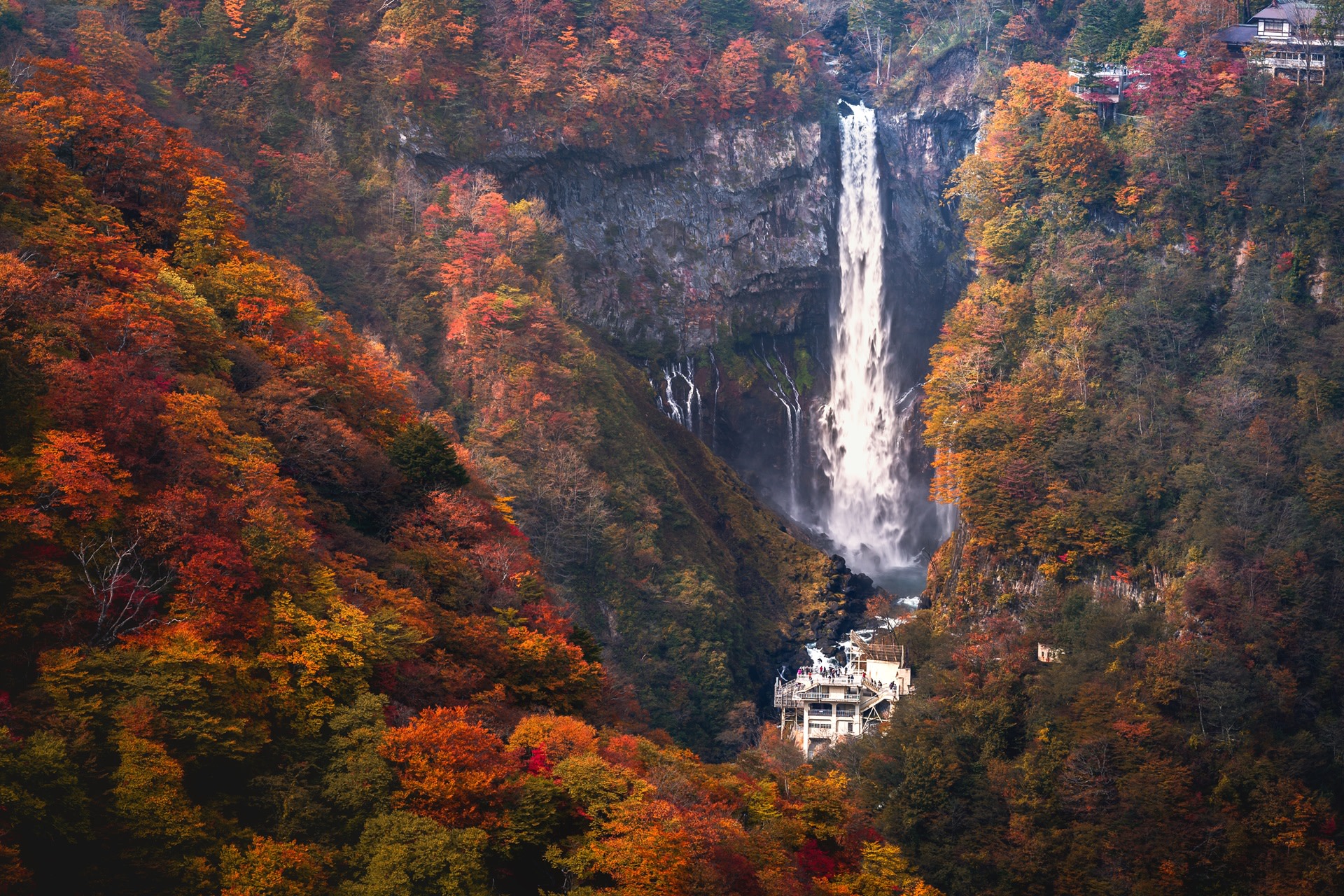
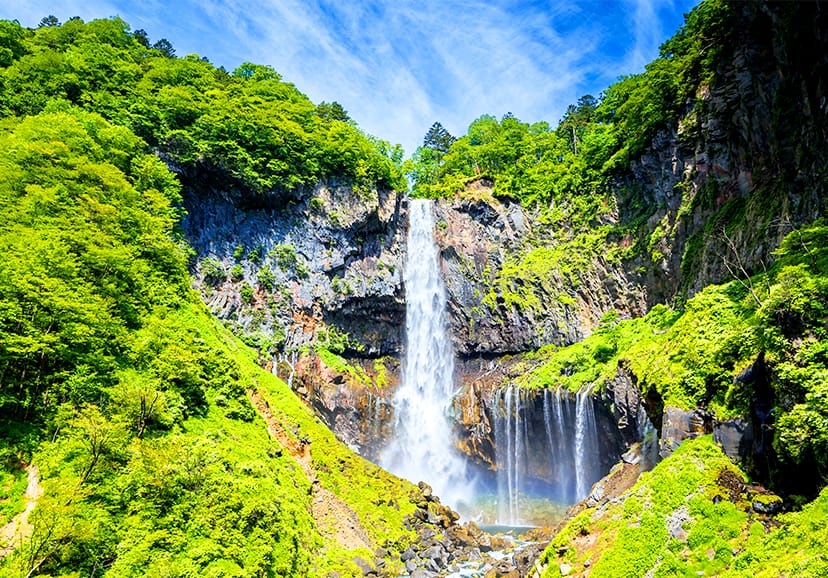
Located at the western end of Lake Chuzenji, Kegon Falls is one of Japan’s most iconic waterfalls, plunging 97 meters (318 feet) from a cliff into the gorge below. Surrounded by lush forests and mountains, the waterfall’s sheer power and beauty make it a must-see natural attraction in Nikko.
Visitors can reach the observation deck via an elevator that descends the cliff, offering a breathtaking perspective of the falls and the surrounding scenery. Seasonal changes create different atmospheres: cherry blossoms and fresh greenery in spring, vibrant foliage in autumn, and a serene, snowy landscape in winter.
Kegon Falls is perfect for photography, sightseeing, and connecting with the dramatic natural beauty of Nikko. It’s a highlight of any trip to the region.
What's not included
Meals
Entry fees of any place are not included
You need to pay for the car which you chose
Toyota Alphard
Van (5~8 People)
Available languages
Guide guide
JA
EN
Important information
Wheelchair accessible
Infants and small children can ride in a pram or stroller
Service animals allowed
Public transportation options are available nearby
Infants are required to sit on an adult’s lap
Transportation options are wheelchair accessible
All areas and surfaces are wheelchair accessible
Suitable for all physical fitness levels
About Tokyo
Tokyo, the capital of Japan, is a bustling metropolis that beautifully blends traditional culture with cutting-edge technology. Known for its neon-lit streets, historic temples, and world-class cuisine, Tokyo offers a unique experience that caters to every type of traveler.
Top Attractions
Senso-ji Temple
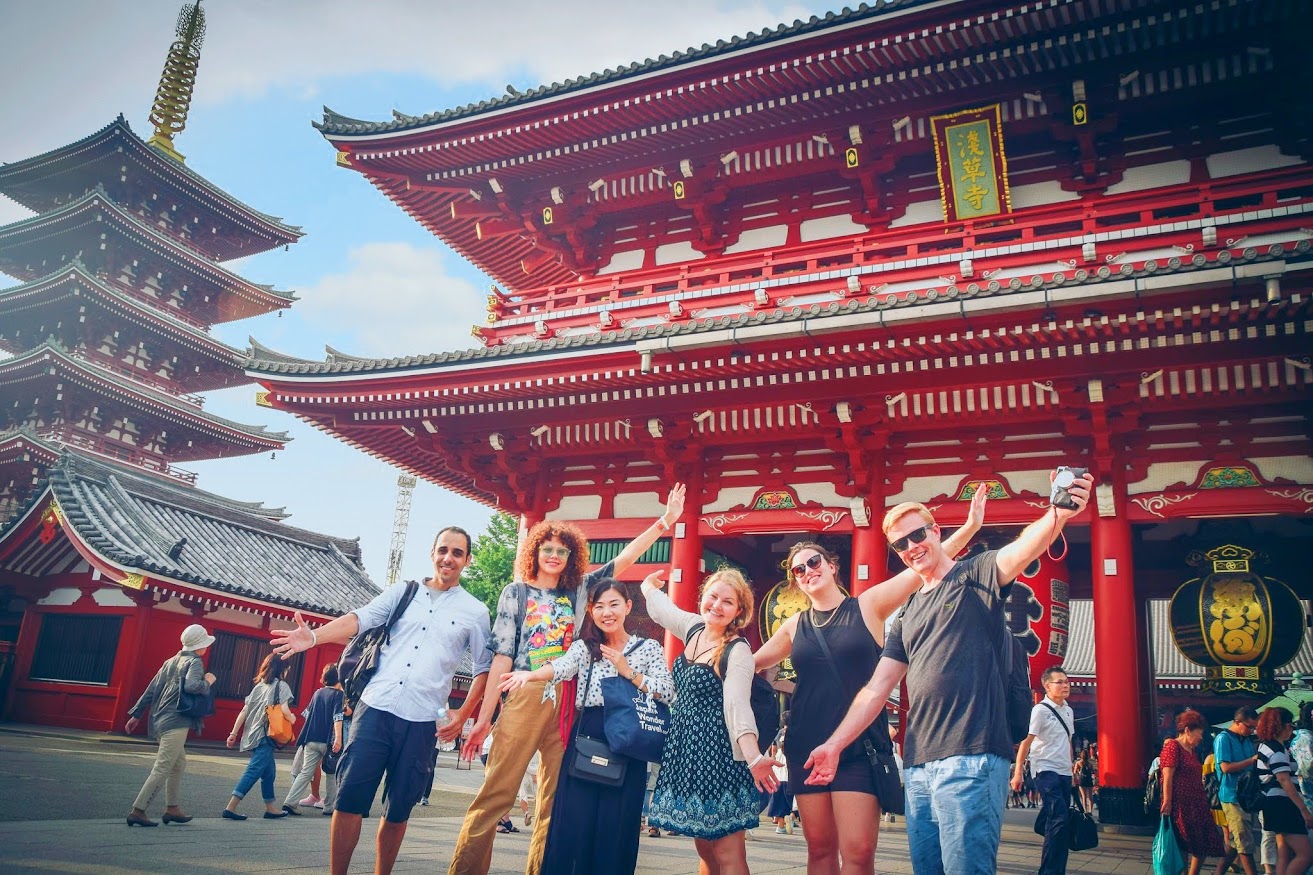
Senso-ji is Tokyo's oldest temple and one of its most significant. The temple's massive lantern and five-story pagoda are iconic landmarks.
Historical/Religious
1-2 hours
Free (small fee for some areas)
Meiji Shrine
Meiji Shrine is a Shinto shrine dedicated to the deified spirits of Emperor Meiji and his wife, Empress Shoken. It is surrounded by a beautiful forest.
Historical/Religious
1-2 hours
Free
Shibuya Crossing
Shibuya Crossing is the world's busiest pedestrian crossing and a symbol of Tokyo's bustling urban life. It's a must-see for its chaotic yet orderly nature.
Cultural
30 minutes to 1 hour
Free (¥2,200 for Shibuya Sky)
Tokyo Skytree
Tokyo Skytree is the tallest tower in Japan and the second tallest freestanding structure in the world. It offers breathtaking views of the city.
Architecture
2-3 hours
¥2,100 to ¥3,100 (USD $15 to $22)
Odaiba
Odaiba is a man-made island in Tokyo Bay known for its shopping, dining, and entertainment options. It's a great place for families and tech enthusiasts.
Entertainment
Half day to full day
Varies by attraction
Must-Try Local Dishes
Sushi
Fresh raw fish served on vinegared rice, a staple of Japanese cuisine.
Dinner
Contains fish, can be vegetarian with substitutes.
Ramen
Noodle soup with various broths and toppings, a popular comfort food.
Lunch/Dinner
Vegan and vegetarian options available.
Tempura
Deep-fried seafood and vegetables, known for its crispy texture.
Lunch/Dinner
Contains seafood and deep-fried ingredients.
Okonomiyaki
Savory pancake with various ingredients, often topped with sauce and bonito flakes.
Lunch/Dinner
Contains seafood and can be made vegetarian.
Popular Activities
Hiking in the nearby mountains
Parasailing at Odaiba
Onsen (hot spring) visits
Tea ceremonies
Traditional tea ceremonies
Kimono rentals and photo shoots
Boat tours on the Sumida River
Beach activities at Odaiba
Best Time to Visit
March to May (Spring) and September to November (Autumn)
These seasons offer comfortable temperatures and beautiful scenery, with cherry blossoms in spring and vibrant foliage in autumn. However, these are also the busiest times for tourism.
10°C to 25°C (50°F to 77°F)
50°F to 77°F
Practical Information
Language
- Official: Japanese
- Widely spoken: English, Chinese, Korean
- English: Moderately spoken in tourist areas, limited elsewhere
Currency
Japanese Yen (JPY)
Time Zone
GMT+9
Electricity
100VV, 50/60HzHz
Safety Information
Overall Safety Rating: Very safe
Tokyo is generally very safe, with low crime rates and a strong emphasis on public order. However, petty crimes like pickpocketing can occur in crowded areas.
Important Precautions:
- • Be cautious of your belongings in crowded areas.
- • Use licensed taxis and check fares before getting in.
- • Be aware of your surroundings, especially at night.
Getting there
By air
- Narita International Airport • 60 km (37 miles) from city center
- Haneda Airport • 15 km (9 miles) from city center
By train
Tokyo Station, Shinjuku Station
By bus
Tokyo Station Bus Terminal, Shinjuku Expressway Bus Terminal
Getting around
Public transport
Tokyo's subway system is efficient, clean, and punctual. It consists of multiple lines operated by Tokyo Metro and Toei Subway.
Taxis
Available • Apps: JapanTaxi, DiDi
Rentals
Car, Bike, Scooter
Neighborhoods
Shibuya
Shinjuku
Asakusa
Ginza
Akihabara
Day trips
Nikko
120 km (75 miles) from Tokyo • Full day
Nikko is a city known for its beautiful shrines, temples, and natural scenery. It's a UNESCO World Heritage site and offers a peaceful retreat from the bustling city.
Kamakura
50 km (31 miles) from Tokyo • Half day to full day
Kamakura is a coastal town known for its historic temples, shrines, and the Great Buddha statue. It's a great place to experience traditional Japanese culture.
Hakone
90 km (56 miles) from Tokyo • Full day or overnight
Hakone is a hot spring resort town known for its onsen (hot springs), scenic views of Mount Fuji, and the Open-Air Museum. It's a popular destination for relaxation and nature.
Festivals
Sannō Matsuri • Mid-June (every 2 years)
Kanda Matsuri • Mid-May (every 2 years)
Sumida River Fireworks Festival • Last Saturday of July
Pro tips
- Use IC cards like Suica or Pasmo for convenient and discounted public transport.
- Download useful apps like Google Maps, Japan Transit Planner, and Japan Travel by Navitime.
- Learn a few basic Japanese phrases to enhance your experience and show respect for the local culture.
- Carry cash, as some smaller shops and restaurants may not accept credit cards.
- Visit popular attractions early in the morning or late in the afternoon to avoid crowds.
From $25
per person
Price varies by option
Secure booking
Free cancellation available
Instant confirmation