Kyoto Nara Private Car Tour with a Local English Guide and Driver
Active
10h
For a full refund, cancel at least 24 hours before the scheduled departure time.
Instant confirmation
Mobile or paper ticket accepted
About this experience
With an experienced local guide fluent in both English and Japanese (with previous experience guiding Hollywood actors, Lance Gross!)
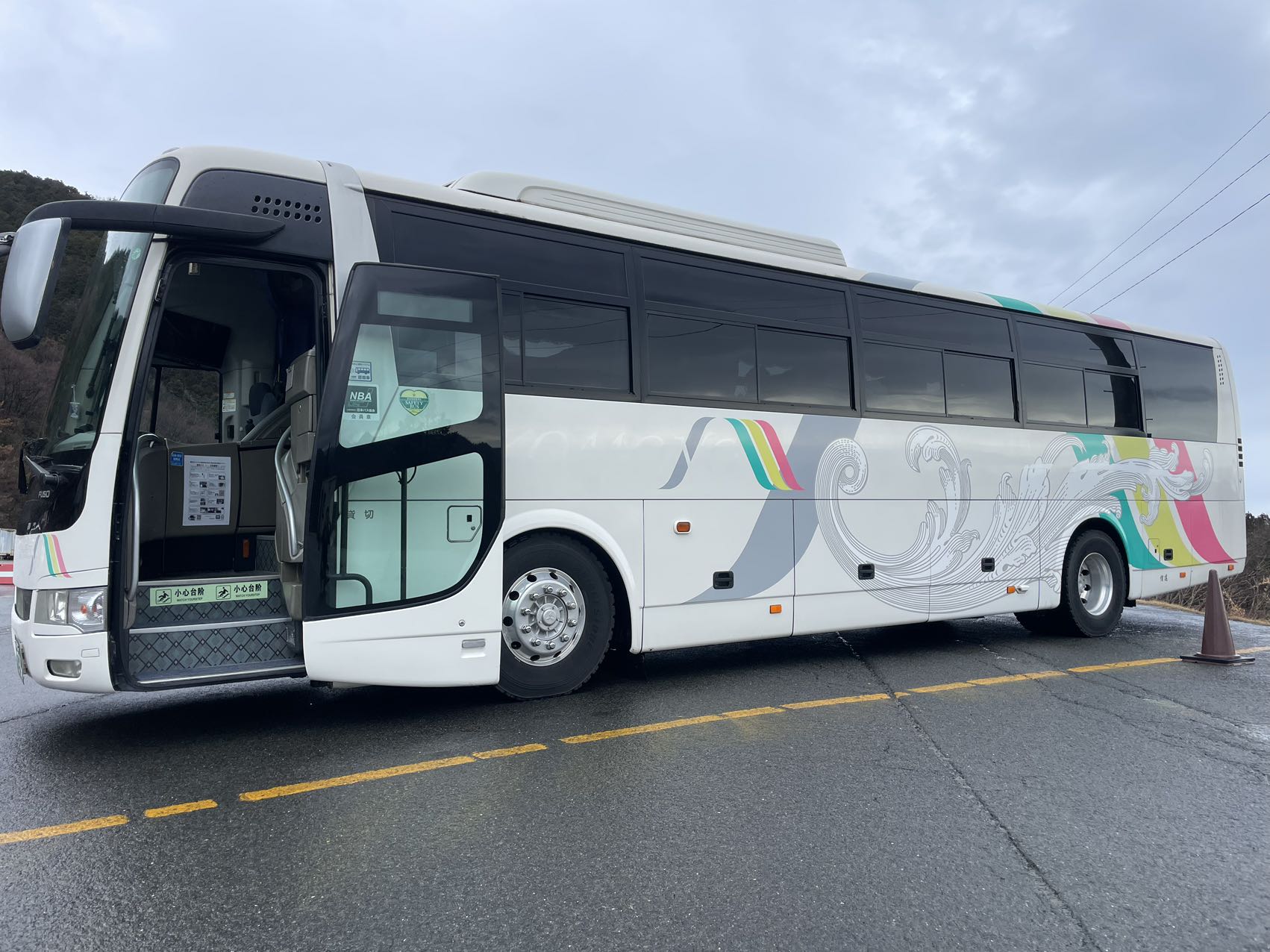
You can choose the car you want!
All of our members were born and raised in Japan, so we have an in-depth understanding of the country. This allows us to share the hidden charms of Japan that only locals know. In addition, we offer free Japanese language support in case of emergencies. We only assign highly experienced professional drivers.
In recent years, there has been a sharp increase in accidents and incidents involving unlicensed or inexperienced drivers who are not from Japan at other companies. Our strength lies in providing the highest level of safety and reliability through our Japanese drivers and Japanese guides.
In addition to hands-on activities such as ninja training and chopstick-making, our strong local connections grant access to exclusive experiences — including invitations-only Ochaya and private geisha or maiko performances.
Available options
Kyoto & Nara Private Car Tour
Guide fee<br/>Pickup included
What's included
Private transportation
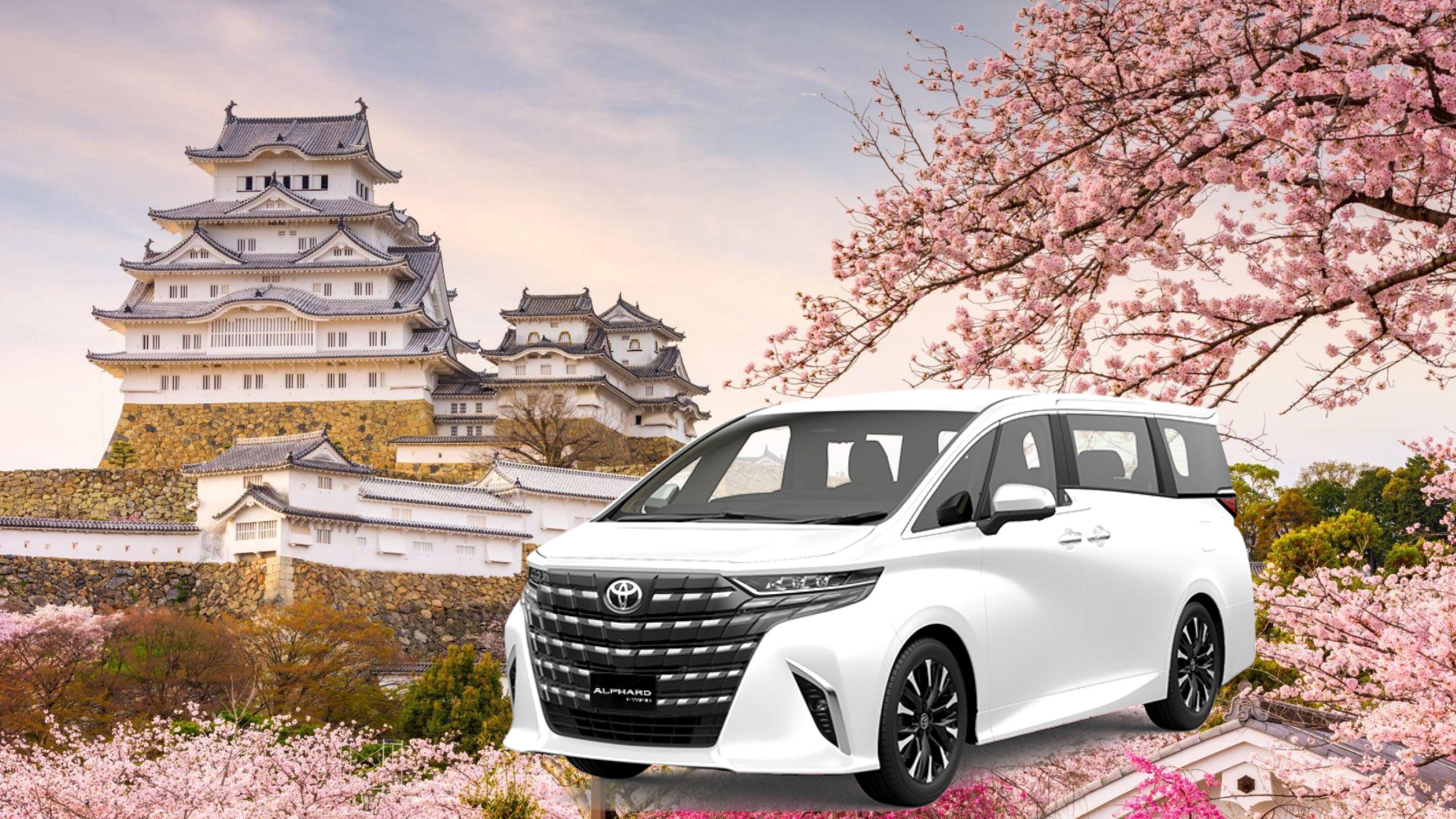
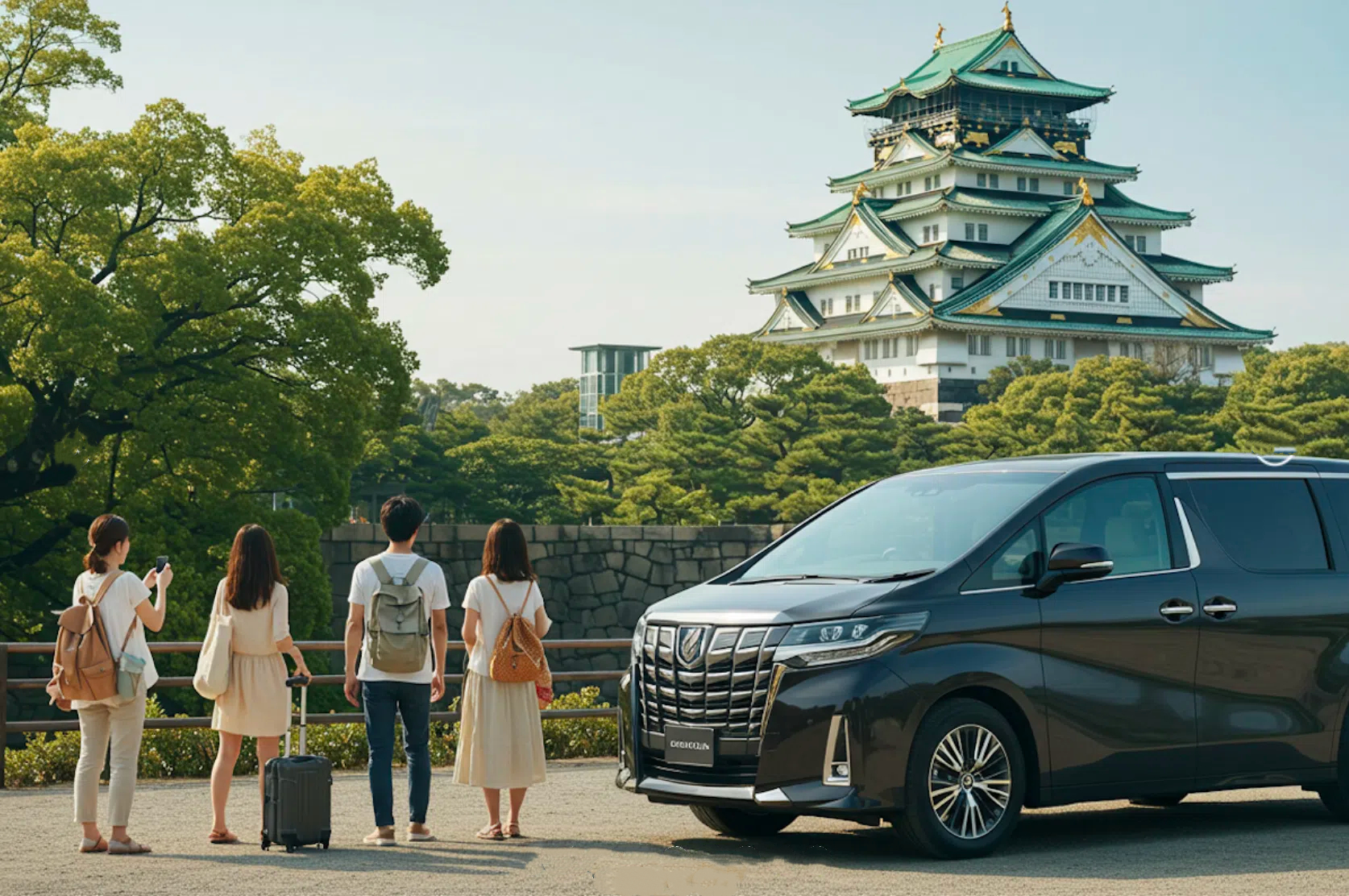
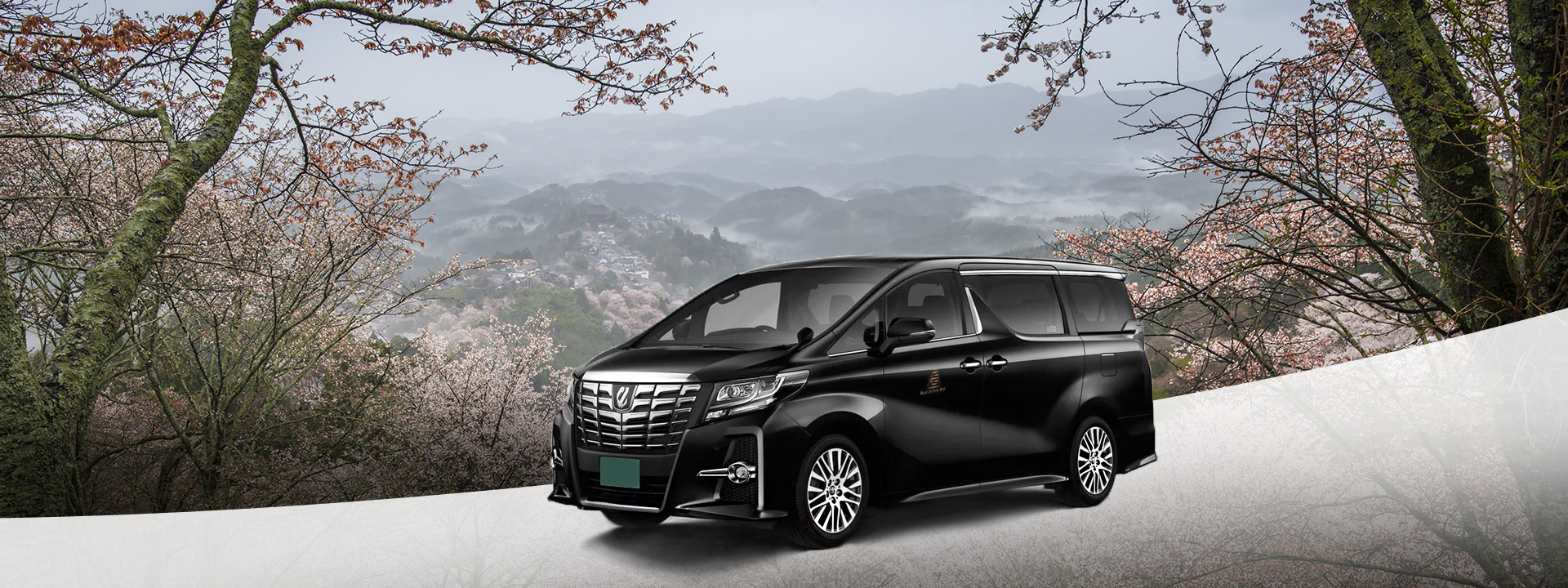
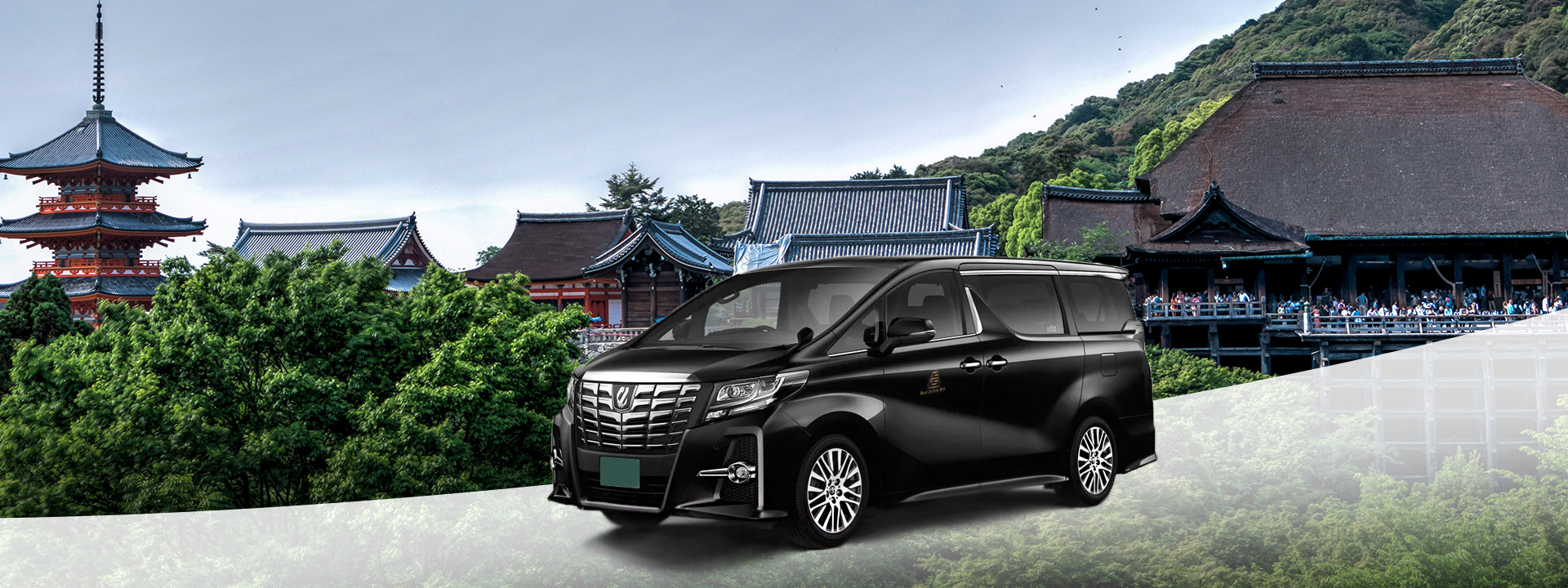
Toyota Alphard (25,000JPY per group)
Toyota Alphard (20,000JPY per group)
Complimentary support for Shinkansen and restaurant reservations
Mercedes - Benz V-Class (High cost for VIP)
Kansai Airport Transfer from Osaka (Extra fee option)
Air-conditioned vehicle
Experienced Local Professional Driver (Green Number)
Experienced Local English and Japanese Speaking Guide
Toyota Alphard (15,000~25,000JPY per group)
Car Fee is NOT Included. Please Read Below
The price depends on where you go and time
You will need to pay for the car which you chose
Van (28,000JPY per group)
Van for 5~8 People (20,000~30,000JPY per group)
Van (23,000JPY per group)
Fully customizable tours based on your preferences or our recommended highlights.
Wi-Fi on Board
Kansai Airport Transfer from Kyoto (Extra fee option)
Hotel pick-up and drop-off
Detailed itinerary
1
Stop 1
Fushimi Inari Taisha is one of Kyoto’s most iconic landmarks, best known for the breathtaking Senbon Torii, or “thousands of torii gates,” that form bright red tunnels winding through the forested slopes of Mount Inari. Dedicated to Inari, the Shinto deity of rice, prosperity, and good fortune, the shrine has long been a place of deep cultural and spiritual significance.
Visitors can stroll beneath the endless rows of gates, discover smaller shrines along the paths, and admire fox statues, believed to be Inari’s messengers. Whether you visit in the daytime, when the vermilion gates shine vividly in the sun, or at night, when the pathways take on a serene and mysterious atmosphere, Fushimi Inari offers an unforgettable experience.
2
Stop 2
Arashiyama, in western Kyoto, is a scenic district known for its natural beauty and cultural landmarks. Highlights include the enchanting Bamboo Forest, the UNESCO World Heritage Tenryu-ji Temple, and the picturesque Togetsukyo Bridge, which is especially stunning during cherry blossom season and autumn foliage.
Visitors can also explore the Iwatayama Monkey Park for views over Kyoto and encounters with wild monkeys, and stroll through the illuminated Kimono Forest near Arashiyama Station. With its blend of traditional shops, tea houses, and breathtaking scenery, Arashiyama is a must-visit destination in Kyoto.
3
The Bamboo Forest in Arashiyama is a serene and magical walkway where tall bamboo stalks tower overhead, creating a peaceful and otherworldly atmosphere. It’s one of Kyoto’s most photographed and iconic natural spots.
4
Stop 4
Tenryu-ji Temple, a UNESCO World Heritage site in Arashiyama, Kyoto, is famous for its beautifully landscaped gardens and traditional architecture. Surrounded by lush greenery and views of the nearby mountains, it offers a peaceful and culturally rich experience, reflecting the elegance of Japanese Zen temples.
5
Stop 5
Togetsukyo Bridge, spanning the Katsura River in Arashiyama, is a scenic landmark famous for its stunning views. Visitors enjoy photographing the bridge framed by cherry blossoms in spring or vibrant autumn foliage, making it one of Kyoto’s most picturesque spots.
6
The Kimono Forest, located near Arashiyama Station, features hundreds of illuminated pillars wrapped in colorful kimono fabrics. This modern art installation creates a magical and photogenic walkway, especially enchanting in the evening.
7
Stop 7
Sagano Romantic Train (Sagano Torokko Train)
Enjoy a scenic ride through the beautiful Hozugawa Gorge on this charming vintage train. It’s a relaxing way to experience Kyoto’s seasonal landscapes, especially stunning during cherry blossom and autumn foliage seasons.
8
Arashiyama Monkey Park Iwatayama
Climb a short mountain trail to meet wild Japanese macaques and enjoy panoramic views of Kyoto from the top. A fun and unique experience where you can observe monkeys up close in a natural setting.
9
Stop 9
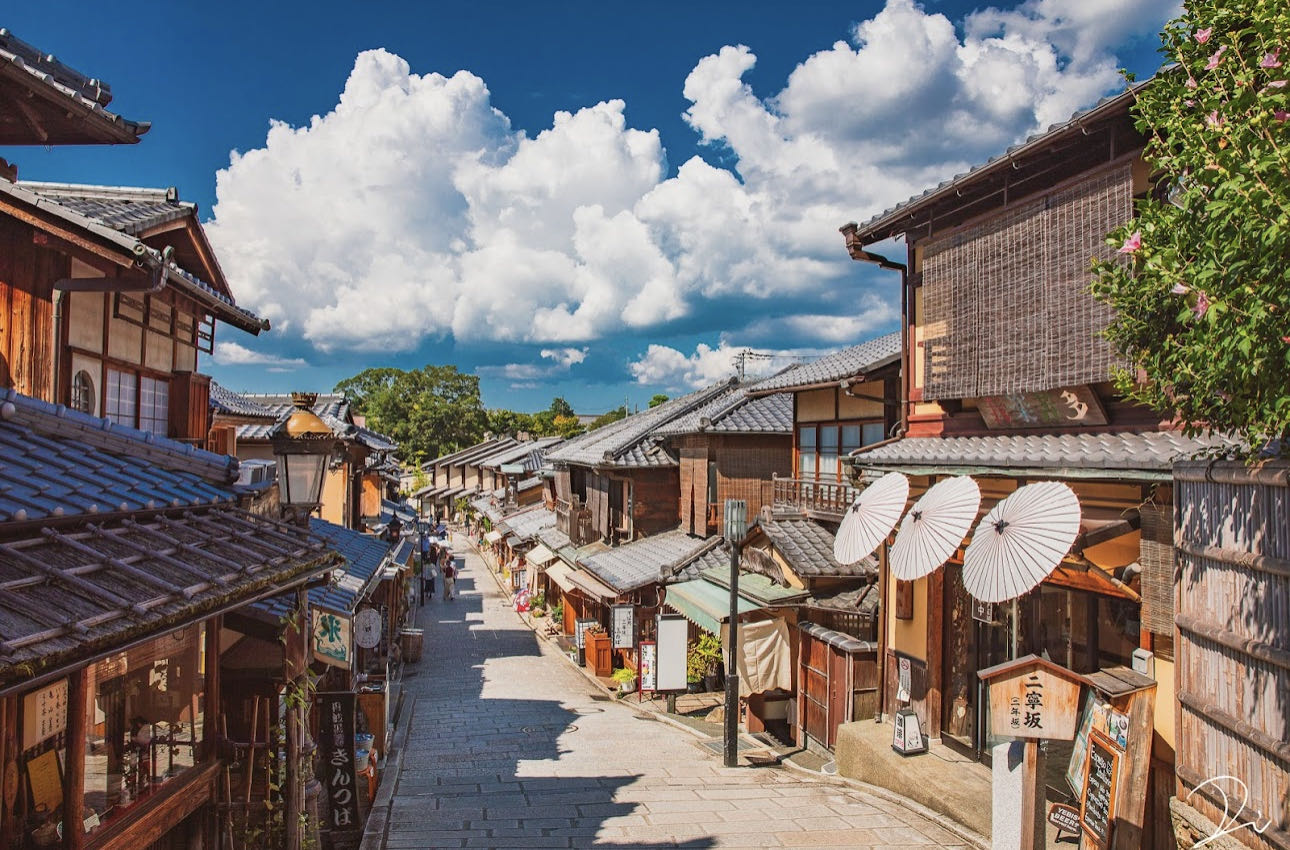
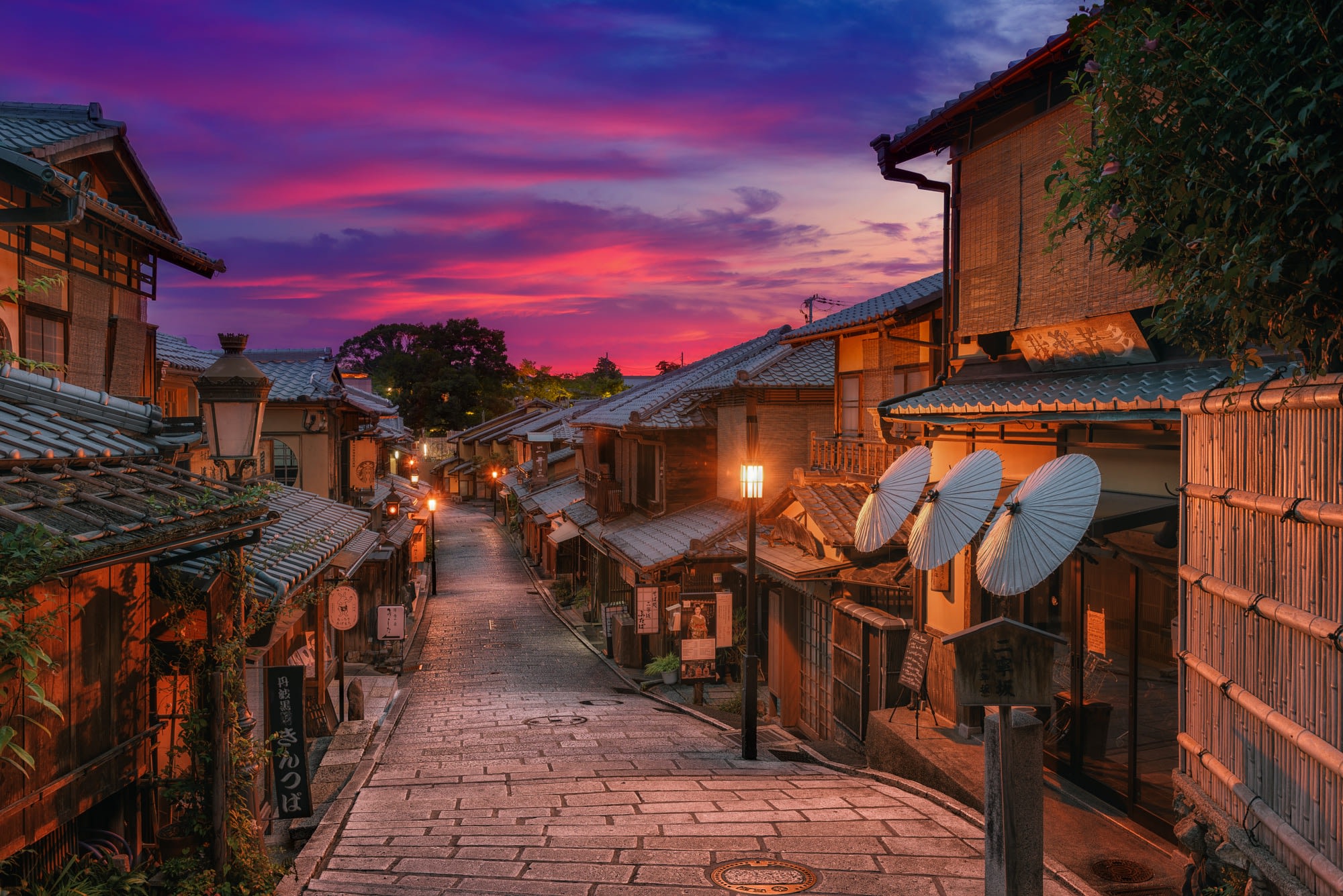
Located in the heart of Kyoto, Gion is the city’s most famous traditional district, known for its geisha and maiko (apprentice geisha) culture. Stroll along Hanami-koji Street or the Shirakawa Canal to enjoy wooden teahouses, lantern-lit streets, and the timeless beauty of old Japan. You might even glimpse a maiko gracefully walking to an evening appointment.
10
Stop 10
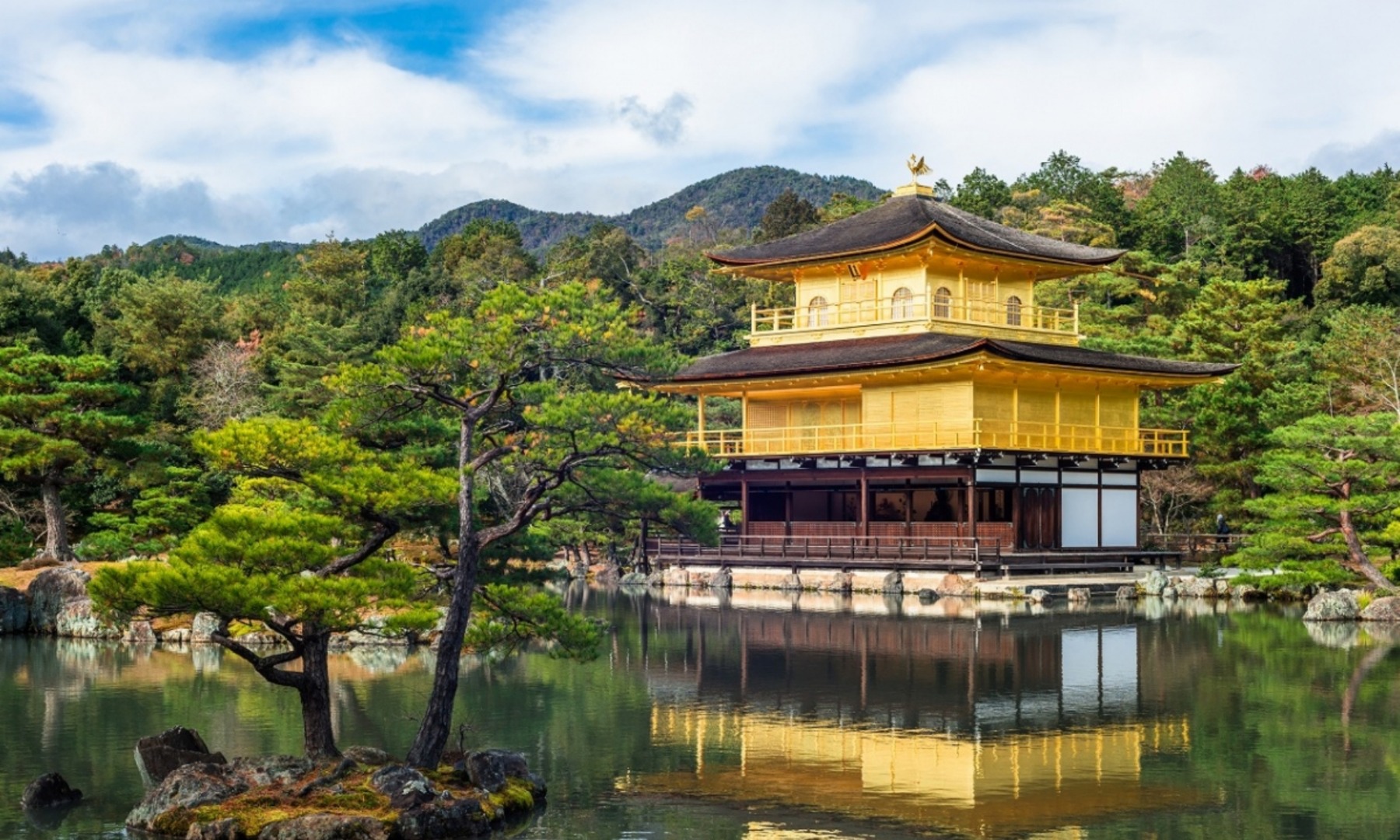
Kinkaku-ji, or the Golden Pavilion, was originally built in the 14th century as the retirement villa of shogun Ashikaga Yoshimitsu, and later became a Zen temple. Now a UNESCO World Heritage site, it is one of Kyoto’s most iconic landmarks. The pavilion is covered in brilliant gold leaf and is especially stunning when reflected in the calm waters of the surrounding pond. Visitors can stroll through the beautifully landscaped gardens and enjoy a timeless view that perfectly captures the elegance of traditional Japanese aesthetics.
11
Stop 11
Discover the vibrant flavors of Kyoto at Nishiki Market, a bustling street lined with over 100 shops and stalls. Known as “Kyoto’s Kitchen,” this historic market has been serving locals and visitors for centuries. Explore a colorful array of fresh seafood, local produce, traditional sweets, pickles, and unique Kyoto specialties.
Stroll through the lively aisles, sample local delicacies, and watch skilled vendors at work. Whether you’re a foodie looking for authentic tastes or simply want to experience the local culture, Nishiki Market offers a sensory journey through Kyoto’s culinary heritage.
12
Stop 12
Kiyomizu-dera, a UNESCO World Heritage site, is one of Kyoto’s most celebrated temples, founded in the 8th century. It is best known for the grand wooden stage known as “Kiyomizu no Butai”, which extends from the main hall and was built without the use of nails. This stage offers sweeping views of Kyoto and is especially breathtaking during cherry blossom season and autumn foliage. Visitors can also explore the temple’s historic grounds, including the Otowa Waterfall, where drinking from its streams is believed to bring health, longevity, and success.
13
Stop 13
Ginkaku-ji, or the Silver Pavilion, is a Zen temple built in the late 15th century by shogun Ashikaga Yoshimasa. Although never covered in silver, it is admired for its refined simplicity, beautiful moss gardens, and the meticulously designed sand garden known as the “Sea of Silver Sand.” The temple embodies the elegance of Japanese aesthetics and the spirit of wabi-sabi.
14
Stop 14
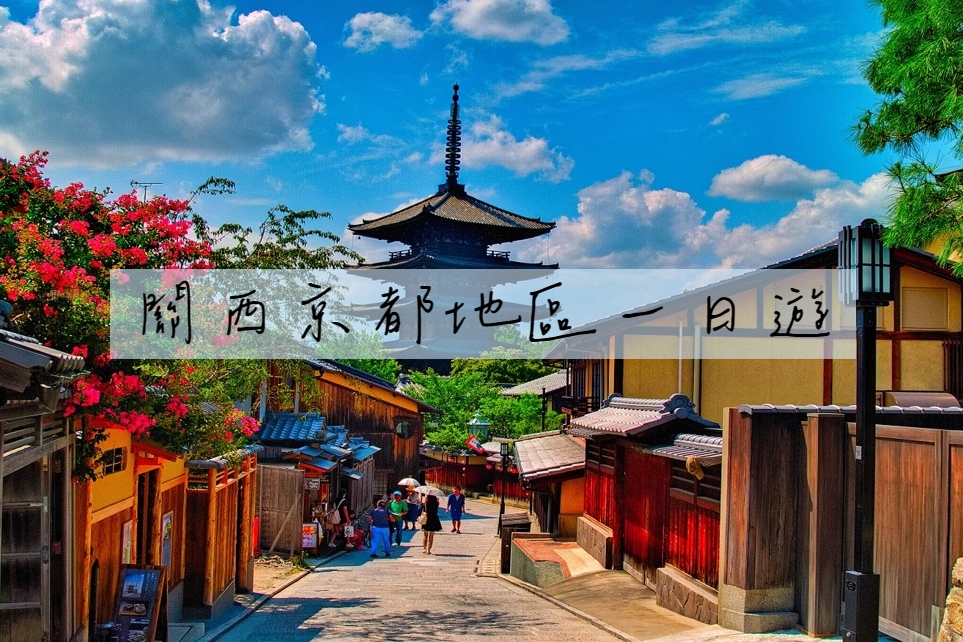
Located between Kyoto’s Gion and Higashiyama districts, Yasaka Shrine is one of the city’s most famous and lively Shinto shrines. Known for its vibrant Gion Matsuri festival and beautiful lanterns that light up at night, it offers visitors a glimpse of Kyoto’s spiritual and cultural heart.
15
Stop 15
Sanjusangen-do, officially known as Rengeo-in, is a Buddhist temple famous for its long wooden hall stretching 120 meters, the longest of its kind in Japan. Inside, visitors are awed by the sight of 1,001 life-size statues of Kannon, the goddess of mercy, arranged in magnificent rows. The temple offers a powerful and unforgettable cultural experience.
16
Stop 16
Nijo Castle, a UNESCO World Heritage site, was built in the early 17th century as the Kyoto residence of shogun Tokugawa Ieyasu. The castle is renowned for its elegant palace buildings, beautiful gardens, and the famous “nightingale floors”, which chirp when walked upon as a security measure. It provides a fascinating glimpse into the power and artistry of Japan’s samurai era.
17
Stop 17
Amanohashidate, one of Japan's "Three Scenic Views," is a stunning 3.6-kilometer sandbar in Miyazu, Kyoto Prefecture, famous for its natural beauty. Known as the "Bridge to Heaven," it offers breathtaking views from Mount Monju, where the sandbar appears to arch across the sky. Visitors can walk or cycle along the pine-lined path, explore local shrines, and enjoy fresh seafood. Accessible from Kyoto, it’s an ideal destination for nature lovers, history enthusiasts, and those seeking a tranquil escape. The area is popular with tourists for its natural beauty, outdoor activities like cycling, and its rich historical sites. The surrounding region also offers hot springs and seafood, especially fresh crabs, a delicacy in the area.
18
Ine Bay is a picturesque fishing village famous for its unique funaya, or boathouses. These traditional wooden houses are built directly on the water, with the first floor serving as a garage for boats and fishing equipment, and the second floor used as living quarters. The sight of over 200 funaya lined up along the bay creates a landscape unlike anywhere else in Japan. Visitors can explore the town on foot, enjoy fresh seafood, or take a boat tour for a closer look at these charming waterfront homes and the tranquil bay.
19
Amanohashidate, often ranked among Japan’s three most scenic views, is a natural sandbar stretching about 3.6 km across Miyazu Bay, lined with nearly 5,000 pine trees. The name means “bridge to heaven,” and from the surrounding hills, the sandbar looks like a path connecting the sky and earth. Visitors can walk, cycle, or even take a boat ride to enjoy its beauty, and the unique custom of viewing it “upside down” through your legs offers a fun and memorable perspective.
20
Stop 20
Chion-in, the head temple of the Jodo sect of Buddhism, is one of Kyoto’s grandest temple complexes. It is known for its massive Sanmon Gate, the largest wooden gate in Japan, and its impressive temple grounds filled with historic halls and tranquil gardens. Chion-in offers visitors a chance to experience both the scale and spiritual depth of Japanese Buddhist culture.
21
Stop 21
Nara Park, located in the ancient capital of Nara, is a vast and historic park famous for its friendly deer and cultural landmarks. Home to over 1,000 freely roaming deer, the park offers visitors the unique chance to interact with these gentle creatures, who often bow in exchange for special deer crackers (shika senbei).
Covering more than 500 hectares, the park also features some of Nara’s most iconic sites, including the majestic Todai-ji Temple and the sacred Kasuga Taisha Shrine. With its blend of natural beauty, playful deer, and centuries-old cultural heritage, Nara Park is a must-visit destination for travelers to Japan.
22
Stop 22
Todai-ji Temple, a UNESCO World Heritage site in Nara, is one of Japan’s most famous and historically significant temples. It is best known for the Great Buddha Hall (Daibutsuden), which houses a massive bronze Buddha statue, one of the largest in the world. Surrounded by beautiful grounds and friendly deer from nearby Nara Park, Todai-ji offers a profound cultural and spiritual experience for visitors.
23
Stop 23
Kasuga Taisha(Grand)Shrine, a UNESCO World Heritage site, is Nara’s most celebrated Shinto shrine, founded in the 8th century. It is renowned for its hundreds of bronze and stone lanterns, which create a magical atmosphere, especially during the lantern festivals held twice a year. Surrounded by the tranquil forest of Nara Park, Kasuga Taisha offers visitors a serene setting to experience Japan’s spiritual and cultural traditions.
24
Located in central Nara, Kofuku-ji Temple is one of Japan’s oldest and most important Buddhist temples, originally founded in 710. A designated UNESCO World Heritage Site, it is famous for its graceful five-story pagoda, one of Nara’s iconic landmarks. The temple grounds feature beautifully restored halls and treasured Buddhist statues that reflect the artistry of the Nara period. Just a short walk from Nara Park, Kofuku-ji offers visitors a peaceful setting to experience Japan’s ancient spiritual heritage and timeless beauty.
What's not included
Entrance fees of any places are not included
Meals
Available languages
Guide guide
JA
EN
Reviews breakdown
Viator
5.0
5 reviews
5★
5
4★
0
3★
0
2★
0
1★
0
Tripadvisor
5.0
11 reviews
5★
11
4★
0
3★
0
2★
0
1★
0
Important information
Wheelchair accessible
Infants and small children can ride in a pram or stroller
Service animals allowed
Public transportation options are available nearby
Infants are required to sit on an adult’s lap
Specialized infant seats are available
Transportation options are wheelchair accessible
All areas and surfaces are wheelchair accessible
Suitable for all physical fitness levels
About Kyoto
Kyoto, once the imperial capital of Japan, is a city rich in history, culture, and tradition. Known for its numerous classical Buddhist temples, as well as gardens, imperial palaces, Shinto shrines, and traditional wooden houses, Kyoto offers a unique blend of ancient and modern Japan. The city is a must-visit for travelers seeking to experience the heart of Japanese heritage.
Top Attractions
Kinkaku-ji (Golden Pavilion)
A Zen Buddhist temple covered in gold leaf, Kinkaku-ji is one of Kyoto's most iconic landmarks. The temple's top two floors are completely covered in gold leaf, reflecting beautifully on the surrounding pond.
Historical/Religious
1-2 hours
¥400
Fushimi Inari Taisha
Famous for its thousands of vermilion torii gates, Fushimi Inari Taisha is a Shinto shrine dedicated to Inari, the god of rice. The trails leading up the mountain offer stunning views of Kyoto.
Religious
2-4 hours (depending on how far you hike)
Free
Kiyomizu-dera
A historic wooden temple with a large veranda supported by massive wooden pillars, Kiyomizu-dera offers panoramic views of Kyoto. The temple is particularly famous for its spring and autumn foliage.
Religious
1-2 hours
¥400
Arashiyama Bamboo Grove
A stunning grove of bamboo, Arashiyama is one of Kyoto's most famous natural attractions. The towering bamboo stalks create a surreal and peaceful atmosphere.
Nature
1-2 hours
Free (Tenryu-ji Temple costs ¥500)
Gion
Kyoto's most famous geisha district, Gion is known for its traditional wooden machiya houses, teahouses, and the chance to spot geishas and maikos (apprentice geishas).
Cultural
1-2 hours (longer if dining or attending a cultural event)
Free to explore (dining and cultural events can be expensive)
Must-Try Local Dishes
Kaiseki Ryori
A traditional multi-course Japanese meal that emphasizes seasonality and presentation. Each dish is carefully prepared and artfully presented.
Dinner
Often includes fish, meat, and vegetables, but vegetarian options are available.
Yudofu (Tofu Hot Pot)
A Kyoto specialty featuring tofu simmered in a light kombu (kelp) broth, often served with vegetables and condiments.
Lunch/Dinner
Vegetarian-friendly, can be made vegan if broth is vegetable-based.
Matcha Desserts
Kyoto is famous for its high-quality matcha (green tea) powder, used in various desserts like ice cream, parfaits, and wagashi (traditional sweets).
Dessert
Vegetarian and vegan options available.
Obanzai
Home-style Kyoto dishes made with fresh, local ingredients, often featuring vegetables, fish, and tofu.
Lunch/Dinner
Can be adapted to various dietary preferences.
Popular Activities
Hiking in the mountains
Cycling through the countryside
Rafting on the Hozu River
Onsen (hot spring) visits
Tea ceremonies
Scenic walks in gardens and parks
Temple and shrine visits
Traditional tea ceremonies
Best Time to Visit
March to May (Spring), October to November (Autumn)
Spring and autumn offer pleasant weather and are the best times to visit for cherry blossoms and autumn foliage. These seasons also see the highest tourist volumes.
15°C to 25°C (Spring), 10°C to 20°C (Autumn)
59°F to 77°F (Spring), 50°F to 68°F (Autumn)
Practical Information
Language
- Official: Japanese
- Widely spoken: English (limited)
- English: Limited/Rare
Currency
Japanese Yen (JPY)
Time Zone
JST (UTC+9)
Electricity
100VV, 50/60HzHz
Safety Information
Overall Safety Rating: Very safe
Kyoto is a very safe city with a low crime rate. Violent crime is rare, and petty crime is uncommon. However, as with any tourist destination, it's important to take basic precautions to protect yourself and your belongings.
Important Precautions:
- • Keep valuables secure and out of sight
- • Be cautious of your surroundings, especially in crowded areas
- • Use reputable tour operators and taxis
Getting there
By air
- Kansai International Airport • 115 km from Kyoto
- Osaka International Airport (Itami) • 40 km from Kyoto
By train
Kyoto Station
By bus
Kyoto Station Bus Terminal
Getting around
Public transport
Buses are the most extensive and affordable way to get around Kyoto. They cover most areas of the city and are especially useful for reaching temples and shrines.
Taxis
Available • Apps: JapanTaxi, INDRIVER
Rentals
Car, Bike, Scooter
Neighborhoods
Gion
Higashiyama
Arashiyama
Downtown Kyoto (Shijo-Kawaramachi)
Day trips
Nara
40 km from Kyoto • Half day to full day
Nara is a historic city known for its ancient temples, shrines, and the famous Nara Park, home to hundreds of free-roaming deer.
Uji
20 km from Kyoto • Half day
Uji is a small city known for its historic temples, beautiful riverside scenery, and high-quality matcha (green tea).
Kurama and Kibune
25 km from Kyoto • Full day
Kurama and Kibune are two neighboring villages in the mountains north of Kyoto, known for their hot springs, hiking trails, and scenic beauty.
Festivals
Gion Matsuri • July (main events on July 17th and 24th)
Jidai Matsuri • October 22nd
Aoi Matsuri • May 15th
Pro tips
- Visit popular attractions like Fushimi Inari Taisha and Kinkaku-ji early in the morning or late in the afternoon to avoid crowds.
- Consider purchasing a Kyoto City Bus Pass or other transportation passes to save money on getting around the city.
- Try local specialties like yudofu (tofu hot pot), matcha desserts, and obanzai (home-style Kyoto dishes).
- Explore the city's many temples and shrines, but don't forget to take time to enjoy the natural beauty of Kyoto's gardens and parks.
- Learn a few basic Japanese phrases to enhance your experience and show respect for local customs and traditions.
From $25
per person
Price varies by option
Secure booking
Free cancellation available
Instant confirmation