


Private Tour Mt. Fuji Hakone Yokohama
Active
9h - 10h
For a full refund, cancel at least 24 hours before the scheduled departure time.
Instant confirmation
Mobile or paper ticket accepted
About this experience
Hello! I’m a seasoned tour guide with nearly 15 years of experience in Japan, fluent in Japanese (native), English, and Chinese, with over a decade of overseas study experience. I’m passionate about Japan’s geography, history, and photography, dedicated to crafting unforgettable journeys for every traveler. I will show you fantastic view around Fiji Hakone and YokoHama ,give you a unforgettable memory.
Available options
Private Tour Mt. Fuji Hakone Yokohama
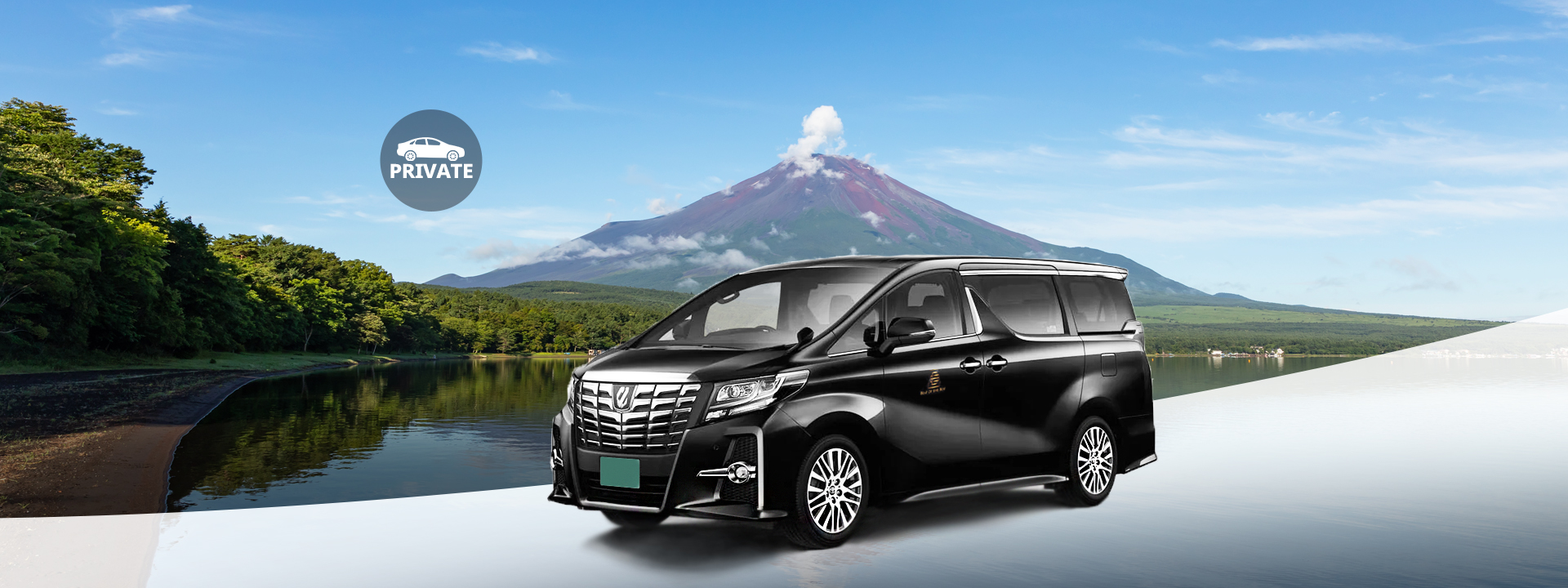
Pickup included
What's included
Bottled water
Detailed itinerary
1
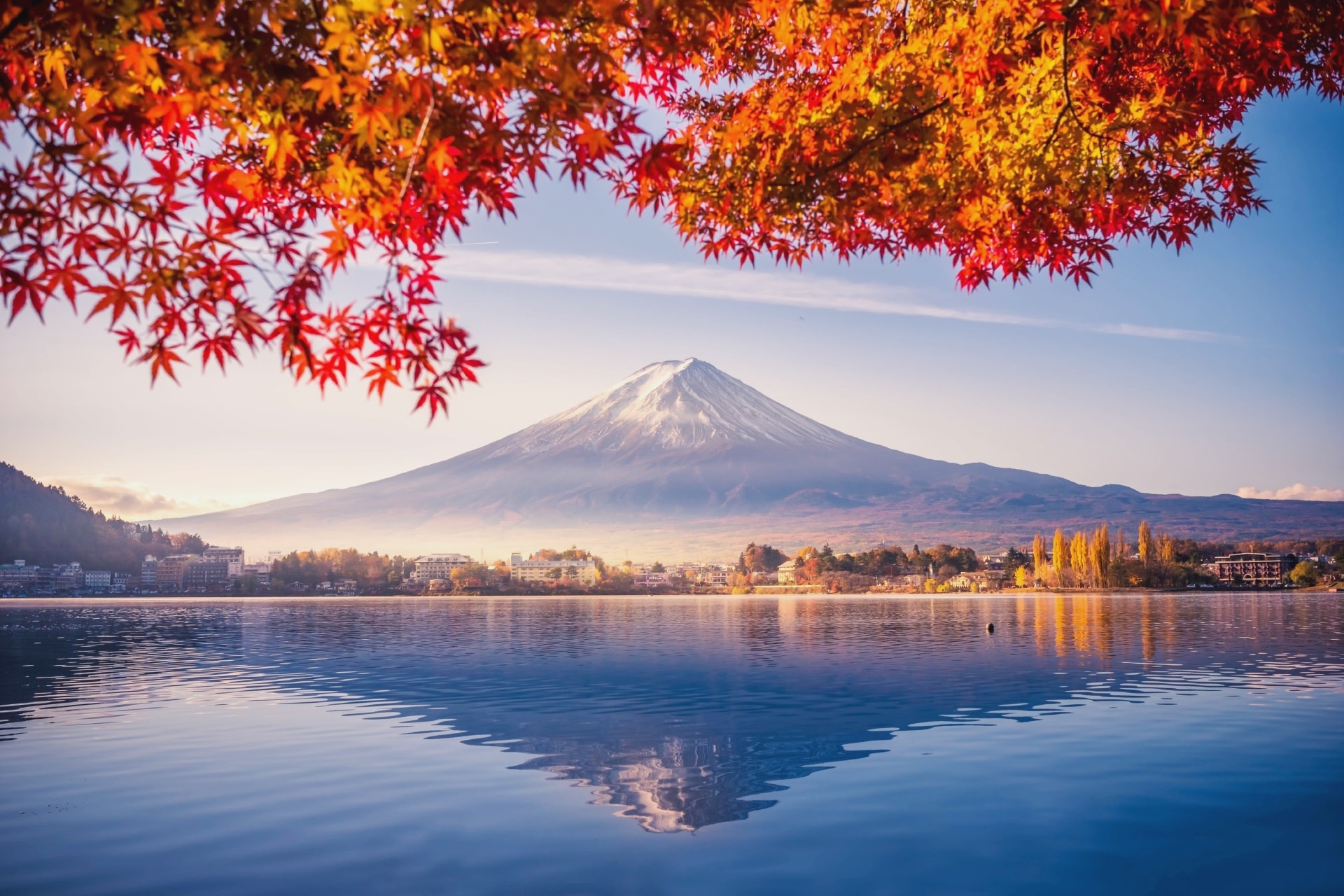
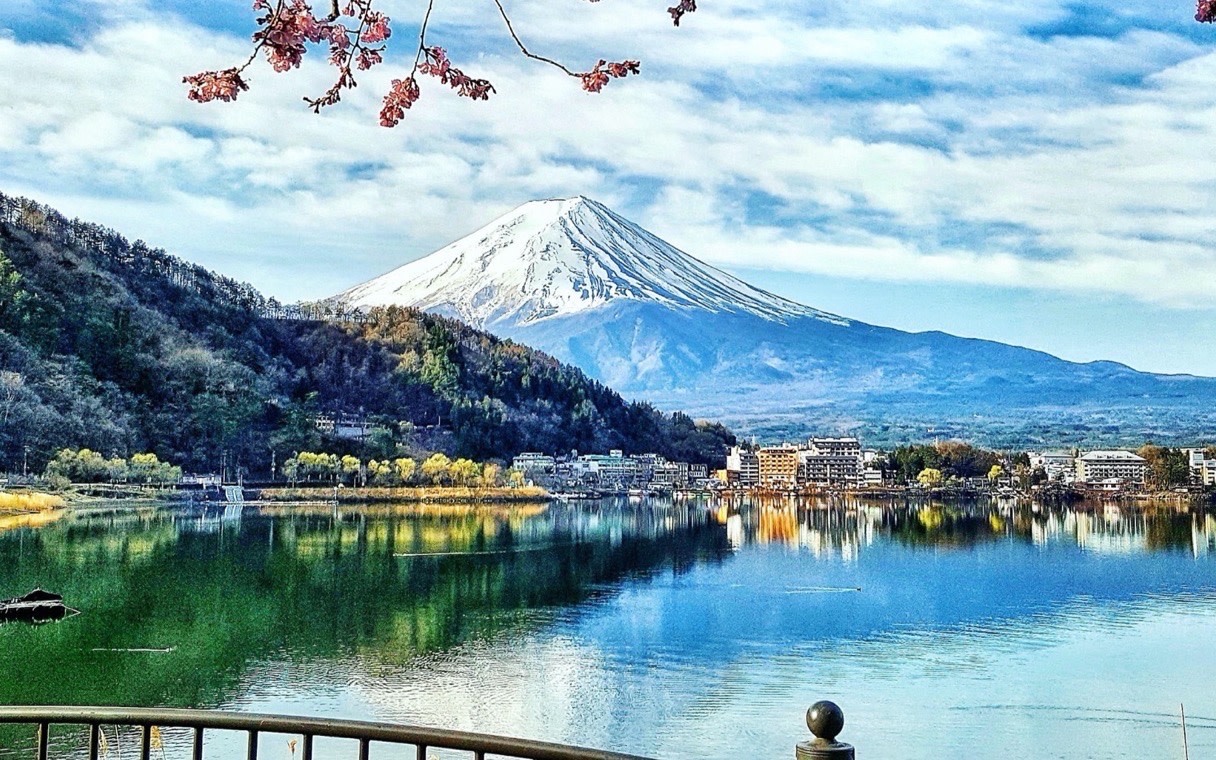
The Fujisan World Heritage Center (Mt. Fuji World Heritage Center) is located in Fujikawaguchiko Town, Minamitsuru District, Yamanashi Prefecture, Japan, at 6663-1 Funatsu. This facility, operated by Yamanashi Prefecture, sits at the base of Mount Fuji, near the entrance to the Fuji Subaru Line toll road leading to the 5th Station. It overlooks Lake Kawaguchi in the Fuji Five Lakes area, a UNESCO World Heritage site since 2013.
2
the English speaker driver take you to about 2305m high on Mt. Fuji ,and show you the landmark to take the view , take many pictures to you .
Please note that access to the 5th station is closed from Oct to Apr due to the climbing season for the climbers and also in the winter season.
3
English speak Japanese driver(guide) take you to the landmark of Lake and take photos to you .
4
Let's be here and enjoy lunch time . There are varieties food and restaurants around here .
5
Stop 5
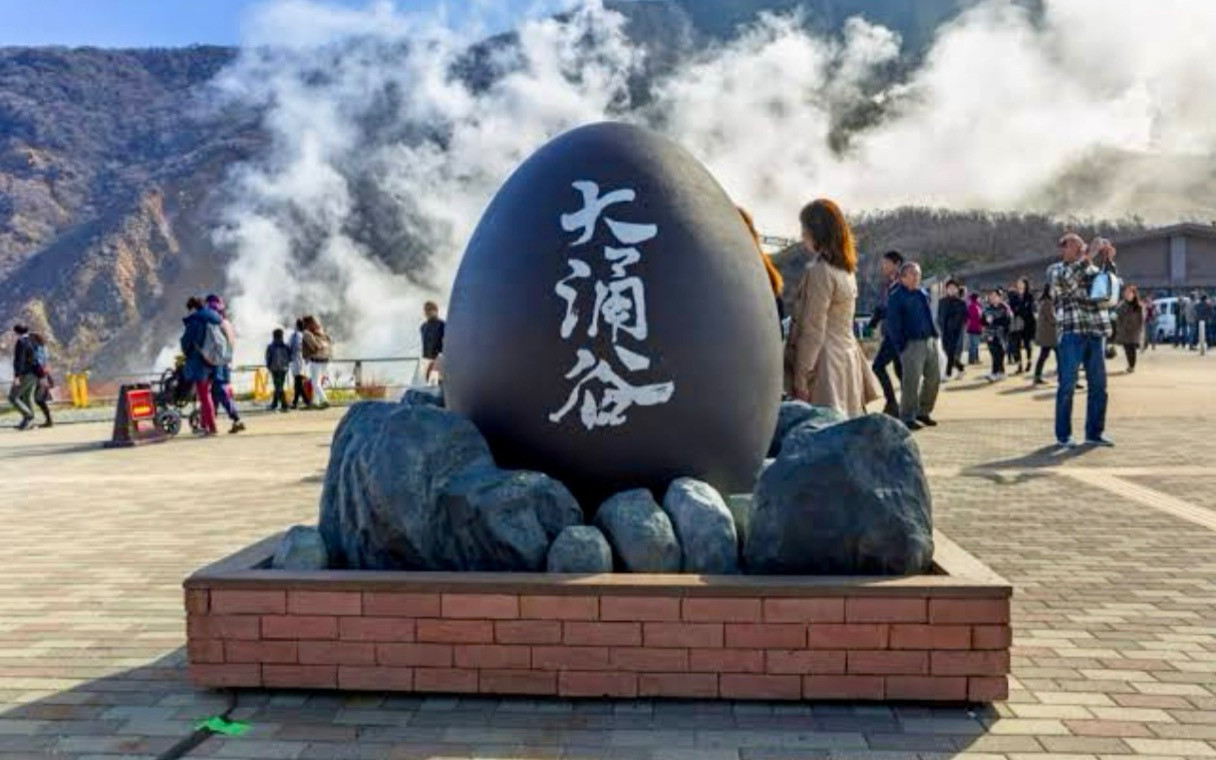
The Hakone Ropeway is a scenic aerial lift in Hakone, offering breathtaking views of Mount Fuji, Lake Ashi, and the volcanic landscape of Owakudani. Spanning 4 kilometers, it connects Sounzan Station (750 meters elevation) to Togendai Station (741 meters) on Lake Ashi’s northern shore, with stops at Owakudani and Ubako. Part of the Fuji-Hakone-Izu National Park, it’s a highlight of the Hakone Loop, a popular tourist route.
6
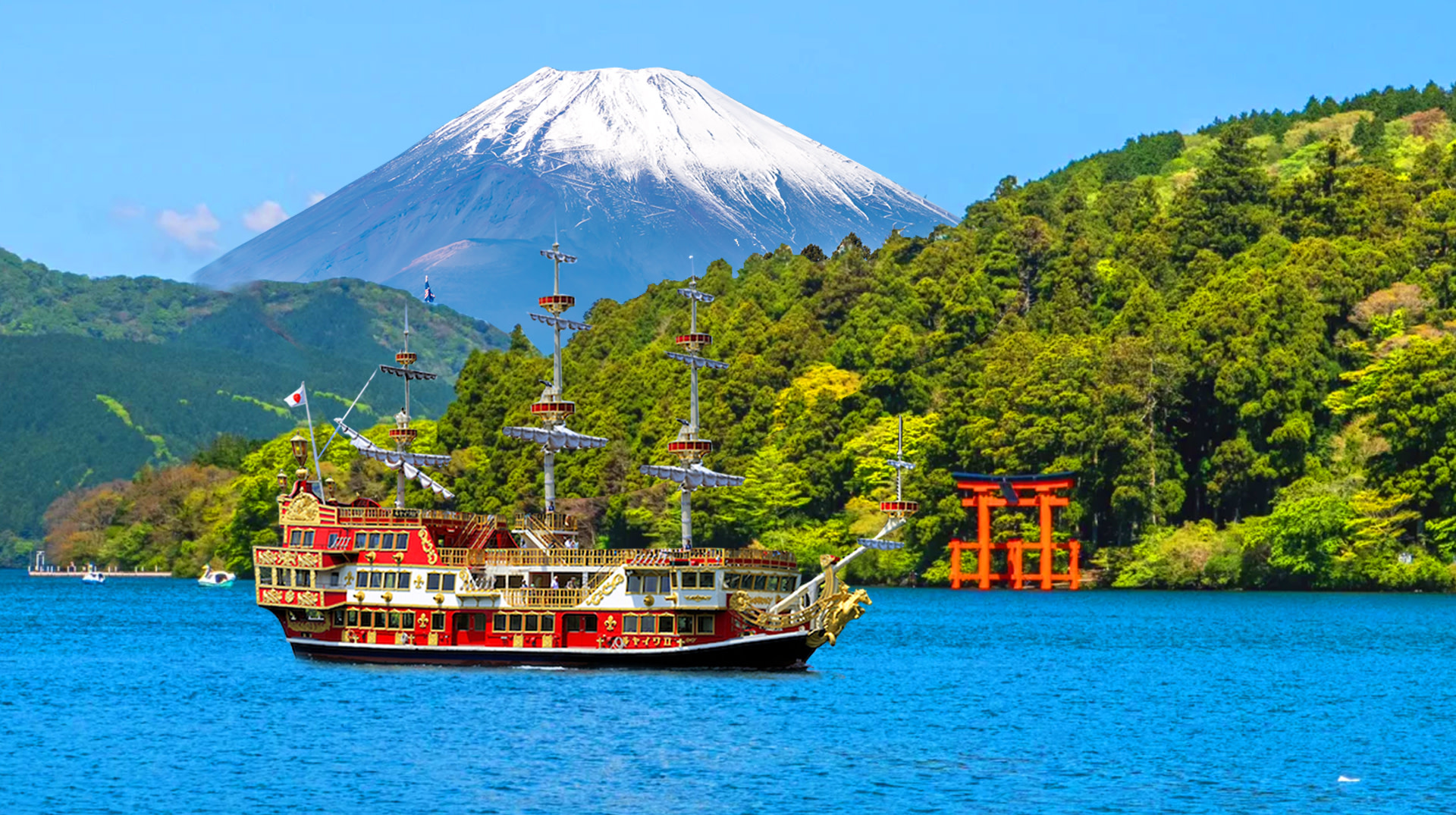
Hakone Shrine, or Hakone Jinja, is a historic Shinto shrine in Hakone, Kanagawa Prefecture, Japan, nestled on the southern shores of Lake Ashi (Ashinoko) within Fuji-Hakone-Izu National Park. Founded in 757 AD by Priest Mangan during the Nara period, it venerates three deities: Ninigi-no-Mikoto, Konohanasakuya-hime, and Hoori-no-Mikoto, collectively called the Hakone Okami, protecting travelers, families, and prosperity. Its iconic red torii gate, partially submerged in Lake Ashi, creates a striking view, especially with Mount Fuji in the background.
7
Minato Mirai 21 is a seaside urban area in central Yokohama whose name means "harbor of the future". It has many large high-rises, including the Landmark Tower, which was Japan's tallest building from 1993 until 2014. The area was a large shipyard until the 1980s, when development began to turn it into a new city center.
Minato Mirai is blessed with a great location along the water and has a wealth of attractions. Visitors to the area will be able to find shopping centers, hotels, a convention center, an amusement park, a relaxation center with hot spring baths, museums and park space.
8
Yokohama Chinatown (横浜中華街, Yokohama Chūkagai) is Japan's largest Chinatown, located in central Yokohama. A large number of Chinese stores and restaurants can be found in the narrow and colorful streets of Chinatown. Various events and festivals such as Chinese New Year around the beginning of February are also held at Chinatown.
Yokohama Chinatown quickly developed, after the port of Yokohama had been one of the first Japanese ports to be opened to foreign trade in 1859. It became the residence of the many Chinese traders who settled down in the city. Today, there are more businesses than actual residents living in the area.
Four colorful gates stand at the entrances to Chinatown, and five more gates can be found within. The Kanteibyo is a gaudily colored temple in the center of Chinatown. Constructed in 1873 by Chinese residents, it is dedicated to the Chinese god of good business and prosperity.
9
The Osanbashi International Passenger Terminal (大さん橋国際客船ターミナル, Ōsanbashi Kokusai Kyakusen Terminal), also known as Osanbashi Pier, is located between Minato Mirai and Yamashita Park. It is where international cruise ships dock when they visit Yokohama. The 400 meter pier has walkways and green spaces that are open to the general public, making Osanbashi Pier an interesting attraction even for travelers not boarding a ship.
The pier was originally built in 1894, but was reconstructed in 2002 as a passenger terminal. Its bold new design incorporates grass and floor boards that mimic rolling waves. The pier is one of Yokohama's best spots for a walk, and for unobstructed views of the Minato Mirai skyline. Below the walking area there are boarding facilities, shops, restaurants and a hall for small exhibitions and events.
10
he Yokohama Red Brick Warehouse is a historic landmark in Yokohama, along the scenic Yokohama Bay waterfront in the Minato Mirai 21 district. Built between 1911 (Warehouse No. 2) and 1913 (Warehouse No. 1) as customs bonded warehouses during the Meiji and Taisho eras, these red-brick structures were designed by architect Yorinaka Tsumaki with Western influences, using over 3 million Japanese-made bricks and iron reinforcements for durability. They survived the 1923 Great Kanto Earthquake with minimal damage and served various roles, including U.S. military use post-WWII, before falling into disuse by 1989 due to containerization.Renovated from 1994–1999 by the City of Yokohama and reopened on April 12, 2002, as a cultural and commercial complex, the site earned a UNESCO Asia-Pacific Heritage Award in 2010 for its preservation efforts.
What's not included
Meals
Available languages
Guide guide
EN
Important information
Wheelchair accessible
Infants and small children can ride in a pram or stroller
Service animals allowed
Public transportation options are available nearby
Specialized infant seats are available
Transportation options are wheelchair accessible
All areas and surfaces are wheelchair accessible
Suitable for all physical fitness levels
About Tokyo
Tokyo, the capital of Japan, is a bustling metropolis that beautifully blends traditional culture with cutting-edge technology. Known for its neon-lit streets, historic temples, and world-class cuisine, Tokyo offers a unique experience that caters to every type of traveler.
Top Attractions
Senso-ji Temple
Senso-ji is Tokyo's oldest temple and one of its most significant. The temple's massive lantern and five-story pagoda are iconic landmarks.
Historical/Religious
1-2 hours
Free (small fee for some areas)
Meiji Shrine
Meiji Shrine is a Shinto shrine dedicated to the deified spirits of Emperor Meiji and his wife, Empress Shoken. It is surrounded by a beautiful forest.
Historical/Religious
1-2 hours
Free
Shibuya Crossing
Shibuya Crossing is the world's busiest pedestrian crossing and a symbol of Tokyo's bustling urban life. It's a must-see for its chaotic yet orderly nature.
Cultural
30 minutes to 1 hour
Free (¥2,200 for Shibuya Sky)
Tokyo Skytree
Tokyo Skytree is the tallest tower in Japan and the second tallest freestanding structure in the world. It offers breathtaking views of the city.
Architecture
2-3 hours
¥2,100 to ¥3,100 (USD $15 to $22)
Odaiba
Odaiba is a man-made island in Tokyo Bay known for its shopping, dining, and entertainment options. It's a great place for families and tech enthusiasts.
Entertainment
Half day to full day
Varies by attraction
Must-Try Local Dishes
Sushi
Fresh raw fish served on vinegared rice, a staple of Japanese cuisine.
Dinner
Contains fish, can be vegetarian with substitutes.
Ramen
Noodle soup with various broths and toppings, a popular comfort food.
Lunch/Dinner
Vegan and vegetarian options available.
Tempura
Deep-fried seafood and vegetables, known for its crispy texture.
Lunch/Dinner
Contains seafood and deep-fried ingredients.
Okonomiyaki
Savory pancake with various ingredients, often topped with sauce and bonito flakes.
Lunch/Dinner
Contains seafood and can be made vegetarian.
Popular Activities
Hiking in the nearby mountains
Parasailing at Odaiba
Onsen (hot spring) visits
Tea ceremonies
Traditional tea ceremonies
Kimono rentals and photo shoots
Boat tours on the Sumida River
Beach activities at Odaiba
Best Time to Visit
March to May (Spring) and September to November (Autumn)
These seasons offer comfortable temperatures and beautiful scenery, with cherry blossoms in spring and vibrant foliage in autumn. However, these are also the busiest times for tourism.
10°C to 25°C (50°F to 77°F)
50°F to 77°F
Practical Information
Language
- Official: Japanese
- Widely spoken: English, Chinese, Korean
- English: Moderately spoken in tourist areas, limited elsewhere
Currency
Japanese Yen (JPY)
Time Zone
GMT+9
Electricity
100VV, 50/60HzHz
Safety Information
Overall Safety Rating: Very safe
Tokyo is generally very safe, with low crime rates and a strong emphasis on public order. However, petty crimes like pickpocketing can occur in crowded areas.
Important Precautions:
- • Be cautious of your belongings in crowded areas.
- • Use licensed taxis and check fares before getting in.
- • Be aware of your surroundings, especially at night.
Getting there
By air
- Narita International Airport • 60 km (37 miles) from city center
- Haneda Airport • 15 km (9 miles) from city center
By train
Tokyo Station, Shinjuku Station
By bus
Tokyo Station Bus Terminal, Shinjuku Expressway Bus Terminal
Getting around
Public transport
Tokyo's subway system is efficient, clean, and punctual. It consists of multiple lines operated by Tokyo Metro and Toei Subway.
Taxis
Available • Apps: JapanTaxi, DiDi
Rentals
Car, Bike, Scooter
Neighborhoods
Shibuya
Shinjuku
Asakusa
Ginza
Akihabara
Day trips
Nikko
120 km (75 miles) from Tokyo • Full day
Nikko is a city known for its beautiful shrines, temples, and natural scenery. It's a UNESCO World Heritage site and offers a peaceful retreat from the bustling city.
Kamakura
50 km (31 miles) from Tokyo • Half day to full day
Kamakura is a coastal town known for its historic temples, shrines, and the Great Buddha statue. It's a great place to experience traditional Japanese culture.
Hakone
90 km (56 miles) from Tokyo • Full day or overnight
Hakone is a hot spring resort town known for its onsen (hot springs), scenic views of Mount Fuji, and the Open-Air Museum. It's a popular destination for relaxation and nature.
Festivals
Sannō Matsuri • Mid-June (every 2 years)
Kanda Matsuri • Mid-May (every 2 years)
Sumida River Fireworks Festival • Last Saturday of July
Pro tips
- Use IC cards like Suica or Pasmo for convenient and discounted public transport.
- Download useful apps like Google Maps, Japan Transit Planner, and Japan Travel by Navitime.
- Learn a few basic Japanese phrases to enhance your experience and show respect for the local culture.
- Carry cash, as some smaller shops and restaurants may not accept credit cards.
- Visit popular attractions early in the morning or late in the afternoon to avoid crowds.
From $25
per person
Price varies by option
Secure booking
Free cancellation available
Instant confirmation


![[One-Day Tour Exploring the Magnificent Views of Mount Fuji] Arakurayama Sengen Park & Lake Kawaguchi Oishi Park & Oshino Hakkai & Instagram-Famous Lawson & Nikawa Tokeiten (Departure from Tokyo)](https://res.klook.com/image/upload/activities/iuqnww3unmcff9wf1zvx.jpg)
![[Mount Fuji & Hakone] Lake Ashi Torii Gate & Hakone Shrine & Hakone Pirate Ship & Hakone Ropeway & Owakudani & Lake Yamanaka & Oshino Hakkai Day Trip | Ropeway Ticket Included | Departure from Tokyo](https://res.klook.com/image/upload/activities/z0pgbdeyzw3p0rfq8v2n.jpg)
![[Mount Fuji Hakone Day Trip] Owakudani & Lake Ashi Pirate Ship & Lake Yamanaka & Oshino Hakkai & Ropeway Experience Tour (From Tokyo)](https://res.klook.com/image/upload/activities/xresyha7bfmnciibam2l.jpg)
![[Mt. Fuji Popular Spots Day Trip with Lunch Option]](https://res.klook.com/image/upload/activities/gmqs86vhrzqatnc9nfwb.jpg)
![[Mount Fuji Popular Spots Day Tour] Arakurayama Sengen Park & Lake Kawaguchi Oishi Park & Oshino Hakkai & Lawson & Hikawa Clock Shop (Departure from Tokyo)](https://res.klook.com/image/upload/activities/mwllb1zis7swd1dibe0k.jpg)
![[Departure from Tokyo] Mt. Fuji & Hakone Day Trip (Optional Bullet Train Return)](https://res.klook.com/image/upload/activities/uppwq495ot7ksv8unwvu.jpg)