Marrakech Culture Tour Guided Half Day Exploration of Medina
Active
4h
For a full refund, cancel at least 24 hours before the scheduled departure time.
Instant confirmation
Mobile or paper ticket accepted
About this experience
Discover the heart of Marrakech’s rich history and vibrant culture on this unforgettable half-day culture tour. Walk where centuries of tradition come alive—from the stunning Koutoubia Mosque’s towering minaret to the ornate beauty of Bahia Palace. Experience the bustling energy of Jemaa el-Fnaa’s market square, where storytellers, musicians, and food vendors create a sensory feast. Wander through the historic Mellah Jewish quarter and lose yourself in the colorful, winding souks filled with authentic Moroccan crafts. Step inside the spectacular Medersa Ben Youssef to admire intricate Islamic artistry.
With a passionate local guide, intimate group sizes, and all logistics handled, this €10 tour promises an authentic, enriching dive into Marrakech’s soul. Whether alone or with friends, book now to secure your spot and let Marrakech’s magic captivate you!
Available options
Marrakech Culture Tour Guided Half Day Exploration of Medina
What's included
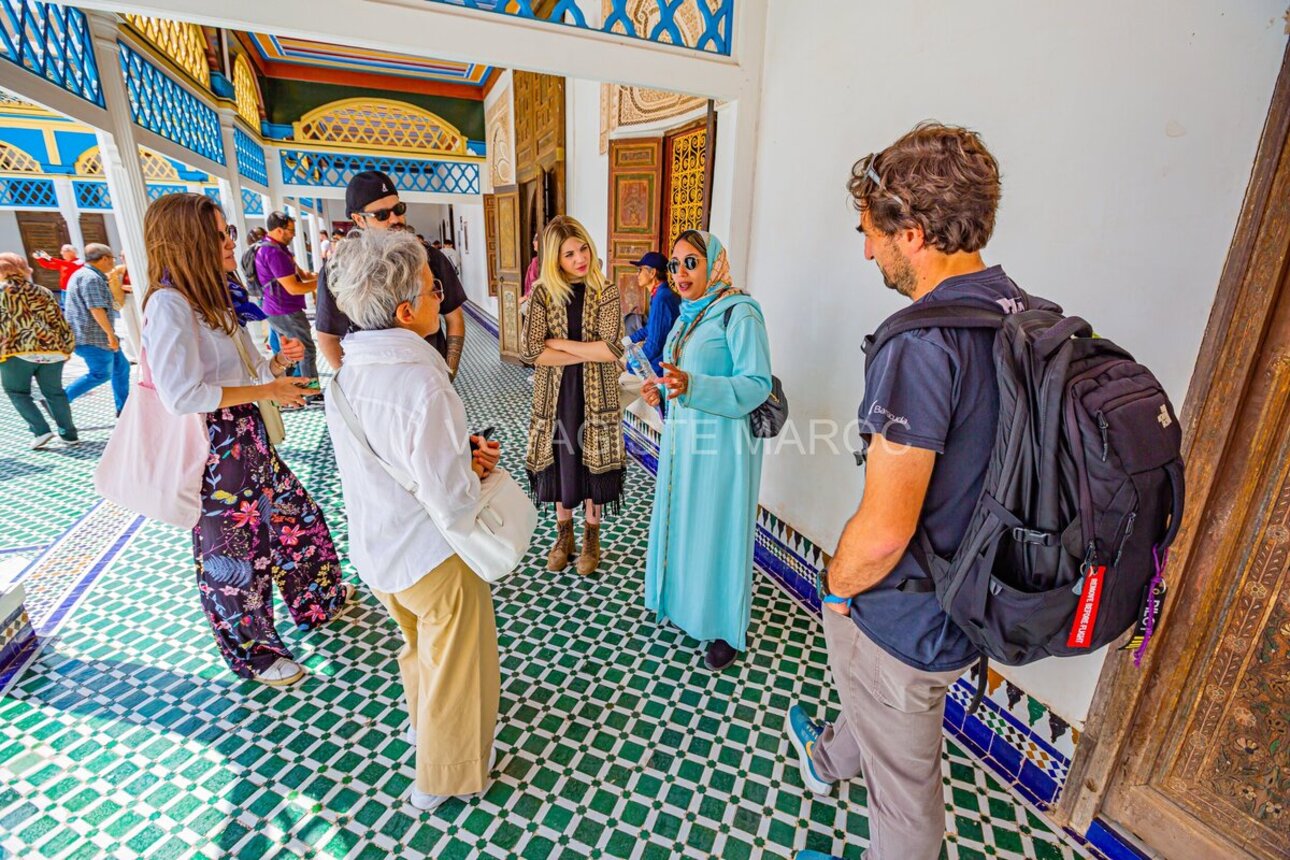
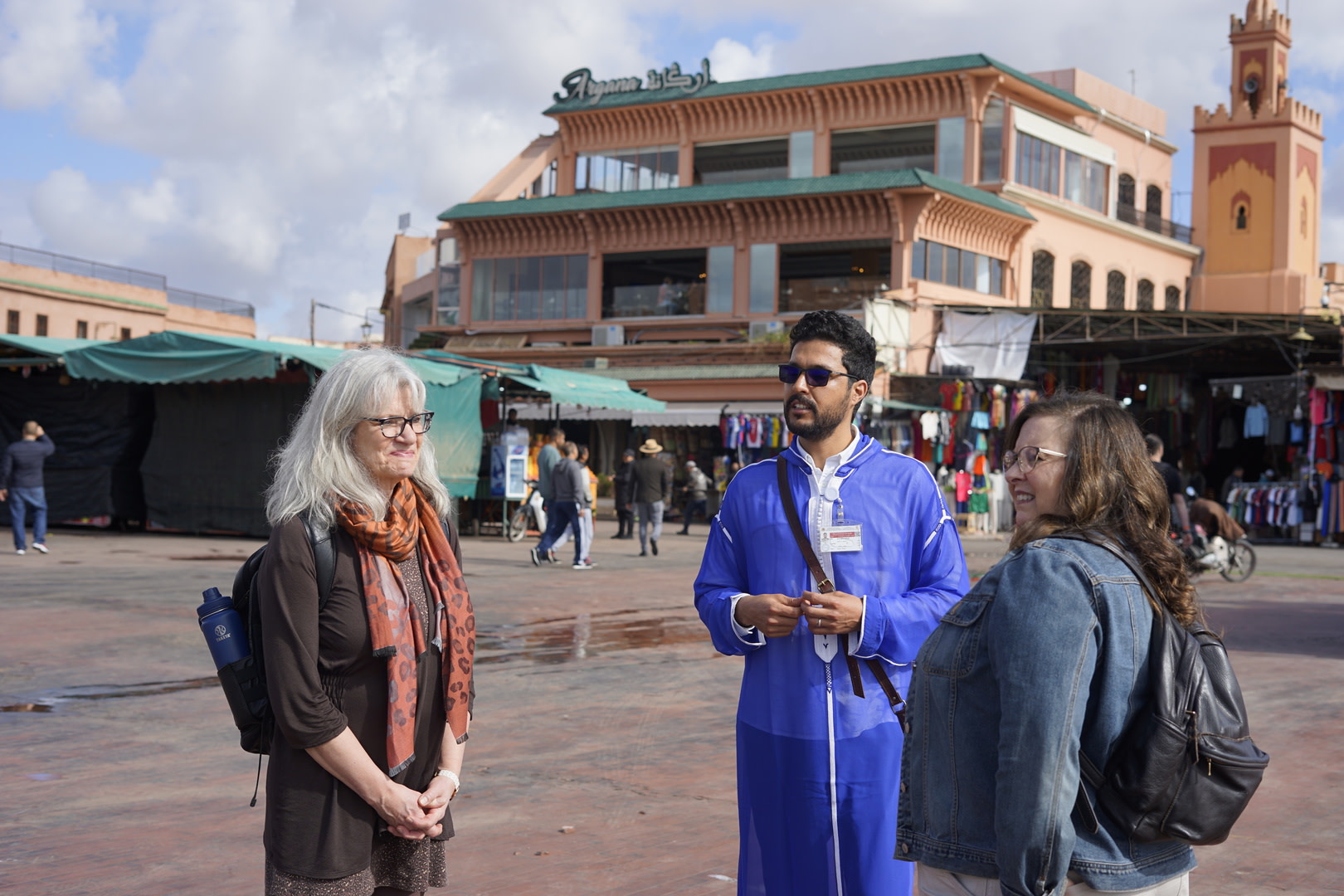
Licensed, English- french speaking cultural guide
Detailed itinerary
1
Stop 1
The Koutoubia Mosque is Marrakech’s most famous landmark, renowned for its 12th-century architecture, beautiful 77-meter minaret, and tranquil gardens. Visitors can admire its stunning exterior, historic details, and enjoy panoramic city views from the nearby square. Non-Muslims can explore the gardens and exterior for memorable photos and cultural insight
2
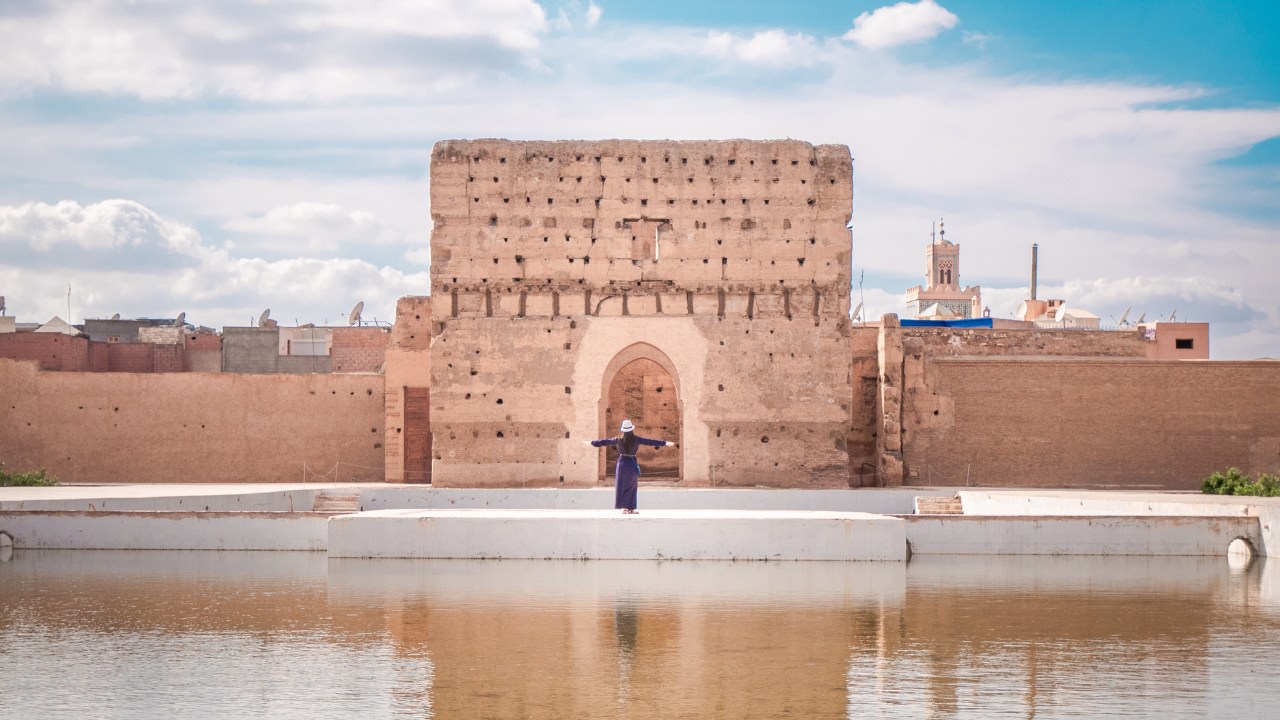
Bab Agnaw is a monumental 12th-century stone gate in the Kasbah district of Marrakech. It’s famous for its impressive Almohad architecture, ornate carvings, and historic role as the main entrance to the royal palace and Kasbah area. Visitors can admire its grand scale, artistic details, and use it as a photo spot on the way to the Saadian Tombs or El Badi Palace
3
The Mellah is the historic Jewish quarter of Marrakech, established in 1558 by Sultan Moulay Abdallah to protect and centralize the Jewish community near the royal palace. Once a vibrant, walled neighborhood with synagogues, markets, and cultural life, it was home to thousands of Jews who contributed to the city’s commerce and arts. Today, the Mellah remains a key tourist area where visitors can explore restored streets, traditional Jewish architecture, markets, two functioning synagogues, and the ancient Jewish cemetery, offering a glimpse into Marrakech’s rich multicultural heritage
4
Stop 4
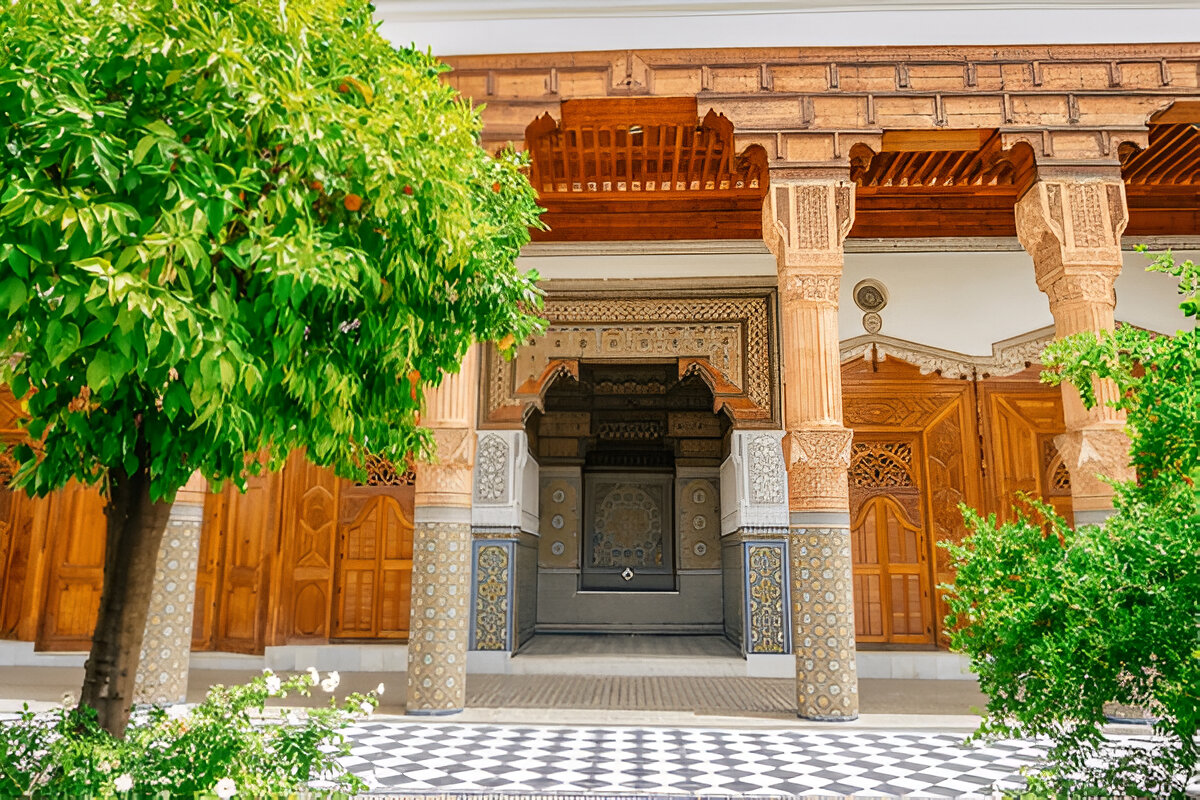
The Bahia Palace in Marrakech is a magnificent 19th-century palace famous for its stunning Moroccan and Islamic architecture. Built between 1866 and 1900 for the grand vizier Si Moussa and expanded by his son Ba Ahmed, it features about 150 richly decorated rooms organized around spacious courtyards and lush riad gardens. Visitors can admire exquisite zellij tilework, carved stucco, painted cedarwood ceilings, colorful stained glass, and graceful fountains. The palace was designed to house Ba Ahmed’s family, including his four wives and 24 concubines, and offers a glimpse into the opulence of Moroccan royal life. Its sprawling gardens and elegant rooms make it one of Marrakech’s top cultural and historical sites
5
Stop 5
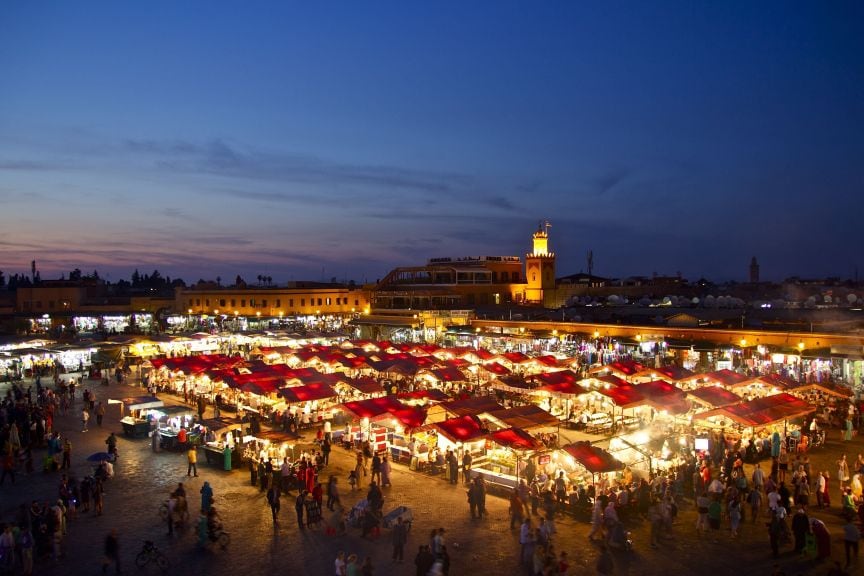
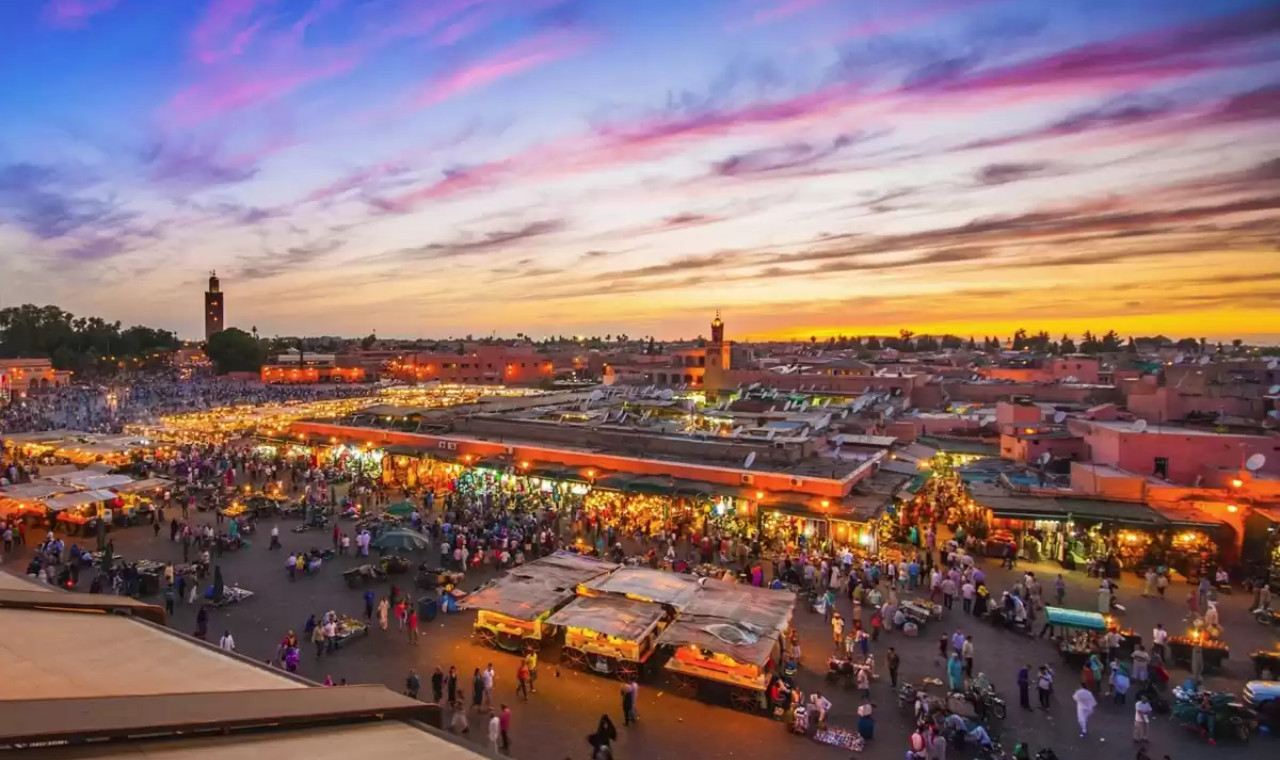
Jemaa el-Fnaa is the vibrant main square and cultural heart of Marrakech, dating back to the 11th century. It has served as a marketplace, social hub, and entertainment center for centuries. By day, visitors find stalls selling spices, textiles, and traditional medicines. By night, the square transforms into an open-air theater with musicians, dancers, storytellers, performers . Recognized as a UNESCO Masterpiece of the Oral and Intangible Heritage of Humanity, Jemaa el-Fnaa is a lively symbol of Moroccan tradition and resilience, offering an unforgettable and authentic experience
6
The souks of Marrakech are lively traditional markets located in the ancient medina, offering a vibrant and sensory-rich shopping experience. Spread across winding alleys north of Jemaa el-Fnaa, these markets are divided by craft and specialty, including textiles, spices, leather goods, carpets, jewelry, and pottery. Notable souks include Souk Semmarine (textiles and souvenirs), Souk El Attarine (spices and perfumes), Souk Cherratine (leather goods), and Souk Zrabi (carpets). Walking through the souks, visitors can watch artisans at work, enjoy bargaining, and discover authentic Moroccan crafts and local foods, making it a must-visit cultural experience
7
Stop 7
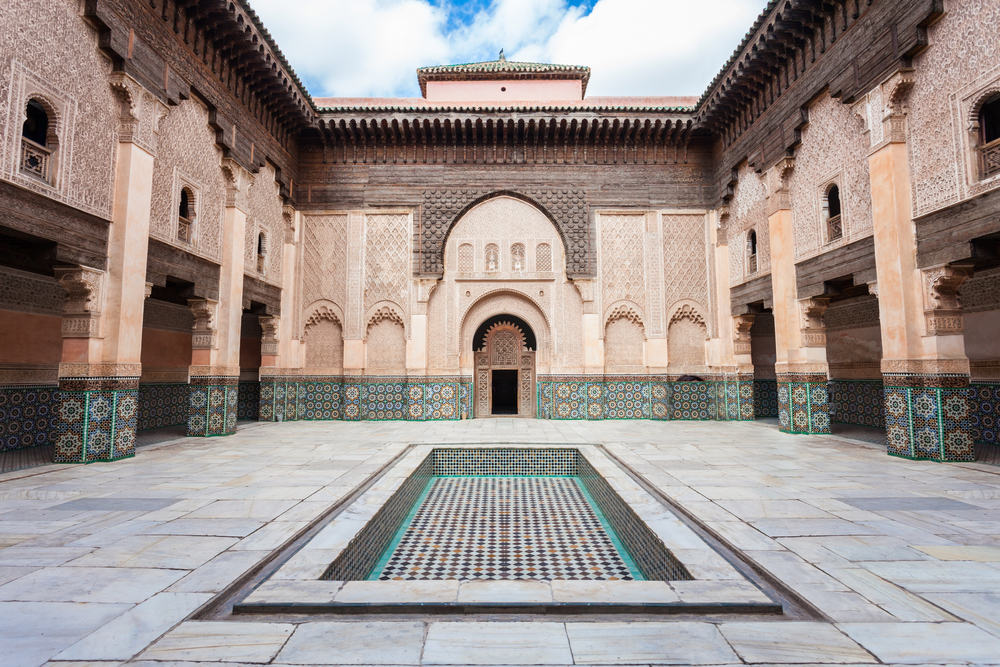
Medersa Ben Youssef is a stunning 16th-century Islamic school in Marrakech, famous for its exquisite Moroccan architecture. Visitors can admire its large central courtyard with a reflective water basin, surrounded by intricately carved stucco, colorful zellige tilework, and beautifully sculpted cedar wood. The madrasa’s prayer hall features a richly decorated mihrab, and the entire structure showcases intricate geometric patterns, Arabic calligraphy, and floral motifs. Originally housing up to 800 students in dormitories around six small courtyards, it’s one of Morocco’s largest and most beautiful religious schools, offering a remarkable glimpse into traditional Islamic art and education
What's not included
Madrassa Ben Youssef (paid directly to the site)
Bahia Palace (paid directly to the site)
Tips
Available languages
Guide guide
EN
FR
Reviews breakdown
Viator
5.0
1 reviews
5★
1
4★
0
3★
0
2★
0
1★
0
Tripadvisor
5.0
57 reviews
5★
56
4★
1
3★
0
2★
0
1★
0
Important information
Wheelchair accessible
Infants and small children can ride in a pram or stroller
Public transportation options are available nearby
Specialized infant seats are available
Suitable for all physical fitness levels
Meeting point
go to the corner of cofe de france and the guide will come to ask for the name that you booked under it
About Marrakech
Marrakech is a vibrant city known for its rich history, bustling souks, and stunning architecture. It offers a blend of traditional Moroccan culture and modern amenities, making it a captivating destination for travelers.
Top Attractions
Jemaa El-Fnaa
Jemaa El-Fnaa is the heart of Marrakech, a bustling square filled with food stalls, entertainers, and souvenir vendors. It's a must-visit for its vibrant atmosphere and cultural experiences.
Cultural
2-3 hours
Free (food and souvenirs cost extra)
Koutoubia Mosque
The Koutoubia Mosque is one of the most iconic landmarks in Marrakech. Its minaret is a symbol of the city and can be seen from many parts of the medina.
Historical
1 hour
Free (non-Muslims cannot enter the mosque)
Bahia Palace
The Bahia Palace is a stunning example of Moroccan architecture, featuring intricate tile work, lush gardens, and beautiful courtyards. It offers a glimpse into the opulent lifestyle of the past.
Historical
1-2 hours
70 MAD
Majorelle Garden
The Majorelle Garden is a beautiful botanical garden designed by French painter Jacques Majorelle. It features a variety of plants, a striking blue villa, and a museum dedicated to Yves Saint Laurent.
Nature
2-3 hours
70 MAD
Saadian Tombs
The Saadian Tombs are a collection of mausoleums dating back to the 16th and 17th centuries. They were discovered in 1917 and offer a fascinating look into the history of Marrakech.
Historical
1 hour
70 MAD
Must-Try Local Dishes
Tagine
A slow-cooked stew made with meat, vegetables, and spices, named after the earthenware pot it's cooked in.
Main course
Vegetarian options available
Couscous
A dish made with steamed semolina grains, often served with vegetables and meat.
Main course
Vegetarian options available
Pastilla
A savory-sweet pie made with layers of filo pastry, filled with spiced pigeon or chicken, almonds, and powdered sugar.
Main course
Contains nuts
Mint Tea
A traditional Moroccan tea made with green tea and fresh mint leaves, sweetened with sugar.
Drink
Contains caffeine
Popular Activities
Hiking in the Atlas Mountains
Surfing in Essaouira
Quad biking in the desert
Spa treatments
Yoga retreats
Relaxing in a hammam
Exploring the medina
Visiting museums
Best Time to Visit
Spring (March to May) and Fall (September to November)
The best time to visit Marrakech is during spring and fall when the weather is pleasant and ideal for exploring the city. The temperatures are mild, and the crowds are manageable.
15°C to 25°C
59°F to 77°F
Practical Information
Language
- Official: Arabic
- Widely spoken: French, Berber languages
- English: Moderately spoken in tourist areas
Currency
Moroccan Dirham (MAD)
Time Zone
GMT+0
Electricity
220VV, 50HzHz
Safety Information
Overall Safety Rating: Exercise caution
Marrakech is generally safe for tourists, but petty crime and scams can occur. Be cautious of your surroundings, especially in crowded areas.
Important Precautions:
- • Be cautious of your belongings in crowded areas.
- • Use reputable taxi services and agree on the fare before starting your journey.
- • Avoid walking alone at night in less crowded areas.
Getting there
By air
- Menara International Airport • 4 km from city center
By train
Marrakech Railway Station
By bus
Marrakech Central Bus Station
Getting around
Public transport
Buses are the most common form of public transport in Marrakech. They are affordable and cover most areas of the city.
Taxis
Available • Apps: Careem, Heetch
Rentals
Car, Bike, Scooter
Neighborhoods
Medina
Gueliz
Hivernage
Day trips
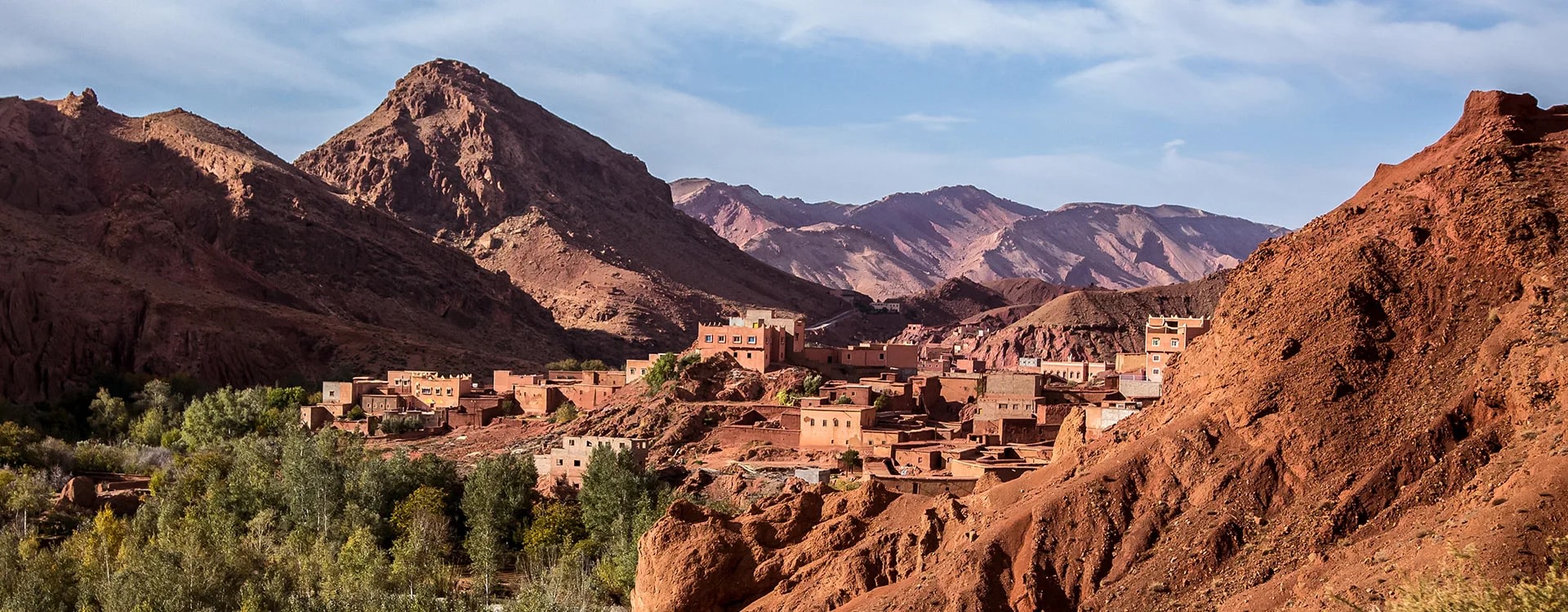
Atlas Mountains
60 km from Marrakech • Full day
The Atlas Mountains offer stunning landscapes, hiking trails, and traditional Berber villages. It's a great escape from the city for nature lovers.
Ourika Valley
30 km from Marrakech • Half day to full day
The Ourika Valley is known for its beautiful landscapes, traditional Berber houses, and waterfalls. It's a popular destination for day trips from Marrakech.
Essaouira
180 km from Marrakech • Full day to overnight
Essaouira is a charming coastal town known for its beautiful beaches, historic medina, and vibrant arts scene. It's a popular destination for surfing, windsurfing, and relaxation.
Festivals
Marrakech Popular Arts Festival • Every July
Marrakech International Film Festival • Every November/December
Ramadan • Dates vary (Islamic calendar)
Pro tips
- Hire a local guide for a more immersive and informative experience.
- Learn a few basic phrases in Arabic or French to enhance your interactions with locals.
- Visit the medina early in the morning or late in the afternoon to avoid the heat and crowds.
- Bargain politely when shopping in the souks, as prices are often negotiable.
- Try local street food for an authentic culinary experience, but choose stalls with high turnover.
From $25
per person
Price varies by option
Secure booking
Free cancellation available
Instant confirmation