Athens Top Highlights & Hidden Gems: Private Walking Tour
Active
3h
For a full refund, cancel at least 24 hours before the scheduled departure time.
Instant confirmation
Mobile or paper ticket accepted
About this experience
This experience combines iconic landmarks with authentic city vibes, offering a perfect mix for every traveler. Discover the heart of Athens through a unique, personalized journey that brings history and culture to life. Explore iconic landmarks, hidden gems, and vibrant neighborhoods while enjoying stories and insights that reveal the true spirit of Greece. Join us for a memorable journey that brings Athens to life beyond the usual sights. Book now and dive into the real Greece!
Available options
Athens Top Highlights & Hidden Gems: Private Walking Tour
What's included
Local Tour Guide
Detailed itinerary
1
Stop 1
We will see the magnificent Academy of Athens, a neoclassical gem in the heart of the city. From the outside, you can admire its elegant Ionic columns, the beautiful marble facade, and the statues of Athena and Apollo watching over the entrance.
Guide will share the story of this building, designed by Theophil Hansen in the 19th century, and explain how its architecture reflects Greece’s admiration for knowledge, wisdom, and the arts. We’ll take a moment to appreciate the intricate sculptures and symbolic details before moving on.
This is also a wonderful spot for taking photos and capturing the classical spirit of Athens.
2
Stop 2
You will see one of Athens’ most iconic landmarks, located on Syntagma Square. This neoclassical building, once a royal palace, is now the seat of Greece’s government.
From the outside, we’ll admire its impressive architecture and learn about its transformation from a 19th-century palace to a symbol of modern democracy. You’ll also see the Monument of the Unknown Soldier, guarded by the Evzones — the elite presidential guards in traditional uniforms.
You’ll hear fascinating stories about the Evzones and surprising facts about their unique attire, from the symbolic folds of their skirts to the pompons on their shoes. If our timing is right, we may witness the ceremonial changing of the guard — a must-see moment and a perfect photo opportunity.
3
Stop 3
You will pass by the lush and peaceful National Garden, a true green oasis in the heart of Athens. Commissioned by Queen Amalia in the 19th century, this garden offers a refreshing contrast to the city’s busy streets.
From the outside, we’ll get a glimpse of its palm-lined pathways, colorful flowers, ancient ruins scattered among the greenery, and even a small duck pond. Guide will share stories about its royal origins and how it became one of the most beloved spots for Athenians to relax and escape the summer heat.
It’s a reminder that Athens is not only about history and monuments, but also about peaceful corners where the city slows down.
4
Stop 4
Your next stop will be at the impressive Panathenaic Stadium — the only stadium in the world built entirely of marble. Originally constructed in the 4th century BC for the Panathenaic Games, it was later restored to host the first modern Olympic Games in 1896.
From the outside, you’ll admire its grand horseshoe shape and gleaming white marble, a stunning sight even from a distance.
5
Stop 5
From the Panathenaic Stadium, a short pleasant walk will bring you to the elegant Zappeion Hall. This stunning neoclassical building, with its impressive columns and rich history, has hosted events from the first modern Olympic Games to major political gatherings.
Here, you’ll discover fascinating facts about its 19th-century benefactor, Evangelos Zappas, and learn how this landmark became a lasting symbol of Greece’s cultural and political life.
6
Stop 6
Approaching the Arch of Hadrian, you’ll see a magnificent marble gateway built in 131 AD to honor the Roman Emperor Hadrian. Standing between ancient Athens and the new city of his era, it’s a striking blend of Greek and Roman styles.
Here, you’ll learn intriguing facts about its construction, its symbolic inscriptions, and the stories it holds about Hadrian’s deep admiration for Greece.
7
Stop 7
Pass by
Approaching the Temple of Olympian Zeus, you’ll be amazed by the colossal ruins of one of the largest temples in ancient Greece. Built over centuries and completed in the Roman era, it honors Zeus, the king of the gods.
8
Stop 8
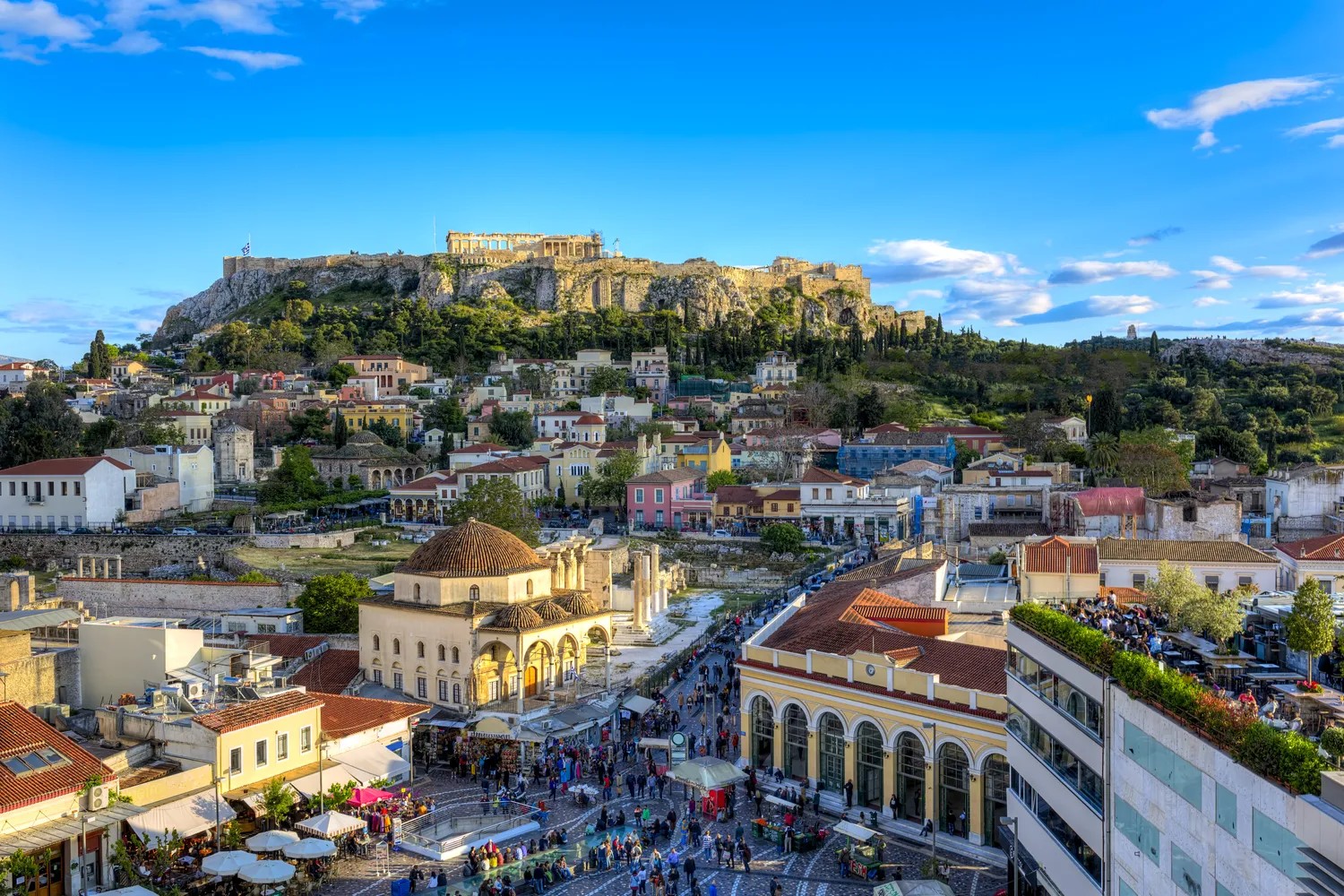
Wandering into Plaka, you step into Athens’ oldest neighborhood, a charming maze of narrow streets, colorful houses, and vibrant life. Known as the “Neighborhood of the Gods,” Plaka sits just beneath the Acropolis and blends history, culture, and everyday Athenian spirit.
9
Stop 9
Pass by
The Roman Agora is the heart of ancient Athens’ bustling marketplace during Roman times. This site features impressive ruins like the Tower of the Winds, an ancient clock and weather station, and remnants of shops and public spaces.
This place offers a unique glimpse into Athens’ vibrant past beyond the classical era.
10
Stop 10
Pass by
Built by the Roman Emperor Hadrian in the 2nd century AD, this library was more than just a place for books — it was a hub for learning, philosophy, and social gatherings.
Though only ruins remain today, the site offers a glimpse into the city’s rich scholarly past.
11
Stop 11
Known for its bustling flea market, vibrant shops, and stunning views of the Acropolis, this area perfectly blends ancient history with modern city life.
You’ll discover stories about the square’s rich past, its role as a trading center through centuries, and the mix of cultures that shaped it. Monastiraki invites you to explore lively streets filled with local crafts, street food, and a lively atmosphere that captures the spirit of Athens today.
12
Stop 12
Psyrri is the one of Athens’ coolest and most vibrant neighborhoods. Known for its lively nightlife, street art, cozy cafes, and traditional tavernas, Psyrri perfectly blends old Athenian charm with modern creativity.
Here, you’ll experience the authentic city vibe — from colorful murals and artisan shops to local music and delicious Greek food. Psyrri is a great place to feel the pulse of contemporary Athens while surrounded by its historic roots.
13
Stop 13
Pass by
This was the center of political, social, and commercial life in ancient Athens, where philosophers like Socrates once walked and debated.
You’ll see impressive ruins such as the Stoa of Attalos, the Temple of Hephaestus, and the old marketplace, discovering how democracy, philosophy, and daily life unfolded here. This place is a fascinating window into the roots of Western civilization and the spirit of ancient Greece.
Important information
Public transportation options are available nearby
Not recommended for travelers with poor cardiovascular health
Suitable for all physical fitness levels
Meeting point
Meeting point is in front of the National Kapodistrian University building, located near Panepistimio metro station, between the National Library and the National Academy of Athens buildings. The guide will be waiting by the fountains.
About Athens
Athens, the capital of Greece, is a city rich in history and culture, often considered the cradle of Western civilization. It is home to iconic ancient landmarks, vibrant neighborhoods, and a thriving modern scene.
Top Attractions
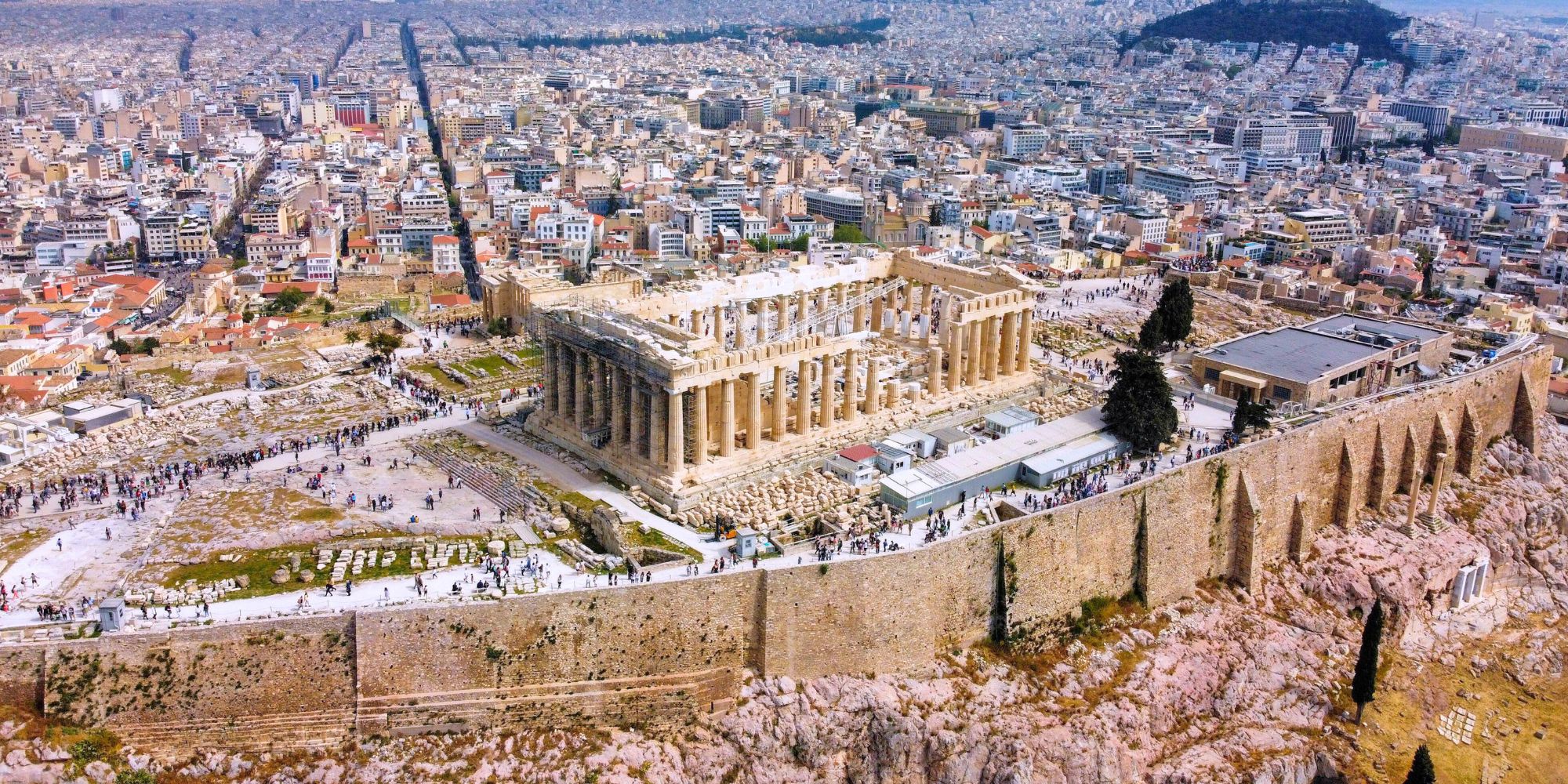
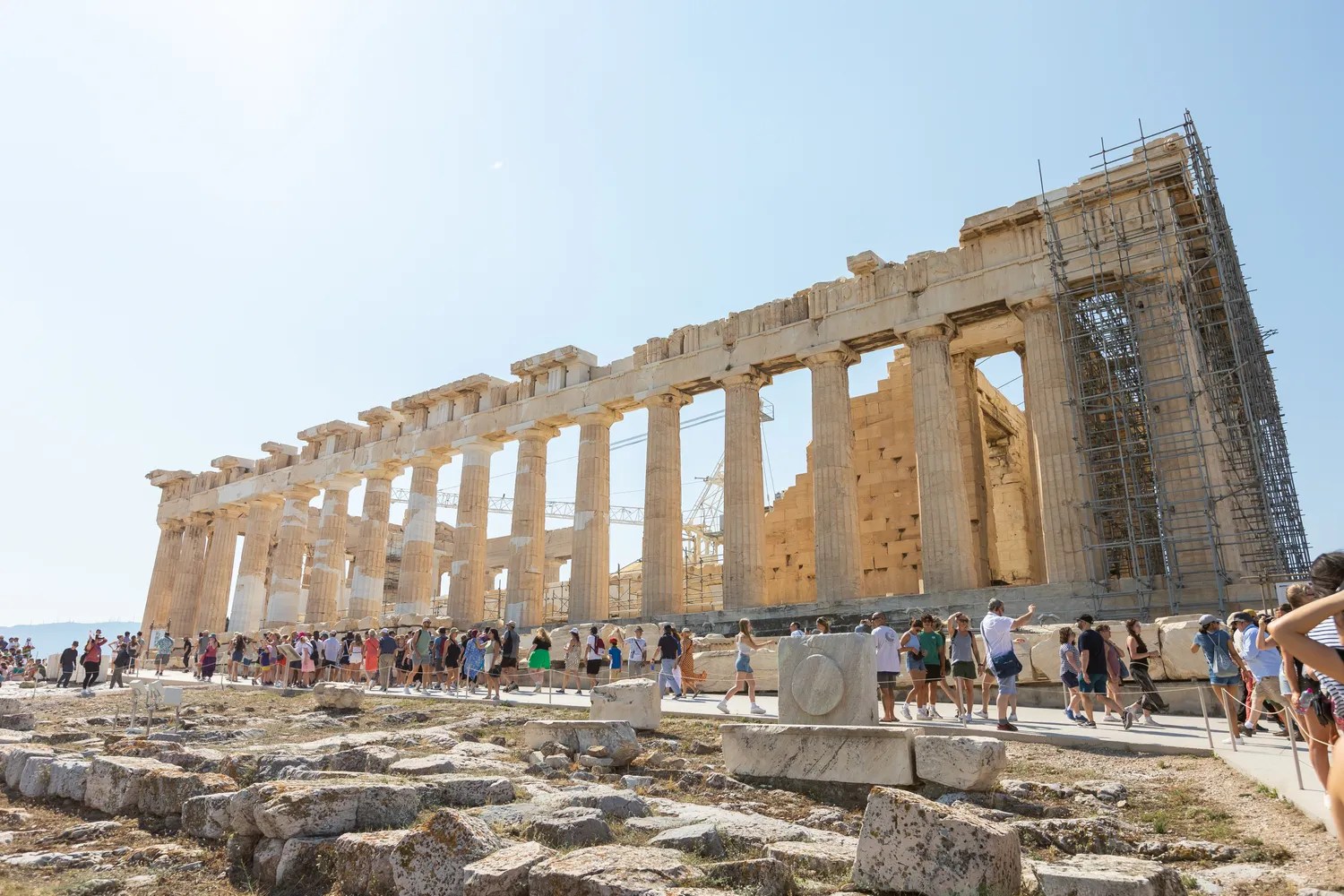
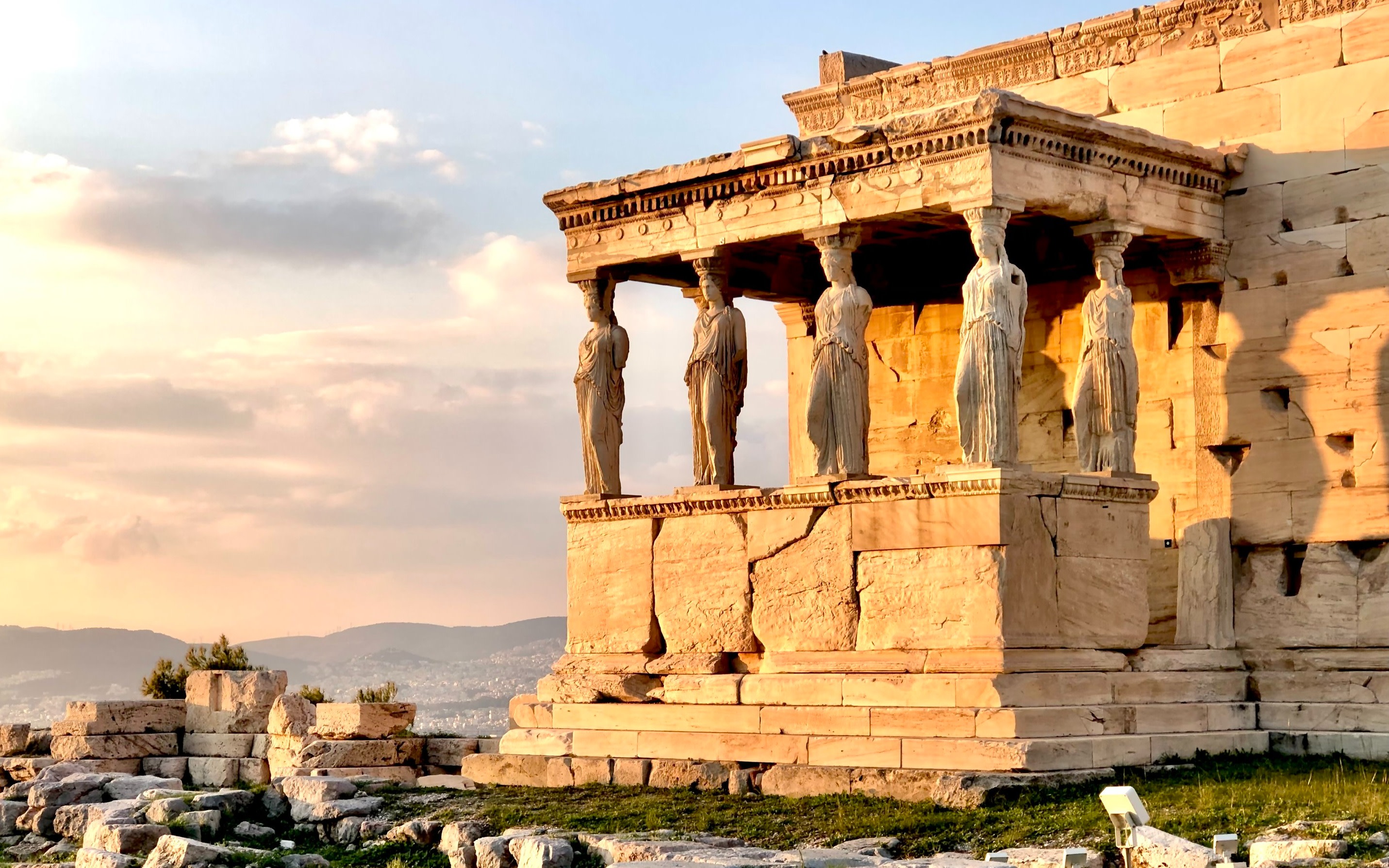
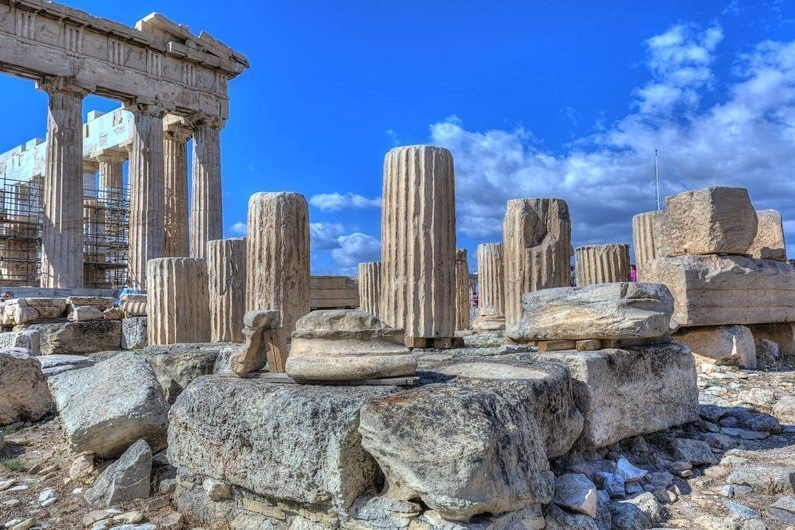
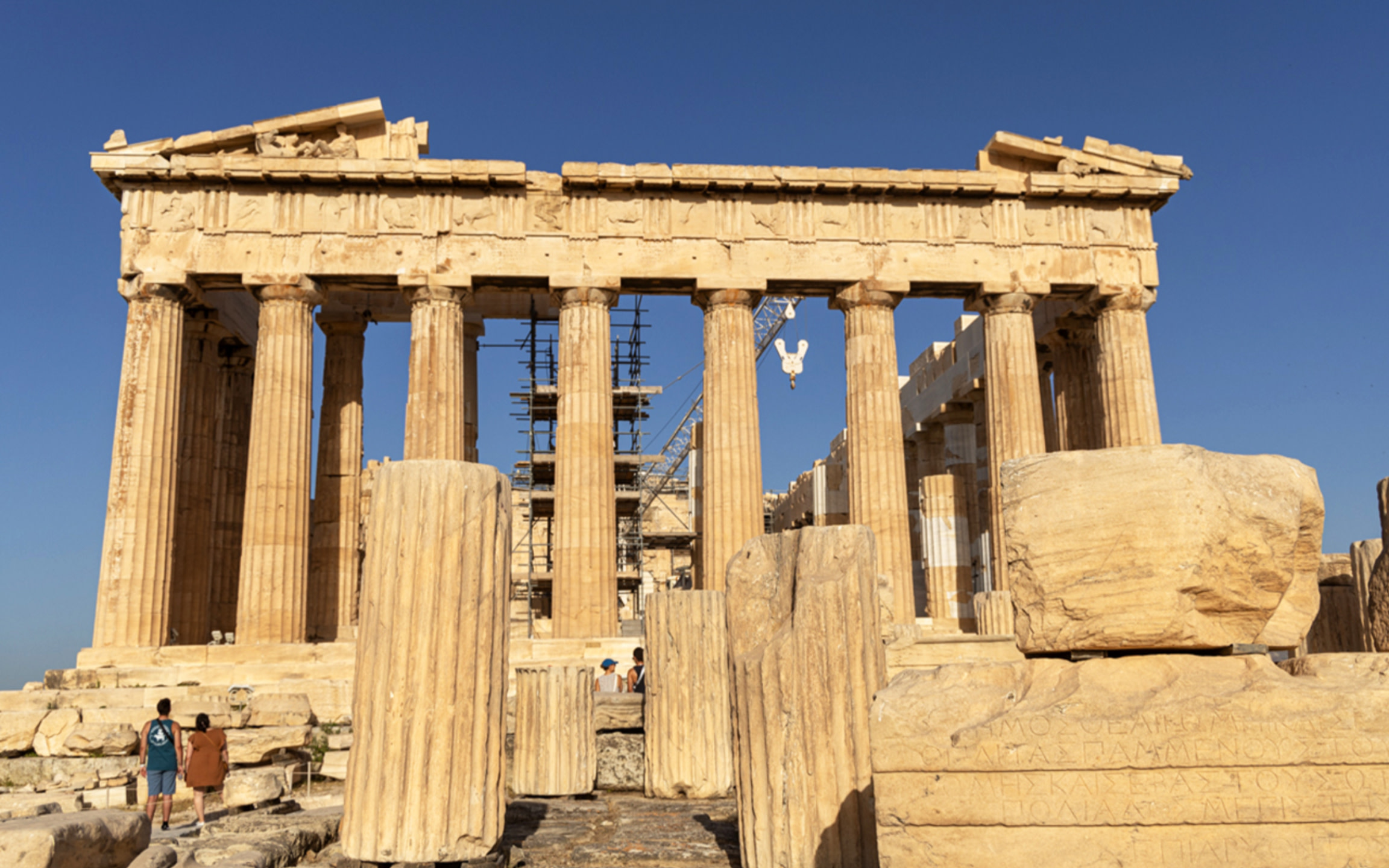
Acropolis of Athens
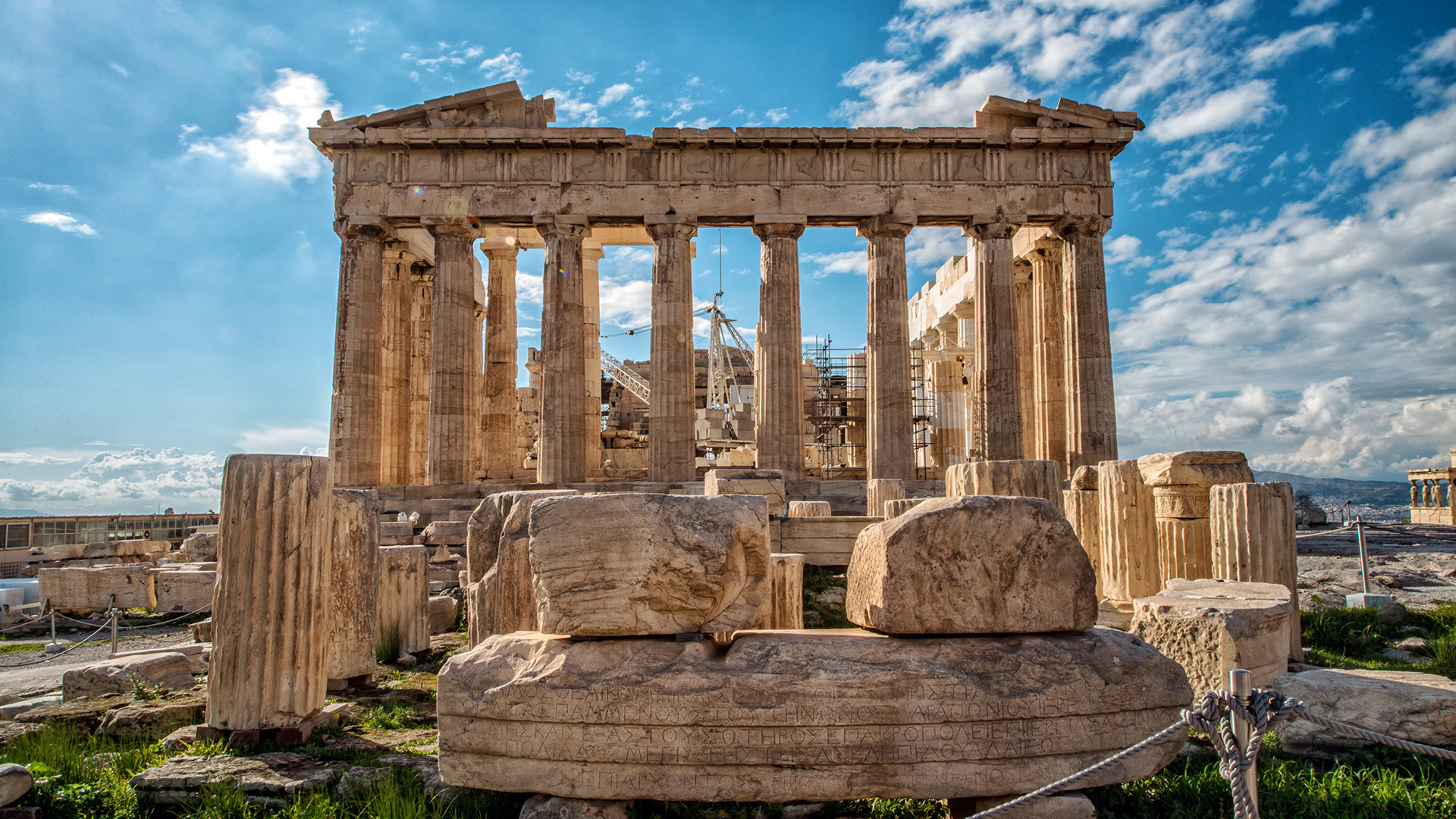
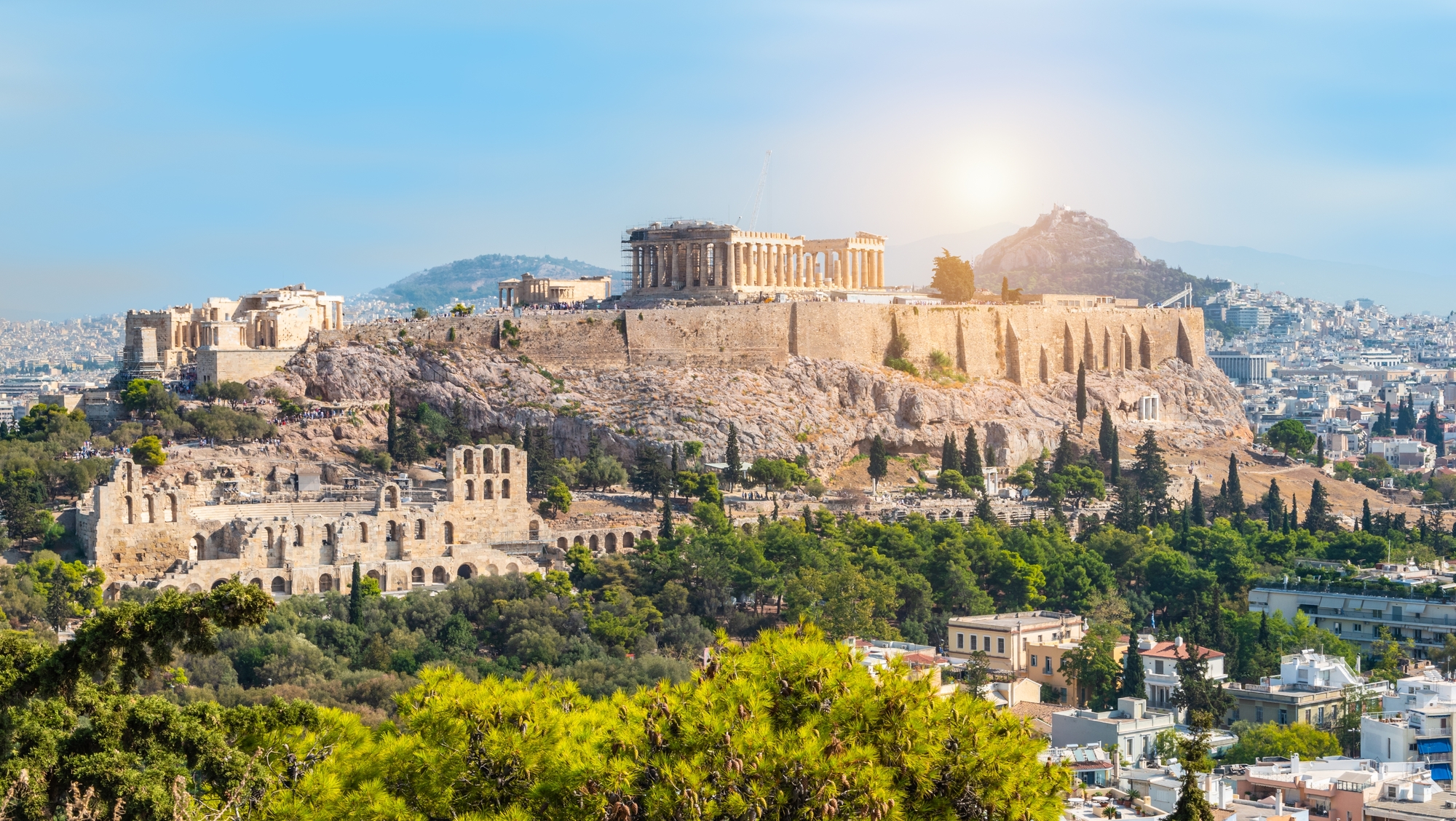
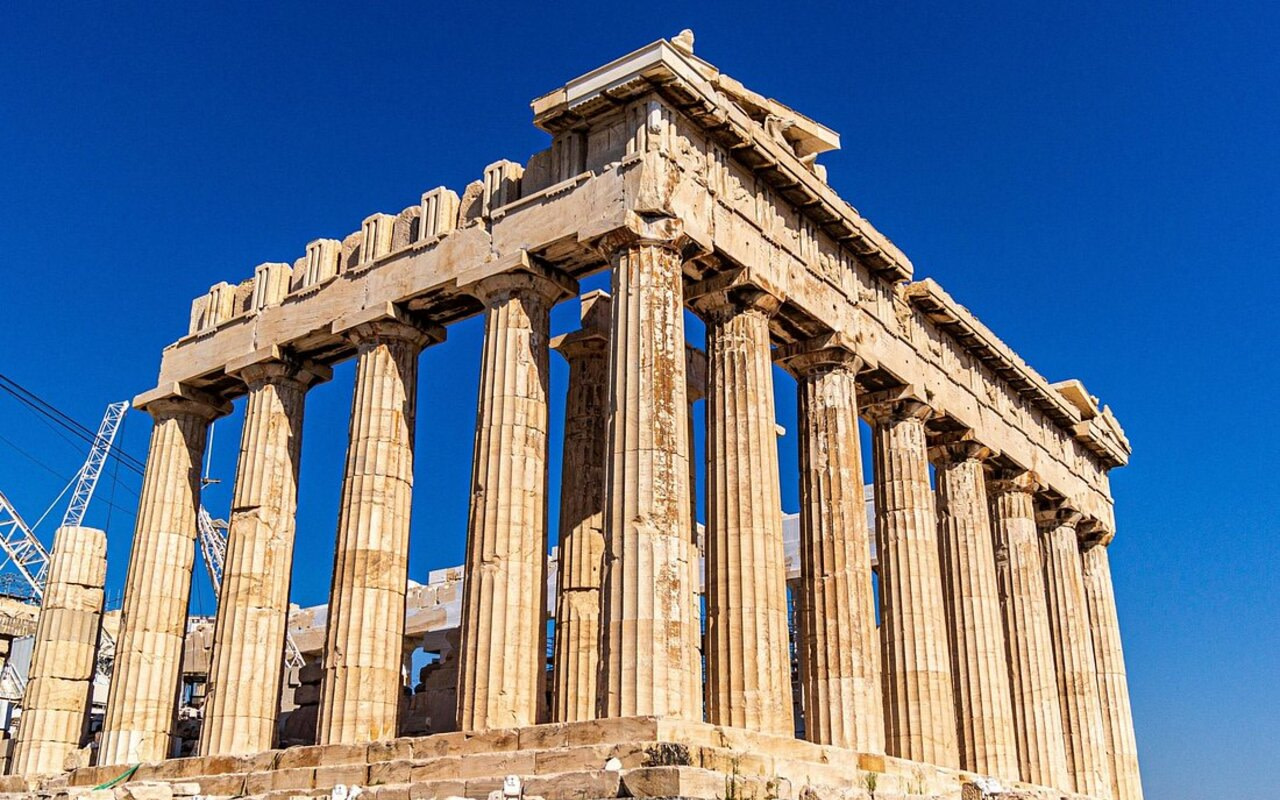
The Acropolis is the most iconic landmark in Athens, featuring ancient ruins and temples, including the Parthenon.
Historical
2-3 hours
€20 (combined ticket for multiple sites)
Ancient Agora of Athens
The heart of ancient Athens, featuring the Temple of Hephaestus and the Stoa of Attalos.
Historical
1-2 hours
€8 (included in the combined ticket)
Plaka
A charming, historic neighborhood with narrow streets, neoclassical houses, and vibrant nightlife.
Cultural
2-3 hours
Free to explore
Acropolis Museum
A modern museum showcasing artifacts from the Acropolis and its surroundings.
Museum
1-2 hours
€10
Temple of Olympian Zeus
An ancient temple dedicated to Zeus, once the largest temple in Greece.
Historical
30 minutes to 1 hour
€6 (included in the combined ticket)
Must-Try Local Dishes
Moussaka
A baked dish with layers of eggplant, minced meat, and béchamel sauce.
Dinner
Vegetarian versions available
Souvlaki
Grilled meat skewers, often served with pita bread and tzatziki.
Snack
Can be made with chicken, pork, or vegetarian options
Tzatziki
A yogurt-based dip with cucumber, garlic, and herbs.
Snack
Vegetarian and vegan options available
Baklava
A sweet pastry made with layers of filo, nuts, and honey syrup.
Dessert
Vegetarian
Popular Activities
Hiking in the mountains
Rock climbing
Scuba diving
Beach visits
Spa treatments
Café hopping
Museum visits
Theater performances
Best Time to Visit
April to June, September to October
The best time to visit Athens is during the spring and autumn months when the weather is pleasant and the tourist crowds are smaller.
18°C to 32°C
64°F to 90°F
Practical Information
Language
- Official: Greek
- Widely spoken: English, French, German
- English: Moderately spoken
Currency
Euro (EUR)
Time Zone
GMT+2 (EET)
Electricity
230VV, 50HzHz
Safety Information
Overall Safety Rating: Generally safe
Athens is generally safe for travelers, but petty crime and pickpocketing can occur in tourist areas. Be cautious with your belongings and avoid poorly lit areas at night.
Important Precautions:
- • Keep valuables secure
- • Use licensed taxis or ride-sharing apps
- • Be cautious with ATMs and credit cards
Getting there
By air
- Eleftherios Venizelos International Airport • 30 km from city center
By train
Athens Central Railway Station
By bus
KTEL Bus Station
Getting around
Public transport
Clean, efficient, and air-conditioned. Easy to navigate with clear signage in English.
Taxis
Available • Apps: Beat, Uber
Rentals
Car, Bike, Scooter
Neighborhoods
Plaka
Monastiraki
Psiri
Koukaki
Kolonaki
Day trips
Cape Sounion
65 km from Athens • Half day to full day
A scenic coastal area featuring the Temple of Poseidon with stunning views of the Aegean Sea.
Delphi
180 km from Athens • Full day
An ancient archaeological site and home to the famous Oracle of Delphi.
Meteora
350 km from Athens • Overnight
A unique landscape featuring rock formations and medieval monasteries perched atop cliffs.
Festivals
Athens Festival • May to October
Athens Epidaurus Festival • June to August
Athens International Film Festival • October
Pro tips
- Visit major attractions early in the morning or late in the afternoon to avoid crowds and heat
- Use the metro for easy and efficient travel around the city
- Explore local neighborhoods for an authentic Greek experience
- Try local street food for a quick and delicious meal
- Learn a few basic Greek phrases to enhance your experience and connect with locals
From $25
per person
Price varies by option
Secure booking
Free cancellation available
Instant confirmation