3-hour In-depth History and Culture Walk Tour in Central Chengdu
Active
3h
For a full refund, cancel at least 24 hours before the scheduled departure time.
Instant confirmation
Mobile or paper ticket accepted
About this experience
This corner of Chengdu was known by many names: Shaocheng (少城), Luocheng(罗城), Mancheng(满城)—each name a chapter in its 2200-year saga. Once a walled world, sealed off for Manchu communities alone, this enclave wasn’t just bricks and boundaries; it was a living, breathing slice of Qing-dynasty life, tucked into the heart of Sichuan.
Why here? What did daily life feel like for the bannermen and their families who called it home—sipping tea in hutongs, training in courtyards, or weaving local flavors into their northern traditions? And what makes its echoes still pulse today, drawing visitors to wander where history lingers in every alley?
We’ll peel back the layers: grand tales of empire and segregation, paired with small, vivid moments. By the end, you won’t just see Mancheng—you’ll live a day in its shoes, where past and present dance in the shadows of its walls. Let’s step in.
Available options
3-hour In-depth History and Culture Walk Tour in Central Chengdu
What's included
This is a city exploring walk, no ticketing attractions, no admission fees for all the stops.
English narration throughout the entire tour, every visitor is given a Bluetooth tour headphone.
Detailed itinerary
1
Renovated area, with heritage houses and mansions of Qing Dynasty (about 100 years),
2
Stop 2
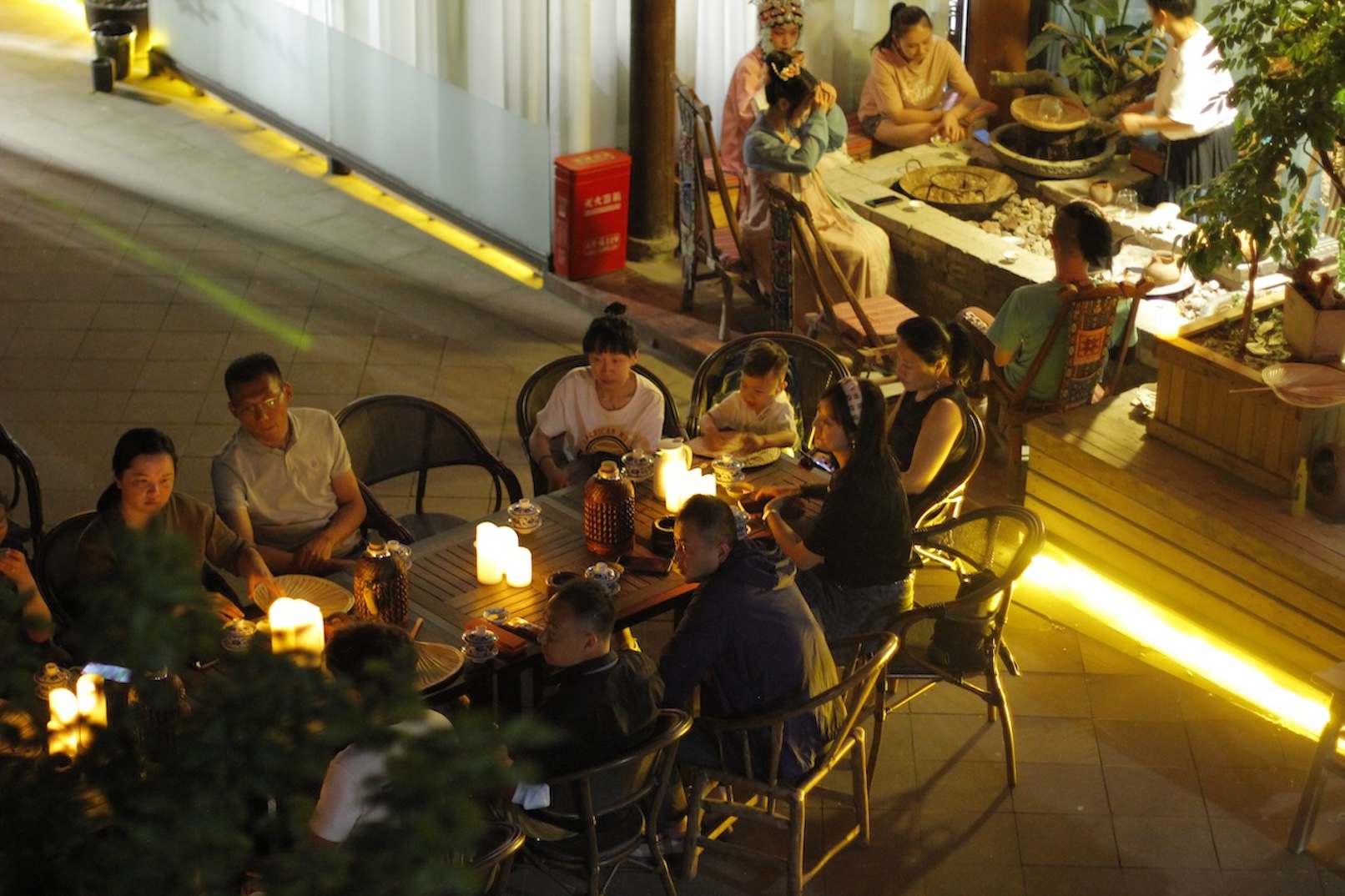
A piece of precious green at heart of the city. A great stop for some tea and local snacks. Lay back on a bamboo chair and relax yourself surrounded by natives playing Mahjong or cards, chattering away a comfortable day.
What's not included
It's 3-hour walk. Bottled water recommended, or get some from a store along the walk.
May come across some food stalls or restaurants, pay to try some if interested.
This is walk tour, no transportation provided.
Available languages
Audio guide
CMN
Guide guide
CMN
EN
Written guide
CMN
Important information
Public transportation options are available nearby
Suitable for all physical fitness levels
Meeting point
Meet up at the Tonghuimen Metro Station (通惠门地铁站) Exit E.
About Chengdu
Chengdu, the capital of Sichuan province, is renowned as the home of the giant panda and famous for its rich history, spicy cuisine, and vibrant culture. This ancient city offers a unique blend of traditional charm and modern urban development, with lush tea houses, bustling markets, and stunning natural landscapes.
Top Attractions
Chengdu Research Base of Giant Panda Breeding
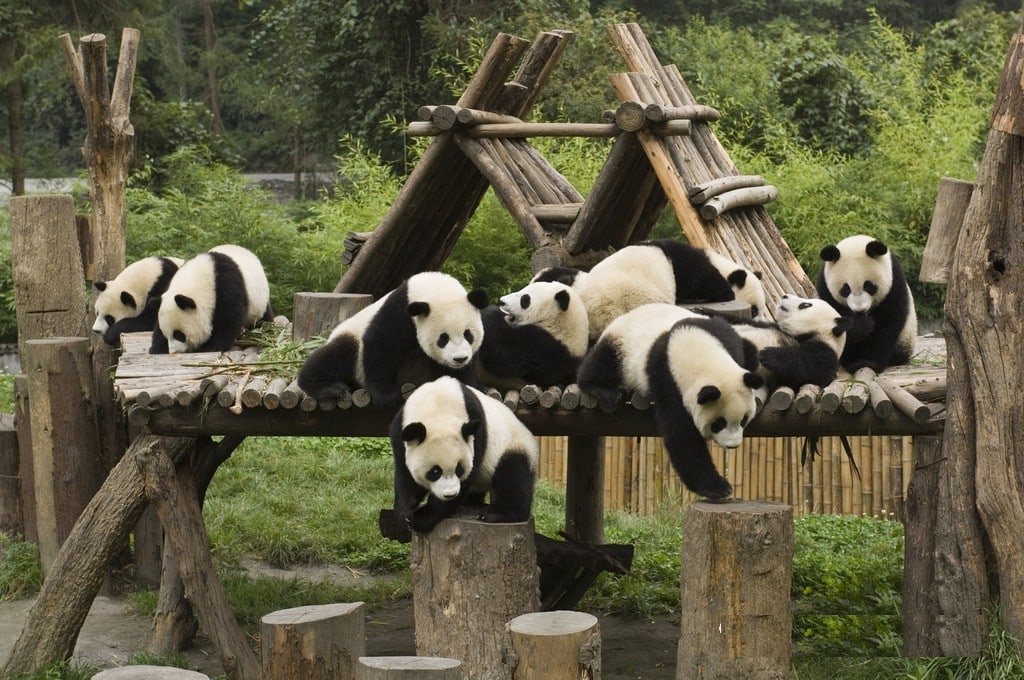
This world-renowned research base is home to over 120 giant pandas. Visitors can observe these adorable creatures up close and learn about conservation efforts.
Nature
2-3 hours
¥55
Jinli Ancient Street
A well-preserved ancient street with traditional architecture, local snacks, and cultural performances. It's a great place to experience Sichuan's rich history and culture.
Historical
1-2 hours
Free (shopping and food at additional cost)
Wenshu Monastery
One of the oldest and best-preserved Buddhist monasteries in China. It's known for its peaceful atmosphere, beautiful architecture, and vegetarian cuisine.
Religious
1-2 hours
Free (donations welcome)
Dujiangyan Irrigation System
An ancient irrigation system built over 2,000 years ago. It's a UNESCO World Heritage Site and a testament to ancient Chinese engineering.
Historical
Half day
¥80
Chengdu Panda Base
A research and breeding center for giant pandas. Visitors can see pandas in a natural setting and learn about conservation efforts.
Nature
2-3 hours
¥55
Must-Try Local Dishes
Mapo Tofu
A spicy tofu dish with minced meat, typically pork or beef, and fermented black beans. It's known for its numbing spiciness.
Dinner
Vegetarian versions available.
Dan Dan Noodles
Noodles topped with a spicy sauce made from chili oil, Sichuan pepper, minced pork, and scallions. It's a popular street food.
Lunch/Dinner
Can be made vegetarian.
Hot Pot
A communal dining experience where diners cook raw ingredients in a shared pot of boiling broth. Sichuan hot pot is known for its spicy broth.
Dinner
Vegetarian and non-vegetarian options available.
Sichuan Dumplings
Steamed or boiled dumplings filled with minced pork, shrimp, or vegetables. They're often served with a spicy dipping sauce.
Lunch/Dinner
Vegetarian options available.
Popular Activities
Hiking
Mountain biking
Rock climbing
Tea house visits
Spa treatments
Park picnics
Museum visits
Temple tours
Best Time to Visit
March to May, September to November
Spring and autumn offer pleasant weather, making it ideal for outdoor activities and sightseeing. The city is less crowded during these periods compared to summer.
15-25°C
59-77°F
Practical Information
Language
- Official: Mandarin
- Widely spoken: Sichuanese, English (limited)
- English: Limited
Currency
Renminbi (RMB) (CNY)
Time Zone
CST (UTC+8)
Electricity
220VV, 50HzHz
Safety Information
Overall Safety Rating: Generally safe
Chengdu is generally safe for travelers, with low crime rates. However, as with any major city, it's important to be aware of your surroundings and take precautions to protect yourself and your belongings.
Important Precautions:
- • Keep valuables secure
- • Use licensed taxis
- • Be cautious of strangers offering help or services
Getting there
By air
- Chengdu Shuangliu International Airport • 16 km from city center
- Chengdu Tianfu International Airport • 45 km from city center
By train
Chengdu Railway Station, Chengdu East Railway Station
By bus
Chengdu Long-Distance Bus Station, Chengdu North Long-Distance Bus Station
Getting around
Public transport
The metro system is efficient and covers most of the city. It's a convenient and affordable way to get around.
Taxis
Available • Apps: Didi Chuxing
Rentals
Car, Bike, Scooter
Neighborhoods
Jinli Ancient Street
Wuhou Shrine
Chunxi Road
Kuanzhai Alley
Day trips
Mount Qingcheng
60 km from Chengdu • Full day
A scenic mountain known for its beautiful landscapes, ancient temples, and hiking trails. It's a UNESCO World Heritage Site and a great escape from the city.
Leshan Giant Buddha
130 km from Chengdu • Full day
A massive stone statue of Buddha carved into a cliff face during the Tang Dynasty. It's a UNESCO World Heritage Site and a remarkable feat of ancient engineering.
Jiuzhaigou Valley
340 km from Chengdu • Overnight
A stunning national park known for its colorful lakes, waterfalls, and diverse wildlife. It's a UNESCO World Heritage Site and a popular destination for nature lovers.
Festivals
Sichuan Festival • Late August
Lantern Festival • February (Lunar calendar)
Chengdu International Non-violence Week • October
Pro tips
- Learn a few basic Mandarin phrases to enhance your experience and interact with locals.
- Try the local street food, but be cautious and choose busy stalls with high turnover.
- Visit the Chengdu Panda Base early in the morning to see the pandas at their most active.
- Explore the city's tea houses and experience the rich tea culture of Sichuan.
- Take a day trip to Mount Qingcheng or Jiuzhaigou Valley for a stunning natural experience.
From $25
per person
Price varies by option
Secure booking
Free cancellation available
Instant confirmation