Tokyo Made Easy | Private Chauffeur Day Adventure | Car and Guide
Active
6h - 8h
For a full refund, cancel at least 24 hours before the scheduled departure time.
Instant_then_manual confirmation
Mobile or paper ticket accepted
About this experience
Imagine a day in Tokyo where the city unfolds just for you. No crowded trains, no confusing maps, no time wasted navigating. Just you, the city's most iconic sights, and the seamless comfort of a private chauffeur dedicated to crafting your perfect journey. This isn't just a tour; it's your key to unlocking the true soul of Tokyo, where ancient traditions and futuristic visions collide in a dazzling spectacle.
Your personal driver will whisk you away on an unforgettable exploration tailored to your pace and passions.
Available options
Tokyo Made Easy | Private Chauffeur Day Adventure | Car and Guide
Pickup included
What's included
Air-conditioned vehicle
Detailed itinerary
1
Tsukiji Fish Market, opened in 1935 on reclaimed land in central Tokyo, grew into the **world’s largest wholesale seafood market** and a global icon of Japanese food culture.
In October 2018 its inner wholesale operations, including the famed tuna auctions, moved to Toyosu, but the adjacent **Outer Market**—home to about 400 stalls and small restaurants—still buzzes with shoppers and diners.[5]
Long nicknamed **“Tokyo’s Kitchen,”** it remains a lively spot to sample fresh sashimi, street snacks, and pick up specialty kitchenware amid a uniquely bustling atmosphere.
2
Stop 2
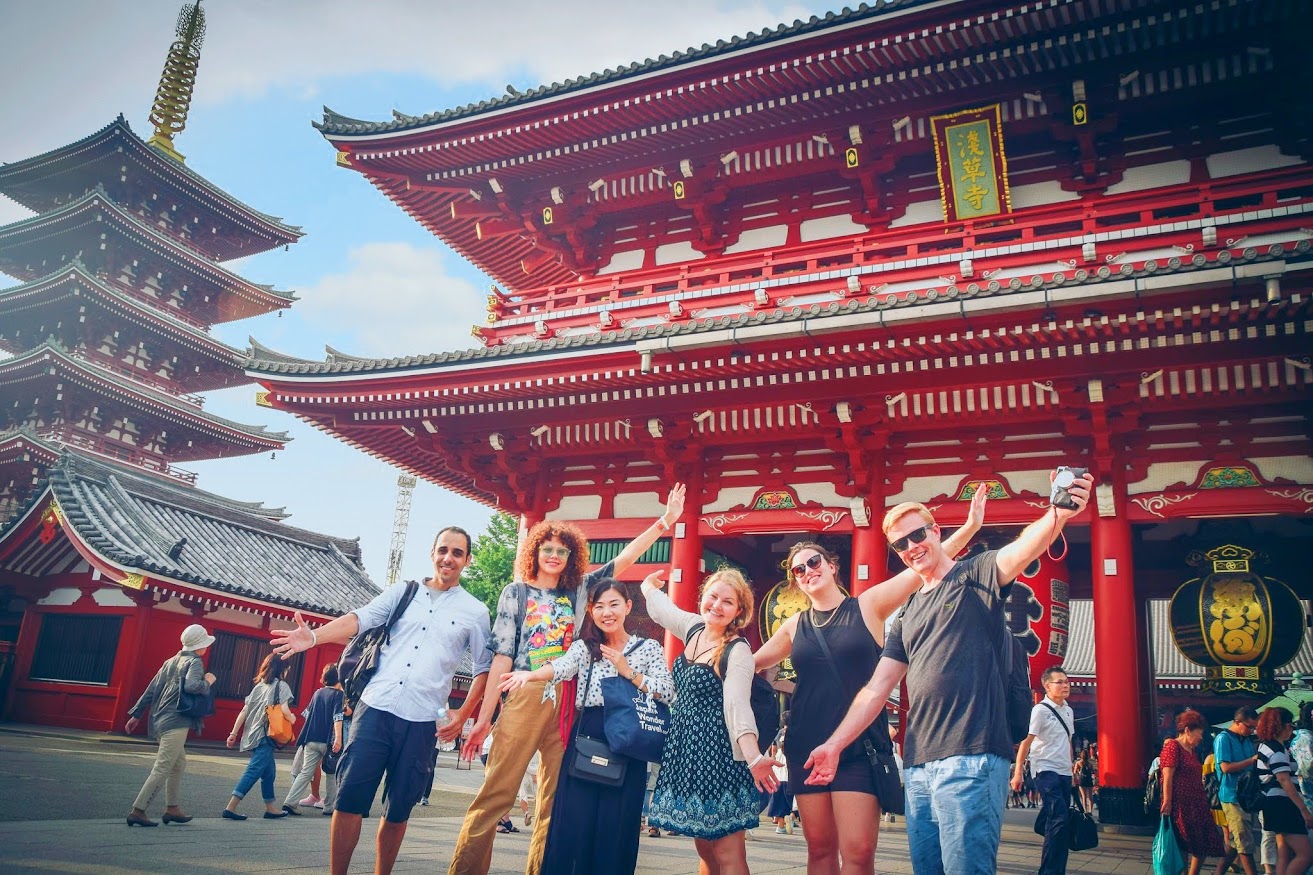
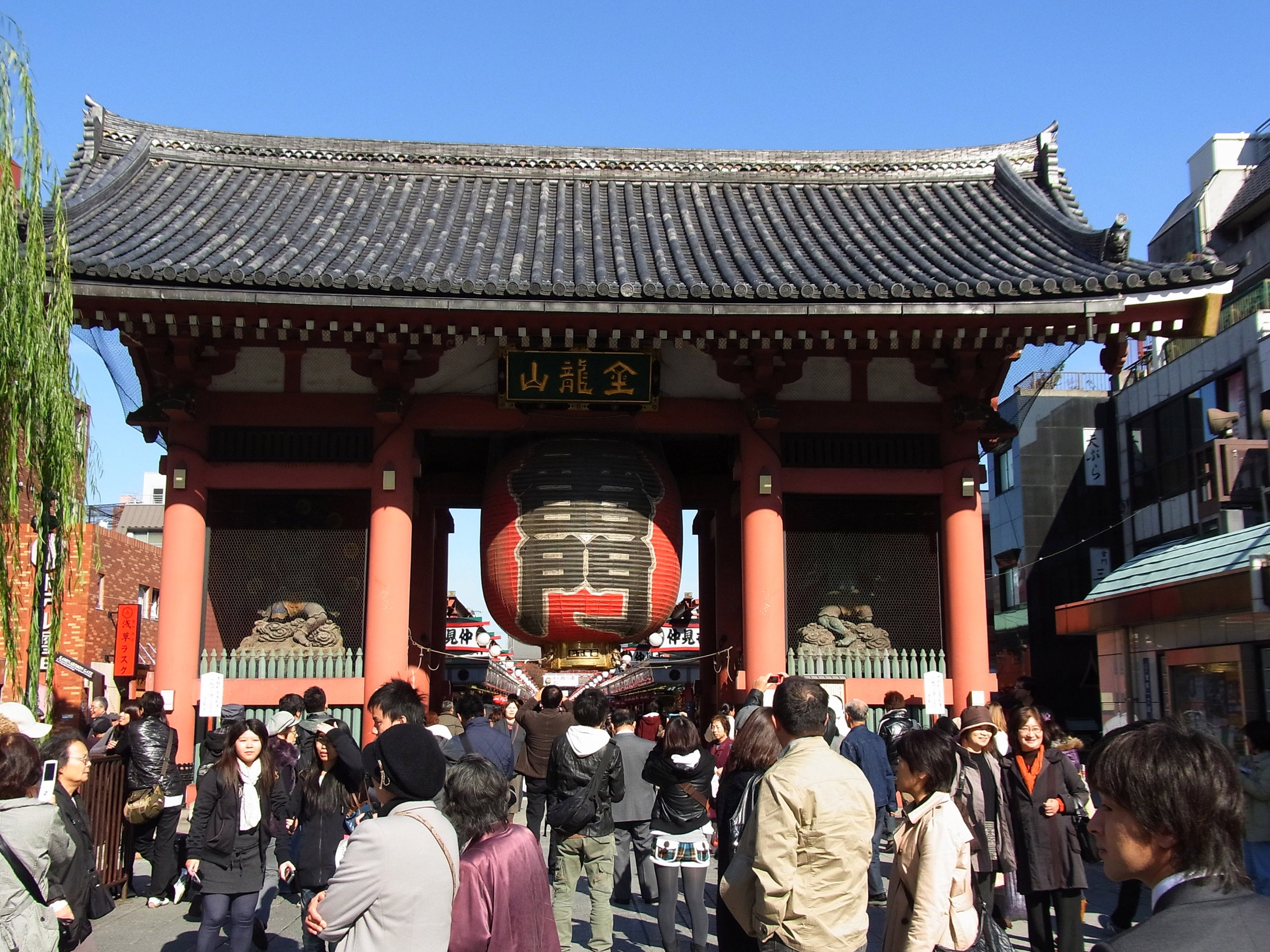
Sensō-ji, located in the Asakusa district, is Tokyo's oldest and most significant Buddhist temple. According to legend, it was founded in 645 AD to enshrine a golden statue of Kannon, the bodhisattva of compassion, that two fishermen discovered in the Sumida River in 628.
The temple's famous entrance is the Kaminarimon (Thunder Gate), which features a massive red lantern and leads to the Nakamise-dōri, a historic street lined with traditional shops. The main complex includes a five-story pagoda and the main hall, which are reconstructions built after the original structures were destroyed in World War II. Today, Sensō-ji is a powerful symbol of rebirth and peace, attracting over 30 million visitors annually, making it one of the most frequented spiritual sites in the world.
3
Tokyo Station is a major railway hub in the Marunouchi business district, renowned for its historic red-brick facade on the west side and the modern Yaesu entrance on the east. Opened in 1914, the station was designed by architect Tatsuno Kingo and is considered a landmark of modern Japanese architecture.
Shinkansen high-speed rail system at Tokyo Station
The station is the busiest in Japan by number of trains, handling over 4,000 daily arrivals and departures, including the high-speed Shinkansen lines.
Having survived the Great Kanto Earthquake of 1923 and damage during World War II, the Marunouchi building was extensively restored to its original pre-war glory between 2007 and 2012. Below ground, a vast network of shops and restaurants known as "Tokyo Station City" makes it a destination in itself.
4
Stop 4
Akihabara, also known as "Akiba," is a vibrant district in central Tokyo famous as the epicenter of Japan's otaku (diehard fan) culture and a major shopping destination for electronics. Originally gaining the nickname "Akihabara Electric Town" after World War II as a hub for household electronics and a post-war black market, the area has since evolved into a paradise for fans of anime, manga, and video games.
The district's streets are a sensory overload, with towering buildings plastered in colorful advertisements for the latest games and anime series. It is packed with everything from massive electronics retailers like Yodobashi Camera to tiny stalls selling specialized components. Akihabara is also the definitive place to find anime merchandise, rare collectibles, and themed establishments like maid cafés. On Sundays, the main street, Chuo Dori, becomes a large pedestrian-only zone, adding to the bustling.
5
Stop 5
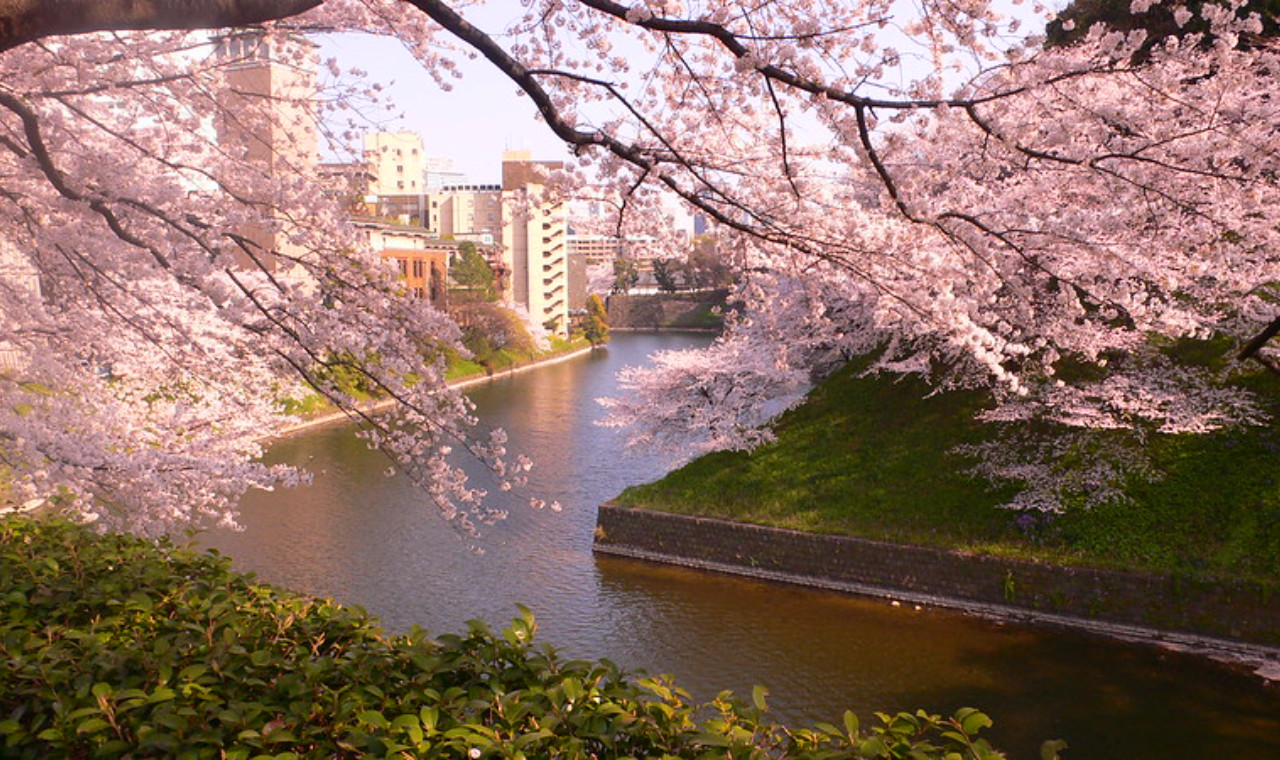
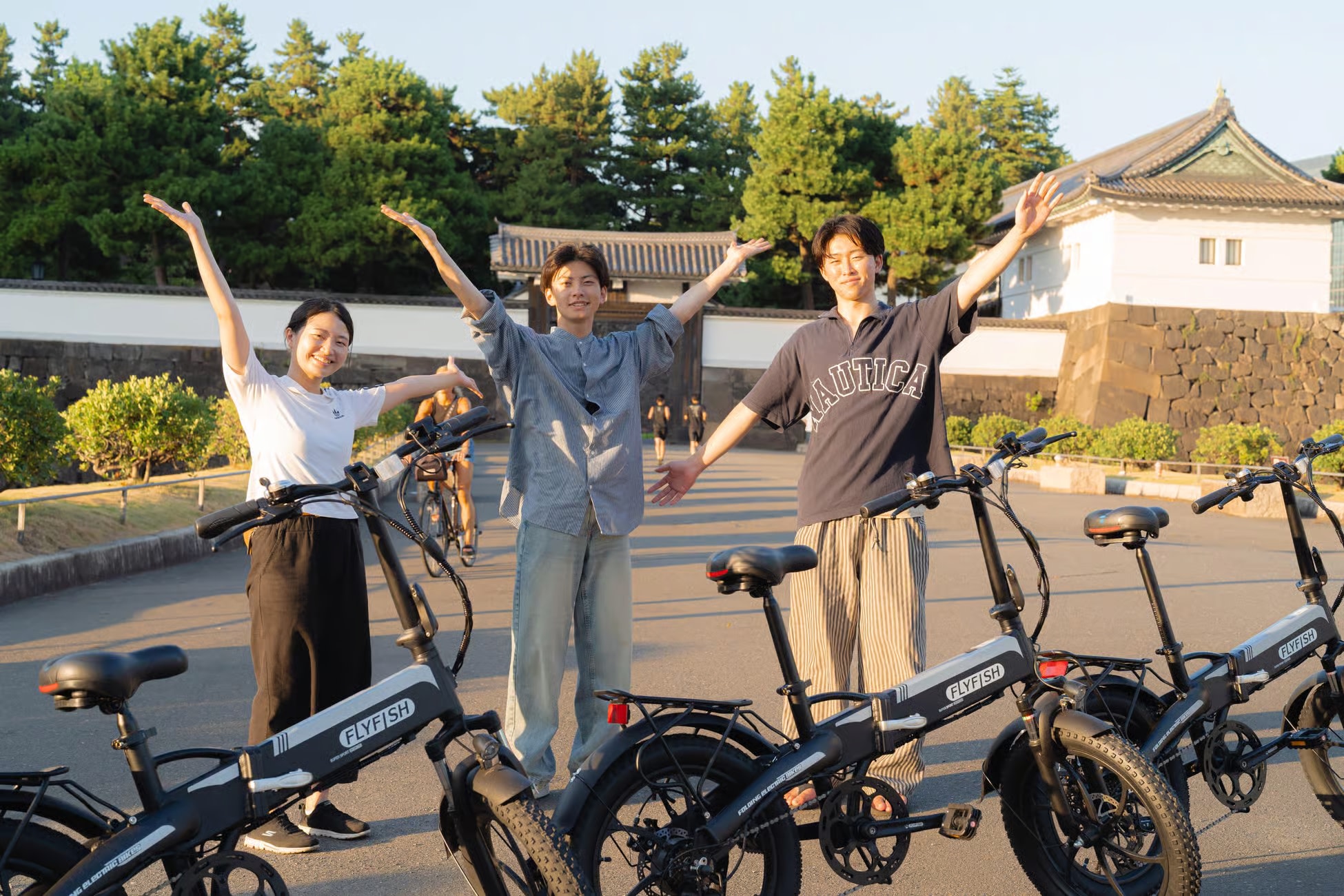
The Imperial Palace East Garden is a public park situated on the grounds of the former Edo Castle, which was the seat of the Tokugawa shogun who ruled Japan from 1603 to 1867. As part of the inner palace area, it is the only section that is consistently open to the public free of charge.
While none of the main castle buildings remain today, visitors can explore the original moats, imposing stone walls, entrance gates, and several historic guardhouses. The garden is built upon the castle's innermost circles of defense, the honmaru and ninomaru. A wide lawn now covers the area where the main keep once stood, and a traditional Japanese-style garden has been created in the former secondary circle. This tranquil space offers a glimpse into Japan's history right in the heart of modern Tokyo.
6
Stop 6
Odaiba is a large artificial island in Tokyo Bay, known as a futuristic entertainment and shopping district. Originally built as a series of defensive forts in the 1850s, the island was redeveloped in the 1990s and is now a popular destination for both tourists and locals.
Connected to central Tokyo by the Rainbow Bridge, Odaiba offers a distinct, spacious waterfront environment that feels separate from the rest of the city. Key attractions include large shopping malls like Aqua City and DiverCity Tokyo Plaza, the innovative teamLab digital art museums, the Fuji TV Building with its distinctive architecture, and a replica of the Statue of Liberty. It is easily accessible via the scenic Yurikamome elevated train line
7
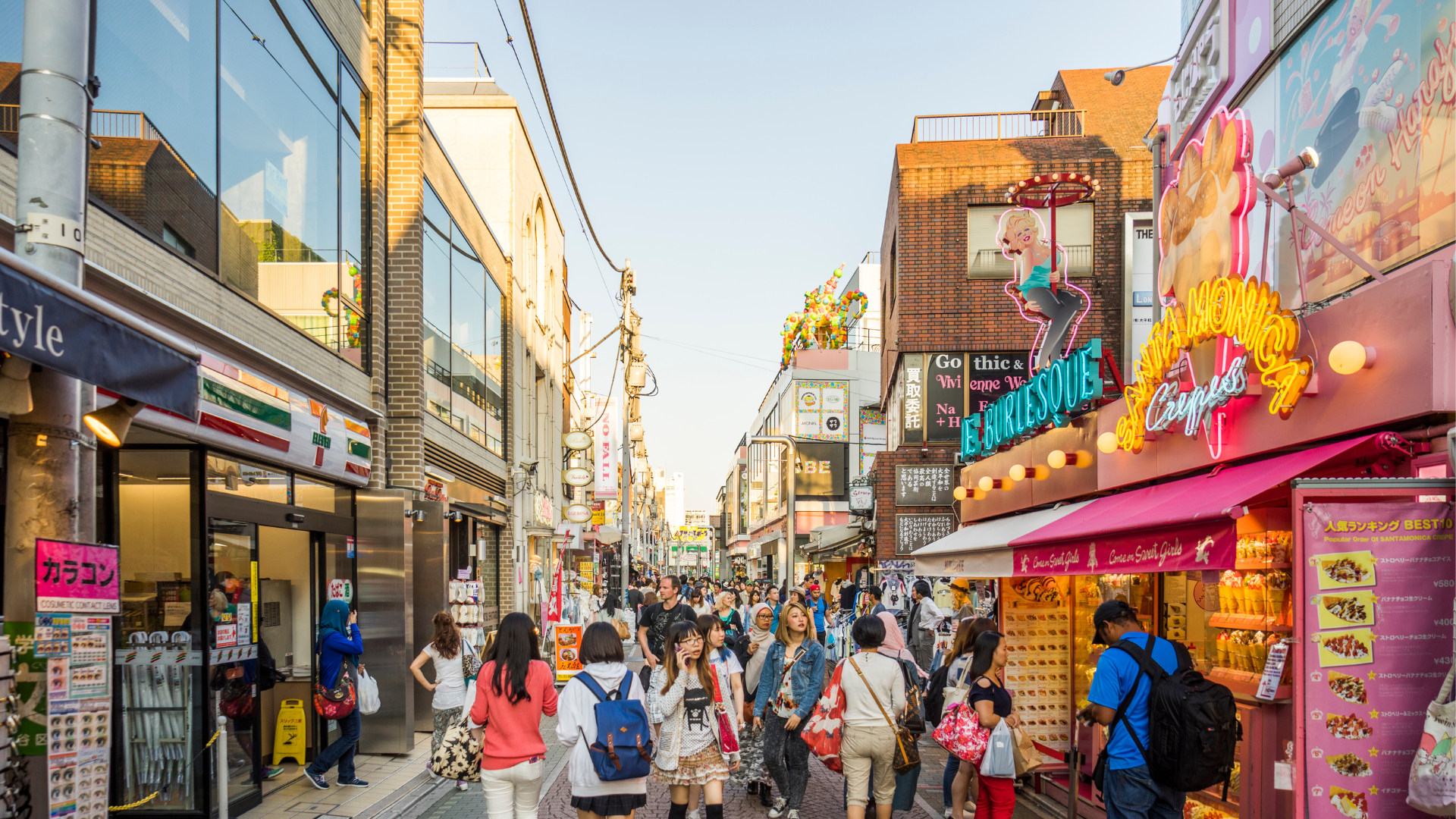
Harajuku is a district in Shibuya, Tokyo, renowned globally as the epicenter of Japanese youth culture, extreme fashion, and the birthplace of kawaii (cute) culture. Centered around Harajuku Station, the area is a vibrant mix of colorful street style, trendy independent boutiques, and quirky themed cafés.
The district is defined by its two main thoroughfares:
Takeshita Street is the narrow, bustling heart of Harajuku's teenage scene, famous for its avant-garde fashion shops, street food stalls selling crepes and rainbow-colored snacks, and stores dedicated to pop culture merchandise.
Omotesando is a broad, tree-lined avenue often compared to the Champs-Élysées, featuring high-end international brands, architecturally significant buildings, and upscale restaurants catering to a more adult clientele.
8
Stop 8
Meiji Jingu is a major Shinto shrine in Shibuya, Tokyo, dedicated to the deified spirits of Emperor Meiji and his consort, Empress Shoken. Established in 1920, the shrine commemorates their role in the Meiji Restoration, which modernized Japan and ended the feudal era.
Despite its location next to the bustling Harajuku Station, the shrine is a peaceful oasis situated within a vast, man-made forest of over 100,000 trees donated from across Japan. The main complex is reached by a tranquil walk along a wide path, passing under massive wooden torii gates that mark the transition to sacred ground. The original buildings were destroyed during World War II but were rebuilt in 1958 through public donations, symbolizing a deep national respect for the imperial couple. It remains one of Tokyo's most important and visited religious sites.
9
Stop 9
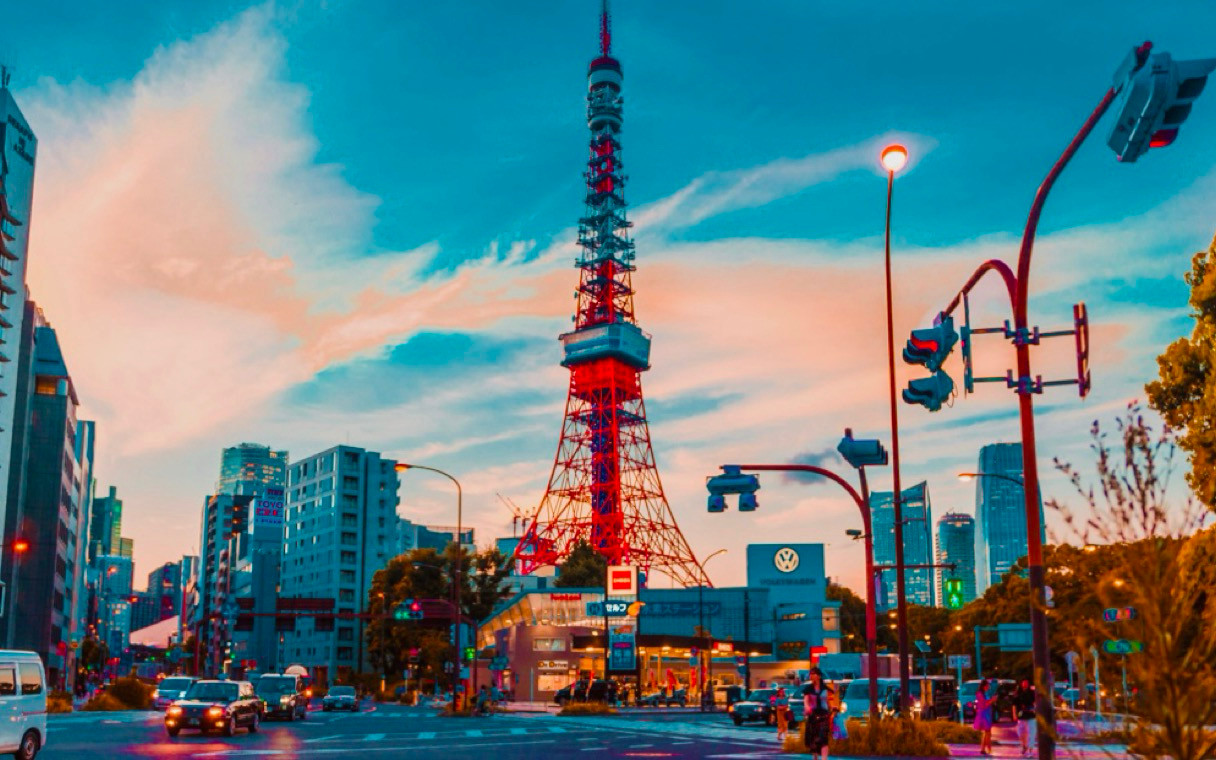
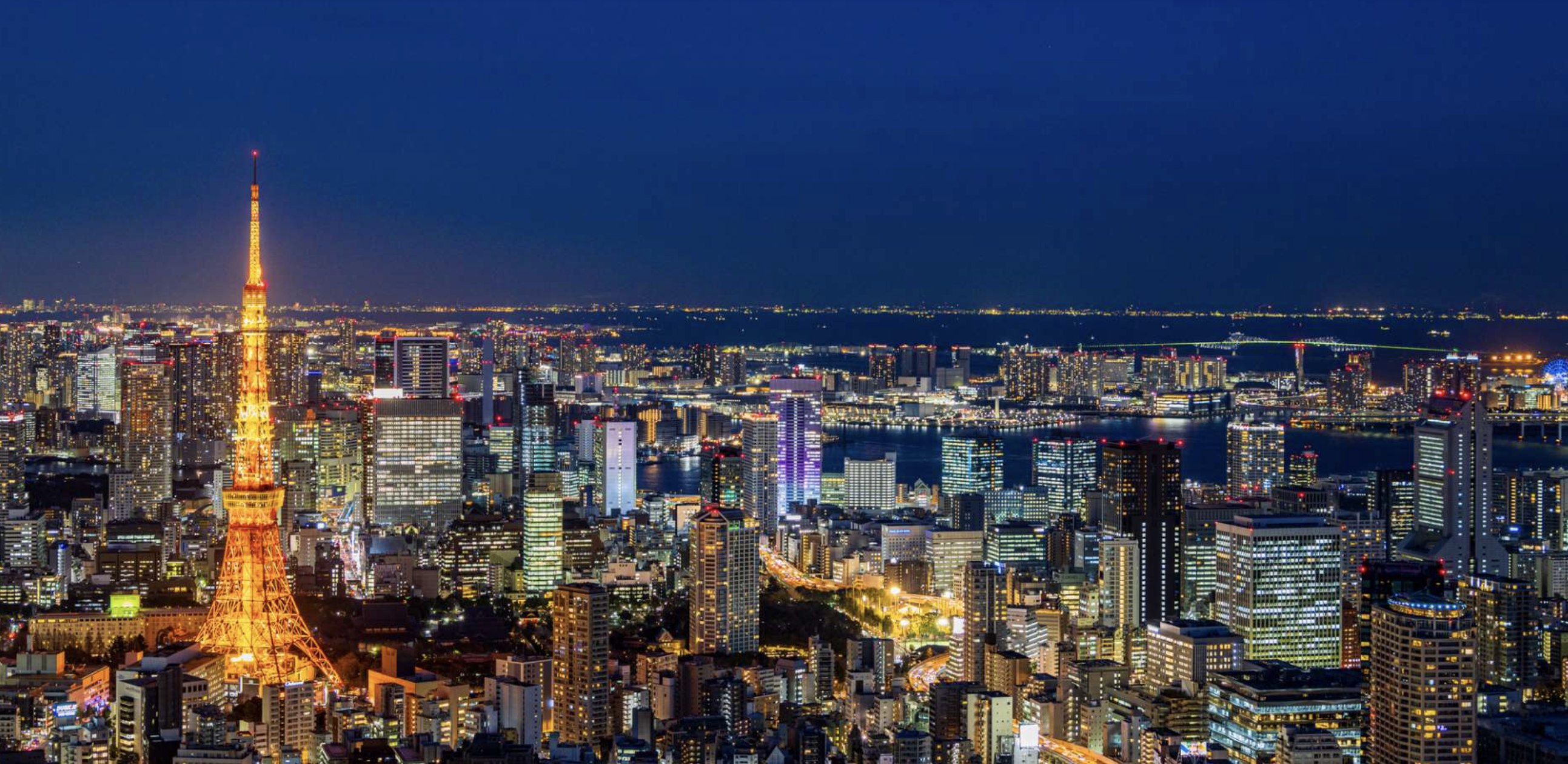
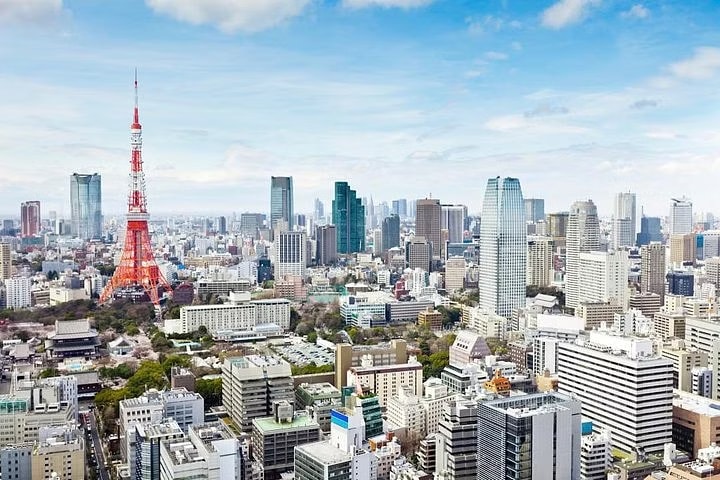
Tokyo Tower is a 333-meter red-and-white steel lattice landmark in central Tokyo, completed in 1958 and modeled after the Eiffel Tower, that serves both as a broadcast antenna and an enduring city symbol. It features the Foot Town complex of shops and eateries at its base and two observation decks—the Main Deck at 150 m and the Top Deck at 250 m—which provide panoramic views that can extend to Mount Fuji on clear days.
10
The Tokyo Metropolitan Government Building in Shinjuku offers free access to its twin observation decks, providing panoramic views of the city from a height of 202 meters (663 feet). Located on the 45th floor of the North and South towers, these observatories are a popular destination for both tourists and locals.
On clear days, the view from the decks can extend to iconic landmarks such as Mount Fuji, Tokyo Skytree, and Tokyo Tower. The building itself, designed by renowned architect Kenzo Tange, is a notable piece of modern architecture intended to resemble a Gothic cathedral. Both observatories feature cafes and souvenir shops. In the evenings, the building's facade hosts free projection mapping shows, adding to its appeal as a tourist attraction.
11
Stop 11
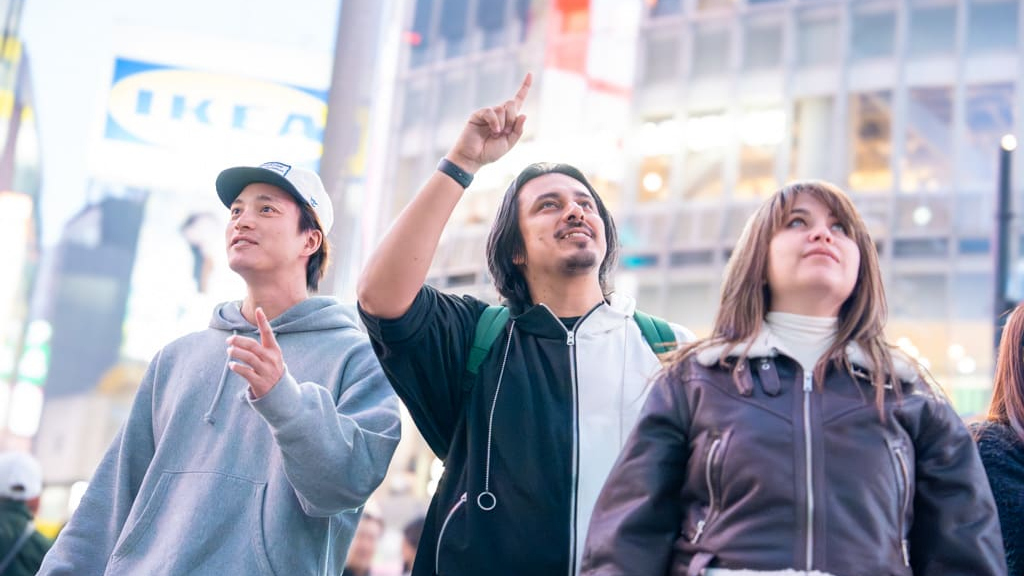
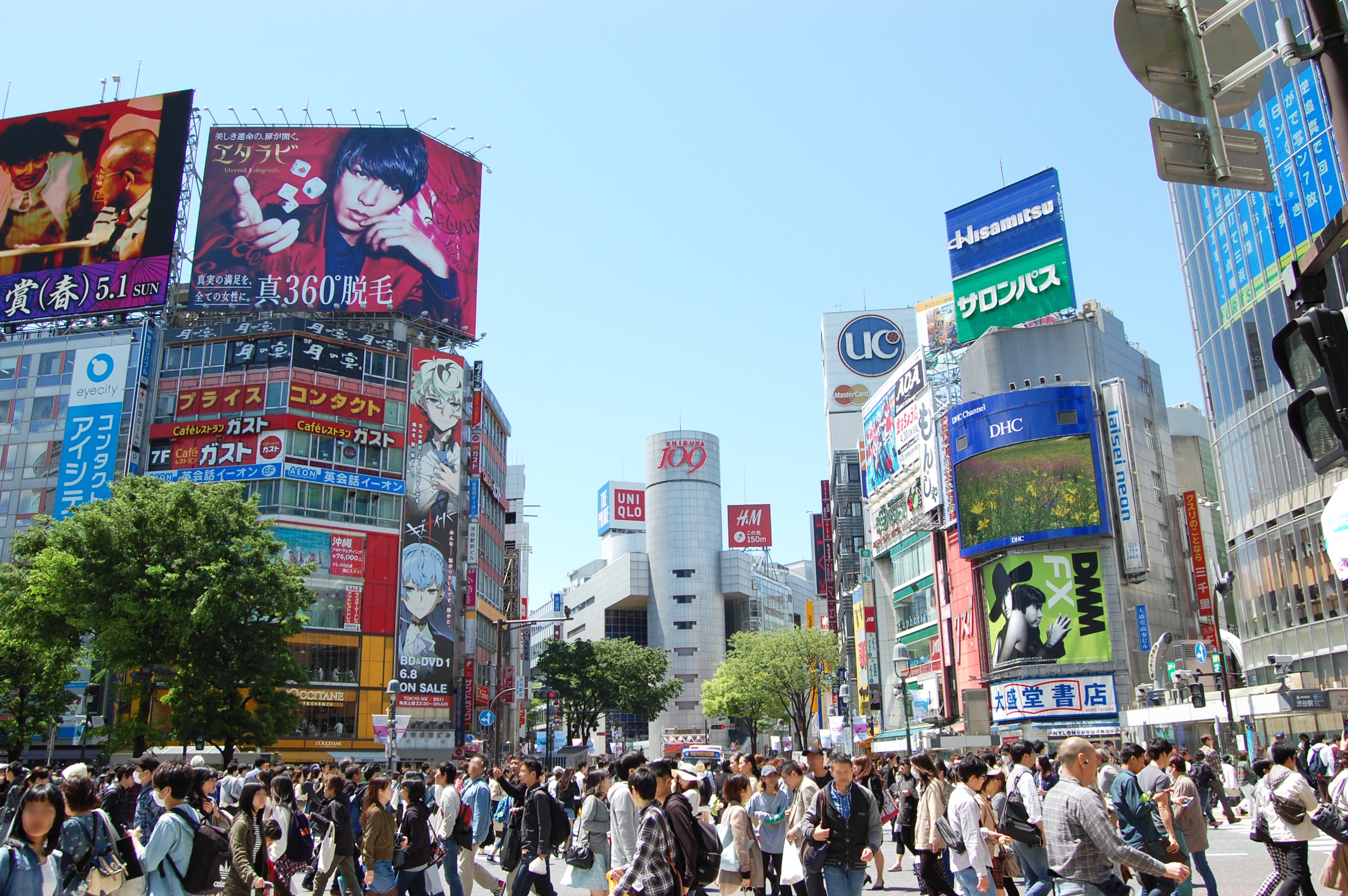
Shibuya Crossing is an iconic "scramble" intersection outside Tokyo's Shibuya Station, widely known as the world's busiest pedestrian crossing. At peak times, as many as 2,500 to 3,000 people flood the intersection from all directions simultaneously when the traffic lights stop vehicles, creating a mesmerizing spectacle of organized chaos.
This intersection, which took its modern form in 1932, has become a powerful symbol of Tokyo's energy and modernity, often compared to New York's Times Square due to its giant video screens and immersive neon advertisements. Just outside the station stands the famous statue of Hachikō, a loyal dog who waited at the station daily for his deceased owner for nearly a decade, now serving as one of Tokyo's most popular meeting spots. The crossing's dynamic atmosphere has made it a famous backdrop in films like Lost in Translation and The Fast and the Furious: Tokyo Drift.
What's not included
Meals
Admission fees has to be paid at each individual place we decide to visit.
Gratuities
Available languages
Audio guide
EN
Guide guide
EN
Written guide
EN
Reviews breakdown
Viator
5.0
4 reviews
5★
4
4★
0
3★
0
2★
0
1★
0
Tripadvisor
5.0
2 reviews
5★
2
4★
0
3★
0
2★
0
1★
0
Important information
Infants and small children can ride in a pram or stroller
Service animals allowed
Public transportation options are available nearby
Specialized infant seats are available
Suitable for all physical fitness levels
Wheelchair can be provided on request.
Childseat can be provided on request.
About Tokyo
Tokyo, the capital of Japan, is a bustling metropolis that beautifully blends traditional culture with cutting-edge technology. Known for its neon-lit streets, historic temples, and world-class cuisine, Tokyo offers a unique experience that caters to every type of traveler.
Top Attractions
Senso-ji Temple
Senso-ji is Tokyo's oldest temple and one of its most significant. The temple's massive lantern and five-story pagoda are iconic landmarks.
Historical/Religious
1-2 hours
Free (small fee for some areas)
Meiji Shrine
Meiji Shrine is a Shinto shrine dedicated to the deified spirits of Emperor Meiji and his wife, Empress Shoken. It is surrounded by a beautiful forest.
Historical/Religious
1-2 hours
Free
Shibuya Crossing
Shibuya Crossing is the world's busiest pedestrian crossing and a symbol of Tokyo's bustling urban life. It's a must-see for its chaotic yet orderly nature.
Cultural
30 minutes to 1 hour
Free (¥2,200 for Shibuya Sky)
Tokyo Skytree
Tokyo Skytree is the tallest tower in Japan and the second tallest freestanding structure in the world. It offers breathtaking views of the city.
Architecture
2-3 hours
¥2,100 to ¥3,100 (USD $15 to $22)
Odaiba
Odaiba is a man-made island in Tokyo Bay known for its shopping, dining, and entertainment options. It's a great place for families and tech enthusiasts.
Entertainment
Half day to full day
Varies by attraction
Must-Try Local Dishes
Sushi
Fresh raw fish served on vinegared rice, a staple of Japanese cuisine.
Dinner
Contains fish, can be vegetarian with substitutes.
Ramen
Noodle soup with various broths and toppings, a popular comfort food.
Lunch/Dinner
Vegan and vegetarian options available.
Tempura
Deep-fried seafood and vegetables, known for its crispy texture.
Lunch/Dinner
Contains seafood and deep-fried ingredients.
Okonomiyaki
Savory pancake with various ingredients, often topped with sauce and bonito flakes.
Lunch/Dinner
Contains seafood and can be made vegetarian.
Popular Activities
Hiking in the nearby mountains
Parasailing at Odaiba
Onsen (hot spring) visits
Tea ceremonies
Traditional tea ceremonies
Kimono rentals and photo shoots
Boat tours on the Sumida River
Beach activities at Odaiba
Best Time to Visit
March to May (Spring) and September to November (Autumn)
These seasons offer comfortable temperatures and beautiful scenery, with cherry blossoms in spring and vibrant foliage in autumn. However, these are also the busiest times for tourism.
10°C to 25°C (50°F to 77°F)
50°F to 77°F
Practical Information
Language
- Official: Japanese
- Widely spoken: English, Chinese, Korean
- English: Moderately spoken in tourist areas, limited elsewhere
Currency
Japanese Yen (JPY)
Time Zone
GMT+9
Electricity
100VV, 50/60HzHz
Safety Information
Overall Safety Rating: Very safe
Tokyo is generally very safe, with low crime rates and a strong emphasis on public order. However, petty crimes like pickpocketing can occur in crowded areas.
Important Precautions:
- • Be cautious of your belongings in crowded areas.
- • Use licensed taxis and check fares before getting in.
- • Be aware of your surroundings, especially at night.
Getting there
By air
- Narita International Airport • 60 km (37 miles) from city center
- Haneda Airport • 15 km (9 miles) from city center
By train
Tokyo Station, Shinjuku Station
By bus
Tokyo Station Bus Terminal, Shinjuku Expressway Bus Terminal
Getting around
Public transport
Tokyo's subway system is efficient, clean, and punctual. It consists of multiple lines operated by Tokyo Metro and Toei Subway.
Taxis
Available • Apps: JapanTaxi, DiDi
Rentals
Car, Bike, Scooter
Neighborhoods
Shibuya
Shinjuku
Asakusa
Ginza
Akihabara
Day trips
Nikko
120 km (75 miles) from Tokyo • Full day
Nikko is a city known for its beautiful shrines, temples, and natural scenery. It's a UNESCO World Heritage site and offers a peaceful retreat from the bustling city.
Kamakura
50 km (31 miles) from Tokyo • Half day to full day
Kamakura is a coastal town known for its historic temples, shrines, and the Great Buddha statue. It's a great place to experience traditional Japanese culture.
Hakone
90 km (56 miles) from Tokyo • Full day or overnight
Hakone is a hot spring resort town known for its onsen (hot springs), scenic views of Mount Fuji, and the Open-Air Museum. It's a popular destination for relaxation and nature.
Festivals
Sannō Matsuri • Mid-June (every 2 years)
Kanda Matsuri • Mid-May (every 2 years)
Sumida River Fireworks Festival • Last Saturday of July
Pro tips
- Use IC cards like Suica or Pasmo for convenient and discounted public transport.
- Download useful apps like Google Maps, Japan Transit Planner, and Japan Travel by Navitime.
- Learn a few basic Japanese phrases to enhance your experience and show respect for the local culture.
- Carry cash, as some smaller shops and restaurants may not accept credit cards.
- Visit popular attractions early in the morning or late in the afternoon to avoid crowds.
From $25
per person
Price varies by option
Secure booking
Free cancellation available