Decode Tokyo Anime Visual Grammar Tour
Active
2h
For a full refund, cancel at least 24 hours before the scheduled departure time.
Instant confirmation
Mobile or paper ticket accepted
About this experience
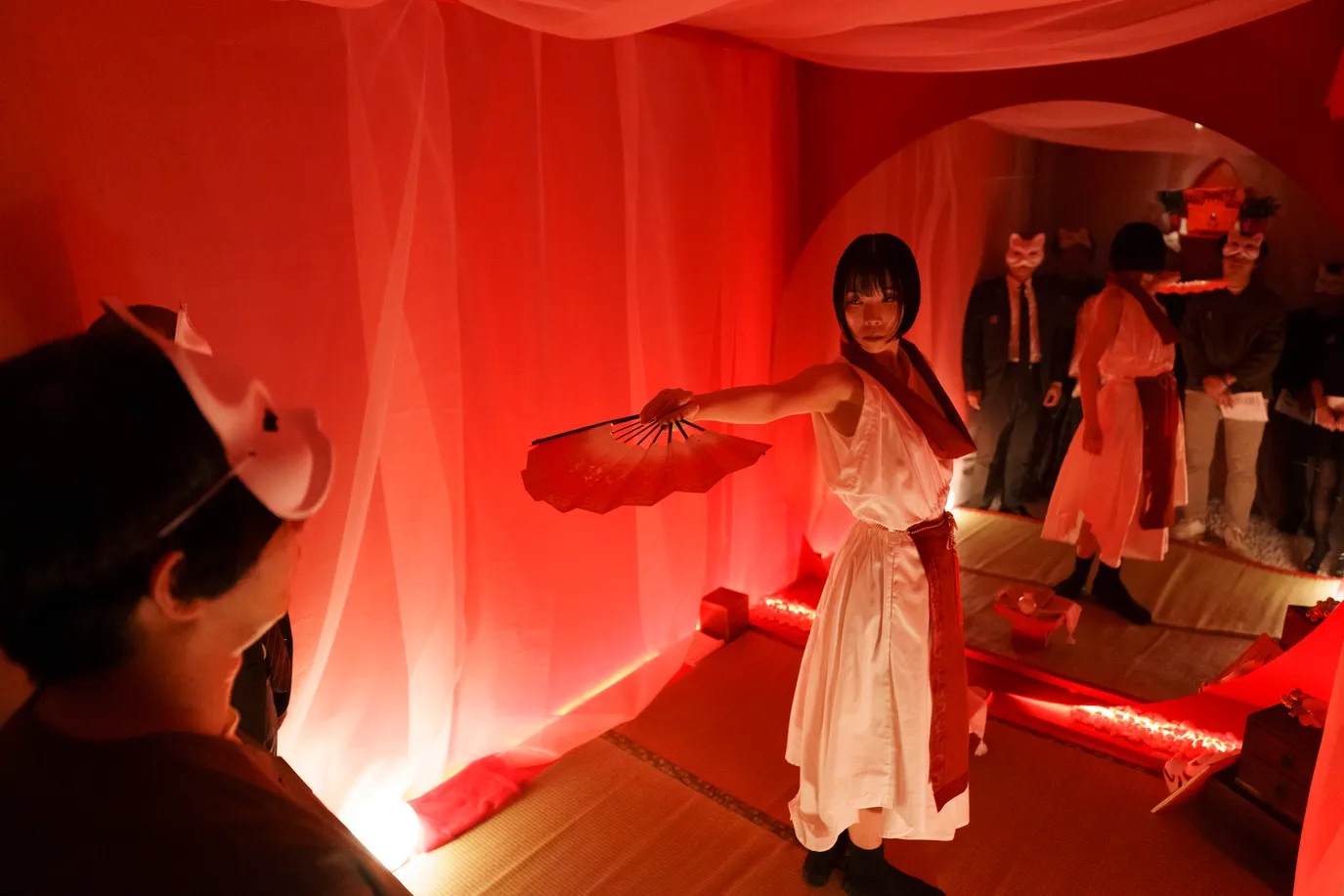
From simply watching to truly decoding—Why does real Tokyo look like anime, and anime look like Tokyo? This deep-dive tour explores ANIMESCAPE—the visual grammar where the real and fictional Tokyo merge.
In Akihabara, explore and observe the consumer landscape shaped by Japanese signage and spatial constraints. At Tokyo Station’s dense ekiben market, analyze color design and visual information density. Navigate layered spaces in underground passages and under railway viaducts, then in Shibuya, visit real locations from Jujutsu Kaisen’s Shibuya Incident arc.
By moving between reality and anime, you’ll embed the ANIMESCAPE concept deep in your mind (with layout-recreation photo support).
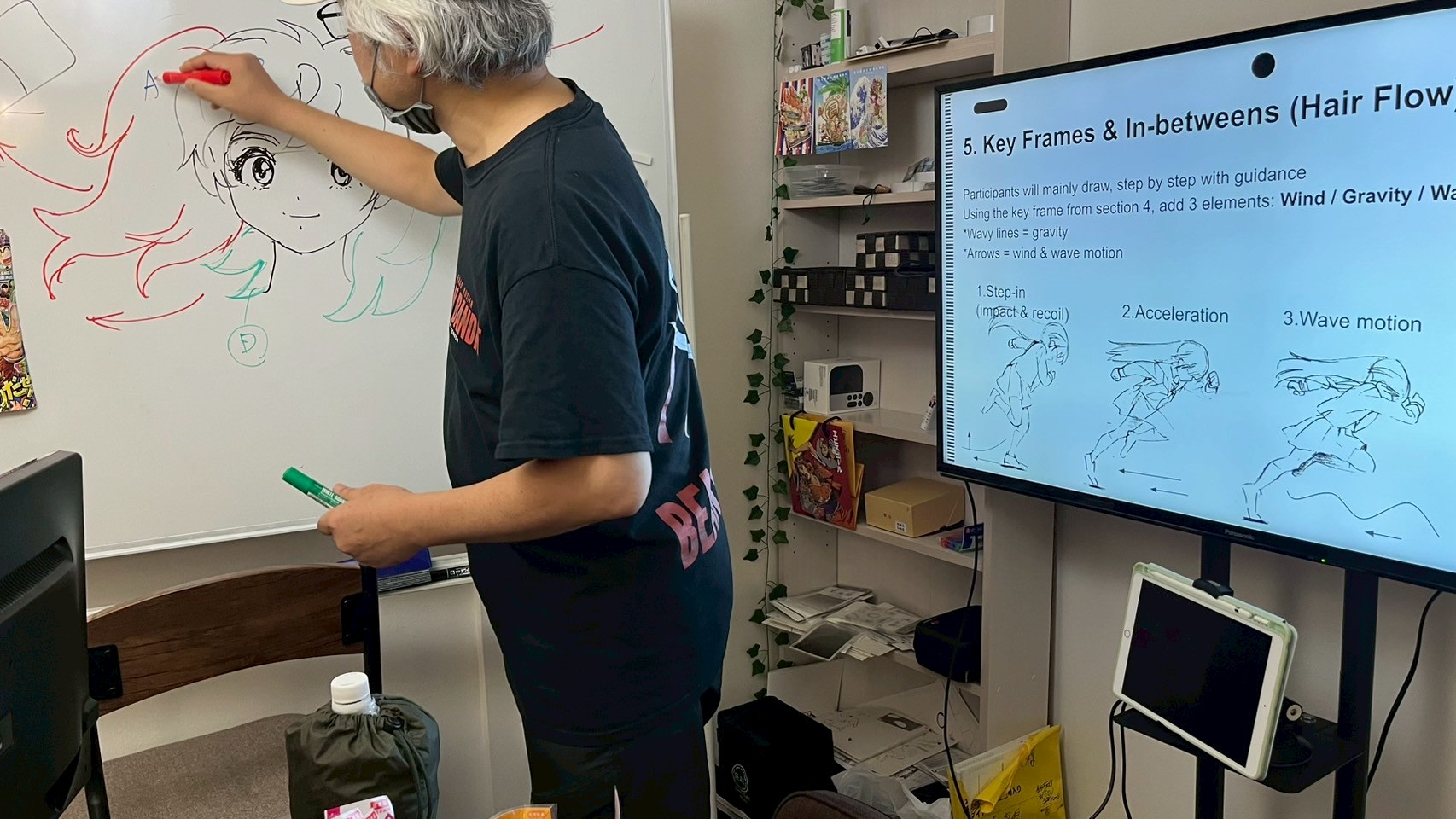
Even if you’ve never analyzed anime before—if you love anime, you’ll leave seeing both Tokyo and anime in a completely new light, and enjoying them many times more. Small-group tour led by a former anime production staff member, blending insider know-how with research-based insight.
Available options
Decode Tokyo Anime Visual Grammar Tour
What's included
Public transportation
Detailed itinerary
1
Stop 1
The tour begins at Akihabara Station, meeting in front of the well-known Yostar Official Shop Akihabara Station.
Note: This tour involves about 1.5 miles (2.5 km) of walking, plus train travel and occasional stairs. Please wear comfortable walking shoes. Transportation costs for train travel are included in the tour fee.
2
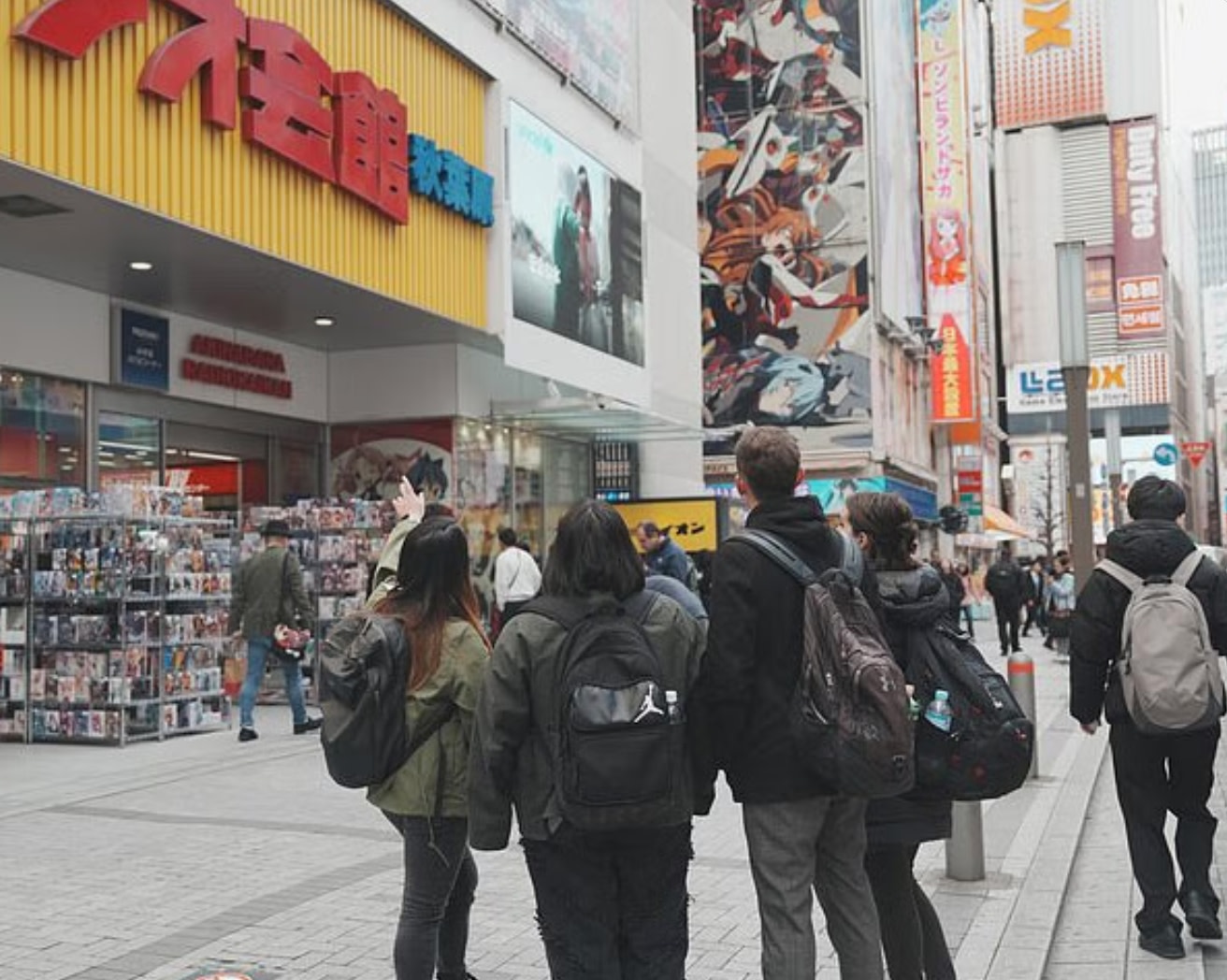
Globally recognized as a center of otaku culture, Akihabara has been culturally diminished for the past decade. Once, it was an important subject actively reimagined as a derivative work (fan-made reinterpretation) within anime, manga, and games. Today, it is instead a derivative work of the fictional Akihabara portrayed in media.
That does not mean Akihabara is no longer worth visiting. Derivative works are a central theme not only in Japanese otaku culture but also in the very concept of ANIMESCAPE.
Moreover, the visual landscape of mass consumption shaped during otaku culture’s golden age remains strikingly vivid. Yodobashi Akiba—a massive electronics store and consumer hub—is a prime example. Here, you can gain fundamental insights into the core components of Animescape. It is one of the most stimulating starting points for understanding how real spaces can feel drawn, and how drawn spaces can feel real.
3
If Yodobashi Akiba represents today’s consumer spectacle, Tokyo Radio Department Store preserves an earlier phase of Japanese consumer culture—the 1980s.
It may appear retro or nostalgic at first, but this is no themed recreation. These shops aren't selling the past—they simply haven’t changed.
Japan’s bubble economy collapsed in the early 1990s, beginning a long stagnation. The Nikkei Index only returned to its 1989 peak in 2024. Many view this building as a silent remnant of that golden age, visually preserved through decades of economic winter.
But for those who’ve already experienced Yodobashi Akiba’s contemporary visual grammar, this place may feel less like a contrast and more like a continuation.
Tokyo Radio Department Store reveals how ANIMESCAPE—the strange overlap of anime and reality—isn’t only spatial but also temporal. It lives not just across neighborhoods, but across decades, linking past and present through a shared visual logic.
4
Stop 4
Tokyo Station is the heart of Japan’s railway network, but, surprisingly, it is also a hub for “food.” Here, however, it is not about sitting down in restaurants—it is about “bento,” boxed meals designed to be eaten while traveling by train or bus. Shaped by a blend of travel, dining, consumer, entertainment, and information cultures, the Japanese bento continues to evolve through fierce competition—not merely for visual beauty, but for a harmony between aesthetic elegance and mouth-watering appeal. This makes it distinct not only from the West, but from anything found in the rest of Asia.
Within the station, we’ll guide you into its famously chaotic bento market. You might wonder why a bento shop is part of this tour, but here, too, you’ll find essential elements of ANIMESCAPE. While deepening the various concepts and rules first encountered in Akihabara, this stop adds the elements of “color design” and “everyday-life scenes in anime.”
5
Stop 5
From Tokyo Station, we walk through Yurakucho to Hibiya, exploring underground arcades, station passageways, and the spaces beneath elevated train tracks. You might think these are just random, mundane places—but they are essential to understanding ANIMESCAPE.
In Tokyo, surface railways and subways are woven together as densely as a neural network, with stations acting like synapses that link the two layers. For those who live here, daily life is inseparable from trains and stations, shaping not only their sense of movement through the city and their behavior in public spaces, but also their very kinesthetic sense of the body. This tour reveals how these everyday structures leave a deep visual and cultural imprint on anime—and even influence the Japanese bodily sense itself, extending all the way to the sakuga (animation drawing) that brings anime to life.
6
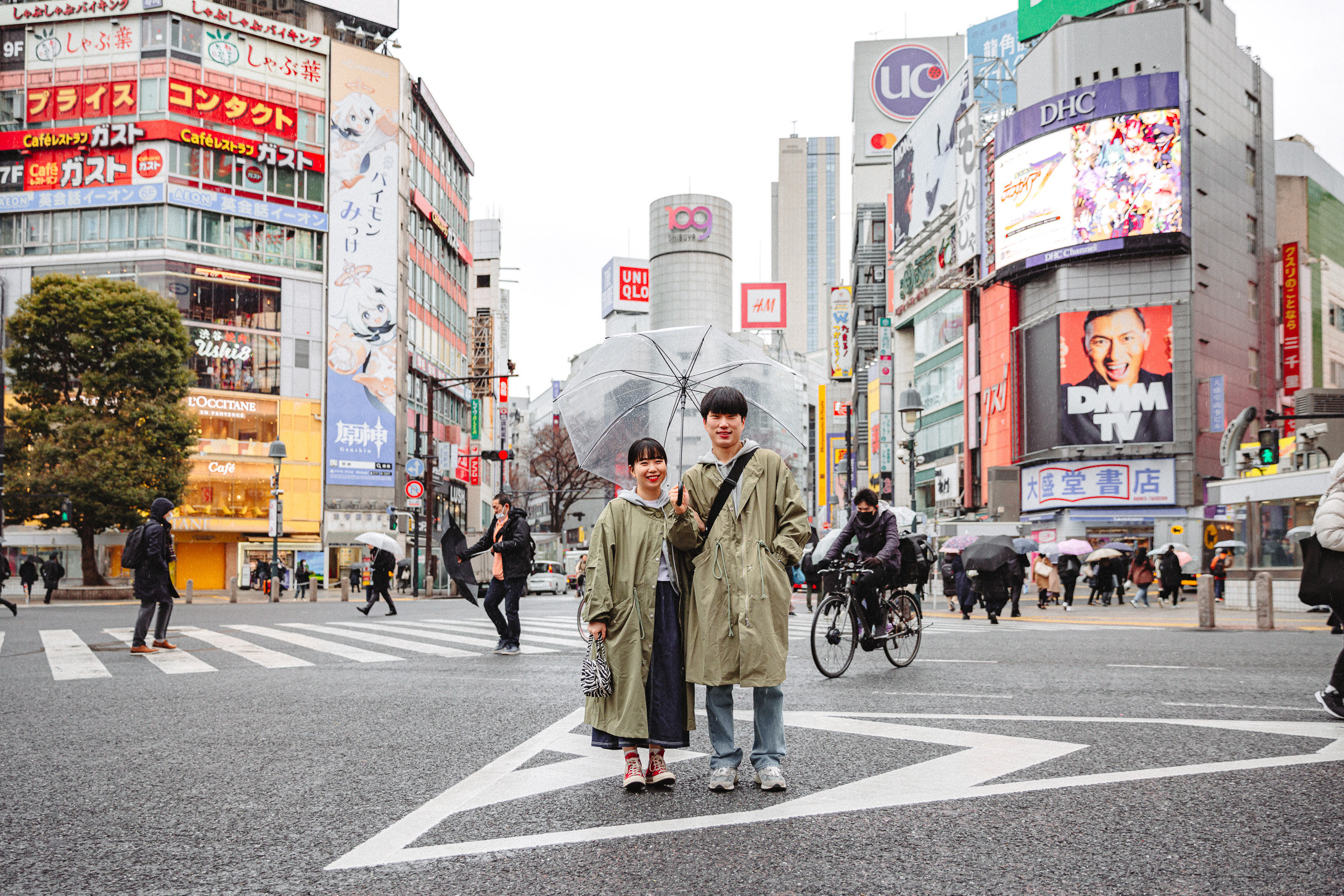
In Shibuya, we’ll explore the real-life locations featured in the Shibuya Incident arc of Jujutsu Kaisen. Shibuya’s cultural energy and constant cycle of redevelopment have a direct impact on anime creators, making it—alongside Shinjuku—one of the most “anime-like” districts in Tokyo.
Here, we’ll walk the same streets and see the city from the same viewpoints as in the anime. This “back-and-forth” between reality and animation creates an experience where the two worlds overlap and their boundaries dissolve—a vivid, living way to understand ANIMESCAPE.
Our tour covers key highlights: where Gojo Satoru was sealed after fighting alone, the battleground of Yuji Itadori and Choso, the meeting of Megumi Fushiguro and his father, the spot where Jogo incinerated three sorcerers, and Nanami’s final stand. At each site, your guide will assist with positioning and photos so you can capture the moment just like your favorite characters.
7
Stop 7
Your final stop is the world-famous Shibuya Scramble Crossing. After walking across and experiencing it for yourself, we’ll take you to a special indoor viewpoint—one that most tourists never visit. From here, you’ll enjoy a sweeping view of Shibuya’s vibrant cityscape, with the iconic crossing at its heart. It’s the perfect finale to immerse yourself in the dynamic energy of Tokyo.
Available languages
Guide guide
EN
Important information
Public transportation options are available nearby
Not recommended for travelers with spinal injuries
Not recommended for pregnant travelers
Not recommended for travelers with poor cardiovascular health
Suitable for all physical fitness levels
Meeting point
We will meet just outside the JR Akihabara Station Central Gate, in front of the Yostar Shop Akihabara Station entrance.
A detailed access guide and information about the guide’s clothing and meeting point signs will be sent via email.
About Tokyo
Tokyo, the capital of Japan, is a bustling metropolis that beautifully blends traditional culture with cutting-edge technology. Known for its neon-lit streets, historic temples, and world-class cuisine, Tokyo offers a unique experience that caters to every type of traveler.
Top Attractions
Senso-ji Temple
Senso-ji is Tokyo's oldest temple and one of its most significant. The temple's massive lantern and five-story pagoda are iconic landmarks.
Historical/Religious
1-2 hours
Free (small fee for some areas)
Meiji Shrine
Meiji Shrine is a Shinto shrine dedicated to the deified spirits of Emperor Meiji and his wife, Empress Shoken. It is surrounded by a beautiful forest.
Historical/Religious
1-2 hours
Free
Shibuya Crossing
Shibuya Crossing is the world's busiest pedestrian crossing and a symbol of Tokyo's bustling urban life. It's a must-see for its chaotic yet orderly nature.
Cultural
30 minutes to 1 hour
Free (¥2,200 for Shibuya Sky)
Tokyo Skytree
Tokyo Skytree is the tallest tower in Japan and the second tallest freestanding structure in the world. It offers breathtaking views of the city.
Architecture
2-3 hours
¥2,100 to ¥3,100 (USD $15 to $22)
Odaiba
Odaiba is a man-made island in Tokyo Bay known for its shopping, dining, and entertainment options. It's a great place for families and tech enthusiasts.
Entertainment
Half day to full day
Varies by attraction
Must-Try Local Dishes
Sushi
Fresh raw fish served on vinegared rice, a staple of Japanese cuisine.
Dinner
Contains fish, can be vegetarian with substitutes.
Ramen
Noodle soup with various broths and toppings, a popular comfort food.
Lunch/Dinner
Vegan and vegetarian options available.
Tempura
Deep-fried seafood and vegetables, known for its crispy texture.
Lunch/Dinner
Contains seafood and deep-fried ingredients.
Okonomiyaki
Savory pancake with various ingredients, often topped with sauce and bonito flakes.
Lunch/Dinner
Contains seafood and can be made vegetarian.
Popular Activities
Hiking in the nearby mountains
Parasailing at Odaiba
Onsen (hot spring) visits
Tea ceremonies
Traditional tea ceremonies
Kimono rentals and photo shoots
Boat tours on the Sumida River
Beach activities at Odaiba
Best Time to Visit
March to May (Spring) and September to November (Autumn)
These seasons offer comfortable temperatures and beautiful scenery, with cherry blossoms in spring and vibrant foliage in autumn. However, these are also the busiest times for tourism.
10°C to 25°C (50°F to 77°F)
50°F to 77°F
Practical Information
Language
- Official: Japanese
- Widely spoken: English, Chinese, Korean
- English: Moderately spoken in tourist areas, limited elsewhere
Currency
Japanese Yen (JPY)
Time Zone
GMT+9
Electricity
100VV, 50/60HzHz
Safety Information
Overall Safety Rating: Very safe
Tokyo is generally very safe, with low crime rates and a strong emphasis on public order. However, petty crimes like pickpocketing can occur in crowded areas.
Important Precautions:
- • Be cautious of your belongings in crowded areas.
- • Use licensed taxis and check fares before getting in.
- • Be aware of your surroundings, especially at night.
Getting there
By air
- Narita International Airport • 60 km (37 miles) from city center
- Haneda Airport • 15 km (9 miles) from city center
By train
Tokyo Station, Shinjuku Station
By bus
Tokyo Station Bus Terminal, Shinjuku Expressway Bus Terminal
Getting around
Public transport
Tokyo's subway system is efficient, clean, and punctual. It consists of multiple lines operated by Tokyo Metro and Toei Subway.
Taxis
Available • Apps: JapanTaxi, DiDi
Rentals
Car, Bike, Scooter
Neighborhoods
Shibuya
Shinjuku
Asakusa
Ginza
Akihabara
Day trips
Nikko
120 km (75 miles) from Tokyo • Full day
Nikko is a city known for its beautiful shrines, temples, and natural scenery. It's a UNESCO World Heritage site and offers a peaceful retreat from the bustling city.
Kamakura
50 km (31 miles) from Tokyo • Half day to full day
Kamakura is a coastal town known for its historic temples, shrines, and the Great Buddha statue. It's a great place to experience traditional Japanese culture.
Hakone
90 km (56 miles) from Tokyo • Full day or overnight
Hakone is a hot spring resort town known for its onsen (hot springs), scenic views of Mount Fuji, and the Open-Air Museum. It's a popular destination for relaxation and nature.
Festivals
Sannō Matsuri • Mid-June (every 2 years)
Kanda Matsuri • Mid-May (every 2 years)
Sumida River Fireworks Festival • Last Saturday of July
Pro tips
- Use IC cards like Suica or Pasmo for convenient and discounted public transport.
- Download useful apps like Google Maps, Japan Transit Planner, and Japan Travel by Navitime.
- Learn a few basic Japanese phrases to enhance your experience and show respect for the local culture.
- Carry cash, as some smaller shops and restaurants may not accept credit cards.
- Visit popular attractions early in the morning or late in the afternoon to avoid crowds.
From $25
per person
Price varies by option
Secure booking
Free cancellation available
Instant confirmation