Full Day Malta Tour Private Van
Active
8h
For a full refund, cancel at least 24 hours before the scheduled departure time.
Manual confirmation
Mobile or paper ticket accepted
About this experience
Your tour takes you on a journey through Malta’s most captivating highlights, including the ancient city of Mdina, the stunning Blue Grotto, the Limestone Heritage, the majestic Dingli Cliffs, the colorful fishing village of Marsaxlokk, and the historic Three Cities. What makes this experience unique is the chance to go beyond sightseeing—you’ll immerse yourself in Malta’s rich culture, uncover fascinating stories, and enjoy authentic encounters that bring the island’s traditions to life. From breathtaking views to vibrant markets and centuries of history, every stop offers something special. Ideal for adventure seekers, culture enthusiasts, and families alike, this tour blends exploration, discovery, and unforgettable memories in one remarkable journey.
Travel in a spacious fully air conditioned 9-seater van perfect for families and groups of up to 8 persons.
Available options
Full Day Malta Tour Private Van
Pickup included
What's included
Bottled water
Detailed itinerary
1
Stop 1
Mdina, often called The Silent City, is a fortified medieval town in central Malta. It was the island’s old capital and dates back over 4,000 years, with roots in Phoenician, Roman, and Arab periods. Known for its narrow winding streets, limestone architecture, and panoramic views over the island, Mdina offers landmarks such as St. Paul’s Cathedral, the Mdina Dungeons, and the city walls. Today, it’s a quiet, picturesque spot with a small population, charming cafes, and museums, making it one of Malta’s top attractions.
2
The Dingli Cliffs in Malta are the island’s highest point, rising about 250 meters above sea level. Located on the island’s western coast near the village of Dingli, they offer breathtaking panoramic views of the Mediterranean Sea, Filfla islet, and the rugged Maltese countryside.
3
Stop 3
The Limestone Heritage Park and Gardens in Siggiewi, Malta, is an open-air museum and attraction celebrating the island’s limestone and stonework traditions. It features interactive exhibits, historic stone-cutting demonstrations, landscaped gardens, and a restored quarry that tells the story of Malta’s architectural heritage. Visitors can explore Malta’s geology, stone craft techniques, and cultural history, all set in a peaceful garden environment. Admission price is Euro 10.00 per adult and Euro 4.00 per child
4
Stop 4
Pass by
Ħaġar Qim and Mnajdra are UNESCO World Heritage megalithic temple complexes on Malta’s southern coast, dating from around 3600–2500 BC. Ħaġar Qim, located on a hilltop, features massive limestone slabs and intricate carvings, while Mnajdra, just downhill, is aligned with the solstices and equinoxes. Both sites offer insights into Malta’s prehistoric culture and beliefs, with a visitor center providing interactive exhibits and archaeological context.
5
Stop 5
The Blue Grotto, on Malta’s southern coast near Żurrieq, is a series of sea caves famous for their dazzling blue water caused by sunlight reflecting off the white sandy seabed. The main arch and surrounding caves can be visited by boat, especially in the morning when light conditions are best. It’s a popular spot for photography, diving, and enjoying stunning coastal views. A boat ride here is optional. Extra time for lunch.
6
Marsaxlokk is a traditional fishing village in southeastern Malta, known for its colorful luzzus (painted wooden fishing boats) and lively Sunday fish market. The waterfront is lined with seafood restaurants, and the bay offers a picturesque setting steeped in Maltese maritime heritage. It’s also a great spot to experience local culture and coastal charm.
7
Stop 7
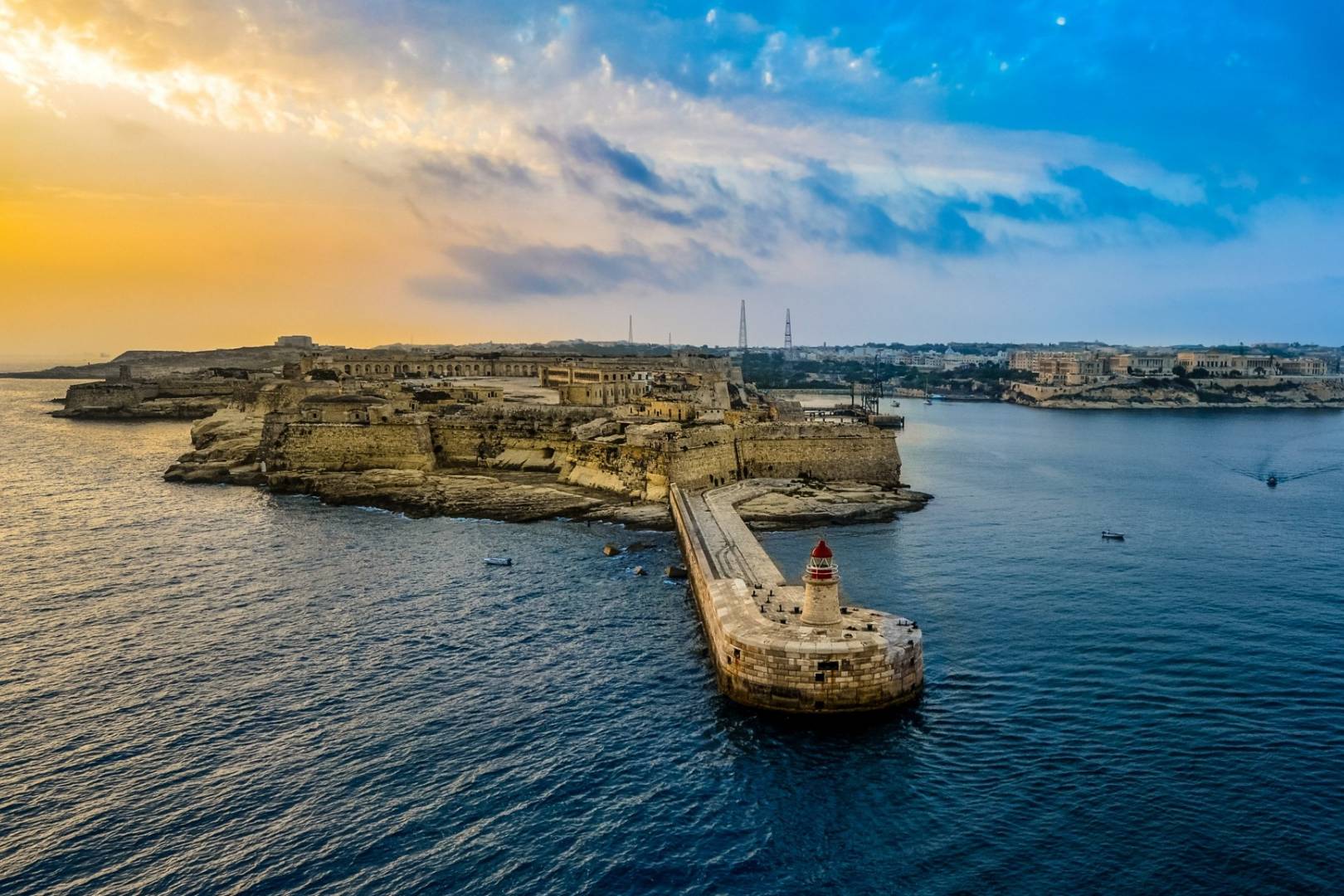
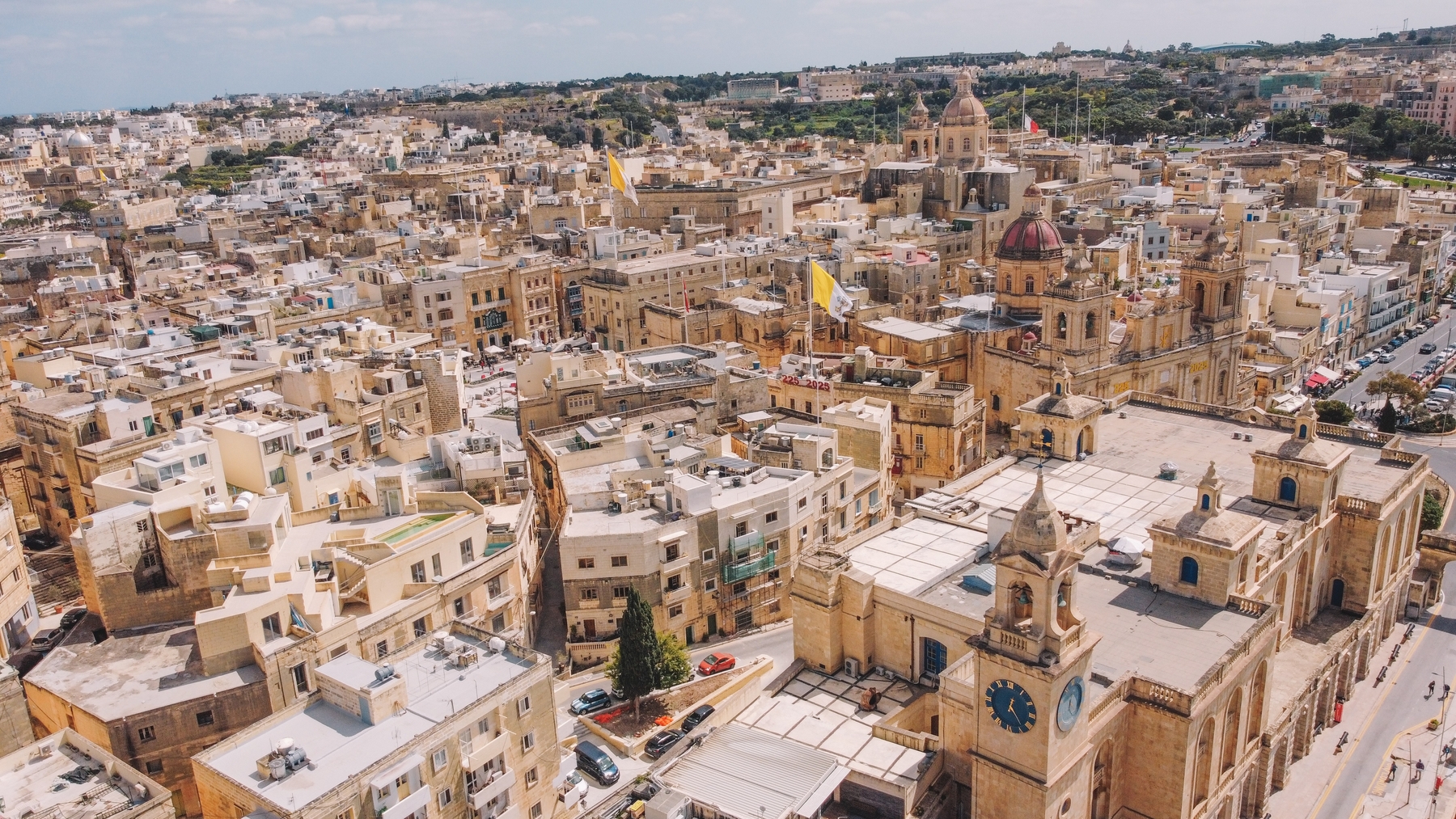
The Three Cities—Vittoriosa (Birgu), Senglea (Isla), and Cospicua (Bormla)—are historic fortified towns across the Grand Harbour from Valletta. Rich in maritime and military history, they feature narrow streets, bastions, churches, and waterfront promenades. Known as the cradle of Maltese history, the area played a key role during the Knights of St. John and the Great Siege of 1565, and today offers museums, marinas, and authentic local life.
Important information
Infants and small children can ride in a pram or stroller
Public transportation options are available nearby
Specialized infant seats are available
Suitable for all physical fitness levels
About Valletta
Valletta, the capital of Malta, is a UNESCO World Heritage site known for its rich history, stunning architecture, and vibrant culture. This fortified city offers a blend of medieval, Renaissance, and Baroque influences, making it a unique destination for history enthusiasts and travelers seeking Mediterranean charm.
Top Attractions
St. John's Co-Cathedral
A masterpiece of Baroque architecture, St. John's Co-Cathedral is one of Valletta's most iconic landmarks. It was built by the Knights of St. John in the 16th century and features stunning interiors, including Caravaggio's famous painting 'The Beheading of St. John the Baptist'.
Religious/Historical
1-2 hours
€10
Upper Barrakka Gardens
Located on the highest point of Valletta's fortifications, the Upper Barrakka Gardens offer panoramic views of the Grand Harbour and the Three Cities. The gardens are a peaceful retreat and a perfect spot to enjoy the city's skyline and maritime heritage.
Nature/Historical
30-60 minutes
Free
Grandmaster's Palace
The Grandmaster's Palace served as the residence of the Grand Masters of the Knights of St. John. Today, it houses the Maltese Parliament and the Palace State Rooms, which are open to the public. The palace is a prime example of Maltese Baroque architecture and offers a glimpse into the island's rich history.
Historical/Museum
1-2 hours
€10 for the State Rooms and Armory
The National Museum of Archaeology
Housed in the historic Auberge de Provence, the National Museum of Archaeology showcases Malta's prehistoric heritage, including artifacts from the Neolithic and Bronze Age periods. The museum's highlights include the famous 'Sleeping Lady' figurine and the Hypogeum of Ħal Saflieni replicas.
Museum
1-2 hours
€5
Valletta Waterfront
The Valletta Waterfront is a vibrant area located along the Grand Harbour. It features a mix of historic buildings, restaurants, bars, and shops. The waterfront is a popular spot for dining, leisurely walks, and enjoying the city's maritime atmosphere.
Entertainment/Historical
1-2 hours
Free to explore, varying costs for dining and activities
Must-Try Local Dishes
Ftira
A traditional Maltese bread roll, often filled with tuna, olives, capers, and fresh tomatoes. It is a popular breakfast or snack item.
Breakfast/Snack
Can be made vegetarian by omitting the tuna.
Pastizzi
A flaky pastry filled with ricotta cheese or peas. Pastizzi are a popular street food item and can be found in bakeries throughout Malta.
Snack
Vegetarian.
Rabbit Stew (Fenek)
A traditional Maltese dish made with rabbit, wine, garlic, and herbs. It is often served with potatoes and is a staple of Maltese cuisine.
Dinner
Not suitable for vegetarians or vegans.
Stuffed Squid (Kappunata)
A popular seafood dish made with squid stuffed with a mixture of breadcrumbs, herbs, and spices, then cooked in a tomato sauce.
Dinner
Not suitable for vegetarians or vegans.
Popular Activities
Boat tours
Snorkeling and diving
Hiking and nature walks
Beach hopping
Sunbathing
Enjoying a spa day
Exploring historic sites
Visiting museums and cathedrals
Best Time to Visit
April to June, September to October
The best time to visit Valletta is during spring and autumn when the weather is pleasant, and the tourist crowds are smaller compared to the summer peak season. These months offer ideal conditions for exploring the city's historic sites and enjoying outdoor activities.
18-30°C
64-86°F
Practical Information
Language
- Official: Maltese, English
- Widely spoken: English, Italian
- English: Widely spoken
Currency
Euro (EUR)
Time Zone
GMT+1 (Central European Time, CET), GMT+2 (Central European Summer Time, CEST) during daylight saving time
Electricity
230VV, 50HzHz
Safety Information
Overall Safety Rating: Generally safe
Valletta is generally a safe destination for travelers, with low crime rates and a welcoming atmosphere. However, as with any destination, it is essential to take basic safety precautions and be aware of your surroundings.
Important Precautions:
- • Keep valuables secure and be aware of your surroundings in crowded areas
- • Use licensed taxis or ride-sharing services, and agree on a fare before starting your journey
- • Be cautious of strangers approaching you with petitions or distractions
Getting there
By air
- Malta International Airport • 8 km (5 miles) from Valletta
By bus
Valletta Bus Terminus
Getting around
Public transport
Buses are the primary mode of public transport in Valletta and Malta. The network is well-connected, affordable, and frequent. Buses are equipped with modern facilities and are accessible for passengers with disabilities.
Taxis
Available • Apps: eBolt, eCabs
Rentals
Car, Bike, Scooter
Neighborhoods
The Three Cities
Sliema
Floriana
Day trips
Mdina
20 km (12 miles) from Valletta • Half day to full day
Mdina, also known as the 'Silent City,' is a medieval walled city located in the center of Malta. It is known for its historic architecture, narrow winding streets, and stunning views of the surrounding countryside. Mdina is a popular day trip destination for history enthusiasts and travelers seeking a glimpse into Malta's past.
Blue Grotto
10 km (6 miles) from Valletta • Half day
The Blue Grotto is a series of sea caves located on the southern coast of Malta. It is known for its stunning blue waters, dramatic rock formations, and the opportunity to take a boat tour into the caves. The Blue Grotto is a popular day trip destination for nature lovers and adventure seekers.
Gozo
50 km (31 miles) from Valletta • Full day or overnight
Gozo is a small island located northwest of Malta, known for its stunning natural beauty, historic sites, and laid-back atmosphere. It is a popular day trip or overnight destination for travelers seeking a more relaxed pace and a chance to explore Malta's rural charm.
Festivals
Malta Arts Festival • July
Valletta International Baroque Festival • January
Notte Bianca • October
Pro tips
- Visit Valletta during the shoulder or off-peak seasons to avoid crowds and enjoy lower prices
- Explore the city's historic sites and attractions early in the morning or late in the afternoon to avoid the heat and crowds
- Use public transport, walk, or rent a bicycle to get around Valletta and the surrounding areas
- Try local dishes and specialties, such as pastizzi, ftira, and rabbit stew, at traditional bakeries, markets, and restaurants
- Take a boat tour or ferry to explore the surrounding islands and regions, such as Gozo, Comino, and the Three Cities
From $25
per person
Price varies by option
Secure booking
Free cancellation available