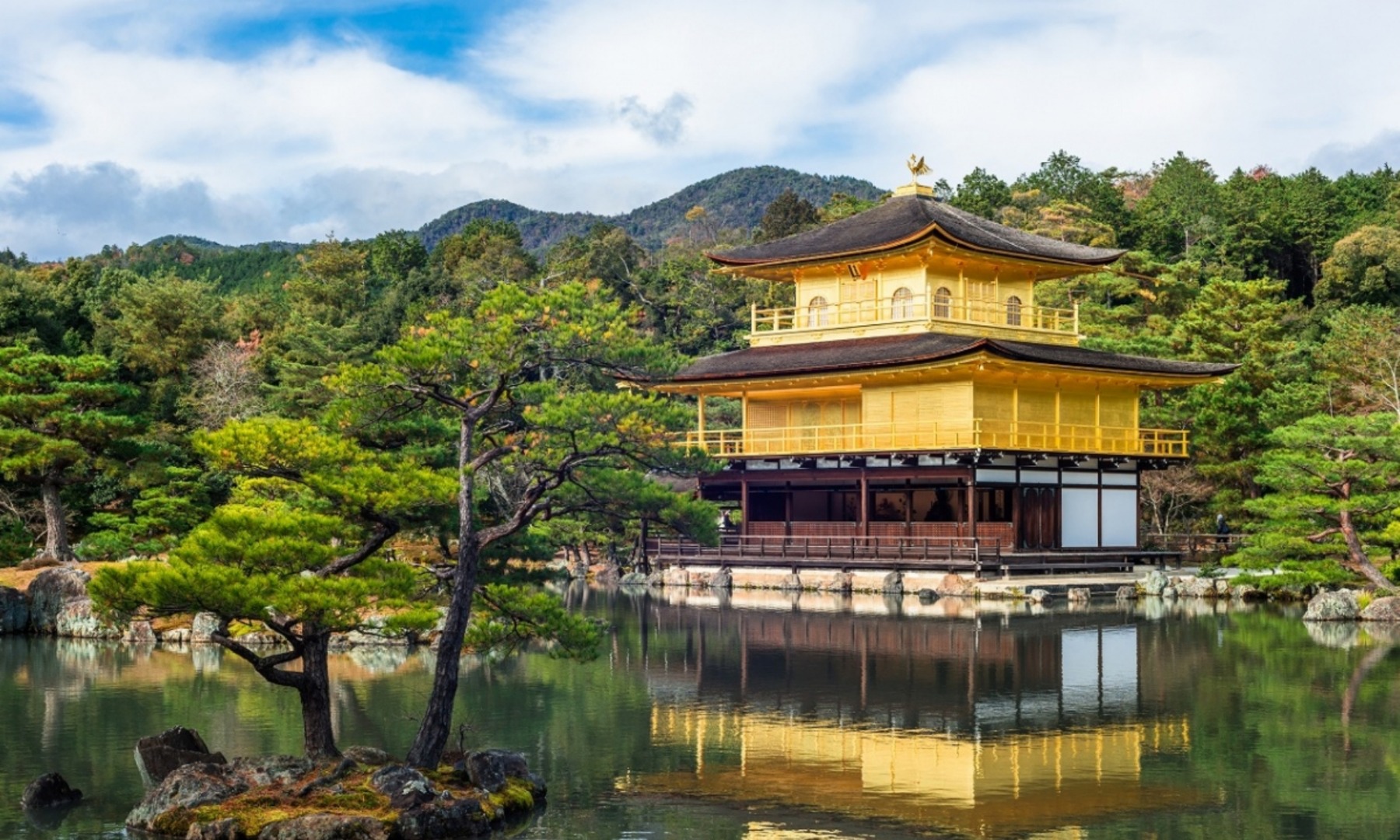
Kyoto Private Tour: History & Culture – Local Japanese Guide
Active
8h
For a full refund, cancel at least 24 hours before the scheduled departure time.
Instant confirmation
Mobile or paper ticket accepted
About this experience
Experience Kyoto’s timeless beauty on a Kyoto private tour led by a knowledgeable travel guide in Kyoto. This private tour in Kyoto begins with a smooth train ride from Osaka to the cultural heart of Japan, where famous Kyoto tourist attractions and quiet local spots await.
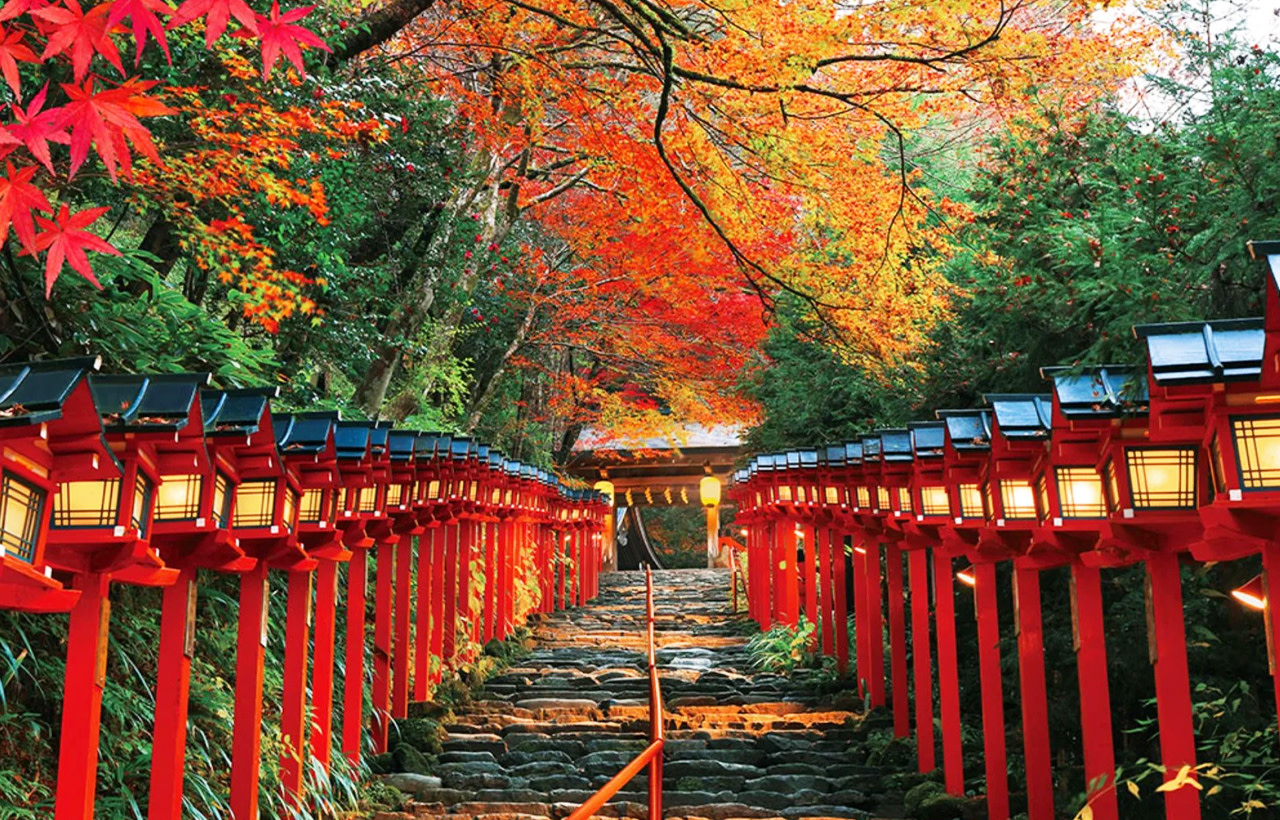
Visit Fushimi Inari Shrine with its endless red torii gates and explore Kiyomizu-dera Temple, known for its sweeping city views. Your guide will share stories about Kyoto’s history, traditions, and spirit as you walk through iconic streets and sacred sites.
This walking tour in Kyoto is fully customizable. Your guide will shape the day around your interests—whether you want to explore classic temples, old neighborhoods, or hidden corners that most travelers miss.
Perfect for visitors who want a deeper connection to the city, this Kyoto city tour blends culture, beauty, and local insight in one relaxed and flexible experience.
Book your Kyoto private tour today and make an unforgettable memory in Kyoto
Available options
Authentic Private Tour from Osaka to Kyoto with a Native Expert
Spanish speaking guide
What's included
Public transportation
Guided tour with personal commentary throughout the day
Entrance fee to the Kiyomizudera Temple,
Hotel Pickup
Detailed itinerary
1
We’ll meet at your hotel and head together to either Osaka Station or Namba Station, depending on your location. From there, we’ll take a train to your first stop, Fushimi Inari Shrine. The journey from Osaka Station takes about 45 minutes, offering a comfortable start to your day.
2
Stop 2
Begin your journey at Fushimi Inari Shrine, one of Japan’s most visited Shinto shrines, founded in 711 AD and serving as the head shrine for thousands of Inari sites. The highlight is undoubtedly the ”Senbon Torii”, the tunnel of vermilion gates—part of a mesmerizing path of nearly 10,000 torii, each donated by individuals or businesses in gratitude for prosperity and good fortune. Throughout the shrine, fox statues appear as guardians. In Shinto belief, foxes—kitsune—are messengers of Inari, the deity of rice, business success, and well-being.
3
Stop 3
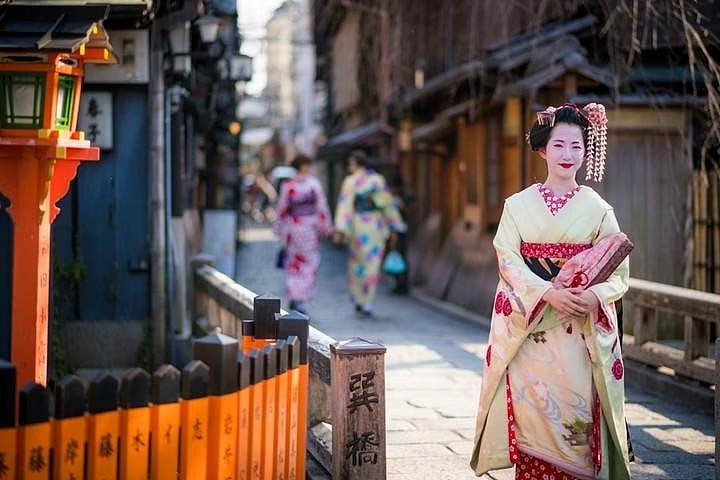
We’ll stroll through Pontocho, a narrow historic alley that’s one of Kyoto’s five geisha districts. Lined with traditional wooden buildings and glowing lanterns, this charming street offers an atmospheric glimpse into the city’s cultural heritage. By day, it’s quiet and picturesque; by evening, it comes alive with teahouses, restaurants, and the chance—if you’re lucky—to spot a geisha or maiko on her way to an appointment.
4
Stop 4
From Fushimi Inari Shrine, we’ll take a short 15-minute train ride to Nishiki Market, a lively arcade that’s been serving locals for over 400 years. Known as “Kyoto’s Kitchen”, it’s packed with colorful stalls selling fresh seafood, seasonal produce, pickles, sweets, and local snacks you won’t find anywhere else. The bustling atmosphere, mouthwatering aromas, and friendly shopkeepers make it a feast for all senses.
5
We’ll enjoy lunch around Gion, Nishiki Market, or Kawaramachi, depending on your preference. Whether you’re craving sushi, crispy tempura, hearty udon, or savory okonomiyaki, I’ll guide you to one of my top spots for the best flavors in town.
6
Step onto Hanamikoji Street in Gion and feel as though you’ve stepped back in time. This famous cobblestone lane, lined with wooden machiya townhouses, showcases Kyoto’s traditional craftsmanship and timeless charm. Many buildings date back centuries and feature classic details like red latticework and bamboo fences.
I’ll point out historic tea houses and introduce you to the world of geiko (Kyoto geisha) and maiko (their apprentices). If fortune strikes, you may spot one weaving gracefully through the lantern-lit evening.Adding to the intrigue, Hanamikoji is home to the exclusive Ichiriki Chaya, one of Gion’s most iconic tea houses. This hidden gem has hosted secrets and stories for over 300 years, blending elegance with history.
7
Tucked away in Kyoto’s Gion district, Yasui Konpiragū Shrine is famous for helping people cut unwanted ties—whether that’s a toxic relationship, a bad habit, or lingering negativity—and for building good new connections in life.
At the heart of the shrine stands a unique stone monument with a round opening. Visitors write their wishes on special paper, crawl through the hole to “break” from the past, then back through to “welcome” the future. It’s a curious and meaningful ritual that has drawn locals and travelers for generations, making this spot both spiritual and unforgettable.
8
Kiyomizudera Temple, a UNESCO World Heritage site, is one of Kyoto’s most celebrated landmarks. Built without a single nail, its massive wooden stage extends over the hillside, offering sweeping views of the city and seasonal beauty—from pink cherry blossoms in spring to fiery autumn leaves.
The temple’s name means “Pure Water Temple,” inspired by the Otowa Waterfall, where visitors drink from three streams said to grant health, love, or academic success. This blend of stunning scenery, architectural wonder, and spiritual tradition makes Kiyomizudera an unmissable Kyoto experience.
9
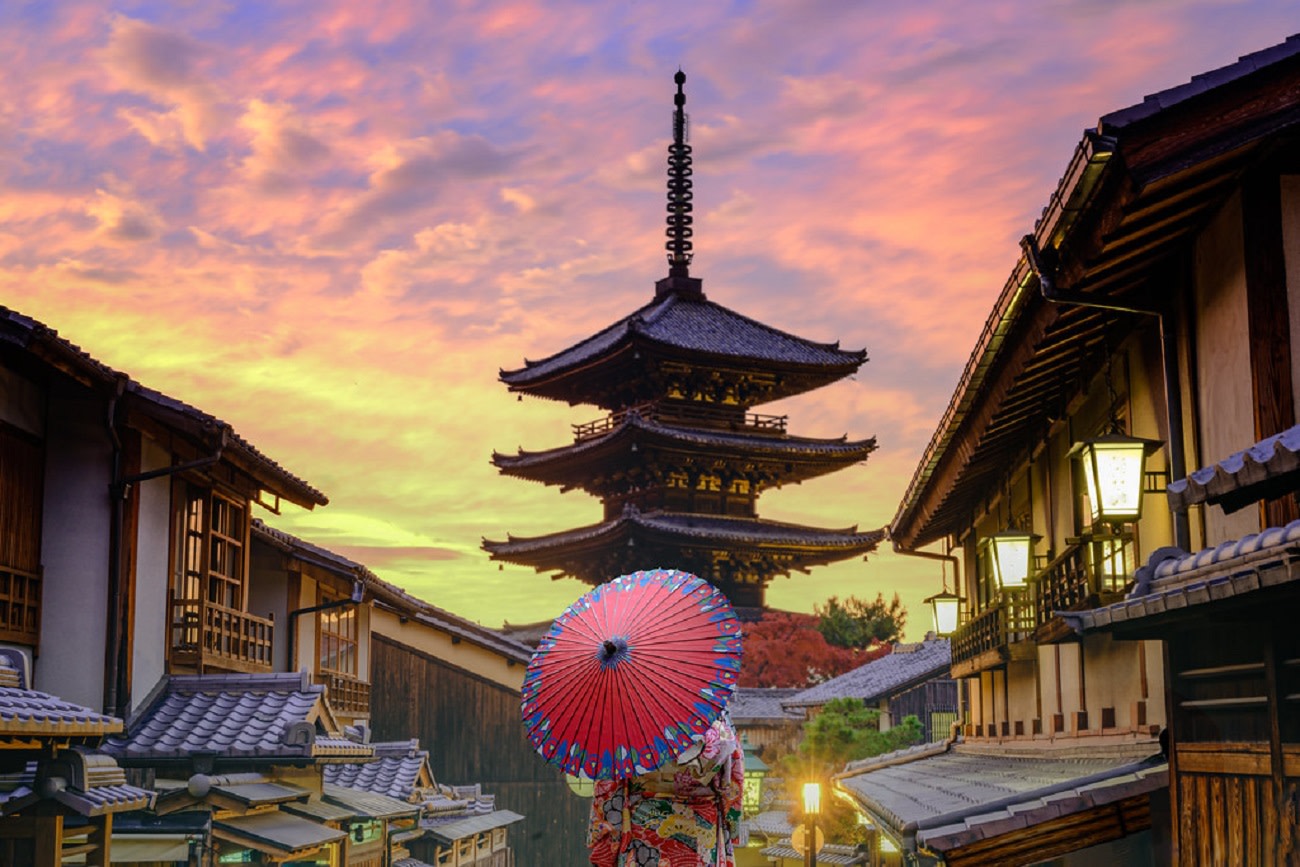
Hōkan-ji Temple, better known as Yasaka Pagoda, is one of Kyoto’s most photographed landmarks. Standing gracefully at five stories, it is among the tallest pagodas in Japan and dates back to the 6th century. Its elegant silhouette rises above the preserved streets of Higashiyama, creating a postcard-perfect view that blends history and charm.
As you stroll past traditional wooden townhouses, the pagoda offers a timeless backdrop—especially enchanting in the soft glow of morning or late afternoon light. For many, it’s a symbol of Kyoto itself.
10
Stop 10
Yasaka Shrine is a prominent Shinto shrine famous for its bright red gates and lively festivals, including the famous Gion Matsuri held every July. Nestled in Kyoto’s historic Gion district, it serves as a vibrant cultural hub where tradition and community come alive. We’ll pass through the shrine on your route unless you’d like to stop and explore.
11
From Kawaramachi Station, we’ll catch a train back to Osaka Station. The journey typically takes around 50 minutes, giving you a comfortable ride to end your day.
What's not included
Lunch
Admission fee for the temples or other attractions
Private transportation
Available languages
Guide guide
JA
EN
Important information
Wheelchair accessible
Public transportation options are available nearby
Transportation options are wheelchair accessible
Not recommended for travelers with spinal injuries
Not recommended for pregnant travelers
Not recommended for travelers with poor cardiovascular health
Travelers should have at least a moderate level of physical fitness
Meeting point
The guide will be waiting for you with a sign with the lead travelers name
Important notes
https://bestadventurekansai.com/
About Osaka
Osaka is a vibrant, bustling city known for its rich culinary scene, historic sites, and modern entertainment. As Japan's second-largest metropolitan area, it offers a dynamic mix of traditional culture and contemporary urban life.
Top Attractions
Osaka Castle
A iconic symbol of Osaka, this castle was originally built in the 16th century and has been beautifully restored. It offers a glimpse into Japan's feudal history and features a museum and scenic park.
Historical
2-3 hours
600 JPY
Dotonbori
A lively and colorful entertainment district known for its neon lights, street food, and vibrant nightlife. Dotonbori is a must-visit for foodies and those looking to experience Osaka's energetic atmosphere.
Entertainment
2-3 hours
Free (food and shopping vary)
Universal Studios Japan
A popular theme park featuring attractions based on famous movies and characters, including Harry Potter, Super Nintendo World, and Jurassic Park. It's a great destination for families and thrill-seekers.
Entertainment
Full day
8,400-10,600 JPY (varies by season and tickets)
Osaka Aquarium Kaiyukan
One of the largest aquariums in the world, featuring a wide variety of marine life, including whales, sharks, and penguins. The aquarium is known for its impressive exhibits and educational programs.
Nature
2-3 hours
2,600 JPY
Shinsekai
A retro district with a nostalgic atmosphere, featuring the iconic Tsutenkaku Tower and a variety of local eateries. Shinsekai is known for its unique blend of old and new, offering a glimpse into Osaka's past.
Cultural
1-2 hours
Free (food and shopping vary)
Must-Try Local Dishes
Takoyaki
Octopus-filled batter balls, cooked to perfection and topped with savory sauces and bonito flakes. A must-try street food in Osaka.
Snack
Contains seafood, can be made vegetarian upon request
Okonomiyaki
A savory pancake made with cabbage, batter, and various toppings, cooked on a griddle. Often referred to as 'Japanese pizza.'
Dinner
Can be made vegetarian or vegan upon request
Kushikatsu
Deep-fried skewers of various meats, vegetables, and seafood, served with a dipping sauce. A specialty of the Shinsekai district.
Dinner
Contains seafood and meat, can be made vegetarian upon request
Ramen
Noodle soup dish with various broths, toppings, and noodle types. Osaka is known for its rich and flavorful ramen.
Lunch/Dinner
Can be made vegetarian or vegan upon request
Popular Activities
Hiking in the nearby mountains
Cycling tours
Kayaking and water sports
Onsen (hot spring) visits
Tea ceremonies
Gardens and parks
Temple and shrine visits
Traditional workshops (e.g., calligraphy, ikebana)
Best Time to Visit
March to May, September to November
These months offer pleasant weather with mild temperatures and lower humidity, making it ideal for sightseeing and outdoor activities. Cherry blossoms in March and April add to the appeal.
15-25°C
59-77°F
Practical Information
Language
- Official: Japanese
- Widely spoken: English (limited)
- English: Limited
Currency
Japanese Yen (JPY)
Time Zone
JST (GMT+9)
Electricity
100VV, 50/60HzHz
Safety Information
Overall Safety Rating: Very safe
Osaka is generally very safe, with low crime rates and a strong emphasis on public safety. However, as with any major city, it's important to be aware of your surroundings and take precautions to protect your belongings.
Important Precautions:
- • Keep valuables secure and out of sight
- • Be cautious of pickpockets in crowded areas
- • Use licensed taxis and reputable tour operators
Getting there
By air
- Kansai International Airport • 50 km from city center
- Itami Airport • 20 km from city center
By train
Osaka Station, Shin-Osaka Station
By bus
Osaka Station Bus Terminal, Umeda Bus Terminal
Getting around
Public transport
The Osaka Metro system is efficient, clean, and easy to navigate. It consists of eight lines that connect major attractions, shopping districts, and neighborhoods.
Taxis
Available • Apps: JapanTaxi, DiDi
Rentals
Car, Bike, Scooter
Neighborhoods
Umeda
Namba
Shin-Osaka
Tennoji
Day trips
Kyoto
50 km • Full day
A historic city known for its temples, shrines, and traditional architecture. Kyoto offers a glimpse into Japan's rich cultural heritage and is a must-visit for history and culture enthusiasts.
Nara
40 km • Half day to full day
A historic city known for its ancient temples, shrines, and the famous Nara Park, home to hundreds of free-roaming deer. Nara offers a mix of history, culture, and nature.
Kobe
30 km • Full day
A port city known for its historic sites, scenic views, and delicious beef. Kobe offers a mix of culture, history, and culinary delights.
Festivals
Tenjin Matsuri • July 24-25
Kishiwada Danjiri Matsuri • September 14-15
Osaka Castle Illumination • December (specific dates vary)
Pro tips
- Use an IC card, such as ICOCA or Suica, for easy and convenient payments on public transportation, vending machines, and convenience stores
- Try local specialties, such as takoyaki, okonomiyaki, and kushikatsu, at street food stalls and local restaurants
- Visit popular attractions early in the morning or late in the afternoon to avoid crowds and long lines
- Explore the city's unique neighborhoods, such as Dotonbori, Shinsekai, and Den Den Town, to experience the diverse culture and atmosphere of Osaka
- Take advantage of the city's extensive public transportation system, including the Osaka Metro, JR trains, and buses, to easily navigate and explore the city
From $25
per person
Price varies by option
Secure booking
Free cancellation available
Instant confirmation


![[Kyoto & Nara Day Trip] Arashiyama Train & Nara Park & Fushimi Inari Shrine's Thousand Torii Gates & Togetsukyo Bridge & Bamboo Forest Path & Kimono Forest (Departure from Osaka)](https://res.klook.com/image/upload/activities/nwrlvoqxc4roubxbiywr.jpg)
![[Osaka & Kyoto Popular Attractions Day Trip] Katsuo-ji Temple Prayer & Kinkaku-ji Temple Pilgrimage & Arashiyama Togetsukyo Bridge & Kimono Forest & Bamboo Forest Path & Nonomiya Shrine (Departure from Osaka or Kyoto)](https://res.klook.com/image/upload/activities/vbmyo4aavvh3pdvflg39.jpg)
![[Kyoto & Nara & Uji Day Trip] Nara Park's Adorable Deer & Fushimi Inari Shrine's Thousand Torii Gates & World Heritage Site Todai-ji Temple & Byodo-in Temple & Uji Matcha Food Street & Uji River & Uji Park & Asagiri Bridge Day Trip](https://res.klook.com/image/upload/activities/ldngpfhcjg0mts875udl.jpg)