Explore Hidden Gems of Hills of Ancient Rome Golf-Cart Tour
Active
2h - 3h
For a full refund, cancel at least 24 hours before the scheduled departure time.
Instant confirmation
Mobile or paper ticket accepted
About this experience
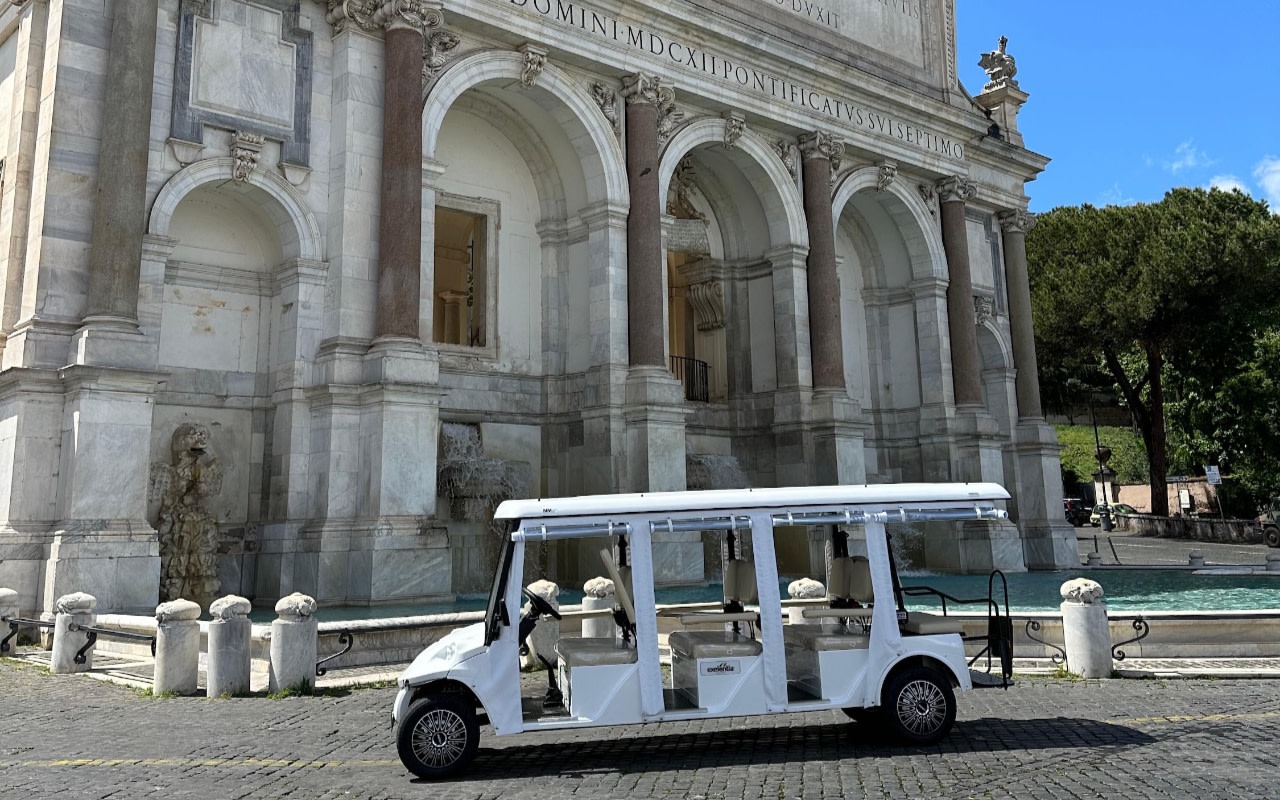
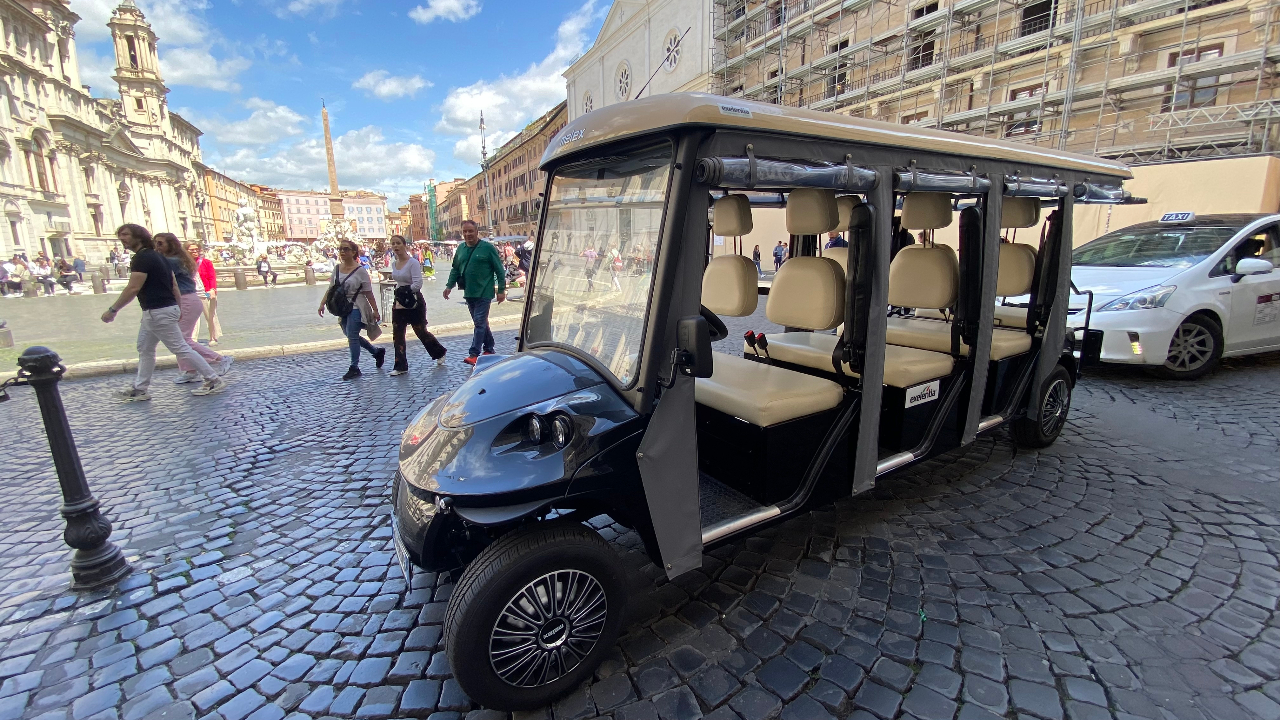
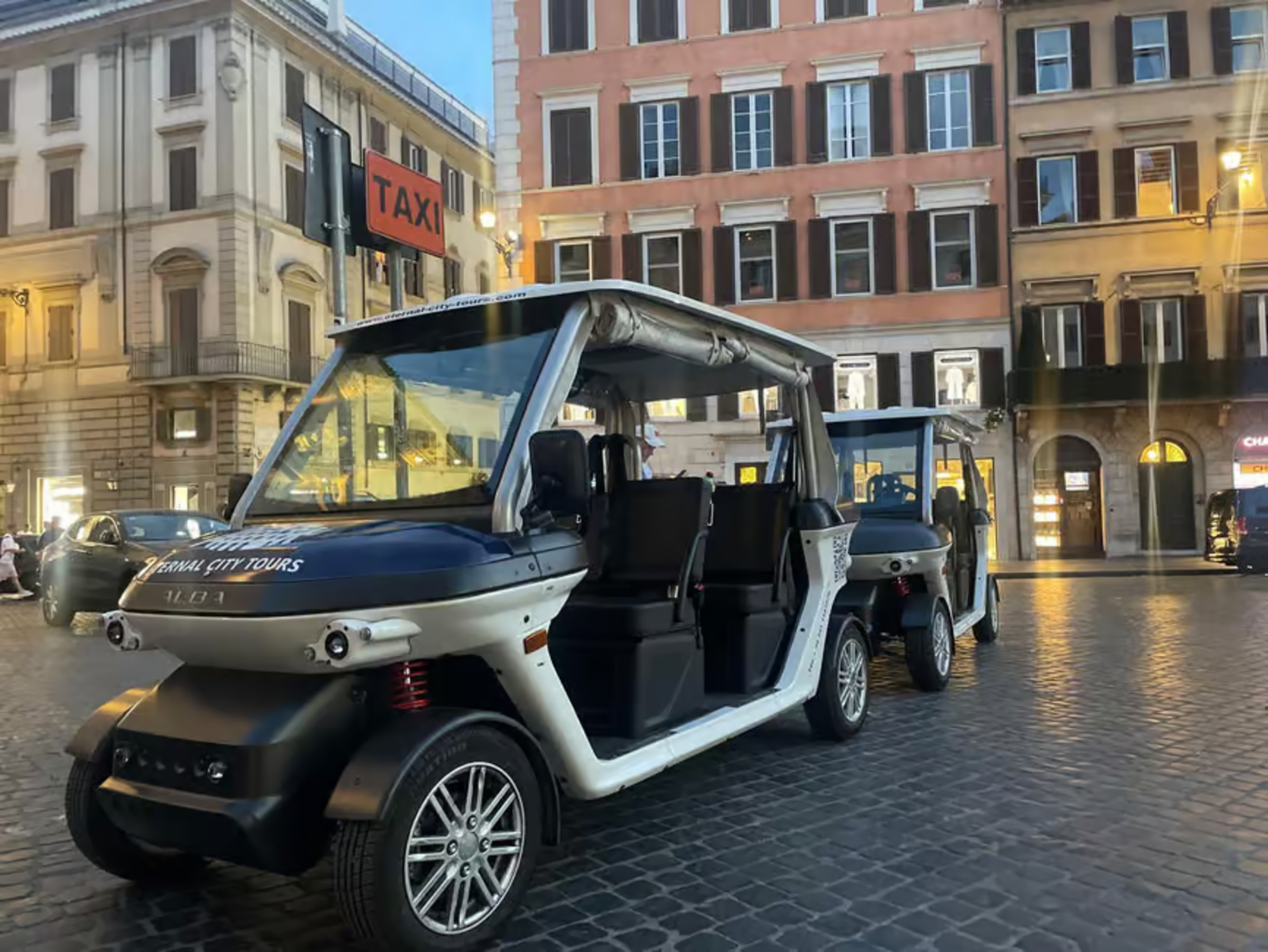
Discover the enchanting hills of Ancient Rome on a private, eco-friendly golf cart tour, guided by an expert local. Enjoy a comfortable and stylish ride as you glide through the city’s most iconic historical sites.
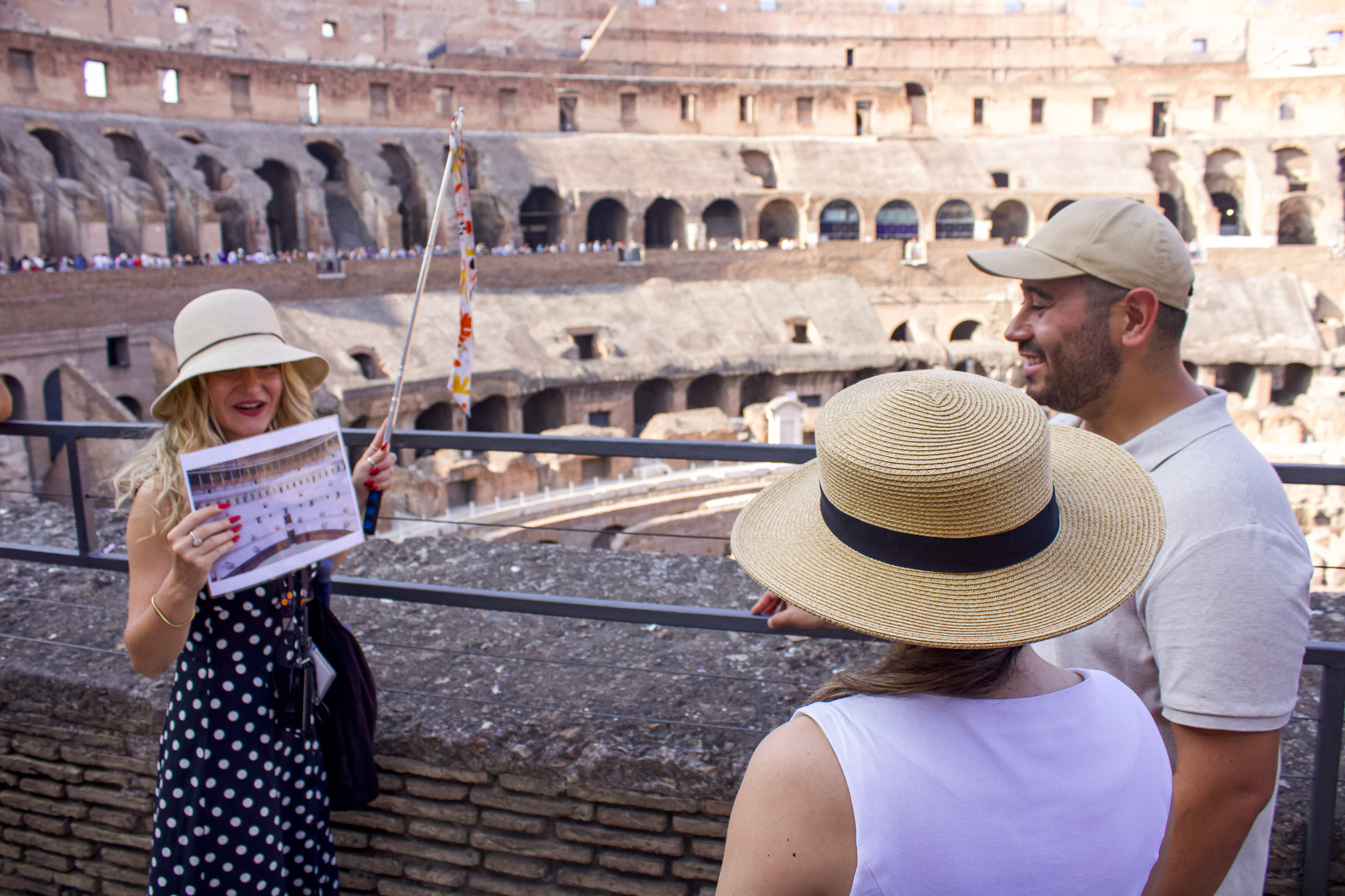
Your knowledgeable guide will share exclusive insights into the lives of Roman emperors and their magnificent monuments, while unveiling hidden gems and captivating stories that only a true local can reveal. This personalized tour offers a unique and memorable journey through the grandeur and secrets of Imperial Rome.
Available options
Explore Hidden Gems of Hills of Ancient Rome Golf-Cart Tour
What's included
Best way to see Rome comprehensively and really get a feel for the eternal city!
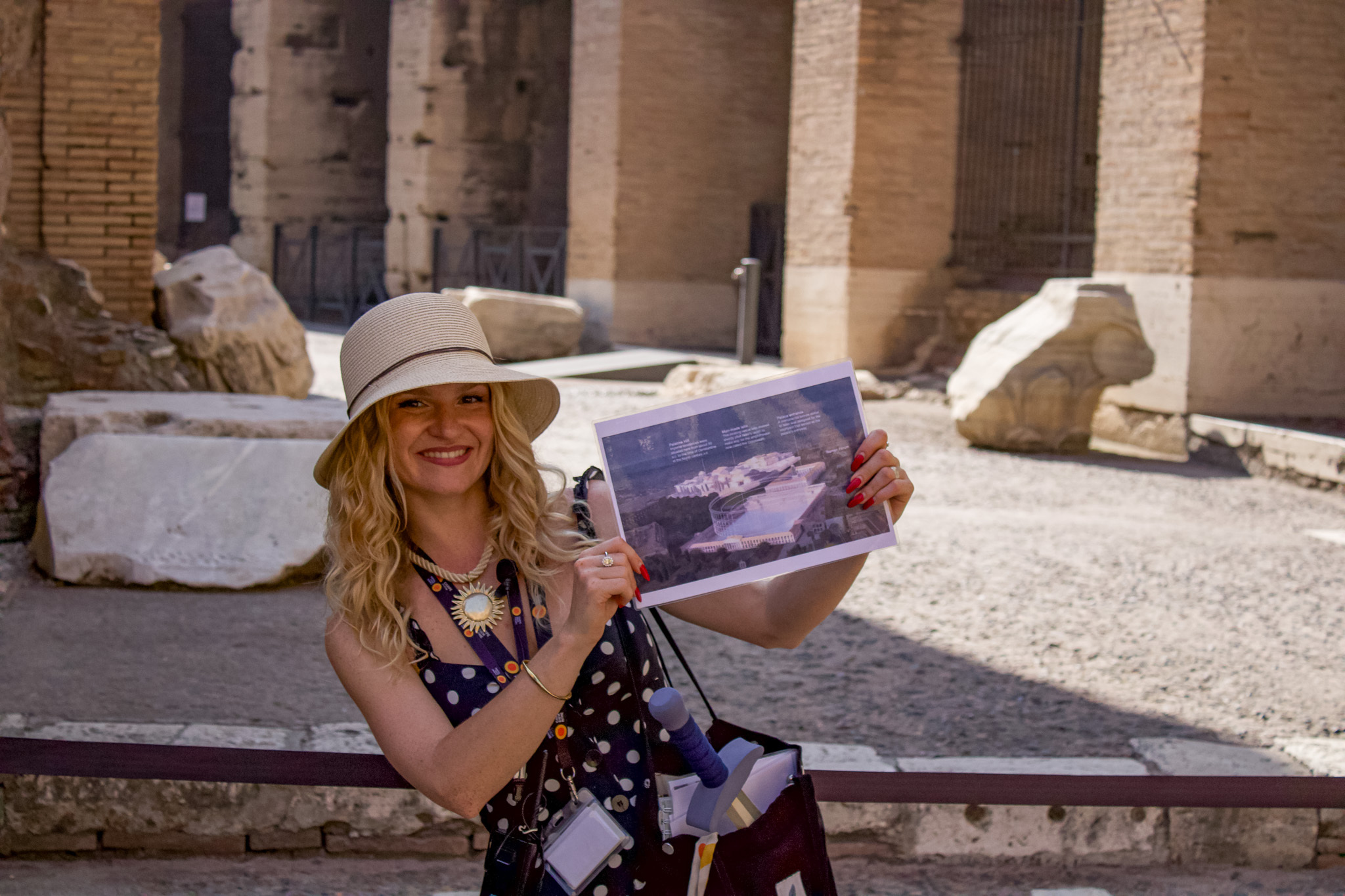
Professional guide
See all the major highlights as well as off the beaten path treasures
Fun and Extensive Golf Cart Tour of Rome
Detailed itinerary
1
Stop 1
Pass by
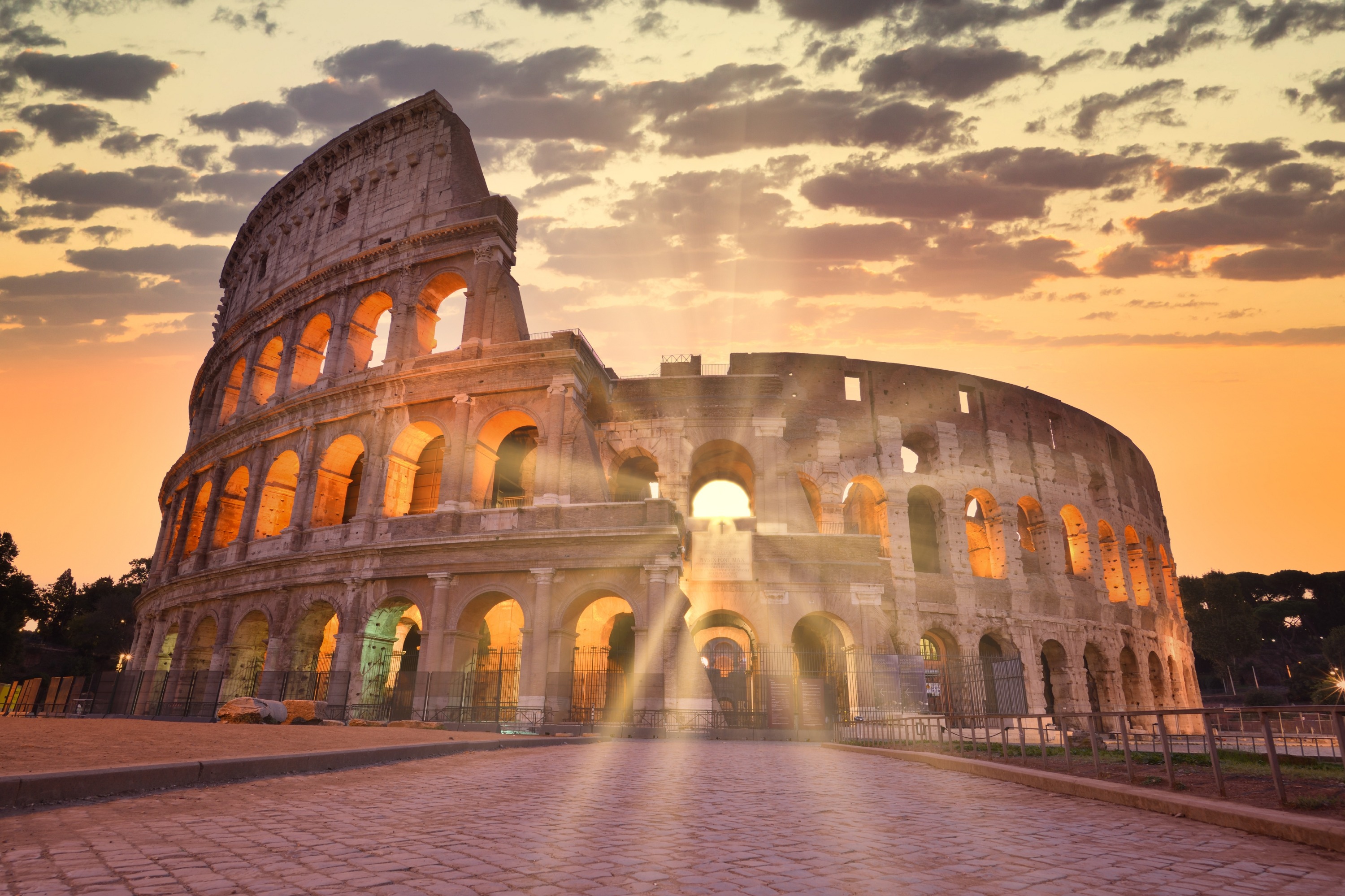
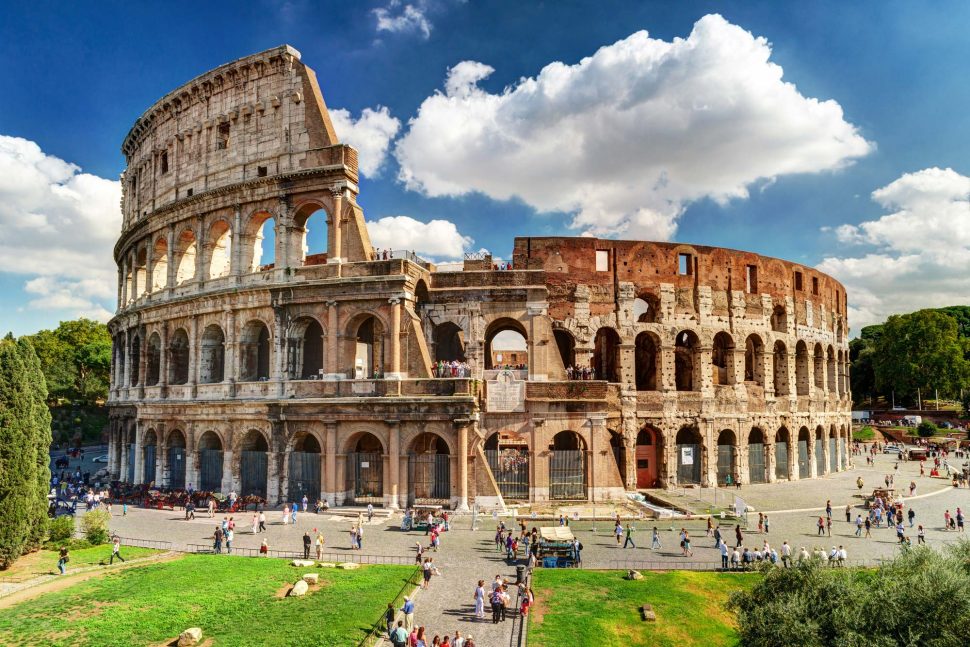
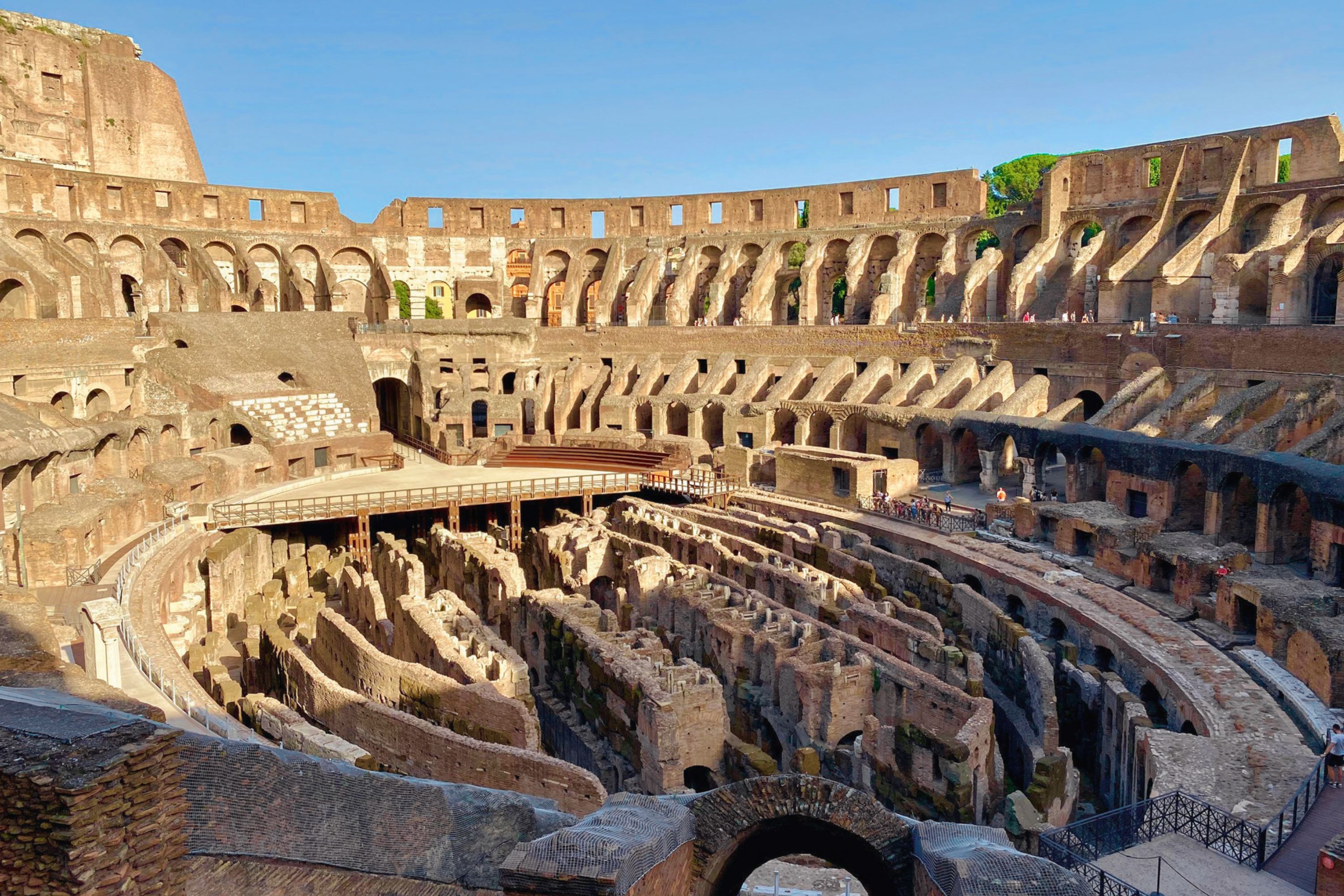
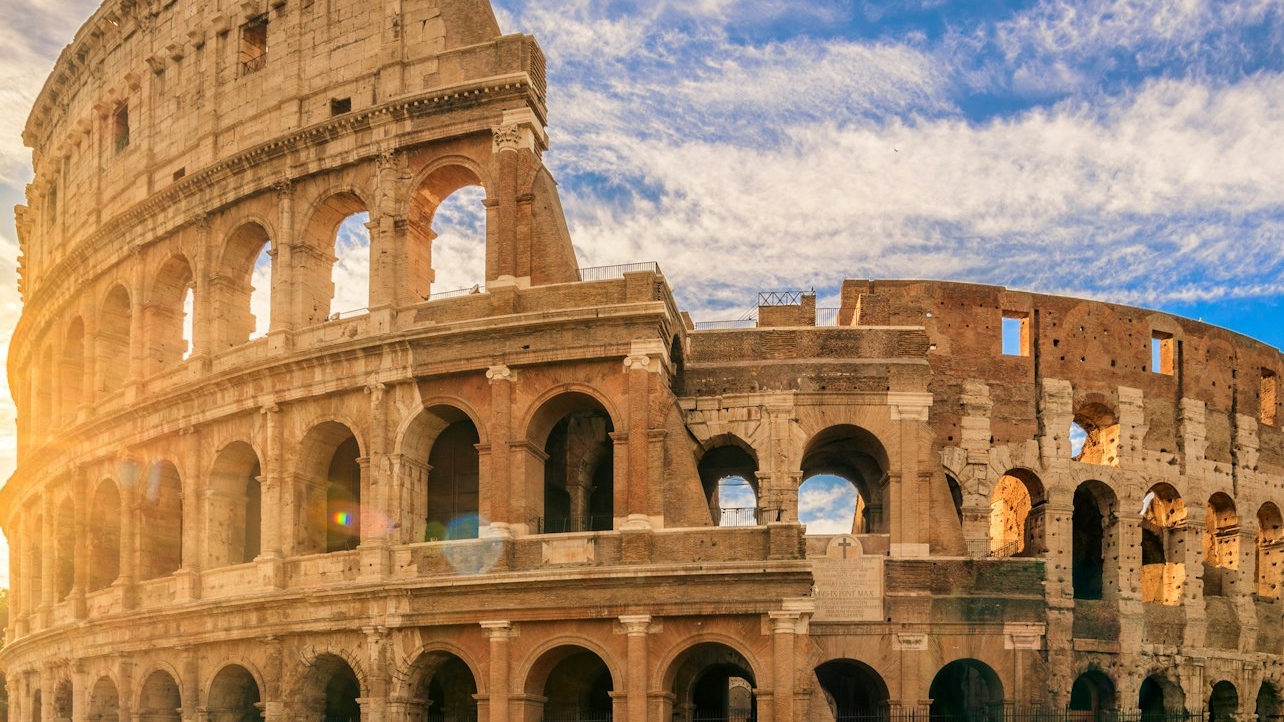
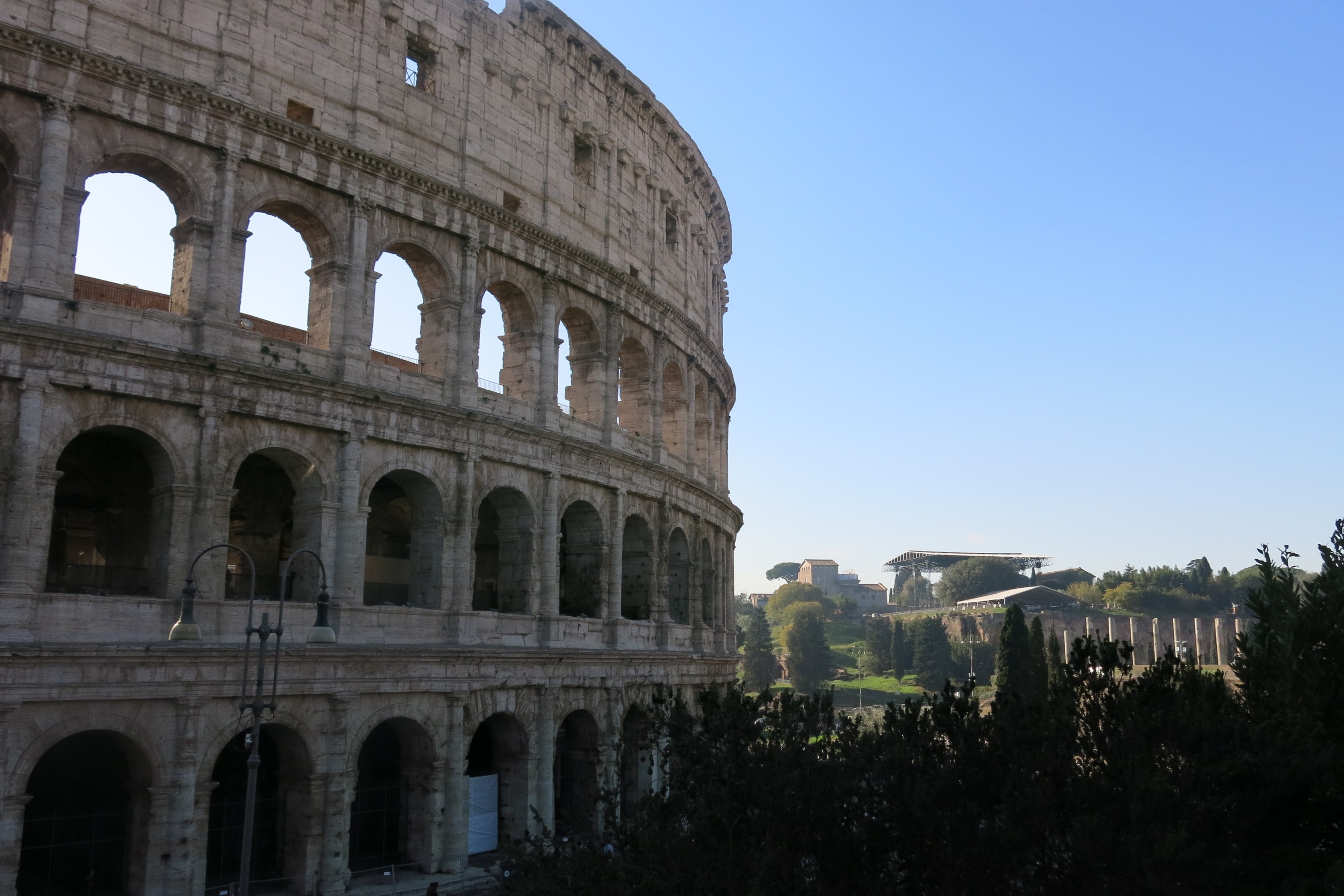
The exterior of the Colosseum, also known as the Flavian Amphitheatre, is an impressive symbol of ancient Roman engineering and architectural prowess, constructed between AD 70-80 under Emperor Vespasian and his son Titus. Its grand façade features three levels of towering arches adorned with columns in the Doric, Ionic, and Corinthian orders, showcasing the Roman mastery of design and aesthetics. Originally, the structure was covered in travertine limestone, giving it a majestic appearance that could accommodate up to 50,000 to 80,000 spectators for gladiatorial contests, public spectacles, and other events. Over centuries, the Colosseum has endured earthquakes, stone robbing, and modern development, yet it remains a powerful emblem of Rome’s imperial history and architectural innovation, drawing millions of visitors from around the world.( outside)
2
Stop 2
The Circus Maximus, located in Rome, is one of the world's oldest and largest ancient Roman entertainment venues, with origins dating back to the 6th century BCE, traditionally attributed to the early kings of Rome. Originally a simple chariot racing track, it was expanded and renovated multiple times, reaching its peak in the Roman Empire, especially during the Republican and Imperial periods. The circus could accommodate up to 150,000 spectators who gathered to watch chariot races, which were among the most popular and thrilling events in ancient Rome. Its elongated oval shape, measured about 2,000 meters in length, with a central barrier called the spina decorated with obelisks and statues, served as the focal point of the races. Over time, the Circus Maximus fell into disuse, especially after the decline of the Roman Empire, but its ruins remain a testament to Rome’s grand entertainment culture and engineering ingenuity.
3
Stop 3
The Mouth of Truth, or Bocca della Verità, is an ancient marble mask located in Rome's church of Santa Maria in Cosmedin, believed to date back to the 1st century CE, possibly as a fountain or drain cover from the Roman period. Its iconic, expressive face features an open mouth, which has captivated visitors for centuries, fostering legends that it serves as a lie detector—believed to bite the hand of anyone who tells a lie while their hand is placed inside. The monument gained fame in the Middle Ages and Renaissance, partly due to its mention in popular stories and artworks, and was famously featured in the 1953 film Roman Holiday. Today, it remains a popular tourist attraction, symbolizing medieval superstitions and Roman history, and continues to inspire stories about truth and deception.
4
The Temple of Hercules Victor, located in the Forum Boarium in Rome, is one of the oldest surviving marble temples in the city, dating back to the 2nd century BCE during the Republican period. It was dedicated to Hercules, a hero of Greek mythology who was also widely worshipped in Rome, symbolizing strength and protection. The temple's circular design with a high podium and Corinthian columns reflects Hellenistic influence and was likely inspired by Greek models. Originally, it served as a place of worship and a religious center dedicated to Hercules Victor, emphasizing the importance of Hercules cults in Roman religion. Over the centuries, the temple fell into disuse but was preserved and reconstructed in the 20th century, and today it stands as a well-preserved example of Roman Republican architecture, attracting visitors interested in ancient Roman religious and architectural history.
5
Stop 5
The Teatro di Marcello, or Theater of Marcellus, in Rome was built between 13 and 11 BCE during Emperor Augustus's reign, as a grand entertainment venue named after his nephew and heir, Marcus Marcellus. Designed by architect Vitruvius, it was inspired by Greek theaters and could seat around 15,000 spectators, serving as a cultural hub for theatrical performances, concerts, and public gatherings. Unlike later Roman amphitheaters, it was a semi-circular, open-air structure with a multi-tiered seating arrangement and elaborate decorative elements. After the fall of the Roman Empire, the theater fell into disrepair, and much of its stone was repurposed for other buildings, but it was later restored and partially integrated into medieval and Renaissance architecture. Today, its preserved ruins serve as a prominent historic monument, illustrating Roman engineering and entertainment culture.
6
Piazza Venezia, located at the heart of Rome, has a rich history as a central hub of the city since ancient times, originally serving as a key intersection and commercial area during the Roman Republic and Empire. In the 15th and 16th centuries, it developed further with the construction of important buildings, including the Palazzo Venezia, which was a papal residence and later a seat of government, becoming a symbol of political power. The square gained prominence in the early 20th century when Benito Mussolini's regime transformed it into a grandiose space to showcase Fascist architecture, featuring the imposing Vittorio Emanuele II Monument (Altare della Patria), completed in 1911 to honor Italy's unification. Today, Piazza Venezia remains a bustling central square, serving as a focal point for political demonstrations, public events, and as a gateway to Rome’s historic center, reflecting its layered history from ancient to modern times.
7
Stop 7
The Knights of Malta keyhole, located in Rome's Villa del Priorato di Malta, is famous for offering a unique view of St. Peter’s Basilica through a small, unassuming door in the Aventine Hill’s Santa Sabina walls. This secretive and intriguing spot has a history rooted in the Knights of Malta, a Catholic military order established in the 11th century, which later became a sovereign entity with its own territory and headquarters in Rome. The keyhole, part of the Villa del Priorato di Malta, was designed as a symbolic portal to spiritual and earthly power, and over time, it became a popular curiosity for visitors seeking a glimpse of the basilica framed perfectly through the narrow opening. Its fame grew in the 20th century when travelers and photographers appreciated the visual magic of the view, making it a well-known hidden gem that exemplifies the blend of history, mystique, and the enduring legacy of the Knights of Malta in Rome.
8
Stop 8
Pass by
The Column of Trajan, erected between 113 and 116 AD in Rome, is a monumental Roman triumphal column celebrating Emperor Trajan's victory in the Dacian Wars (101-102 and 105-106 AD). Located in Trajan's Forum, it stands approximately 30 meters tall, including its pedestal, and is renowned for its intricate spiral bas-relief frieze that vividly depicts the military campaigns, battles, and daily life of Roman soldiers, serving both as a visual record and propaganda of Trajan's military prowess. The column originally housed a statue of Trajan, which was later replaced by a statue of Saint Peter. Its innovative design, detailed narrative relief, and architectural grandeur have made it a masterpiece of Roman art and engineering, symbolizing imperial power and military success, and it remains one of the most iconic symbols of ancient Rome's imperial achievements.
What's not included
Gratuities (optional)
Available languages
Guide guide
DE
EN
IT
FR
ES
Important information
Public transportation options are available nearby
Suitable for all physical fitness levels
Meeting point
From Metro Colosseo, exit the station and head northwest along Via del Colosseo, which is a short walk of about 2-3 minutes. Continue straight until you reach Via del Cardello, then turn right and walk a few meters to number 31.
Important notes
From Metro Colosseo, exit the station and head northwest along Via del Colosseo, which is a short walk of about 2-3 minutes. Continue straight until you reach Via del Cardello, then turn right and walk a few meters to number 31.
About Rome
Rome, the capital of Italy, is a city of ancient ruins, artistic masterpieces, and vibrant culture. Known as the Eternal City, it is a living museum where every corner tells a story of its rich history spanning over 2,500 years.
Top Attractions
Colosseum
The Colosseum is an iconic symbol of Rome and one of the most famous ancient amphitheaters in the world. It was used for gladiatorial contests and public spectacles.
Historical
1-2 hours
€16 (combined ticket with Roman Forum and Palatine Hill)
Vatican City
Vatican City is an independent city-state enclaved within Rome. It is the spiritual and administrative center of the Roman Catholic Church.
Religious
Half day
€17 (Vatican Museums and Sistine Chapel), Free (St. Peter's Basilica)
Roman Forum
The Roman Forum was the political, commercial, and legal hub of the Roman Republic and Empire. It is a sprawling ruin of temples, basilicas, and arches.
Historical
1-2 hours
€16 (combined ticket with Colosseum and Palatine Hill)
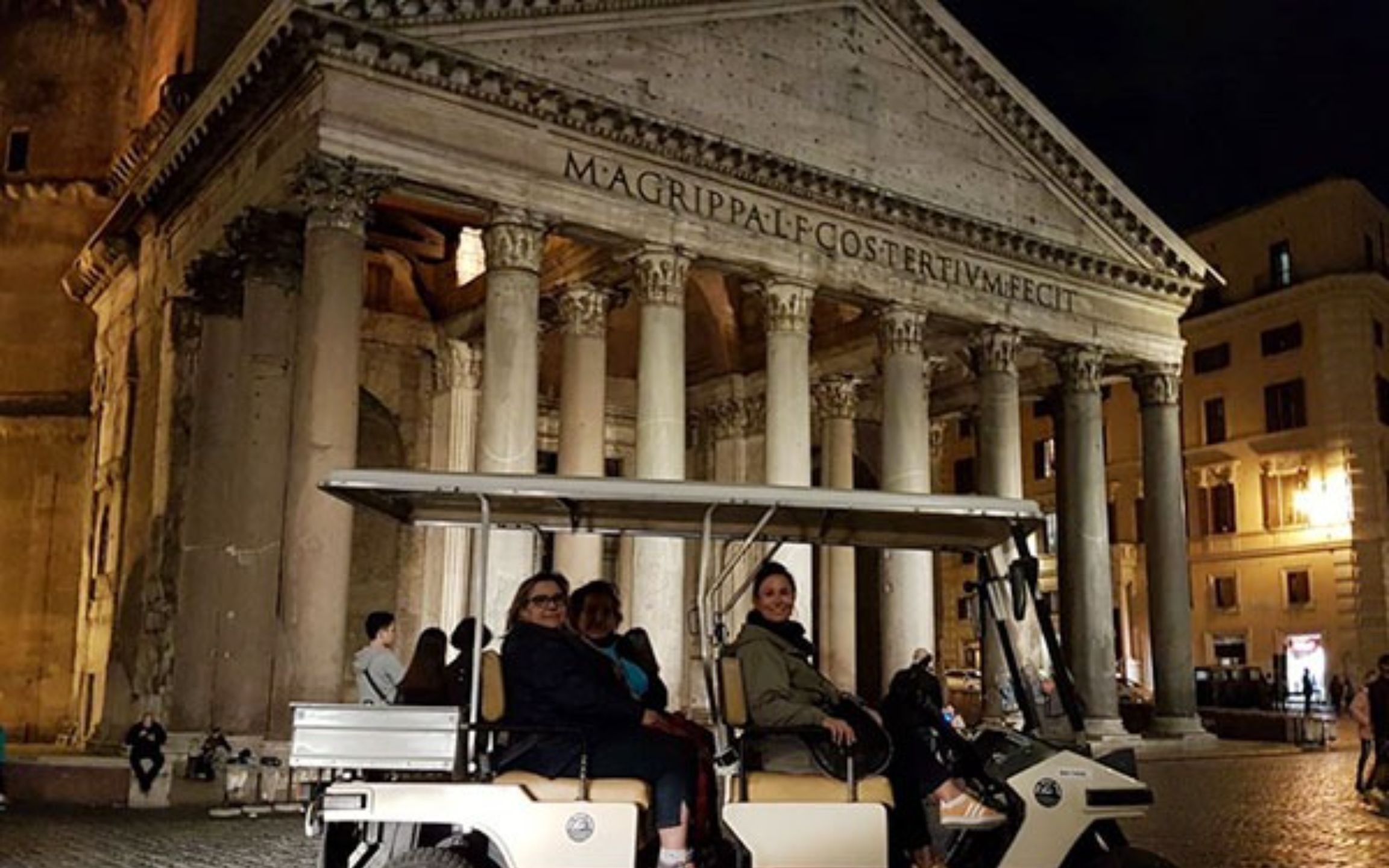
Pantheon
The Pantheon is a former Roman temple, now a church, known for its large dome and oculus. It is one of the best-preserved ancient buildings in Rome.
Historical
30 minutes to 1 hour
Free
Trevi Fountain
The Trevi Fountain is a Baroque masterpiece and the largest fountain in Rome. It is a popular spot for visitors to throw coins and make wishes.
Architecture
15-30 minutes
Free
Must-Try Local Dishes
Cacio e Pepe
A simple yet delicious pasta dish made with Pecorino Romano cheese and black pepper.
Pasta
Vegetarian
Carbonara
A rich pasta dish made with eggs, Pecorino Romano, guanciale (cured pork cheek), and black pepper.
Pasta
Contains pork and eggs
Supplì
Fried rice balls filled with mozzarella and tomato sauce.
Snack
Vegetarian (some variations may contain meat)
Carciofi alla Romana
Artichokes braised with garlic, mint, and olive oil.
Vegetable
Vegetarian
Popular Activities
Hiking in the Appian Way Regional Park
Biking along the Tiber River
Rock climbing in the nearby mountains
Picnicking in Villa Borghese Gardens
Boating on Lake Albano
Enjoying a spa day at a luxury hotel
Visiting the Vatican Museums
Attending an opera at the Teatro dell'Opera di Roma
Best Time to Visit
April to June, September to October
Spring and fall offer pleasant weather and fewer crowds compared to the summer peak. Ideal for sightseeing and outdoor activities.
15-30°C
59-86°F
Practical Information
Language
- Official: Italian
- Widely spoken: English, Spanish, French
- English: Moderately spoken
Currency
Euro (EUR)
Time Zone
GMT+1 (CET), GMT+2 (CEST during daylight saving time)
Electricity
230VV, 50HzHz
Safety Information
Overall Safety Rating: Generally safe
Rome is generally safe for tourists, but pickpocketing and scams can be a problem in crowded areas. Be aware of your surroundings and take precautions to protect your belongings.
Important Precautions:
- • Keep valuables secure and out of sight
- • Use official taxis or ride-sharing services
- • Be cautious of strangers approaching you with petitions or bracelets
Getting there
By air
- Leonardo da Vinci International Airport • 35 km from city center
- Ciampino Airport • 15 km from city center
By train
Roma Termini, Roma Tiburtina
By bus
Tiburtina Bus Station, Roma Termini
Getting around
Public transport
The metro system is efficient and covers major tourist areas. It operates from 5:30 AM to 11:30 PM.
Taxis
Available • Apps: Uber, FreeNow
Rentals
Car, Bike, Scooter
Neighborhoods
Trastevere
Monti
Prancipio
Testaccio
Day trips
Ostia Antica
30 km from Rome • Half day
An ancient Roman port city with well-preserved ruins, including a theater, baths, and mosaics. It offers a glimpse into daily life in ancient Rome.
Tivoli
30 km from Rome • Full day
A picturesque town known for its stunning villas and gardens, including the famous Villa d'Este with its elaborate fountains and gardens.
Orvieto
120 km from Rome • Full day
A charming hilltop town known for its stunning cathedral, underground caves, and local wine. It offers a mix of history, culture, and scenic views.
Festivals
Natale di Roma • April 21
Festa de' Noantri • July
Rome Film Festival • October
Pro tips
- Visit major attractions early in the morning or late in the afternoon to avoid crowds
- Use public transport or walk instead of taking taxis to save money and experience the city like a local
- Try local specialties and ask for recommendations from locals and restaurant staff
- Dress modestly when visiting religious sites and be respectful of local customs and traditions
- Be aware of pickpockets and scams, especially in crowded areas and tourist hotspots
From $25
per person
Price varies by option
Secure booking
Free cancellation available
Instant confirmation