Private Sightseeing Tour in Muscat City with Transfers
Active
4h
For a full refund, cancel at least 24 hours before the scheduled departure time.
Instant confirmation
Mobile or paper ticket accepted
About this experience
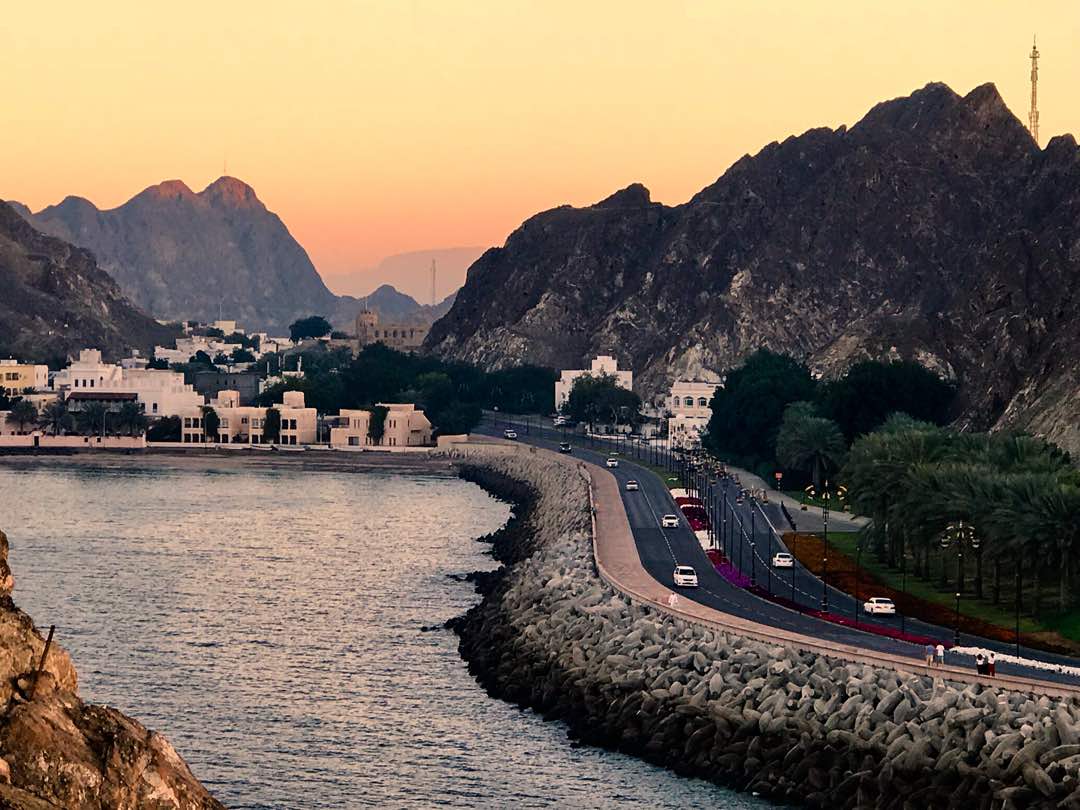
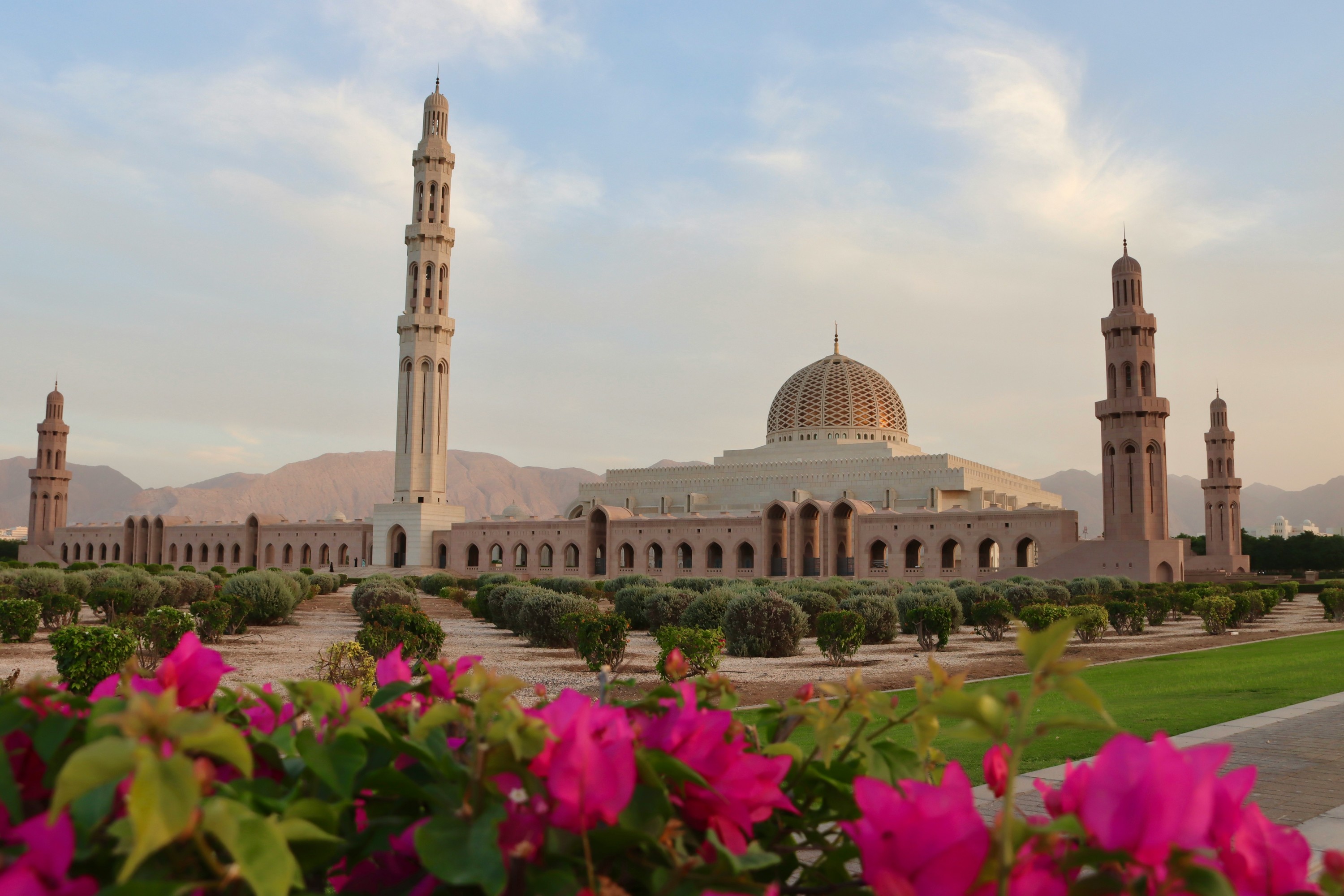
Muscat, the capital of Oman, sits between the Gulf of Oman, mountains, and desert, offering a striking natural backdrop. The city blends ancient heritage with modern elegance, seen in landmarks like the Sultan Qaboos Grand Mosque and 16th-century forts Al Jalali and Al Mirani. Its traditional skyline and lively fish market reflect authentic Omani culture and Islamic architecture.
Available options
Private Sightseeing Tour in Muscat City with Transfers
Pickup included
What's included
Pickup Drop from Muscat Hotels
English speaking Omani Tour guide cum Driver Included
Bottle water to all visitors
Detailed itinerary
1
Meet the tour guide and car driver and start the tour 8:30 am
2
Stop 2
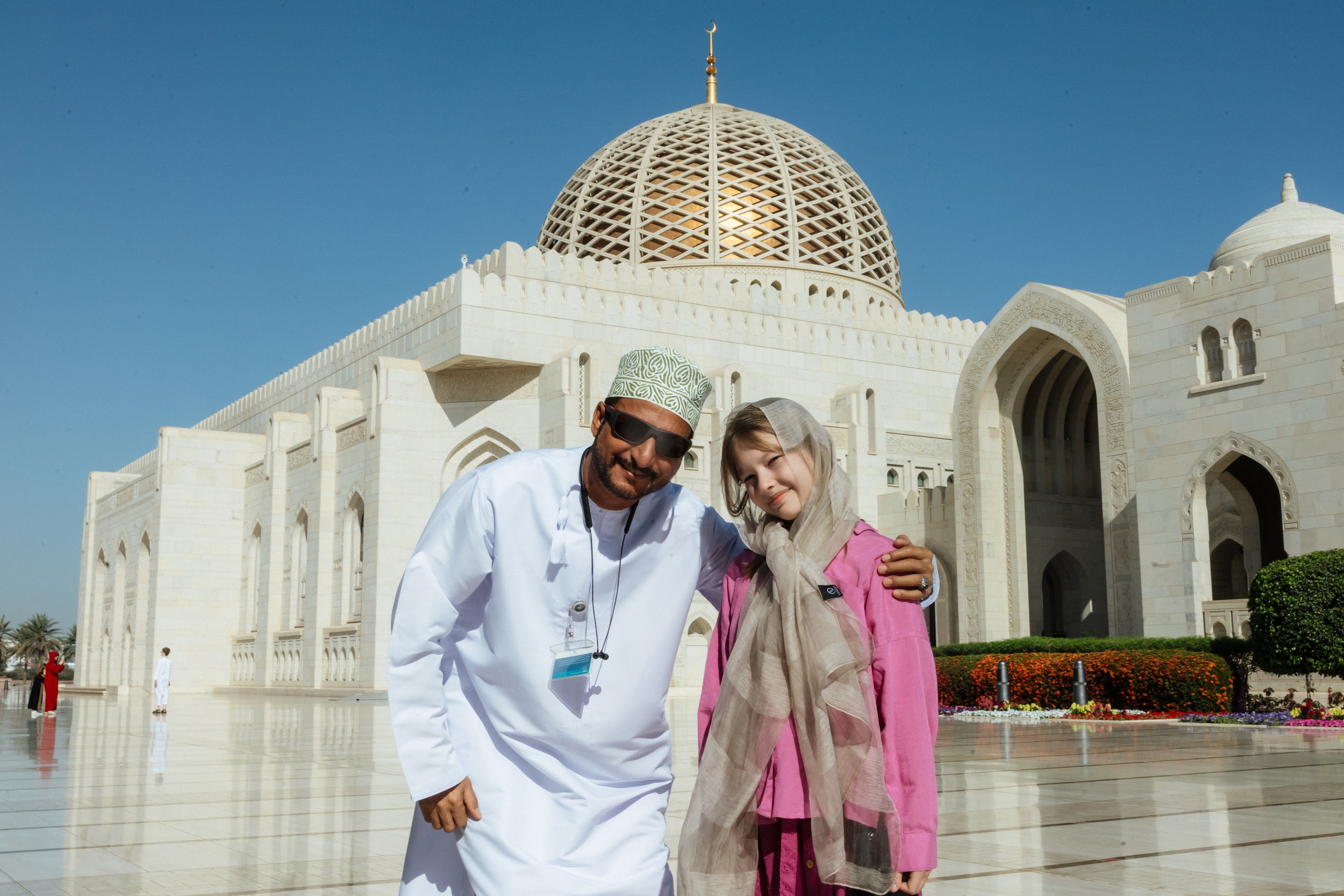
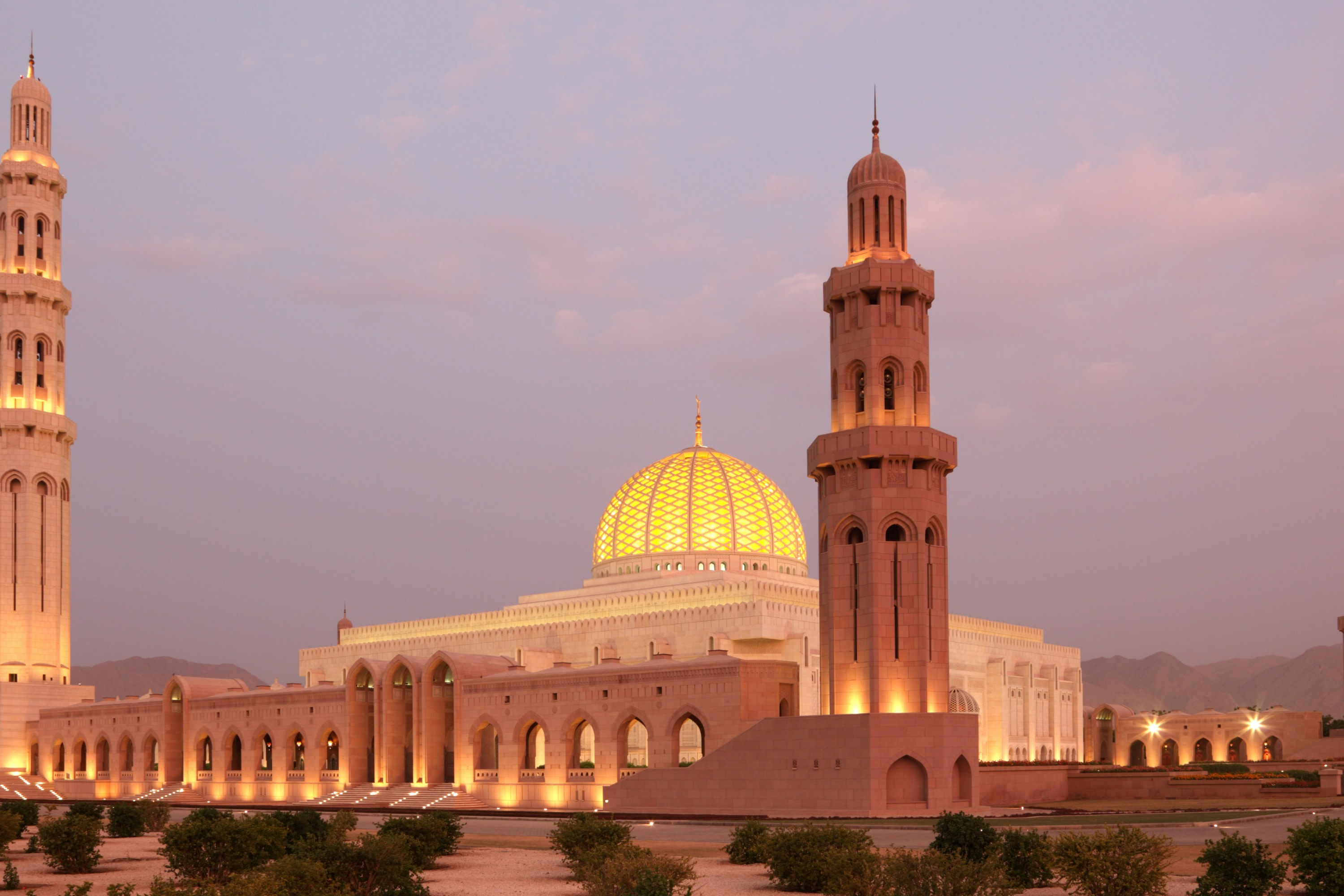
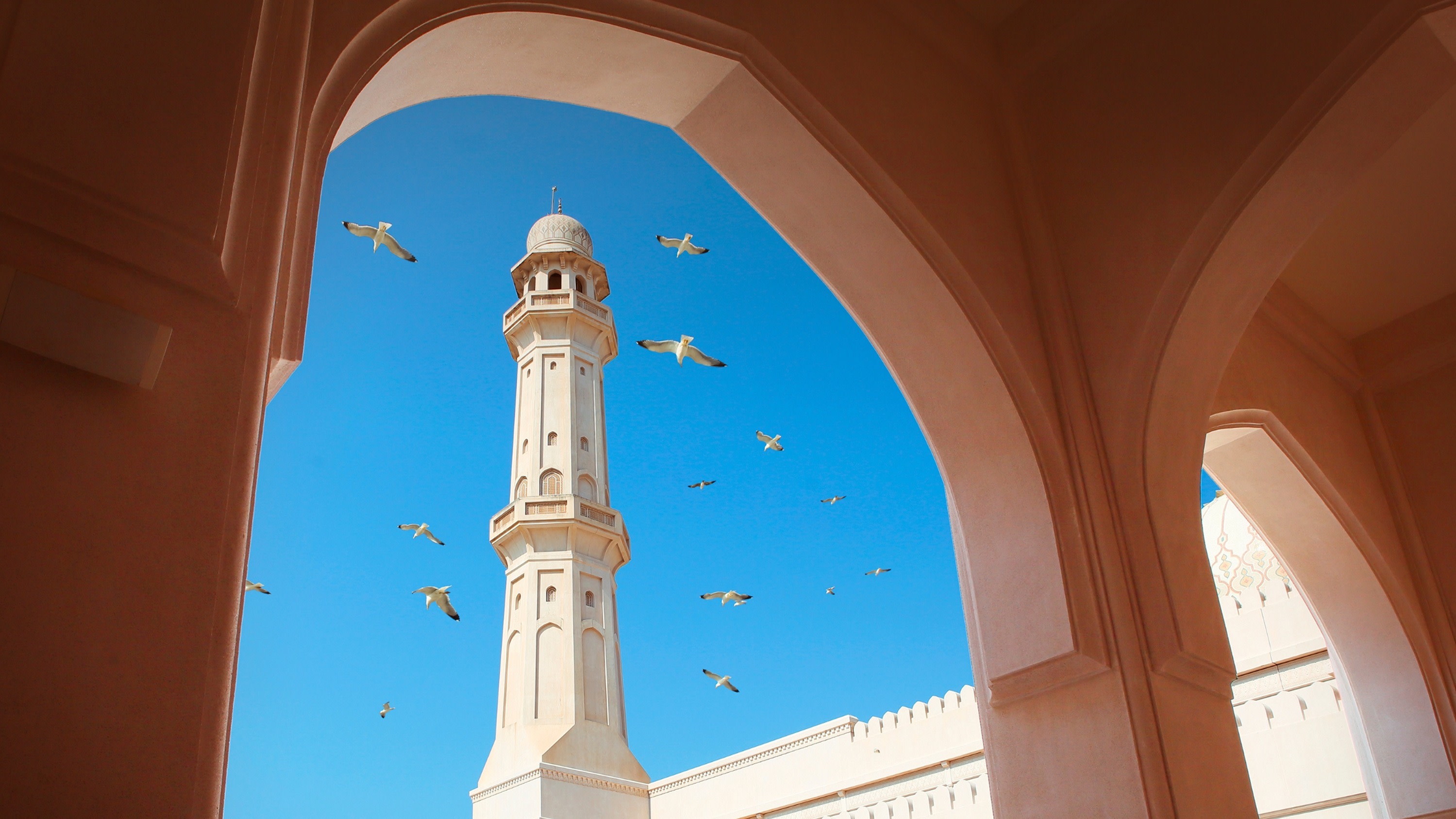
The Sultan Qaboos Grand Mosque in Muscat is a stunning masterpiece of Islamic architecture, known for its intricate carvings, grand chandelier, and massive Persian carpet. Open to non-Muslim visitors, it offers a serene and educational glimpse into Omani culture and faith.
3
Stop 3
The Royal Opera House Muscat is a magnificent venue showcasing world-class performances in music, dance, and opera. Blending contemporary design with traditional Omani architecture, it stands as a cultural landmark in the heart of Muscat.
4
The Mutrah Fish Market in Muscat is a beautifully designed wave‑shaped structure along the Corniche, blending traditional Omani fishing heritage with modern architecture completed in 2017.
5
Mutrah Old Souq is one of the oldest markets in Oman, offering a maze of narrow alleys filled with the scent of frankincense and traditional Omani treasures. From handmade silver to vibrant textiles and spices, it’s a perfect place to experience Muscat’s historic charm.
6
The Bait Al Zubair Museum in Old Muscat is a beautifully restored private heritage site showcasing traditional Omani life through thematic displays of khanjars, costumes, jewelry, artifacts, and manuscripts—making it one of the finest privately owned collections in Oman
7
Stop 7
Al Alam Palace, in the heart of Old Muscat, is the ceremonial palace of His Majesty the Sultan of Oman. With its striking blue and gold facade, the palace stands out for its elegant and modern Islamic architecture. Though visitors cannot enter, the view from the outside is impressive, framed by manicured gardens, marble walkways, and the historic Al Jalali and Al Mirani forts on nearby cliffs. Surrounded by mountains and close to the sea, the palace reflects Oman's harmony between tradition and progress. It’s a peaceful and symbolic place, perfect for photos and a short cultural stop while exploring Muscat’s old town.
8
Stop 8
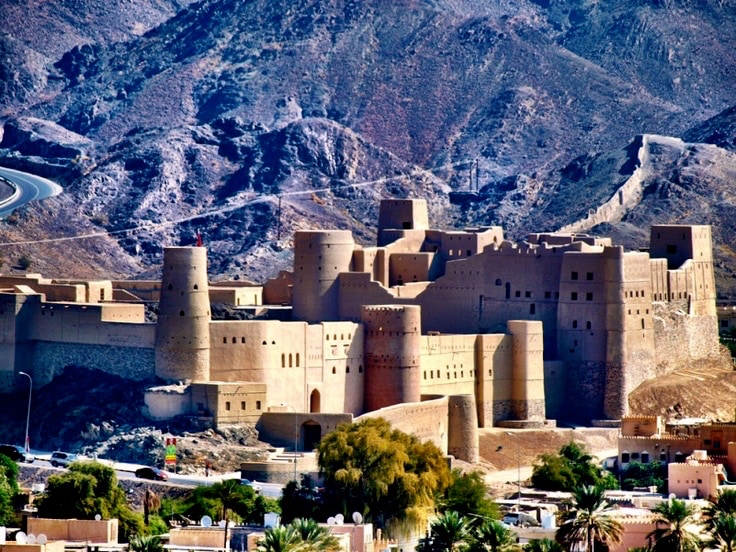
Standing proudly on the cliffs overlooking Muscat’s harbor, Al Jalali and Al Mirani Forts are two of Oman’s most iconic historical landmarks. Built by the Portuguese in the 16th century during their occupation of Muscat, these twin forts once guarded the city against naval attacks. Al Jalali, to the east, and Al Mirani, to the west, are perched dramatically on rocky hills, offering spectacular views of the Gulf of Oman. Though not open to the public, their towering presence and preserved architecture make them a highlight for visitors. Together, they frame the majestic Al Alam Palace, blending military history with royal elegance. These forts represent Oman’s strategic importance and its rich history of resistance, defense, and maritime legacy.
What's not included
Tips and Gratuities
Available languages
Guide guide
EN
Reviews breakdown
Tripadvisor
5.0
9 reviews
5★
9
4★
0
3★
0
2★
0
1★
0
Important information
Public transportation options are available nearby
Infants are required to sit on an adult’s lap
Suitable for all physical fitness levels
About Muscat
Muscat, the capital of Oman, is a beautiful coastal city known for its stunning architecture, rich history, and strategic location along the Gulf of Oman. With a unique blend of traditional Omani culture and modern development, Muscat offers visitors a mix of historic forts, luxurious resorts, and vibrant souks.
Top Attractions
Sultan Qaboos Grand Mosque
One of the most stunning landmarks in Muscat, this mosque is a masterpiece of Islamic architecture and a symbol of Omani heritage.
Religious/Architecture
1-2 hours
Free (guided tours may have a fee)
Mutrah Souq
A traditional market offering a variety of goods, including spices, textiles, and souvenirs. The souq is a great place to experience Omani culture and haggle for bargains.
Market/Cultural
1-2 hours
Free to enter, prices vary for goods
Royal Opera House Muscat
A world-class venue for opera, ballet, and other performing arts, offering a glimpse into the cultural richness of Oman.
Cultural/Entertainment
2-3 hours (depending on the performance)
Varies by event (moderate to expensive)
Must-Try Local Dishes
Shuwa
Slow-cooked lamb or goat marinated in spices and wrapped in banana leaves.
Dinner
Not vegetarian
Harees
A porridge-like dish made from wheat and meat, often served during Ramadan.
Dinner
Not vegetarian
Halwa
A sweet dessert made from sugar, ghee, and spices, often served with tea.
Dessert
Vegetarian
Popular Activities
Hiking in Wadi Shab
Dune bashing in the desert
Beach relaxation at Qurum Beach
Spa treatments at luxury resorts
Exploring Mutrah Souq
Visiting the Royal Opera House Muscat
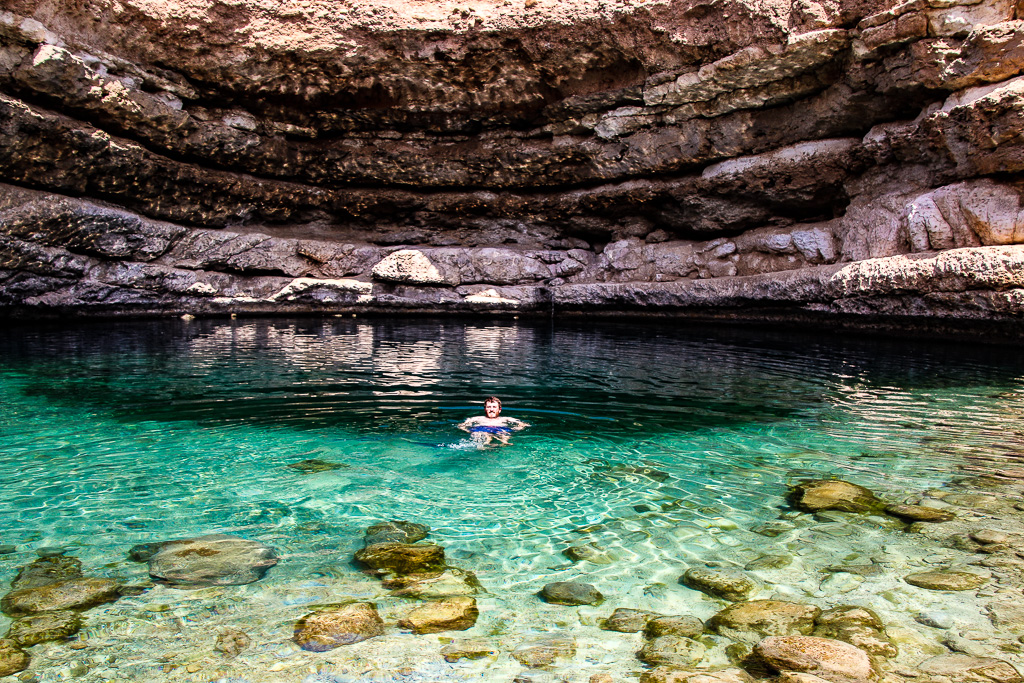
Swimming in Bimmah Sinkhole
Boat tours in the Gulf of Oman
Best Time to Visit
November to March
The best time to visit Muscat is during the cooler months from November to March when the weather is pleasant and ideal for outdoor activities. This period also sees the highest number of tourists.
18°C to 30°C
64°F to 86°F
Practical Information
Language
- Official: Arabic
- Widely spoken: English, Urdu, Balochi
- English: Widely spoken in tourist areas
Currency
Omani Rial (OMR)
Time Zone
GMT+4
Electricity
240VV, 50HzHz
Safety Information
Overall Safety Rating: Generally safe
Muscat is generally safe for travelers, with low crime rates. However, it's always important to stay vigilant and follow local customs and laws.
Important Precautions:
- • Use licensed taxis or ride-hailing apps
- • Be cautious of strangers offering unsolicited help
- • Keep valuables secure
Getting there
By air
- Muscat International Airport • 30 km from city center
By bus
Muscat Central Bus Station
Getting around
Public transport
The bus service is affordable and connects key points in Muscat. However, it may not be as extensive as in other major cities.
Taxis
Available • Apps: Uber, Careem
Rentals
Car
Neighborhoods
Mutrah
Al Khuwair
Shati Al Qurum
Day trips
Nizwa
160 km from Muscat • Full day
Nizwa is a historic city known for its fort, souq, and traditional Omani architecture.
Wadi Shab
90 km from Muscat • Full day
Wadi Shab is a stunning natural area with waterfalls, pools, and hiking trails.
Bimmah Sinkhole
120 km from Muscat • Half day
A natural sinkhole with crystal-clear waters, perfect for swimming and photography.
Festivals
Muscat Festival • January to February
Eid al-Fitr • Varies (depends on the Islamic lunar calendar)
Pro tips
- Visit the Sultan Qaboos Grand Mosque early in the morning to avoid the heat and crowds
- Explore Mutrah Souq in the evening when it's cooler and more lively
- Try traditional Omani coffee and dates at a local café
- Book a guided tour for day trips to learn more about the history and culture
- Carry a reusable water bottle and stay hydrated, especially in the summer
From $25
per person
Price varies by option
Secure booking
Free cancellation available
Instant confirmation