Bikaner Full Day Sightseeing with Bhandeshwari Jain Temple and Lunch
Active
6h
For a full refund, cancel at least 24 hours before the scheduled departure time.
Instant confirmation
Mobile or paper ticket accepted
About this experience
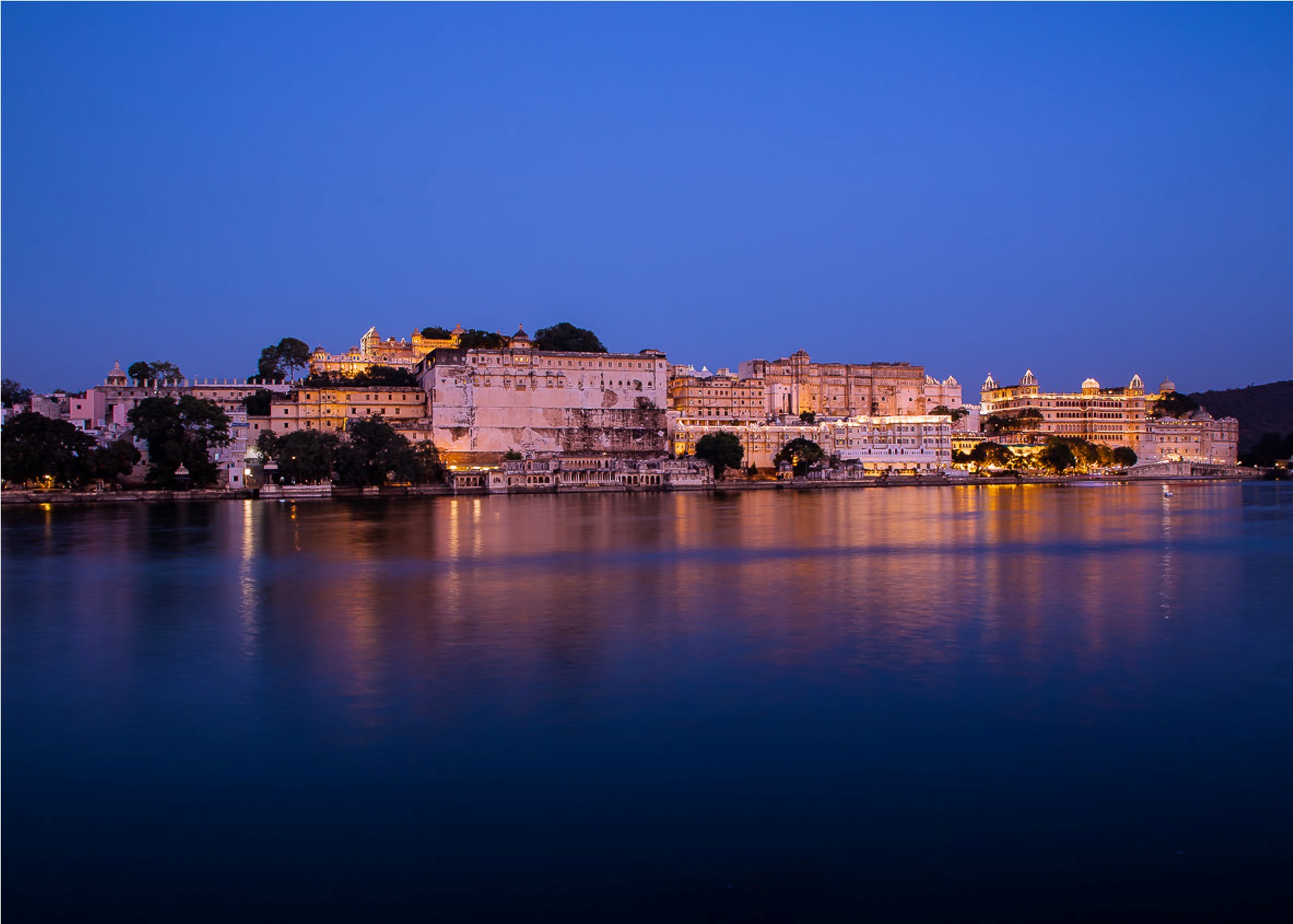
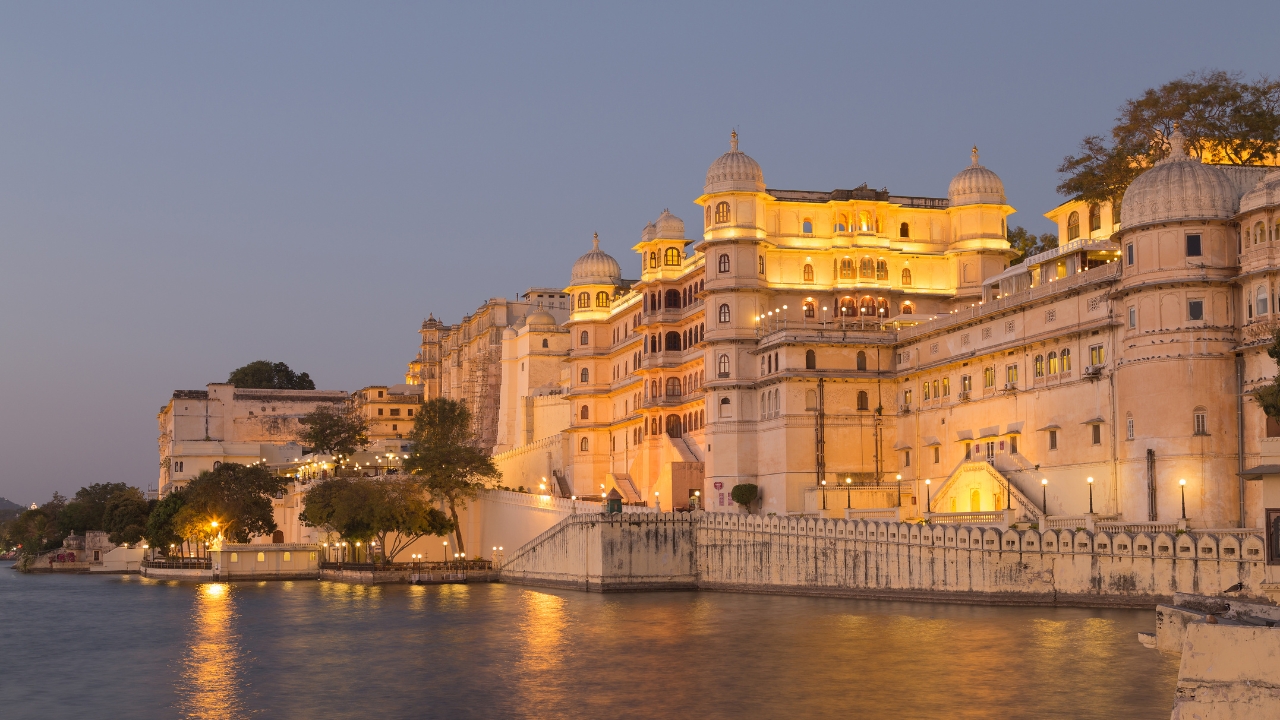
Hope on a great expedition that unfurls the decades old history of the city of Bikaner, perfectly preserved within its heritage buildings. Visit the famous Karni Mata Temple, Bhandeshwari Jain Temple, Sri Laxmi Nath, Junagarh Fort, Devi Kund, and the Sadul Singh Museum.
Available options
Whole Year 2022-23
Bikaner Full Day Sightseeing with Bhandeshwari Jain Temple and Lunch<br/>Pickup included
What's included
Hotel pickup and drop-off
Taxes
Water
Professional guide
Lunch
3-course lunch (Veg)
Transport by private vehicle
Detailed itinerary
1
In the morning, you will be picked up from your hotel for a full day sightseeing tour of Bikaner. After getting into your private AC vehicle, you will be driven to the first stoppage of the tour- the Karni Mata Temple. The temple is made in honor of Mata Karni, who prayed before Yama, the god of death and got all her son’s reincarnated as a rat, as a boon from the deity.
2
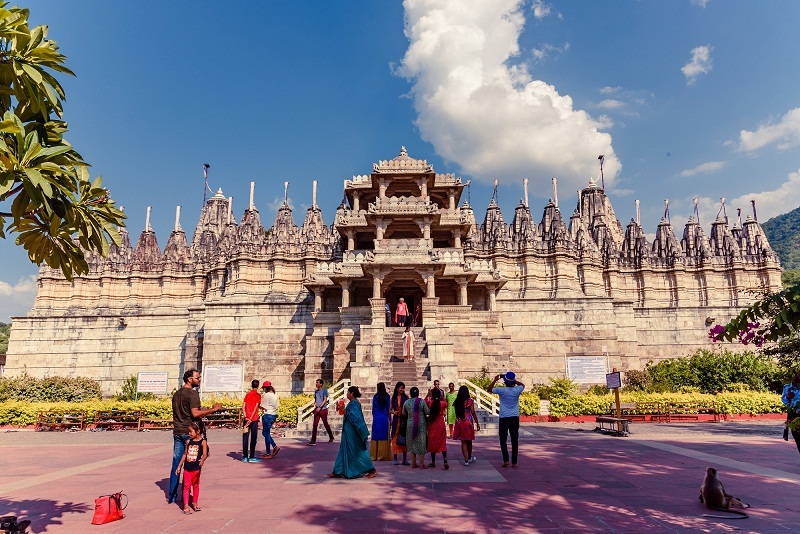
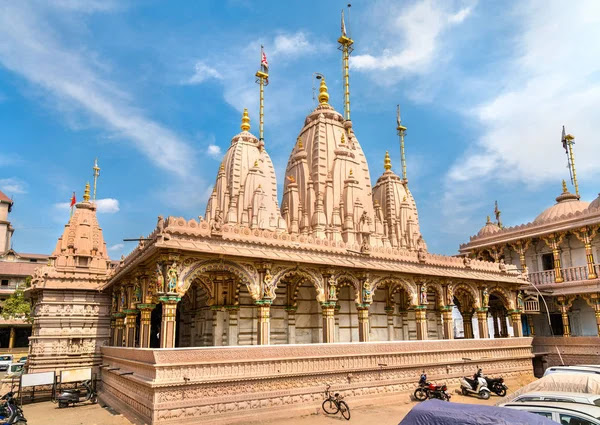
Then visit the famous Bhandeshwari Jain Temple, built by a Jain merchant named Bhanda Shah in honor of 23rd Jain Tirthankar, Parsvanathji in the 15th century. Take your time to admire the three-storied monuments made out of red sandstone featuring wall paintings, gold leaf paintings, carvings, Usta art and rich mirror work
3
Stop 3
After this magical encounter, head towards the Shri Laxminath Temple made in honor of Lord Vishnu and Goddess Laxmi. Embellished with beautiful art work in silver, the courtyard of the towering structure becomes alive during festivals like Janmashtami, Nirjala Ekadashi, Ramnavami, Diwali and Geeta Jayanti.
4
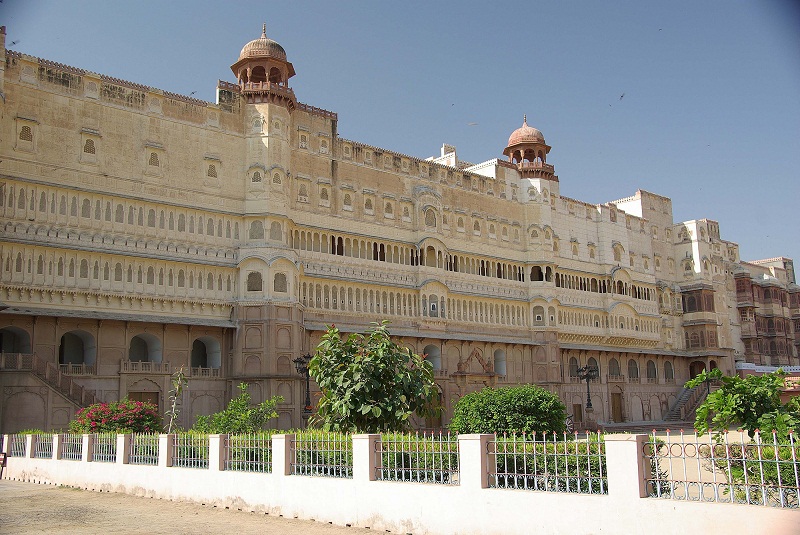
Junagarh Fort, the next stoppage of the tour holds great surprises for you with its decades old history. Before the Junagarh Fort, an old stone fort existed in the city built by Rao Bika in 1478. In 1589, the construction of the current structure kicked off under the reign of Raja Rai Singh of Bikaner. The fort premises comprises well built palaces and temples, made out of marble and red sandstone, that speaks of the architectural expertise of the bygone era. Also treat your eyeballs to some exquisite items including manuscripts, miniature paintings, royal costumes, jewels, farmans (royal orders), costumes, portrait galleries, enamelware, headgear and dresses of deities, silver, palanquins, howdahs and war drums, kept at display at the Junagarh Fort Museum.
5
The next point of attraction, the Devi Kund is a royal crematorium featuring elegantly built chhatris (cenotaphs) that narrate stories of the bravery and chivalry of the deceased members of the Bikaji Dynasty. While the Chhatris dedicated to the royal rulers are built in white with their names engraved on a stone slab placed positioned vertically in the middle, those dedicated to the royal wives feature a horizontal placed plaque with footprints. You can even find few cenotaphs dedicated to the royal children who met premature death. Each of these cenotaphs is a masterpiece of architectural excellence.
6
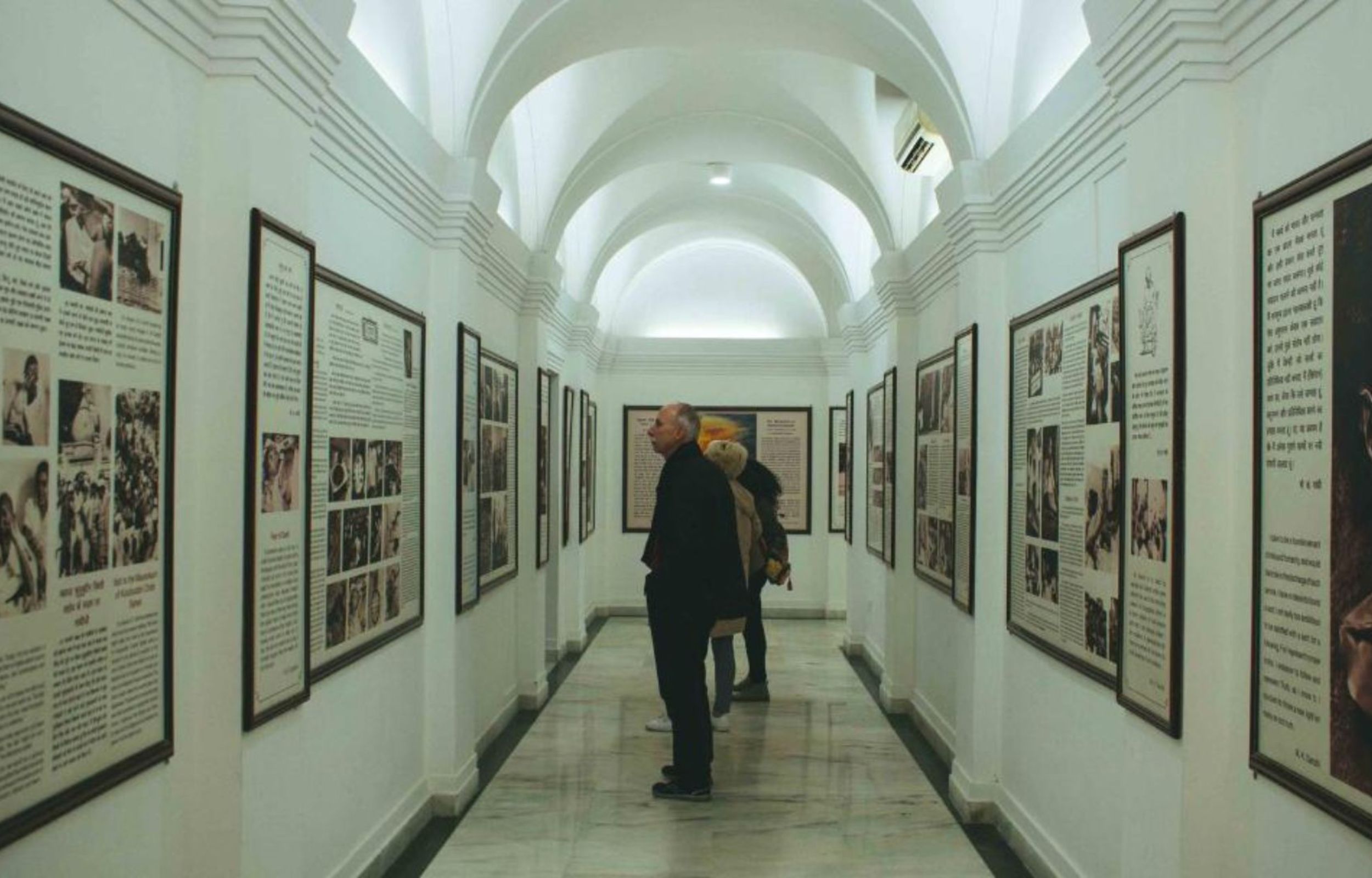
The tour enters into it’s final stage with a visit to the Sadul Singh Museum. Housed within the Lalgarh Palace, the Museum exhibits an extensive range of rare artefacts, hunting trophies and Georgian paintings. The museum is made in honor of the Great Kings of Bikaner namely, Maharaja Ganga Singh, Sadul Singh and Karni Singh.
After the tour ends, you will be dropped back at your hotel.
What's not included
Gratuities
Available languages
Guide guide
EN
Reviews breakdown
Tripadvisor
5.0
2 reviews
5★
2
4★
0
3★
0
2★
0
1★
0
Important information
Infants are required to sit on an adult’s lap
Suitable for all physical fitness levels
A dress code is required to enter places of worship and selected museums. No shorts or sleeveless tops allowed. Knees and shoulders MUST be covered for both men and women. You may risk refused entry if you fail to comply with these dress requirements
Vegetarian option is available, please advise at time of booking if required
Please advise any specific dietary requirements at time of booking
Important notes
• A dress code is required to enter places of worship and selected museums. No shorts or sleeveless tops allowed. Knees and shoulders MUST be covered for both men and women. You may risk refused entry if you fail to comply with these dress requirements
About Bikaner
Bikaner, a historic city in the heart of the Thar Desert, is famous for its majestic forts, vibrant culture, and the Bikaner Camel Festival. Known as 'Camel Country,' it offers a unique blend of Rajasthani heritage and desert landscapes, making it a captivating destination for travelers.
Top Attractions
Junction Fort (Junagarh Fort)
A magnificent fort built in 1593 by Raja Rai Singh, featuring intricate carvings, courtyards, and palaces. It's a must-visit for history and architecture enthusiasts.
Historical/Architecture
2-3 hours
INR 50 (Indian), INR 300 (Foreigners)
Laxmi Niwas Palace
A stunning palace built in 1902, showcasing a blend of Rajput, Mughal, and European architectural styles. It's now a heritage hotel.
Architecture
1-2 hours
INR 100 (Indian), INR 500 (Foreigners)
National Research Centre on Camel
A unique research center dedicated to the study and conservation of camels. Visitors can learn about camel breeding, milk products, and more.
Cultural/Educational
1-2 hours
INR 50 (Indian), INR 300 (Foreigners)
Karni Mata Temple (Deshnoke Temple)
A unique temple dedicated to Karni Mata, where thousands of rats are revered and considered sacred. The temple is famous for its rat population and spiritual significance.
Religious
1-2 hours
Free (Donations welcome)
Rampuria Havelis
A collection of beautifully adorned mansions built by the wealthy Rampuria family, showcasing exquisite Rajasthani architecture and intricate frescoes.
Architecture
1-2 hours
Free (Donations welcome)
Must-Try Local Dishes
Dal Baati Churma
A traditional Rajasthani dish consisting of lentils, baked wheat balls, and sweet crumbled wheat. A must-try for any visitor.
Main Course
Vegetarian
Kachori
A deep-fried pastry filled with spiced lentils or onions, often served with chutney or curd.
Snack
Vegetarian
Ghewar
A sweet, disc-shaped dessert made from flour, ghee, and sugar, often soaked in sugar syrup.
Dessert
Vegetarian
Laal Maas
A spicy meat curry made with red chilies and ghee, traditionally prepared with goat or lamb.
Main Course
Non-vegetarian
Popular Activities
Camel rides
Desert safaris
Trekking
Spa treatments
Heritage stays
Boating
Fort visits
Temple tours
Best Time to Visit
October to March
This is the best time to visit Bikaner due to pleasant weather conditions, ideal for sightseeing and outdoor activities.
15°C to 30°C
59°F to 86°F
Practical Information
Language
- Official: Hindi
- Widely spoken: Rajasthani, English
- English: Moderately spoken
Currency
Indian Rupee (INR)
Time Zone
GMT+5:30
Electricity
230VV, 50HzHz
Safety Information
Overall Safety Rating: Generally safe
Bikaner is generally safe for travelers, but standard precautions should be taken to ensure a smooth and enjoyable trip.
Important Precautions:
- • Use licensed taxis and agree on fares before starting the journey.
- • Keep valuables secure and be cautious in crowded areas.
- • Beware of strangers offering unsolicited help or services.
Getting there
By air
- Bikaner Airport • 13 km from city center
By train
Bikaner Junction
By bus
Bikaner Bus Stand, Bikaner Private Bus Stand
Getting around
Public transport
Affordable and widely used, city buses connect major areas within Bikaner.
Taxis
Available • Apps: Uber, Ola
Rentals
Car, Bike, Scooter
Neighborhoods
Junagarh Area
Old City
New City
Day trips
Deshnoke
30 km • Half day
Home to the famous Karni Mata Temple, where thousands of sacred rats reside. A unique and spiritual experience.
Kolayat
50 km • Full day
A sacred site with a temple dedicated to Kapil Muni, a revered sage. The Kolayat Lake is also a popular spot for picnics and boating.
Gajner
32 km • Half day
A scenic lake surrounded by sand dunes, featuring the Gajner Palace and wildlife sanctuary. Ideal for nature lovers and history enthusiasts.
Festivals
Bikaner Camel Festival • January (dates vary)
Kartik Purnima Fair • November (full moon night of Kartik month)
Pro tips
- Visit Junagarh Fort early in the morning to avoid the midday heat and crowds.
- Try Bikaneri Bhujia and Ghewar, the city's famous sweets and snacks.
- Hire a local guide for a more detailed understanding of Bikaner's history and culture.
- Carry water and sun protection, especially when exploring outdoor attractions.
- Respect local customs and traditions, particularly when visiting religious sites.
From $25
per person
Price varies by option
Secure booking
Free cancellation available
Instant confirmation