Zagreb in Ink and Coffee: A Feminist Café Chronicle
Active
2h - 3h
For a full refund, cancel at least 24 hours before the scheduled departure time.
Instant confirmation
Mobile or paper ticket accepted
About this experience
What sets this tour apart is its unique blend of history, literature, and culture seen through the eyes of Croatia’s pioneering female journalist, Marija Jurić Zagorka. Unlike typical city tours, this experience brings Zagreb’s streets and cafés to life with stories of courage, feminism, and creativity — all narrated by a guide costumed as Zagorka herself. You’ll explore iconic outdoor locations tied to her life and work, discover hidden gems of the city’s café culture, and gain fresh perspectives on Zagreb’s social history. Perfect for literature lovers, history buffs, and anyone curious about the vibrant role of women in shaping a city’s identity.
Available options
Zagreb in Ink and Coffee: A Feminist Café Chronicle
What's included
Small group experience for personalized attention and engaging discussions
Storytelling about Zagorka’s life, work, and the city’s culture in the 19th and early 20th centuries
Recommendations for further exploration
Guided walking tour through Zagreb’s Lower Town with a costumed guide
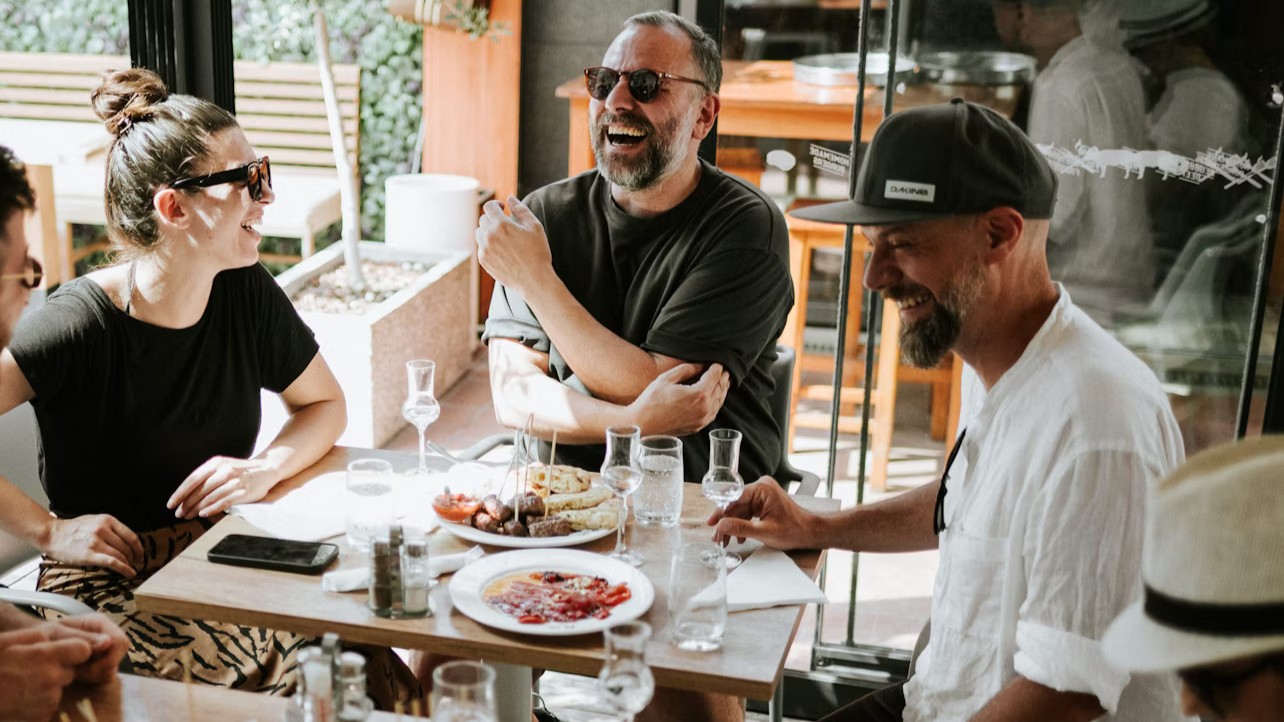
Enjoy a guided tasting of traditional Croatian liqueurs in an atmospheric local distillery. Reservation required; more details provided upon booking.
Detailed itinerary
1
Stop 1
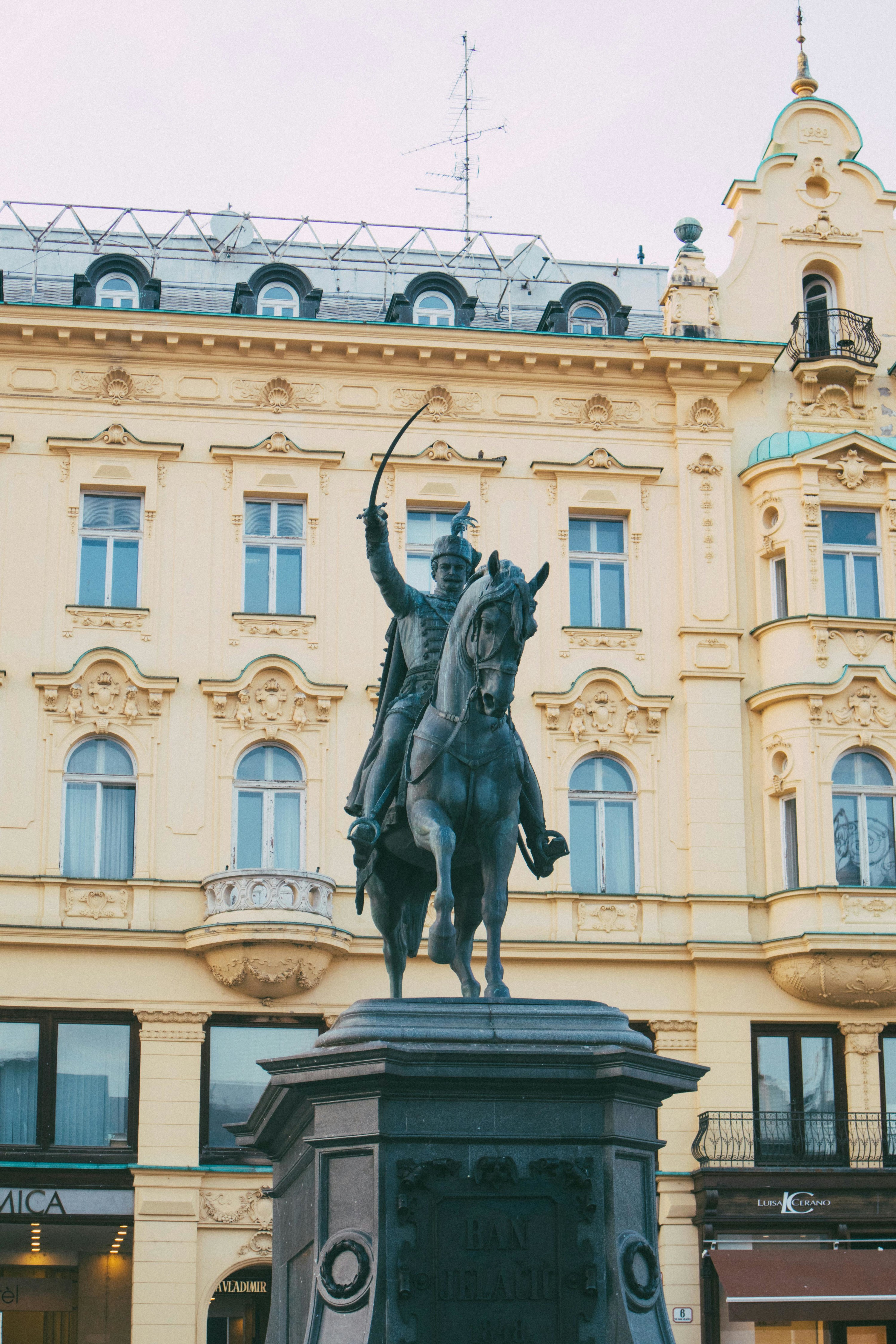
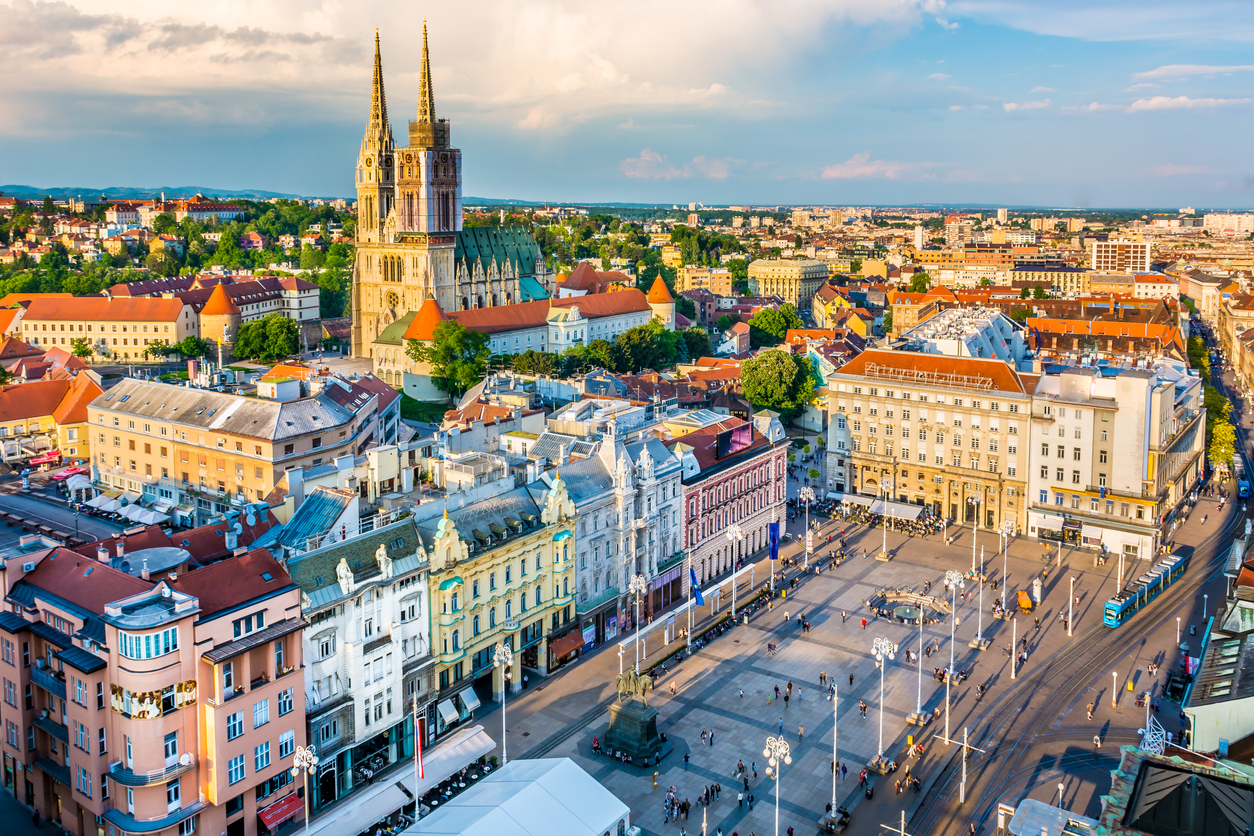
Our journey begins at this iconic square, dominated by the grand statue of King Tomislav, Croatia’s first king. This bustling gateway to Zagreb’s Lower Town sets the scene for the tour — a place where history meets everyday city life, and where Zagorka’s story begins to unfold.
2
A charming green oasis in the city, Strossmayer Square is named after the famous bishop and patron of Croatian culture, Josip Juraj Strossmayer. His residence was a cultural hub even in Zagorka’s time, a place where artists, writers, and thinkers mingled — the perfect backdrop to discuss Zagreb’s vibrant intellectual scene.
3
Stop 3
Standing outside the historic Kavana Zagreb near Zrinjevac Park, we explore its significance as a center of literary and social life. Though we remain outdoors, this café’s legacy as a meeting place for writers and revolutionaries, including Zagorka’s circle, comes alive through stories shared on the spot.
4
Stop 4
Named after the first president of Czechoslovakia, Masarykova Street is a bustling artery of the Lower Town. Here, the rhythm of daily Zagreb life pulses through shops, theatres, and cafés — the very environment that inspired Zagorka’s vivid portrayals of urban society.
5
At the site of the former editorial office of Obzor newspaper — where Marija Jurić Zagorka worked as a journalist — we reflect on her pioneering role in Croatian media and the power of the press in shaping social change. The stories told here resonate with the spirit of a woman who used her pen to challenge norms.
6
Varšavska Street marks the transition from the hustle of the Lower Town to the quieter residential quarters. This area reflects the social contrasts of Zagreb in Zagorka’s era — a backdrop for many stories of ordinary people, their struggles, and aspirations.
It was here that the headquarters of Ženski list were located, founded and edited by Marija Jurić Zagorka from 1925 to 1938. Through this pioneering publication, Zagorka gave voice to women’s issues, education, and rights in a time when such topics were rarely discussed publicly.
7
Café Corso was a beloved institution, known for its elegant atmosphere and as a rendezvous for the city’s progressive thinkers. Located at the corner of Ilica and Gundulićeva Street, it was a place where ideas flowed as freely as coffee. Marija Jurić Zagorka was among its frequent guests, joining writers and journalists in spirited conversation. Here, we delve into the café culture that brewed not only beverages, but bold visions of change, equality, and expression.
8
Stop 8
Near the former site of Velika Kavana (Grand Café), we pause in quiet reflection on the stories and lives that once filled this legendary place. Though the café itself no longer stands, its spirit lingers here — a reminder of Zagreb’s rich cultural past and the voices that shaped it. This spot offers a poignant finale to our journey through the city, seen through the eyes of its first female journalist, honoring the timeless power of storytelling, resilience, and community.
9
Optional Finale: Liqueur Tasting at House of Spirits
As an optional conclusion to the tour, guests are invited to enjoy a guided liqueur tasting at House of Spirits, a boutique distillery near the city center. In the spirit of Zagreb’s café culture and Zagorka’s richly woven stories, this tasting offers a sensory experience of traditional Croatian liqueurs — from herbal to fruit-infused blends. It’s a relaxed, flavorful way to toast to strong women, bold words, and a city full of character.
What's not included
Personal expenses and souvenirs
Optional and appreciated
Available languages
Guide guide
EN
HR
Reviews breakdown
Viator
5.0
2 reviews
5★
2
4★
0
3★
0
2★
0
1★
0
Tripadvisor
5.0
4 reviews
5★
4
4★
0
3★
0
2★
0
1★
0
Important information
Wheelchair accessible
Infants and small children can ride in a pram or stroller
Service animals allowed
Public transportation options are available nearby
Transportation options are wheelchair accessible
All areas and surfaces are wheelchair accessible
Suitable for all physical fitness levels
Meeting point
Meeting point is at the foot of the large equestrian statue of King Tomislav, located at the southern end of Zagreb's city center, just across from the main railway station (Glavni kolodvor). Look for a costumed guide dressed as Marija Jurić Zagorka — long skirt, blouse, tie, and a distinctive hat.
About Zagreb
Zagreb, Croatia's vibrant capital, is a city where history and modernity blend seamlessly. Known for its rich cultural heritage, lush green spaces, and lively cafes, it offers a unique blend of Austro-Hungarian architecture and Mediterranean influences. The city's charming atmosphere and welcoming locals make it an appealing destination for travelers seeking both cultural enrichment and relaxation.
Top Attractions
Upper Town (Gornji Grad)
The historic heart of Zagreb, the Upper Town is known for its medieval streets, historic buildings, and vibrant atmosphere. It's home to many of the city's most famous landmarks.
Historical
Half day to full day
Free to explore, individual attractions may have fees
Zagreb Cathedral
One of the most distinctive landmarks in Zagreb, the cathedral's neo-Gothic spires dominate the skyline. It's a must-visit for its stunning architecture and panoramic views.
Historical
1-2 hours
Free entry, tower climb: 25 HRK (3.35 EUR)
Museum of Broken Relationships
This unique museum showcases personal items and stories from broken relationships, offering a poignant and thought-provoking experience.
Museum
1-2 hours
50 HRK (6.70 EUR)
Maksimir Park
One of the largest and most beautiful parks in Zagreb, Maksimir Park is perfect for a relaxing stroll, picnics, or visiting the zoo.
Nature
Half day
Free, Zagreb Zoo: 80 HRK (10.80 EUR)
Dolac Market
A bustling open-air market offering fresh produce, flowers, and local delicacies. It's a great place to experience the local culture and sample fresh food.
Market
1-2 hours
Free to explore, prices vary for purchases
Must-Try Local Dishes
Štrukli
A traditional Croatian pastry filled with cottage cheese, often served as an appetizer or main course.
Dish
Vegetarian
Zagrebački odrezak
A breaded and fried veal schnitzel topped with a ham and mushroom sauce, served with potatoes.
Dish
Contains meat and gluten
Kulen
A spicy sausage made from minced pork and beef, flavored with garlic and paprika.
Dish
Contains meat
Palačinka
A thin, crepe-like pancake that can be filled with various sweet or savory ingredients.
Dessert
Vegetarian (depending on filling)
Popular Activities
Hiking in Maksimir Park
Biking along the Sava River
Exploring nearby national parks
Café hopping in the Lower Town
Picnicking in Maksimir Park
Visiting spas and wellness centers
Visiting museums and galleries
Attending concerts and performances
Best Time to Visit
June to August
Summer is the peak tourist season with warm weather and numerous outdoor events. It's ideal for exploring the city's parks and enjoying its vibrant nightlife.
20°C to 30°C
68°F to 86°F
Practical Information
Language
- Official: Croatian
- Widely spoken: English, German, Italian
- English: Widely spoken, especially among younger people and in tourist areas
Currency
Croatian Kuna (HRK)
Time Zone
GMT+1 (Central European Time, CET)
Electricity
230VV, 50HzHz
Safety Information
Overall Safety Rating: Generally safe
Zagreb is generally a safe city with low crime rates. However, as with any urban area, it's important to be aware of your surroundings and take precautions to protect yourself and your belongings.
Important Precautions:
- • Keep valuables secure and out of sight
- • Use licensed taxis or ride-sharing apps
- • Be cautious when using ATMs, especially at night
Getting there
By air
- Zagreb Airport • 17 km from city center
By train
Zagreb Central Station
By bus
Zagreb Central Bus Station
Getting around
Public transport
Zagreb's tram system is the most convenient way to get around the city. It's affordable, reliable, and covers most tourist areas.
Taxis
Available • Apps: Camme, Fahr
Rentals
Car, Bike, Scooter
Neighborhoods
Upper Town (Gornji Grad)
Lower Town (Donji Grad)
Trebnjak
Day trips
Plitvice Lakes National Park
130 km from Zagreb • Full day
A UNESCO World Heritage site known for its stunning lakes, waterfalls, and lush forests. It's one of the most beautiful natural attractions in Croatia.
Samobor
30 km from Zagreb • Half day to full day
A charming medieval town known for its well-preserved old town, beautiful architecture, and delicious pastries.
Varaždin
80 km from Zagreb • Full day
A historic town with beautiful Baroque architecture, a well-preserved old town, and a rich cultural heritage.
Festivals
Zagreb Advent • Late November to early January
Zagreb Film Festival • October
ZagrebDox • February
Pro tips
- Visit the Museum of Broken Relationships for a unique and thought-provoking experience
- Explore the underground tunnels of Medveščak Park for a fascinating glimpse into the city's history
- Take a hot air balloon ride over the city for a breathtaking view of Zagreb
- Try the famous Zagrebački odrezak, a breaded veal schnitzel with ham and mushroom sauce
- Shop at Dolac Market for fresh produce, flowers, and local delicacies
From $25
per person
Price varies by option
Secure booking
Free cancellation available
Instant confirmation