Yokohama Private Accessible & Customizable Tour Tokyo Day Trip
Active
3h - 5h
For a full refund, cancel at least 24 hours before the scheduled departure time.
Instant_then_manual confirmation
Mobile or paper ticket accepted
About this experience
Please select 3 to 4 options from the itinerary and start time, and we’ll decide the order on the day based on the weather.
This tour is designed for travelers who prefer a relaxed pace with frequent breaks, as well as active couples, families, and solo travelers who would like to explore Yokohama as if traveling with a local Japanese friend.
I have lived in Yokohama for over 30 years and have hosted many international students in my home through homestay programs.
I genuinely enjoy meeting and communicating in English with people who want to explore and understand Japan.
If you have any special interests beyond the listed options, please ask in advance. If you start at 6:00 PM, you can enjoy the night view
For guests who need assistance:
My 25-year-old son has a severe disability and has used a wheelchair for many years. Through walking and exploring Yokohama together, I have gained deep, hands-on experience in supporting wheelchair users and guests who require special care.
Available options
Yokohama Private Accessible & Customizable Tour Tokyo Day Trip
What's included
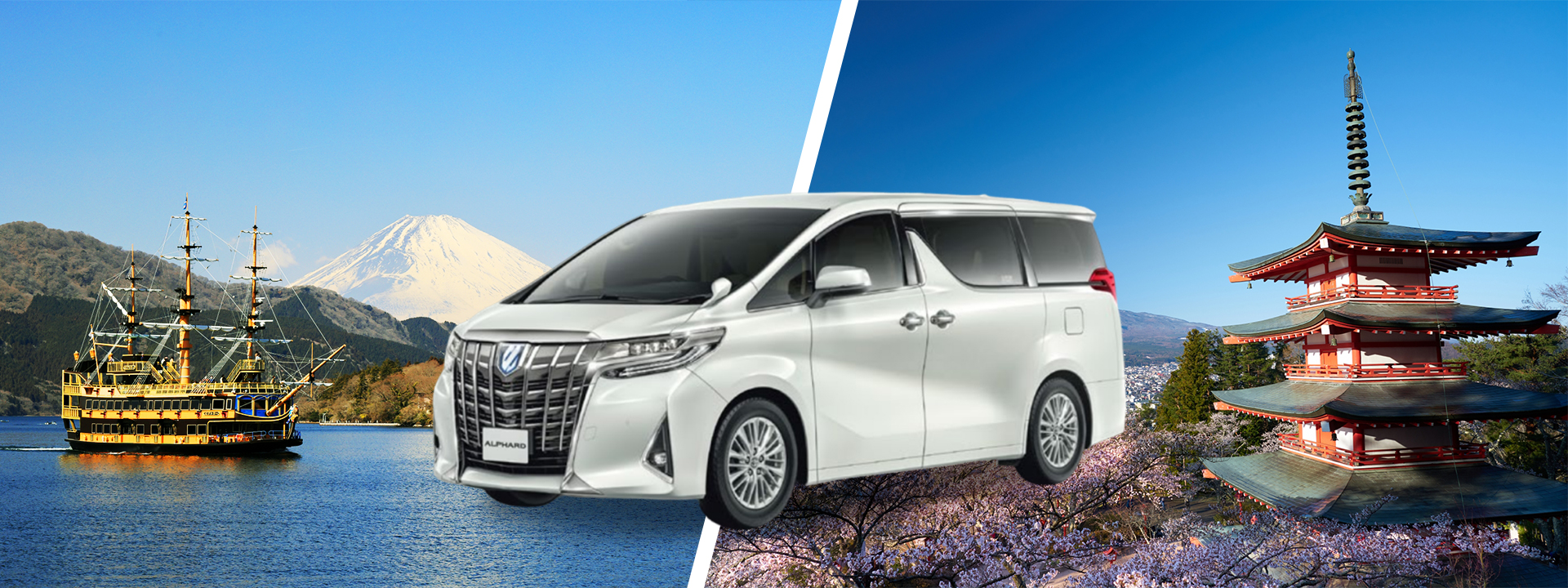
A car can be arranged only for groups of 2 to 4 people with genuinely mobility limitations.
Private tour, exclusively for your party: A personalized experience
A local Japanese guide who has lived in Yokohama for over 30 years.
Car service is available upon request; please ask in advance
Detailed itinerary
1
Let’s meet in front of "Colette Mare" near Sakuragicho Station OR at the Osanbashi Pier taxi stand.
Please choose one of these two meeting points in advance.
Please select 3 to 4 options from the itinerary, and we’ll decide the order on the day based on the weather.
2
Option: 1
Iseyama Kotaijingu Shrine enshrines Amaterasu Omikami, the Sun Goddess, who is regarded as the most revered deity in Japan and is the same deity worshipped at Ise Grand Shrine, the most sacred Shinto shrine in the country.
Because of this, the shrine is often referred to as “the Ise Shrine of the Kanto region,” and many people visit it to receive the same spiritual blessings without traveling all the way to Ise.
The shrine is located on a hilltop, offering a pleasant open atmosphere and panoramic views of Yokohama, which adds to its calm and refreshing ambiance.
Unlike many major tourist sites, the shrine is usually quiet and uncrowded, making it an ideal place for visitors to experience traditional Japanese culture, enjoy a peaceful moment, and feel a strong sense of harmony between history, nature, and the modern city.
Please note that, due to the hilltop setting and stair access, the shrine may not be suitable for visitors using wheelchairs.
3
Option: 2
Osanbashi Pier is one of the historic ports where Japan first opened to the world, and it has played an important role in Yokohama’s development as an international harbor.
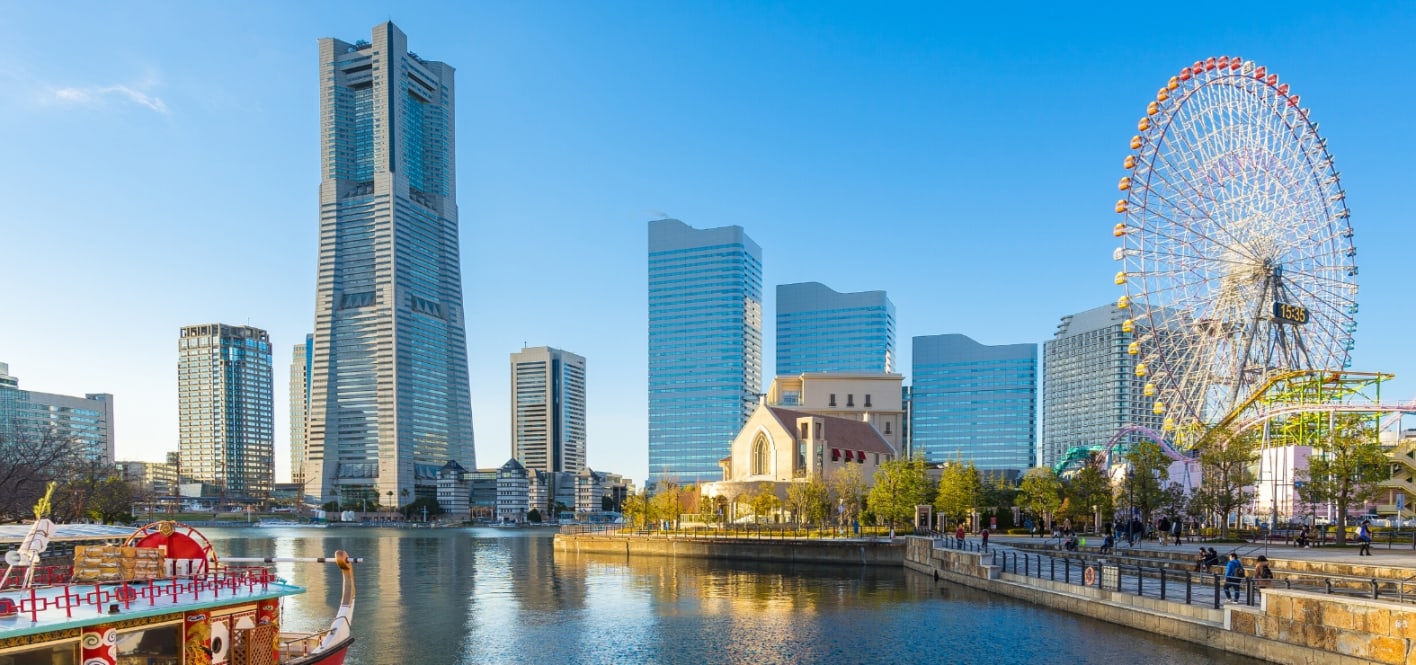
The rooftop features a wide wooden deck that creates an open space, giving visitors the feeling of standing on a ship floating on the sea. From here, you can enjoy panoramic views of Minato Mirai’s skyline, the Red Brick Warehouse, and the Yokohama Bay Bridge, making it a popular viewing spot both during the day and at night.
The pier is designed with gentle slopes and ramps, making it easily accessible for wheelchair users and strollers.
Its flowing architecture blurs the boundary between indoors and outdoors, and it is highly regarded both in Japan and internationally as a building that blends seamlessly with the surrounding landscape.
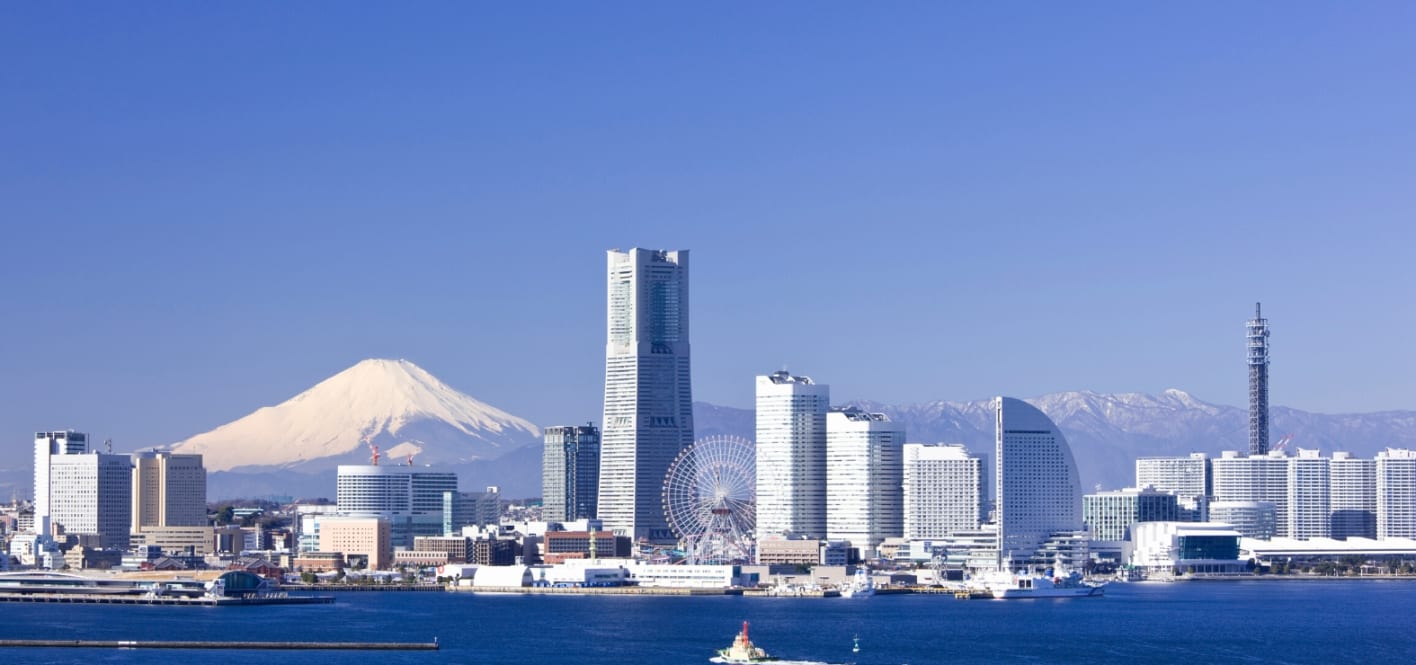
On clear days, visitors can even see Tokyo Skytree and Mount Fuji in the distance.
4
Option: 3 The Yokohama Red Brick Warehouse is a lively cultural landmark where history and modern life come together.
Built in the early 20th century, the warehouses supported port logistics and international trade, and survived both the Great Kanto Earthquake of 1923 and World War II. Their strong red-brick structures remain as symbols of Yokohama’s resilience and modernization.
Today, the restored buildings house stylish cafés, restaurants, and shops. The open waterfront plaza hosts seasonal events and markets, creating a vibrant atmosphere throughout the year. With views of the sea and the Minato Mirai skyline, it is also one of Yokohama’s most popular photo spots, loved by visitors day and night.
5
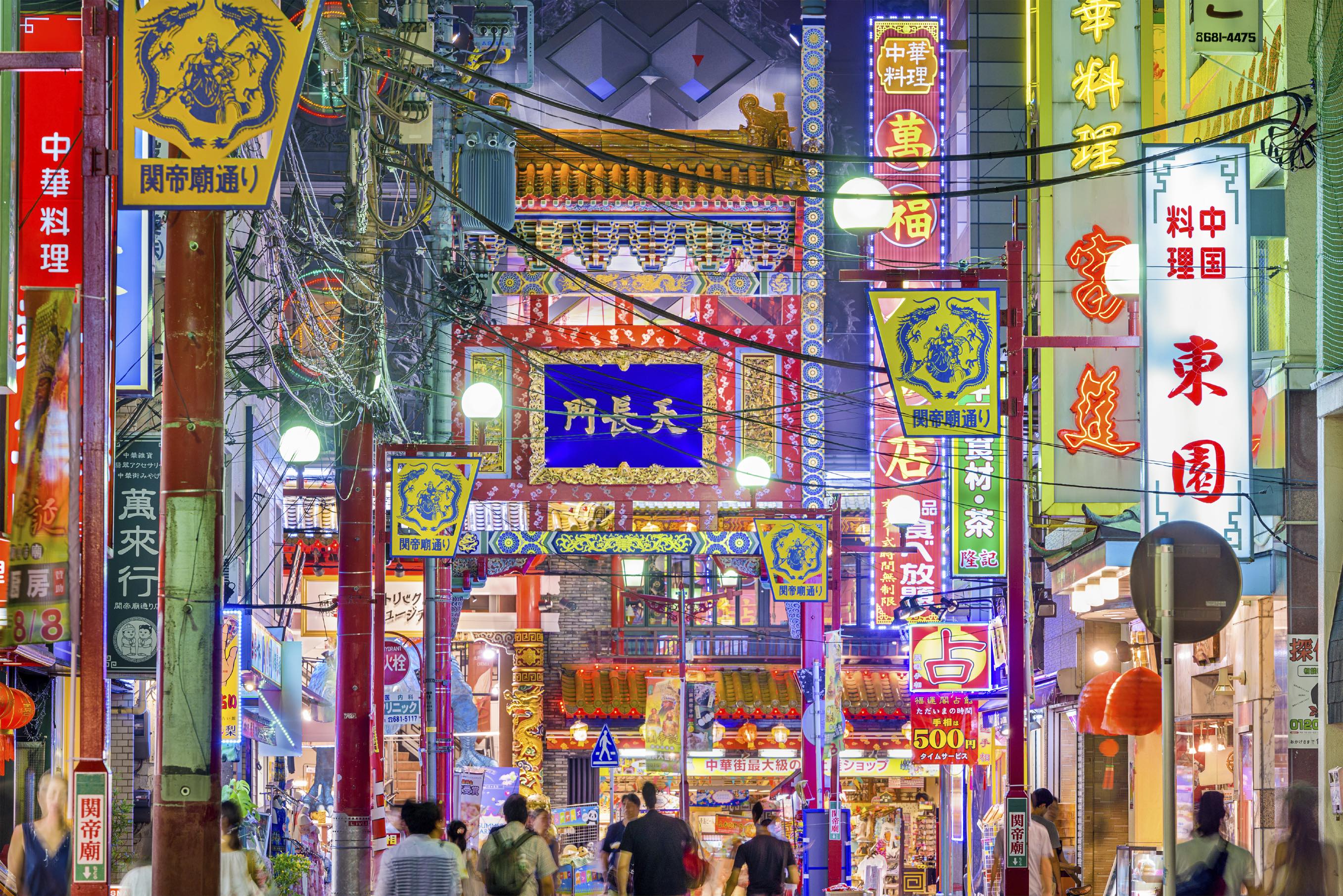
Option: 4 Yokohama Chinatown is the largest Chinatown in Japan and one of the most lively in the world. Its history began in 1859, when Yokohama opened its port to foreign trade and Chinese merchants settled in the area. Over time, the community grew and developed into a vibrant district rich in culture, food, and tradition.
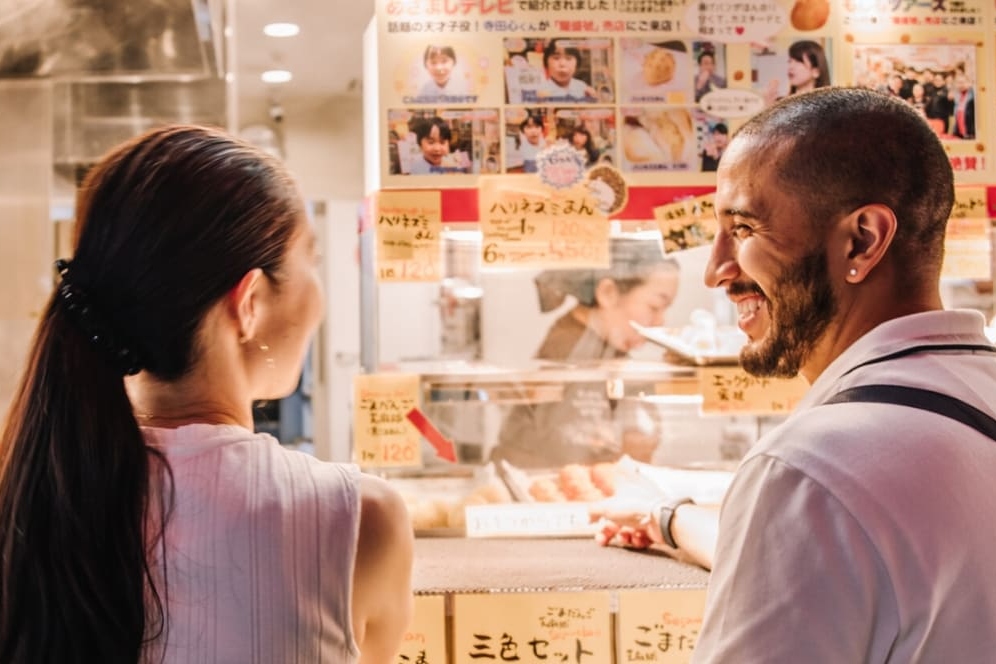
Today, Chinatown is known for its colorful gates, bustling streets, and countless restaurants offering everything from classic dim sum to popular street food. Visitors can also enjoy shops selling traditional goods and sweets, as well as temples that reflect the area’s cultural roots. It is a place where history and modern energy blend naturally.
For those who are interested, palm reading can also be enjoyed as an optional experience.
Please note that the palm reading fee is not included.
6
Option: 5 Yamashita Park is a beautiful waterfront park that represents Yokohama’s history and seaside charm. Opened in 1930 after the Great Kanto Earthquake, it was built on reclaimed land as a symbol of recovery. Visitors can relax on harbor-facing benches, enjoy views of the sea, and see the historic Hikawa Maru, a ship once used on the Seattle route. The Rose Garden, filled with roses linked to Yokohama’s sister cities, blooms in spring and autumn, making the park a popular and photogenic spot.
7
Option 6: Yokohama Motomachi is a refined shopping street with a history dating back to 1859, when Yokohama opened its port to international trade. As foreign residents settled nearby, Motomachi developed as a district that supported their daily lives.
From the late 19th century, the area became known for Western-style boutiques, tailor shops, bakeries, and cafés. Many long-established family-run shops, some operating for generations, continue to preserve this legacy while maintaining high standards of quality and craftsmanship.
Today, Motomachi blends tradition with elegance. Carefully regulated storefronts create a harmonious streetscape, offering visitors a calm and sophisticated atmosphere where Yokohama’s international history can still be felt.
8
Option 7: If you choose this option, we recommend saving it for the end of the tour. The guide may assist with restaurant reservations and menu explanations, after which the tour may conclude.
Please note that food and drink expenses are not included.
Noge is a lively, nostalgic district known as one of Yokohama’s most famous local drinking areas. Located near Sakuragicho Station, it offers a strong contrast to the modern Minato Mirai area, with narrow streets full of character.
Developed after World War II, Noge is especially known for its many small izakaya and yakitori shops, where guests can enjoy local food and drinks in an intimate, friendly atmosphere. With a mix of long-established taverns and newer creative bars, Noge offers an authentic taste of Yokohama’s nightlife and local culture.
What's not included
Meals
Lunch
Dinner
Available languages
Guide guide
EN
Important information
Wheelchair accessible
Infants and small children can ride in a pram or stroller
Service animals allowed
Public transportation options are available nearby
Infants are required to sit on an adult’s lap
Transportation options are wheelchair accessible
All areas and surfaces are wheelchair accessible
Suitable for all physical fitness levels
Meeting point
At the Osanbashi Pier taxi stand.
About Yokohama
Yokohama is Japan's second-largest city and a major port city with a rich history and vibrant culture. Known for its cosmopolitan atmosphere, it offers a blend of modern attractions and historic sites, making it a unique destination for travelers.
Top Attractions
Minato Mirai 21
Minato Mirai 21 is a futuristic waterfront area with modern architecture, shopping, dining, and entertainment options. It's a symbol of Yokohama's development and innovation.
Architecture/Entertainment
Half day to full day
Free to explore, attractions vary
Yokohama Chinatown
Yokohama Chinatown is one of the largest Chinatowns in the world, offering a vibrant mix of Chinese culture, cuisine, and shops. It's a must-visit for food lovers and cultural enthusiasts.
Cultural
Half day
Free to explore, food costs vary
Sankeien Garden
Sankeien Garden is a traditional Japanese garden with beautiful landscapes, historic buildings, and seasonal flowers. It offers a peaceful retreat from the bustling city.
Nature
2-3 hours
¥700
Must-Try Local Dishes
Shumai
A popular Chinese-style dumpling filled with pork and shrimp, often served with a sweet and spicy sauce.
Dumpling
Contains pork and shrimp
Iekeukhan
A grilled chicken skewer with a sweet and savory glaze, originating from Yokohama's Chinatown.
Street food
Contains chicken
Sashimi
Fresh raw fish slices, often served with soy sauce and wasabi. Yokohama's proximity to the sea ensures high-quality sashimi.
Seafood
Contains raw fish
Popular Activities
Hiking in Sankeien Garden
Cruising on Lake Ashi in Hakone
Exploring the caves of Enoshima
Onsen bathing in Hakone
Strolling through Yamashita Park
Visiting the Yokohama Museum of Art
Exploring Yokohama Chinatown
Visiting the Sankeien Garden
Best Time to Visit
Spring (March to May) and Autumn (September to November)
These seasons offer pleasant weather and are ideal for outdoor activities. Spring brings cherry blossoms, while autumn offers beautiful fall foliage.
15-25°C
59-77°F
Practical Information
Language
- Official: Japanese
- Widely spoken: English, Chinese
- English: Moderately spoken
Currency
Japanese Yen (JPY)
Time Zone
GMT+9
Electricity
100VV, 50/60HzHz
Safety Information
Overall Safety Rating: Very safe
Yokohama is a very safe city with low crime rates. Violent crime is rare, and pickpocketing is uncommon. However, as with any destination, it's important to stay aware of your surroundings and take basic precautions.
Important Precautions:
- • Use licensed taxis and agree on the fare before starting your journey
- • Keep valuables secure and out of sight in crowded areas
- • Be cautious of strangers offering unsolicited help or services
Getting there
By air
- Haneda Airport • 25 km from city center
- Narita Airport • 100 km from city center
By train
Yokohama Station, Sakuragicho Station
By bus
Yokohama Station Bus Terminal, Bashamichi Bus Terminal
Getting around
Public transport
The subway system is efficient and covers most of the city. It is user-friendly with signs in English.
Taxis
Available • Apps: JapanTaxi, DiDi
Rentals
Car, Bike, Scooter
Neighborhoods
Minato Mirai
Yamashita Park
Kannai
Day trips
Kamakura
30 km from Yokohama • Half day to full day
Kamakura is a historic town known for its temples, shrines, and the Great Buddha. It's a popular day trip from Yokohama, offering a mix of history and natural beauty.
Hakone
60 km from Yokohama • Full day
Hakone is a scenic hot spring resort town known for its onsen (hot springs), views of Mount Fuji, and historic sites. It's a great escape from the city for a day of relaxation and nature.
Enoshima
30 km from Yokohama • Half day
Enoshima is a small island known for its scenic views, shrines, and caves. It's a popular spot for a relaxing day trip, offering a mix of nature and culture.
Festivals
Yokohama Hakke Festival • April 29th (Showa Day)
Yokohama Red Brick Warehouse Festival • November (specific dates vary)
Yokohama Chinatown Festival • Spring and Autumn (specific dates vary)
Pro tips
- Use an IC card like Suica or Pasmo for convenient and discounted public transportation
- Visit the Yokohama Tourist Information Center for maps, brochures, and helpful staff
- Try local specialties like shumai, iekeukhan, and sashimi for an authentic culinary experience
- Explore the city's historic sites, such as the Red Brick Warehouse and Sankeien Garden, for a glimpse into Yokohama's past
- Experience the vibrant nightlife in Noge district or the lively atmosphere of Chinatown
From $25
per person
Price varies by option
Secure booking
Free cancellation available