Discover Shibuya Culture and Street Life with a Local Guide
Active
2h
For a full refund, cancel at least 24 hours before the scheduled departure time.
Instant confirmation
Mobile or paper ticket accepted
About this experience
This is a small-group walking tour that lets you experience both Shibuya’s famous landmarks and its hidden local gems through a local lens.
In addition to must-sees like the Hachikō statue and the Scramble Crossing, you’ll explore places such as the retro-style Nonbei Yokocho izakaya alley, the newly redeveloped Miyashita Park, a peaceful Shinto shrine, eye-catching street art, and even a fun capsule toy (Gachapon) experience — offering a well-rounded glimpse into both the modern and traditional sides of Shibuya.
- Includes time for photos at Instagram-worthy spots
- Guided by a friendly, knowledgeable local
- Covers food, history, fashion, and nightlife culture
- Perfect for solo travelers, couples, or families (English-speaking guide)
More than just sightseeing, this tour gives you the chance to feel the atmosphere of the city and create stories of your own — that’s what makes it truly unique.
Available options
Discover Shibuya Culture and Street Life with a Local Guide
What's included
Professional Local Guide
Photos taken during the tour will be sent afterward
Detailed itinerary
1
Stop 1
Pass by
The Hachikō Statue is one of Japan’s most beloved landmarks, symbolizing loyalty and devotion. It commemorates Hachikō, an Akita dog born in 1923, who waited every day at Shibuya Station for his owner — even for nearly 10 years after the owner passed away.
Hachikō’s story moved the hearts of many across Japan and eventually the world. The bronze statue was erected in 1934, just a year before Hachikō’s own passing, and it quickly became a cultural icon.
Today, the statue is a popular meeting point for locals and tourists alike, and a reminder of the emotional bond between humans and animals. Visitors often take photos here as a symbol of loyalty and love — and it's a great starting point for exploring Shibuya.
2
Stop 2
Pass by
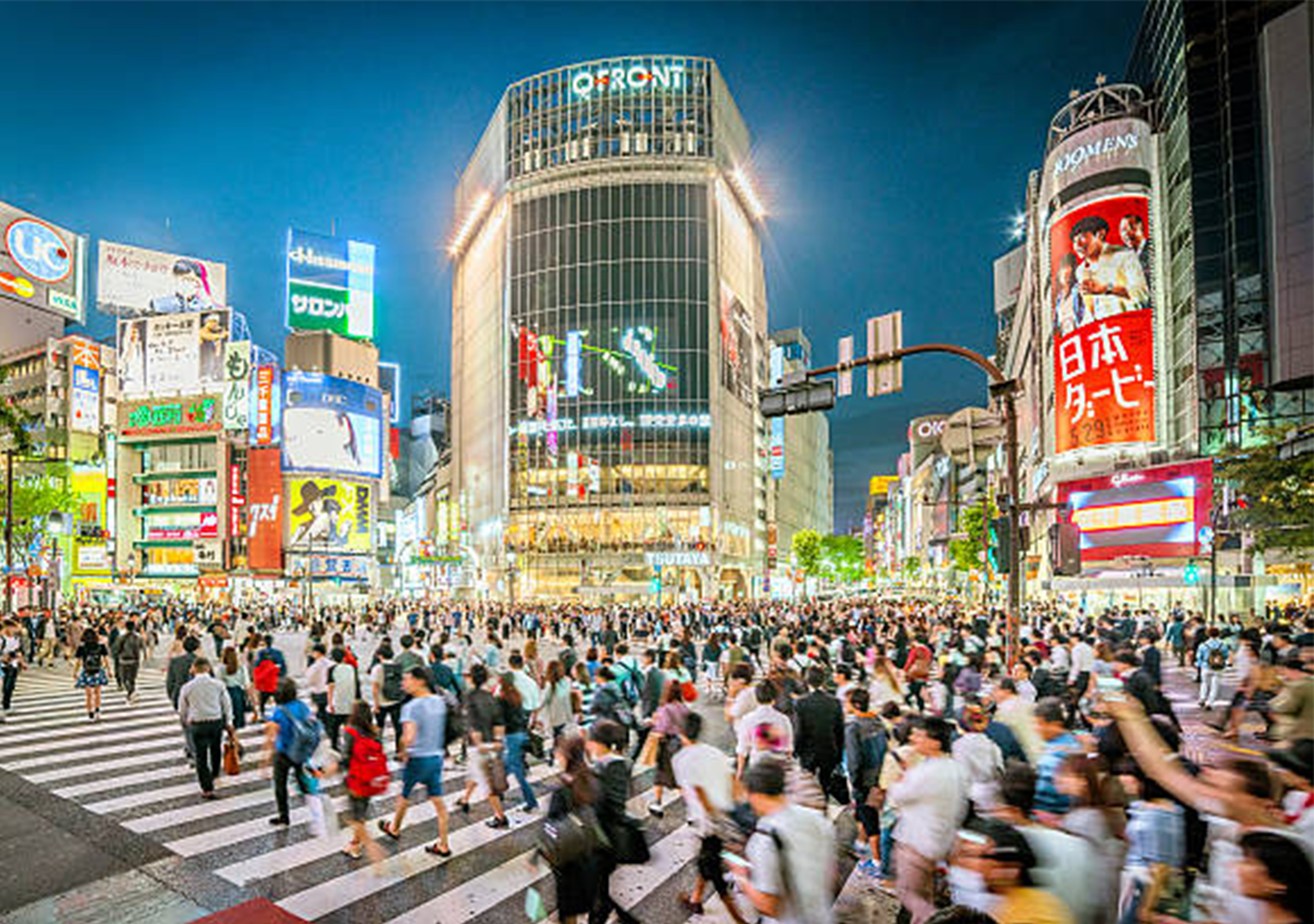
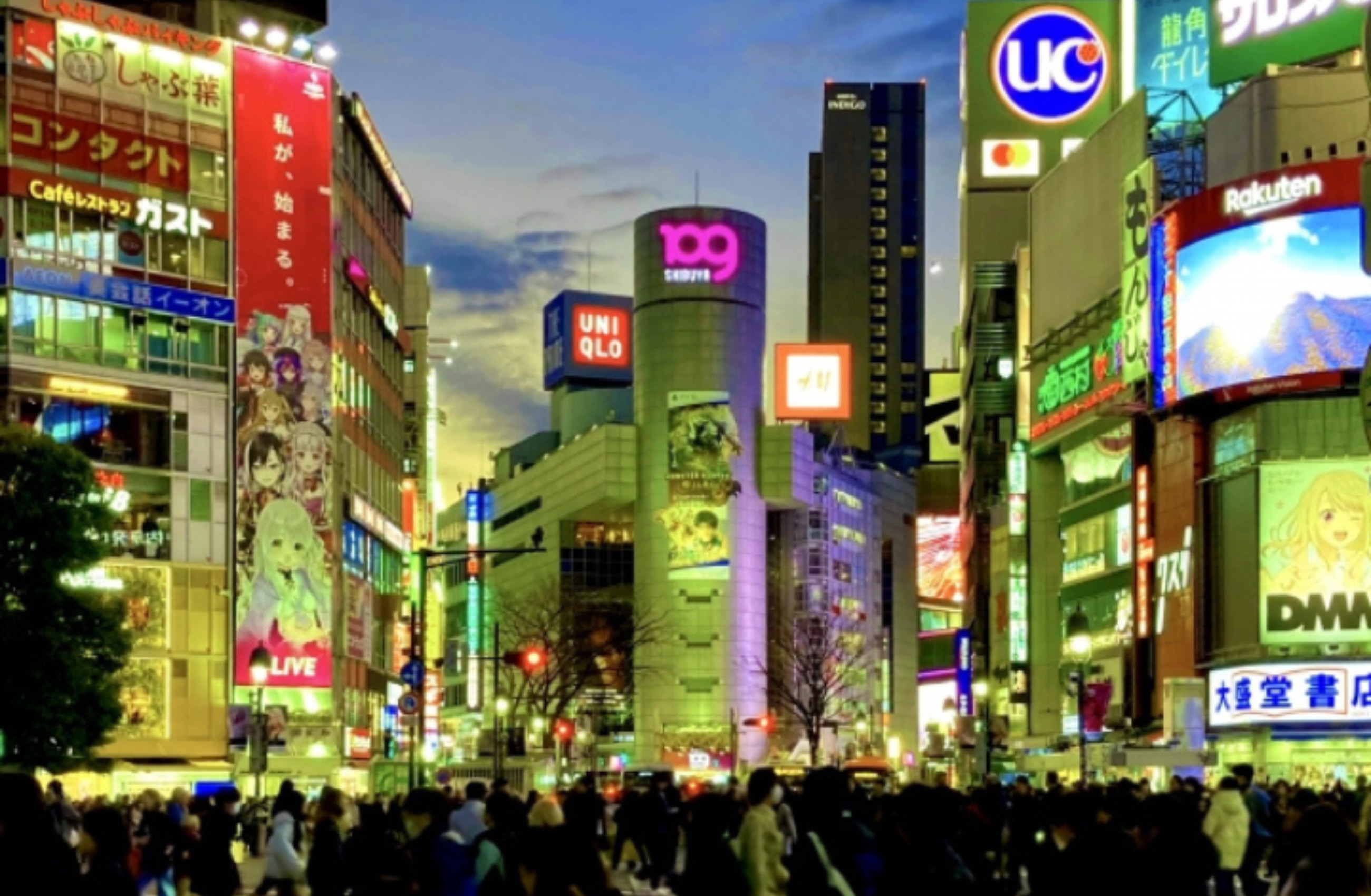
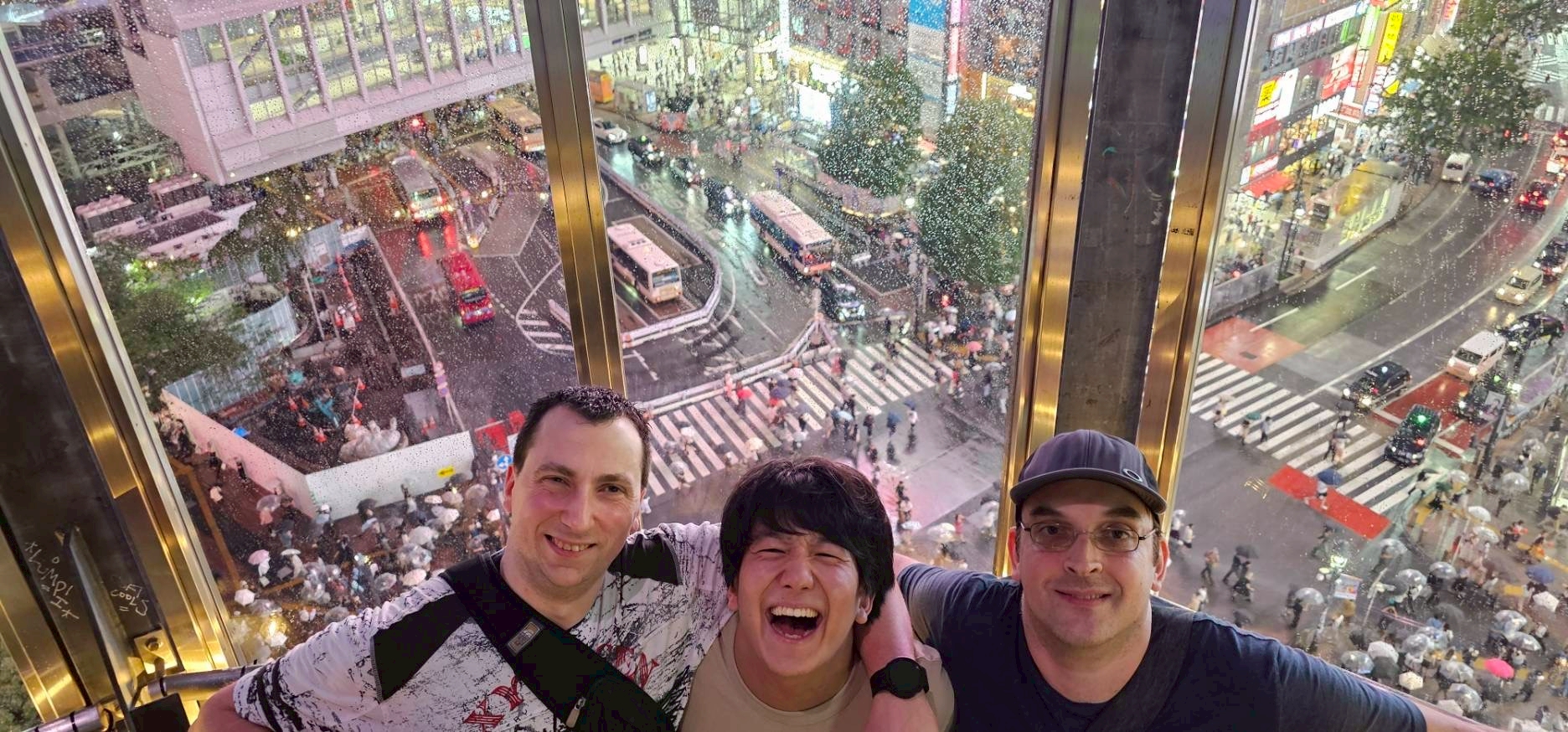
The Shibuya Scramble Crossing is one of the busiest and most iconic intersections in the world. Located just outside Shibuya Station, the crossing allows pedestrians from all directions to walk at once when the traffic lights turn red — resulting in a mesmerizing moment of organized chaos.
On average, over 1,000 people cross during a single green light cycle, and up to 300,000 cross daily.
The surrounding buildings are lit with neon screens, advertisements, and music — creating a vibrant, cinematic atmosphere.
The crossing has appeared in numerous movies, including Lost in Translation and Fast & Furious: Tokyo Drift, making it a must-see location.
Visitors love to film their own walk across or snap a shot from above (ask your guide for the best angle!).
3
SHIBUYA109 is not just a shopping mall — it’s a cultural icon of Japan’s youth fashion. Opened in 1979, the building became the birthplace of the “gyaru” (gal) movement and was central to shaping the "kawaii" (cute) culture that spread globally.
The name "109" is a play on words from the owning company "Tokyu" (To = 10, Kyu = 9).
Inside are dozens of fashion boutiques and trend-driven brands catering to teenagers and women in their 20s.
While we won’t enter during the tour, you’ll learn how SHIBUYA109 represents Japan’s fast-evolving fashion trends and how it became a symbol of youth identity and self-expression.
It’s also one of the most Instagrammed buildings in Tokyo — so don’t forget your photo!
4
Stop 4
Pass by
Shibuya Center-gai is one of the liveliest pedestrian streets in Tokyo — a narrow but bustling area filled with energy, youth culture, and constant motion.
Located just across the Scramble Crossing, it’s packed with fashion boutiques, sneaker stores, game arcades, karaoke shops, fast food chains, and trendy cafes.
Known as the birthplace of many youth trends in Japan, Center-gai is where street fashion, TikTok dances, and influencer culture collide.
It’s especially popular among teenagers and college students, and has often been called the “runway of Shibuya.”
We’ll walk through the street and point out some notable spots, including places for cheap eats, iconic street art, and photo-worthy neon lights.
Center-gai perfectly captures Tokyo’s vibrant, fast-paced urban lifestyle.
5
Get ready for a fun and unexpected cultural moment — trying out a Japanese gachapon, or capsule toy machine!
We’ll visit #C-Pla Shibuya, one of the largest gachapon stores in the city, located at 21 Udagawa-cho.
Inside, you’ll find hundreds of colorful vending machines lined up wall to wall. For around 300–500 yen, you can turn the dial and receive a mystery item — it could be a miniature anime figure, a tiny sushi set, or even a quirky keychain.
Gachapon culture is a unique part of Japan’s obsession with collectibles, cuteness (kawaii), and surprise. It appeals to both kids and adults — and it's an affordable, fun souvenir to take home.
Your guide will help explain how it works and even recommend a few machines based on your interests!
6
MIYASHITA PARK is a modern urban park complex that sits above a train line in the heart of Shibuya.
Once a simple and aging public park, it has been completely redesigned as a multi-level facility that seamlessly blends green space, youth culture, shopping, and food.
The rooftop features a skate park, bouldering wall, and open lawn — offering a peaceful escape from the busy streets below.
Inside, you’ll find stylish shops like BEAMS, cafes, and international brands that reflect Tokyo’s evolving urban culture.
It’s a great example of how Tokyo reinvents public space to serve both locals and visitors alike.
7
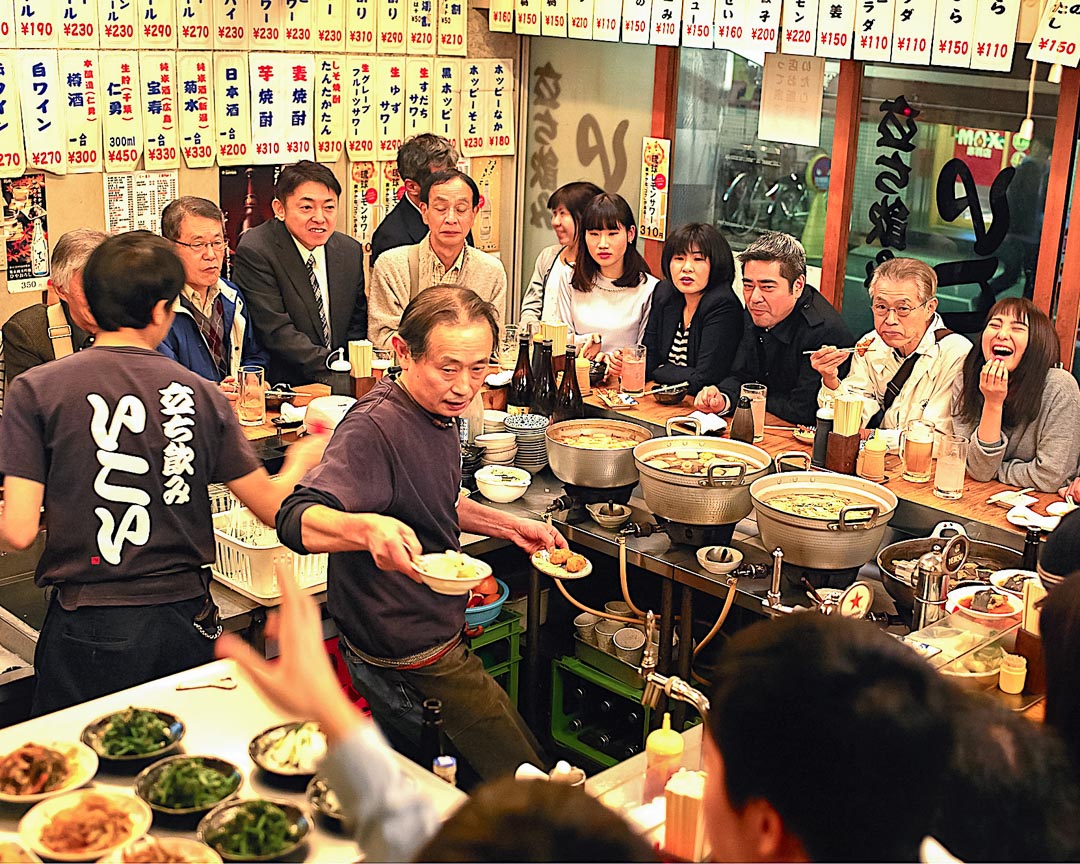
Nonbei Yokocho is a nostalgic alleyway just steps away from the Shibuya Scramble Crossing — yet it feels like stepping back in time to post-war Japan.
This narrow street is lined with tiny traditional Japanese bars (izakayas), many of which seat only 5–6 people.
Each bar has its own personality, offering drinks like sake and shochu, along with local snacks or home-style meals.
We’ll share the history behind this charming area, its name (literally "Drunkard’s Alley"), and how it's remained a beloved after-work hangout for decades.
It’s a hidden gem that reveals a quieter, more intimate side of Tokyo nightlife.
8
Stop 8
Pass by
Step into one of Tokyo’s most intriguing and contrasting districts — Shibuya’s nightlife zone.
While Shibuya is known for its youth fashion and vibrant energy, this area reveals another side: a maze of narrow alleys filled with love hotels, small live music bars, and izakayas tucked away from the main streets.
Once a red-light district, Maruyama-cho retains a mysterious charm and edgy atmosphere.
We’ll discuss how this area has evolved, and how nightlife, privacy, and entertainment culture uniquely intersect in Japan.
Don’t worry — it’s all safe and tasteful for a walking tour, but full of stories.
9
Hidden within the modern chaos of Shibuya lies a tiny, peaceful shrine — Chiyoda Inari Jinja.
This lesser-known spiritual spot honors Inari, the deity of prosperity, agriculture, and business, often represented by fox statues.
The bright red torii gate and compact courtyard offer a brief moment of quiet reflection.
We’ll explain basic shrine etiquette, the symbolism of the fox guardians, and why small urban shrines like this are still so important in modern Japanese life.
10
“The Myth of Tomorrow” (Asu no Shinwa) is a massive mural by Japanese avant-garde artist Taro Okamoto, located inside Shibuya Station near the Inokashira Line entrance.
It portrays the horrific moment of a nuclear explosion — a human figure being engulfed by flames — and yet, it also symbolizes survival and the potential for rebirth.
The artwork was originally created in the 1960s in Mexico but remained lost for decades. After being rediscovered, it was restored and installed in Shibuya in 2008.
With its raw emotion and bold brushstrokes, the mural stands in stark contrast to the shiny, modern commercial space around it.
We’ll share the story of Okamoto, known for his famous phrase “Art is Explosion!” and explain how this piece reflects Japan’s post-war cultural identity.
11
Just around the corner is Pepper Parlor, a robot-themed cafe where SoftBank's humanoid robots serve and interact with guests.
We’ll explain Japan’s obsession with robotics and give you time to peek inside or grab a drink to-go (time permitting).
Available languages
Guide guide
EN
ES
Reviews breakdown
Tripadvisor
5.0
3 reviews
5★
3
4★
0
3★
0
2★
0
1★
0
Important information
Wheelchair accessible
Infants and small children can ride in a pram or stroller
Public transportation options are available nearby
Transportation options are wheelchair accessible
Suitable for all physical fitness levels
Meeting point
Our guide is standing in front of SHIBU HACHI BOX.
They are holding a signboard for our inbound tour service “YURAGI,” so please use that as a reference point to meet up.
If you have trouble finding them, you can contact the guide directly via WhatsApp or phone.
About Tokyo
Tokyo, the capital of Japan, is a bustling metropolis that beautifully blends traditional culture with cutting-edge technology. Known for its neon-lit streets, historic temples, and world-class cuisine, Tokyo offers a unique experience that caters to every type of traveler.
Top Attractions
Senso-ji Temple
Senso-ji is Tokyo's oldest temple and one of its most significant. The temple's massive lantern and five-story pagoda are iconic landmarks.
Historical/Religious
1-2 hours
Free (small fee for some areas)
Meiji Shrine
Meiji Shrine is a Shinto shrine dedicated to the deified spirits of Emperor Meiji and his wife, Empress Shoken. It is surrounded by a beautiful forest.
Historical/Religious
1-2 hours
Free
Shibuya Crossing
Shibuya Crossing is the world's busiest pedestrian crossing and a symbol of Tokyo's bustling urban life. It's a must-see for its chaotic yet orderly nature.
Cultural
30 minutes to 1 hour
Free (¥2,200 for Shibuya Sky)
Tokyo Skytree
Tokyo Skytree is the tallest tower in Japan and the second tallest freestanding structure in the world. It offers breathtaking views of the city.
Architecture
2-3 hours
¥2,100 to ¥3,100 (USD $15 to $22)
Odaiba
Odaiba is a man-made island in Tokyo Bay known for its shopping, dining, and entertainment options. It's a great place for families and tech enthusiasts.
Entertainment
Half day to full day
Varies by attraction
Must-Try Local Dishes
Sushi
Fresh raw fish served on vinegared rice, a staple of Japanese cuisine.
Dinner
Contains fish, can be vegetarian with substitutes.
Ramen
Noodle soup with various broths and toppings, a popular comfort food.
Lunch/Dinner
Vegan and vegetarian options available.
Tempura
Deep-fried seafood and vegetables, known for its crispy texture.
Lunch/Dinner
Contains seafood and deep-fried ingredients.
Okonomiyaki
Savory pancake with various ingredients, often topped with sauce and bonito flakes.
Lunch/Dinner
Contains seafood and can be made vegetarian.
Popular Activities
Hiking in the nearby mountains
Parasailing at Odaiba
Onsen (hot spring) visits
Tea ceremonies
Traditional tea ceremonies
Kimono rentals and photo shoots
Boat tours on the Sumida River
Beach activities at Odaiba
Best Time to Visit
March to May (Spring) and September to November (Autumn)
These seasons offer comfortable temperatures and beautiful scenery, with cherry blossoms in spring and vibrant foliage in autumn. However, these are also the busiest times for tourism.
10°C to 25°C (50°F to 77°F)
50°F to 77°F
Practical Information
Language
- Official: Japanese
- Widely spoken: English, Chinese, Korean
- English: Moderately spoken in tourist areas, limited elsewhere
Currency
Japanese Yen (JPY)
Time Zone
GMT+9
Electricity
100VV, 50/60HzHz
Safety Information
Overall Safety Rating: Very safe
Tokyo is generally very safe, with low crime rates and a strong emphasis on public order. However, petty crimes like pickpocketing can occur in crowded areas.
Important Precautions:
- • Be cautious of your belongings in crowded areas.
- • Use licensed taxis and check fares before getting in.
- • Be aware of your surroundings, especially at night.
Getting there
By air
- Narita International Airport • 60 km (37 miles) from city center
- Haneda Airport • 15 km (9 miles) from city center
By train
Tokyo Station, Shinjuku Station
By bus
Tokyo Station Bus Terminal, Shinjuku Expressway Bus Terminal
Getting around
Public transport
Tokyo's subway system is efficient, clean, and punctual. It consists of multiple lines operated by Tokyo Metro and Toei Subway.
Taxis
Available • Apps: JapanTaxi, DiDi
Rentals
Car, Bike, Scooter
Neighborhoods
Shibuya
Shinjuku
Asakusa
Ginza
Akihabara
Day trips
Nikko
120 km (75 miles) from Tokyo • Full day
Nikko is a city known for its beautiful shrines, temples, and natural scenery. It's a UNESCO World Heritage site and offers a peaceful retreat from the bustling city.
Kamakura
50 km (31 miles) from Tokyo • Half day to full day
Kamakura is a coastal town known for its historic temples, shrines, and the Great Buddha statue. It's a great place to experience traditional Japanese culture.
Hakone
90 km (56 miles) from Tokyo • Full day or overnight
Hakone is a hot spring resort town known for its onsen (hot springs), scenic views of Mount Fuji, and the Open-Air Museum. It's a popular destination for relaxation and nature.
Festivals
Sannō Matsuri • Mid-June (every 2 years)
Kanda Matsuri • Mid-May (every 2 years)
Sumida River Fireworks Festival • Last Saturday of July
Pro tips
- Use IC cards like Suica or Pasmo for convenient and discounted public transport.
- Download useful apps like Google Maps, Japan Transit Planner, and Japan Travel by Navitime.
- Learn a few basic Japanese phrases to enhance your experience and show respect for the local culture.
- Carry cash, as some smaller shops and restaurants may not accept credit cards.
- Visit popular attractions early in the morning or late in the afternoon to avoid crowds.
From $25
per person
Price varies by option
Secure booking
Free cancellation available
Instant confirmation