Wine and Halloumi Experience Taste Cyprus Flavors in the Mountain
Active
5h - 6h
For a full refund, cancel at least 24 hours before the scheduled departure time.
Instant confirmation
Mobile or paper ticket accepted
About this experience
Our tours stand out because they are designed to be personal, authentic, and immersive. With small groups and a relaxed pace, guests enjoy more than just sightseeing — they connect with the traditions, flavors, and people of Cyprus. As your local guide, I share stories and insights that bring each stop to life, from historic monasteries to family-run wineries and halloumi producers. Unlike standard excursions, our experiences highlight hidden gems and genuine encounters often missed by larger tours. Travel is in comfort with our vehicle marked Wild Wheels – Cyprus Winery Tours, making pickup simple and welcoming. Each detail, from wine tastings to cultural visits, is carefully chosen to reflect the true spirit of the island. More than a tour, it’s a journey into Cypriot heritage, where guests taste, learn, and carry home lasting memories.
Available options
Wine and Halloumi Experience Taste Cyprus Flavors in the Mountain
Pickup included
What's included
pick up and drop off travelers
Air-conditioned vehicle
Detailed itinerary
1
Stop 1
Nestled in the peaceful village of Lemona, Tsangarides Winery blends Cypriot tradition with modern winemaking. Family-run and renowned for its warm hospitality, the estate is one of Cyprus’ pioneers in organic viticulture, producing award-winning wines from both indigenous grapes like Xynisteri and Maratheftiko, and international varieties such as Shiraz and Cabernet. Visitors are welcomed to enjoy intimate guided tastings, discovering the flavors of Cyprus alongside light local delicacies. The stone-built cellar and terrace offer a rustic yet elegant setting, with sweeping views of vineyards and the Troodos foothills. Just a short drive from Paphos, Tsangarides Winery is a must-visit attraction for travelers seeking authentic culture, scenic beauty, and the true essence of Cypriot wine.
2
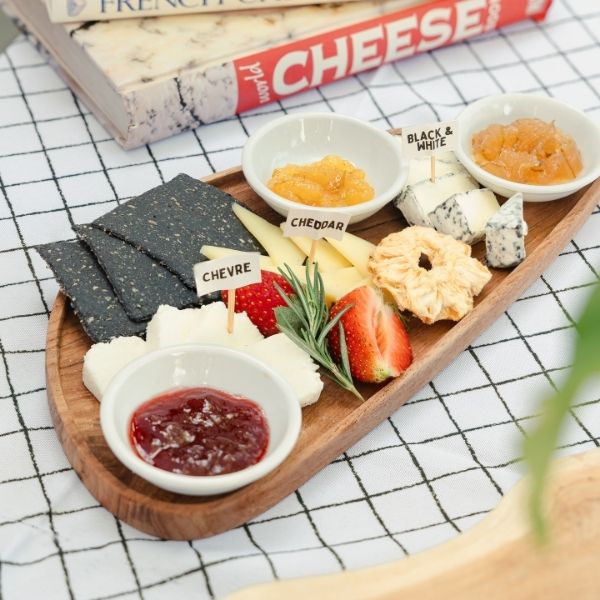
In the picturesque village of Axylou, near Paphos, the Axylou Halloumi Factory carries forward one of Cyprus’ oldest culinary traditions. For generations, Cypriot families have produced halloumi, a cheese made from goat’s and sheep’s milk, prized for its unique texture and ability to be grilled or fried without melting. At Axylou, this heritage is preserved through a family-run dairy that combines traditional recipes with modern standards, ensuring authentic flavor and quality. Visitors are welcomed to learn the story of halloumi, its cultural importance in Cypriot life, and how it has been passed down through centuries. The highlight is the tasting: warm, freshly prepared halloumi served with local bread and herbs. Simple, rustic, and delicious, it offers guests a genuine taste of Cyprus and a connection to the island’s rural traditions.
The halloumi cheese tasting is not free.
3
Set in the mountains near Panagia village, Chrysorrogiatissa Monastery is one of Cyprus’ most treasured spiritual sites. Founded in 1152 by the monk Ignatios, it is dedicated to Our Lady of the Golden Pomegranate and safeguards a revered icon of the Virgin Mary, said to have been painted by Saint Luke. The monastery’s stone buildings, peaceful courtyards, and panoramic views create a setting of beauty and calm. Over the centuries, it has preserved precious icons, manuscripts, and artworks, standing as a symbol of resilience and faith during turbulent times. Today, Chrysorrogiatissa remains an active monastery where traditions of prayer and devotion continue. Visitors can explore its cultural heritage, admire its artistry, and even taste wines produced at its own monastery winery, linking spirituality with Cyprus’ ancient winemaking history.
What's not included
five wines tasting - 7 euro per person
Axylou Halloumi cheese tasting fee- 7 euro per person
Available languages
Guide guide
EN
RO
Reviews breakdown
Viator
5.0
3 reviews
5★
3
4★
0
3★
0
2★
0
1★
0
Tripadvisor
5.0
4 reviews
5★
4
4★
0
3★
0
2★
0
1★
0
Important information
Infants and small children can ride in a pram or stroller
Public transportation options are available nearby
Specialized infant seats are available
Suitable for all physical fitness levels
About Paphos
Paphos is a coastal city in southwestern Cyprus, renowned for its rich history and mythological significance as the birthplace of the Greek goddess Aphrodite. The city is a UNESCO World Heritage Site, boasting ancient ruins, vibrant culture, and stunning Mediterranean landscapes.
Top Attractions
Paphos Archaeological Park
A UNESCO World Heritage Site featuring ancient ruins, mosaics, and the remains of Roman villas. This park is a must-visit for history enthusiasts.
Historical
2-3 hours
€4.50
Aphrodite's Rock
A legendary sea stack where, according to Greek mythology, the goddess Aphrodite emerged from the sea. A popular spot for swimming and photography.
Nature
1-2 hours
Free
Tombs of the Kings
An underground necropolis dating back to the Hellenistic and Roman periods. The tombs are carved out of solid rock and are a fascinating glimpse into ancient burial practices.
Historical
1-2 hours
€4.50
Paphos Castle
A medieval castle located at the edge of the Paphos harbor. The castle has a rich history and offers beautiful views of the Mediterranean Sea.
Historical
30 minutes to 1 hour
Free
Adonis Baths
A natural waterfall and bathing area located in a scenic forest setting. The site is associated with the myth of Adonis and Aphrodite.
Nature
2-3 hours
€4.50
Must-Try Local Dishes
Meze
A selection of small dishes served together, including grilled meats, vegetables, and dips.
Dinner
Vegetarian and vegan options available
Halloumi
A semi-hard cheese made from a mixture of goat and sheep milk, often grilled and served with vegetables.
Snack/Dinner
Vegetarian
Kleftiko
A slow-cooked lamb dish with herbs and vegetables, traditionally cooked in a sealed clay pot.
Dinner
Contains meat
Loukoumades
Small, deep-fried dough balls soaked in honey and sprinkled with cinnamon and nuts.
Dessert
Vegetarian
Popular Activities
Hiking in the Troodos Mountains
4x4 tours in Akamas Peninsula
Scuba diving in Paphos
Beach lounging
Spa treatments
Yoga by the sea
Visiting archaeological sites
Attending local festivals
Best Time to Visit
April to June, September to October
The best time to visit Paphos is during the spring and autumn months when the weather is pleasant, and the tourist crowds are smaller. This period is ideal for exploring the historical sites and enjoying the beaches.
20-30°C
68-86°F
Practical Information
Language
- Official: Greek
- Widely spoken: English
- English: Widely spoken
Currency
Euro (EUR)
Time Zone
GMT+2 (EET)
Electricity
240VV, 50HzHz
Safety Information
Overall Safety Rating: Generally safe
Paphos is generally safe for tourists, with low crime rates. However, petty theft and pickpocketing can occur in tourist areas, so it's important to stay vigilant.
Important Precautions:
- • Keep valuables secure and out of sight
- • Use reputable tour operators and taxis
- • Be cautious of strangers offering unsolicited help or services
Getting there
By air
- Paphos International Airport • 10 km from city center
By bus
Paphos Bus Terminal
Getting around
Public transport
The bus system is affordable and covers most major attractions. Buses are frequent and reliable, making it easy to get around without a car.
Taxis
Available • Apps: Bolt
Rentals
Car, Bike, Scooter
Neighborhoods
Kato Paphos
Pano Paphos
Paphos Harbor
Day trips
Troodos Mountains
60 km from Paphos • Full day
A mountainous region offering scenic drives, hiking trails, and traditional villages. The Troodos Mountains are known for their natural beauty and cool climate.
Akamas Peninsula
30 km from Paphos • Half day to full day
A scenic peninsula with rugged landscapes, hidden beaches, and diverse wildlife. The Akamas Peninsula is a paradise for nature lovers and adventure seekers.
Limassol
60 km from Paphos • Half day
A vibrant coastal city known for its rich history, modern amenities, and lively atmosphere. Limassol offers a mix of historical sites, shopping, and dining.
Festivals
Aphrodite Festival • September
Paphos Wine Festival • Late May to early June
Paphos International Folk Festival • June
Pro tips
- Visit the Paphos Archaeological Park early in the morning to avoid the heat and crowds
- Explore the Troodos Mountains for a cooler climate and stunning natural scenery
- Try local wines and visit wineries in the region, such as Kolios Winery and Vouni Panayia Winery
- Attend the Aphrodite Festival in September for a unique cultural experience
- Take a boat tour to the Blue Lagoon and other hidden beaches in the Akamas Peninsula
From $25
per person
Price varies by option
Secure booking
Free cancellation available
Instant confirmation