Bloody Dames of Darlinghurst Crime Tour
Active
2h
For a full refund, cancel at least 24 hours before the scheduled departure time.
Instant confirmation
Mobile or paper ticket accepted
About this experience
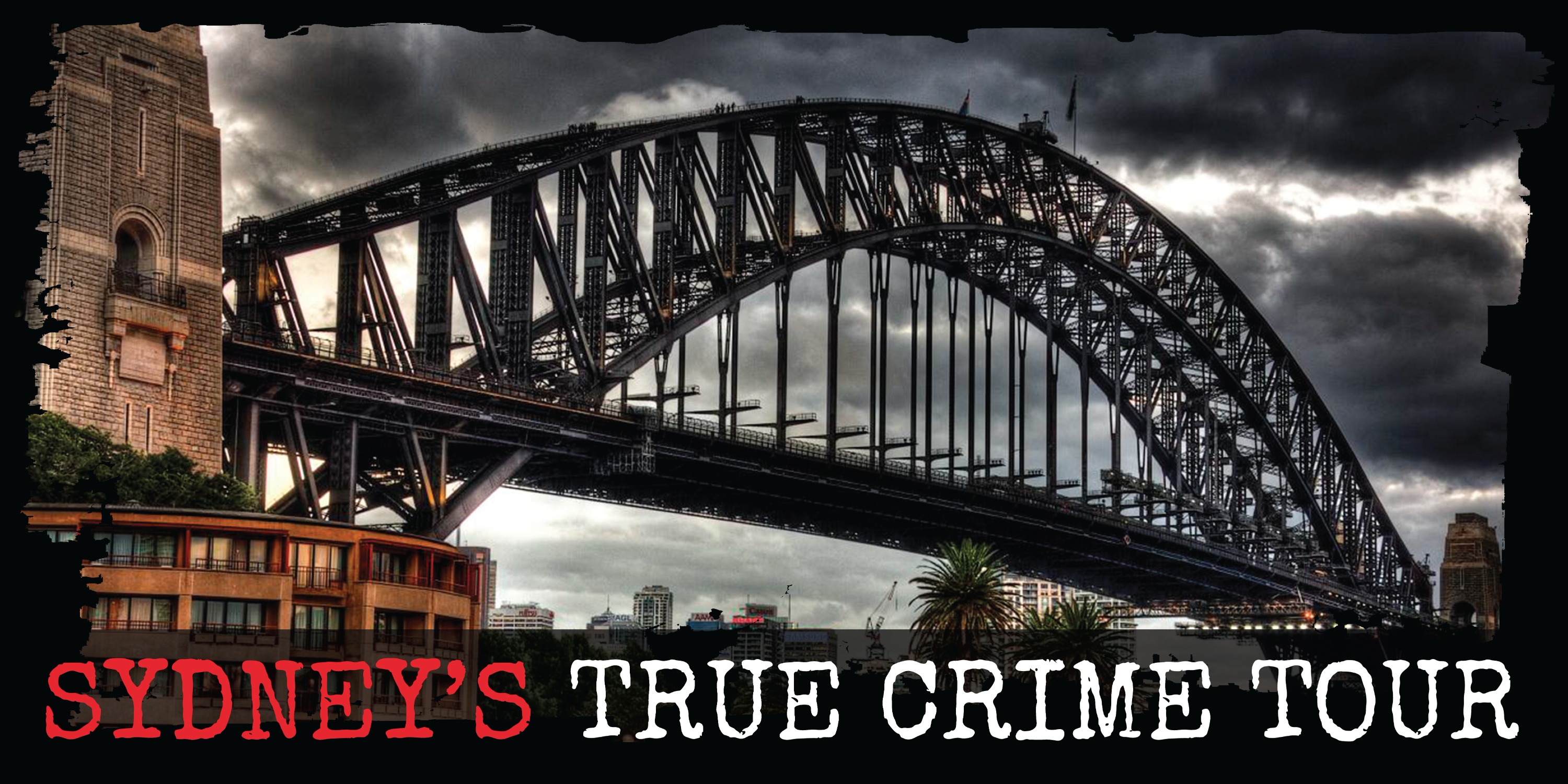
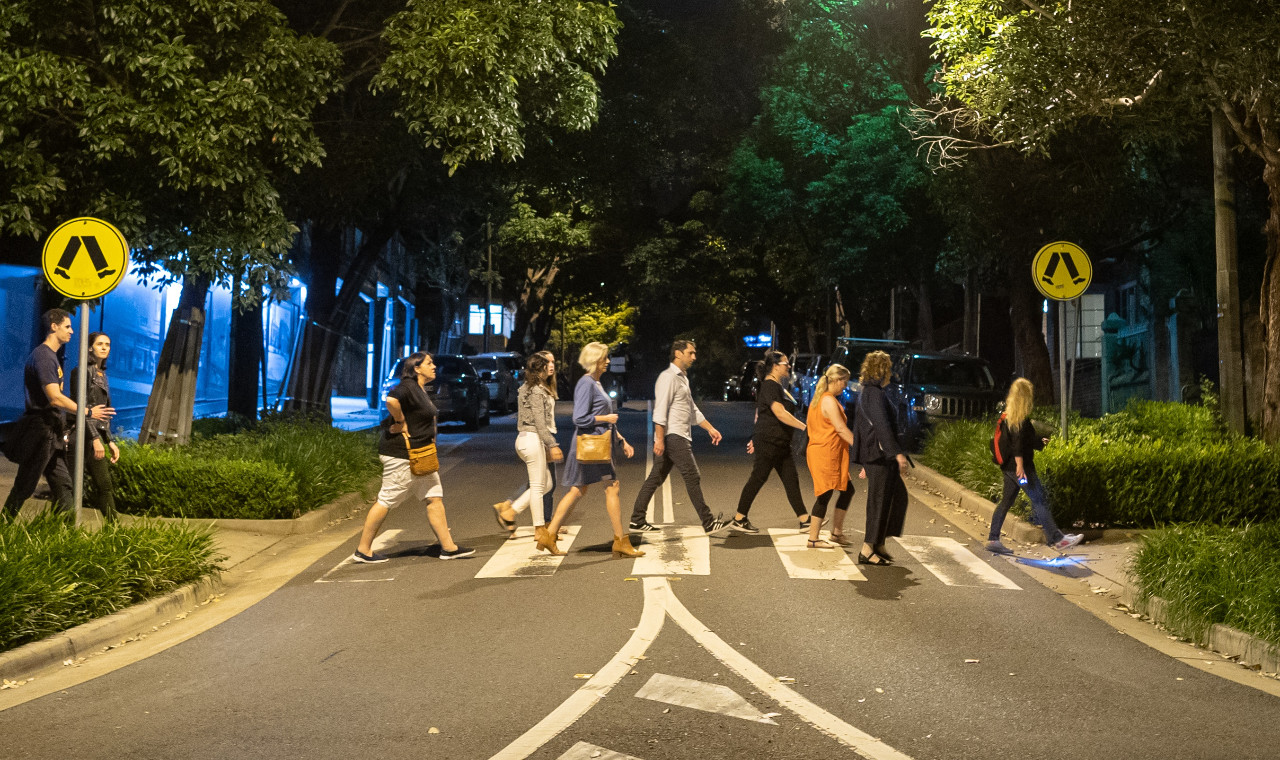
In the 1920s, Sydney was the crime capital of the world — a city ruled not by gangsters in suits, but by razor-wielding women. This walking tour takes you through Razorhurst, where cocaine queens, brothel madams, and corrupt cops built bloody empires. Meet Tilly Devine, Kate Leigh, and Nellie Cameron — the real-life crime bosses who made Sydney more dangerous than Chicago. If you love true crime, scandal, and stories too wild for the history books, this tour is unmissable.
Available options
Bloody Dames of Darlinghurst Crime Tour
What's included
Exclusive insights you won’t find on plaques, in guidebooks, or other tours
True crime tales from Sydney’s 1920s–30s underworld
Guided walking tour led by a professional storyteller
Detailed itinerary
1
We begin at Hyde Park — once sacred Gadigal land, later a colonial parade ground, and now home to a bold monument of grief and power. The Anzac Memorial’s striking art deco design reflects a city grappling with loss, identity, and control.
By the 1920s, those same tensions exploded. Sydney shifted from solemn remembrance to chaos, becoming the crime capital of the Commonwealth. The streets around us turned from marches to mayhem — and the Razor Wars were just beginning.
2
Norman Bruhn came up from Melbourne in 1926 — a career criminal with a bad temper, a sawed-off shotgun, and plans to take over Sydney’s booming vice scene. He wasn’t just challenging men — he was challenging the razor queens already running the show: Tilly Devine, Kate Leigh, and their armies of girls, grog-runners, and crooked cops.
Bruhn set up just steps from here. Less than a year later, he was ambushed and shot dead on this very street — a violent end that didn’t kill the chaos, but ignited it. His death marked the true beginning of the Razor Wars — Sydney’s bloodiest chapter.
3
In the late 1920s, Riley Street was the power base of Kate Leigh, Sydney’s most formidable sly grog queen. Operating from her home at 104 Riley Street, she built an empire of illegal pubs and cocaine supply. Just a few blocks away, Tilly Devine ran her brothels. The city wasn’t big enough for both — and as their empires collided, Sydney descended into the chaos of the Razor Wars.
4
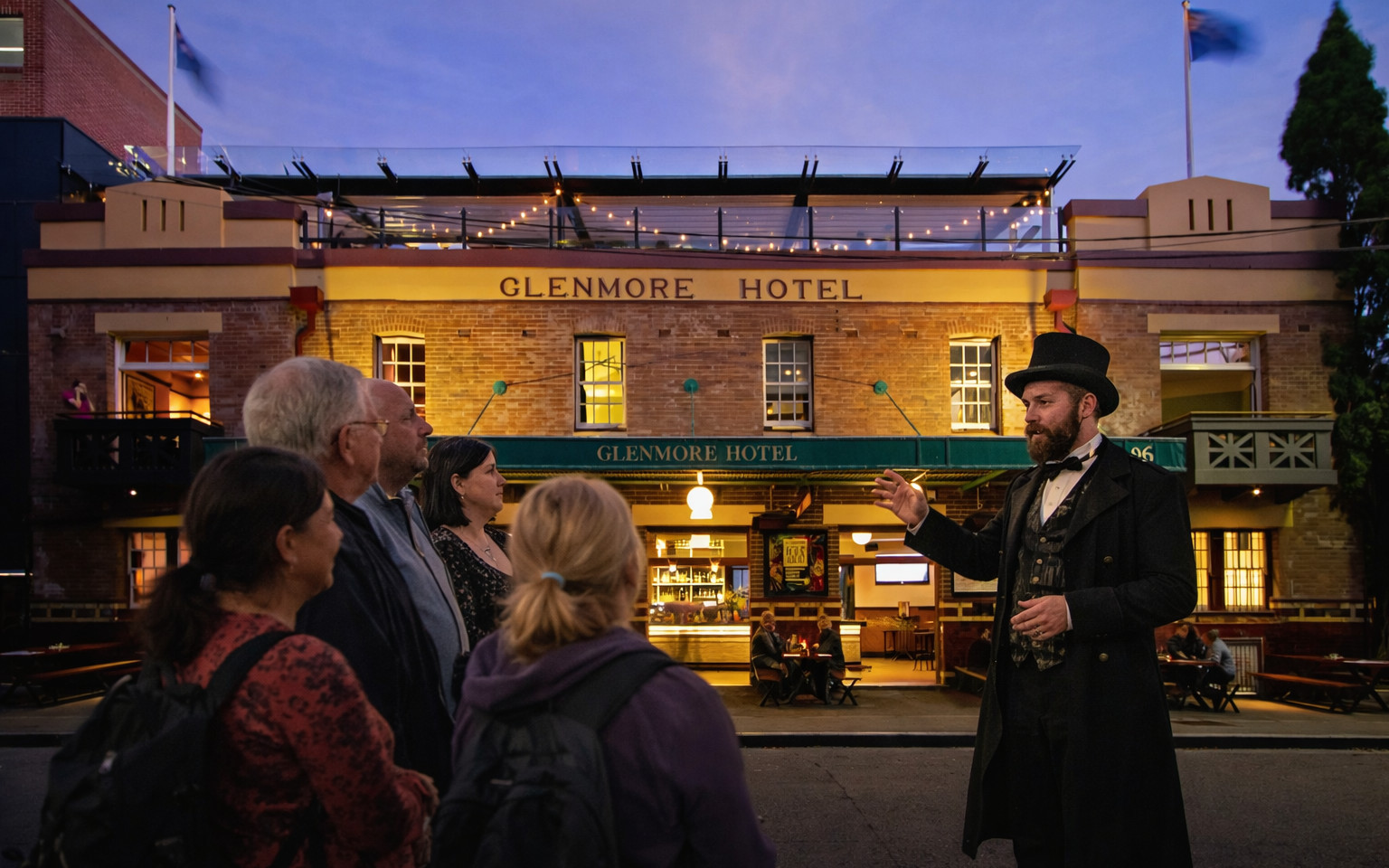
This William Street pub became one of the most infamous landmarks of Sydney’s Razor Wars. It was the scene of a fatal shooting, a near miss, and whispered threats over whisky. Frank Green, Barney Dalton, Nellie Cameron — their stories all passed through these doors.
5
For years, these laneways were the beating heart of Tilly Devine’s brothel empire. Her girls worked the terraces, protected by razor gangs and bribes. It was here, in the shadows of Chapel Street, that deals were made, rivals were slashed, and Sydney’s sex trade turned bloody during the Razor Wars.
6
Once known as the Tradesman’s Arms, this pub was a notorious Razorhurst watering hole. Gangsters, brothel madams, and crooked cops drank here — often at the same table. Deals were made, threats exchanged, and more than one punch-up started right at this bar.
7
Once the Burton Street Tabernacle, this site was where Arthur Stace heard the sermon that inspired his famous one-word graffiti: “Eternity.” From a house of worship to a theatre of stories, this corner has echoed with conviction, redemption, and a touch of the divine ever since.
8
Behind these stone walls, Sydney’s most notorious criminals were locked up — and some never left. In 1889, Louisa Collins became the last woman hanged in NSW after four trials for poisoning her husbands. Her execution sparked outrage — and marked the beginning of the end for public hangings.
9
Once a funeral home, Kinselas has seen its share of drama — long before it became a Darlinghurst icon. Rumour has it Tilly Devine’s rivals were laid out here. Today, it stands on the bones of Razorhurst, reborn as a bar, a stage, and a celebration of the city’s rebellious past.
Available languages
Guide guide
EN
Reviews breakdown
Tripadvisor
5.0
2 reviews
5★
2
4★
0
3★
0
2★
0
1★
0
Important information
Wheelchair accessible
Infants and small children can ride in a pram or stroller
Service animals allowed
Public transportation options are available nearby
Transportation options are wheelchair accessible
Not recommended for travelers with poor cardiovascular health
Suitable for all physical fitness levels
Meeting point
Please meet at the Anzac War Memorial in Hyde Park South (Elizabeth Street side). Your guide will be wearing a grey “Bloody Interesting Tours” jacket and cap. Please arrive 10 minutes early. Look for us near the front steps of the memorial.
About Sydney
Sydney, Australia's most iconic city, is renowned for its stunning harbour, vibrant cultural scene, and diverse neighborhoods. With its blend of natural beauty, historic landmarks, and modern attractions, Sydney offers an unforgettable experience for every traveler.
Top Attractions
Sydney Opera House
An iconic landmark and UNESCO World Heritage site, the Sydney Opera House is a masterpiece of modern architecture and a hub for performing arts.
Architecture/Cultural
1-2 hours for a tour, longer for a performance
AUD 42-100 (tour prices vary)
Sydney Harbour Bridge
One of the world's most famous bridges, offering spectacular views and the thrill of the BridgeClimb or BridgeWalk.
Architecture/Adventure
2-3 hours (depending on activity)
AUD 174-468 (BridgeClimb prices vary)
Bondi Beach
Australia's most famous beach, known for its golden sand, surfing, and vibrant atmosphere.
Beach/Entertainment
Half day to full day
Free (surfboard rentals and lessons cost extra)
The Rocks
A historic area with cobblestone streets, colonial buildings, and a vibrant market scene.
Historical/Cultural
2-3 hours
Free (market and museum entry fees apply)
Royal Botanic Garden Sydney
A beautiful oasis in the heart of the city, offering stunning views of the harbour and Opera House.
Nature
1-2 hours
Free
Must-Try Local Dishes
Avo on Toast
A simple yet iconic dish featuring avocado on toast, often topped with poached eggs, feta, or smoked salmon.
Breakfast
Vegetarian (check for specific toppings)
Barramundi
A popular Australian fish, often grilled or pan-fried and served with seasonal vegetables and a sauce.
Dinner
Gluten-free (check for specific sauces and sides)
Tim Tams
A beloved Australian chocolate biscuit, often enjoyed with a cup of tea or coffee.
Snack
Contains gluten and dairy
Flat White
A popular Australian coffee, similar to a latte but with a stronger coffee flavor and velvety microfoam.
Drink
Contains dairy (non-dairy options available)
Popular Activities
Hiking in the Blue Mountains
Surfing at Bondi Beach
BridgeClimb or BridgeWalk at Sydney Harbour Bridge
Kayaking in Sydney Harbour
Scuba diving in Jervis Bay
Beach lounging at Bondi Beach
Picnicking in the Royal Botanic Garden
Spa day at a luxury hotel
Best Time to Visit
December to February (Summer)
Summer is the peak tourist season in Sydney, with long, sunny days perfect for beach activities and outdoor events. However, it can be crowded and more expensive.
20-26°C
68-79°F
Practical Information
Language
- Official: English
- Widely spoken: English, Mandarin, Arabic, Cantonese
- English: Widely spoken
Currency
Australian Dollar (AUD)
Time Zone
AEST (GMT+10) or AEDT (GMT+11) during daylight saving time
Electricity
230VV, 50HzHz
Safety Information
Overall Safety Rating: Generally safe
Sydney is generally safe for travelers, with low crime rates and a welcoming atmosphere. However, as with any major city, it's important to stay aware of your surroundings and take precautions to ensure a safe and enjoyable trip.
Important Precautions:
- • Keep valuables secure and be cautious in crowded areas.
- • Use licensed taxis or ride-sharing services to avoid overcharging.
- • Purchase tickets from official sources or authorized sellers.
Getting there
By air
- Sydney Kingsford Smith Airport • 8 km (5 miles) from city center
By train
Central Station, Sydney Terminal
By bus
Central Station, Sydney Terminal
Getting around
Public transport
Sydney's train network is efficient and covers most of the city and surrounding areas.
Taxis
Available • Apps: Uber, DiDi
Rentals
Car, Bike, Scooter
Neighborhoods
The Rocks
Bondi
Surry Hills
Newtown
Barangaroo
Day trips
Blue Mountains
80 km (50 miles) from Sydney • Full day
A stunning national park known for its dramatic landscapes, waterfalls, and scenic hiking trails.
Hunter Valley
120 km (75 miles) from Sydney • Full day
Australia's oldest wine region, offering beautiful vineyards, wine tasting, and gourmet dining.
Royal National Park
30 km (19 miles) from Sydney • Half day to full day
Australia's oldest national park, offering beautiful coastal scenery, hiking trails, and wildlife spotting.
Festivals
Sydney Festival • January
Sydney Gay and Lesbian Mardi Gras • February/March
Sydney Writers' Festival • May
Pro tips
- Use an Opal card for convenient and discounted public transport fares.
- Visit iconic attractions like the Sydney Opera House and Harbour Bridge early in the morning or late in the afternoon to avoid crowds.
- Explore Sydney's diverse neighborhoods, each with its unique character and attractions.
- Take a ferry to explore the city's stunning harbour and waterfront areas.
- Try local specialties like seafood, Asian cuisine, and Australian wines.
From $25
per person
Price varies by option
Secure booking
Free cancellation available
Instant confirmation