Stockholm Audio Guided Walking Tour 2h20 and 25 reviews
Active
2h
For a full refund, cancel at least 24 hours before the scheduled departure time.
Instant confirmation
Mobile or paper ticket accepted
About this experience
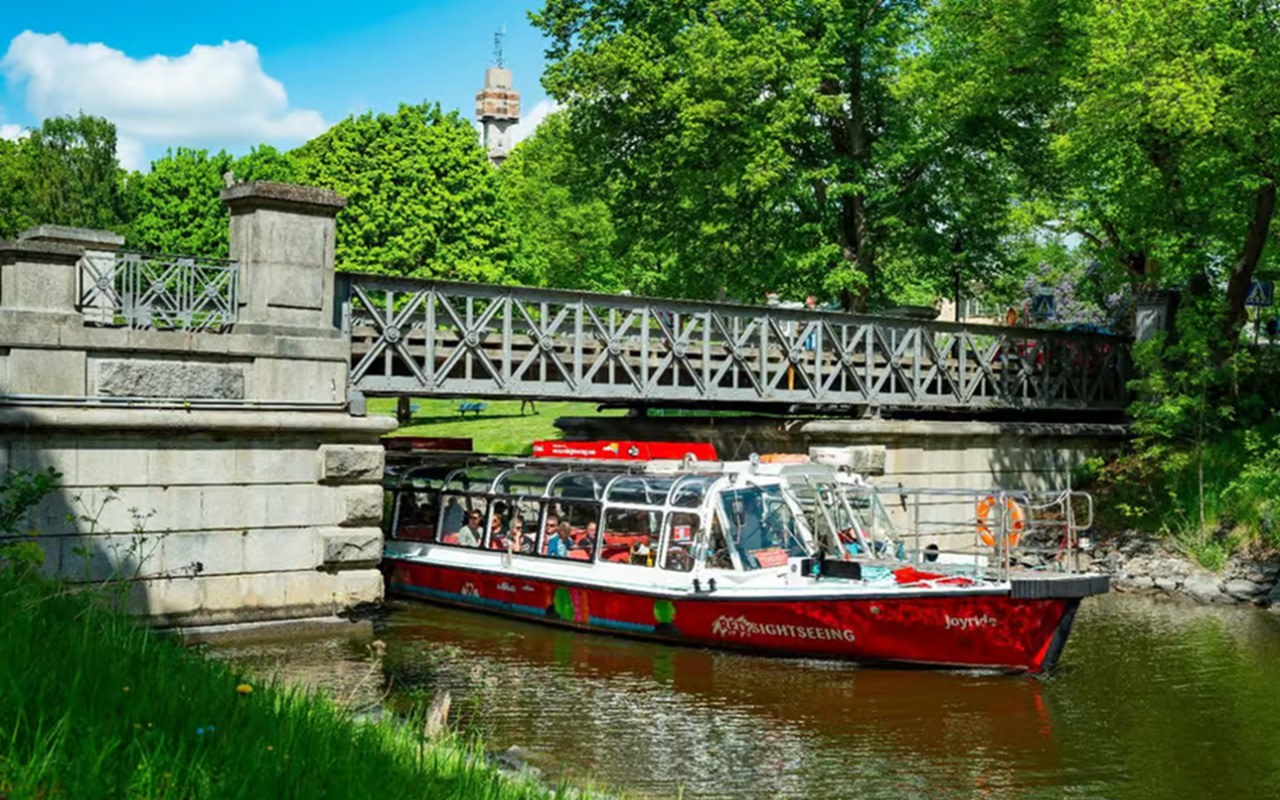
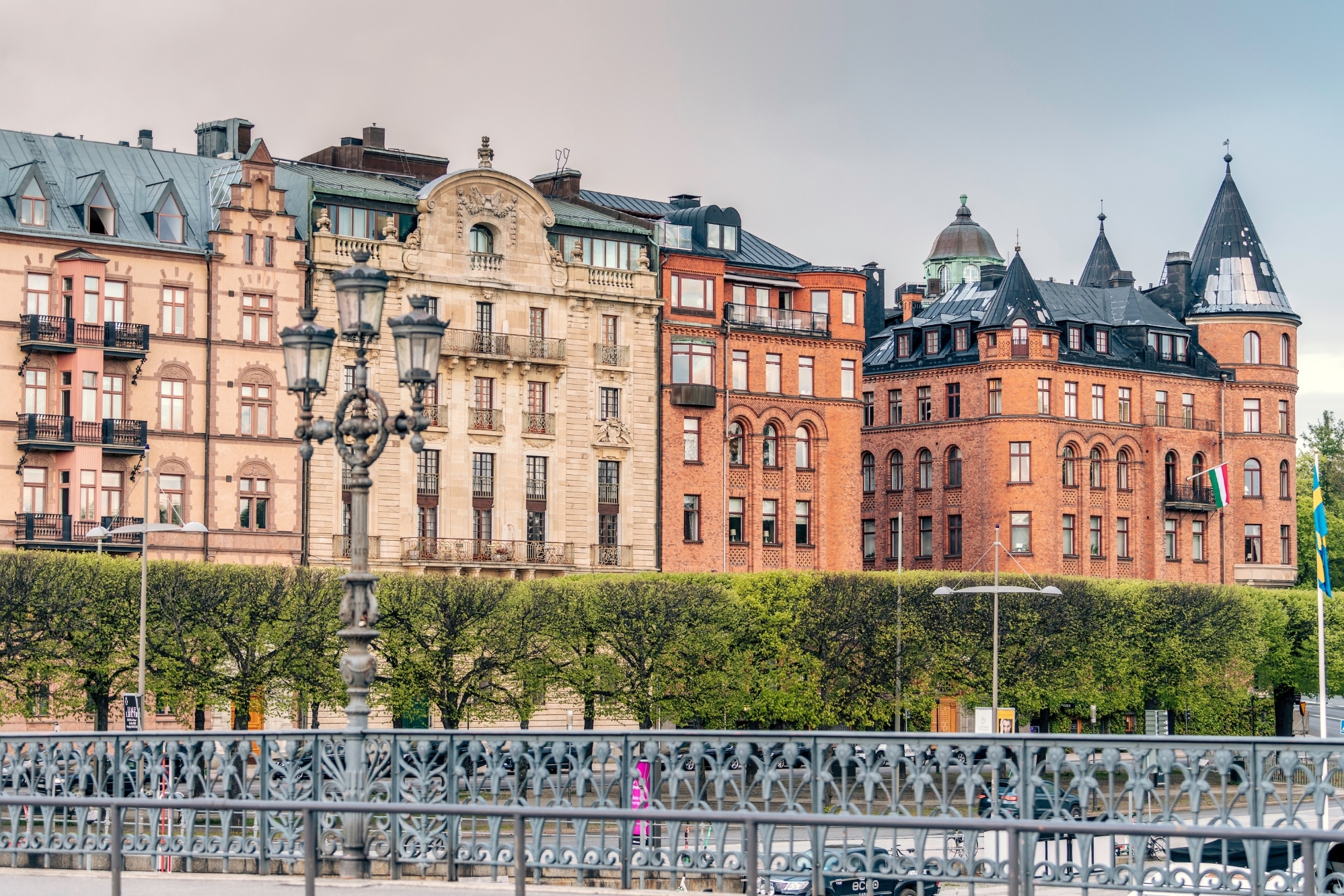
Stockholm, a unique Scandinavian capital, spans 14 islands connected by bridges. Discover 25 iconic places of interest in one day, from the historic Gamla Stan to the Vasa Museum to the Royal Palace. Admire the impressive architecture of the City Inn and enjoy the local cuisine with Swedish specialties. This immersive tour offers you a comprehensive overview of the best of the city, perfect for travelers seeking history and culture.
- Explore Stockholm's 25 must-see attractions in just 1 day
- Visit iconic sites such as the Nobel Museum, the City Inn and the Royal Palace
- Enjoy a 5.5 km route with audio commentary for a rewarding experience
- Ideal for lovers of Swedish history, culture and gastronomy
Available options
Audio guided circuit
What's included
Immediate access to the audioguided circuit, no tickets or materials to collect
Offline mode (no data consumption during the visit)
3 languages available: French, English, Spanish
25 immersive audio comments along the way (History...)
Text transcripts of all audio content
No deadlines or expirations
Admire the hidden gems that lie off the beaten track
Interactive navigation with 3D map to discover the most beautiful streets,...
Detailed itinerary
1
Similar to a small waterfront castle, the Skating Pavilion is a building linked to Stockholm’s sporting history. In the middle of the 19th century, ice skating was a discipline that quickly became popular among the upper classes of the Swedish capital and those of the rest of Europe.
2
Here you are in front of a small citadel that sits on the islet of Kastellholmen like a medieval castle by the water. This red brick monument hides an eventful history of more than 350 years.
3
Stop 3
Pass by
It is well known to say that in each of us sleeps a child’s soul even after reaching adulthood. And, from time to time, not much is enough to wake her up. Take Gröna Lund, for example, right across the street on the island of Djurgården.
4
Knowing that you will not be able to swim across the water, we decided to bring you as close to the shore as possible, to talk about the long apricot-coloured building, with a fireplace, visible on the opposite bank.
5
In this place, it is not really land in sight, but rather boat in sight monsoons! Built in 1887, Af Chapman is this huge three-masted square, steel-hulled ship moored on the west shore of Skeppsholmen Island.
6
Stop 6
Pass by
Yes, Stockholm is a city, and even a capital, but many are unaware that Stockholm is also Sweden’s largest archipelago, surrounded by as many as 30,000 islands and islets. In this vast maritime maze are distributed about 6 neighborhoods, some of which, in the middle of the water, imperatively require the crossing of a bridge to be reached.
7
Stop 7
Pass by
As if Stockholm did not already have enough surface wonders, it also had to tackle its underground network. And, by underground, we mean especially its subway network which, here, is much more than just a means of transport.
8
A temple of dance and soprano, baritone and tenor voices, the Royal Stockholm Opera is the national stage by definition throughout the country. Its first troupe was founded in 1773 by King Gustav III of Sweden, the great patron of the time.
9
Stop 9
Pass by
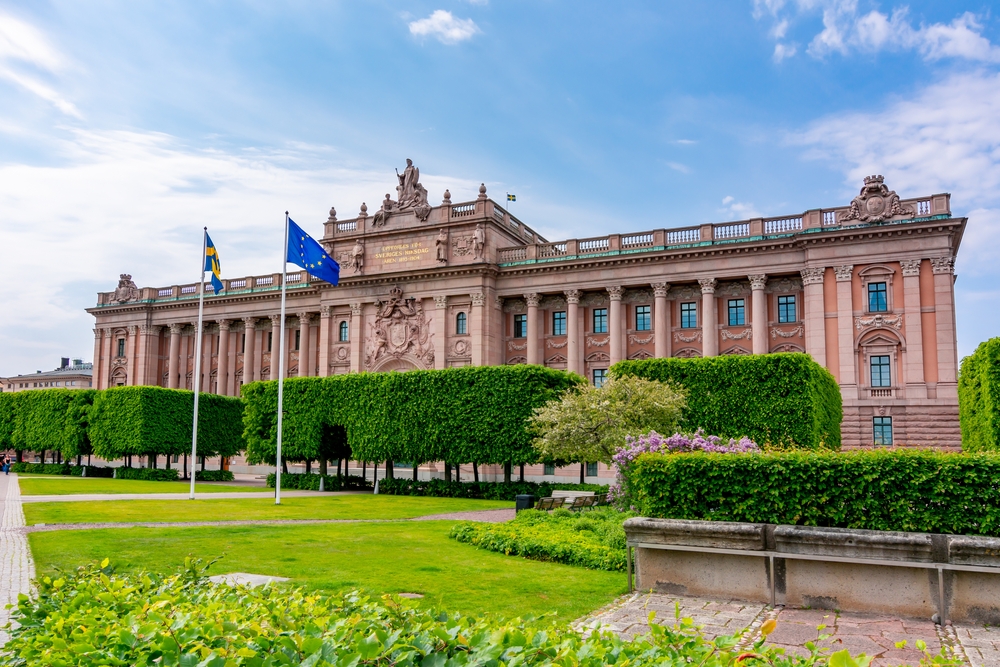
Occupying almost an island on its own, the Swedish Parliament is the democratic heart of the country. While several projects were studied, in order to convert the island area into a vast park, it was finally the seat of parliament and the central bank that occupied the land from 1905.
10
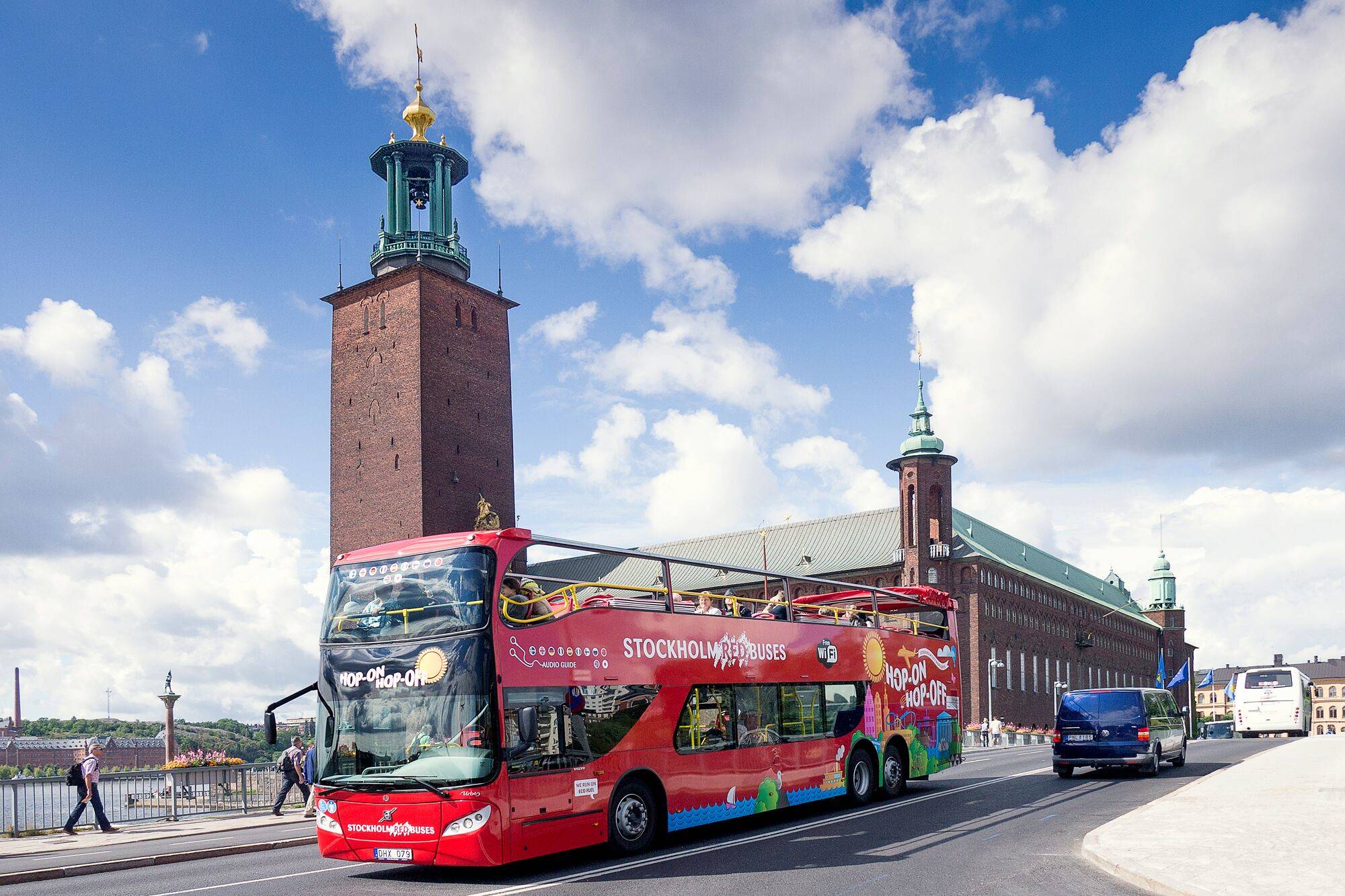
If you manage to spot a red brick tower, overlooked by a gilded element, then well done, you have just put your finger on the next Attraction you want to discover. Due to its institutional role and history, the Stockholm City Inn has been one of the most important landmarks in the Swedish capital since 1923.
11
Within the large family of red brick buildings in Stockholm is the very expensive church of Riddarholmen. Its distant 13th century origins make it one of the oldest monuments in the city, but above all the only medieval church still visible in the capital.
12
This is the Riddarhuset, the Palace of Nobility, one of the great symbols of the Swedish aristocracy. Built in the 17th century in an impressive baroque style, it was much more than a palace: for more than two centuries, it was the parliament of the nobility.
13
The most important religious building in Stockholm is St. Nicholas Cathedral. History tells that in the 13th century, a wooden chapel was already on this spot thanks to Birger Jarl, incidentally the founder of the town.
14
If we slip you the word “Nobel”, what is the first idea that instinctively comes to mind? It is certain that in nearly 99% of cases, it is this international award, given each year to personalities “who have brought the greatest benefit to humanity”, that has arisen first in your mind.
15
If there is one place where the essence of Stockholm is concentrated, it is without hesitation in the Gamla Stan district. The first origins of the Swedish capital, like the first historical events of the 12th century, were held in this intertwining of medieval cobbled and winding streets.
16
Triumphant in its baroque style and massive dimensions, the Royal Palace is rooted in Stockholm’s history, as a precious witness to its glorious past. Despite foundations dating back to the Middle Ages, it was not until the beginning of the 17th century, through King Gustav II Adolph of Sweden, and his daughter Christine of Sweden, that the palace finally occupied its main function as the official residence of the monarchy.
17
In the select circle of the Swedish capital’s landmarks, you can count without hesitation the imposing building in front of you. Founded in 1792 and officially housed in this Renaissance-style establishment since 1866, the Stockholm National Museum is Sweden’s first museum of art and design.
18
When we arrive on Skeppsholmen Island, it is almost impossible for us not to see this elegant, pink-tinted building on the top of the hill. If a rather romantic design shows up in the curves of the site, the story behind it is, in fact, of a completely different kind.
19
Stop 19
Pass by
Body of water, remarkable landscapes, peaceful atmosphere, this is how you can characterize Skeppsholmen Island, or “island of ships” if you like to translate. Traditionally located away from the rest of the city, this small piece of floating land was once a royal pleasure garden excluded from all kinds of developments.
20
Stop 20
Pass by
It is agreed that a long view would not have been a refusal to better see the details of this ship in the distance, constituting alone the most visited maritime museum in the country. The story behind this cultural address is so impressive that it doesn’t take much more to attract the crowd.
21
Look at this big yellow building that runs along the shore. In front of you stands the Exercishuset, this magnificent yellow building built between 1851 and 1853 by the architect Fredrik Blom. This iconic Stockholm colour dates back to the 18th century, when Swedish architects were inspired by the yellow brick palaces admired on their Trips to Southern Europe.
22
It is impossible to miss it with its large Doric columns overlooking Mynttorget Square: here is the Ledamotshuset, the “house of deputies”. The facade, designed in the 18th century, comes from the former coinage house, Kungliga myntet, which once occupied the site.
23
Here, I invite you to stop for a moment. In the street on your left, if you go only a few metres, you will notice a narrow alley whose name is inscribed just above: Stenbastugränd. If it’s open during your passage, enter and walk the few meters that will lead you to an amazing circular courtyard.
24
In front of you stands the Bonde Palace, considered one of the finest examples of Swedish Baroque. Built between 1662 and 1673 for the powerful Bonde family, it was designed by two great architects of the time, Nicodemus Ticino the Elder and Jean de la Vallée.
25
It’s hard to visit Stockholm without tasting its gastronomy. And of course it all starts with the most iconic dish: köttbullar, those famous meatballs served with puree, cream sauce, blueberry jam and pickled cucumbers. A typical Swedish sweet-savory blend.
What's not included
Entrance fees to paid establishments along the route...
Headphones or headphones (optional)
Available languages
Audio guide
EN
FR
ES
Important information
Service animals allowed
Public transportation options are available nearby
Suitable for all physical fitness levels
Meeting point
We build our circuits in the form of a loop so that you can easily start the tour at the point closest to you, the guidance will adapt automatically. If you are nearby, we recommend an ideal Check-out Point.
Important notes
Activating your audio-guided circuit:
1. Download the INWAY mobile app from your App Store or directly via this link: in-way.fr/app
2. Open the application and enter your code to unlock the circuit: STO61238
We build our circuits in the form of a loop so that you can easily start the tour at the point closest to you, the guidance will adapt automatically. If you are close by, we recommend an ideal Check-out point: 2 Södra Blasieholmshamnen.
About Stockholm
Stockholm, the capital of Sweden, is an archipelago city of 14 islands connected by 57 bridges. Known for its stunning waterfront, rich Viking history, and vibrant cultural scene, Stockholm offers a unique blend of modern urban life and historic charm. The city is also renowned for its innovative design, eco-friendly initiatives, and high quality of life.
Top Attractions
Gamla Stan
The Old Town of Stockholm is a charming labyrinth of cobblestone streets, colorful buildings, and historic sites. It's the heart of Stockholm and a must-visit for history and architecture lovers.
Historical
Half day to full day
Free to explore, attractions vary
Vasa Museum
The Vasa Museum houses the only preserved 17th-century ship in the world, the Vasa, which sank on its maiden voyage in 1628. It's a fascinating look at maritime history and shipbuilding.
Museum
1-2 hours
170 SEK
Skansen
Skansen is the world's oldest open-air museum, showcasing Swedish history and culture through historic buildings, animals, and traditional crafts. It's a great place for families and history enthusiasts.
Cultural
Half day
170 SEK
ABBA The Museum
A fun and interactive museum dedicated to the famous Swedish pop group ABBA. It's a must-visit for fans of the band and those interested in music history.
Museum
1-2 hours
250 SEK
Drottningholm Palace
The private residence of the Swedish royal family, Drottningholm Palace is a UNESCO World Heritage site. The palace and its gardens offer a glimpse into royal life and Swedish history.
Historical
Half day
150-200 SEK
Must-Try Local Dishes
Swedish Meatballs
A classic Swedish dish made with ground meat (usually beef and pork), served with gravy, lingonberry jam, and mashed potatoes or boiled potatoes.
Dinner
Can be made with gluten-free breadcrumbs and vegetarian versions are available.
Surströmming
Fermented Baltic herring, known for its strong smell. It's typically served with potatoes, sour cream, and onions.
Snack
Not suitable for those sensitive to strong smells.
Gravlax
Cured salmon, traditionally served with mustard sauce, dill, and bread.
Appetizer
Gluten-free and often available in vegetarian versions.
Kanelbullar
Cinnamon buns, a Swedish favorite, often enjoyed with coffee during fika (a traditional coffee break).
Dessert
Can be made gluten-free and vegan.
Popular Activities
Kayaking in the archipelago
Hiking in the national parks
Biking around the city
Fika (coffee break) at a local café
Boat tours in the archipelago
Spa treatments
Visiting museums and historic sites
Attending cultural events and festivals
Best Time to Visit
June to August
Summer is the peak tourist season with warm weather, long daylight hours, and numerous outdoor festivals. It's the best time for exploring the archipelago and enjoying outdoor activities.
15°C to 25°C
59°F to 77°F
Practical Information
Language
- Official: Swedish
- Widely spoken: English, Finnish, Arabic
- English: Widely spoken
Currency
Swedish Krona (SEK)
Time Zone
GMT+1 (CET), GMT+2 (CEST) during daylight saving time
Electricity
230VV, 50HzHz
Safety Information
Overall Safety Rating: Generally safe
Stockholm is generally safe with low crime rates. However, as with any major city, it's important to be aware of your surroundings and take precautions to protect yourself and your belongings.
Important Precautions:
- • Keep valuables secure and out of sight
- • Be cautious when using ATMs
- • Avoid poorly lit areas at night
Getting there
By air
- Stockholm Arlanda Airport • 42 km from city center
- Stockholm Bromma Airport • 8 km from city center
By train
Stockholm Central Station
By bus
Stockholm City Terminal
Getting around
Public transport
The Stockholm Metro (Tunnelbana) is efficient, clean, and easy to navigate. It's the fastest way to get around the city.
Taxis
Available • Apps: Uber, Cabonline
Rentals
Car, Bike, Scooter
Neighborhoods
Gamla Stan
Södermalm
Östermalm
Vasastan
Kungsholmen
Day trips
Uppsala
70 km north of Stockholm • Half day to full day
Uppsala is a historic university city known for its cathedral, the oldest university in Scandinavia, and Viking history.
Mariefred and Gripsholm Castle
60 km west of Stockholm • Full day
Mariefred is a charming town on Lake Mälaren, home to the beautiful Gripsholm Castle and the famous steam train, the Lilla Ångbåtslinjen.
Sigtuna
60 km north of Stockholm • Half day
Sigtuna is Sweden's oldest town, founded in 970 AD. It's known for its historic churches, cobbled streets, and Viking history.
Festivals
Stockholm Pride • Late July to early August
Stockholm Jazz Festival • Early October
Stockholm Film Festival • Mid-November
Pro tips
- Use the SL Access app for public transportation tickets and journey planning
- Visit Gamla Stan early in the morning or late in the afternoon to avoid crowds
- Take a boat tour of the archipelago for a unique perspective on the city
- Try a traditional Swedish fika (coffee break) at a local café
- Explore the city's green spaces, such as Djurgården and Kungsträdgården
From $25
per person
Price varies by option
Secure booking
Free cancellation available
Instant confirmation