Dubrovnik Audio guided walking tour 1h and 18 audio reviews
Active
1h
For a full refund, cancel at least 24 hours before the scheduled departure time.
Instant confirmation
Mobile or paper ticket accepted
About this experience
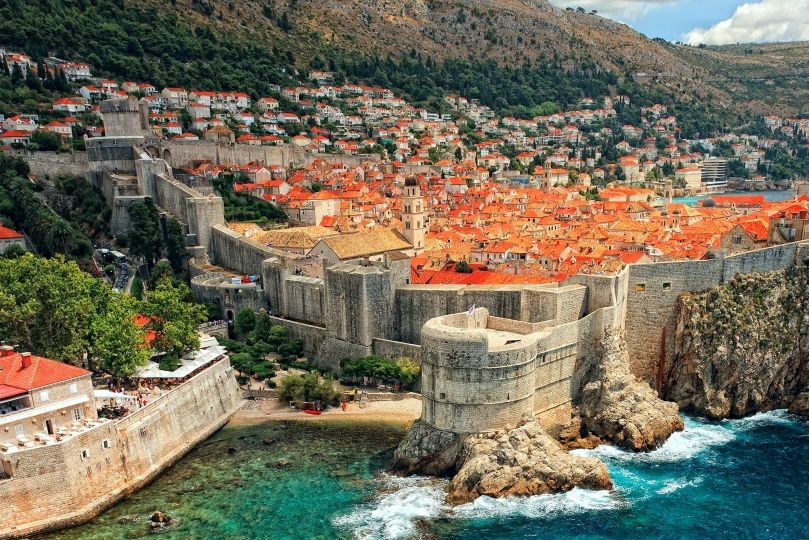
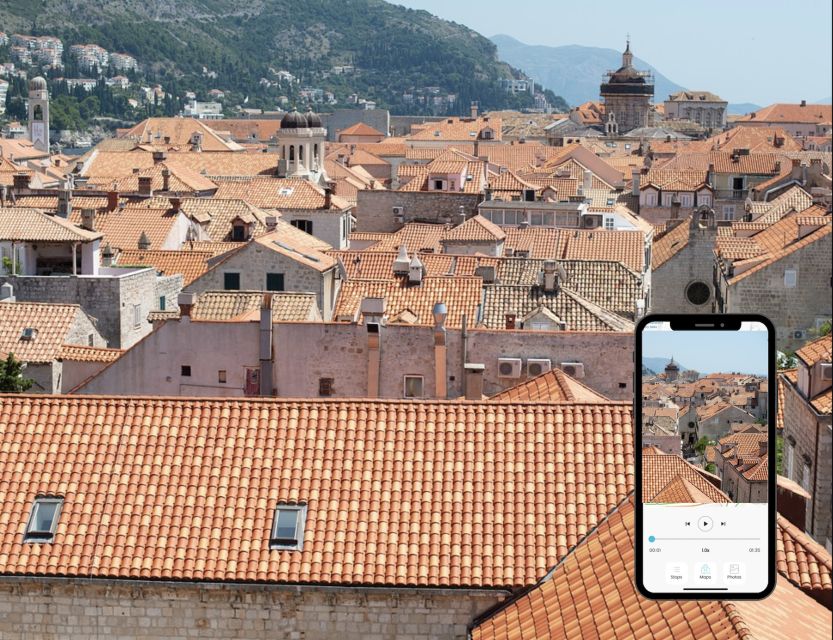
Explore the beautiful city of Dubrovnik, often nicknamed the Pearl of the Adriatic, on an unforgettable day. This 2.5 km tour invites you to discover 18 iconic sites such as Buže Gate, Stradun, and Lovrijenac Fort, each steeped in history. Enjoy an immersion in the glorious past of this ancient republic while admiring the medieval architecture and picturesque landscapes of the Adriatic Sea. With audio guides at your disposal, you will benefit from valuable information on every step of your journey.
- 2.5 km circuit to be completed in 1 hour, ideal for an express visit.
- Discover 18 historical sites, including the Cathedral of the Assumption and the ramparts of the Old Town.
- Includes: audio guides with historical commentary and fascinating anecdotes.
Perfect for history lovers and Game of Thrones fans.
Available options
Audio guided circuit
What's included
Recommendations for the best photo opportunities
Immediate access to the audioguided circuit, no tickets or materials to collect
Offline mode (no data consumption during the visit)
3 languages available: French, English, Spanish
Text transcripts of all audio content
18 immersive audio comments along the way (History...)
No deadlines or expirations
Admire the hidden gems that lie off the beaten track
Interactive navigation with 3D map to discover the most beautiful streets,...
Detailed itinerary
1
To get inside the walls of Dubrovnik, there are three imposing gates for easy access. If we tend to hear more about Pile and Ploče, the Buže door is no less used.
2
Stop 2
Pass by
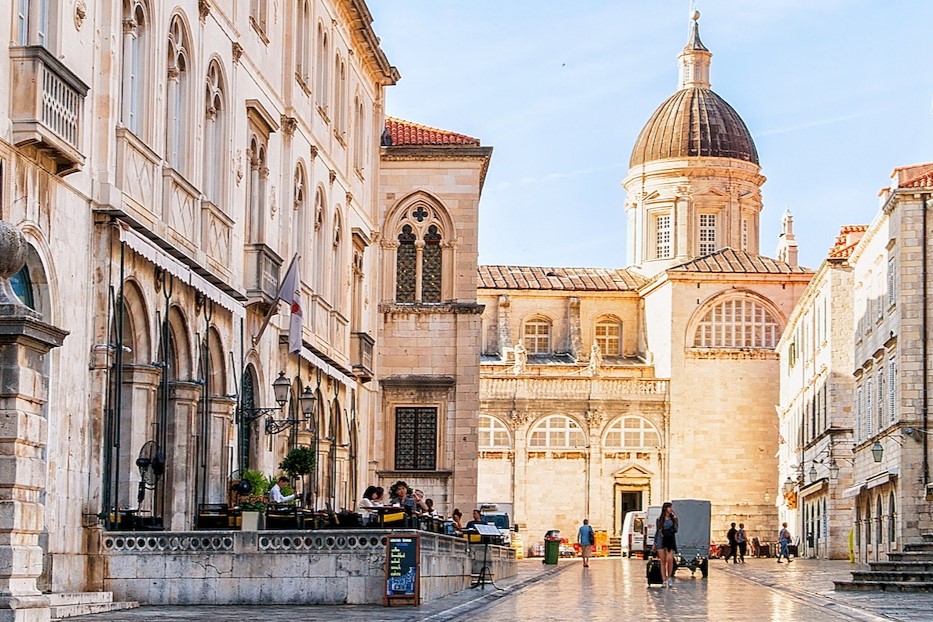
Stretched over 300 meters, or the entire approximate width of Dubrovnik, the Stradun can hardly be avoided in the discovery of the place. And at the same time, why would we try to do it when we know that this busy thoroughfare is the main one of the old town.
3
Stop 3
Pass by
Far from the hubbub of Stradun, the Franciscan monastery preaches more peace for a peaceful, historical and plant retreat. In the middle of the 14th century, the Republic of Ragusa enjoyed a very advantageous prosperity and this soon became known.
4
Stop 4
Pass by
Perched on its rock, more than 37 meters above the water, Fort Lovrijenac is the highest point of the old town outside the ramparts. According to legend, it took only three months for the inhabitants of Dubrovnik to build it in 1018.
5
Stop 5
Pass by
Walking through the door automatically means making a majestic entrance into the old town. Built in 1537, on the west side of the ramparts, this important defensive structure recalls the time when Dubrovnik was closed at night, to prevent invaders from entering.
6
Stop 6
Pass by
Not far from the entrance to the old town, the great fountain of Onofrio is a true symbol of Dubrovnik. Despite a thriving economy, fed by one of the most commercial ports in the Mediterranean in the 15th century, the Croatian city was desperately lacking a drinking water system.
7
After climbing the monumental staircase, you arrived in front of the coveted Attraction. Inspired by the plans of the famous Chiesa del Gesù in Rome, it was built between 1699 and 1725, before being inaugurated in 1729.
8
Stop 8
Pass by
A true symbol of the power of the former Republic of Ragusa, the Rectors’ Palace is like a time machine. Built in the 13th century to house the seat of government, it was the official residence of the Rector,
9
Stop 9
Pass by
The Cathedral of the Assumption is a major building in the historic centre of Dubrovnik, and is a mille-feuille of religious sites. The version we have today was not the first to occupy the site.
10
Stop 10
Pass by
On the right of the pier where you are located, there must arise a solid building crowned with a flag at its top. Did you spot him? Built between the 14th and 16th centuries, the Saint John Fort is one of the most important defensive points in Dubrovnik.
11
Stop 11
Pass by
Arriving at Luža Square, it is true that you are treated to some symbolic monuments of Dubrovnik, including one very dear to him. Recognizable by its arcade gallery, the Sponza Palace is the only building to have remained standing after the devastating earthquake of 1667.
12
Stop 12
Pass by
Like the Franciscans, the Dominican monks also chose to settle in the city walls, and even before their comrades. The construction of their monastery, launched around 1300, was not completed until two centuries later.
13
Stop 13
Pass by
Due to its openness to the Adriatic Sea, Dubrovnik has plenty of views to captivate your holidaymaker soul. The proof live with the one in front of you that we find particularly pretty.
14
If the west of the city has the Pile gate, the east is also well served with the Ploče gate. As an integral part of the city walls of Dubrovnik, this entrance always connects the exterior to the historic centre. Its current exterior version was built in 1628
15
Stop 15
Pass by
In the past, the Ploče district was on the way of several merchants and travelers who stopped in Dubrovnik. In order to protect the city and its inhabitants from the epidemiological risks brought in from outside, a whole quarantine area was built here in the 14th century.
16
Stop 16
Pass by
An undisputed symbol of Dubrovnik, you can imagine that we were going to tell you about these magnificent ramparts in our itinerary.
17
Stop 17
Pass by
Orlando has been watching over Luža Square for over six centuries. Carved from a single block of stone in 1417 by a Milanese architect, this apparently modest column actually hides a powerful symbolism.
18
Stop 18
Pass by
Relatively discreet, but one of the most important in Dubrovnik, St. Blaise Church is a small baroque jewel dedicated to the patron saint of the city. Originally built in the 14th century, the current building is not the one it once was.
What's not included
Entrance fees to paid establishments along the route...
Headphones or headphones (optional)
Available languages
Audio guide
EN
FR
ES
Important information
Service animals allowed
Public transportation options are available nearby
Suitable for all physical fitness levels
Meeting point
We build your tours in the form of a loop so that you can easily start the tour at the point closest to you, the guidance will adapt automatically. If you are nearby, we recommend an ideal Check-out Point.
Important notes
Activating your audio-guided circuit:
1. Download the INWAY mobile app from your App Store or directly via this link: in-way.fr/app
2. Open the application and enter your code to unlock the circuit: DBK31864
We build our circuits in the form of a loop so that you can easily start the tour at the point closest to you, the guidance will adapt automatically. If you are nearby, we recommend an ideal Check-out Point: In front of the Buže Gate.
About Dubrovnik
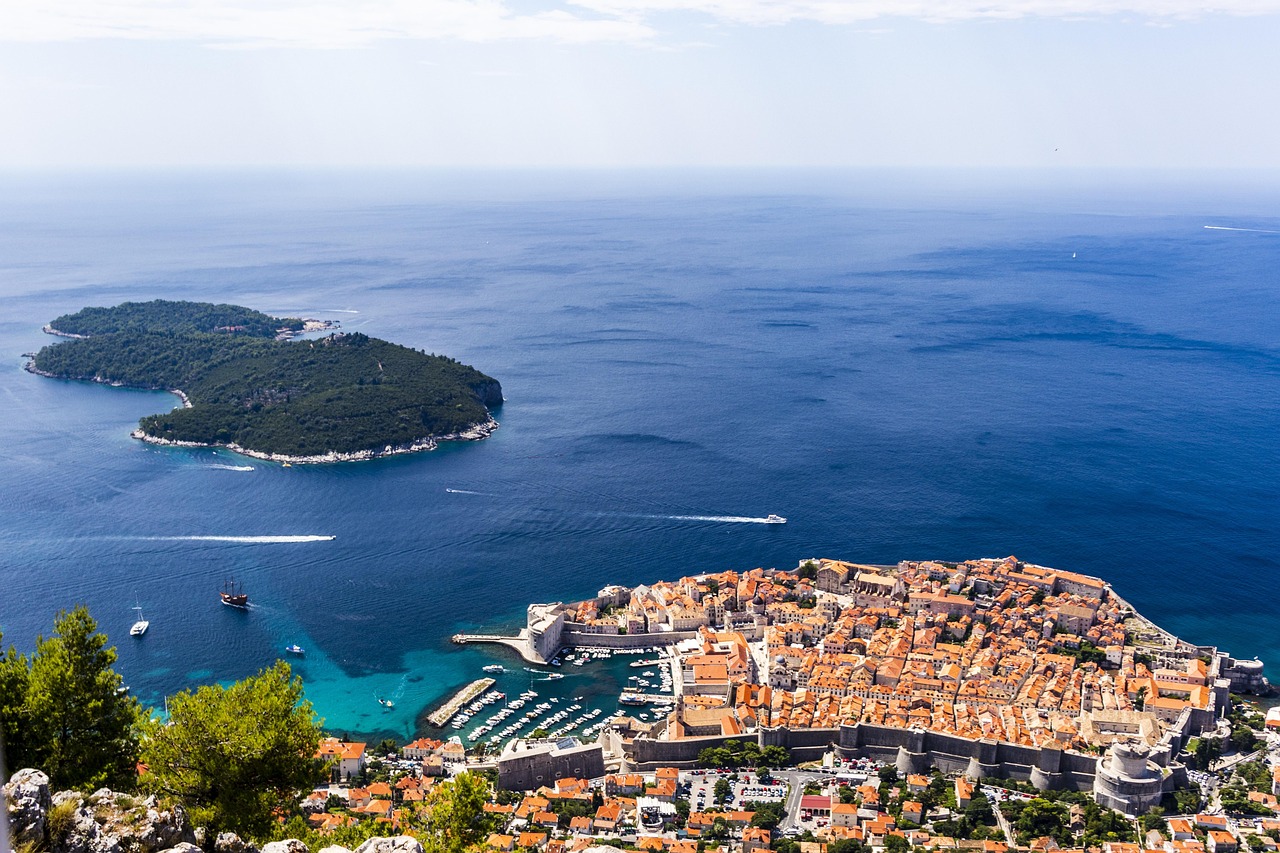
Dubrovnik is a historic coastal city known for its stunning Old Town, medieval walls, and Adriatic Sea views. A UNESCO World Heritage site, it's famous for its well-preserved architecture, cultural heritage, and as a filming location for 'Game of Thrones'.
Top Attractions
Old Town
The heart of Dubrovnik, a UNESCO World Heritage site with medieval architecture, historic sites, and charming streets.
Historical
Half day to full day
Free to explore, individual attractions may have entry fees
City Walls
The iconic medieval walls surrounding the Old Town, offering stunning views of the city and the Adriatic Sea.
Historical
1-2 hours
250 HRK (~34 EUR)
Lokrum Island
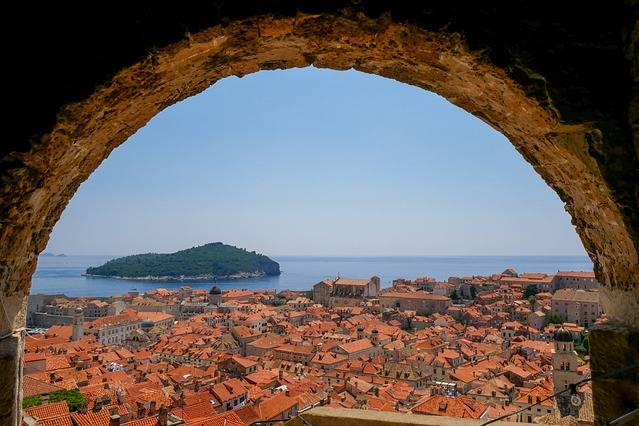
A small island near Dubrovnik with lush vegetation, historic sites, and peacocks roaming freely.
Nature
Half day
100 HRK (~14 EUR) for ferry and entrance
Mount Srđ
A mountain overlooking Dubrovnik, offering panoramic views of the city and the Adriatic Sea.
Nature
1-2 hours
200 HRK (~27 EUR) for cable car round trip
Dubrovnik Cathedral
A beautiful Baroque cathedral with a rich history and a museum housing religious artifacts.
Religious
30 minutes to 1 hour
50 HRK (~7 EUR) for the museum
Must-Try Local Dishes
Black Risotto (Crni Rižot)
A traditional Dalmatian dish made with cuttlefish or squid ink, giving it a distinctive black color. It's often served with a side of white wine.
Main Course
Contains seafood, not suitable for vegetarians or those with seafood allergies.
Peka
A slow-cooked dish made with meat (lamb, veal, or octopus) and vegetables, cooked under a bell-like lid with hot coals on top.
Main Course
Can be made with meat or seafood, not suitable for vegetarians.
Rožata
A traditional Dalmatian dessert similar to crème caramel, made with eggs, sugar, and cream, and flavored with lemon or orange zest.
Dessert
Contains dairy and eggs, not suitable for vegans.
Popular Activities
Hiking
Kayaking
Rock climbing
Paragliding
Beach relaxation
Spa treatments
Yoga
Meditation
Best Time to Visit
June to September
This is the warmest and sunniest time of year, perfect for beach activities and sightseeing. The city is bustling with tourists, and the sea is at its warmest.
22°C to 35°C
72°F to 95°F
Practical Information
Language
- Official: Croatian
- Widely spoken: English, Italian, German
- English: Widely spoken, especially in tourist areas
Currency
Croatian Kuna (HRK)
Time Zone
CET (UTC +1), CEST (UTC +2) during daylight saving time
Electricity
230VV, 50HzHz
Safety Information
Overall Safety Rating: Generally safe
Dubrovnik is generally a safe destination for travelers, with low crime rates and a welcoming atmosphere. However, as with any tourist destination, it's important to be aware of your surroundings and take precautions to protect yourself and your belongings.
Important Precautions:
- • Keep valuables secure
- • Be cautious of pickpockets in crowded areas
- • Use licensed taxis or ride-sharing apps
Getting there
By air
- Dubrovnik Airport • 20 km from city center
By bus
Dubrovnik Bus Station
Getting around
Public transport
The bus system is efficient and affordable, with frequent services connecting the city center to the airport, ports, and other key locations.
Taxis
Available • Apps: Camme, Bolt
Rentals
Car, Bike, Scooter
Neighborhoods
Old Town
Lapad
Ploče
Day trips
Mljet National Park
100 km from Dubrovnik • Full day
A beautiful national park with lush forests, saltwater lakes, and a small island monastery. Perfect for hiking, swimming, and kayaking.
Kotor, Montenegro
90 km from Dubrovnik • Full day
A charming medieval town with a well-preserved Old Town, surrounded by towering mountains and a stunning bay. A UNESCO World Heritage site.
Cavtat
20 km from Dubrovnik • Half day
A charming coastal town with beautiful beaches, historic sites, and a relaxed atmosphere. A great escape from the bustle of Dubrovnik.
Festivals
Dubrovnik Summer Festival • July to August
Dubrovnik Winter Festival • Late November to early January
Dubrovnik Jazz Festival • Early July
Pro tips
- Visit the City Walls early in the morning or late in the afternoon to avoid crowds and heat
- Take a ferry to the nearby islands for a unique perspective on Dubrovnik and the Adriatic Sea
- Try local dishes like black risotto, peka, and rožata for an authentic taste of Dalmatian cuisine
- Explore the Old Town on foot to discover hidden gems and charming streets
- Take a cable car to Mount Srđ for breathtaking views of the city and the Adriatic Sea
From $25
per person
Price varies by option
Secure booking
Free cancellation available
Instant confirmation