Walk Marrakech Wonders
Active
4h
For a full refund, cancel at least 24 hours before the scheduled departure time.
Instant confirmation
Mobile or paper ticket accepted
About this experience
What makes this tour unique is its rich blend of culture, history, and authentic local experiences—all packed into one immersive journey through Marrakech. Here’s what sets it apart:
• Deep Cultural Insight: From the bustling Jemaa el-Fna to the quiet alleys of the Mellah, this tour offers a balanced perspective of both vibrant and hidden sides of Marrakech.
• Diverse Experiences: It combines architecture, history, local traditions, artisan crafts, and even herbal medicine—appealing to all senses.
• Authentic Interactions: Meeting herbalists, watching blacksmiths at work, and navigating the souks offers a genuine, hands-on feel of local life.
• Guided by a Local Expert: With a knowledgeable local guide, travelers gain stories, context, and personal insights that you won’t find in guidebooks.
• Perfectly Paced: The route is thoughtfully designed to cover highlights without rushing, allowing guests to truly connect with each location
Available options
Walk Marrakech Wonders
What's included
Just a quick note to let you know that we provide a bottle of water for each guest at the beginning of our walking tour to help keep you refreshed and comfortable during the experience
During our walk, we would be delighted to offer you a traditional Moroccan tea during our break at the herbalist’s
Guide
Detailed itinerary
1
Stop 1
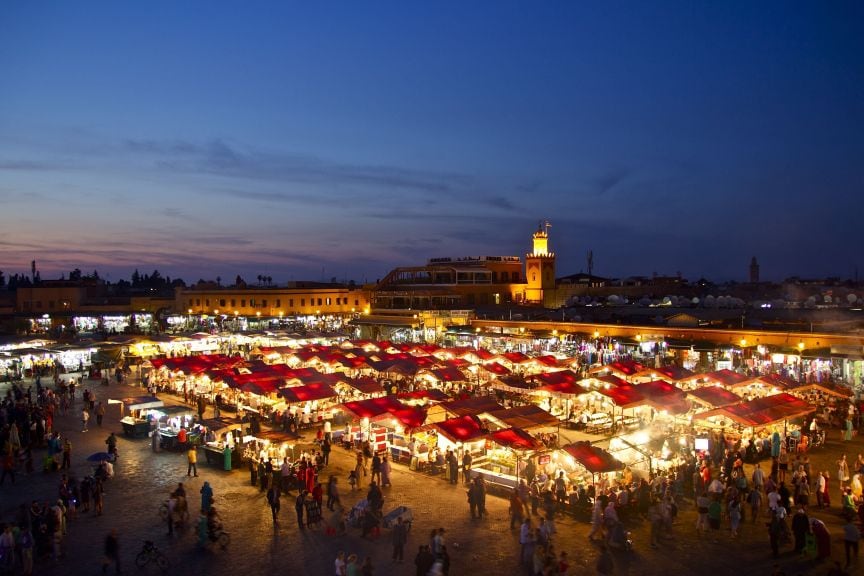
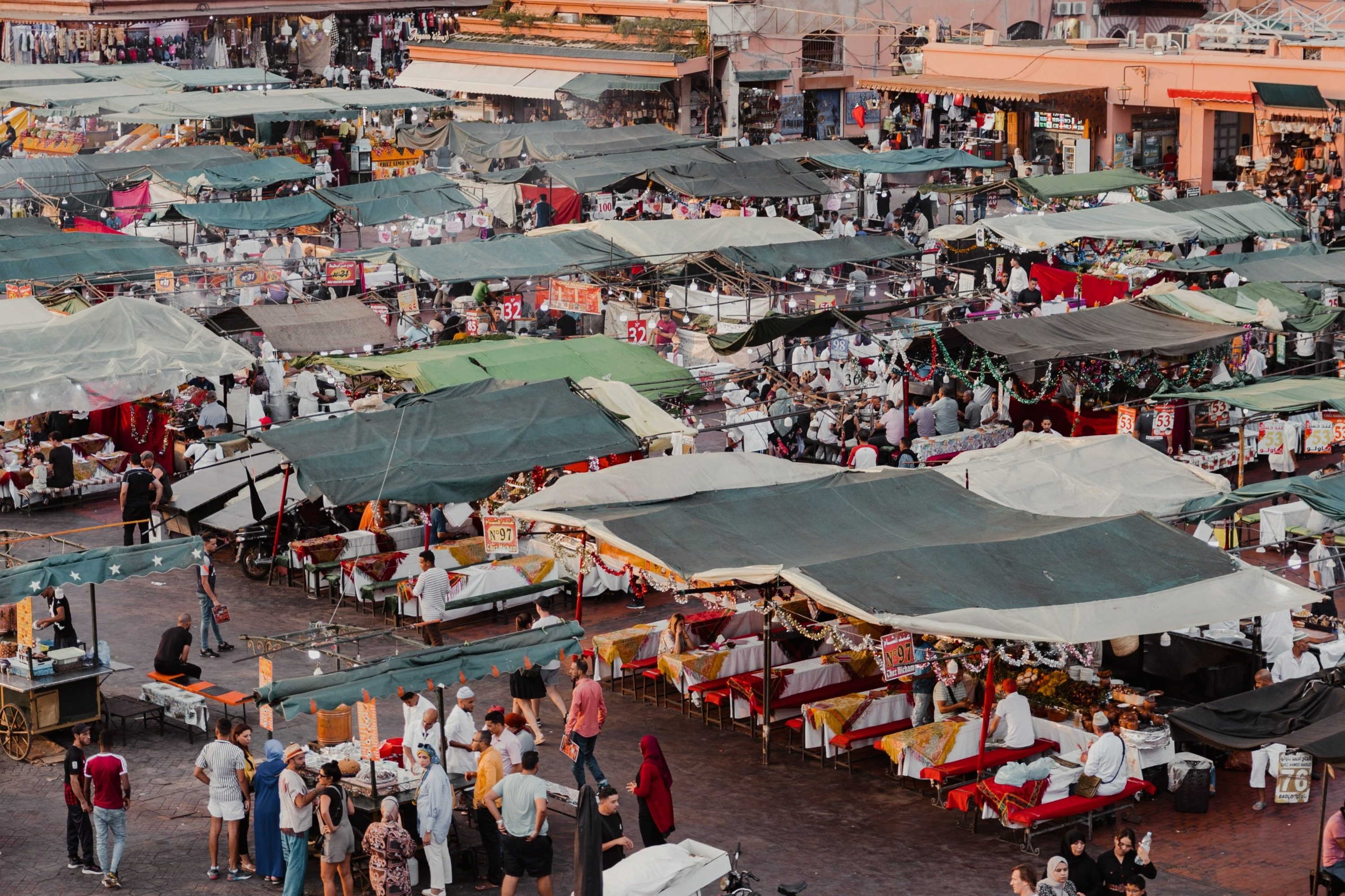
Jamaa El Fna Square is the vibrant heart of Marrakesh and a UNESCO World Heritage site. Located at the entrance to the old Medina, it’s one of the most iconic and lively squares in the world. By day, it buzzes with snake charmers, henna artists, street performers, and traditional water sellers in colorful outfits. As evening falls, the square transforms into a stage of Moroccan culture—storytellers, musicians playing Gnawa rhythms, and the aroma of sizzling street food fill the air. Food stalls offer everything from grilled meats to harira soup. Surrounded by historic cafés, rooftop terraces, and with the Koutoubia Mosque’s minaret in view, Jamaa El Fna is both a gateway to the souks and a symbol of Marrakesh’s rich heritage. Whether you want to explore, eat, or simply soak in the energy, the square promises a truly unforgettable experience
2
Stop 2
The Koutoubia Mosque is the largest and most famous mosque in Marrakesh, standing as a masterpiece of Almohad architecture. Built in the 12th century, its name comes from the Arabic word “kutubiyyin”, meaning booksellers, as it was once surrounded by a bustling market of manuscript vendors. The mosque’s 77-meter-high minaret, visible from miles away, is an iconic symbol of the city and served as a model for other famous towers like the Giralda in Seville and the Hassan Tower in Rabat. Adorned with intricate arches and geometric patterns, the minaret is crowned with four copper spheres. Though non-Muslims cannot enter the mosque, its beauty can be admired from the surrounding gardens and squares. Especially stunning at sunset, the Koutoubia Mosque remains not just a place of worship but a historical and cultural landmark that reflects the spiritual and architectural heritage of Marrakesh
3
The Mellah of Marrakech is the historic Jewish Quarter, located near the Royal Palace in the heart of the Medina. Established in the 16th century during the Saadian dynasty, the Mellah is a unique neighborhood that showcases the city’s rich cultural and religious diversity. Narrow streets lined with distinctive architecture, including ornate ironwork on windows and doorways, give the Mellah its character. It was once a thriving hub for the Jewish community, with synagogues, schools, and markets. Today, it remains a vibrant part of the city, with many of its original structures still standing, including the Slat Al Azama Synagogue and the Jewish cemetery. Walking through the Mellah, visitors can experience a quieter, more intimate side of Marrakech, exploring its history, learning about the Jewish community’s role in the city, and admiring the intricate design of the buildings that reflect both Moroccan and Jewish influences
4
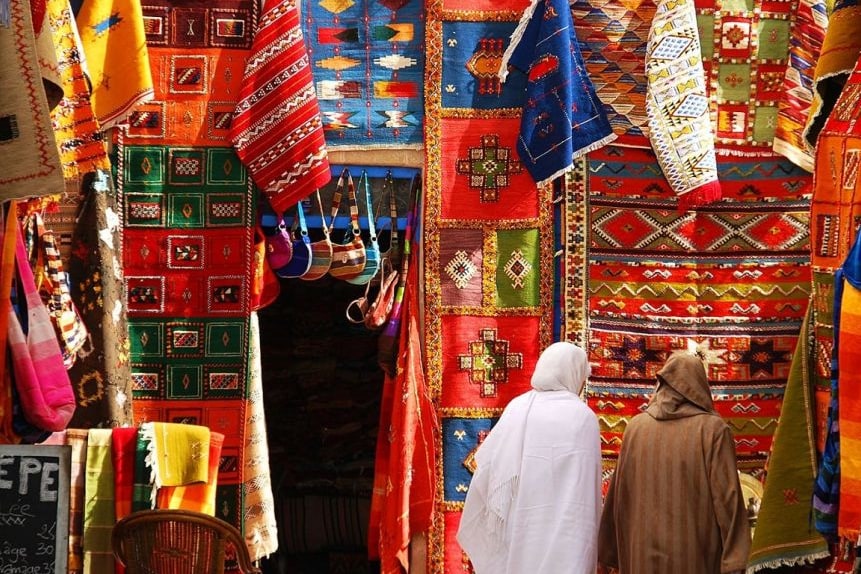
Rahba Lakdima, often called the Spice Square, is a lively and historic market nestled in the heart of Marrakesh’s Medina. Once a traditional auction site for slaves and camels, it has transformed into a colorful and bustling square filled with the scents of exotic spices, herbs, and natural remedies. Surrounded by small shops and open-air stalls, vendors offer everything from saffron and cumin to handmade baskets, carpets, and traditional cosmetics like argan oil and kohl. The atmosphere is vibrant, with a mix of locals and tourists enjoying the authentic Moroccan experience. Despite its busy nature, Rahba Lakdima retains a relaxed charm, where time seems to slow down amid centuries of trading tradition. It’s a perfect stop for those wanting to explore Marrakesh’s cultural richness, shop for unique souvenirs, and experience the sights, smells, and spirit of the old city
5
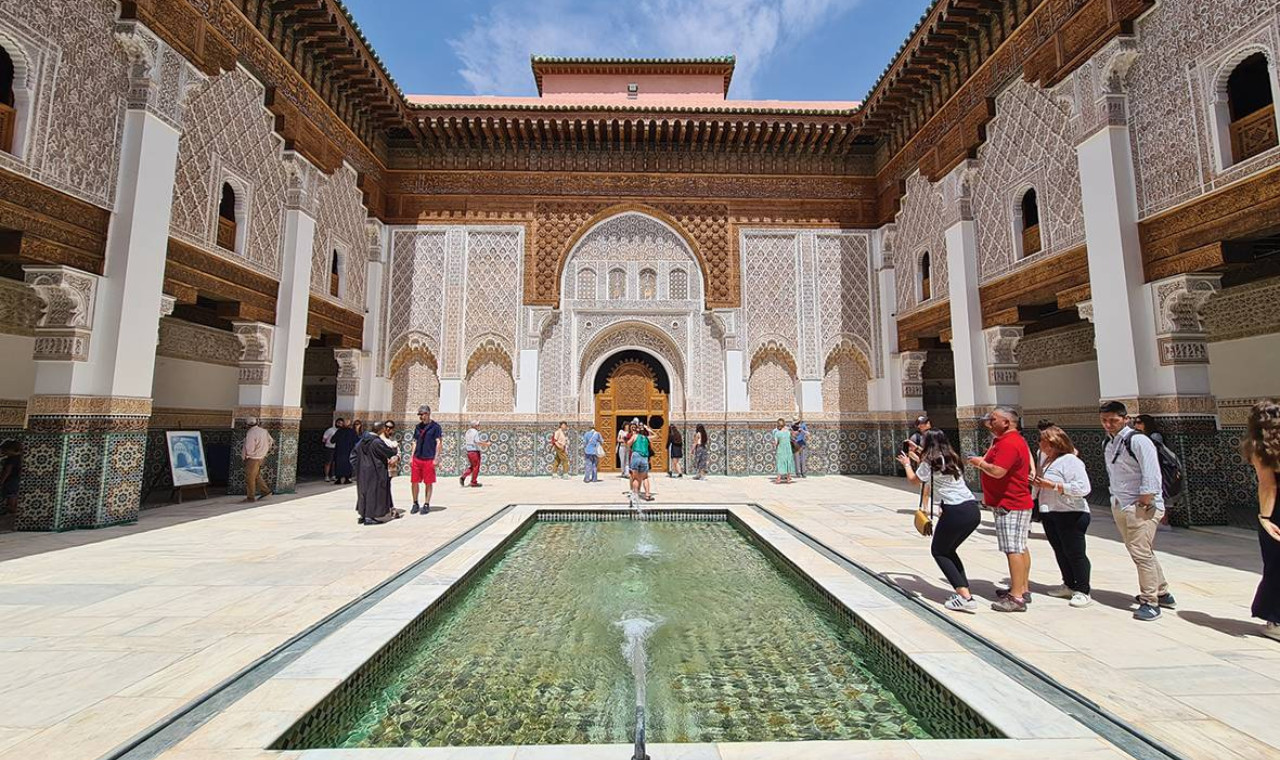
The Almoravid Koubba, also known as Koubba Ba’adiyin, is one of Marrakesh’s oldest and most important architectural relics, dating back to the 12th century. Built during the reign of the Almoravid dynasty, it is the only surviving structure from that period in the city. Located near the Ben Youssef Mosque and Madrasa, the Koubba served as a ceremonial ablution pavilion, where worshippers performed ritual washing before prayer. Its architecture reflects early Moroccan-Andalusian design, with elegant arches, floral motifs, and intricate carvings. Though modest in size, the Koubba’s historical and artistic value is immense, offering a rare glimpse into the refined craftsmanship of the Almoravid era. Carefully restored, it now stands as a monument to Marrakesh’s deep Islamic heritage and urban development in the medieval period.
6
Souk Haddadine, known as the Blacksmiths’ Souk, is one of the most fascinating artisan quarters in Marrakesh’s Medina. Tucked away near the Ben Youssef Madrasa, this souk echoes with the rhythmic sounds of hammering metal, as skilled craftsmen shape iron, brass, and copper into traditional tools, lanterns, gates, and decorative items. The name “Haddadine” comes from the Arabic word for blacksmiths, and the souk has been home to this trade for centuries. Walking through its narrow alleys, visitors can watch artisans at work, using age-old techniques passed down through generations. The air is filled with the scent of hot metal and the spark of creativity. It’s a place where tradition and craftsmanship come alive, offering a raw and authentic glimpse into the artisanal soul of Marrakesh. Souk Haddadine is not just a market—it’s a living workshop where history is forged every day
7
The Mouassine Fountain, located in the Mouassine district of Marrakesh’s Medina, is one of the finest examples of public water architecture in Morocco. Built in the 16th century during the Saadian dynasty, it is part of the larger Mouassine complex, which includes a mosque, library, and hammam. The fountain was designed to provide clean water to locals, animals, and travelers, and it features a beautifully carved wooden canopy supported by stone columns. Its facade is decorated with elegant geometric patterns and traditional motifs that reflect Saadian artistry. The Mouassine Fountain not only served a practical function but also demonstrated the importance of community and charity in Islamic culture. As one of the oldest and best-preserved fountains in Marrakesh, it offers visitors a glimpse into the city’s architectural heritage and the sophisticated urban planning of the past. It’s a quiet yet striking reminder of the city’s rich history
8
Before we conclude our tour, we’ll make a special stop at a traditional Moroccan herbalist’s shop. There, you’ll have the chance to discover the secrets of natural Moroccan wellness, including the many uses and benefits of pure argan oil, locally sourced medicinal herbs, and aromatic spices used in both cooking and healing. As you relax and take in the soothing scents, we’ll also offer you a refreshing glass of traditional Moroccan mint tea—an authentic taste of local hospitality and culture
What's not included
Personal Expenses
Available languages
Guide guide
EN
FR
Reviews breakdown
Tripadvisor
5.0
14 reviews
5★
14
4★
0
3★
0
2★
0
1★
0
Important information
Not recommended for travelers with spinal injuries
Not recommended for pregnant travelers
Not recommended for travelers with poor cardiovascular health
Suitable for all physical fitness levels
Meeting point
Meet at the front of Restaurant Tajin Darna on the vibrant Jemaa el-Fna square – a central and easily found spot to begin your Marrakech experience.
About Marrakech
Marrakech is a vibrant city known for its rich history, bustling souks, and stunning architecture. It offers a blend of traditional Moroccan culture and modern amenities, making it a captivating destination for travelers.
Top Attractions
Jemaa El-Fnaa
Jemaa El-Fnaa is the heart of Marrakech, a bustling square filled with food stalls, entertainers, and souvenir vendors. It's a must-visit for its vibrant atmosphere and cultural experiences.
Cultural
2-3 hours
Free (food and souvenirs cost extra)
Koutoubia Mosque
The Koutoubia Mosque is one of the most iconic landmarks in Marrakech. Its minaret is a symbol of the city and can be seen from many parts of the medina.
Historical
1 hour
Free (non-Muslims cannot enter the mosque)
Bahia Palace
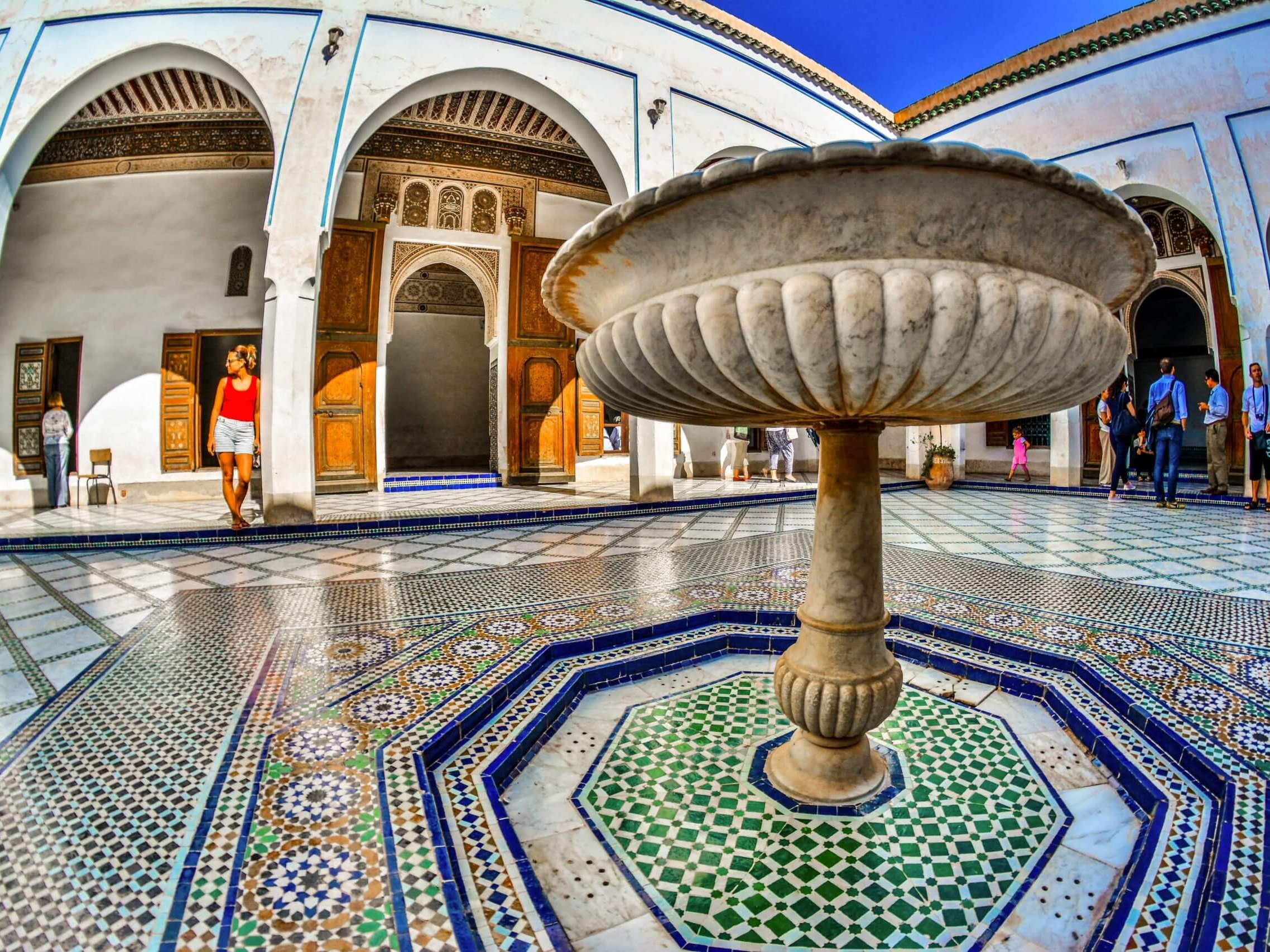
The Bahia Palace is a stunning example of Moroccan architecture, featuring intricate tile work, lush gardens, and beautiful courtyards. It offers a glimpse into the opulent lifestyle of the past.
Historical
1-2 hours
70 MAD
Majorelle Garden
The Majorelle Garden is a beautiful botanical garden designed by French painter Jacques Majorelle. It features a variety of plants, a striking blue villa, and a museum dedicated to Yves Saint Laurent.
Nature
2-3 hours
70 MAD
Saadian Tombs
The Saadian Tombs are a collection of mausoleums dating back to the 16th and 17th centuries. They were discovered in 1917 and offer a fascinating look into the history of Marrakech.
Historical
1 hour
70 MAD
Must-Try Local Dishes
Tagine
A slow-cooked stew made with meat, vegetables, and spices, named after the earthenware pot it's cooked in.
Main course
Vegetarian options available
Couscous
A dish made with steamed semolina grains, often served with vegetables and meat.
Main course
Vegetarian options available
Pastilla
A savory-sweet pie made with layers of filo pastry, filled with spiced pigeon or chicken, almonds, and powdered sugar.
Main course
Contains nuts
Mint Tea
A traditional Moroccan tea made with green tea and fresh mint leaves, sweetened with sugar.
Drink
Contains caffeine
Popular Activities
Hiking in the Atlas Mountains
Surfing in Essaouira
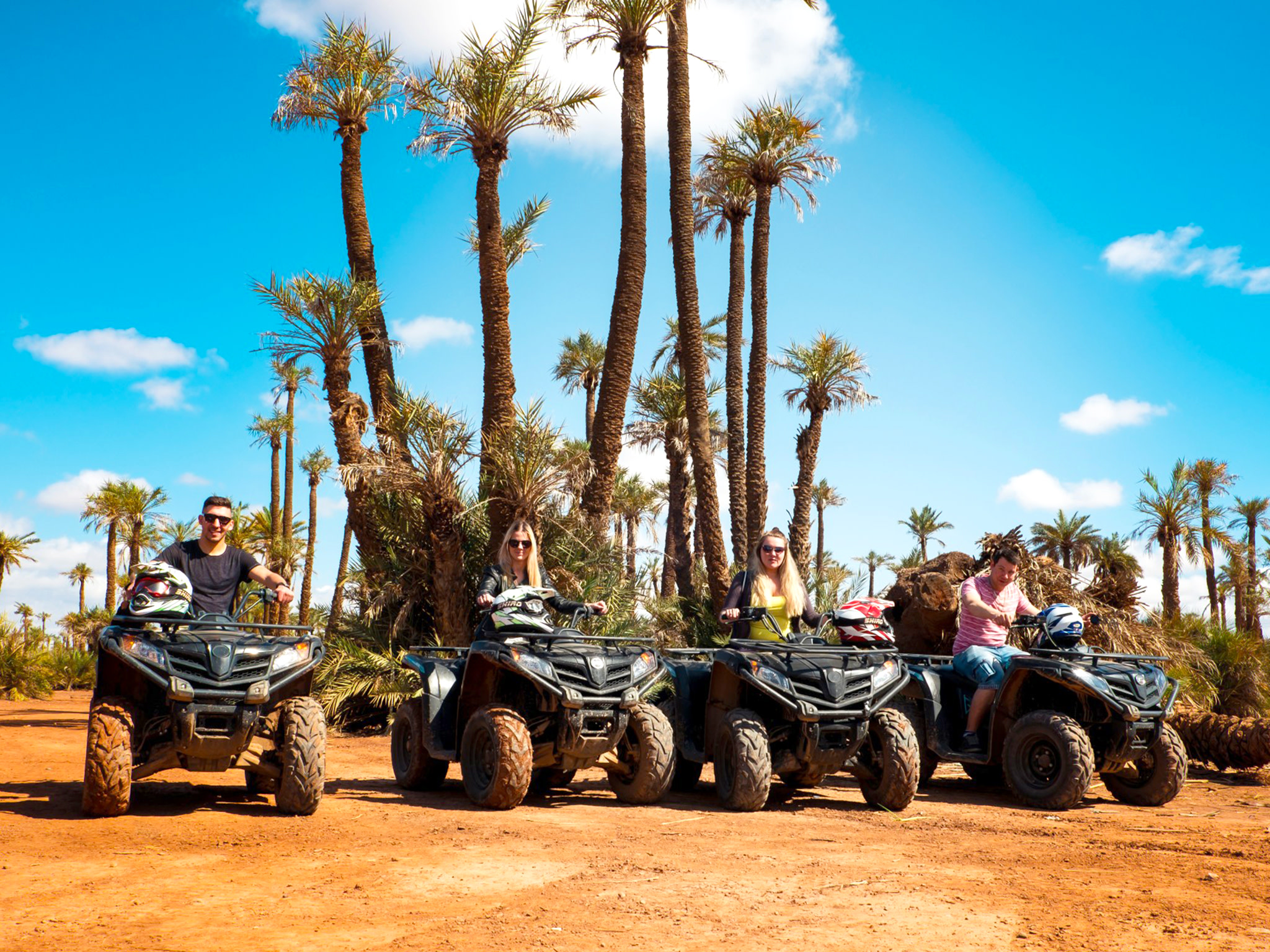
Quad biking in the desert
Spa treatments
Yoga retreats
Relaxing in a hammam
Exploring the medina
Visiting museums
Best Time to Visit
Spring (March to May) and Fall (September to November)
The best time to visit Marrakech is during spring and fall when the weather is pleasant and ideal for exploring the city. The temperatures are mild, and the crowds are manageable.
15°C to 25°C
59°F to 77°F
Practical Information
Language
- Official: Arabic
- Widely spoken: French, Berber languages
- English: Moderately spoken in tourist areas
Currency
Moroccan Dirham (MAD)
Time Zone
GMT+0
Electricity
220VV, 50HzHz
Safety Information
Overall Safety Rating: Exercise caution
Marrakech is generally safe for tourists, but petty crime and scams can occur. Be cautious of your surroundings, especially in crowded areas.
Important Precautions:
- • Be cautious of your belongings in crowded areas.
- • Use reputable taxi services and agree on the fare before starting your journey.
- • Avoid walking alone at night in less crowded areas.
Getting there
By air
- Menara International Airport • 4 km from city center
By train
Marrakech Railway Station
By bus
Marrakech Central Bus Station
Getting around
Public transport
Buses are the most common form of public transport in Marrakech. They are affordable and cover most areas of the city.
Taxis
Available • Apps: Careem, Heetch
Rentals
Car, Bike, Scooter
Neighborhoods
Medina
Gueliz
Hivernage
Day trips
Atlas Mountains
60 km from Marrakech • Full day
The Atlas Mountains offer stunning landscapes, hiking trails, and traditional Berber villages. It's a great escape from the city for nature lovers.
Ourika Valley
30 km from Marrakech • Half day to full day
The Ourika Valley is known for its beautiful landscapes, traditional Berber houses, and waterfalls. It's a popular destination for day trips from Marrakech.
Essaouira
180 km from Marrakech • Full day to overnight
Essaouira is a charming coastal town known for its beautiful beaches, historic medina, and vibrant arts scene. It's a popular destination for surfing, windsurfing, and relaxation.
Festivals
Marrakech Popular Arts Festival • Every July
Marrakech International Film Festival • Every November/December
Ramadan • Dates vary (Islamic calendar)
Pro tips
- Hire a local guide for a more immersive and informative experience.
- Learn a few basic phrases in Arabic or French to enhance your interactions with locals.
- Visit the medina early in the morning or late in the afternoon to avoid the heat and crowds.
- Bargain politely when shopping in the souks, as prices are often negotiable.
- Try local street food for an authentic culinary experience, but choose stalls with high turnover.
From $25
per person
Price varies by option
Secure booking
Free cancellation available
Instant confirmation