Barcelona: El Born Ghost Walking Tour.
Active
2h
For a full refund, cancel at least 24 hours before the scheduled departure time.
Instant confirmation
Mobile or paper ticket accepted
About this experience
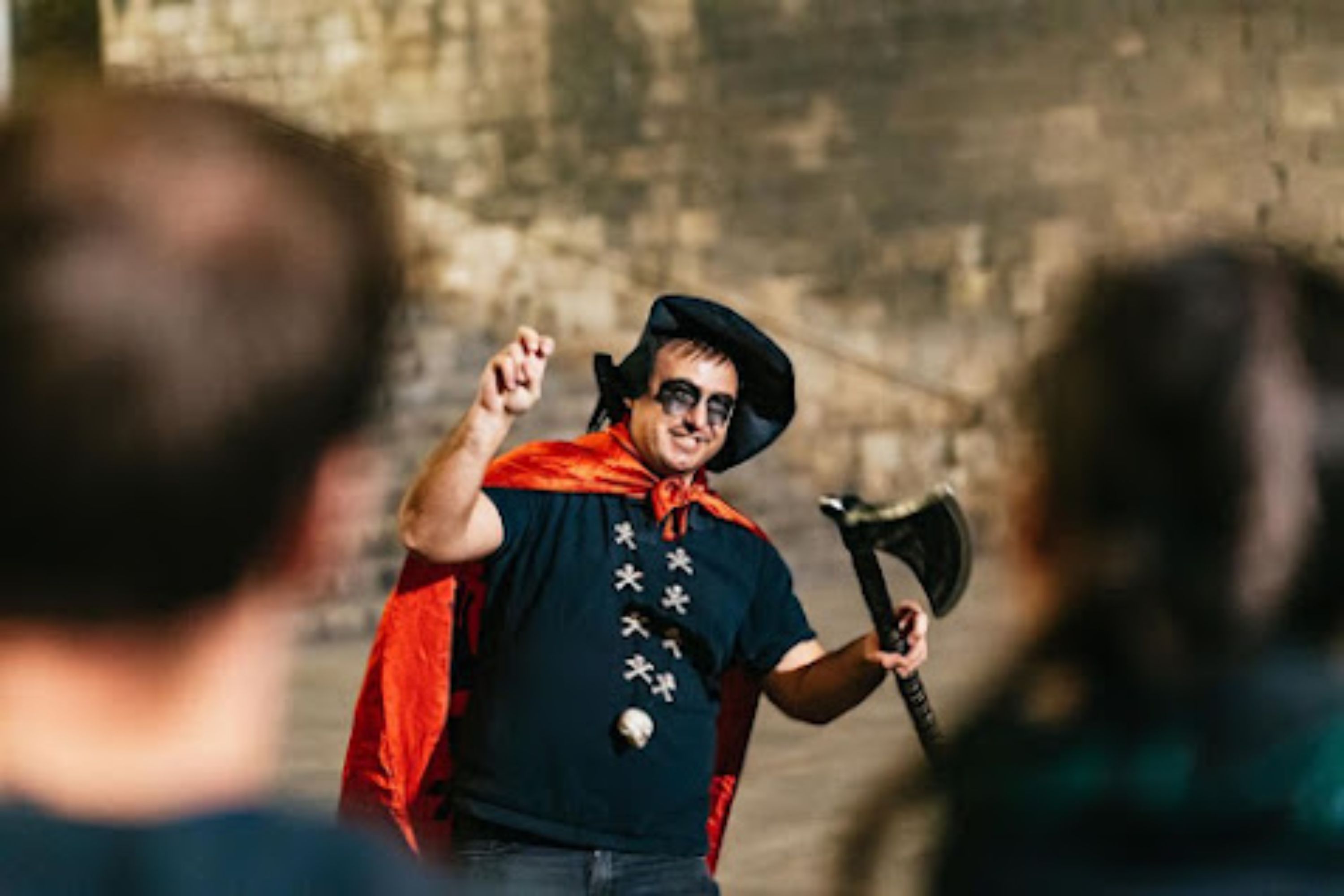
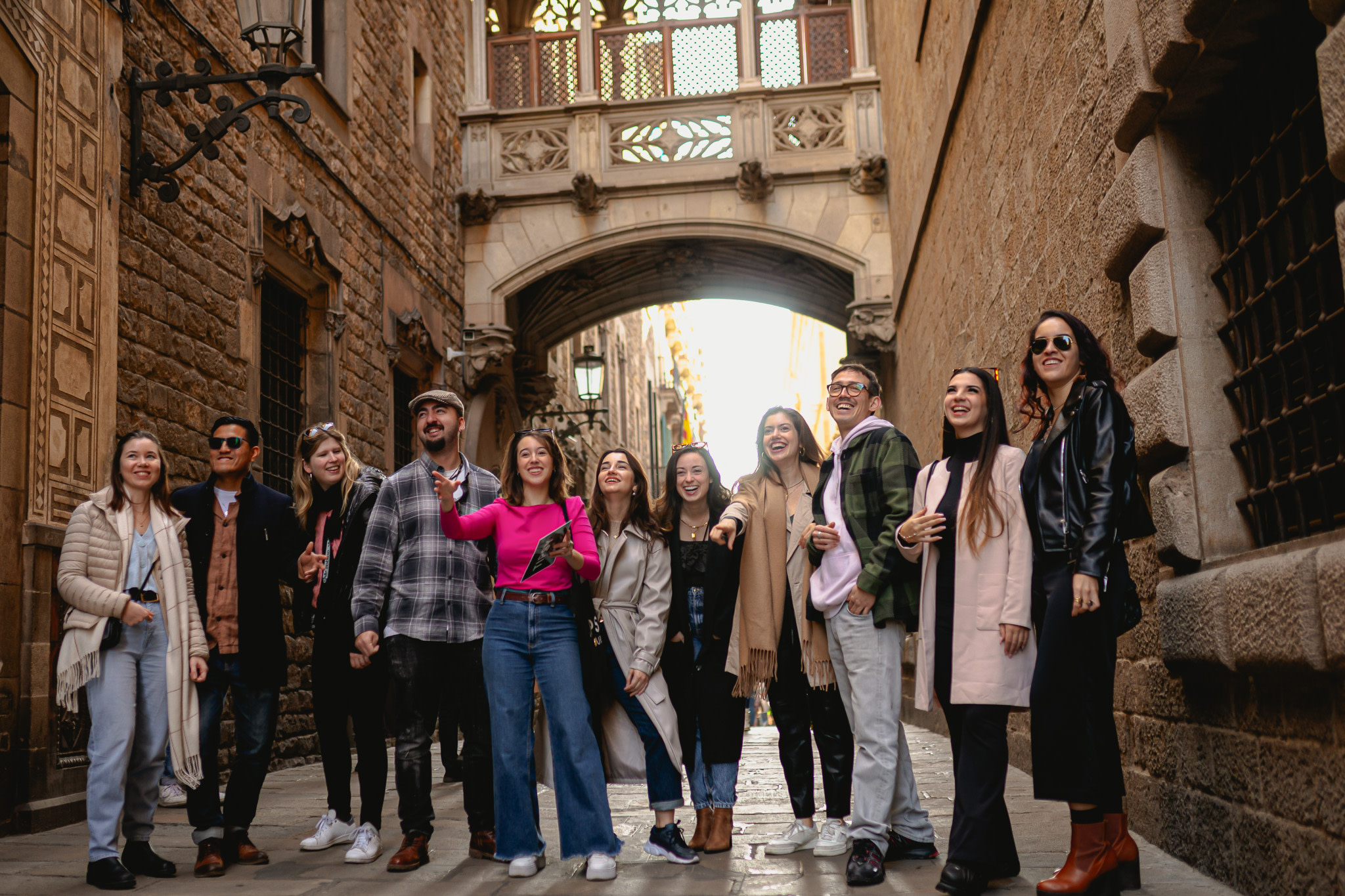
Dive into Barcelona’s shadowy side on a nighttime ghost tour that uncovers the city’s paranormal secrets and age-old legends. Follow an expert guide through mysterious alleys and historic quarters as you hear tales of witchcraft, exorcisms, and unexplained phenomena. Along the way, admire iconic landmarks like the stunning Santa Maria del Mar and the grand Arc de Triomf—all under the spellbinding glow of the night.
Available options
English Tour
Private Tour
Tour en español
What's included
Professional guide
Detailed itinerary
1
Built for the Universal Exposition in 1888, the Arc de Triomf stood at the head of the avenue that led to the main entrance of the fair, in Parc de la Ciutadella. The redbrick monument, built in the Neo-Mudéjar style, reflected the eclectic, decorative taste so typical of Catalan Art Nouveau in vogue at that time.
2
We are in the heart of the Sant Pere neighborhood, which, together with Santa Caterina, was a major center of commercial and textile activity from its origins. During the 19th century, the area was filled with silk and cotton factories and printing workshops, with more than 280 textile businesses operating between the two neighborhoods. Carrer del Portal Nou has ancient origins, as it once served as an entrance to the city from an old Roman road coming from France. In the 15th and 16th centuries, the street was lined with porticoes that supported commercial life, although most were demolished in the early 19th century. Today, only a few remain. The area, near Barcelona’s medieval walls, is also surrounded by local legends, with reports of mysterious apparitions seen late at night.
3
Sant Pere Square was once home to the Monastery of Sant Pere de les Puel·les, founded before the first millennium as a refuge for noble nuns. Repeatedly destroyed by invasions, wars, and fires, the monastery was rebuilt many times and briefly enjoyed prosperity after its reconsecration in 1143. Eventually confiscated and used as a prison, the nuns were forced to leave permanently. Today, the site is surrounded by legends of ghostly nuns said to haunt the square, unable to rest after centuries of suffering.
4
This narrow, picturesque street in the Born district was once known for selling real snow, long before refrigerators existed. People came here to buy snow used to cool drinks, preserve food, or make ice cream.
5
A historic, mysterious corner where the ancient Roman Road connected Barcelona to Europe, passing through lively streets and centered around the once-famous, now darkly reputed Hostal Flor de Lliri.
6
In Barcelona’s Ribera district, Plaça d’En Marcús is named after Bernat Marcús, a wealthy 12th-century benefactor who funded charity works, including a chapel and hospital for the poor and pilgrims.
7
A key historic spot in Barcelona, now a street of galleries and museums, was originally the 11th-century coastal path Camí del Born in the undefined Vilanova del Mar area, whose lands were later granted to influential citizens by Count Ramon Berenguer IV.
8
Stop 8
Pass by
Passeig del Born, a historic and lively Barcelona spot, was once home to medieval jousts but later became a dark site linked to the Inquisition, hiding eerie legends beneath its charming facade.
9
Stop 9
Pass by
Built between 1329 and 1384, the Basilica of Santa Maria del Mar is a stunning example of Catalan Gothic, funded and built by Ribera’s residents, especially the bastaixos—workers who carried heavy stones from Montjuïc over long distances. Unlike Barcelona’s Cathedral, it belonged to the people, giving it special significance.
What's not included
Food and drinks, unless specified
Gratuities
Available languages
Guide guide
EN
Reviews breakdown
Viator
3.7
46 reviews
5★
17
4★
15
3★
4
2★
4
1★
6
Tripadvisor
4.1
8 reviews
5★
5
4★
1
3★
1
2★
0
1★
1
Important information
Wheelchair accessible
Infants and small children can ride in a pram or stroller
Service animals allowed
Public transportation options are available nearby
Specialized infant seats are available
Transportation options are wheelchair accessible
All areas and surfaces are wheelchair accessible
Suitable for all physical fitness levels
Operates in all weather conditions, please dress appropriately
Comfortable shoes are recommended
Please Note: Departure time on Fridays: 8:30pm and Saturdays at 8:00pm.
Meeting point
Arc de Triomf Monument
Important notes
• Please Note: Departure time on Fridays at 9:30pm and Saturdays at 8:30pm.
• Contact phone the day of the tour: +34 616 293 080
About Barcelona
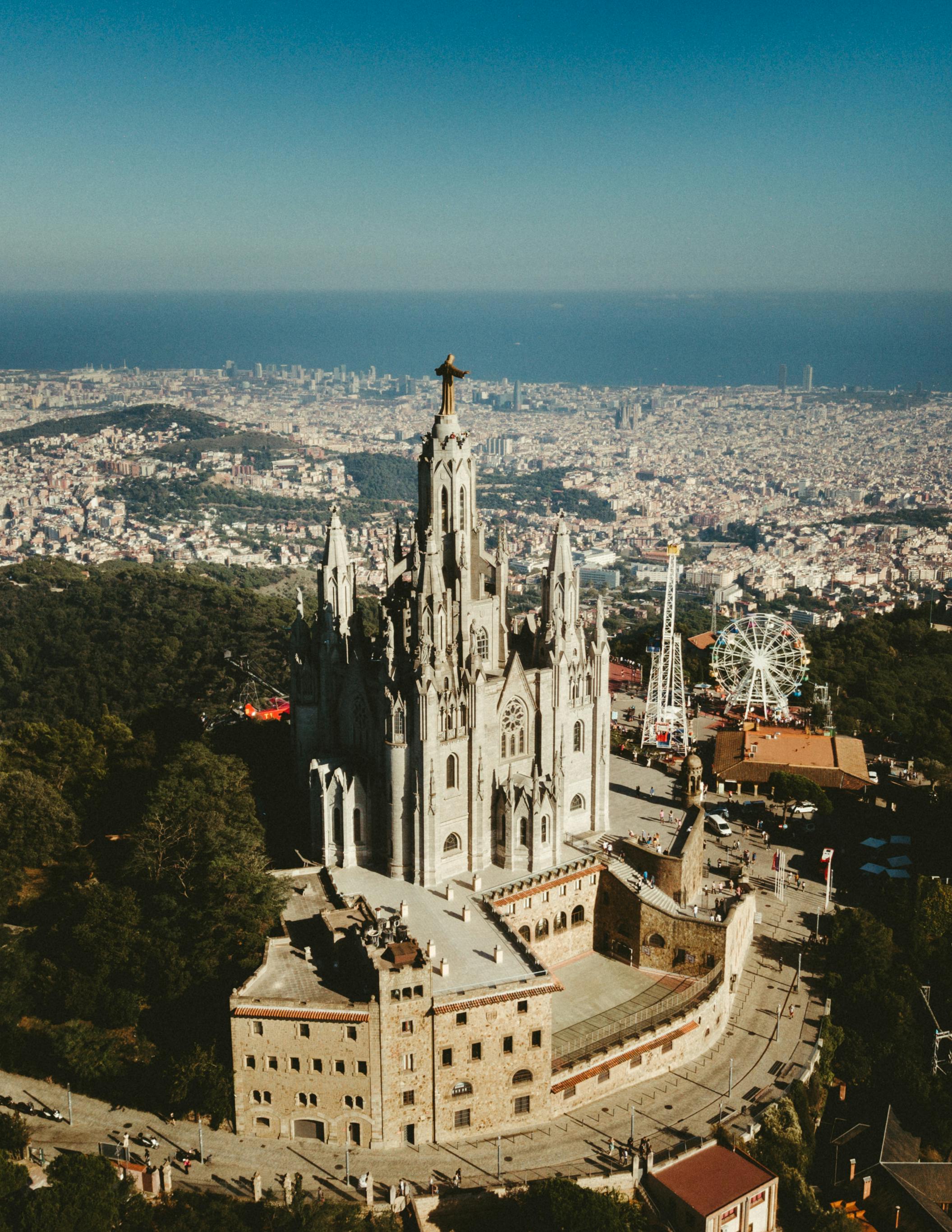
Barcelona is a vibrant city on the northeastern coast of Spain, known for its rich cultural heritage, stunning architecture, and lively atmosphere. It seamlessly blends medieval history with modernist masterpieces, making it a unique and appealing destination for travelers.
Top Attractions
Sagrada Família
Antoni Gaudí's unfinished masterpiece, a stunning basilica that combines Gothic and Art Nouveau forms. It's a UNESCO World Heritage Site and a must-visit.
Architecture
1.5-2.5 hours
€26-€34 (depending on access to towers)
Park Güell
Another Gaudí masterpiece, this park features colorful mosaics, whimsical structures, and beautiful city views.
Architecture
1.5-2 hours
€10 (Monumental Zone)
La Rambla
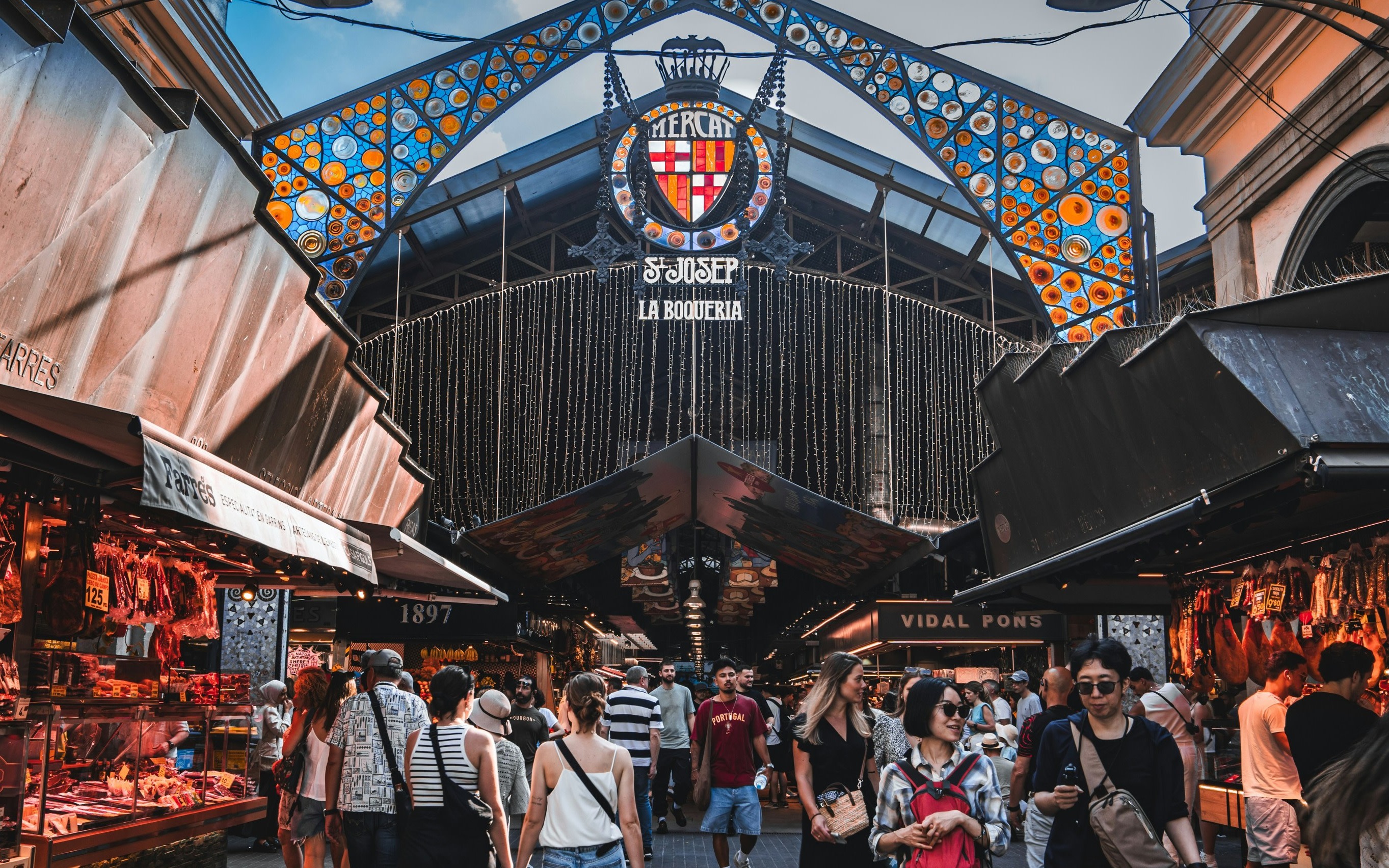
A famous pedestrian street filled with shops, restaurants, street performers, and the famous La Boqueria market.
Street
1-2 hours
Free (shopping and dining costs vary)
Casa Batlló
A unique building designed by Gaudí, known for its surrealist design and colorful façade.
Architecture
1 hour
€35-€45 (depending on the tour)
Gothic Quarter
The historic heart of Barcelona, filled with medieval streets, ancient buildings, and hidden plazas.
Historical
2-3 hours
Free (some attractions may have entry fees)
Must-Try Local Dishes
Pa amb tomàquet
Bread rubbed with tomato, garlic, and olive oil, often served as an appetizer.
Snack
Vegetarian
Fideuà
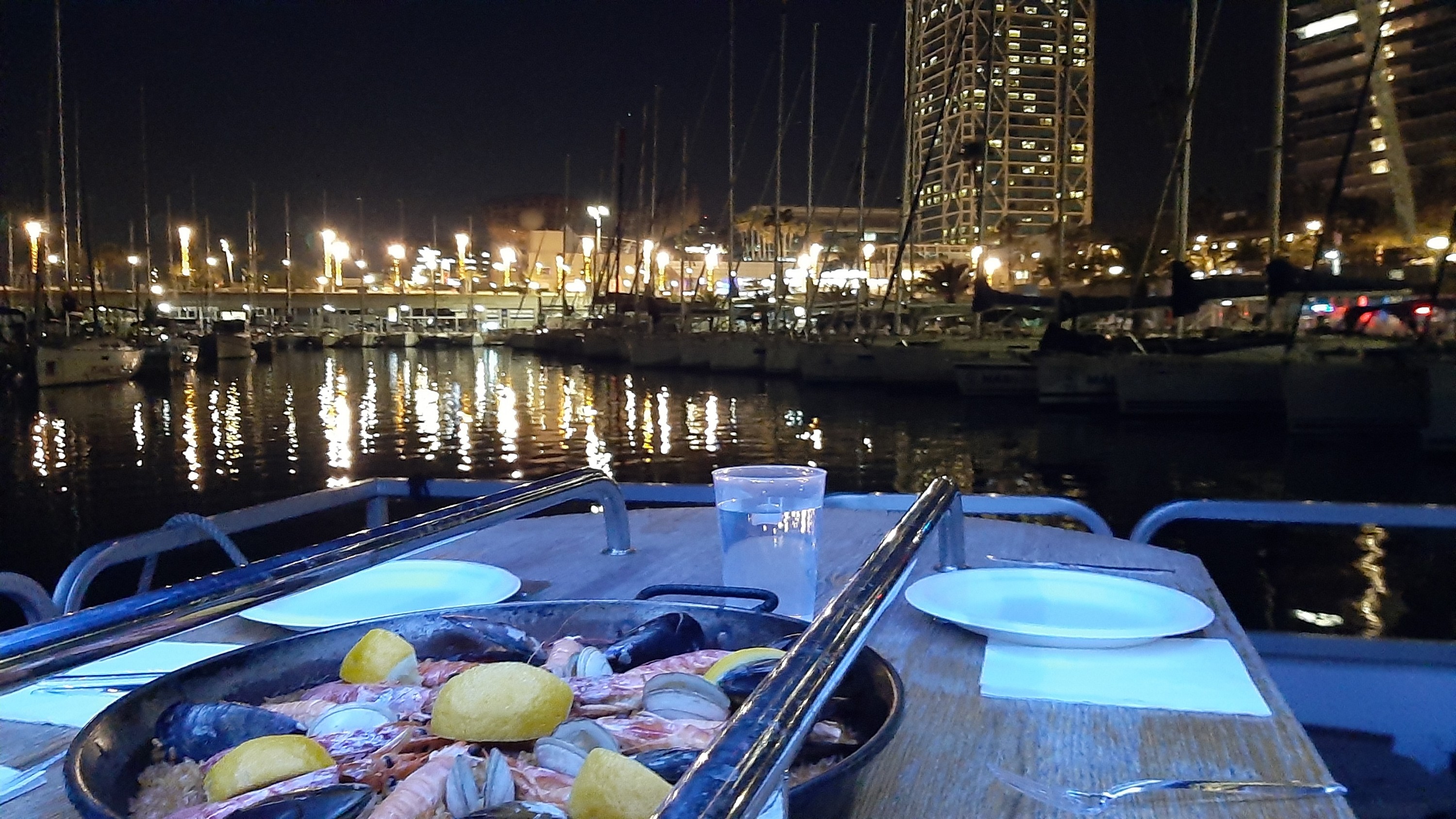
A paella-like dish made with short, thin noodles, seafood, and saffron.
Main Course
Contains seafood
Crema Catalana
A Catalan version of crème brûlée, made with egg yolks, sugar, and cinnamon.
Dessert
Vegetarian
Patatas Bravas
Fried potato cubes topped with a spicy tomato sauce and garlic aioli.
Snack
Vegetarian
Popular Activities
Hiking in Montserrat
Water sports in Barceloneta
Rock climbing
Beach lounging in Barceloneta
Spa treatments
Strolling through parks and gardens
Visiting museums and galleries
Attending festivals and events
Best Time to Visit
May to June, September to October
The peak season offers pleasant weather and is ideal for exploring the city's attractions. The crowds are manageable, and the city is vibrant with festivals and events.
20°C to 28°C
68°F to 82°F
Practical Information
Language
- Official: Catalan, Spanish
- Widely spoken: English, French
- English: Moderately spoken
Currency
Euro (EUR)
Time Zone
GMT+1 (CET), GMT+2 (CEST during daylight saving time)
Electricity
230VV, 50HzHz
Safety Information
Overall Safety Rating: Generally safe
Barcelona is generally safe, but like any major city, it has its share of petty crime and scams. Be aware of your surroundings, especially in touristy areas and on public transportation.
Important Precautions:
- • Be cautious of pickpockets, especially in crowded areas and on public transportation.
- • Keep an eye on your belongings, especially in touristy areas and on public transportation.
- • Be cautious of fake petitions or distractions to steal from you.
Getting there
By air
- Barcelona-El Prat Airport • 12 km from city center
By train
Sants Station, Estació de França
By bus
Estació d'Autobusos Sants, Estació d'Autobusos Nord
Getting around
Public transport
The metro system is efficient, clean, and covers most of the city. It's a great way to get around quickly and affordably.
Taxis
Available • Apps: Free Now, Cabify
Rentals
Car, Bike, Scooter
Neighborhoods
Eixample
Gràcia
Barceloneta
Gothic Quarter
El Raval
Day trips
Montserrat
50 km from Barcelona • Half day to full day
A stunning mountain range with a historic monastery, offering hiking, scenic views, and religious sites.
Girona
100 km from Barcelona • Full day
A charming medieval city with a well-preserved Jewish Quarter, a stunning cathedral, and a rich history.
Sitges
40 km from Barcelona • Half day to full day
A picturesque coastal town known for its beaches, nightlife, and historic sites.
Festivals
La Mercè Festival • Late September
Sant Jordi • April 23
Festa Major de Gràcia • Mid-August
Pro tips
- Visit popular attractions like the Sagrada Família and Park Güell early in the morning or late in the afternoon to avoid crowds.
- Explore the city's neighborhoods on foot or by bike to discover hidden gems and local culture.
- Try local specialties like pa amb tomàquet, fideuà, and crema catalana at local markets and restaurants.
- Use the T-Casual pass for unlimited travel on public transportation, which is more cost-effective than single tickets.
- Be cautious of pickpockets, especially in crowded areas and on public transportation, and keep an eye on your belongings.
From $25
per person
Price varies by option
Secure booking
Free cancellation available
Instant confirmation