Kamakura Private Half-Day Tour with Licensed Guide – Customizable
Active
4h
All sales are final. No refund is available for cancellations.
Manual confirmation
Mobile or paper ticket accepted
About this experience
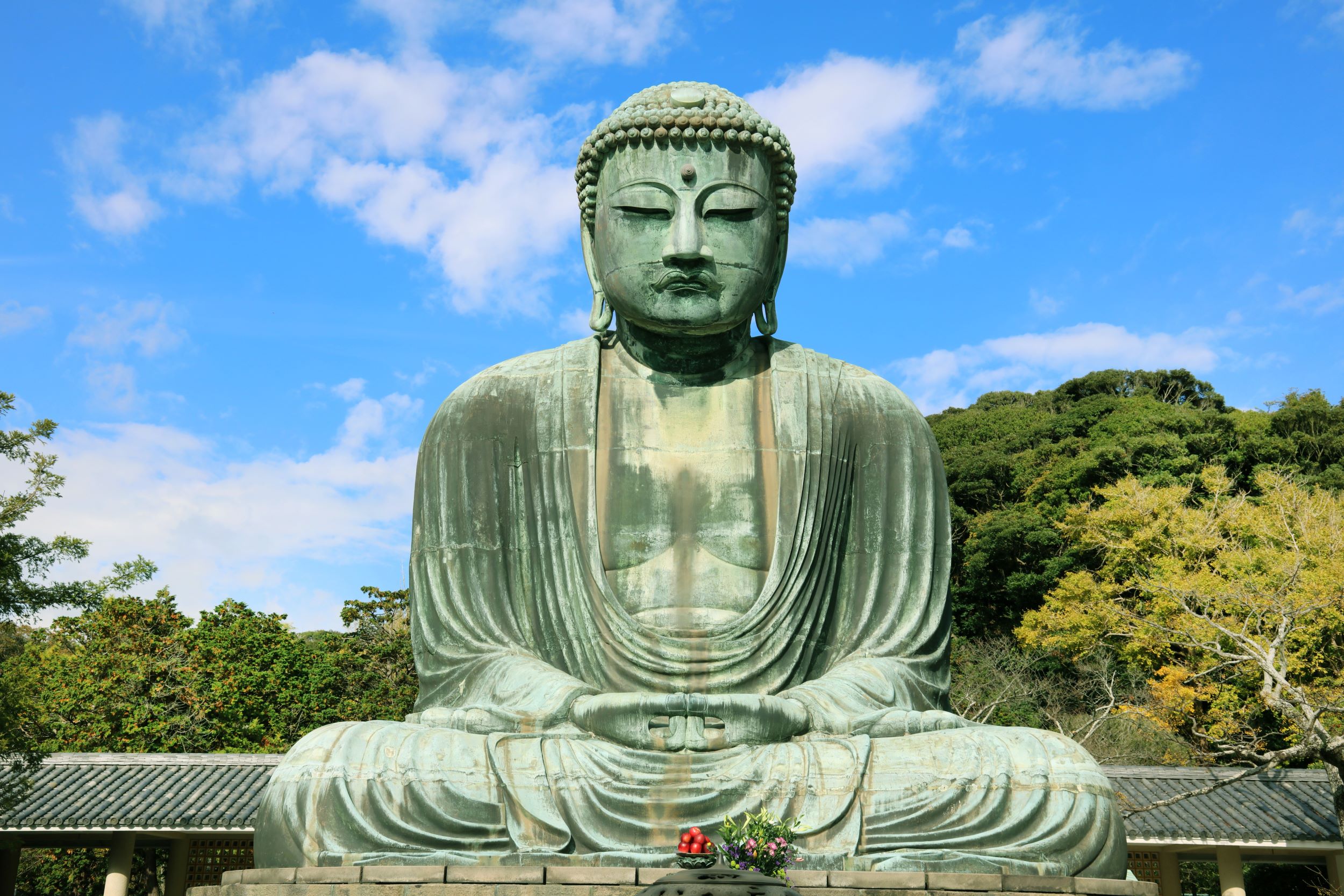
Discover the ancient charm of Kamakura on a private 4-hour tour with a nationally licensed guide. Ideal for travelers coming from Tokyo or staying locally, this customizable half-day trip lets you choose 2–3 must-see attractions, such as the Great Buddha, Hasedera Temple, Komachi Street, or hidden bamboo temples.
Your guide will lead you through a mix of local trains, buses, and walking paths, offering cultural insights and historical stories along the way. Meet at Kamakura Station or a nearby location and enjoy a relaxed yet enriching experience tailored to your interests.
Highlights:
・Get up close to the iconic Great Buddha of Kamakura
・Enjoy panoramic views from the terrace of Hasedera Temple
・Stroll down Komachi Street for local eats and souvenirs
・Create a custom itinerary with recommendations from your expert guide
We can pick you up at Kamakura Station or your hotel. We will travel by public trains and buses, not a private car. You will need to pay for the transport.
Available options
Kamakura Private Half-Day Tour with Licensed Guide – Customizable
Pickup included
What's included
Pick-up service from hotels in the Kanagawa area (on foot and by train)
Tour guided by an experienced English-speaking professional
Detailed itinerary
1
Stop 1
At Tsurugaoka Hachimangu Shrine, the most important spiritual site in Kamakura, guests will explore one of Japan’s most iconic Shinto shrines with deep ties to the samurai era.
Your local guide will explain the history of the shrine, which was originally founded by Minamoto no Yoritomo, the first shogun of the Kamakura shogunate. As you approach the grand staircase and main hall, you’ll learn how to respectfully enter a shrine, bow, and make an offering at the altar.
Guests will also enjoy a walk through the peaceful shrine grounds, including scenic ponds and seasonal gardens. For those interested, there is time to browse traditional charms (omamori) or try drawing a paper fortune (omikuji), both meaningful elements of Japanese spiritual culture.
This visit is a chance not only to see beautiful traditional architecture, but to understand the values and customs of Shinto practice and how it continues to influence Japanese life today.
2
Komachi Street is a lively shopping and food street located just steps from Kamakura Station and the entrance to Tsurugaoka Hachimangu Shrine. It's one of the most popular areas in Kamakura for both locals and tourists.
During the tour, guests can stroll through the vibrant alley filled with traditional shops, local crafts, and street food vendors. Your guide will point out recommended snacks to try — from freshly made rice crackers and matcha sweets to sweet potato treats and wagashi (traditional Japanese confections).
This is a perfect chance to experience the casual, fun side of Japanese culture. You can shop for souvenirs, taste seasonal specialties, and enjoy the atmosphere of a place where old traditions meet modern tastes.
The area is also great for people-watching and photography, with colorful displays, friendly shopkeepers, and a relaxed but lively energy that captures the spirit of Kamakura.
3
Hasedera Temple is one of Kamakura’s most beautiful and serene temples, located on a hillside overlooking the ocean. It is known for its seasonal flowers, tranquil atmosphere, and a massive wooden statue of Kannon, the goddess of mercy.
During the tour, guests will explore the temple grounds, which include peaceful gardens, lotus ponds, and scenic walking paths. Your guide will explain the spiritual and historical significance of the temple, which has welcomed visitors for over a thousand years.
Inside the main hall, guests can view the impressive eleven-headed Kannon statue, one of the largest wooden Buddhist statues in Japan. There is also a cave dedicated to Benzaiten, a goddess associated with water and the arts, where visitors can walk through a mysterious tunnel lined with small stone carvings.
4
Stop 4
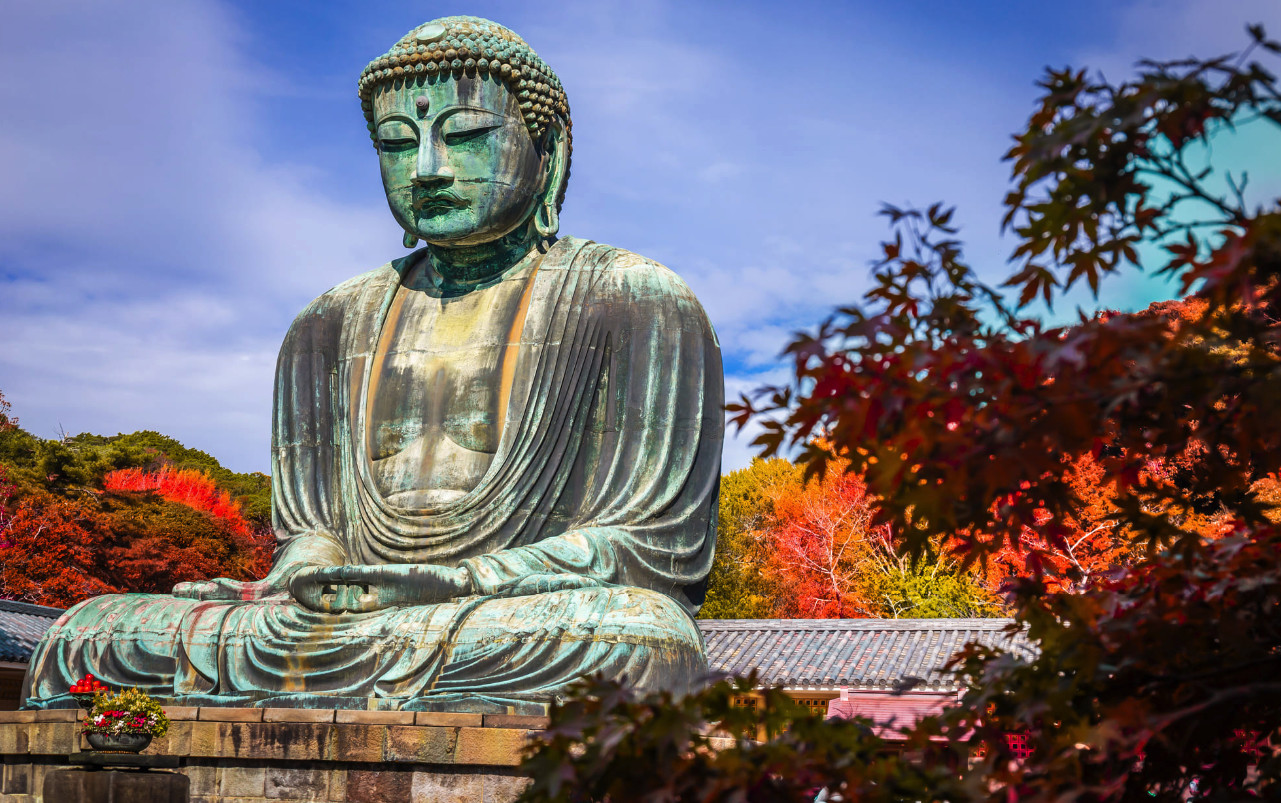
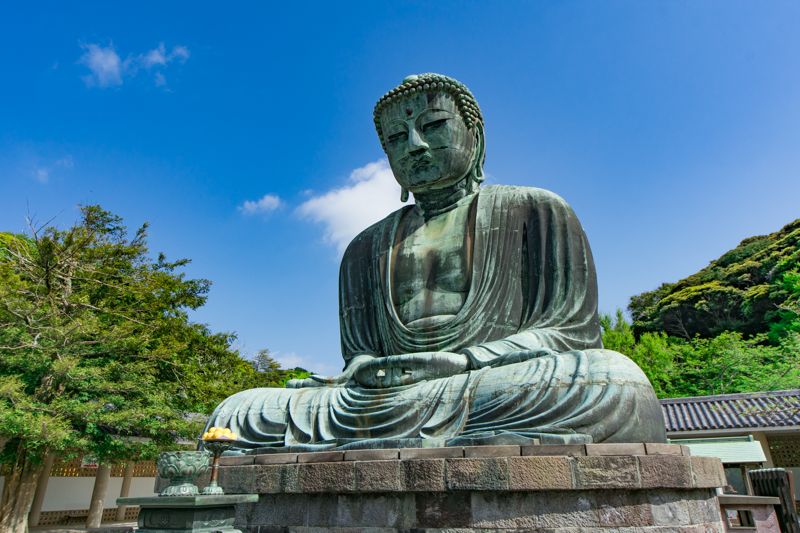
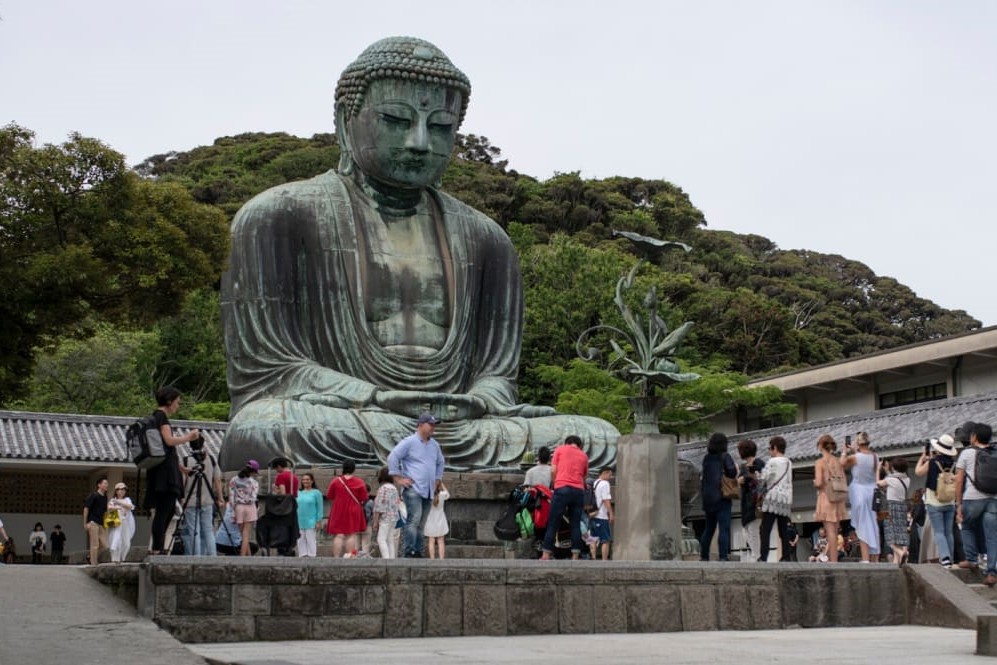
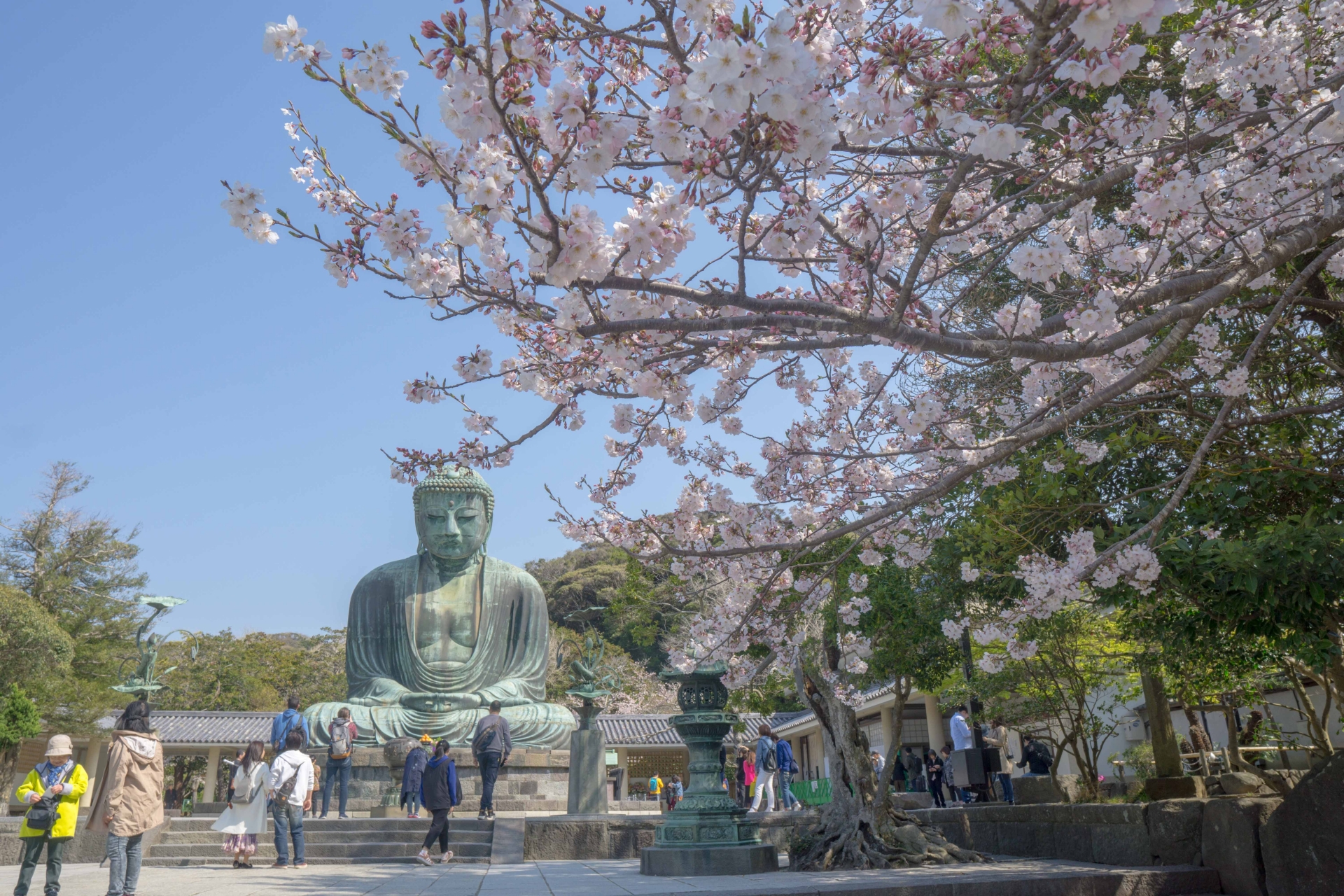
The Great Buddha of Kamakura, located at Kotoku-in Temple, is one of Japan’s most famous and iconic statues. This massive bronze statue of Amida Buddha stands over 13 meters tall and has been a symbol of Kamakura for centuries.
During the visit, guests will have the opportunity to admire the statue’s impressive scale and craftsmanship up close. Visitors can also enter inside the hollow statue, which offers a unique perspective and insight into its construction.
Your guide will explain the history of the statue, including how it survived natural disasters such as tsunamis and earthquakes over the centuries. You will also learn about the religious significance of the Buddha and its role in Japanese Buddhist culture.
The surrounding temple grounds provide a peaceful setting with gardens and small structures, allowing for a calm and reflective experience after viewing the statue.
5
Enjoy a quick train ride to Enoshima, a charming island linked by bridge to the mainland. Discover shrines, caves, observatories, and on clear days, stunning views of Mount Fuji.
6
Stop 6
Visit Engaku-ji, one of Eastern Japan’s leading Zen temples, founded in 1282. Nestled on wooded slopes, its majestic sanmon gate and tranquil atmosphere evoke deep serenity.
7
Discover Kencho-ji, Kamakura’s foremost Zen temple and the oldest of its kind. Its sprawling grounds feature sub-temples, a national treasure bell, and lush wooded hills.
8
Legend says that washing your money here will multiply its fortune. Nestled in a cave and dedicated to Benten, this shrine offers a delightful and unique cultural experience.
9
Known as the “Hydrangea Temple,” Meigetsuin is famed for its brilliant blue hydrangeas in June. The iconic round window framing the garden is a photographer’s favorite.
10
Explore Ankokuronji Temple, founded by Nichiren himself. A short hiking path winds up to the hilltop, offering sweeping views over Kamakura.
11
Founded by the Ashikaga family, Jomyo-ji Temple offers a serene Zen experience with a historic main hall and a restored tea house set in a simple, elegant garden.
12
Hidden in a forested valley, Zuisen-ji is a tranquil Zen retreat featuring a stone garden designed by Muso Soseki and seasonal plum blossoms.
13
Myohon-ji Temple is perched on a wooded hillside and connected by hiking routes to other nearby temples. It’s a peaceful sanctuary steeped in Nichiren Buddhism.
14
Jochi-ji, a branch of Engaku-ji, is known for its tranquil atmosphere and the three-Buddha shrine. Its modest grounds offer a moment of calm away from the crowds.
15
Once a refuge for women seeking divorce, Tokei-ji Temple was founded in the 13th century and is popular for its seasonal flower displays.
16
Founded by Hojo Masako in memory of her husband Minamoto no Yoritomo, Jufuku-ji features a serene approach often photographed, though the inner grounds remain private.
17
The only nunnery in Kamakura, Eisho-ji is famed for its seasonal flowers and peaceful bamboo grove. A hidden gem offering calm and elegance.
18
Step into the famed "Bamboo Temple," where over 2,000 towering bamboo stalks envelop you in tranquility. Enjoy a cup of matcha in the charming teahouse nestled within the bamboo grove.
What's not included
Please note that lunch and drinks are not included in the tour.
Transportation is by public trains and buses, not by private car.
Entrance fees are approximately
Available languages
Guide guide
JA
EN
FR
ES
Important information
Wheelchair accessible
Infants and small children can ride in a pram or stroller
Service animals allowed
Public transportation options are available nearby
Suitable for all physical fitness levels
Meeting point
Meeting Point:
In front of JR Kamakura Station – East Exit (outside the ticket gate)
Near the entrance of Komachi Street. Easy to find and popular for meeting.
About Kamakura
Kamakura is a historic city known as the ancient capital of Japan, rich in Buddhist temples, Shinto shrines, and traditional architecture. Its coastal location and scenic beauty make it a popular destination for both cultural and nature lovers.
Top Attractions
Tsuruoka Hachimangu Shrine
A significant Shinto shrine dedicated to the deity Hachiman, known for its beautiful architecture and cultural significance.
Religious
1-2 hours
Free (donations appreciated)
Kotoku-in (Great Buddha of Kamakura)
Home to a massive bronze statue of Amida Buddha, one of Kamakura's most iconic landmarks.
Historical
1-2 hours
Free (donations appreciated)
Komachi-dori
A bustling street filled with traditional shops, restaurants, and souvenir stalls.
Cultural
1-2 hours
Free to explore
Hasedera Temple
A beautiful temple complex with stunning ocean views and a history dating back to the 8th century.
Religious
1-2 hours
Free (donations appreciated)
Zeniarai Benten Shrine
A unique shrine where visitors can wash money for good fortune, located in a serene forested area.
Religious
30-60 minutes
Free (donations appreciated)
Kamakura Beach
A popular beach for swimming, sunbathing, and water sports, offering beautiful ocean views.
Nature
2-3 hours
Free (rentals available)
Must-Try Local Dishes
Shirasu Don
A bowl of rice topped with fresh whitebait, a local delicacy.
Lunch/Dinner
Contains fish
Kamaboko
Fish cakes with various shapes and flavors, often served as a snack or part of a larger meal.
Snack
Contains fish
Houtou
A hearty vegetable and noodle soup, often made with local produce.
Dinner
Vegetarian options available
Matcha Sweets
Traditional sweets made with matcha (green tea), a specialty of the region.
Dessert
Vegetarian
Popular Activities
Hiking in the surrounding hills
Beach activities
Onsen (hot spring) visits
Scenic walks
Temple and shrine visits
Traditional crafts workshops
Swimming
Surfing
Best Time to Visit
April (cherry blossom season), November (autumn foliage)
These periods offer the most pleasant weather and stunning natural scenery, attracting large crowds of tourists.
15-25°C (April), 10-20°C (November)
59-77°F (April), 50-68°F (November)
Practical Information
Language
- Official: Japanese
- Widely spoken: English (limited)
- English: Limited
Currency
Japanese Yen (JPY)
Time Zone
JST (GMT+9)
Electricity
100VV, 50/60HzHz
Safety Information
Overall Safety Rating: Very safe
Kamakura is a very safe destination with low crime rates. However, standard precautions should be taken to ensure a safe and enjoyable trip.
Important Precautions:
- • Keep valuables secure in crowded areas.
- • Use licensed taxis or ride-sharing services.
- • Be cautious of your surroundings at night, especially in less touristy areas.
Getting there
By air
- Haneda Airport • 50 km from Kamakura
- Narita Airport • 100 km from Kamakura
By train
Kamakura Station
By bus
Kamakura Station Bus Terminal
Getting around
Public transport
The JR Yokosuka Line connects Kamakura to Tokyo and Yokohama, while the Enoden Line offers a scenic route along the coast.
Taxis
Available • Apps: JapanTaxi, Uber
Rentals
Car, Bike, Scooter
Neighborhoods
Komachi-dori
Hase
Yuigahama
Zaimokuza
Day trips
Enoshima Island
10 km from Kamakura • Half day
A small island known for its scenic views, shrines, and caves, offering a mix of nature and culture.
Yokohama
30 km from Kamakura • Full day
A major city with a rich history, known for its Chinatown, museums, and waterfront attractions.
Hakone
50 km from Kamakura • Full day or overnight
A scenic onsen (hot spring) town known for its views of Mount Fuji, traditional ryokan (inns), and hot springs.
Festivals
Kamakura Festival • April (specific dates vary)
Tsurugaoka Hachimangu Reitaisai • September 14-15
Great Buddha Festival • December (specific dates vary)
Pro tips
- Visit the Great Buddha early in the morning to avoid crowds.
- Explore the Enoden Line for a scenic and historic tram ride along the coast.
- Try local specialties like shirasu (whitebait) and kamaboko (fish cakes).
- Combine a visit to Kamakura with a day trip to nearby Enoshima or Hakone.
- Carry cash for small purchases and local markets, as not all places accept cards.
From $25
per person
Price varies by option
Secure booking
Free cancellation available


![[Kamakura | Tram Experience] Kamakura Great Buddha & Kamakura Tram Experience & Kamakura High School & Enoshima & Tsurugaoka Hachimangu Shrine & Komachi Street Tokyo-Kamakura Day Trip (From Tokyo)](https://res.klook.com/image/upload/activities/zkjn1owdsbswo6geschc.jpg)
![[Mount Fuji & Hakone] Lake Ashi Torii Gate & Hakone Shrine & Hakone Pirate Ship & Hakone Ropeway & Owakudani & Lake Yamanaka & Oshino Hakkai Day Trip | Ropeway Ticket Included | Departure from Tokyo](https://res.klook.com/image/upload/activities/z0pgbdeyzw3p0rfq8v2n.jpg)
![[Kamakura Day Trip] Kamakura High School & Kamakura Great Buddha & Enoshima (Including Enoden Experience) | Departure from Tokyo](https://res.klook.com/image/upload/activities/qx0r21r2yooekgv8uf8m.jpg)