Cultural Trekking Tour of H'Mong Village In Dong Van
Active
5h
For a full refund, cancel at least 24 hours before the scheduled departure time.
Instant confirmation
Mobile or paper ticket accepted
About this experience
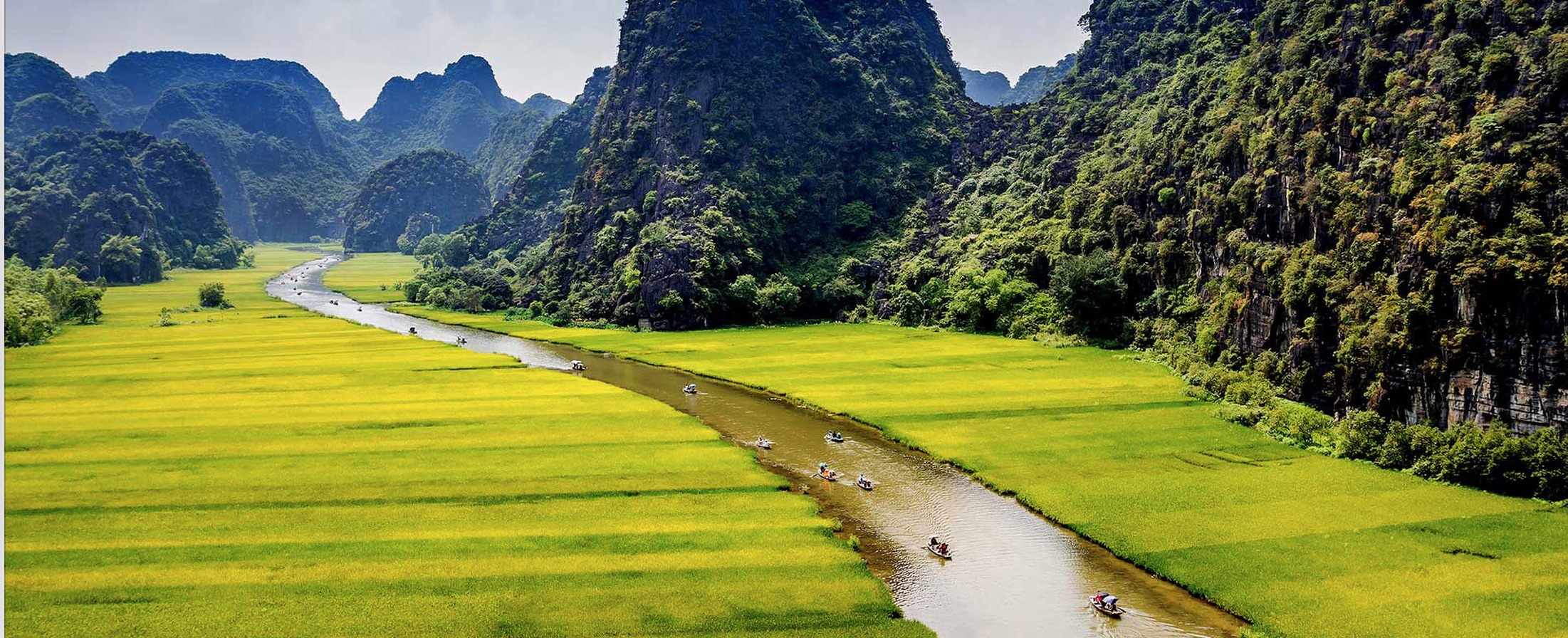
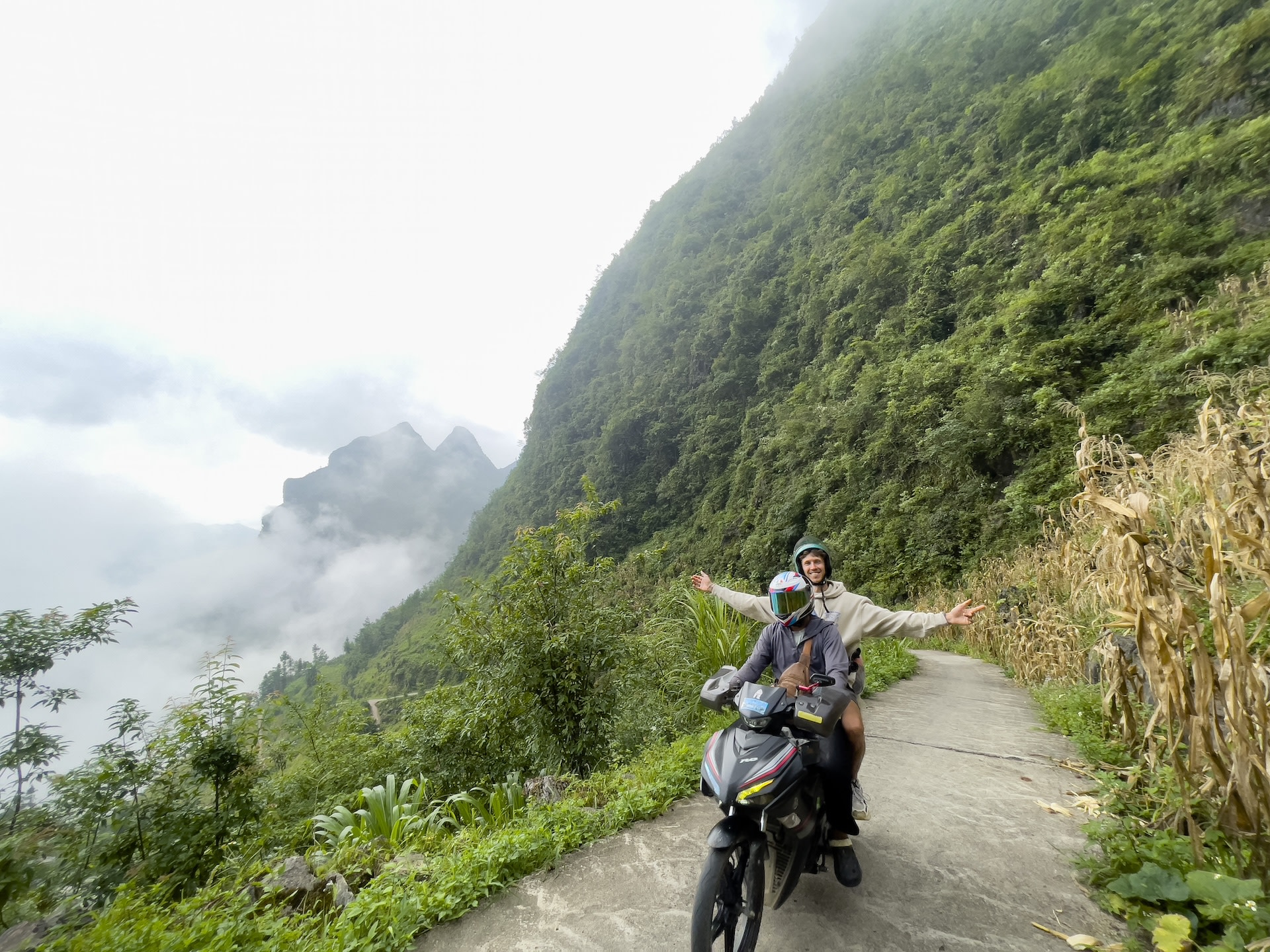
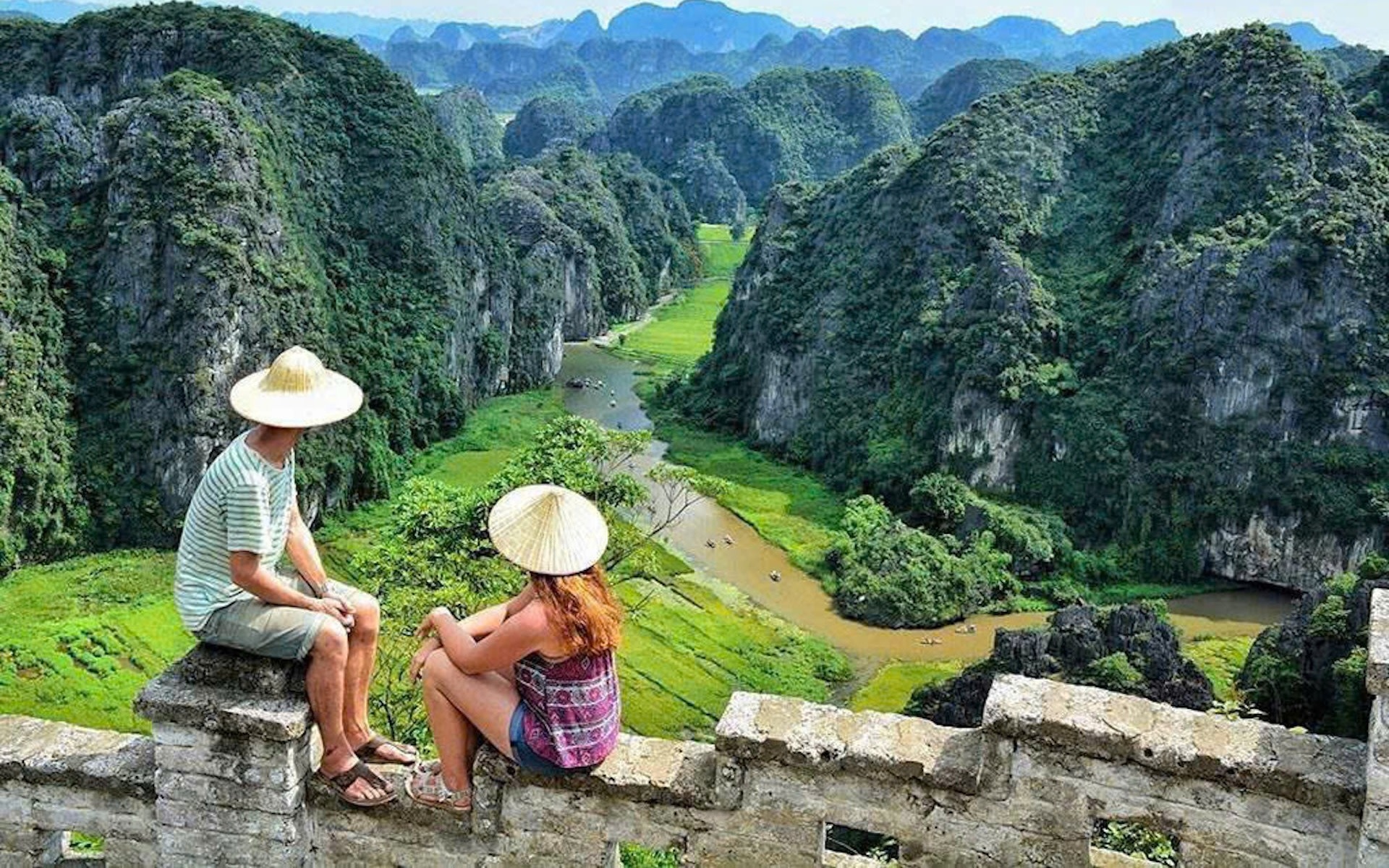
Walk through hidden ethnic villages, explore ancient mud houses, meet local people, and enjoy rare panoramic views of the Nho Que River and China border. A peaceful, authentic experience far from mass tourism
Available options
Cultural Trekking Tour of H'Mong Village In Dong Van
Pickup included
With Local guide(no-english)
Trekking adventure<br/>Duration: 5 hours<br/>picnic lunch/tea<br/>trails<br/>Pickup included
With English Speaking Guide
Trekiing<br/>Duration: 5 hours<br/>Picnic lunch/tea<br/>trails<br/>Pickup included
What's included
Bottled water
trekking poles
Entrance fee
Picnic Lunch
Herbal tea with picnic lunch
Guide
Detailed itinerary
1
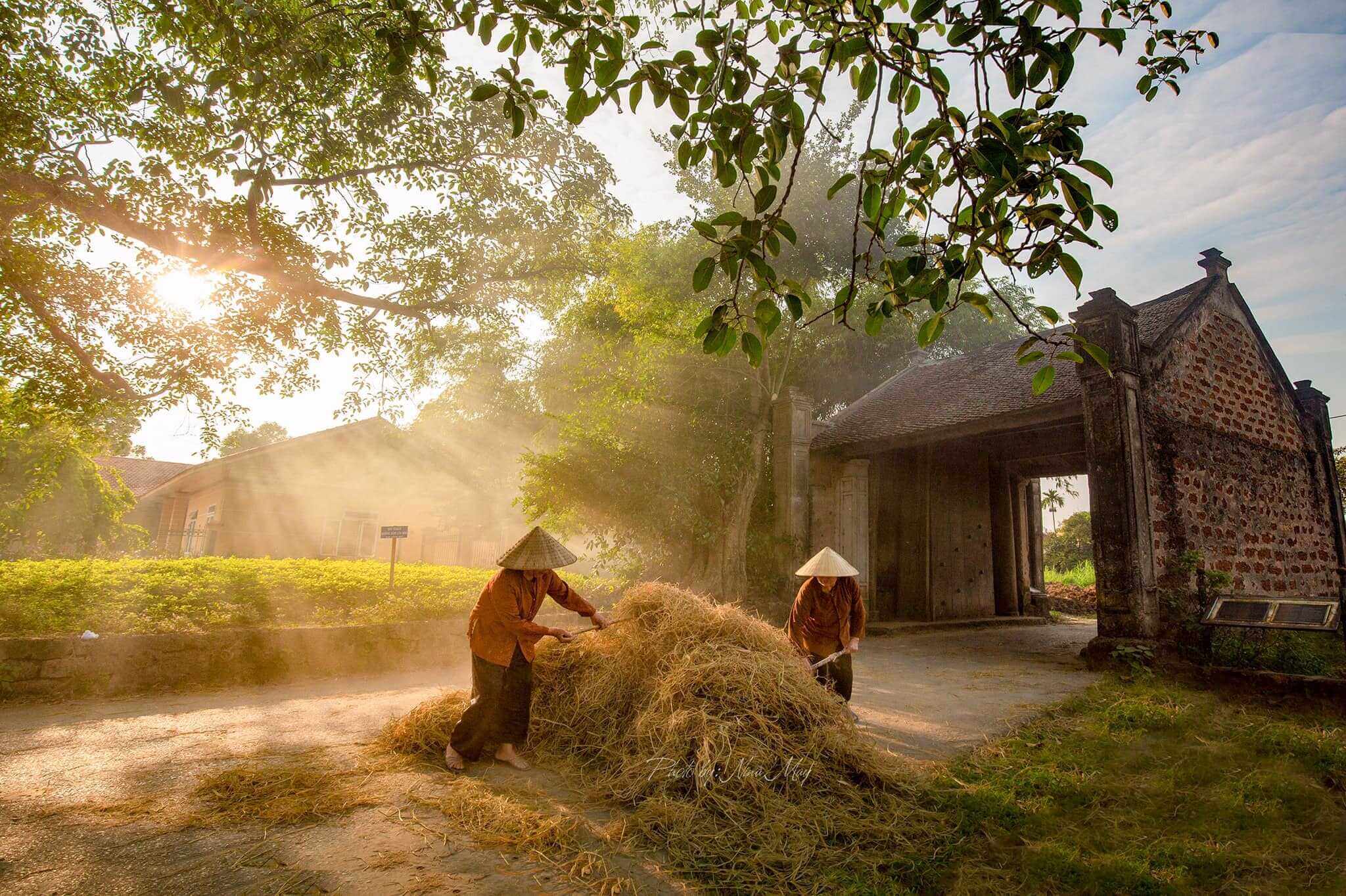
Thien Huong is a 100-year-old Giay ethnic village known for its ancient banyan tree and traditional earthen houses with yin-yang tiled roofs. Nestled in a quiet valley near the Chinese border, the village offers a peaceful walk through stone paths, low fences, and vegetable gardens. Locals here still preserve strong spiritual traditions, with a sacred communal altar used for village-wide ancestral worship. This stop offers insight into Giay culture, unique architecture, and the slow rhythm of daily life in a lesser-visited corner of Dong Van.
2
Po Lo is a peaceful H’mong village surrounded by limestone mountains and cornfields. As you walk through, you’ll see traditional earthen houses, locals farming or feeding livestock, and children playing. The path passes vegetable gardens, stone fences, and simple daily life scenes. It’s a great place to observe authentic H’mong culture away from tourism. Your guide will share stories about clan life and local customs while you enjoy the quiet rural atmosphere.
3
Ma U is a scenic H’mong village surrounded by terraced fields and forested hills. Guests often enjoy a light picnic here while watching daily life unfold—elders weaving hemp, children carrying water, or farmers working in the fields. The walk is gentle and offers stunning views of the surrounding landscape. This final stop is perfect for cultural reflection and peaceful moments before returning to Dong Van.
4
* After lunch, trek approximately 3 km back to Dong Van, passing through some of the most scenic terraced fields in the region.
* The tour concludes around 15:00 – 16:00 at Dong Van town.
5
Ma Pang – Deo Gio Viewpoint
This scenic viewpoint along Ma Pang – Deo Gio ridge offers a breathtaking panorama over the Nho Que River winding through the valley below. From here, you can see remote Tay villages on the slopes of Quang Ba and even spot the border ridgeline with China. The area is quiet and rarely visited, making it perfect for a peaceful photo stop. Your guide will point out landmarks and share stories about the local geography, border culture, and ethnic diversity of the region.
What's not included
Tips and insurance travel
Available languages
Guide guide
VI
EN
Reviews breakdown
Tripadvisor
5.0
1 reviews
5★
1
4★
0
3★
0
2★
0
1★
0
Important information
Not recommended for travelers with spinal injuries
Not recommended for pregnant travelers
Not recommended for travelers with poor cardiovascular health
Travelers should have at least a moderate level of physical fitness
Meeting point
go straight ahead from accent town around 100m on the right hand
About Ha Giang Province
Ha Giang Province is renowned for its breathtaking mountain landscapes, dramatic rice terraces, and ethnic minority cultures. Known as the 'Roof of Vietnam,' it offers some of the most stunning and challenging motorbike routes in the world, along with untouched natural beauty and rich cultural heritage.
Top Attractions
Dong Van Karst Plateau Geopark
A UNESCO-recognized geopark known for its stunning limestone karst landscapes, ethnic minority villages, and rich biodiversity. It's a must-visit for nature lovers and adventurers.
Nature
2-3 days
Free to explore, but guided tours may cost 2,000,000-4,000,000 VND (85-175 USD)
Ha Giang Loop
One of the most famous motorbike routes in the world, offering breathtaking views of rice terraces, mountains, and ethnic minority villages. The loop is approximately 300 km (186 miles) long and takes 3-4 days to complete.
Adventure
3-4 days
Free to ride, but budget for accommodation, food, and fuel (10,000,000-15,000,000 VND or 425-650 USD)
Lung Cu Flag Tower
The northernmost point of Vietnam, marked by a giant flagpole that stands 30 meters (98 feet) tall. It's a symbolic site and offers panoramic views of the surrounding mountains and valleys.
Historical
1-2 hours
Free
Ma Pi Leng Pass
One of the most breathtaking passes in Vietnam, offering stunning views of the Nho Que River and the surrounding limestone karst mountains. It's a popular stop on the Ha Giang Loop.
Nature
1-2 hours
Free
Heaven's Gate (Dong Van)
A scenic viewpoint offering breathtaking views of the Dong Van Karst Plateau Geopark. It's a popular stop for those exploring the Ha Giang Loop and Dong Van area.
Nature
1-2 hours
Free
Pao's House
A historic house in Dong Van that once belonged to a powerful H'mong family. It's a well-preserved example of traditional H'mong architecture and offers insights into the local culture and history.
Cultural
1 hour
50,000 VND (2.2 USD)
Must-Try Local Dishes
Thang Den
A traditional H'mong dish made from horse or beef, cooked with various herbs and spices. It's a hearty and flavorful dish that's often served at special occasions.
Main Dish
Contains meat, not suitable for vegetarians or vegans
Men Men (Sticky Rice with Bamboo Shoots)
A popular dish made from sticky rice and bamboo shoots, often served with grilled meat or fish. It's a staple food in Ha Giang and is known for its unique flavor and texture.
Main Dish
Vegetarian option available (without meat or fish)
Com Lam (Bamboo Tube Rice)
A traditional dish made from sticky rice cooked inside bamboo tubes, often served with grilled meat or fish. It's a popular dish among the ethnic minority groups in Ha Giang.
Main Dish
Vegetarian option available (without meat or fish)
Au Tau Porc (Fermented Pork)
A traditional H'mong dish made from fermented pork, often served with sticky rice or other local dishes. It's known for its strong and unique flavor.
Snack
Contains meat, not suitable for vegetarians or vegans
Popular Activities
Motorbiking the Ha Giang Loop
Hiking in the Dong Van Karst Plateau Geopark
Rafting on the Nho Que River
Coffee at a local café
Visiting local markets
Enjoying a traditional massage
Exploring ethnic minority villages
Visiting historic sites like Pao's House
Best Time to Visit
September to November (Autumn) and March to May (Spring)
These months offer pleasant weather with clear skies, making it ideal for outdoor activities and sightseeing. The landscapes are vibrant, and the temperatures are comfortable for travel.
15-25°C (59-77°F)
59-77°F
Practical Information
Language
- Official: Vietnamese
- Widely spoken: English (limited)
- English: Limited
Currency
Vietnamese Dong (VND)
Time Zone
GMT+7
Electricity
220VV, 50HzHz
Safety Information
Overall Safety Rating: Exercise caution
Ha Giang is generally safe for travelers, but the mountainous terrain and remote locations can pose challenges. Be prepared for long and challenging drives, and be cautious when engaging in adventure activities.
Important Precautions:
- • Be cautious when engaging in adventure activities, and always follow safety guidelines
- • Carry a map and GPS device, and be prepared for long and challenging drives
- • Be aware of your surroundings and take precautions to protect your belongings
Getting there
By air
- Noi Bai International Airport • 300 km (186 miles) from Ha Giang
By train
Ha Giang Station
By bus
Ha Giang Bus Station
Getting around
Public transport
Buses are the most common form of public transport in Ha Giang. They are affordable but can be crowded and slow.
Taxis
Available • Apps: Grab
Rentals
Car, Bike, Scooter
Neighborhoods
Ha Giang Town
Dong Van Town
Meo Vac
Day trips
Dong Van Karst Plateau Geopark
Within Ha Giang Province • Full day to overnight
Explore the stunning landscapes and rich cultural heritage of the Dong Van Karst Plateau Geopark. Visit ethnic minority villages, historic sites, and scenic viewpoints.
Ha Giang Loop
300 km (186 miles) • 3-4 days
Experience one of the most famous motorbike routes in the world, offering breathtaking views of rice terraces, mountains, and ethnic minority villages. The loop is approximately 300 km (186 miles) long and takes 3-4 days to complete.
Meo Vac and the Nho Que River
Within Ha Giang Province • Full day to overnight
Explore the stunning landscapes and rich cultural heritage of Meo Vac and the Nho Que River. Visit ethnic minority villages, historic sites, and scenic viewpoints.
Festivals
Khau Vai Love Market Festival • Late March
Lung Cu Flag Raising Ceremony • Daily at sunrise
Dong Van Karst Plateau Geopark Festival • Annually in September
Pro tips
- Rent a reliable motorbike and ensure it's in good condition before embarking on the Ha Giang Loop or other adventure activities
- Carry a map and GPS device, and be prepared for long and challenging drives, especially in remote or mountainous areas
- Hire a local guide for a more immersive and safe experience, especially when exploring the Dong Van Karst Plateau Geopark or the Ha Giang Loop
- Stay in a homestay for a unique and authentic cultural experience, and enjoy traditional meals and local hospitality
- Be respectful of local customs and traditions, and dress modestly when visiting religious sites or other sacred places
From $25
per person
Price varies by option
Secure booking
Free cancellation available
Instant confirmation